
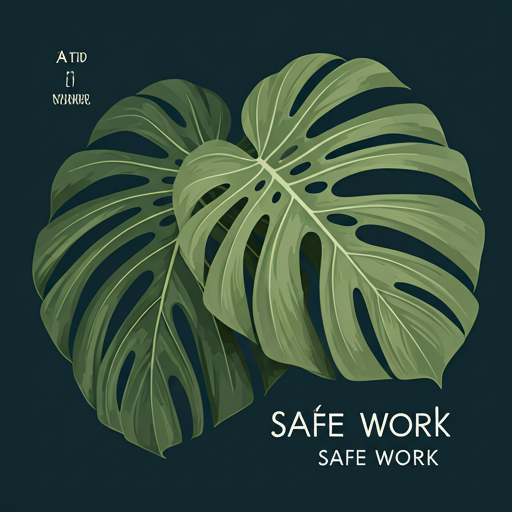
Quick answer
A full care overview for monstera covering light, watering, support, fenestration, and common decline patterns.
- Monsteras thrive on consistency more than intensity.
- Leaf splits improve with time, light, and vertical support.
- Most decline patterns come from environment and watering imbalance.
Monstera wants bright structure, not chaos
Monstera deliciosa grows best when light is bright and indirect, roots are allowed to dry partially between waterings, and the plant has something to climb. People often focus only on leaf size, but long-term success depends more on consistency. A monstera in a stable pattern rewards you with stronger stems and more mature leaves over time.
Fenestration depends on maturity, light, and support
People worry when their monstera does not split quickly, but fenestration is not a switch you force. Young plants need time. Low light slows the process. Lack of vertical support also limits how naturally the plant matures. Better light and a moss pole or stable stake can change future leaves dramatically.
- Bright indirect light supports larger leaves
- Aerial roots are normal and useful
- Support changes posture and future growth quality
Most monstera problems come from imbalance, not rarity
Yellow leaves, droop, or stalled growth usually trace back to light mismatch, watering inconsistency, or compact soil. Monsteras are expressive. If you read the plant early, it tells you plenty. Flori-style tracking is especially useful here because monsteras reward small corrections made before decline becomes dramatic.
Key takeaways
- Monsteras thrive on consistency more than intensity.
- Leaf splits improve with time, light, and vertical support.
- Most decline patterns come from environment and watering imbalance.
Article FAQ
You can trim them if needed for space, but they are normal and can help the plant anchor and climb. Guiding them into support is usually better than removing them all.