Aphids on Plants: Natural Ways to Get Rid of Them
Get rid of aphids naturally: check twice a week, hose or wipe them off, prune and let predators work. Use soap or oil only if needed, and follow the label.
 By Flori editorial team · Updated
Get rid of aphids naturally by checking plants twice a week, wiping or hosing colonies off with a strong spray of water, pruning badly curled tips, controlling ants and letting lady beetles, lacewings and parasitic wasps work. If numbers keep rising, use insecticidal soap or horticultural oil labelled for your plant, cover leaf undersides and follow the label.
Key takeaways
- Aphids cluster on new growth and under leaves; sticky honeydew, sooty mould and ants are the giveaway signs.
- In warm weather aphids can mature in 7 to 8 days, so check plants at least twice a week.
- Start with wiping, pruning and a strong spray of water, and leave the golden-brown 'mummies' alone.
- Insecticidal soap and oil work only on contact: cover leaf undersides, repeat as needed and follow the label.
- Avoid homemade dish-soap sprays and broad-spectrum insecticides, which harm plants and natural enemies.
How do you get rid of aphids naturally?
Aphids on plants are one of the easiest pests to see and one of the easiest to over-treat. You can get rid of most aphid colonies naturally by checking often, rinsing or wiping them off, pruning the worst tips and letting their natural enemies work, and only then reaching for insecticidal soap or horticultural oil. This guide walks through that ladder step by step, with a sign → cause → action table so you can tell an active infestation from one that is already being eaten.
What do aphids look like?
Aphids are small, soft, pear-shaped insects with long legs and antennae. Depending on the species they can be green, yellow, pink, brown or black, and some look waxy or woolly. UC IPM notes that most have a pair of small tubes, called cornicles, sticking out from the rear end, which no other insect has. Most adults are wingless; winged ones appear when colonies get crowded or in spring and autumn, which is how aphids move to new plants.
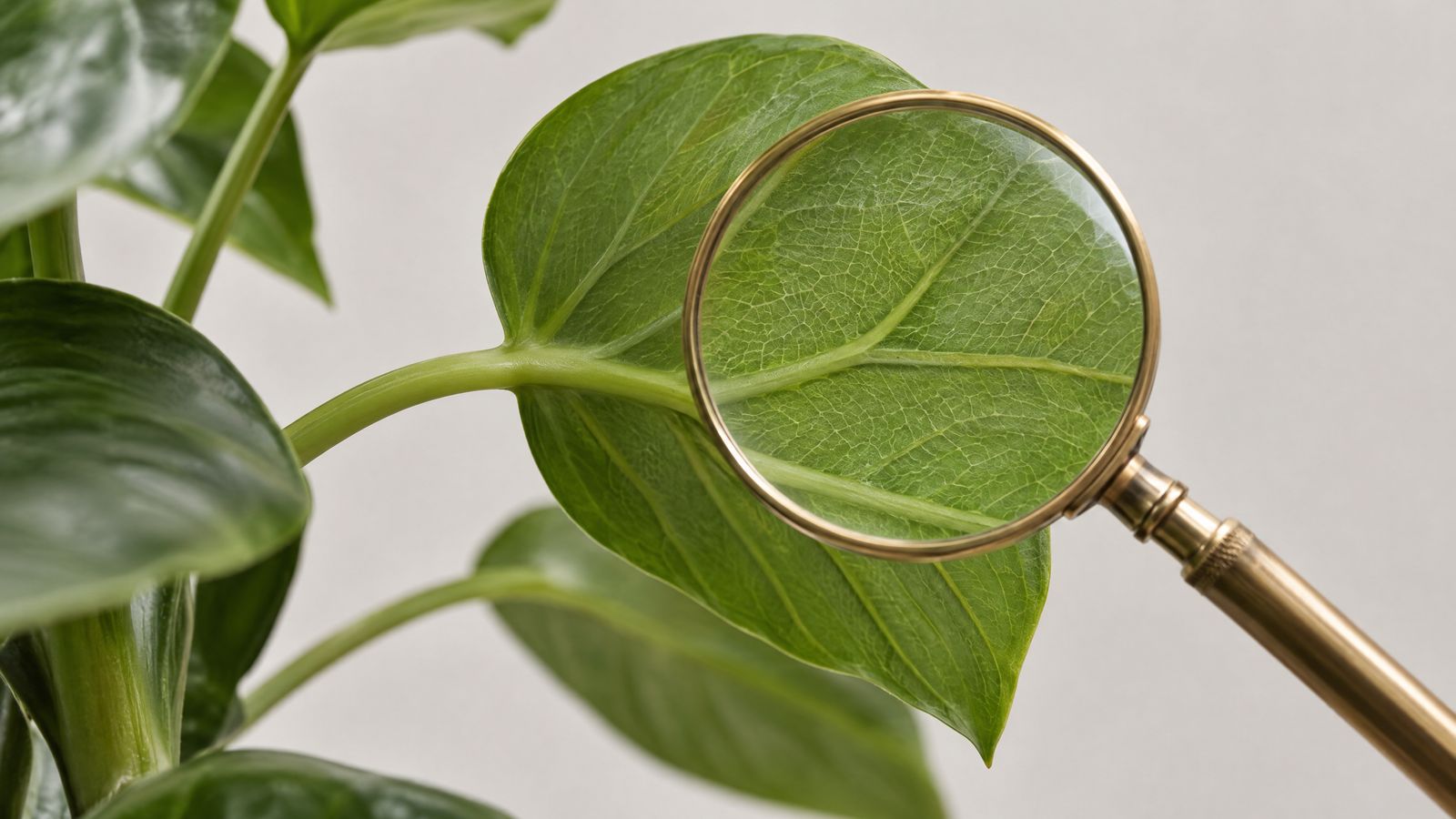
Look first on young, tender growth and under the leaves, where Clemson Extension says they usually cluster. Flower buds and the tips of new shoots are favourites.
Signs of aphids and what they mean
| What you see | Likely cause | What to do first |
|---|---|---|
| Sticky, shiny leaves or sticky surfaces below the plant | Honeydew: the sugary waste aphids excrete | Look above the sticky patch for the colony |
| Black, sooty film on leaves | Sooty mould growing on honeydew | Control the aphids; the mould wipes off once they are gone |
| Ants running up and down the stems | Ants farming aphids for honeydew and guarding them from predators | Block or bait the ants as well as treating the aphids |
| Curled, twisted or distorted new leaves | Feeding by species that inject toxins | Prune heavily curled tips; sprays cannot reach inside |
| Swollen, crusty, golden-brown aphids | "Mummies": aphids killed by parasitic wasps | Leave them; the wasps are working for you |
Why do aphids spread so fast?
Speed is the whole problem. UC IPM explains that in mild weather most aphid females reproduce without mating and give birth to live young. In warm weather a newborn aphid can be producing young itself within 7 to 8 days, and each adult can produce up to 80 offspring a week. Clemson describes populations growing exponentially within a few days in summer. Lush, soft growth helps them: UC IPM notes that high nitrogen levels encourage aphid reproduction, so heavy feeding with fast-release fertilizer can make things worse.
That is also why one treatment rarely finishes the job. Plan on checking again every few days for a couple of weeks.
Least-toxic aphid control, step by step
Work down this list only as far as you need to.
- Check often. UC IPM suggests checking plants at least twice a week while they are growing fast. Small colonies are easy; big ones take weeks.
- Squash, wipe or prune. On a few shoots, rub aphids off with your fingers or a damp cloth, which Clemson says works for small or early infestations. Cut off tips that are badly curled or crowded.
- Hose them off. A strong spray of water knocks aphids off, and many never make it back. Clemson notes that a garden hose with a nozzle at adequate pressure does not harm the plant, but a power washer is much too strong. UC IPM suggests doing it early in the day. Indoors, rinse the plant in the shower or sink, covering the soil, and spray the leaf undersides.
- Let natural enemies work. Outdoors, lady beetles, lacewing larvae, hoverfly larvae and tiny parasitic wasps all eat aphids. Avoid broad-spectrum insecticides, which kill these allies too. Clemson advises against buying lady beetles because many simply fly away; flowers such as sunflowers, clover and coreopsis attract them naturally.
- Deal with ants and feeding. Stop ants reaching the plant, and switch to a slow-release fertilizer rather than heavy doses of nitrogen.
- Insecticidal soap or horticultural oil. If numbers keep climbing, UC IPM names these as the preferred sprays. They only kill aphids they actually coat and leave no residue once dry (Colorado State), so cover leaf undersides thoroughly and expect to repeat. Test on a small area a day or two before treating the whole plant. Do not spray water-stressed plants or in heat; Clemson warns of leaf damage at 32 °C (90 °F) or higher, and recommends spraying in the cooler evening to spare beneficial insects.
Skip homemade dish-soap mixes: Colorado State Extension says homemade soap solutions are not recommended, because dish soaps contain strong detergents that can injure plants. With any product, check that your plant and aphids are on the label, and follow the label for dilution, timing and safety. As Clemson puts it, the label is the law. Before spraying again, nudge a few aphids with a pencil; dead ones stay stuck to leaves and can look like a live colony.
Aphids on indoor plants
Indoors there are no lady beetles or wasps to help, so physical removal matters more. Isolate the affected plant, rinse it every few days, wipe new growth, and inspect the plants that stood next to it. Aphids often arrive on a new plant or on plants brought back in from a balcony at the end of summer, so a quick look under the leaves at that moment saves weeks of work. Our natural pest prevention guide explains the quarantine and weekly check routine, and how cold is too cold for houseplants covers bringing plants inside safely.
Not sure it is aphids and not mealybugs, thrips or whiteflies? Flori's Lab tools for pest analysis and the Dr. Flori chat can work from a close photo of the leaf underside, and Plant Hospital keeps a struggling plant on a follow-up plan with check-in reminders.
When should you consider stronger products?
Rarely, for a home garden. UC IPM points out that broad-spectrum insecticides kill aphids but also harm natural enemies and bees, and repeated use can make aphids resistant, which often leads to bigger outbreaks later. If a valuable plant is still overrun after several weeks of the steps above, ask a local extension office or garden centre for a product labelled for your plant, keep it off open flowers to protect pollinators, and follow the label.
Yellowing leaves with no insects in sight? Aphids are not the only cause; work through the yellow leaves diagnosis guide before you spray anything.
Frequently asked questions
Does a water spray really get rid of aphids?
Yes, for light infestations. A strong spray from a hose nozzle knocks aphids off and many cannot climb back. Repeat every few days and aim at leaf undersides; a power washer is too strong.
Is dish soap safe to use on aphids?
It is not recommended. Colorado State Extension says homemade soap solutions are not advised because dish detergents can injure plants. Use an insecticidal soap labelled for your plant and follow the label.
Should I buy ladybirds for aphids?
Usually not. Clemson Extension notes that purchased lady beetles often fly away. Avoiding broad-spectrum sprays and growing flowers that attract them works better.
Why do aphids keep coming back?
They reproduce very fast, ants protect them, and lush, high-nitrogen growth feeds them. Check twice a week, control ants, feed with slow-release fertilizer and repeat treatments as needed.
Sources
Written and fact-checked by the Flori team. Every guide cites horticultural sources such as the RHS, university extension services and the ASPCA, and is updated when the advice changes.
General plant care information. Plants vary; when a plant is valuable or a problem spreads quickly, consult a local nursery or plant specialist.