Natural Pest Prevention for Houseplants: A Weekly Plan
Stop spider mites, mealybugs, scale and fungus gnats early: quarantine new plants, check leaf undersides weekly and use the least-toxic fix first.
 By Flori editorial team · Updated
Prevent houseplant pests by isolating new plants for three to six weeks, checking leaf undersides and new growth weekly, rinsing foliage regularly and letting the soil surface dry between waterings. If you find pests, start with water, hand removal and pruning, then use insecticidal soap or oil labeled for houseplants, repeated as the label directs.
Key takeaways
- Isolate every new plant for three to six weeks and inspect it weekly before it joins the others.
- Most indoor pests hide on leaf undersides, in leaf joints and on new growth, so look there first.
- Fungus gnats are a watering problem: let the soil surface dry and empty saucers.
- Start with water, hand removal and pruning; use soap or oil only if needed, and follow the label.
- One treatment is rarely enough; plan repeat checks for several weeks.
How do you prevent pests on indoor plants?
Natural pest prevention for houseplants is mostly a habit, not a product. Spider mites, mealybugs, scale, aphids, thrips, whiteflies and fungus gnats almost always arrive on a new plant, a cutting or a pot brought in from outside, and they look sudden only because the first signs were tiny. Extension services agree on the basics: keep new plants apart, look closely and often, and deal with pests while numbers are small. Stressed plants are easier targets, so good light, sensible watering and stable conditions are part of prevention too.
Quarantine new plants first
Keep every new plant in a separate room or at least well away from your collection. Colorado State University Extension suggests at least three weeks; Clemson Extension recommends six. Three to six weeks is a sensible range, and longer is safer for plants that came from a cheap bulk shelf or a friend's crowded windowsill.
- Inspect the isolated plant about once a week, especially the undersides of leaves.
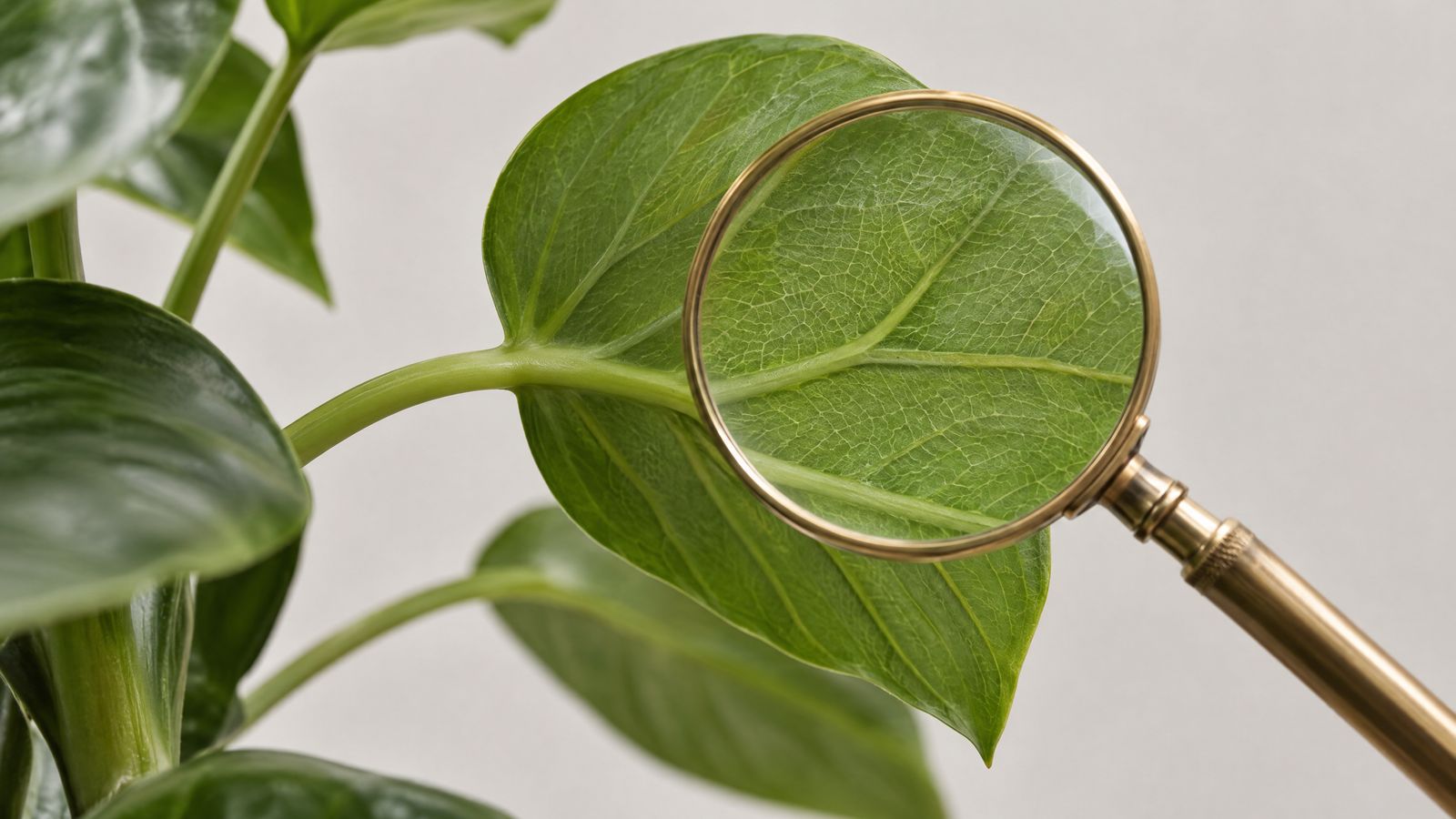
- Use a 10x hand lens if you have one; young pests and eggs are hard to see otherwise.
- Check the soil surface and the drainage holes, where gnats and other pests can hide.
- Do the same for plants coming back indoors after a summer outside.
The 5-minute weekly pest check
Pick one day a week, ideally when you water. Turn a few leaves over on each plant, look at the newest growth and the joints where leaves meet the stem, and glance at the soil. For spider mites, Iowa State Extension suggests tapping a leaf over white paper and watching for moving specks. Sticky leaves, black sooty film or ants on a plant usually point to sap-feeding insects above.
Keeping leaves clean helps you spot trouble and discourages pests. Clemson suggests washing smooth-leaved plants every two to three weeks: a lukewarm shower or a damp cloth on both sides of each leaf is enough.
Which pest is it? Signs and first steps
| Pest | What you see | Least-toxic first step |
|---|---|---|
| Spider mites | Fine pale speckling, a dull faded look, fine webbing in heavy cases | Spray leaves (including undersides) with water weekly for several weeks; remove the worst leaves |
| Mealybugs | White cottony tufts in leaf joints and under leaves, sticky honeydew | Remove by hand or dab with a cotton swab dipped in rubbing alcohol |
| Scale | Small bumps lined up along stems and leaf veins | Scrape off light infestations with a fingernail; prune heavily infested stems |
| Aphids | Clusters of soft green, brown or reddish insects on tips and buds | Rinse off with a firm spray of water or wipe away |
| Thrips | Silvery or speckled leaves, streaked or distorted flowers | Rinse leaves with water and remove damaged flowers |
| Whiteflies | Tiny white insects that flutter up when the plant is moved | Wash the plant, focusing on leaf undersides; yellow sticky traps to monitor |
| Fungus gnats | Small dark flies around the soil, about 3 mm (1/8 in) long | Let the soil surface dry between waterings; empty saucers |
If you are not sure what you are looking at, a clear photo of the leaf underside makes identification much easier. Flori's Dr. Flori chat can work from that photo, ask a few follow-up questions and suggest a recovery plan.
Why do fungus gnats keep coming back?
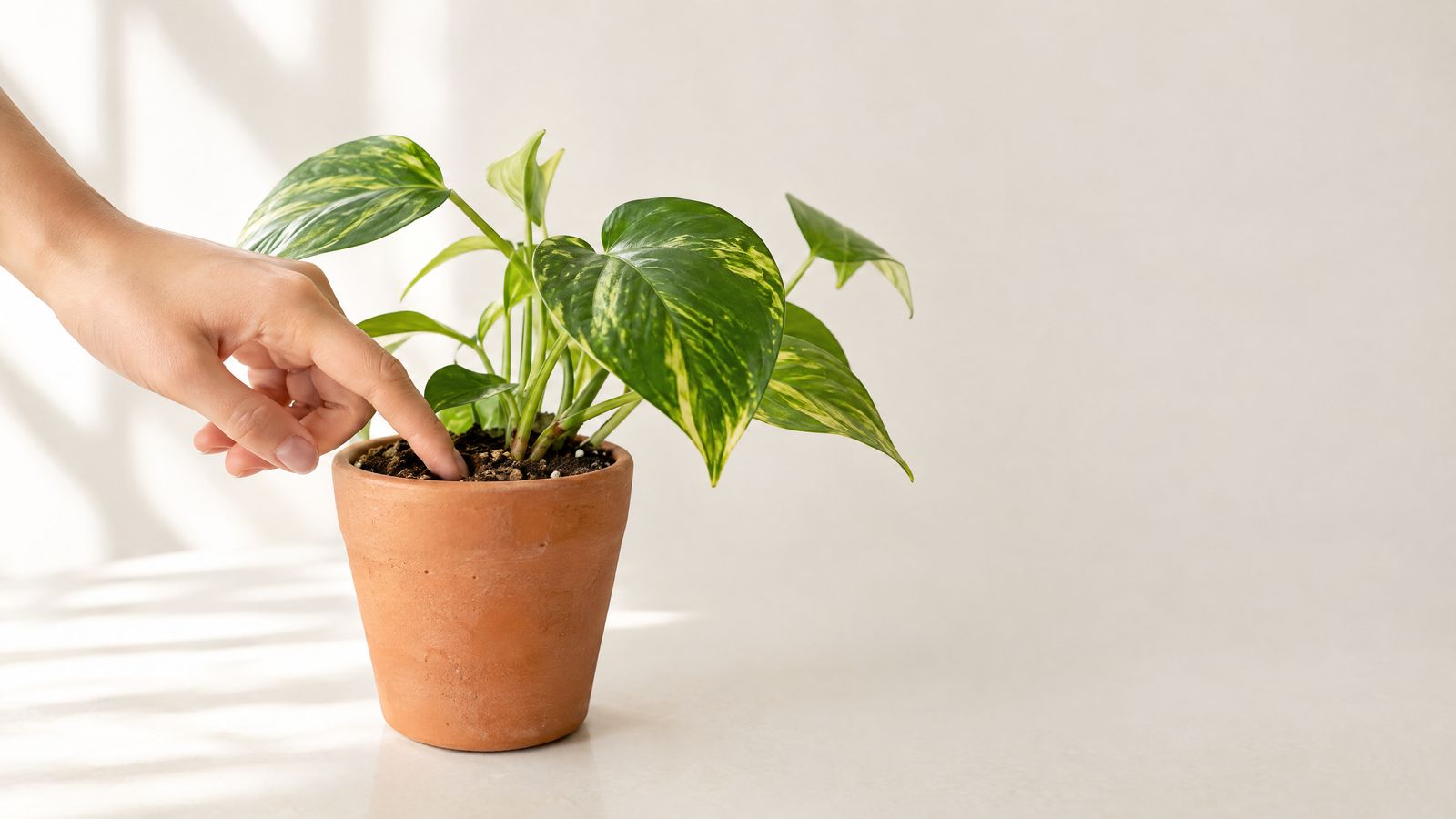
Fungus gnats are a moisture problem first. Their larvae, up to about 6 mm (1/4 in) long, live in wet potting mix and can feed on roots. Clemson notes that letting the soil dry between waterings kills larvae, and Iowa State says insecticides are often unnecessary once the soil is allowed to dry out. Never leave pots standing in water, and check other wet spots such as trays and drains. Yellow sticky cards catch adults and show whether numbers are falling, but they do not stop new larvae hatching. Because one generation takes about a month, give the drier routine several weeks. Our guide to watering houseplants without guessing explains how to check moisture before you pour.
Least-toxic treatments, in order
Work up this list only as far as you need to:
- Remove and rinse. Pick off visible pests, prune badly affected leaves and give sturdy plants a firm shower, covering leaf undersides. Colorado State notes that repeated water sprays over several weeks can bring spider mites down to low levels.
- Spot-treat. A cotton swab dipped in rubbing alcohol removes mealybugs and aphids one by one. Alcohol can burn leaves, so test a small area first and keep it on the insect.
- Insecticidal soap. Use a ready-made product labeled for houseplants. It only kills the insects it wets and stops working once dry, so coverage matters and repeats are normal. Test it on a few leaves and wait 48 hours; begonia, fuchsia and jade plant can be sensitive. Do not spray plants in direct sun or drought-stressed plants.
- Horticultural oil. Diluted oils labeled for indoor plants smother scale, young whiteflies and mites, but they leave no lasting residue, so repeat as directed.
Skip homemade dish-soap mixes: Colorado State warns that household soaps and detergents can injure plants. Whatever you use, check that both the plant and the pest are on the label, and always follow the label for dilution, timing and safety. Iowa State also cautions that granular soil insecticides may not be a good choice in homes with pets or children.
How long does it take to clear an infestation?
Longer than one spray. Spider mites can complete a life cycle in one to two weeks, and Iowa State advises weekly treatment for four to six weeks for both mites and scale. Keep the affected plant isolated, recheck it weekly and only return it when several checks in a row come up clean. A reminder for each check helps; Flori can set care reminders and keep a struggling plant in Plant Hospital with a follow-up plan.
When a plant is heavily infested and not especially valuable, extension services agree it is often better to discard it, with its soil, before pests spread. That is a reasonable choice, not a failure.
Keep plants strong so pests struggle
Healthy plants recover faster. Spider mites prefer dry conditions, so the tips in our indoor plant humidity guide help in heated rooms. Give each plant the light it needs (see signs your plant needs more light) and avoid soggy soil. If leaves are yellowing and you find no pests, work through the yellow leaves diagnosis guide before reaching for any spray.
Frequently asked questions
How long should I quarantine a new houseplant?
Three to six weeks. Colorado State Extension suggests at least three weeks and Clemson Extension recommends six; inspect the plant weekly during that time, especially under the leaves.
Is homemade dish soap spray safe for plants?
It is not recommended. Colorado State Extension warns that household soaps and detergents can injure plants, so use an insecticidal soap labeled for houseplants and follow the label.
Do yellow sticky traps get rid of fungus gnats?
No. They catch adults and help you see whether numbers are falling, but larvae keep hatching in wet soil. Letting the soil surface dry between waterings is the main fix.
Should I throw away a plant with pests?
Only if the infestation is heavy and the plant is not worth the weeks of treatment. Light infestations usually clear with rinsing, hand removal and repeated checks.
Sources
Written and fact-checked by the Flori team. Every guide cites horticultural sources such as the RHS, university extension services and the ASPCA, and is updated when the advice changes.
General plant care information. Plants vary; when a plant is valuable or a problem spreads quickly, consult a local nursery or plant specialist.