How to Water Houseplants: When, How Much, How Often
Water houseplants by checking the soil, not the calendar: when to water, how much to give, drainage, seasons and signs of over- or underwatering.
 By Flori editorial team · Updated
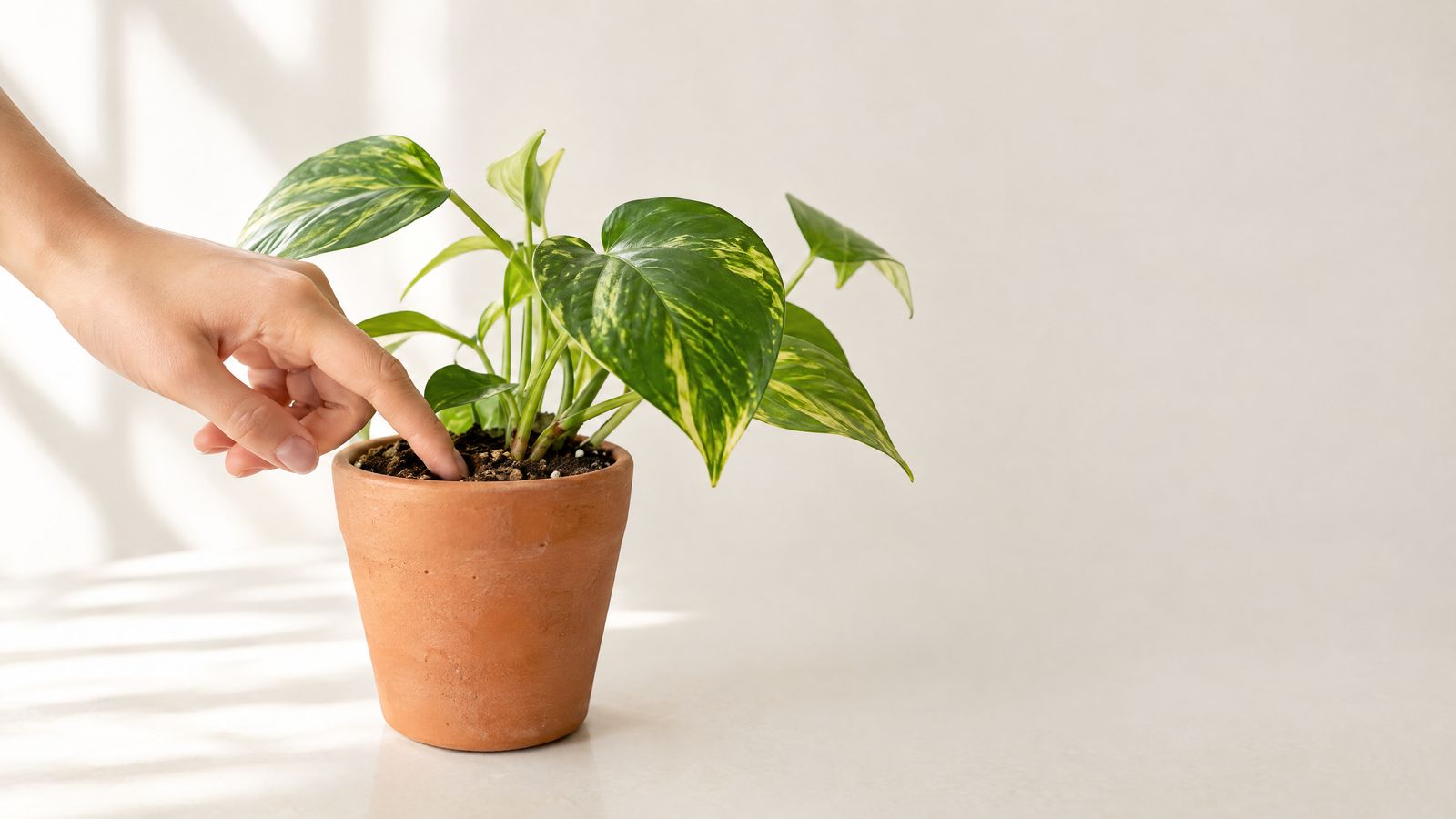
Water a houseplant when its potting mix is dry about 2.5–5 cm (1–2 in) down, not on a fixed schedule. Water slowly until it runs out of the drainage hole, empty the saucer within 30–45 minutes, and let the mix dry again. Succulents need drier mix; plants need less water in a cool winter room.
Key takeaways
- Check the soil with your finger and lift the pot before every watering.
- Water thoroughly until it drains, then empty the saucer within 30 to 45 minutes.
- Every pot needs a drainage hole; gravel in the bottom does not replace one.
- Plants in a cool room in winter need much less water than in the growing season.
- Wilting can mean too much water as well as too little, so always feel the soil.
How often should you water houseplants?
There is no single answer to how often to water houseplants, and that is the most useful thing to accept first. A pothos on a sunny windowsill in summer may need water twice a week, while the same plant in a cool room in winter can stay damp for two weeks. Pot size, potting mix, light, temperature and humidity all change how fast the root ball dries. That is why extension services and the Royal Horticultural Society agree on one rule: water according to the plant's need, not the calendar. A reminder is still helpful, but treat it as a prompt to check the plant, not an order to pour.
How do you know when a plant needs water?
Learn two or three simple checks and use them together. None takes more than a few seconds.
- Finger test: push a finger into the mix. Guidance ranges from about 2.5 cm (1 in) to 5 cm (2 in) deep; if it feels dry at that depth, most leafy houseplants are ready. If it still feels damp, check again in a day or two.
- Pot weight: lift the pot right after a thorough watering and again when it is dry. A dry pot feels clearly lighter, and after a few rounds you can judge by weight alone.
- Look at the surface: dry mix is usually paler than wet mix, and it may pull away from the edge of the pot.
- Moisture meters: they can help, but probes are not always reliable, so confirm with your finger.
Do not use wilting as your only signal. A drooping plant can be thirsty, but wilting is also a classic sign of roots that have been sitting wet for too long. Always feel the soil before you decide.
How much water should you give?
When you water, water thoroughly. Pour slowly over the whole surface of the mix until water runs out of the drainage hole. Small daily sips wet only the top layer and leave the lower roots dry, while the surface stays constantly damp. A deep soak followed by a drying period gives roots both water and the air they need.
If the mix has dried out completely, it can shrink and repel water, so the water runs down the sides and straight out of the hole. In that case, water several times in a row, or stand the pot in a bowl of water for about 30 minutes so the root ball can rehydrate, then let it drain well.
Why drainage and saucers matter
Every pot needs a drainage hole. A layer of gravel at the bottom does not replace one; it simply raises the wet zone inside the pot. If you love a decorative pot without a hole, use it as an outer cover pot and keep the plant in a plastic nursery pot inside it.
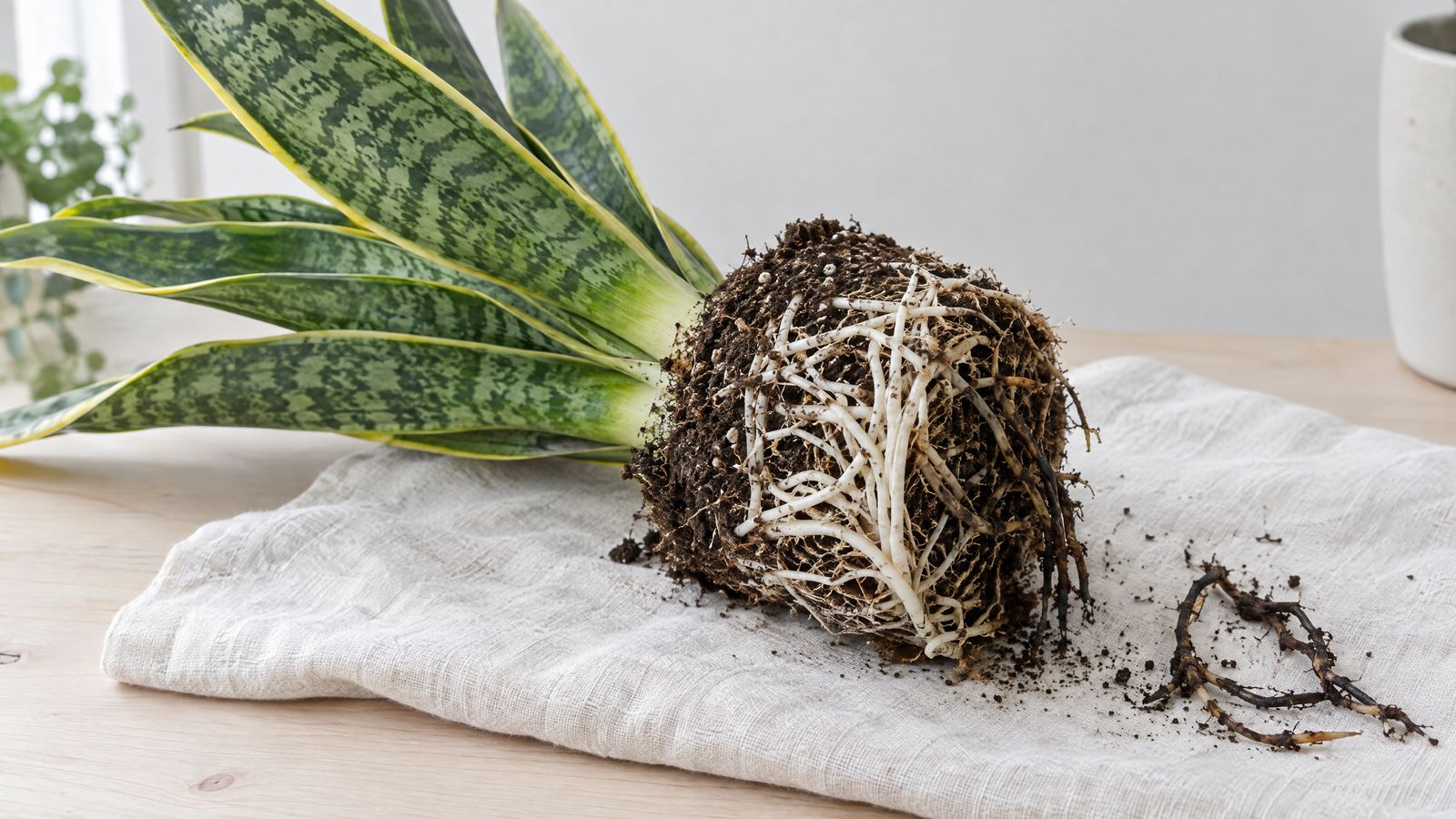
After watering, empty the saucer or cover pot. Iowa State Extension suggests doing this within 30 to 45 minutes. Roots that sit in standing water run out of oxygen and can rot. If that has already happened, our root rot rescue plan walks you through what to do first.
What kind of water is best?
Use water at room temperature rather than cold, especially in winter. Most drinking water is fine. The RHS suggests letting tap water stand for about 24 hours so chlorine can disperse, and recommends rainwater for lime-hating plants. Do not use water from a water softener: the salts it adds build up in the mix and can harm plants. If you see a white crust on the soil or pot rim, a slow, thorough watering that runs out of the hole helps flush out excess salts, and regular repotting helps too.
Watering by plant type and season
The checks stay the same, but what counts as "dry enough" changes from plant to plant. Use this table as a starting point and adjust it to your home.
| Plant type | Examples | When to water | In winter |
|---|---|---|---|
| Leafy tropicals | Pothos, monstera, peace lily | When the top 2.5–5 cm (1–2 in) is dry | Less often; check before every watering |
| Moisture lovers | Calathea, ferns | When the surface just starts to feel dry | Keep lightly moist, never soggy |
| Thick leaves or rhizomes | Snake plant, ZZ plant | When the mix is dry most of the way down | Sparingly, often only every few weeks |
| Cacti and succulents | Aloe, echeveria | When the mix is completely dry | Very little in a cool room |
Seasons shift the rhythm. In the growing season, with longer days and warmer rooms, plants use water faster. In winter, growth slows and plants in a cool room need much less. Central heating is the exception: it dries the air, so pots near a radiator can still dry quickly. Clay pots also dry faster than plastic because terracotta is porous. Our seasonal plant care calendar covers the other changes to make as the seasons turn.
Signs of overwatering vs underwatering
Both problems can look alike at first, so read the leaves together with the soil.
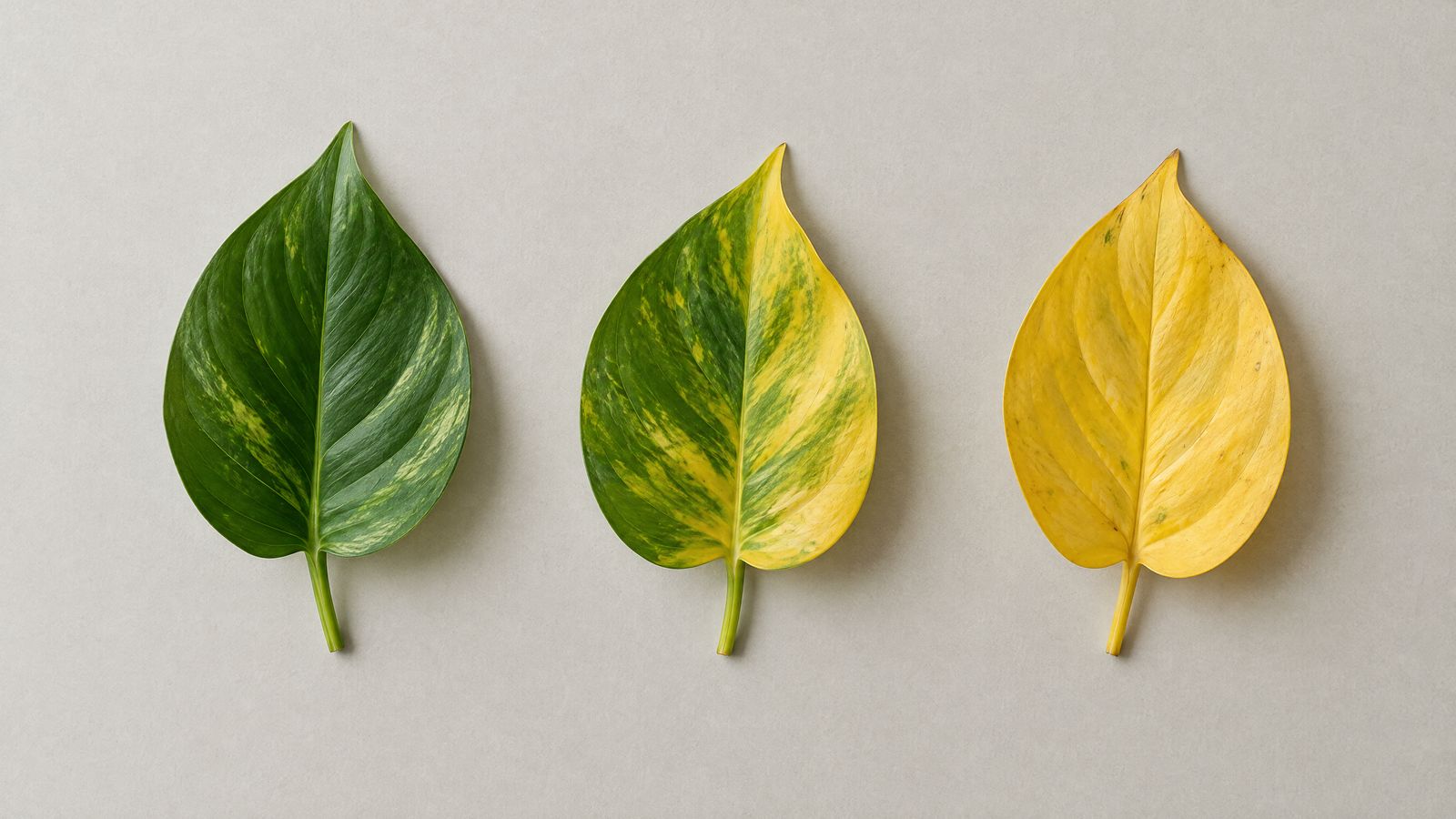
- Overwatering: soil that stays wet for days, a plant that collapses, soft yellow leaves that drop, a sour smell from the mix. See our yellow leaves diagnosis guide to separate this from other causes.
- Underwatering: bone-dry, light pots, crisp brown leaf edges, mix that has shrunk from the side of the pot, wilting that recovers within hours of a good drink.
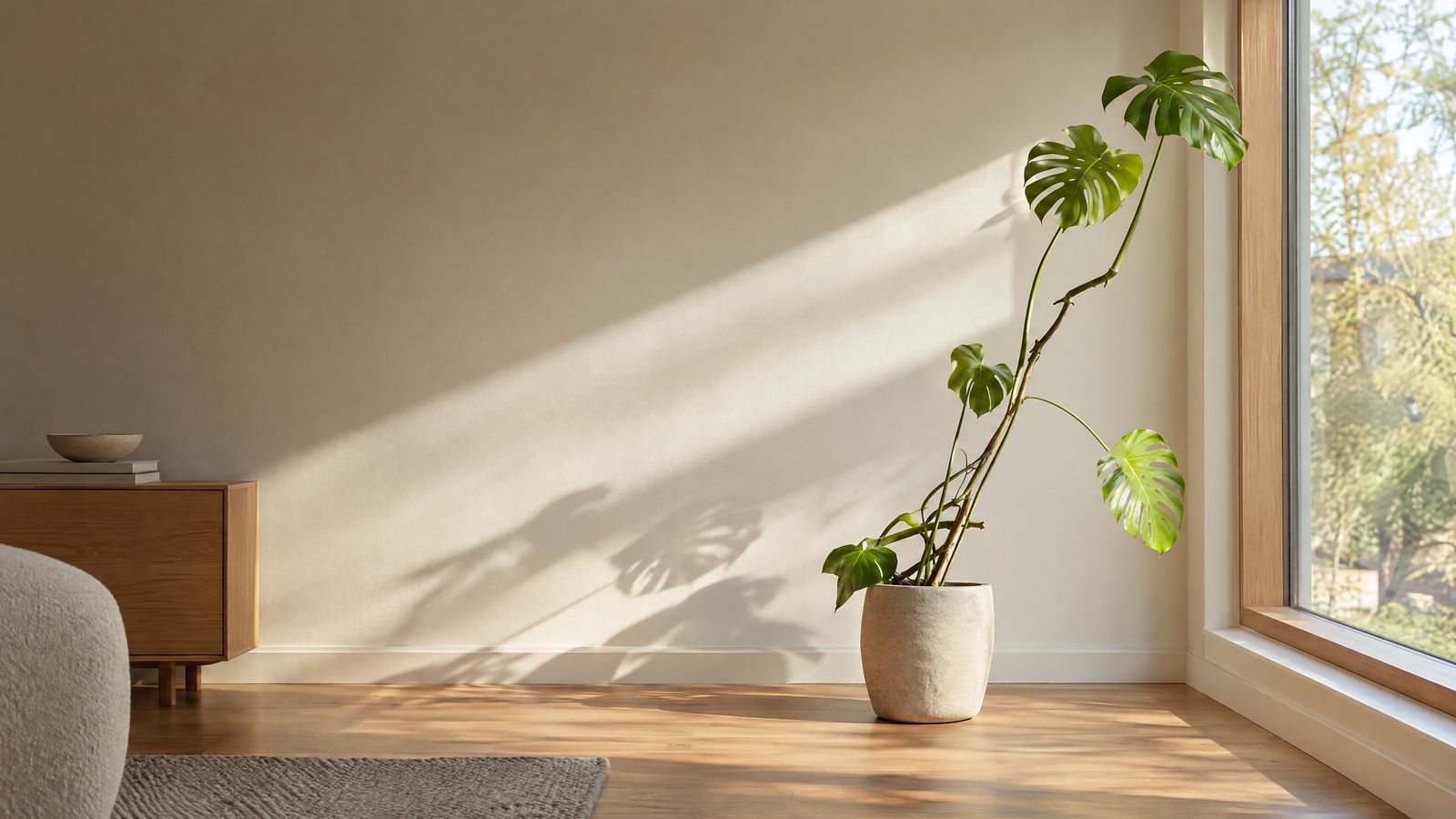
Slow drying is also a clue about light. A plant in a dim corner uses little water, so the mix stays wet and roots suffer. If your pots barely dry between waterings, read the signs your plant needs more light before changing anything else.
How to water houseplants before a holiday
Going away for a few days does not have to mean a crisis. Give every plant a thorough watering the day before you leave and move pots away from hot, sunny windows. The RHS notes that in winter, in a cool room, many houseplants can go a week or two without water. In summer they dry much faster, so group plants together to share humid air, stand them on damp capillary matting, or use a capillary wick from a container of water. Test any new setup for a few days before you travel.
A simple watering routine
- Check the mix with your finger and lift the pot.
- If it is dry enough for that plant, water slowly until it drains.
- Empty the saucer within 30 to 45 minutes.
- If it is still damp, wait and check again in a day or two.
- Note how many days each plant took to dry, and adjust as the seasons change.
If you keep your plants in Flori, a care reminder can nudge you to check each plant on its own rhythm, and if a plant starts to droop anyway, Dr. Flori can ask a few questions about the soil and leaves and suggest the likely cause.
Frequently asked questions
Is bottom watering better than top watering?
Neither is always better. Standing a dry pot in water for about 30 minutes helps mix that has shrunk and repels water, while watering from the top until it drains also flushes out built-up salts.
Should I water houseplants every week?
Only if the soil says so. Check with your finger and the weight of the pot; the same plant may need water twice a week in summer and once every two weeks in a cool winter room.
Can I use tap water for houseplants?
Most drinking water is fine. Use it at room temperature, let it stand for about 24 hours so chlorine can disperse, and avoid water from a water softener, whose salts can harm plants.
How long can houseplants go without water on holiday?
In winter, in a cool room, many houseplants can manage a week or two after a thorough watering. In summer they dry faster, so group them together or use capillary matting or wicks.
Sources
Written and fact-checked by the Flori team. Every guide cites horticultural sources such as the RHS, university extension services and the ASPCA, and is updated when the advice changes.
General plant care information. Plants vary; when a plant is valuable or a problem spreads quickly, consult a local nursery or plant specialist.