Root Rot Rescue Plan: How to Save a Rotting Plant
Signs of root rot, how to check the roots, and a step-by-step plan to trim, repot and water a rotting houseplant so it can recover, plus how to prevent it.
 By Flori editorial team · Updated
To save a plant with root rot, stop watering, slide it out of its pot and check the roots. Cut away dark, soft, mushy roots with clean scissors, then repot the firm, white roots in fresh, well-drained mix in a clean pot with a drainage hole. Water only when the top few centimeters dry out.
Key takeaways
- Root rot is usually caused by overwatering: wet soil starves roots of oxygen and favors rot fungi.
- A wilting plant in wet soil is a warning sign, not a cue to water more.
- Healthy roots are firm and white; rotten roots are dark, soft and mushy.
- Trim only the rotten roots, repot in fresh mix and a clean pot with drainage, then water sparingly.
- If most of the roots are dead, the plant is unlikely to recover.
What is root rot and what causes it?
Root rot is the breakdown of a plant's roots, and in houseplants it almost always starts with too much water. When potting mix stays wet for long periods, the air spaces between particles fill with water and the roots run short of oxygen. Clemson Extension explains that overwatering reduces the oxygen available for root growth and favors root diseases. Weakened roots are then attacked by soil-borne fungi and fungus-like organisms such as Pythium, Phytophthora, Rhizoctonia and Fusarium, which Iowa State Extension notes thrive in wet, poorly drained soil.
Iowa State's plant clinic calls root rot the most common indoor plant disease it sees in winter, when plants grow slowly, use less water and the mix dries more slowly. The usual set-up is easy to recognize: dense or old compost, a pot that is too large or has no drainage hole, a saucer or decorative outer pot holding water, and watering on a fixed schedule rather than when the plant needs it.
What are the signs of root rot?
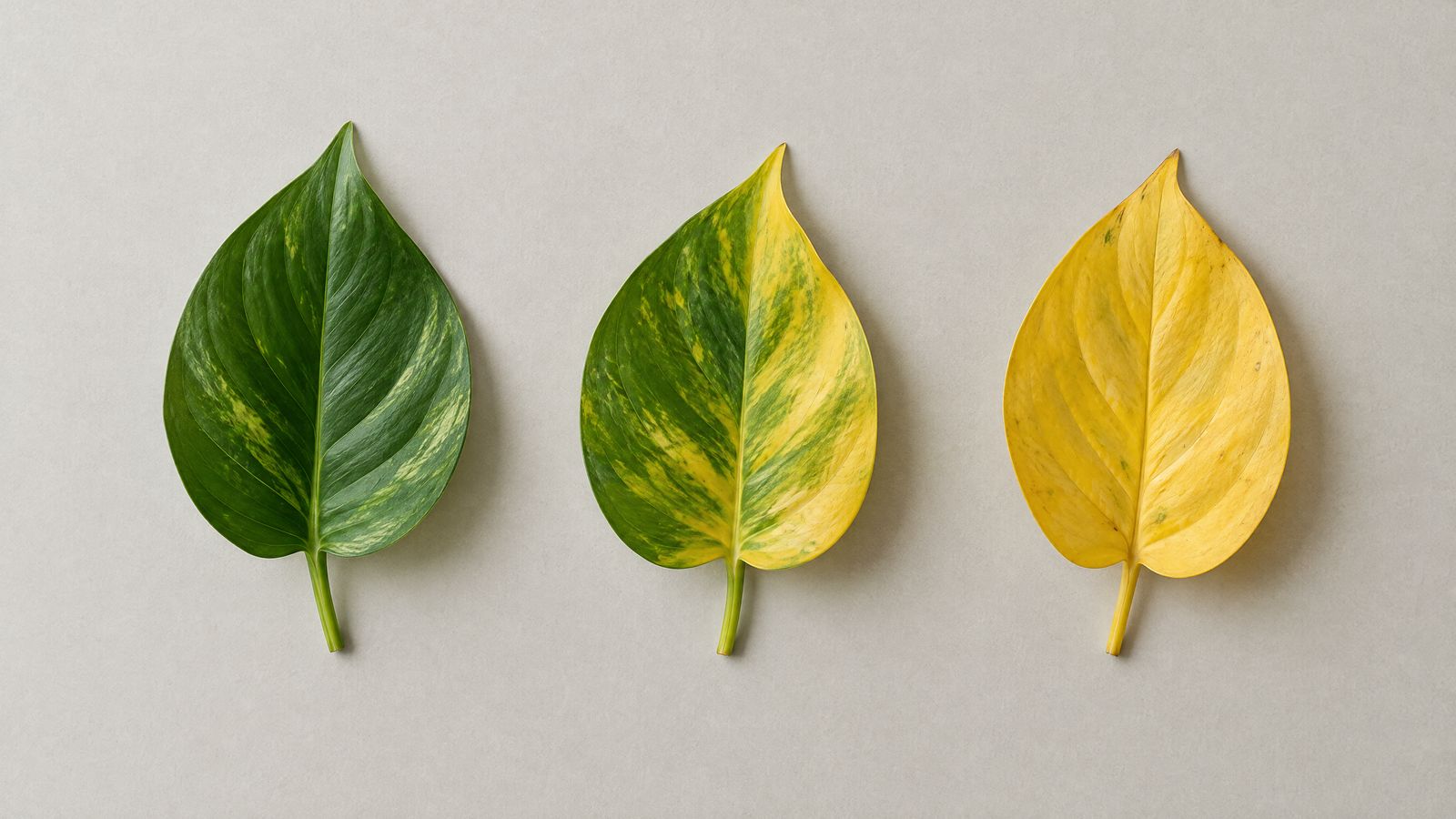
Root rot is tricky because the first symptoms appear above ground and look like thirst. Iowa State Extension describes wilting that starts with the bottom leaves and can move upward until the whole plant collapses. If you respond with more water, you speed up the damage. Watch for these signs together rather than one at a time:
| Sign | What it suggests | What to check |
|---|---|---|
| Wilting or drooping while the soil is still wet | Roots can no longer take up water | Soil moisture, then the roots |
| Old and new leaves yellowing and dropping at once | Overwatering, according to the RHS | Drainage and standing water at the base |
| Soft, dark stem at soil level | Rot moving from roots into the stem | Stem firmness just above the soil |
| Mix that stays wet for days and smells sour | Waterlogged, airless soil | Drainage hole, saucer, pot size |
| Fungus gnats around the pot | Constantly damp surface | How often you water |
Yellow leaves have many causes besides rot, so if the roots turn out healthy, work through our yellow leaves diagnosis guide instead.
How do I check the roots for rot?
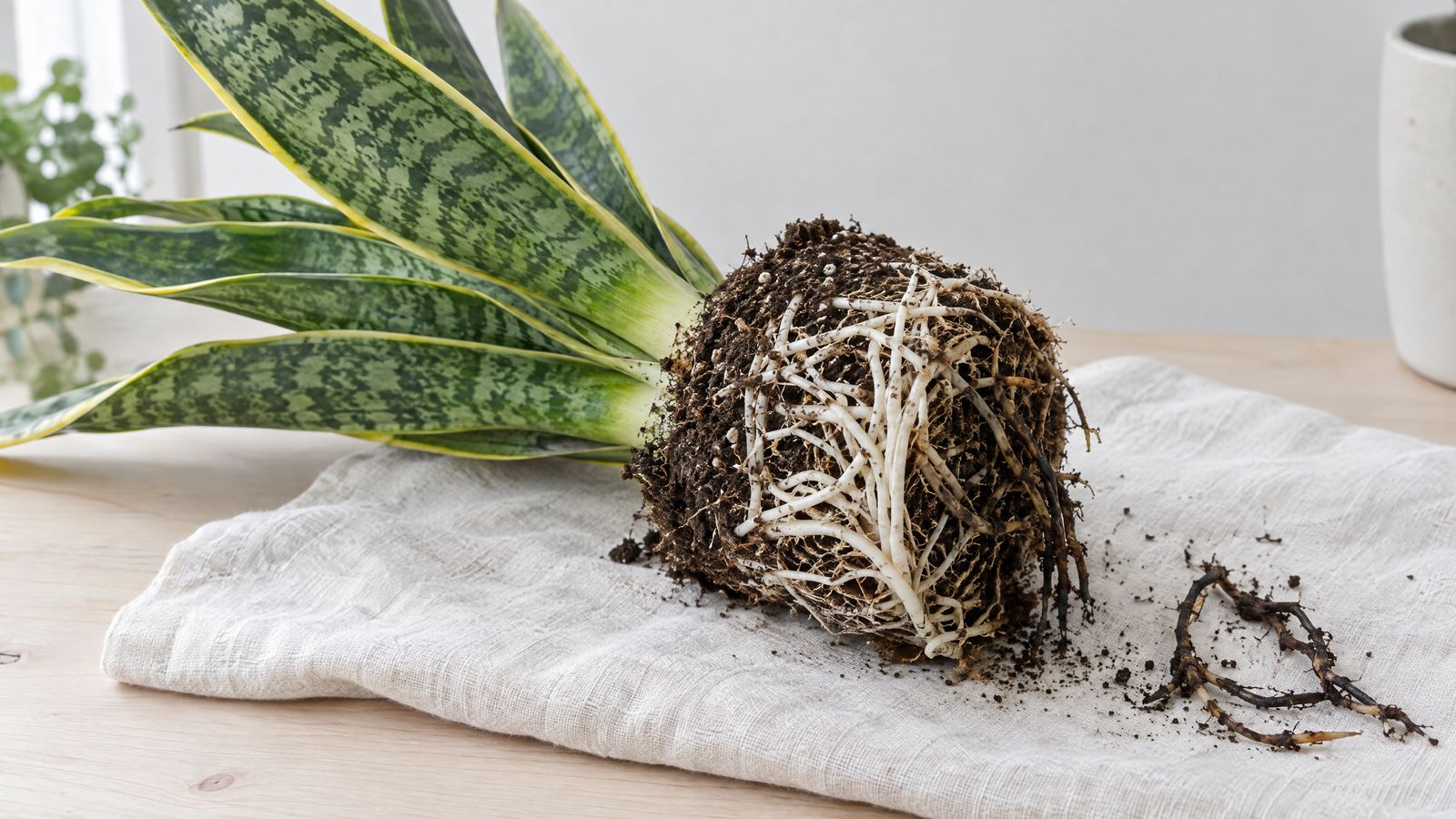
Looking at the roots is the only way to confirm root rot. Water nothing for now. Tip the pot on its side, support the base of the stems with one hand and slide the root ball out; if it sticks, run a blunt knife around the inside of the pot. Gently loosen the outer mix and look closely.
- Healthy roots are firm and white or light-colored, with plenty of fine feeder roots, as Iowa State Extension describes.
- Rotten roots are mushy and brown, reddish or black. The outer layer often slides off when you pull gently, leaving a thin thread behind.
If you are not sure what you are looking at, Dr. Flori in the Flori app can review a photo of the roots, ask follow-up questions about watering and the pot, and tell you how urgent the problem is.
Step-by-step root rot rescue
When only part of the root system is affected, Clemson Extension's advice is to cut out the infected roots and repot the plant in sterile soil. Here is how to do that with as little extra stress as possible:
- Clean your tools. Wipe scissors or pruners with disinfectant before you start and between cuts.
- Remove the old mix. Shake or gently rinse away the wet, heavy compost so you can see every root. Do not reuse it.
- Trim the rot. Cut each damaged root back to firm, white tissue. Remove any soft, dark stem tissue at the base as well.
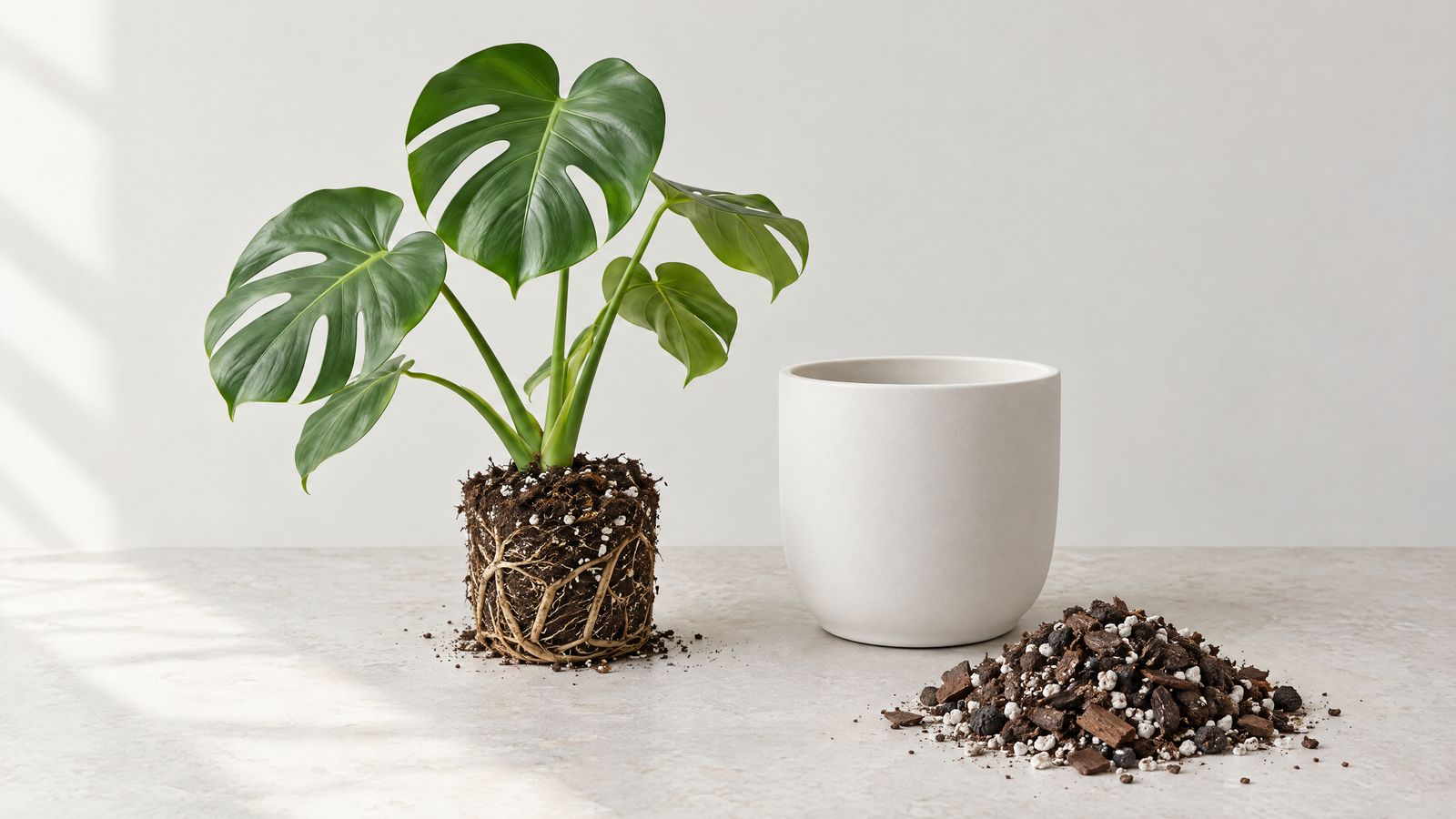
- Choose the right pot. Use a clean pot with a drainage hole that is not too large for the remaining roots. Iowa State Extension warns against oversized pots and pots that stand in saucers or sleeves full of water. If you reuse the old pot, do what Clemson Extension suggests for cleaning pots: scrub it clean and rinse it in a solution of 1 part household bleach to 9 parts water.
- Repot in fresh, well-drained mix. Use new potting mix and do not press it down hard. Our guide to repotting without stress covers technique and mix choice.
- Water lightly and let it drain. Settle the mix with a modest watering, let all the excess drain away and empty the saucer.
Can a plant with root rot be saved?
It depends on how much healthy root is left. A plant that has lost a few roots usually recovers once it is trimmed, repotted and watered properly. For a plant with root rot, Iowa State Extension advises watering less often and notes that repotting may help. But if most of the roots are dark, soft and dead, Clemson Extension advises discarding the plant, because there is too little root left to support the leaves. If a stem is still firm and green above the rot, you may be able to take a cutting from that healthy part before you let the rest go.
How should I water after rescuing a plant?
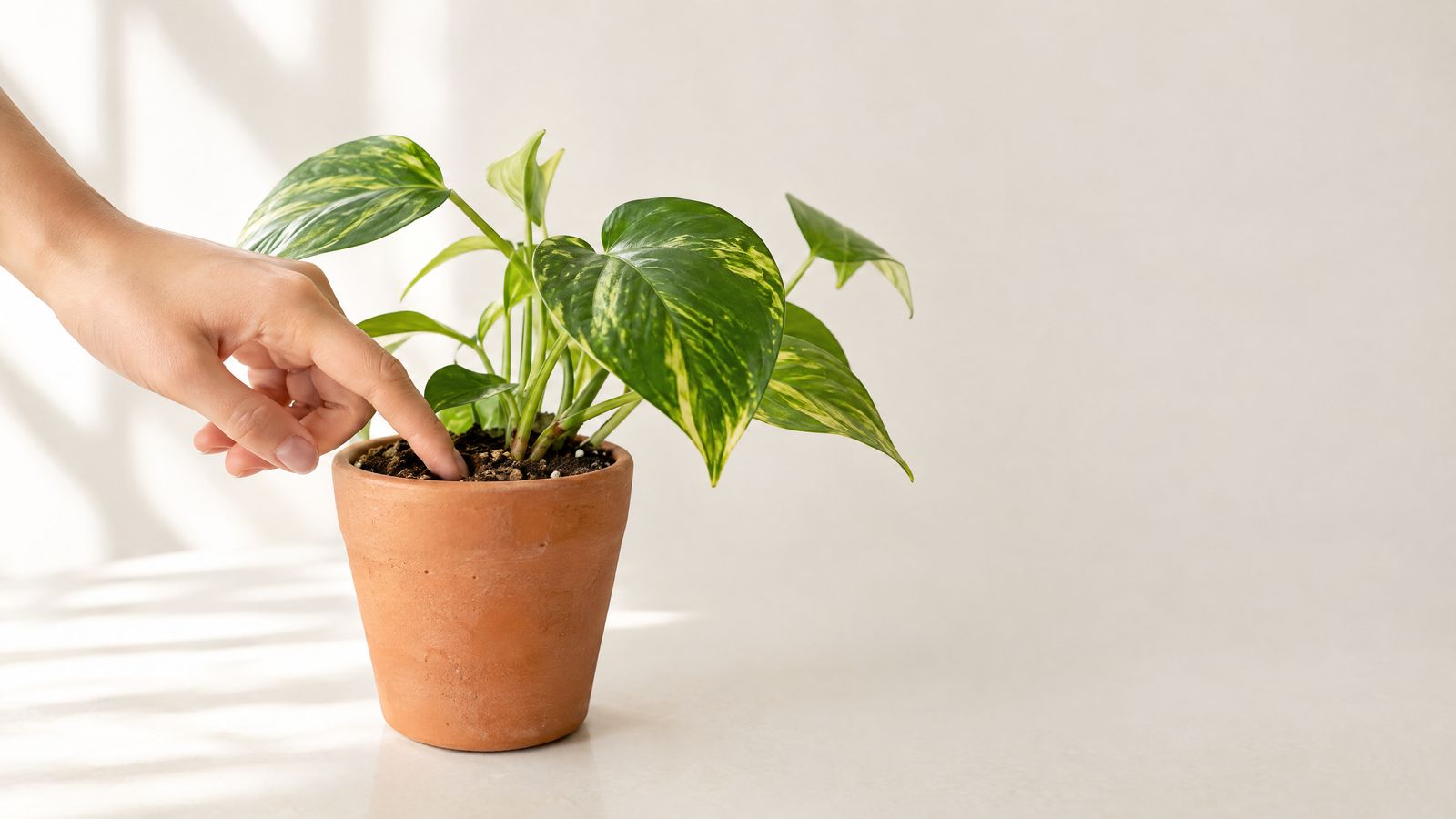
After repotting, the plant has fewer roots to drink with, so it needs less water than before. Iowa State Extension's rule works well here: check the mix before watering, water when it is dry 2–5 cm (1–2 in) down, and if you are unsure, wait at least one more day. Water thoroughly when you do, let it drain completely, and never leave the pot standing in water. Our guide on how to water houseplants explains the method in detail.
Keep the plant in bright, indirect light and away from cold drafts, and skip fertilizer until you see new growth: fertilizer salts can burn roots that are already damaged. Expect the plant to look the same for a while, and judge recovery by firm stems, a pot that dries at a steady pace and, eventually, healthy new leaves. If you want a structured follow-up, the Plant Hospital in Flori keeps a recovering plant under watch with a follow-up plan.
Should I use fungicide or hydrogen peroxide?
For houseplants, chemistry is rarely the answer. Clemson Extension notes that fungicides for root rot probably cost more than a new plant, and none of the extension sources we checked recommend hydrogen peroxide as part of a rescue. What makes the difference is removing the rotten roots and fixing the conditions that caused them: drainage, pot size and how often you water. If you do choose a product, use the least-toxic option and follow the label exactly.
How to prevent root rot
- Water by need, not by the calendar, and check the mix first every time.
- Use pots with drainage holes, sized to the root ball, and empty saucers and outer pots after watering.
- Use a well-drained potting mix and replace old, compacted compost when you repot.
- Water less in winter, when growth slows and the mix stays wet longer; our seasonal plant care calendar shows how to adjust through the year.
- Keep plants vigorous with adequate light and nutrition, and avoid temperature extremes.
Frequently asked questions
How do I know if my plant has root rot or just needs water?
Check the soil before watering. A plant that wilts while the mix is dry needs water; a plant that wilts while the mix is still wet may have root rot, so slide it out and check that the roots are firm and white.
Can root rot spread to other plants?
The fungi and fungus-like organisms behind root rot live in soil and plant debris and can spread with water and moved soil. Do not reuse old mix, and clean pots and tools before using them for other plants.
Should I repot into a bigger pot after root rot?
No. After trimming, the root system is smaller, so choose a clean pot with a drainage hole that fits the remaining roots. An oversized pot holds extra wet mix and raises the risk of rot returning.
How long does a plant take to recover from root rot?
It varies with the plant and how many roots were lost. Expect little visible change at first; firm stems, a pot that dries at a steady pace and new leaves are the signs that recovery has started.
Sources
- Iowa State University Extension: Root Rots of Houseplants
- Clemson Cooperative Extension HGIC: Houseplant Diseases & Disorders
- Iowa State University Extension: Diagnosing Houseplant Problems Related to Poor Culture
- RHS: How to help a poorly houseplant
- Iowa State University Extension: Prevent Root Rot Problems on Houseplants
Written and fact-checked by the Flori team. Every guide cites horticultural sources such as the RHS, university extension services and the ASPCA, and is updated when the advice changes.
General plant care information. Plants vary; when a plant is valuable or a problem spreads quickly, consult a local nursery or plant specialist.