The Best Soil for Succulents and Cacti
The best soil for succulents and cacti drains in seconds. Mix ratios from the RHS and extension services, which sand to avoid, and pots that help it dry.
 By Flori editorial team · Updated
The best soil for succulents and cacti is a fast-draining mix with lots of mineral grit: roughly one part potting compost to one or two parts perlite, pumice or coarse grit, or a ready-made cactus compost. Avoid fine sand and pure potting soil, use pots with drainage holes and let the mix dry between waterings.
Key takeaways
- Succulent soil should be one-third to two-thirds mineral: perlite, pumice, coarse grit or sharp sand.
- Fine sand clogs the pores of the mix; use coarse, gritty materials instead.
- Rainforest cacti such as Christmas cactus want a richer, more organic mix than desert cacti.
- Pots with drainage holes, and terracotta in particular, help the mix dry out faster.
- Peat-based mixes break down, so refresh the soil every 2–3 years, in spring.
What soil do succulents and cacti need?
The best soil for succulents and cacti is one that drains almost immediately and dries out within days, not one that "holds moisture". Most rot in cacti and succulents starts with ordinary potting compost that stays wet for too long around thick, water-storing roots. This guide compares the mix recipes recommended by the Royal Horticultural Society (RHS) and US extension services side by side, explains the sand mistake that trips up many people, and shows how to adjust the mix for rainforest cacti, which need something different.
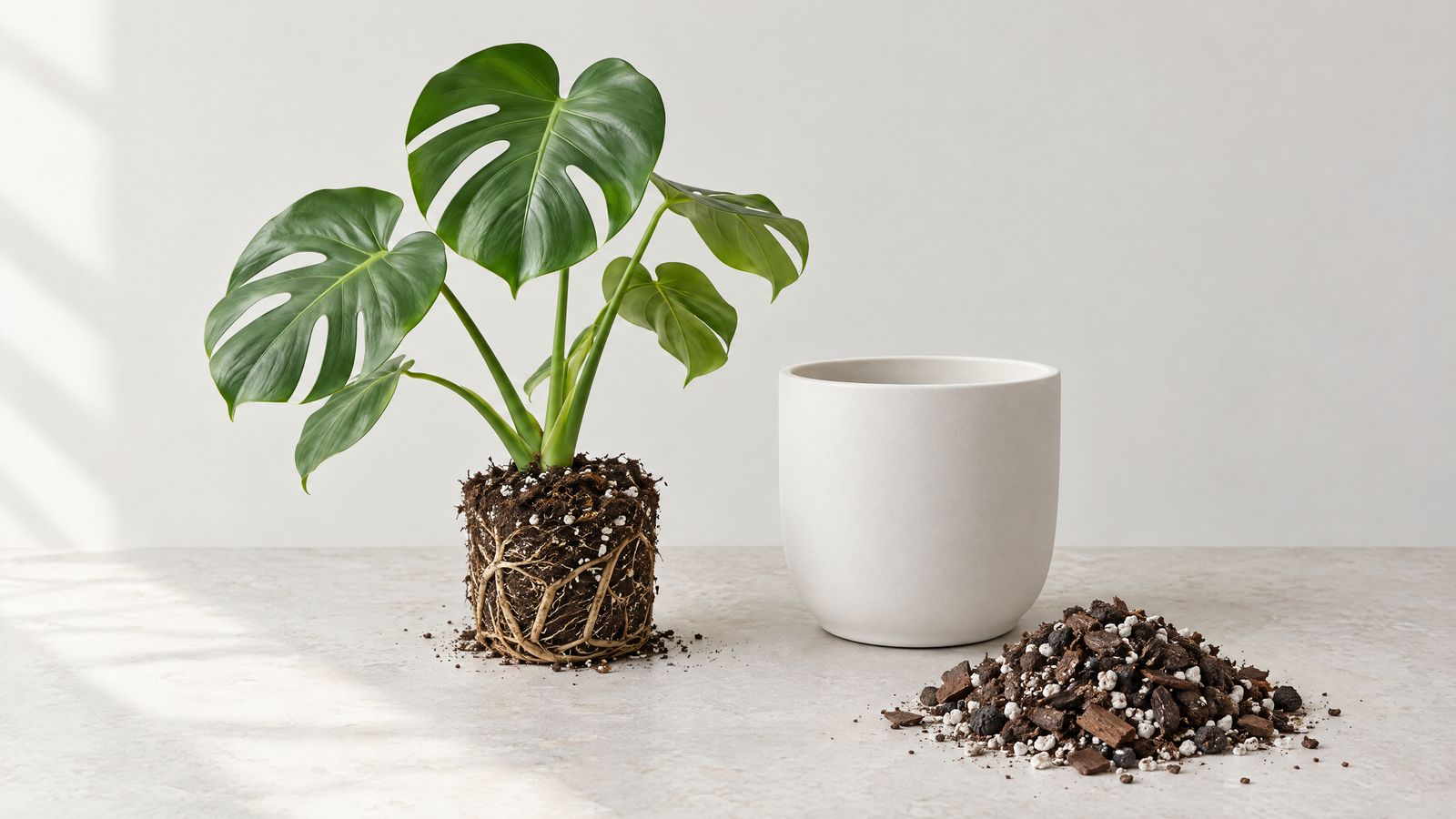
Every good succulent mix has two parts: an organic part (potting compost, loam-based compost or coir) that holds a little water and nutrients, and a mineral part (perlite, pumice, grit or coarse sand) that creates air spaces and lets water run through. The difference between a healthy plant and a rotting one is mostly the balance between the two.
Succulent and cactus soil recipes compared
| Source | Organic part | Mineral part | Mineral share |
|---|---|---|---|
| RHS (houseplant cacti and succulents) | 2 parts peat-free loam-based compost (John Innes No 2) | 1 part horticultural grit or sharp sand | About one-third |
| RHS, alternative | Loam-based compost | Up to 30% grit or fine gravel by volume | Up to about one-third |
| University of Illinois Extension | 1 part potting soil or coir | 2 parts coarse sand, perlite or pumice | Two-thirds |
| University of Wisconsin Extension (haworthias) | 1 part good commercial potting mix | 1 part perlite, aquarium gravel, poultry grit or horticultural pumice | Half |
| Clemson Extension (Christmas and Thanksgiving cacti) | 60–80% potting soil | 20–40% perlite | One-fifth to two-fifths |
The sources do not agree on one exact recipe, and they do not need to. For most desert cacti and succulents (echeveria, haworthia, aloe, jade plant, most globe and column cacti), anything from one-third to two-thirds mineral works. Use the grittier end of the range if your home is cool, the light is weak or you tend to overwater; use the richer end in a hot, bright window where pots dry quickly.
Both the RHS and Illinois Extension say a ready-made cactus and succulent compost is fine. Many bagged mixes are still quite peaty, so adding a few handfuls of perlite or pumice is a simple upgrade.
Should you add sand to succulent soil?
Only coarse sand, never fine sand. This is where the sources look contradictory but are really saying the same thing. The RHS recommends horticultural grit or sharp sand, which is gritty and coarse. The University of Wisconsin warns against sand for haworthias because it can be overly fine and clog the pores of the mix. Fine play sand, builder's sand or beach sand fills the gaps between larger particles and makes a dense, wet mix: the opposite of what you want.
If you are unsure what you have, pick perlite or pumice instead. They are light, coarse and easy to find. Wisconsin also lists aquarium gravel and poultry grit as alternatives.
Ingredients at a glance
- Perlite: light white granules that add air; can float to the surface after watering.
- Pumice: porous volcanic stone; heavier than perlite, so it stays mixed and steadies tall plants.
- Horticultural grit or fine gravel: the RHS choice, also used as a top dressing around the stem.
- Coir: a peat alternative for the organic part, suggested by Illinois Extension.
- Ordinary potting compost: fine as the organic part, too wet on its own.
How do you mix succulent soil step by step?
- Use a bucket and a cup or small pot as your "part" measure.
- Add the organic part, then the mineral part, in your chosen ratio, for example 1 part potting compost to 1 part perlite.
- Mix while dry and break up lumps.
- Check it: squeeze a handful of slightly moist mix. It should fall apart, not form a ball.
- Fill the pot, set the plant at the same depth as before and add a layer of grit or fine gravel on top, as the RHS suggests. This keeps the stem base dry.
- Note the date: Flori's repotting reminders can tell you when the next soil refresh is due.
For the full potting routine, see our guide to repotting without stress.
Do Christmas cacti need different soil?
Yes. Christmas and Thanksgiving cacti (Schlumbergera), orchid cacti (Epiphyllum) and Rhipsalis grow on trees in shady rainforests, not in deserts. Clemson Extension says they dislike heavy, wet mixes but need a well-aerated medium with more organic matter, suggesting 60–80% potting soil with 20–40% perlite. Unlike desert cacti, they should not dry out completely, and the RHS notes they need regular watering in winter, when they flower, and a rest in summer. Our guide to cactus types and names helps you tell desert and rainforest cacti apart.
Which pot works best with succulent soil?
- Always a drainage hole. Illinois and Wisconsin both say so; empty saucers promptly after watering.
- Terracotta if you overwater. Clay is porous and the mix dries faster than in plastic or glazed ceramic.
- Not too big. The RHS warns that a pot much larger than the root ball holds extra wet compost that can cause rot.
- Shallow for shallow roots. Wisconsin finds shallow pots suit most haworthias, though thick-rooted species need more depth.
When should you change succulent soil?
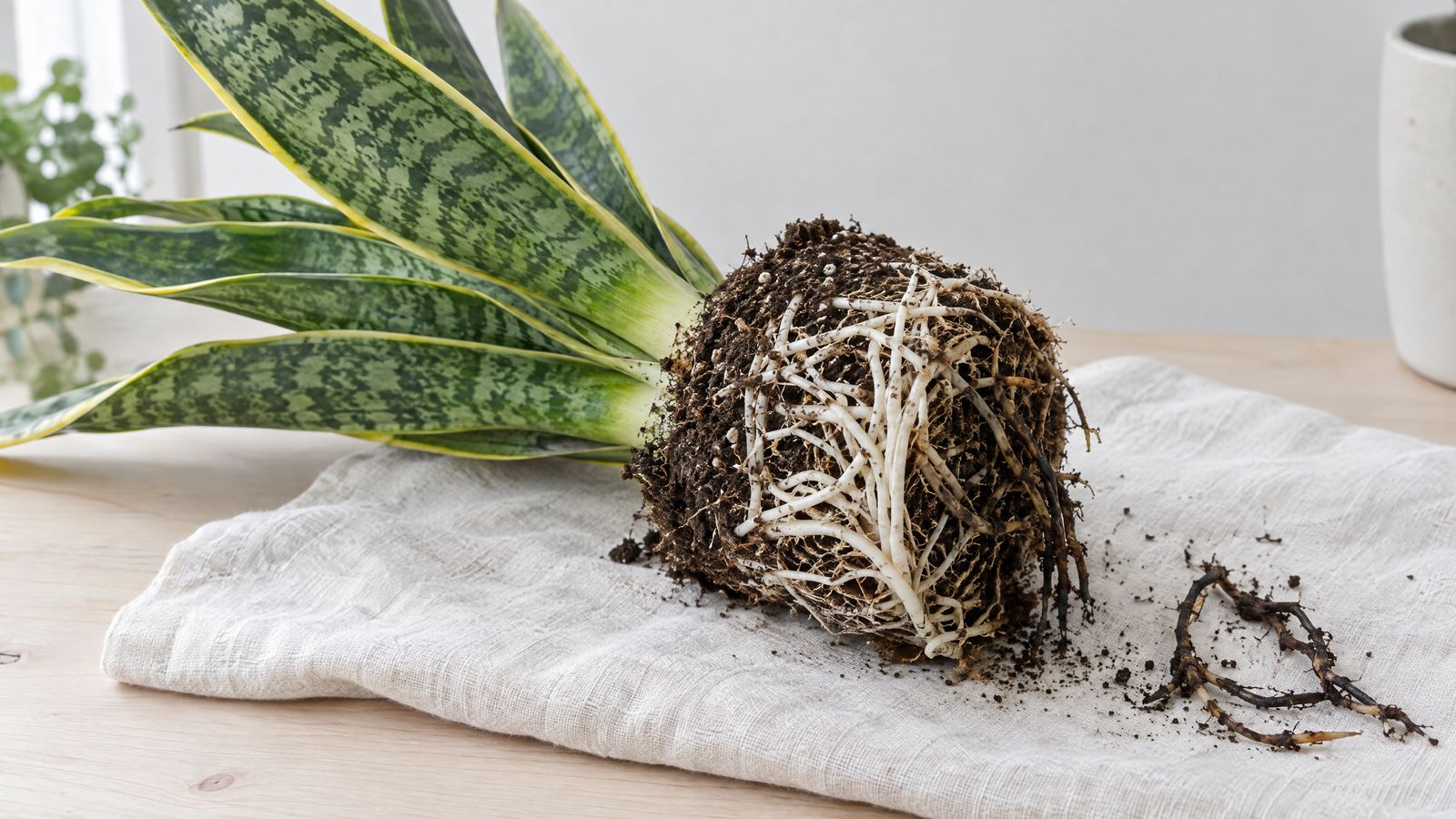
Repot in spring, when roots fill the pot, which the RHS says may take several years. Wisconsin notes that peat-based mixes break down over time and suggests repotting roughly every 2–3 years. Signs the mix has gone wrong: water sits on the surface or runs straight down the sides, the compost stays damp for more than a week, the surface is crusted with white mineral deposits, or the plant is wobbly with soft, dark roots. If you find rot, follow our root rot rescue plan. Flori's Lab soil check can help you work out whether a mix is the problem.
Good soil still needs the right watering
A gritty mix only gives you a margin for error. Illinois Extension advises watering succulents only when the soil is completely dry, roughly every two to three weeks, and less in winter. The RHS says to water thoroughly in spring and summer when the surface is dry, then give little or no water during the winter rest, just enough to stop the plant shrivelling, with nights around 8–10 °C (46–50 °F). Use the finger test from our guide to how to water houseplants and more of our care guides for light and feeding.
Frequently asked questions
Can I use regular potting soil for succulents?
Not on its own; it stays wet too long. Mix it with perlite, pumice or coarse grit, about one part soil to one or two parts mineral, or buy a cactus compost.
Is cactus soil the same as succulent soil?
For desert cacti and most succulents, yes: both need a fast-draining, gritty mix. Rainforest cacti such as Christmas cactus need a richer mix with more organic matter.
Is sand good for succulents?
Only coarse sharp sand or grit. Fine sand can clog the pores of the mix, as the University of Wisconsin warns, and keeps it wet.
How often should I change succulent soil?
Every 2–3 years, or when roots fill the pot, in spring. Peat-based mixes break down and drain worse with time.
Sources
- Royal Horticultural Society: How to grow cacti and succulents
- University of Illinois Extension: Did you forget to water your plants? Try low-maintenance succulents
- University of Wisconsin–Madison Extension: Haworthias, Super Succulents for Small Spaces
- Clemson Cooperative Extension HGIC: Thanksgiving & Christmas Cacti
Written and fact-checked by the Flori team. Every guide cites horticultural sources such as the RHS, university extension services and the ASPCA, and is updated when the advice changes.
General plant care information. Plants vary; when a plant is valuable or a problem spreads quickly, consult a local nursery or plant specialist.