Edible Wild Mushrooms and Their Dangerous Look-Alikes
Chanterelles, morels, puffballs and shaggy manes each have a dangerous look-alike. See how they differ, and why no photo or app can clear one to eat.
 By Flori editorial team · Updated
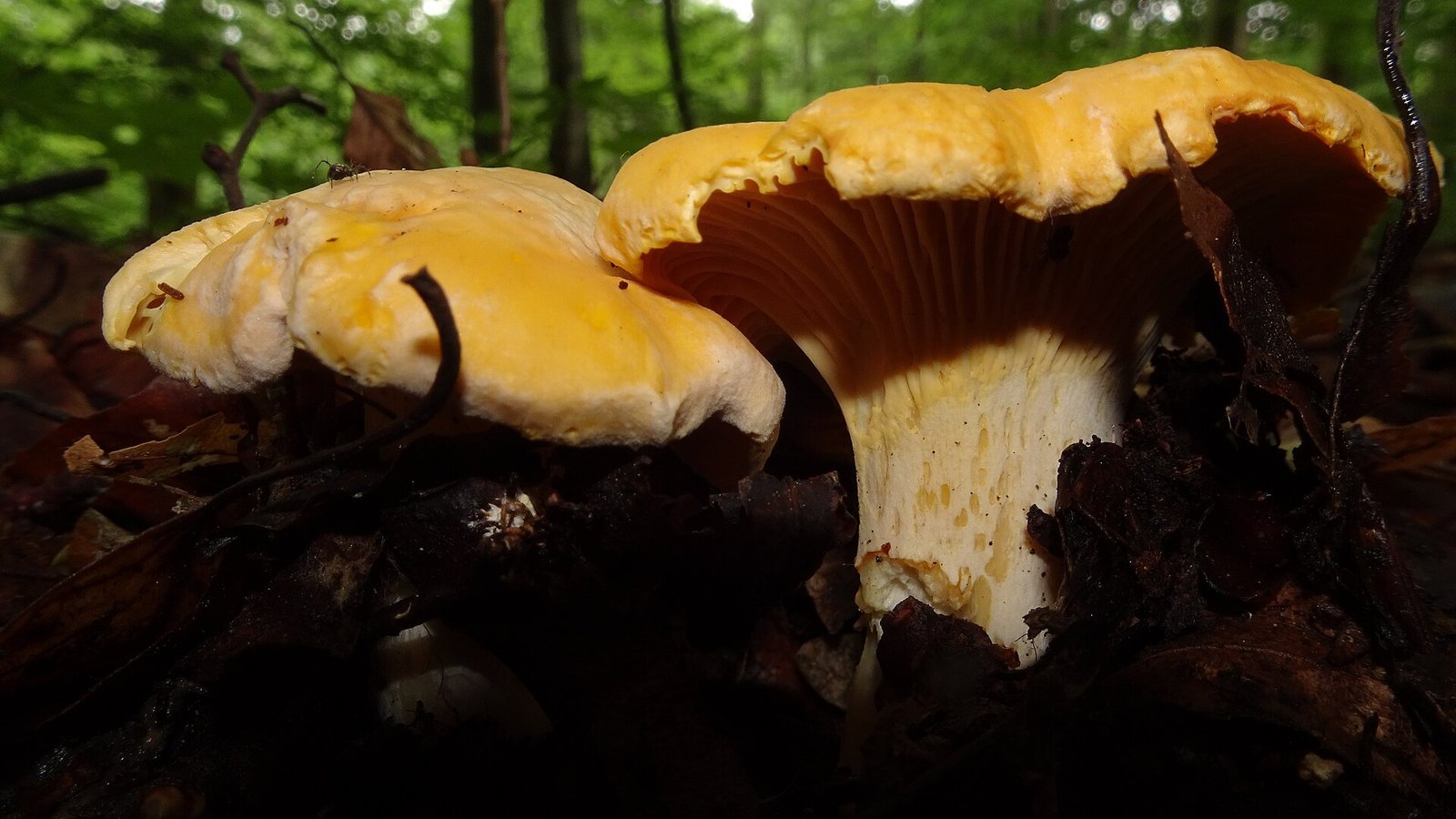 Photo: Dr. Hans-Günter Wagner · CC BY-SA 2.0
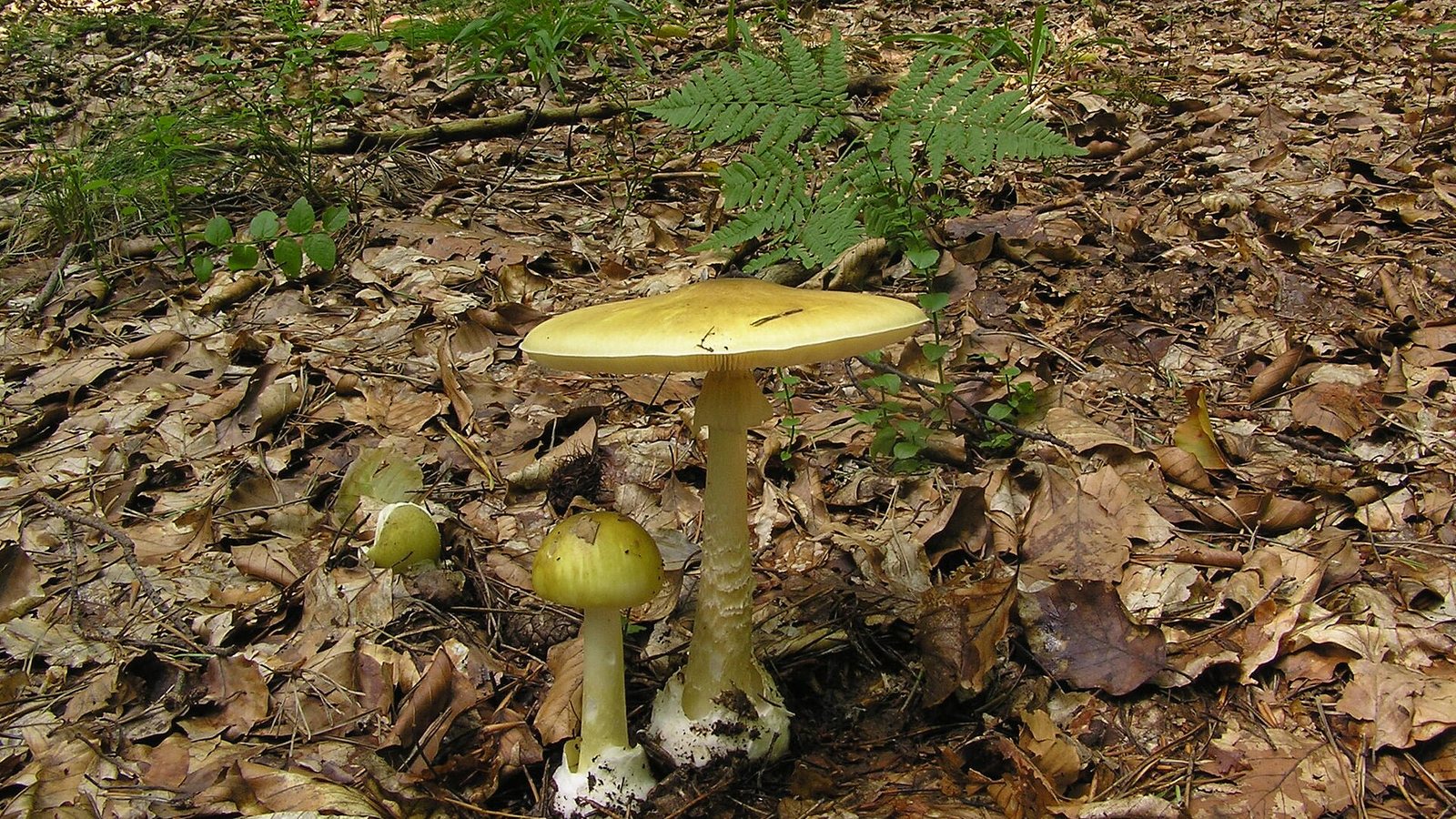
Commonly collected wild mushrooms each have a dangerous look-alike: chanterelles and jack-o'-lanterns, morels and false morels, puffballs and young Amanita buttons, shaggy manes and green-spored parasols. Differences exist, but no photo, app or folk test can make a wild mushroom safe. Only an experienced local expert holding the mushroom can identify it.
Key takeaways
- Every popular wild edible has a poisonous look-alike, and most poisonings come from these mix-ups.
- Jack-o'-lanterns grow in clusters on wood with true gills; chanterelles grow on soil with wrinkles.
- Cut puffballs top to bottom: rudimentary gills inside mean a possibly deadly Amanita button.
- Morels make people ill raw or undercooked, so this guide treats them as not edible.
- After eating an unknown mushroom, call a poison line at once (TR 114, US 1-800-222-1222, UK 111) and keep a sample.
On this page8
- Why does every edible wild mushroom come with a look-alike?
- Which edible mushrooms have dangerous look-alikes?
- Chanterelle vs jack-o'-lantern
- Morel vs false morel
- Puffball vs a young Amanita
- Shaggy mane vs lawn look-alikes
- The rules that matter more than any look-alike list
- What to do if someone eats an unknown wild mushroom
Why does every edible wild mushroom come with a look-alike?
Most lists of edible wild mushrooms show you the prize and leave out the trap. This guide does the opposite: every species people commonly collect is paired with the dangerous look-alike it gets confused with, in one comparison table, with the Turkish names foragers use in Türkiye. It is a guide to what can go wrong, not a licence to pick. Nothing here, and no photo or app, can tell you a mushroom in your hand is safe to eat.
Look-alikes are the reason most mushroom poisonings happen. The North American Mycological Association (NAMA) notes that people who ate jack-o'-lantern mushrooms usually thought they were picking chanterelles, and that poisonings are especially common among newcomers to North America from places where a harmless look-alike is safely collected at home. The University of Kentucky Extension adds that poisonous mushrooms can look like edible ones at certain life stages, and that one mushroom confirmed by an expert does not mean the ones growing next to it are the same species.
Which edible mushrooms have dangerous look-alikes?
These are the pairs extension services warn about most. "Collected as" means the species is widely picked for food and listed by the sources below; it does not mean you can eat what you find.
| Collected as | Dangerous look-alike | Difference the sources describe | Status in this guide |
|---|---|---|---|
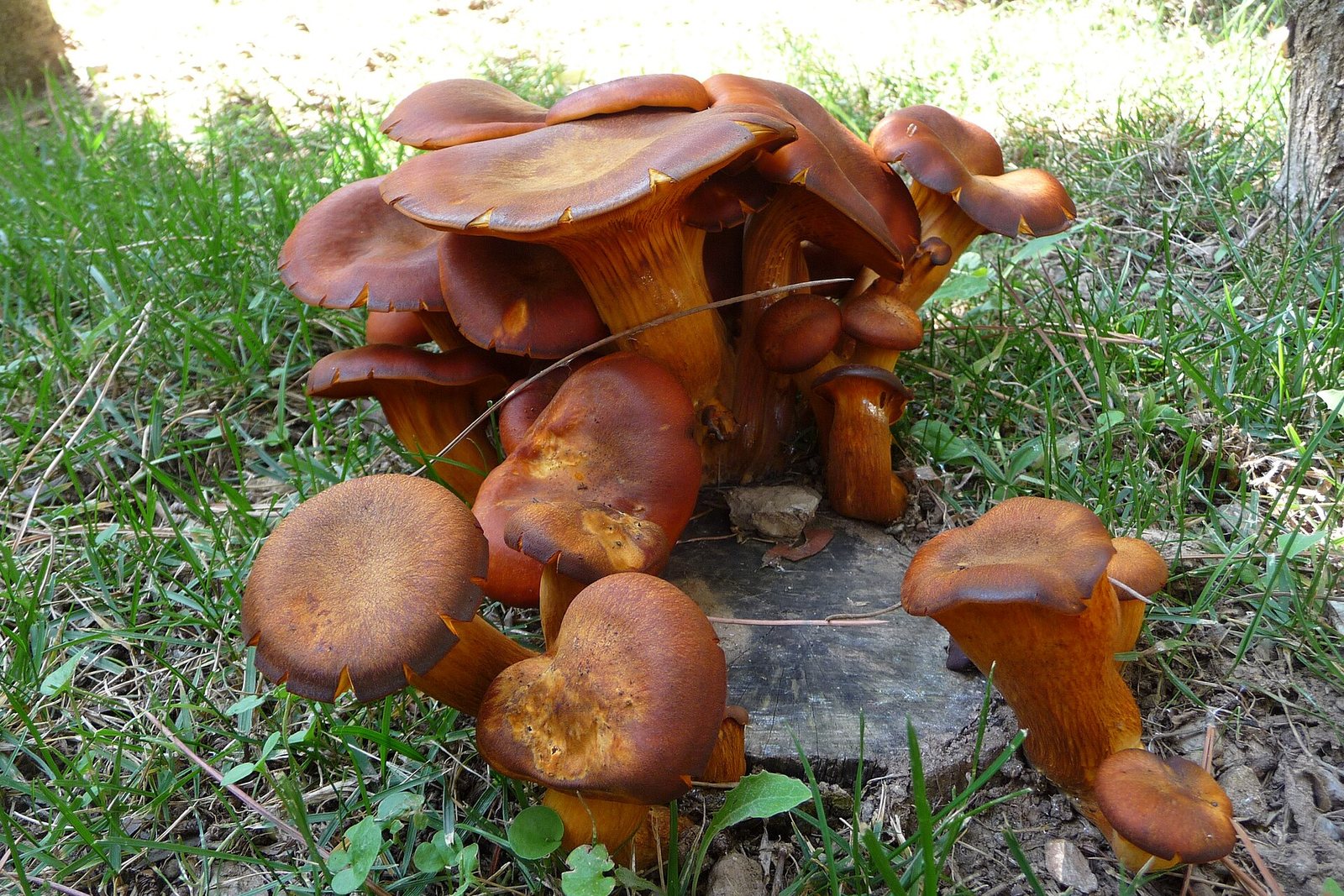
| Chanterelle (Cantharellus), TR: horoz mantarı | Jack-o'-lantern (Omphalotus) | Chanterelles grow on soil and have blunt wrinkles or veins under the cap; jack-o'-lanterns grow in clusters on wood and have true, blade-like gills | Expert identification only |
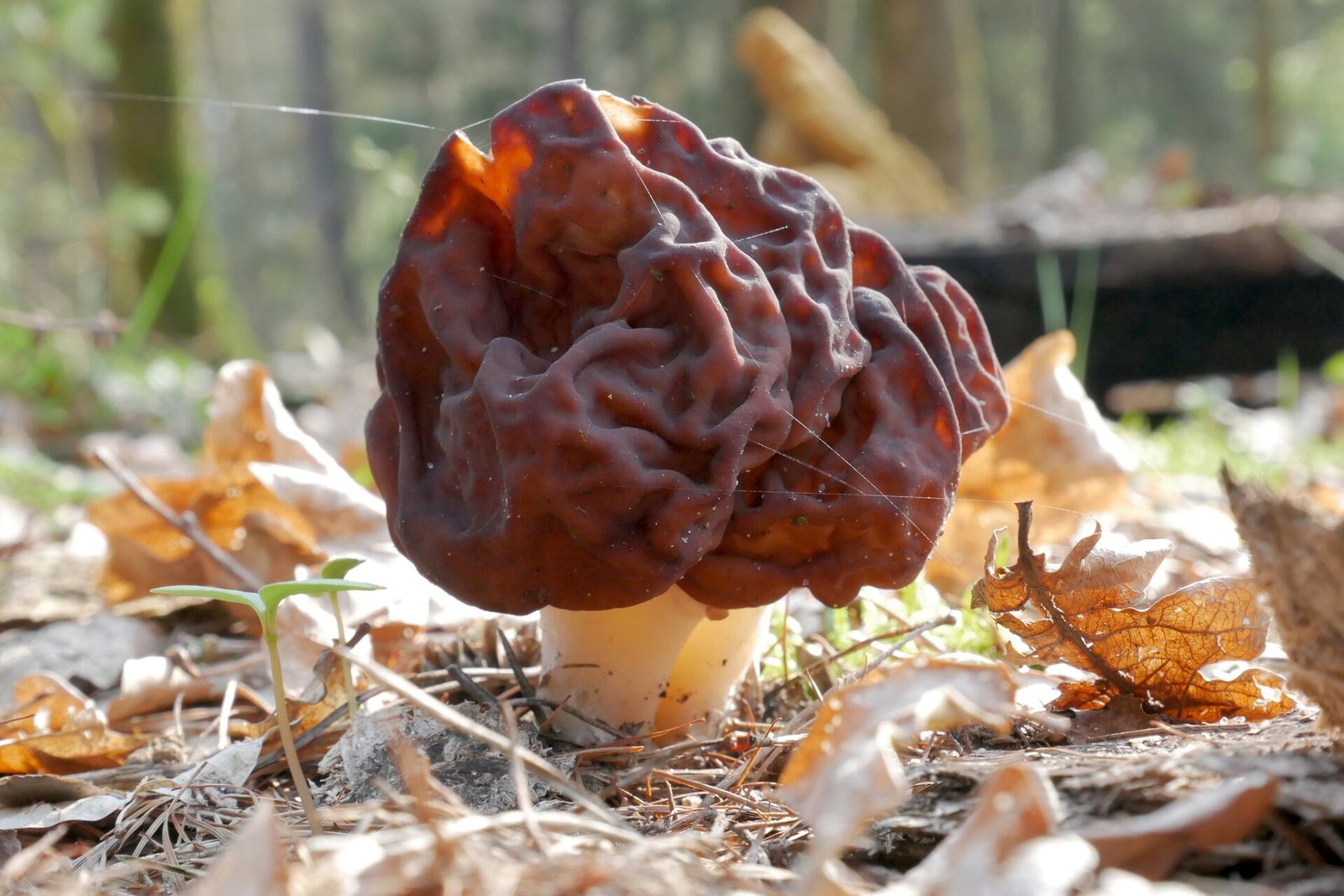
| Morel (Morchella), TR: kuzugöbeği | False morel (Gyromitra) | True morels have a cap of ridges and pits joined to a hollow stem; false morels have irregular, lobed caps and an irregular or partly hollow stem | Not edible: raw or undercooked morels make people ill |
| Giant puffball (Calvatia gigantea) | Young Amanita "egg" or button | Cut top to bottom: a puffball is uniform inside; an Amanita button shows the outline of a cap, stem and rudimentary gills | Expert identification only |
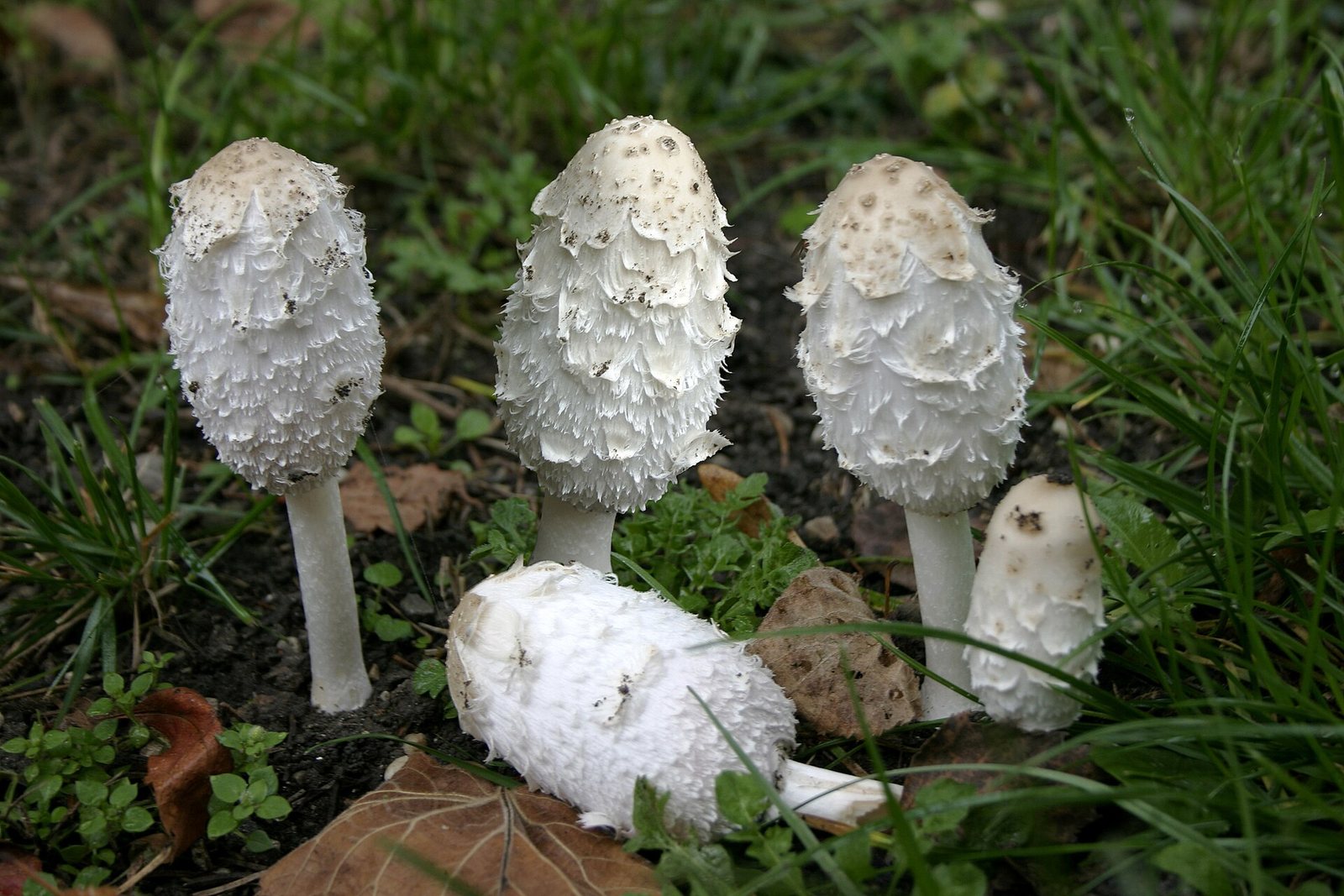
| Shaggy mane (Coprinus comatus), TR: tavuk budu mantarı | Green-spored parasol (Chlorophyllum molybdites) and alcohol-reactive inky caps (Coprinopsis) | All are lawn and mulch mushrooms; some inky caps poison you if you drink alcohol for days afterwards | Expert identification only |
Chanterelle vs jack-o'-lantern
University of Illinois Extension lists the chanterelle (Cantharellus cibarius) among the wild mushrooms beginners learn first. It fruits in summer on soil, and the underside of its cap carries wrinkles or veins rather than true gills. The jack-o'-lantern (Omphalotus) is the poisonous look-alike field guides always name: it grows in clusters on wood and has true gills. NAMA describes nausea and vomiting starting one to three hours after a meal. Kentucky Extension stresses that jack-o'-lanterns look similar and have an appealing smell, which is why identifying every single mushroom matters more than its general appearance.
Morel vs false morel
Morels, called kuzugöbeği in Turkish, are spring mushrooms. Nebraska Extension describes true morels as having a uniform, attached cap with a network of ridges and pits and a hollow stem, while false morels may have irregular, lobed caps and an irregular or partly hollow stem. False morels (Gyromitra) contain gyromitrin; NAMA notes that severe cases damage the liver, kidneys and red blood cells and can be fatal, and that the margin between a harmless and a lethal amount is very small.
Even true morels fail our safety rule. Kentucky Extension says morels must be properly cooked to avoid illness, and NAMA notes they cause stomach upset when eaten raw or undercooked. Because their safety depends on preparation, this guide lists them as not edible, and any decision about them belongs with an experienced local identifier.
Puffball vs a young Amanita
Illinois Extension lists the giant puffball (Calvatia gigantea) as a beginner species found on soil at woodland edges in autumn, and warns that smaller puffballs must be distinguished from the button stage of gilled mushrooms. Montana State University Extension is blunt about why: puffballs have been confused with small Amanita buttons, which can be deadly poisonous. Cut an Amanita button in half and you find rudimentary gills, the outline of a mushroom waiting to open; a true puffball has none. Amanita is the genus of the death cap, called ölüm meleği in Turkish.
Foragers in Türkiye should know one more Amanita problem. Yumurta mantarı (Amanita caesarea) is traditionally collected there in its closed egg stage, and it belongs to the same genus as the death cap. None of our sources covers its edibility, so we do not list it as edible here; any closed white egg found in the woods is a reason to stop, not to cook.
Shaggy mane vs lawn look-alikes
Illinois Extension describes the shaggy mane (Coprinus comatus) as an autumn mushroom of lawns, mulch beds and urban areas that turns to ink quickly. It shares that habitat with the green-spored parasol (Chlorophyllum molybdites), which NAMA calls the most common mushroom cause of human poisonings in North America, causing severe vomiting and diarrhoea. Kentucky Extension adds a trap of its own: some inky caps (Coprinopsis) are poisonous when combined with alcohol, even if the drink comes up to five days after the meal.
The rules that matter more than any look-alike list
- No shortcuts exist. Montana State Extension says the only way to know whether a mushroom is edible is to identify it; Kentucky Extension warns that folklore tests are dangerously wrong. Smell, taste, colour, a peeling cap, silver turning dark, or insects and animals eating a mushroom prove nothing.
- Cooking is not a safety test. It does not make a poisonous mushroom safe, and Kentucky Extension notes that even some edible species cause illness if they are not cooked properly.
- Identify every mushroom, every time. The same species looks different at different ages and sites.
- Learn from people, not photos. A local mycological society or expert who can hold the mushroom is the only reliable check. Flori can suggest a name from a photo, which is useful for learning, but it can never clear a wild mushroom for eating.
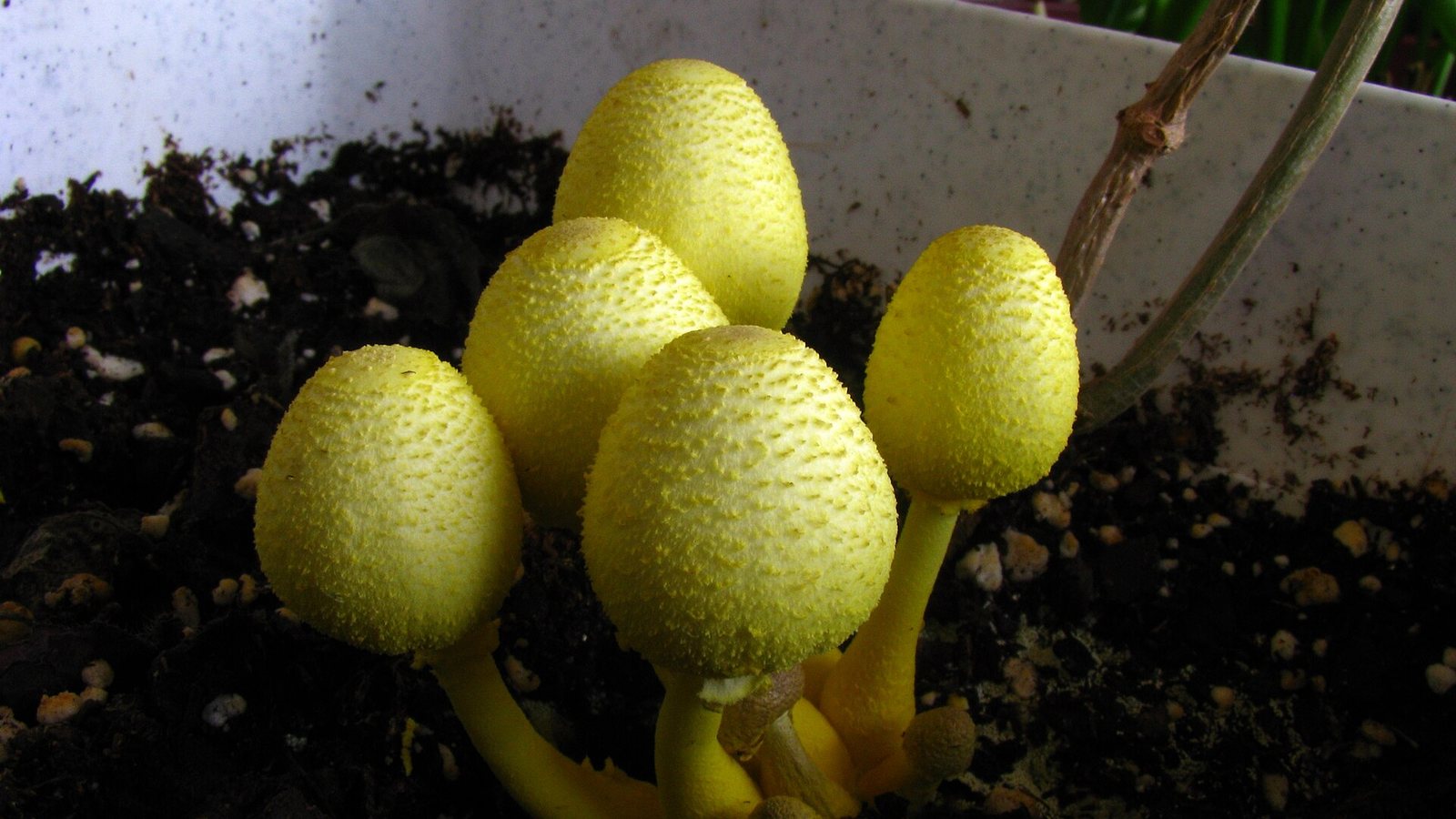
Curious about the mushrooms that pop up indoors? See mushrooms growing in a houseplant pot, and browse more safety guides in our mushrooms section.
What to do if someone eats an unknown wild mushroom
Call a poison line now. Do not wait for symptoms:
- Türkiye: UZEM 114 (Ulusal Zehir Danışma Merkezi)
- United States: Poison Control 1-800-222-1222
- United Kingdom: NHS 111
Keep a sample of what was eaten, raw or cooked, wrapped in paper (not plastic) in the fridge, so specialists can identify it. Kentucky Extension notes that saved samples can make the difference between life and death. Waiting is dangerous: NAMA explains that Amanita poisoning gives no symptoms for 6–24 hours, then vomiting and diarrhoea, then an apparent recovery before liver and kidney damage shows. Feeling better is not a reason to stay home. Do not try home remedies; follow the poison line and the doctors.
Frequently asked questions
Can I use an app to check if a wild mushroom is edible?
No. An app can suggest a name from a photo, but no app or photo can confirm that a wild mushroom is safe to eat. Only an experienced local expert who can examine the mushroom itself should identify it.
Does cooking make a poisonous mushroom safe?
No. Cooking does not make a poisonous mushroom safe. Some edible species also cause illness if they are not cooked properly, which is why cooking is never a safety test.
Is there a simple test for poisonous mushrooms?
No. Smell, taste, colour, peeling the cap, silver, and insects or animals eating a mushroom are all myths. The only way to know is a correct species identification by an expert.
What should I bring to the hospital after eating a wild mushroom?
Bring any leftover mushroom, raw or cooked, wrapped in paper, and photos if you have them. Call a poison line first: Türkiye 114, US 1-800-222-1222, UK 111.
Sources
- University of Illinois Extension: Mushrooming for Beginners (handout)
- University of Kentucky Cooperative Extension: Don't Eat Those Wild Mushrooms
- North American Mycological Association: Mushroom Poisoning Syndromes
- Montana State University Extension: Collecting Fungi and Mushrooms for Identification
- Nebraska Extension Backyard Farmer: Morel Mushroom Hunting
Written and fact-checked by the Flori team. Every guide cites horticultural sources such as the RHS, university extension services and the ASPCA, and is updated when the advice changes. How we write our guides
General plant care information. Plants vary; when a plant is valuable or a problem spreads quickly, consult a local nursery or plant specialist.