How to Identify a Plant from a Photo
How to identify a plant from a photo: what to shoot for houseplants, flowers, trees and wild plants, how to frame it, and how to double-check the name.
 By Flori editorial team · Updated
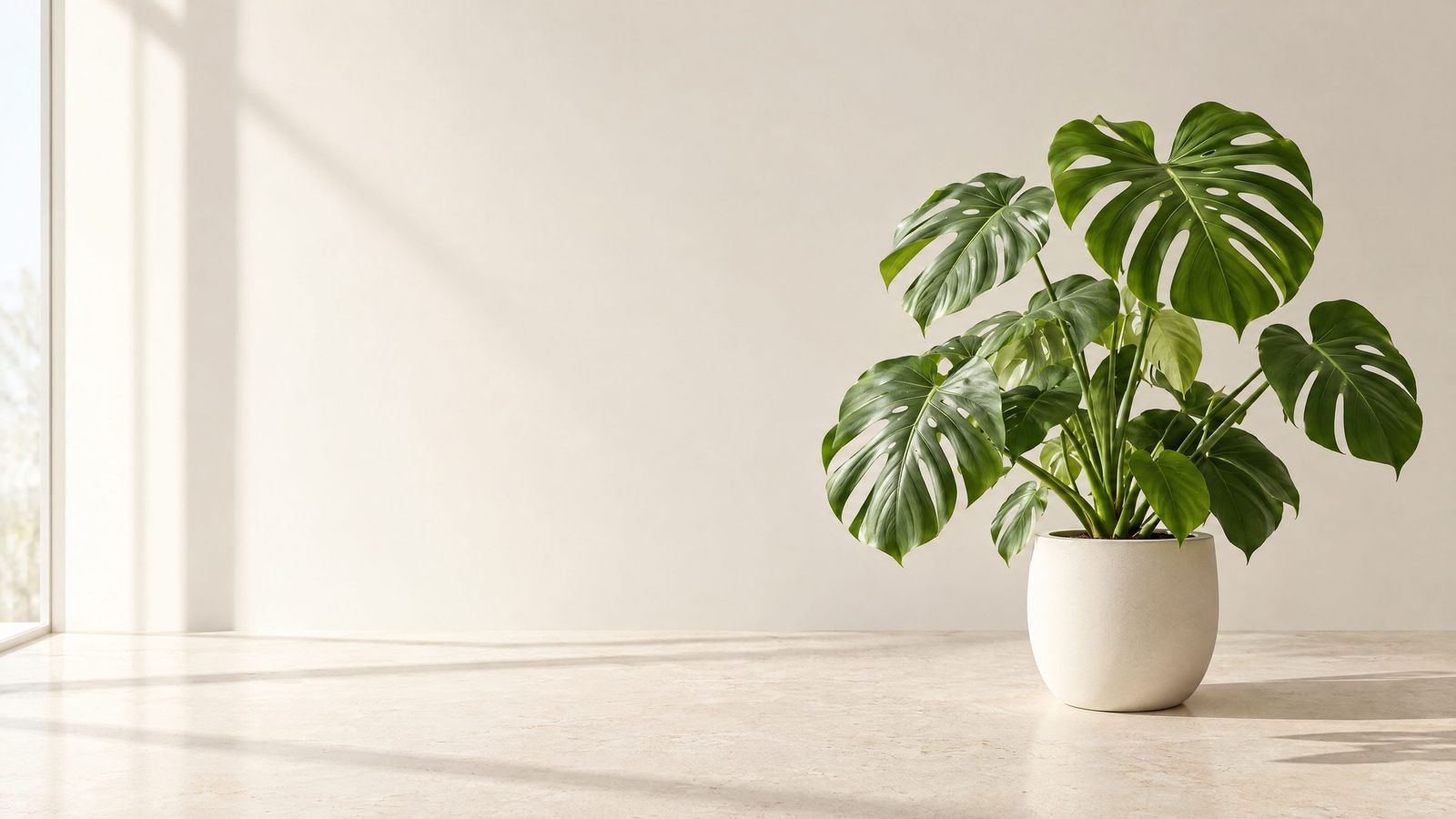
To identify a plant from a photo, shoot the parts that tell species apart: a flower or fruit if there is one, a sharp close-up of one leaf, how the leaves attach to the stem and the whole plant. Use daylight and a plain background. Then check the scientific name against a trusted reference before relying on it.
Key takeaways
- Flowers, fruit and the way leaves attach to the stem separate look-alikes better than a leaf on its own.
- Take several sharp photos in daylight against a plain background instead of one busy shot.
- Trees need leaf, twig and bark; wild plants need flower, leaves and the whole plant.
- Check the scientific name, not just the common name, before you look up care or toxicity.
- Never eat a wild plant because an app or a photo named it.
How do you identify a plant from a photo?
You can identify most common plants from a photo, as long as the photo shows the features that separate one species from its look-alikes. A single shot of a leaf on a busy carpet often is not enough; a flower, a close-up of how the leaves sit on the stem and a picture of the whole plant usually are. This guide gives you a shot list for each kind of plant (houseplants, garden flowers, trees and shrubs, wild plants and succulents), simple framing rules, and a routine for checking the name you get. It is about naming a healthy plant. If your plant is sick, see our guide on how to diagnose a plant disease from a photo, and for fungi read can an app identify mushrooms safely, because the rules there are much stricter.
Which features identify a plant?
Plants that look alike at a glance often differ in a few details. These are the ones worth getting into the frame:
- Flowers: shape, number of petals, colour and how the flowers are grouped. When a plant is in flower, this is usually the most telling photo.
- Fruit and seed heads: berries, pods, cones and seed heads often separate close relatives.
- Leaf arrangement: whether leaves grow in pairs opposite each other, one at a time alternating up the stem, or in rings of three or more.
- Leaf shape and edge: one undivided blade or a leaf split into leaflets; a smooth, toothed or lobed edge.
- Leaf surface: hairs, a waxy or glossy finish, the vein pattern and any markings or variegation.
- Stem and bark: square or round stems, hairs, spines, peeling or ridged bark.
- Overall shape: climbing, trailing, upright, a rosette or a tree, and how big it is.
Shot list by plant type
| Plant type | Must-have photos | Helpful extras |
|---|---|---|
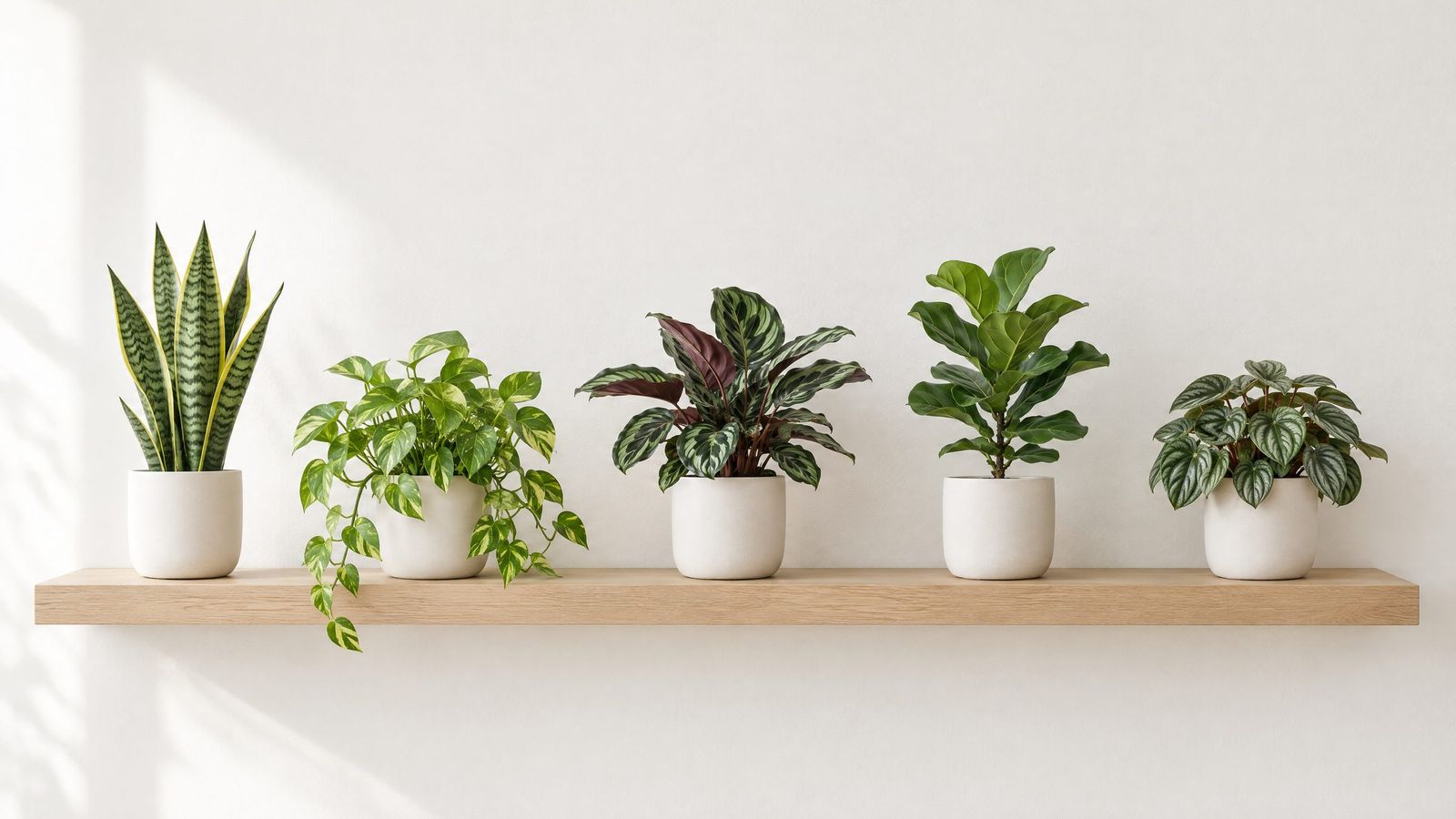
| Houseplant | Whole plant; one typical leaf, top side, in sharp focus; where the leaf joins the stem | Leaf underside, any flower, the nursery label if you still have it |
| Garden flower | Flower face-on and from the side; leaves; whole plant | Buds, seed heads, the base of the plant |
| Tree or shrub | Leaf top and underside; a twig showing how leaves are arranged; bark; whole tree | Flowers, fruit, cones, autumn colour |
| Wild plant or weed | Flower; leaves at the base and up the stem; whole plant where it grows | Stem close-up, fruit or seeds |
| Succulent or cactus | Rosette or body from above and from the side; spines or leaf edges close up | Flowers, offsets at the base |
Succulents are a special case: many rosettes look alike until you see the leaf tips, edges and flowers. Our guide to succulent types and how to tell them apart shows which details matter.
How to take a photo an app can read
- Use daylight, not flash. Flash flattens texture and changes colours.
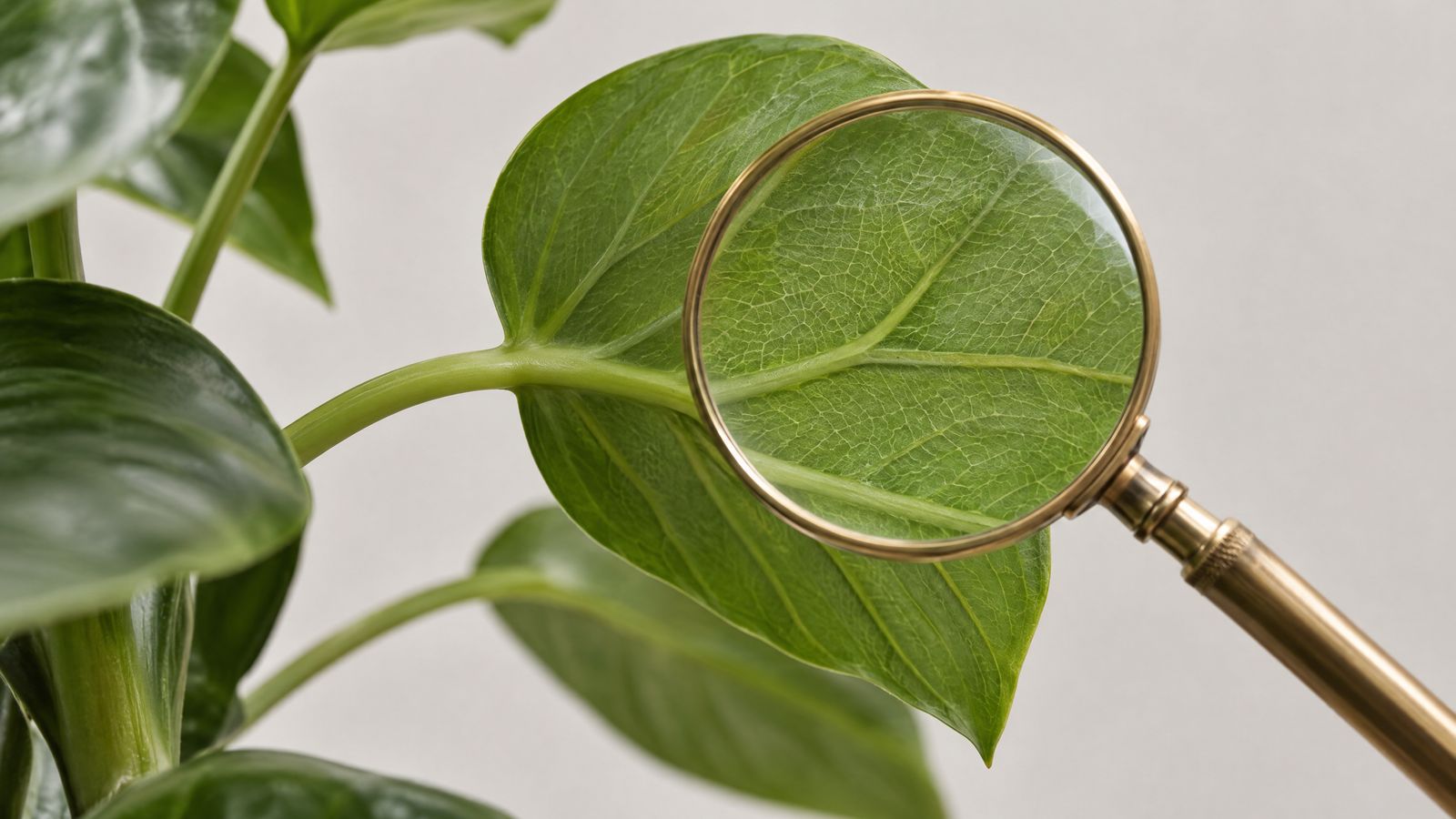
- Fill the frame with one part. One leaf or one flower, close and sharp, beats a whole shelf of plants in one shot.
- Give it a plain background. Hold a sheet of paper or your hand behind a leaf so the outline is clear.
- Tap to focus and hold still; a blurred edge hides teeth and hairs.
- Take several photos of different parts rather than one; each answers a different question.
- Add a scale. A coin or ruler next to a leaf helps separate similar species of different sizes.
- Skip filters and heavy zoom. They change colours and detail.
How do you check the name you get?
A name from an app or a friend is a strong lead, not the end of the job. Check it before you buy care products, repot or decide the plant is safe around pets.
- Look at the scientific name. Common names vary from country to country and can be shared by unrelated plants; the two-part Latin name points to one species. In English, for example, money tree can mean Pachira aquatica, while jade plant (Crassula ovata) is also sold as a money plant.
- Compare more than one photo of the suggested plant. Look at flowers, leaf arrangement and size, not just colour. A good reference such as the NC State Extension Gardener Plant Toolbox has descriptions and photographs of more than 4,700 plants.
- Ask whether it makes sense. Does that plant grow indoors, in your climate or in that habitat? A tropical tree is an unlikely answer for a hedge in a cold garden.
- Check toxicity by name. The ASPCA advises checking the name of a plant to find out whether it is toxic to pets, and notes that individual plants can look different from the photos in its listings. Our list of pet-safe houseplants is a good next stop.
If an app lists several possible matches, do not simply take the first one: look at each candidate and compare it with the details on your plant.
Knowing the exact name matters most in an emergency. Poison Control in the US tells families to find out the names of their plants, because expert help depends on accurate plant identification.
Identifying a plant with Flori
In Flori, take or upload a photo and the app suggests a name, with a care profile that covers light, watering, humidity, temperature and toxicity. If you already know the name, you can search the plant database instead. Save the plant to your collection by location, such as indoor, balcony or garden, and set care reminders. The Free plan includes 2 identifications a month; Annual Premium makes them unlimited. If the plant you are photographing is unwell, the diagnosis chat is a separate step, so you get a name first and then a cause.
When is a photo ID not enough?
- Never eat a wild plant because an app named it. Poison Control advises eating wild plants only if you know for certain what they are, and warns that people have died after mistaking poison hemlock for wild carrot.
- If a child or pet has eaten a plant, do not wait for an identification. Call a poison line now: US Poison Control 1-800-222-1222, NHS 111 in the UK or UZEM 114 in Türkiye; for pets, call your vet or ASPCA Animal Poison Control. Take the plant or a piece of it with you.
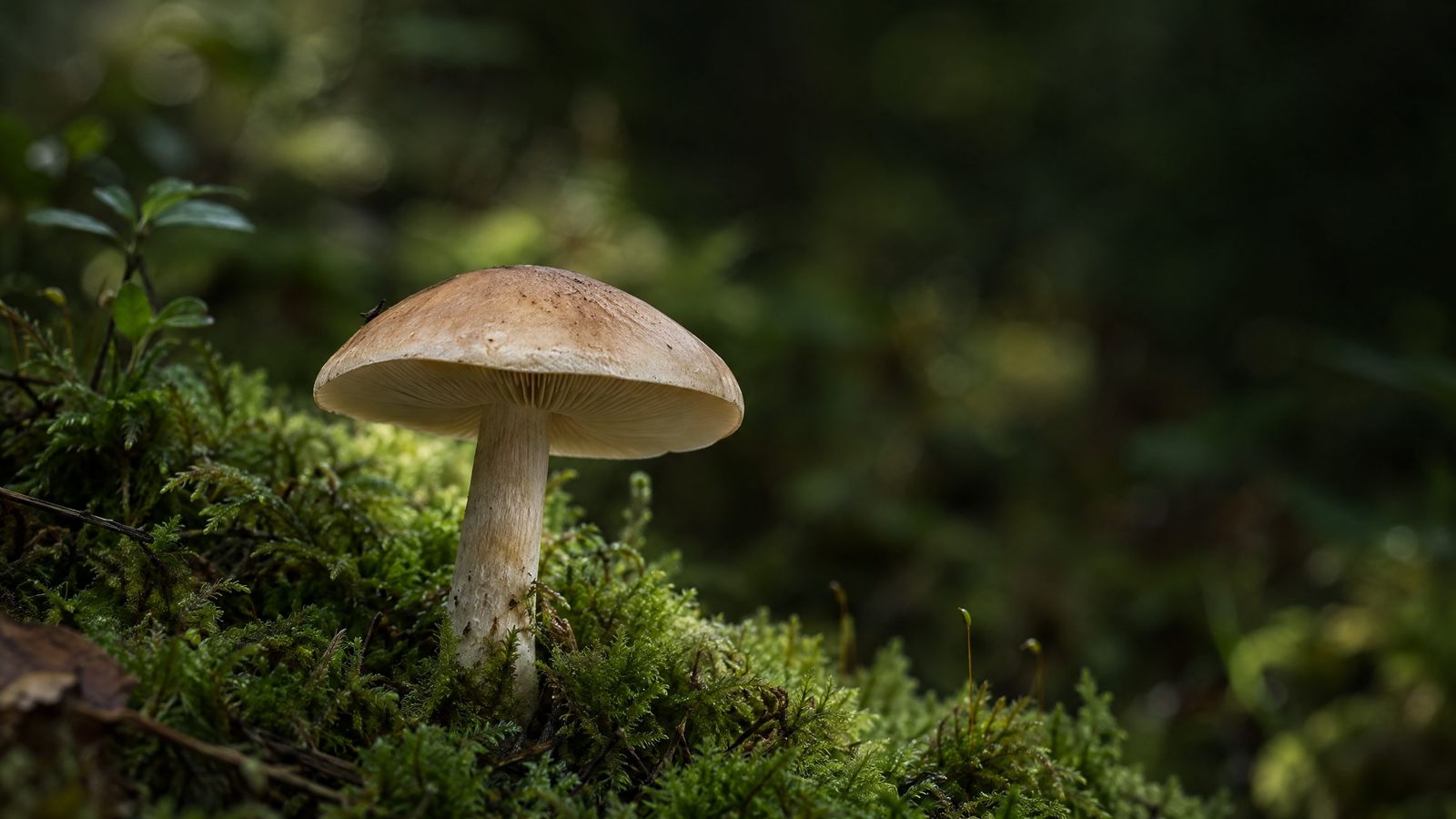
- Mushrooms are not plants, and photo identification of wild mushrooms has limits that matter for your safety; see our guide to mushroom identification apps.
Frequently asked questions
What is the best part of a plant to photograph for identification?
A flower or fruit if the plant has one, then a sharp close-up of a typical leaf and a shot showing how the leaves attach to the stem. One photo of the whole plant adds size and shape.
Can you identify a plant from a photo of the leaf only?
Often, for common houseplants with distinctive leaves. For trees, shrubs and wild plants, add the twig, bark, flowers or fruit, because many species have similar leaves.
Why did the app give me the wrong plant?
The usual reasons are a blurry or dark photo, a busy background, only one part of the plant in view, or a rare plant that looks like a common one. Retake the photos in daylight and check the scientific name in a second reference.
Can I check if a plant is poisonous from a photo?
Identify the plant first, then look up its scientific name in the ASPCA plant list or with a poison centre. If someone has already eaten it, call a poison line straight away rather than waiting for an identification.
Sources
Written and fact-checked by the Flori team. Every guide cites horticultural sources such as the RHS, university extension services and the ASPCA, and is updated when the advice changes.
General plant care information. Plants vary; when a plant is valuable or a problem spreads quickly, consult a local nursery or plant specialist.