Pet-Safe Houseplants for Cats and Dogs
14 pet-safe houseplants checked against the ASPCA cat and dog lists, with light needs, the toxic plant each replaces and what to do if your pet chews one.
 By Flori editorial team · Updated
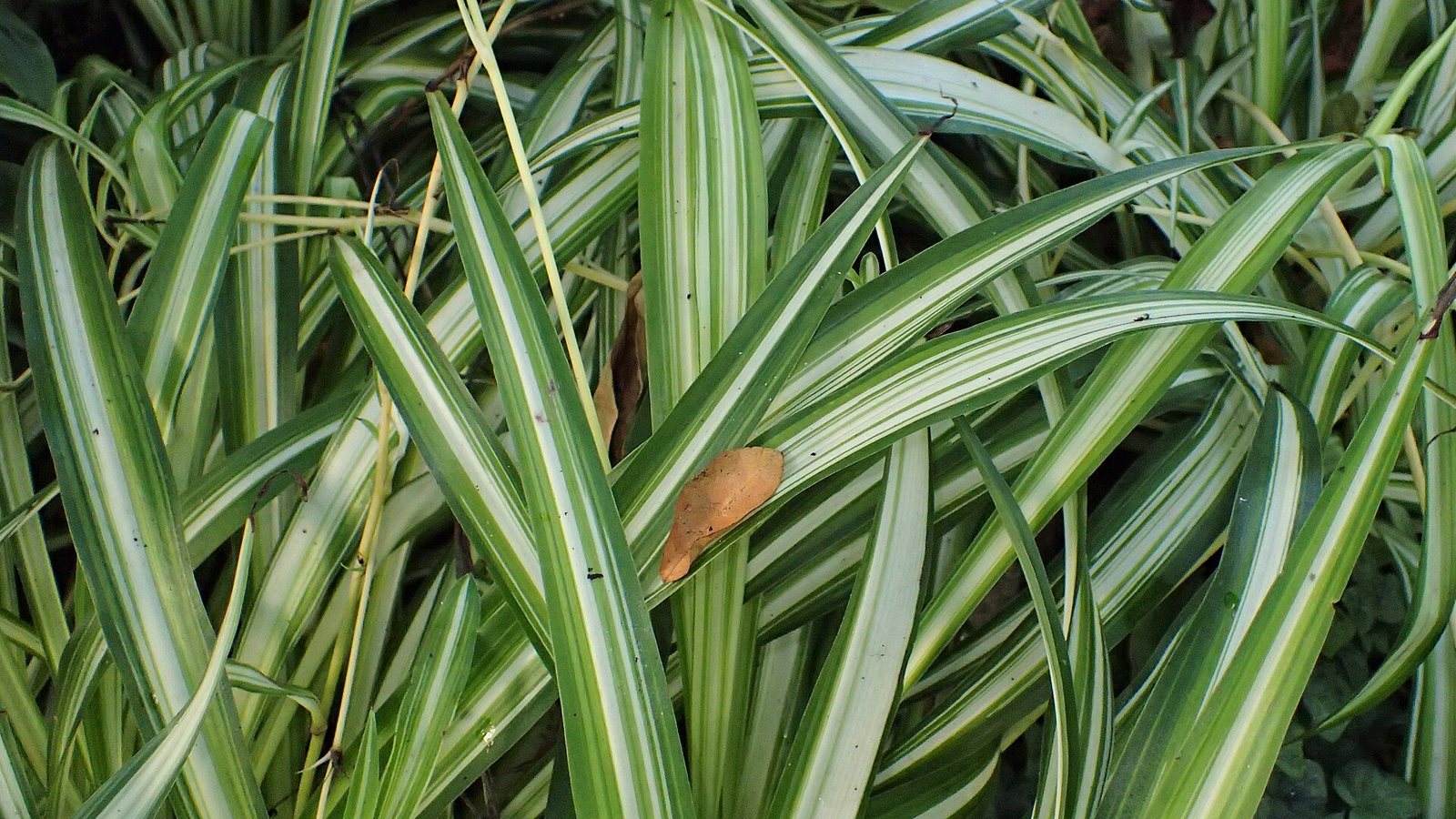 Photo: Krzysztof Ziarnek, Kenraiz · CC BY-SA 4.0
Houseplants the ASPCA lists as non-toxic to both cats and dogs include spider plant, Boston fern, parlor palm, areca palm, calathea, African violet, moth orchid, peperomia, haworthia, Christmas cactus, polka dot plant, ponytail palm, money tree and cast iron plant. Pothos, monstera, snake plant, peace lily, aloe and sago palm are toxic, and lilies are dangerous to cats.
Key takeaways
- Choose plants the ASPCA lists as non-toxic to both cats and dogs, not just one of them.
- Pothos, monstera, snake plant, peace lily, aloe, dracaena, jade plant and sago palm are on the toxic lists.
- True lilies are toxic to cats and can cause kidney failure; keep them out of homes with cats.
- Non-toxic plants can still cause vomiting or stomach upset if eaten.
- Match the scientific name: common names such as money plant can mean a safe or a toxic plant.
On this page6
Which houseplants are safe for cats and dogs?
The safest houseplants for homes with cats and dogs are the ones the ASPCA lists as non-toxic to both animals: spider plant, Boston fern, parlor palm, areca palm, calathea, African violet, moth orchid, peperomia, haworthia, Christmas cactus, polka dot plant, ponytail palm, money tree and cast iron plant. Every plant in this guide was checked against the ASPCA's separate cat and dog lists, so you are not relying on a list that only covered one pet. For each one you also get its light needs and the toxic plant it can replace, because a pet-safe plant only helps if it survives in your home.
14 pet-safe houseplants, checked for cats and dogs
| Plant | ASPCA: cats / dogs | Light | Good swap for |
|---|---|---|---|
| Spider plant (Chlorophytum comosum) | Non-toxic / non-toxic | Bright, indirect; tolerates less | Pothos in a hanging basket |
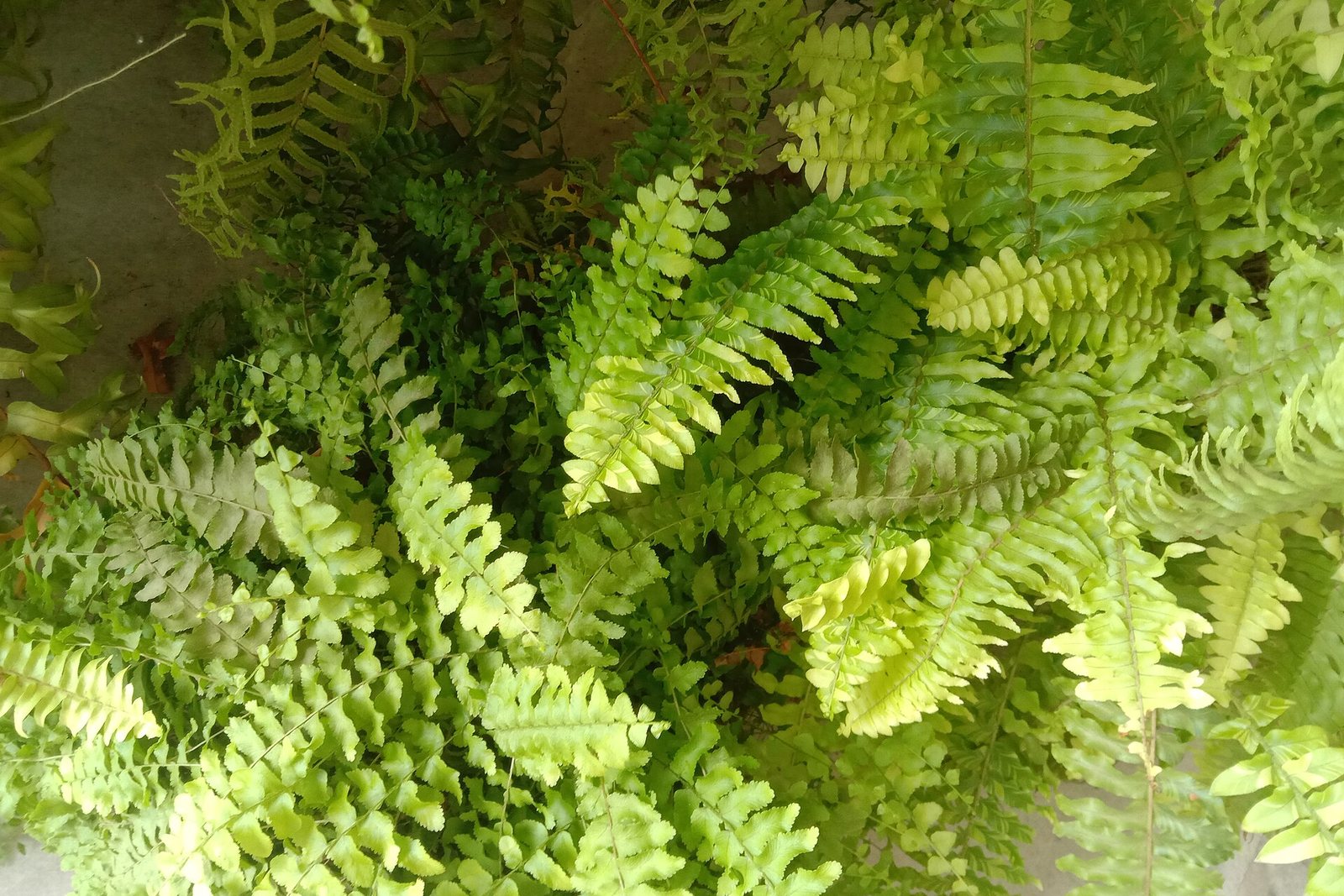
| Boston fern (Nephrolepis exaltata 'Bostoniensis') | Non-toxic / non-toxic | Bright, indirect; likes humidity | Trailing toxic plants on a stand |
| Parlor palm (Chamaedorea elegans) | Non-toxic / non-toxic | Medium to low, indirect | Dracaena in a dim corner |
| Areca palm (Dypsis lutescens) | Non-toxic / non-toxic | Bright, indirect | Sago palm as a statement plant |
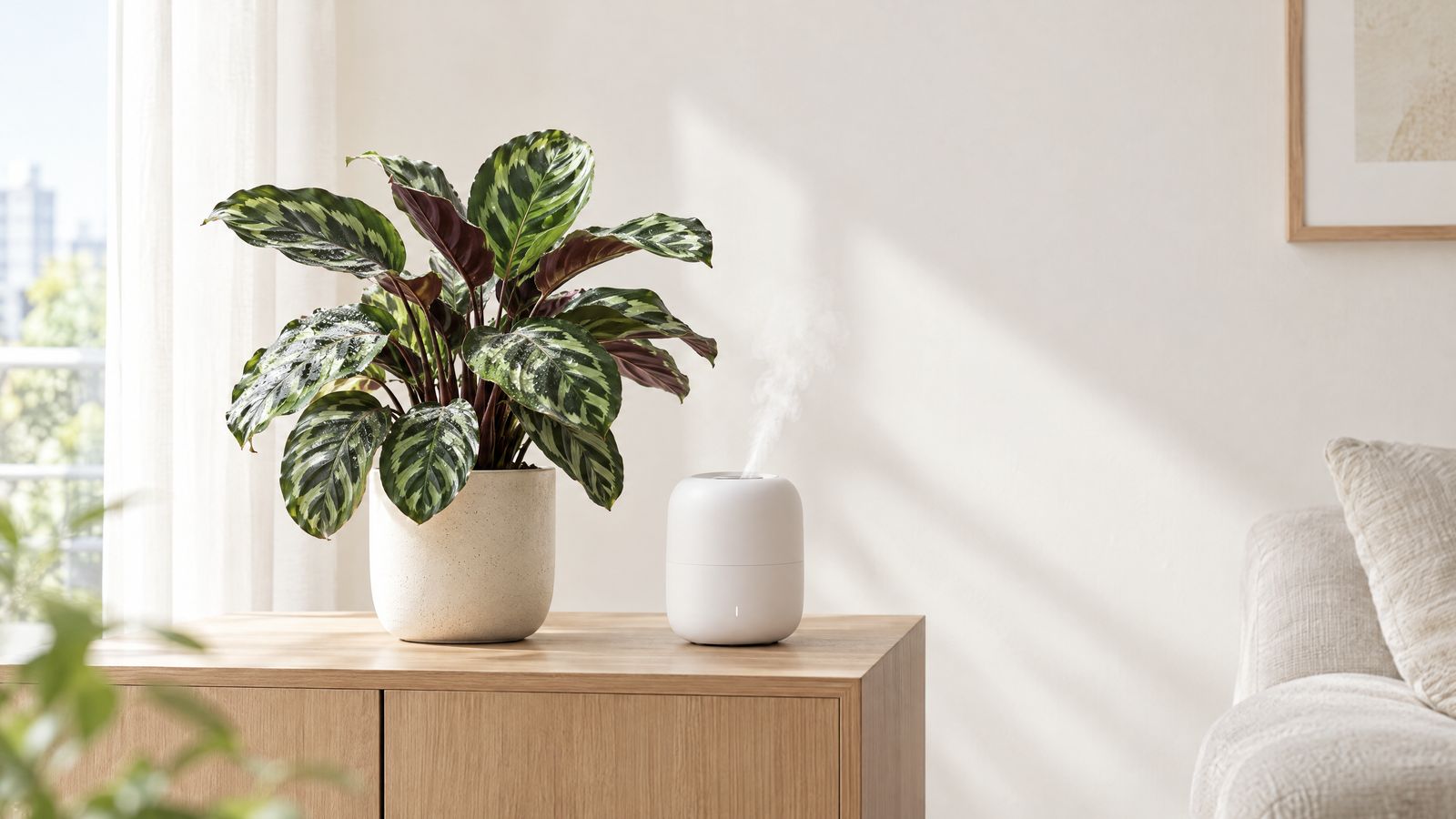
| Calathea (Calathea spp.) | Non-toxic / non-toxic | Medium, indirect; likes humidity | Monstera or other patterned foliage |
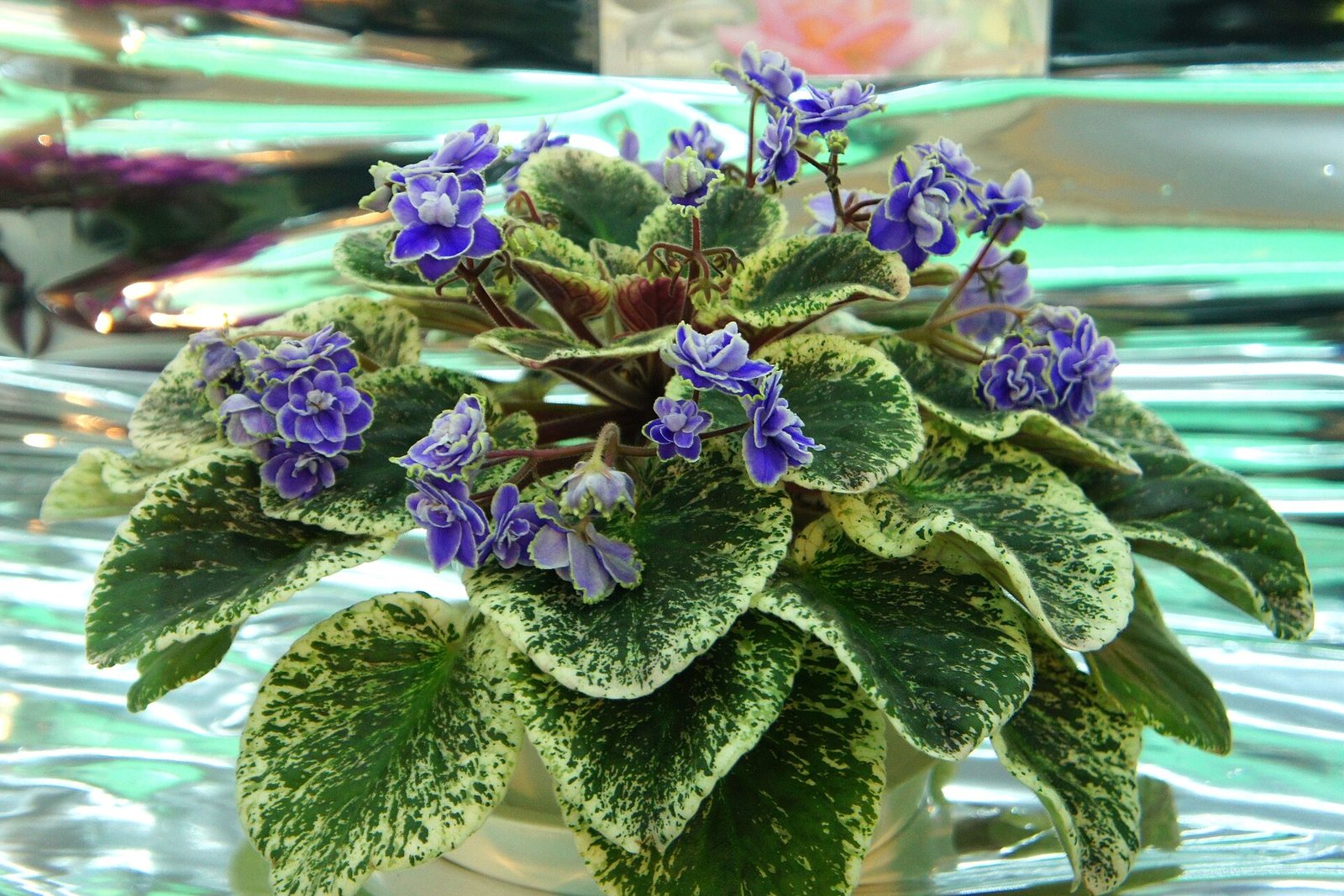
| African violet (Saintpaulia spp.) | Non-toxic / non-toxic | Bright, indirect | Peace lily as a flowering plant |
| Moth orchid (Phalaenopsis) | Non-toxic / non-toxic | Bright, indirect | Lilies on the table (vital for cats) |
| Peperomia (baby rubber plant, watermelon peperomia) | Non-toxic / non-toxic | Medium to bright, indirect | Jade plant on a desk |
| Haworthia | Non-toxic / non-toxic | Bright; some direct sun | Aloe on a sunny sill |
| Christmas cactus (Schlumbergera) | Non-toxic / non-toxic | Bright, indirect | Holiday plants of unknown safety |
| Polka dot plant (Hypoestes phyllostachya) | Non-toxic / non-toxic | Bright, indirect | Colourful toxic foliage plants |
| Ponytail palm (Beaucarnea recurvata) | Non-toxic / non-toxic | Bright; tolerates dry air | Snake plant in a sunny spot |
| Money tree (Pachira aquatica) | Non-toxic / non-toxic | Bright, indirect | Jade plant sold as a money plant |
| Cast iron plant (Aspidistra elatior) | Non-toxic / non-toxic | Low to medium | Snake plant in a dark hallway |
If your rooms are dim, start with the cast iron plant and parlor palm; if you are not sure how much light a spot gets, our guide to the signs your plant needs more light shows what to look for. Calatheas and Boston ferns brown at the edges in dry, heated rooms, and the indoor plant humidity guide explains what actually helps. Moth orchids are easy to multiply too: see how to propagate orchids.
Popular houseplants that are toxic to cats and dogs
Several of the most common houseplants, including some of the classic beginner plants, appear on the ASPCA's toxic lists for both cats and dogs:
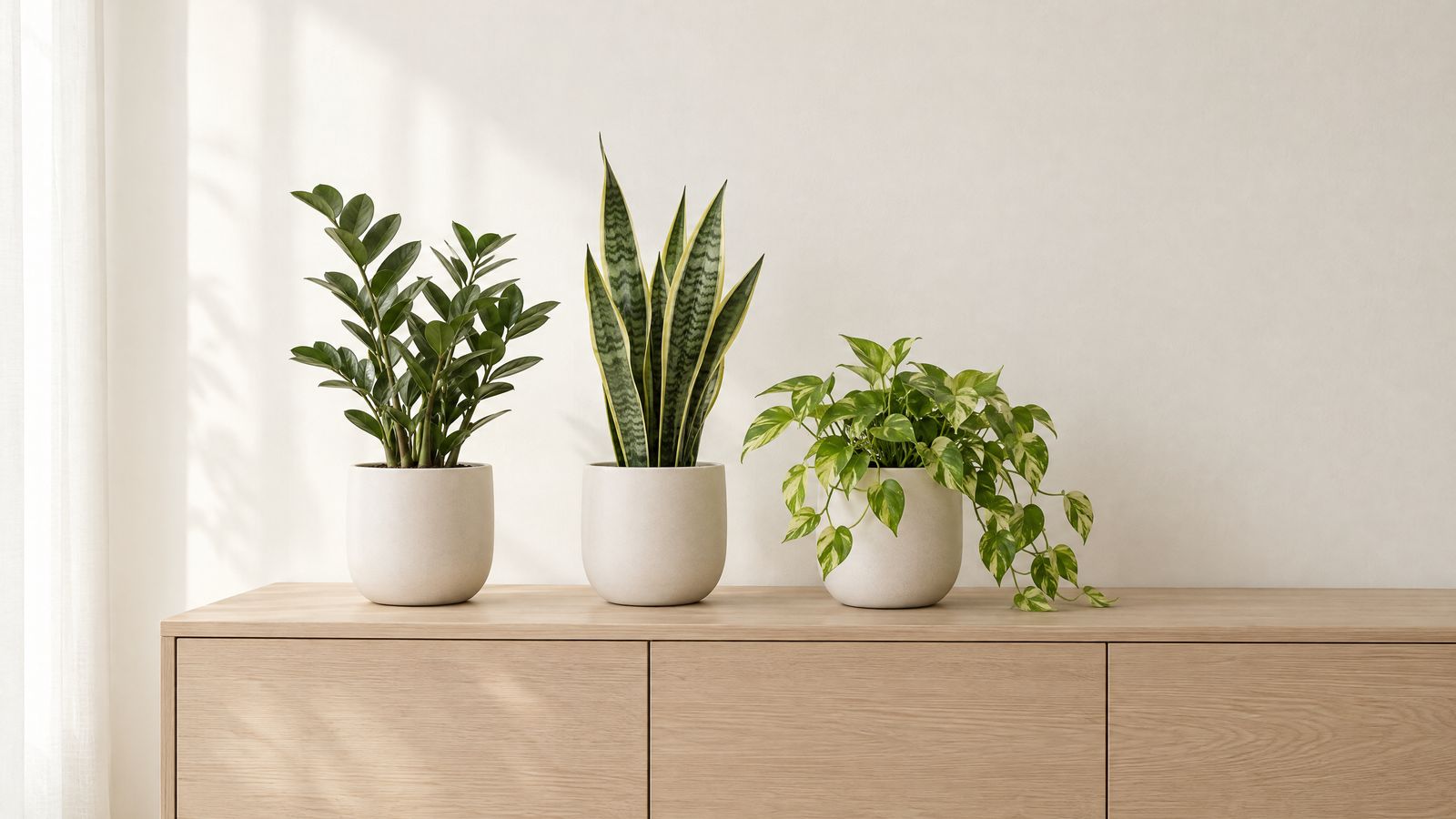
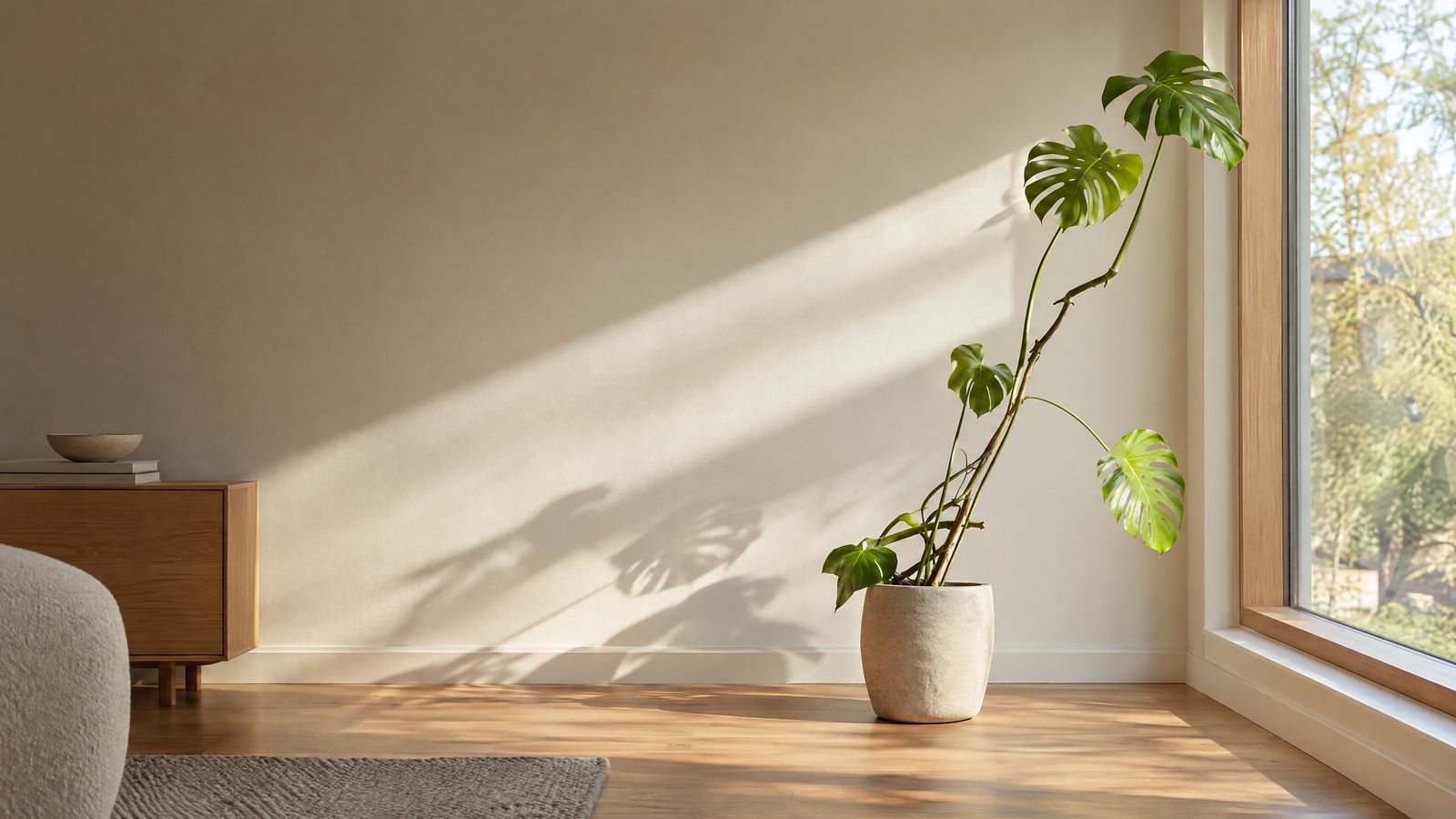
- Golden pothos (Epipremnum aureum) and monstera (Monstera deliciosa): insoluble calcium oxalates. The ASPCA lists oral irritation, intense burning of the mouth, tongue and lips, drooling, vomiting and difficulty swallowing.
- Snake plant (Sansevieria trifasciata)
- Peace lily (Spathiphyllum)
- Aloe (Aloe vera)
- Dracaena (Dracaena spp.), also sold as corn plant
- Jade plant (Crassula argentea, also sold as C. ovata)
- Sago palm (Cycas revoluta)
You do not have to throw these away if your pets ignore them, but put them where pets cannot reach, or swap them for a plant from the table above. When you buy plants, ask for the scientific name: a label that just says “foliage plant” tells you nothing about toxicity, and gift bouquets deserve a quick check for lilies.
Lilies and cats: the most serious risk
True lilies (Lilium species, including Easter lilies) are listed by the ASPCA as toxic to cats, with kidney failure as the clinical sign. The same page lists them as non-toxic to dogs, which is why lily warnings are aimed at cat owners. If you have a cat, keep lily bouquets out of the house entirely. If a cat may have chewed any part of a lily, the ASPCA advises calling a veterinarian or its Animal Poison Control Center right away.
Does non-toxic mean my pet can eat it?
No. The ASPCA notes that eating any plant material may cause vomiting and stomach upset in dogs and cats. Non-toxic means a plant is not expected to cause serious poisoning, not that it is food. The ASPCA even lists nausea, vomiting and loose stool for the money tree, which it rates as non-toxic. A cat that shreds a spider plant every day may still be sick on the carpet, and the plant will not thrive either.
How to choose and place pet-safe plants
- Check the exact name. Common names overlap. “Money plant” can mean the non-toxic money tree (Pachira aquatica) or the toxic jade plant; “baby's tears” is used for more than one plant. The ASPCA also warns that individual plants can look different from the photos on its listings, so match the scientific name on the label. If a plant came without a label, Flori can identify it from a photo, and its care profile includes toxicity, so you know what to look up.
- Look beyond the plant. Fertilizers, systemic pest products and leaf shine can be harmful even on a safe plant. Use the least-toxic option first, keep products out of reach and follow the label.
- Use height and distance. Hang trailing plants, use shelves cats cannot jump to and keep fallen leaves swept up.
- Give cats an alternative. Many cats chew grassy leaves. Spider plants are often the target; place them out of reach if chewing becomes a habit.
- Quarantine new plants. New plants can bring pests that tempt you to spray. Our natural pest prevention guide starts with water and hand removal.
What to do if your pet eats a toxic plant
- Remove any plant pieces from your pet's mouth and keep the plant aside.
- Call your veterinarian straight away. In the US, the ASPCA Animal Poison Control Center is available 24 hours a day at (888) 426-4435 (a consultation fee may apply).
- Have the plant's name, or a clear photo of it, and an estimate of how much was eaten and when.
- Do not try home remedies or make your pet vomit unless a vet tells you to.
Frequently asked questions
Is a spider plant safe for cats?
Yes. The ASPCA lists the spider plant (Chlorophytum comosum) as non-toxic to cats and dogs, although eating a lot of any plant can cause vomiting.
Are snake plants toxic to cats and dogs?
Yes. Snake plant (Sansevieria trifasciata) is on the ASPCA's toxic lists for both cats and dogs. A cast iron plant or ponytail palm is a safer swap.
Are orchids safe for cats?
Moth orchids (Phalaenopsis) are listed by the ASPCA as non-toxic to cats and dogs, which makes them a good flowering alternative to lilies.
Are lilies dangerous to dogs?
The ASPCA lists true lilies (Lilium) as non-toxic to dogs but toxic to cats, where they can cause kidney failure. If any pet seems unwell after chewing a plant, call your vet.
Sources
Written and fact-checked by the Flori team. Every guide cites horticultural sources such as the RHS, university extension services and the ASPCA, and is updated when the advice changes. How we write our guides
General plant care information. Plants vary; when a plant is valuable or a problem spreads quickly, consult a local nursery or plant specialist.