Beginner Plants That Forgive Common Mistakes
Six forgiving houseplants for beginners, from snake plant to cast iron plant, with light, watering and ASPCA pet-toxicity notes for each one.
 By Flori editorial team · Updated
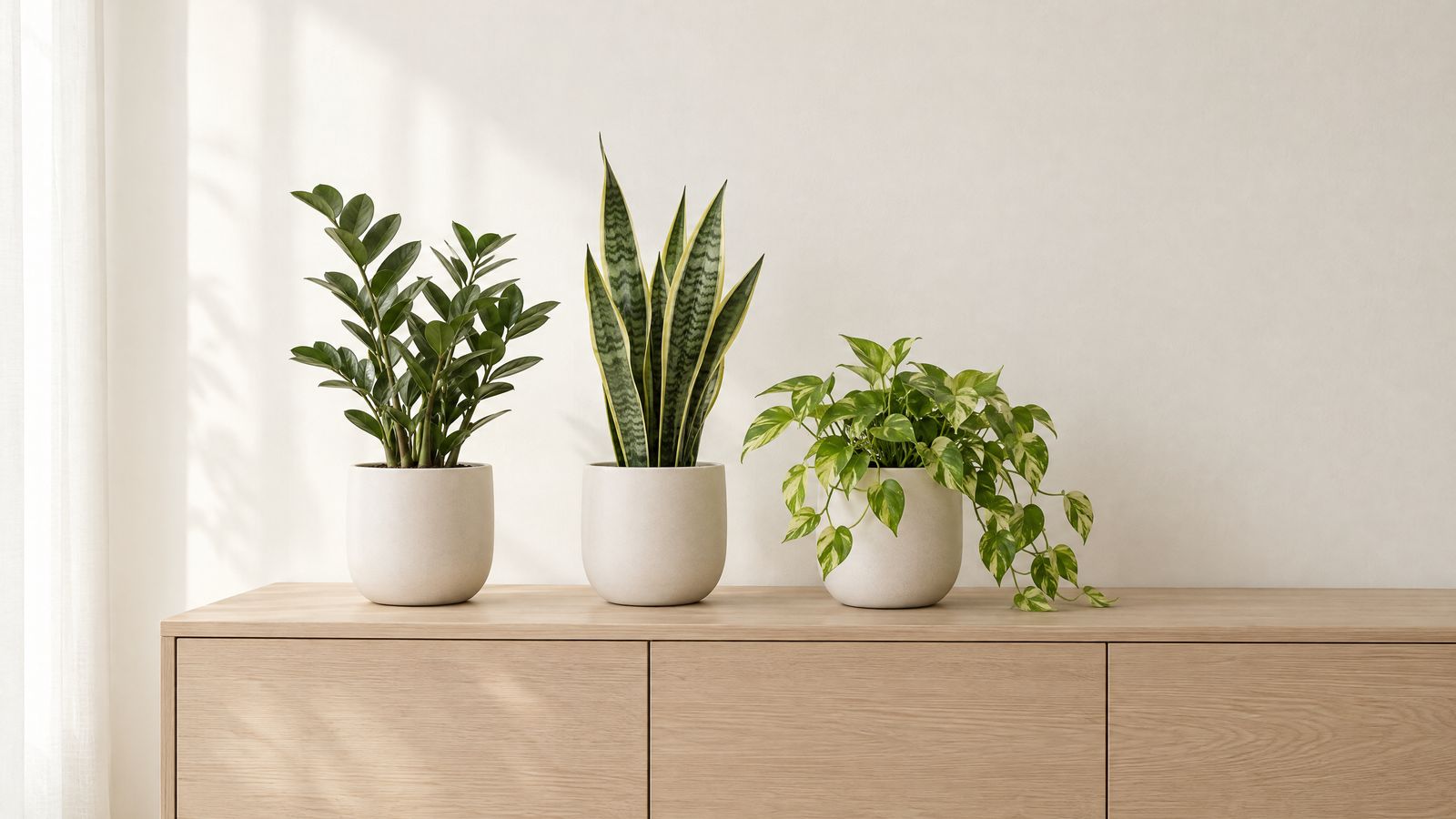
The most forgiving beginner plants are snake plant, golden pothos, cast iron plant, spider plant, heartleaf philodendron and parlor palm. They cope with lower light and the odd missed watering. Overwatering is the mistake they forgive least. If you have cats or dogs, note that spider plant, cast iron plant and parlor palm are non-toxic according to the ASPCA.
Key takeaways
- Overwatering kills more beginner plants than forgetting to water; check the soil before you pour.
- Snake plant, pothos and cast iron plant cope with low light, though they grow slower there.
- Spider plant, cast iron plant and parlor palm are non-toxic to cats and dogs according to the ASPCA.
- Snake plant, golden pothos and heartleaf philodendron are toxic to cats and dogs; keep them out of reach.
- Pick the plant for your room's light and your pets first, and its looks second.
What makes a plant forgiving for beginners?
The best beginner plants are not the ones that look easiest in a shop. They are plants that survive the mistakes almost everyone makes in the first year: watering on a fixed day whatever the soil says, putting a plant too far from the window, forgetting it for two weeks, or repotting it too often. A forgiving plant slows down or drops a leaf instead of collapsing, which gives you time to notice and correct the routine.
The six plants below are widely recommended by university extension services as low-maintenance houseplants. For each one we also give its pet status from the ASPCA plant list, because a plant that is easy for you is not automatically safe for a curious cat or a puppy.
Six forgiving houseplants at a glance
| Plant | Light it tolerates | Watering | Cats and dogs (ASPCA) |
|---|---|---|---|
| Snake plant (Sansevieria trifasciata) | Low to bright, even some direct sun | Let the soil dry between waterings | Toxic |
| Golden pothos (Epipremnum aureum) | Low to bright indirect | Let the soil dry, then water thoroughly | Toxic |
| Cast iron plant (Aspidistra elatior) | Low light | Tolerates dry spells better than most | Non-toxic |
| Spider plant (Chlorophytum comosum) | Indirect light | Average, moderate moisture | Non-toxic |
| Heartleaf philodendron (Philodendron hederaceum) | Low to indirect | Keep evenly moist | Toxic |
| Parlor palm (Chamaedorea elegans) | Listed as low-maintenance; give it a spot with indirect light | Check the soil before watering | Non-toxic |
Snake plant: the one that survives neglect
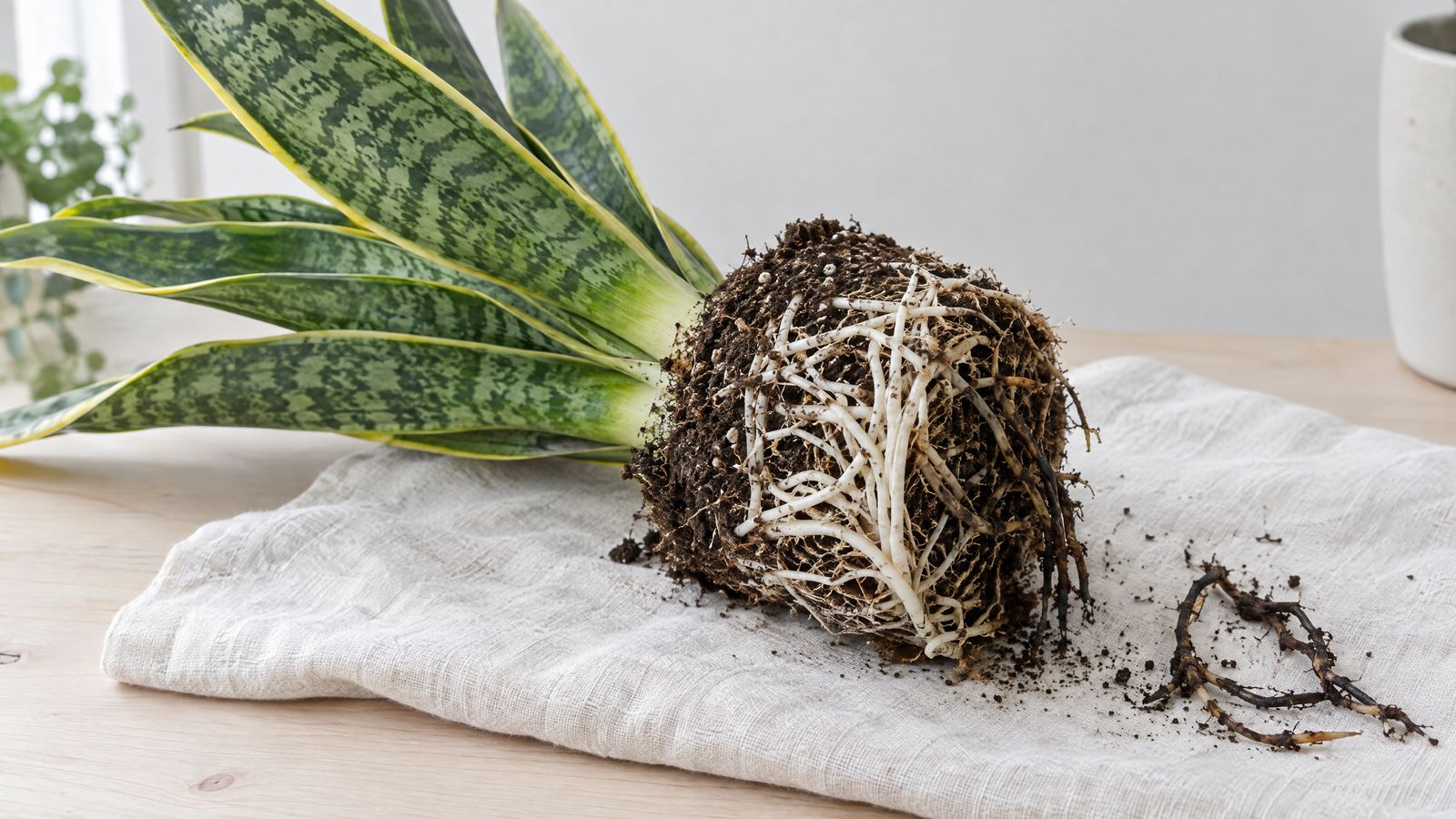
Snake plant grows in anything from low light to direct light, prefers warm rooms and does not mind dry indoor air. Iowa State Extension puts it bluntly: the only way to kill it is to overwater it. Let the soil dry between waterings and water even less in winter. If the base turns soft and mushy, read our root rot rescue plan straight away.
Pets: the ASPCA lists snake plant as toxic to cats and dogs. It contains saponins, which can cause nausea, vomiting and diarrhea.
Golden pothos: easy to read, easy to grow
Pothos is one of the most forgiving trailing plants. Clemson Extension recommends bright, indirect light, but it tolerates low light; variegated types may lose some of their pattern there. Let the soil dry before watering, then water thoroughly so the whole root ball is moistened. It is comfortable at about 16–21 °C (60–70 °F) at night and 21–29 °C (70–85 °F) by day, and tolerates average home humidity.
Pets: toxic to cats and dogs according to the ASPCA. It contains insoluble calcium oxalates that cause mouth irritation, drooling, vomiting and difficulty swallowing. Clemson advises keeping it away from children and pets, so hang it high rather than letting vines trail to the floor.
Cast iron plant: for the dark corner
The name says it all. Iowa State notes that cast iron plant endures heat, dust, low light and lack of water better than most other houseplants. It rarely needs a bigger pot; in fact, Iowa State notes that frequent repotting harms it. It is a good choice for a hallway or a room with a north-facing window (south-facing in the Southern Hemisphere).
Pets: the ASPCA lists cast iron plant as non-toxic to dogs, cats and horses.
Spider plant: adaptable and pet-friendly
Spider plant prefers indirect light and average moisture, and Iowa State describes it as adaptable to various conditions. It produces small plantlets on long stems that root easily, which is a nice first taste of propagation.
Pets: non-toxic to cats and dogs according to the ASPCA (listed there under Anthericum comosum). As the ASPCA notes for all plants, eating any plant material can still cause mild stomach upset, so discourage chewing.
Heartleaf philodendron: forgiving about light, less about drought
Heartleaf philodendron tolerates low to indirect light and warm rooms. Unlike snake plant, it prefers evenly moist soil, so it suits people who tend to water a little too often rather than those who forget. Trim long stems to keep it bushy.
Pets: the ASPCA lists it as toxic to cats and dogs (and horses) because of insoluble calcium oxalates, which can cause mouth pain, swelling, drooling, vomiting and difficulty swallowing.
Parlor palm: a soft, pet-safe option
Iowa State lists parlor palm among additional low-maintenance houseplants for beginners. It is a good pick when you want something leafy and upright in a home with pets.
Pets: non-toxic to cats and dogs according to the ASPCA (listed under bamboo palm, with parlor palm as a common name).
Which beginner plant suits your room and habits?
Start with the light you actually have and the way you really behave, not the way you plan to:
- Dim hallway or a room far from the window: cast iron plant or snake plant.
- Bright room without harsh direct sun: pothos, spider plant or heartleaf philodendron.
- You travel or forget to water: snake plant or cast iron plant, which handle dry spells best.
- You love watering: heartleaf philodendron, which prefers evenly moist soil, though it still needs a pot that drains.
- Cats or dogs at home: spider plant, cast iron plant or parlor palm.
Dry winter air from heating worries many beginners. Clemson notes that pothos prefers 50–70% humidity but tolerates the 30–60% typical of homes, so you do not need a humidifier to succeed with it. In winter, with less light, soil dries more slowly, so stretching the gap between waterings is safer for all of these plants than keeping your summer routine.
The mistakes even forgiving plants punish
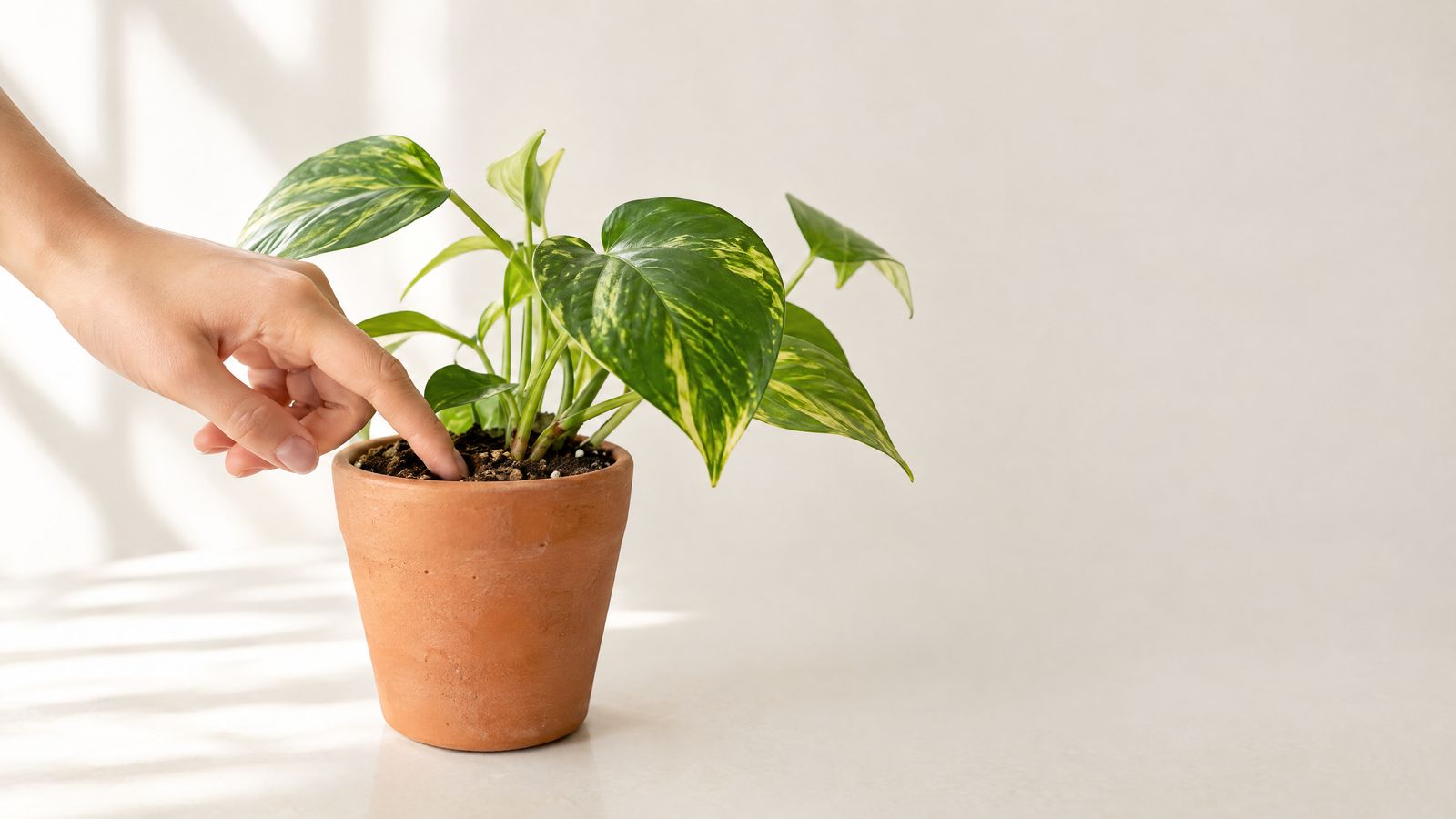
- Watering by the calendar. Check the soil with a finger first; our guide to watering houseplants without guessing shows how.
- Pots without drainage holes. Water collects at the bottom and roots suffocate, even in tough plants.
- Too little light for too long. Low-light tolerance means survival, not fast growth. Stretched stems and small new leaves are covered in signs your plant needs more light.
- Skipping a quick look under the leaves. Pothos can pick up spider mites and mealybugs; see our natural pest prevention guide.
Not sure which plant you brought home? Flori can identify it from a photo and show its care profile, including light, watering and toxicity, and send watering reminders that prompt you to check the soil first. Labels in shops are often vague, and confirming the species matters most when pets are involved.
If a pet chews a toxic plant, contact your veterinarian or an animal poison control service promptly.
Frequently asked questions
Is the ZZ plant a good beginner plant, and is it pet-safe?
Iowa State Extension calls ZZ plant nearly indestructible thanks to its tolerance of low light and dry soil. We could not find it on the ASPCA toxic and non-toxic plant list, so we cannot confirm its pet status; keep it out of reach of pets.
Which beginner plants are safe for cats and dogs?
Of the plants in this guide, spider plant, cast iron plant and parlor palm are listed as non-toxic to cats and dogs by the ASPCA. Snake plant, golden pothos and heartleaf philodendron are listed as toxic.
What is the most common way beginners kill an easy plant?
Overwatering. Plants like snake plant and pothos prefer the soil to dry between waterings, so check the soil before watering instead of following a fixed schedule.
Is monstera a good first plant?
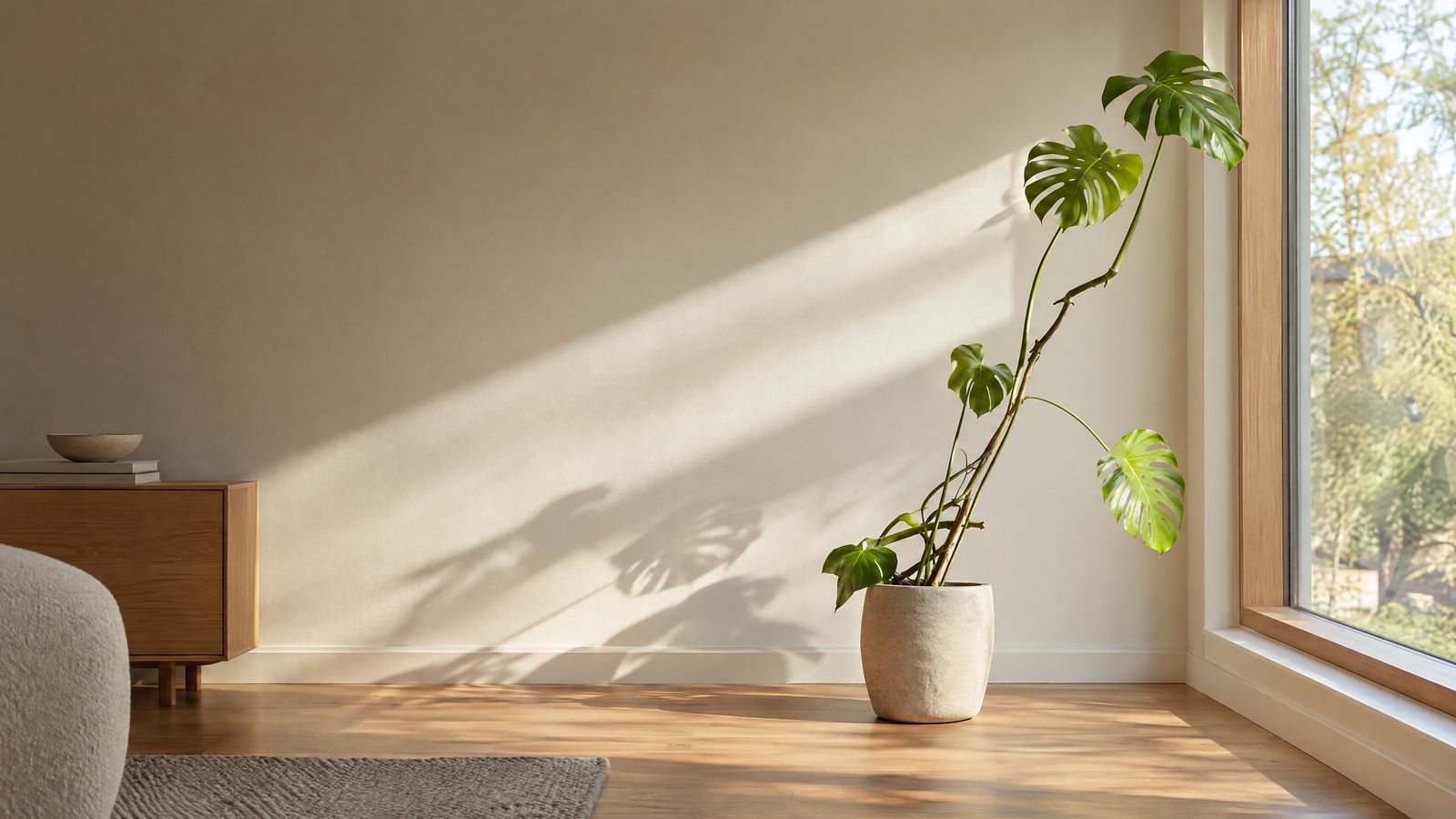
It can be in a bright room, but it is less forgiving of poor light and irregular watering than pothos or snake plant, and the ASPCA lists monstera (Monstera deliciosa) as toxic to cats and dogs.
Sources
Written and fact-checked by the Flori team. Every guide cites horticultural sources such as the RHS, university extension services and the ASPCA, and is updated when the advice changes.
General plant care information. Plants vary; when a plant is valuable or a problem spreads quickly, consult a local nursery or plant specialist.