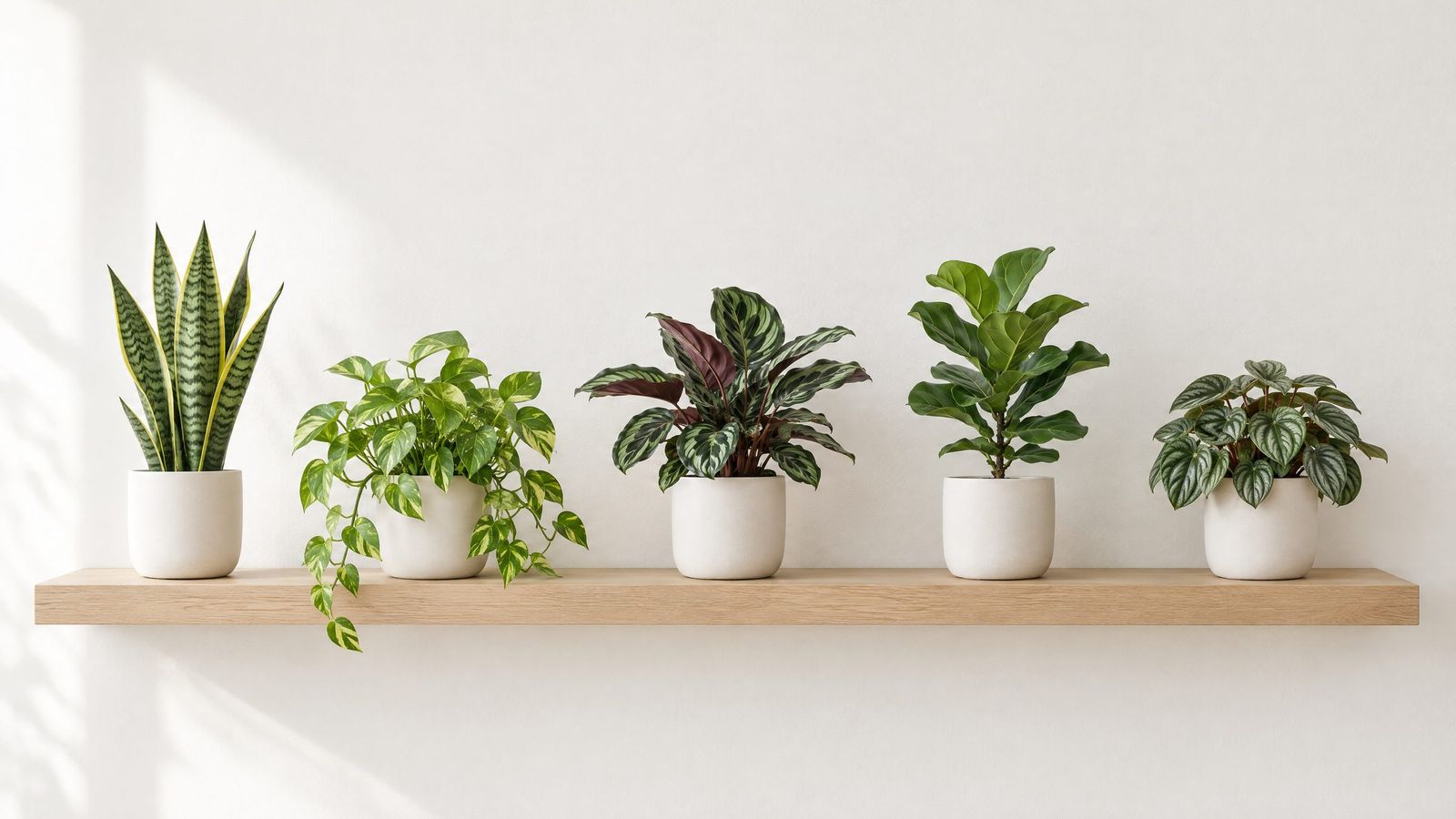
15 Common Houseplants That Are Toxic to Cats
15 common houseplants toxic to cats per the ASPCA, grouped by what they do: kidney and liver emergencies, mouth irritants, stomach upsets. What to do next.
 By Flori editorial team · Updated
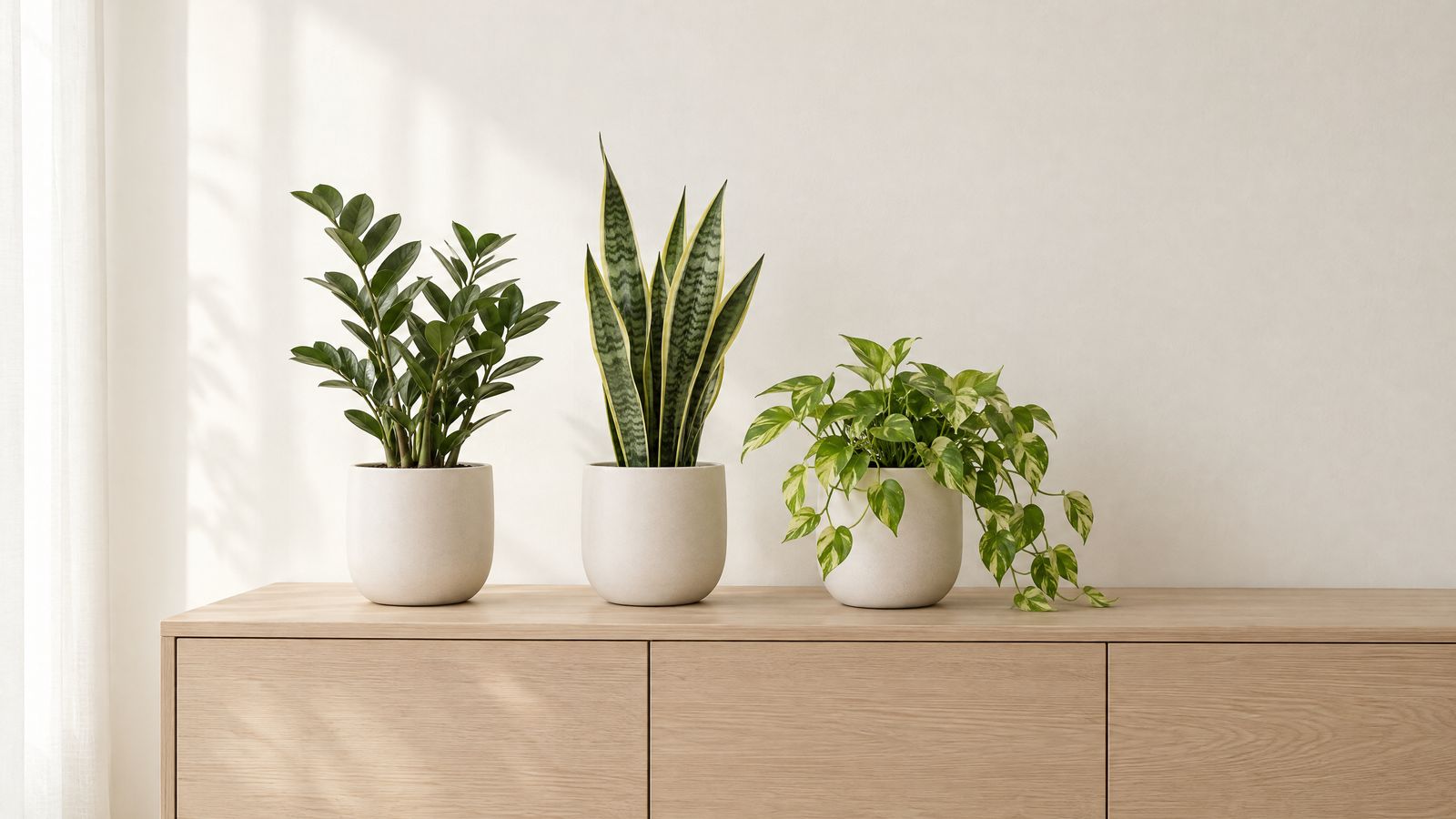
Common houseplants toxic to cats include lilies, sago palm, pothos, monstera, philodendron, peace lily, dieffenbachia, snake plant, dracaena, aloe vera, jade plant, kalanchoe, English ivy, cyclamen and poinsettia, all on the ASPCA list. Lilies and sago palm are emergencies: lilies can cause kidney failure in cats. Call a vet straight away after any chewing.
Key takeaways
- Lilies and sago palm are emergencies: lilies can cause kidney failure in cats and sago palm can cause liver failure.
- Pothos, monstera, philodendron, peace lily and dieffenbachia contain calcium oxalate crystals that burn the mouth.
- Snake plant, dracaena, aloe, jade, English ivy and poinsettia mostly cause vomiting and stomach upset.
- Keep toxic plants in a room the cat cannot enter; shelves and hanging pots rarely stop a climbing cat.
- If your cat chewed a toxic plant, call your vet or an animal poison line at once and know the plant's name.
Which houseplants are toxic to cats?
Cats chew leaves out of boredom, curiosity or to settle their stomach, and many of the most popular houseplants are on the ASPCA's list of plants toxic to cats. A long alphabetical list is hard to act on, so this guide does something different: it groups 15 common houseplants by what they actually do to a cat, using the toxic principle and clinical signs the ASPCA gives for each one. Two are emergencies, five burn the mouth and the rest mostly upset the stomach. Each plant also has the Latin name, so you can check a label. One rule first: whatever the group, call your vet as soon as you know your cat has chewed one of these plants.
The 15 plants at a glance
| Plant | Toxic principle (ASPCA) | Signs the ASPCA lists |
|---|---|---|
| 1. Lilies (Lilium) and day lilies (Hemerocallis) | Unknown | Kidney failure in cats |
| 2. Sago palm (Cycas revoluta) | Cycasin | Vomiting, black tarry stools, jaundice, increased thirst, bleeding problems, liver failure, death |
| 3. Golden pothos (Epipremnum aureum) | Insoluble calcium oxalates | Burning mouth, drooling, vomiting, difficulty swallowing |
| 4. Monstera (Monstera deliciosa) | Insoluble calcium oxalates | Burning mouth, drooling, vomiting, difficulty swallowing |
| 5. Heartleaf philodendron (Philodendron hederaceum) | Insoluble calcium oxalates | Mouth pain and swelling, drooling, vomiting, difficulty swallowing |
| 6. Peace lily (Spathiphyllum) | Insoluble calcium oxalates | Burning mouth, drooling, vomiting, difficulty swallowing |
| 7. Dieffenbachia (Dieffenbachia) | Insoluble calcium oxalates, proteolytic enzyme | Burning mouth, drooling, vomiting, difficulty swallowing |
| 8. Snake plant (Sansevieria trifasciata) | Saponins | Nausea, vomiting, diarrhoea |
| 9. Corn plant (Dracaena fragrans) | Saponins | Vomiting (sometimes with blood), depression, loss of appetite, drooling, dilated pupils in cats |
| 10. Aloe vera (Aloe vera) | Saponins, anthraquinones | Vomiting, lethargy, diarrhoea |
| 11. Jade plant (Crassula) | Unknown | Vomiting, lethargy, loss of coordination |
| 12. Kalanchoe (Kalanchoe) | Bufadienolides | Vomiting, diarrhoea, rarely abnormal heart rhythm |
| 13. English ivy (Hedera helix) | Triterpenoid saponins | Vomiting, abdominal pain, drooling, diarrhoea |
| 14. Cyclamen (Cyclamen) | Terpenoid saponins | Drooling, vomiting, diarrhoea; heart rhythm problems, seizures and death after eating a lot of tuber |
| 15. Poinsettia (Euphorbia pulcherrima) | Irritant sap | Mouth and stomach irritation, sometimes vomiting |
Read the table in two directions. Going down, the danger falls from organ failure to stomach upset. Going across, the toxic principle tells you which group a plant belongs to, which helps when you meet a relative that is not on this list. Keep one more ASPCA point in mind: eating any plant material can cause vomiting and stomach upset in cats, so even a plant listed as non-toxic is not a snack.
The two emergencies: lilies and sago palm
1. Lilies and day lilies. True lilies (Lilium) and day lilies (Hemerocallis) are on the ASPCA's cat list with kidney failure as the clinical sign. They are not toxic to dogs according to the same entry, which is why cat owners are often caught out. Lilies mostly enter homes in bouquets, so the safest rule is simple: no lilies in a home with a cat. If your cat has touched or chewed one, go to the vet straight away, without waiting for signs.
2. Sago palm. Sold as a small potted palm, the sago palm (Cycas revoluta) is not a true palm and contains cycasin. The ASPCA lists vomiting, black tarry stools, jaundice, increased thirst, bruising and bleeding problems, liver damage, liver failure and death. It is toxic to dogs and cats alike.
Plants that burn the mouth: the arum family
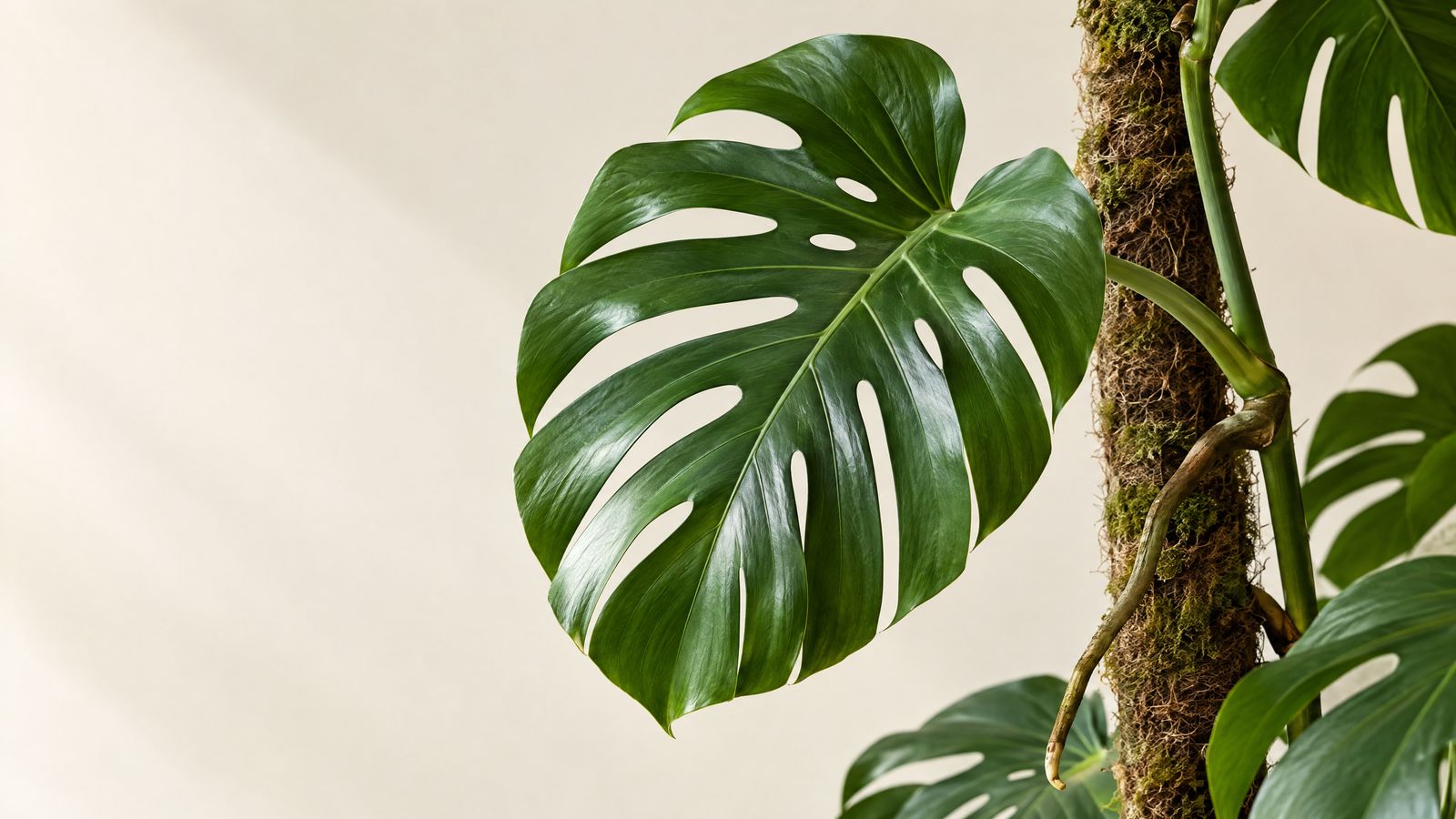
Plants 3 to 7 belong to the arum family (Araceae) and share one weapon: insoluble calcium oxalate crystals. When a cat bites a leaf, the ASPCA describes intense burning and irritation of the mouth, tongue and lips, heavy drooling, vomiting and difficulty swallowing. Pawing at the mouth right after chewing is a typical clue. This group includes some of the most common houseplants in the world: golden pothos, monstera (see our monstera care guide for where to place it out of reach), heartleaf philodendron, peace lily and dieffenbachia, also sold as dumb cane. The ASPCA's cat list also includes two other arums often sold as easy plants, Chinese evergreen and arrowhead vine.
Despite its name, the peace lily is not a true lily. It does not cause the kidney failure that Lilium does, but it still belongs in this mouth-irritant group.
Plants that upset the stomach (and two that can do more)
- 8. Snake plant contains saponins; the ASPCA lists nausea, vomiting and diarrhoea.
- 9. Corn plant and other dracaenas: vomiting, sometimes with blood, depression, loss of appetite and drooling, plus dilated pupils in cats.
- 10. Aloe vera: vomiting, lethargy and diarrhoea. The ASPCA notes that the gel itself is considered edible; the problem is the rest of the leaf.
- 11. Jade plant: vomiting, lethargy and loss of coordination, from an unknown toxin.
- 12. Kalanchoe contains bufadienolides, heart-active compounds. Usually it causes vomiting and diarrhoea, but the ASPCA lists abnormal heart rhythm as a rare sign.
- 13. English ivy: vomiting, abdominal pain, drooling and diarrhoea. The ASPCA notes the leaves are more toxic than the berries.
- 14. Cyclamen: drooling, vomiting and diarrhoea; after a large amount of the tuber, abnormal heart rhythm, seizures and death. Keep the pot and any loose tubers out of reach.
- 15. Poinsettia: its sap irritates the mouth and stomach and may cause vomiting. The ASPCA calls it generally over-rated in toxicity, but it is still not a plant to leave on a cat's level.
How to keep cats and toxic plants apart
- Use a room, not a height. Cats climb shelves and leap to hanging pots. A room with a closed door is the only reliable barrier.
- Clear fallen leaves and flowers. A dropped lily petal or a broken dieffenbachia leaf is as dangerous as the plant.
- Check gifts and bouquets. Cyclamen, kalanchoe and poinsettia are typical winter gifts; lilies arrive in bouquets.
- Know what you own. Flori identifies a plant from a photo, and each plant's care profile includes toxicity, which helps with an unlabelled gift. Our pet-safe houseplants guide lists swaps, and the Christmas cactus in our cactus types guide is listed by the ASPCA as non-toxic.
What to do if your cat chewed a toxic plant
- Take the plant away and gently remove any pieces left in your cat's mouth.
- Call your vet or an animal poison line now. In the US, the ASPCA Animal Poison Control Center is on (888) 426-4435; elsewhere, call your vet or the nearest emergency animal clinic. With lilies and sago palm, do not wait for signs.
- Know the plant's name. Bring the label, a photo or a piece of the plant to the vet.
- Do not use home remedies or try to make your cat vomit unless the vet tells you to.
Frequently asked questions
What is the most dangerous houseplant for cats?
Lilies (Lilium and day lilies) are the most serious: the ASPCA lists kidney failure in cats. Sago palm is also an emergency because it can cause liver failure.
Is a peace lily as dangerous as a true lily for cats?
No. The peace lily is not a true lily; it contains calcium oxalate crystals that burn the mouth and can cause drooling and vomiting, but the ASPCA does not list kidney failure for it. Call your vet either way.
Are snake plants and pothos toxic to cats?
Yes. The ASPCA lists both as toxic to cats: snake plant mainly causes nausea, vomiting and diarrhoea, and pothos causes mouth burning, drooling and vomiting.
My cat chewed a leaf but seems fine. Should I still call the vet?
Yes. Some poisonings, especially from lilies and sago palm, look mild at first. Call your vet or an animal poison line and tell them the plant's name.
Sources
Written and fact-checked by the Flori team. Every guide cites horticultural sources such as the RHS, university extension services and the ASPCA, and is updated when the advice changes.
General plant care information. Plants vary; when a plant is valuable or a problem spreads quickly, consult a local nursery or plant specialist.