How to Protect Garden Plants From Frost
How to protect garden plants from frost: which plants need cover, what to use, how to wrap pots and tender shrubs, and when to take the cover off.
 By Flori editorial team · Updated
 Photo: Holger Uwe Schmitt · CC BY-SA 4.0
Cover tender plants in the evening when a clear, calm night is forecast, using fleece or a sheet held off the leaves and reaching the ground. Move pots to a sheltered spot, water the soil beforehand and take the cover off the next morning. Hardy perennials, shrubs and roses usually need no cover.
Key takeaways
- Protect tender plants (tomatoes, dahlias, basil, tropicals, early spring shoots); hardy shrubs and perennials usually do not need it.
- Cover before sunset, keep fabric off the leaves with stakes, and take it off the next morning.
- Fleece or sheets work; clear plastic touching the leaves does not, and covers help little below about -2 °C (28 °F).
- Potted plants are the most exposed: move them against a wall or indoors for the night.
- Frost-blackened growth is not always dead; wait until spring before cutting back.
On this page7
- What is the difference between frost and a freeze?
- Which plants actually need frost protection?
- How do you cover plants for frost, step by step?
- Fleece, sheets or plastic: which cover works?
- What about pots and balcony plants?
- How do you wrap tender shrubs, climbers and tree ferns?
- What if frost already hit your plants?
What is the difference between frost and a freeze?
Frost protection is mostly about knowing which night is dangerous, and which plants are worth the effort. Many gardeners cover everything every time the weather app shows a snowflake, and many others cover nothing until the dahlias have turned to black mush. This guide separates the plants that need cover from those that do not, and gives a routine you can finish in ten minutes at dusk.
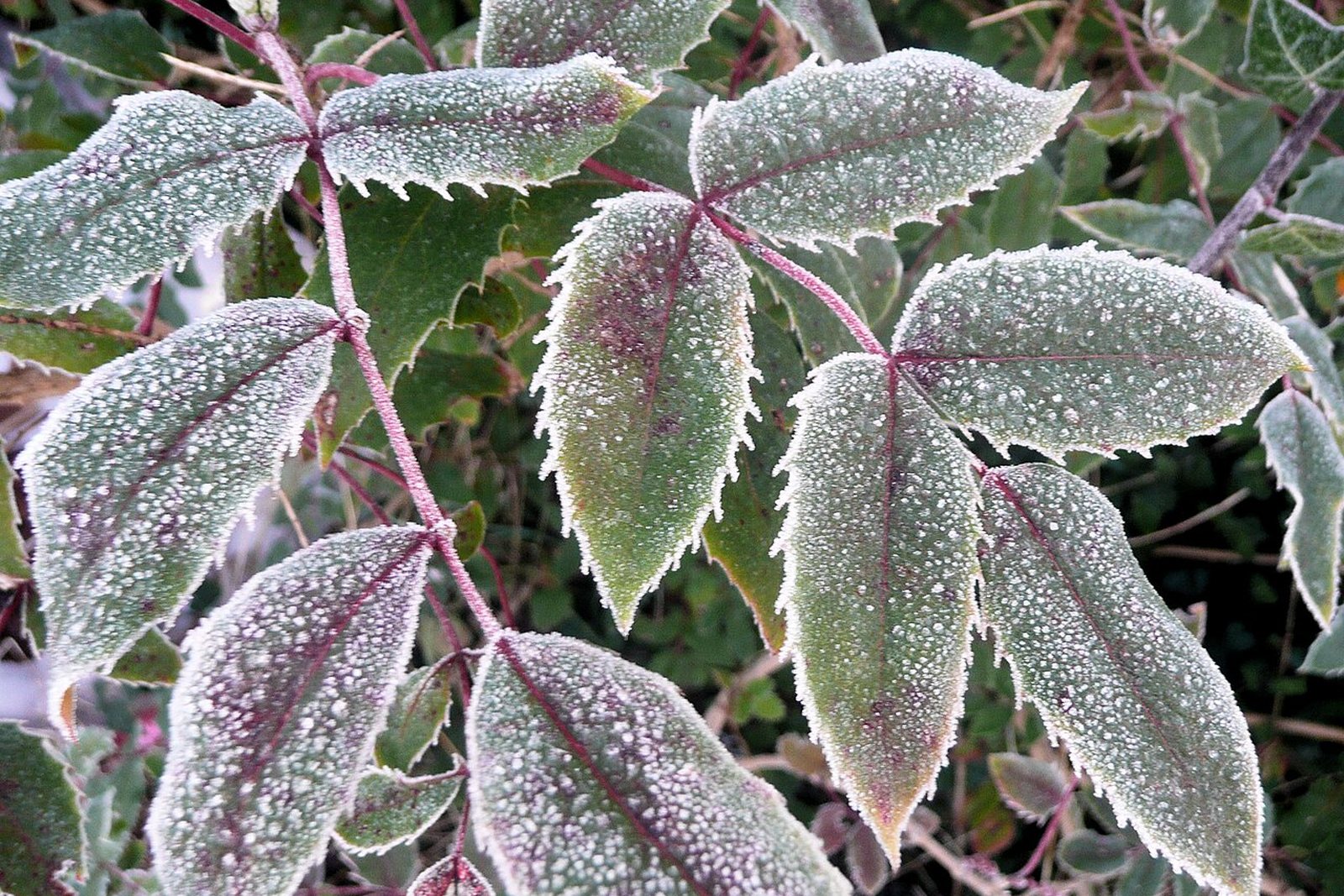
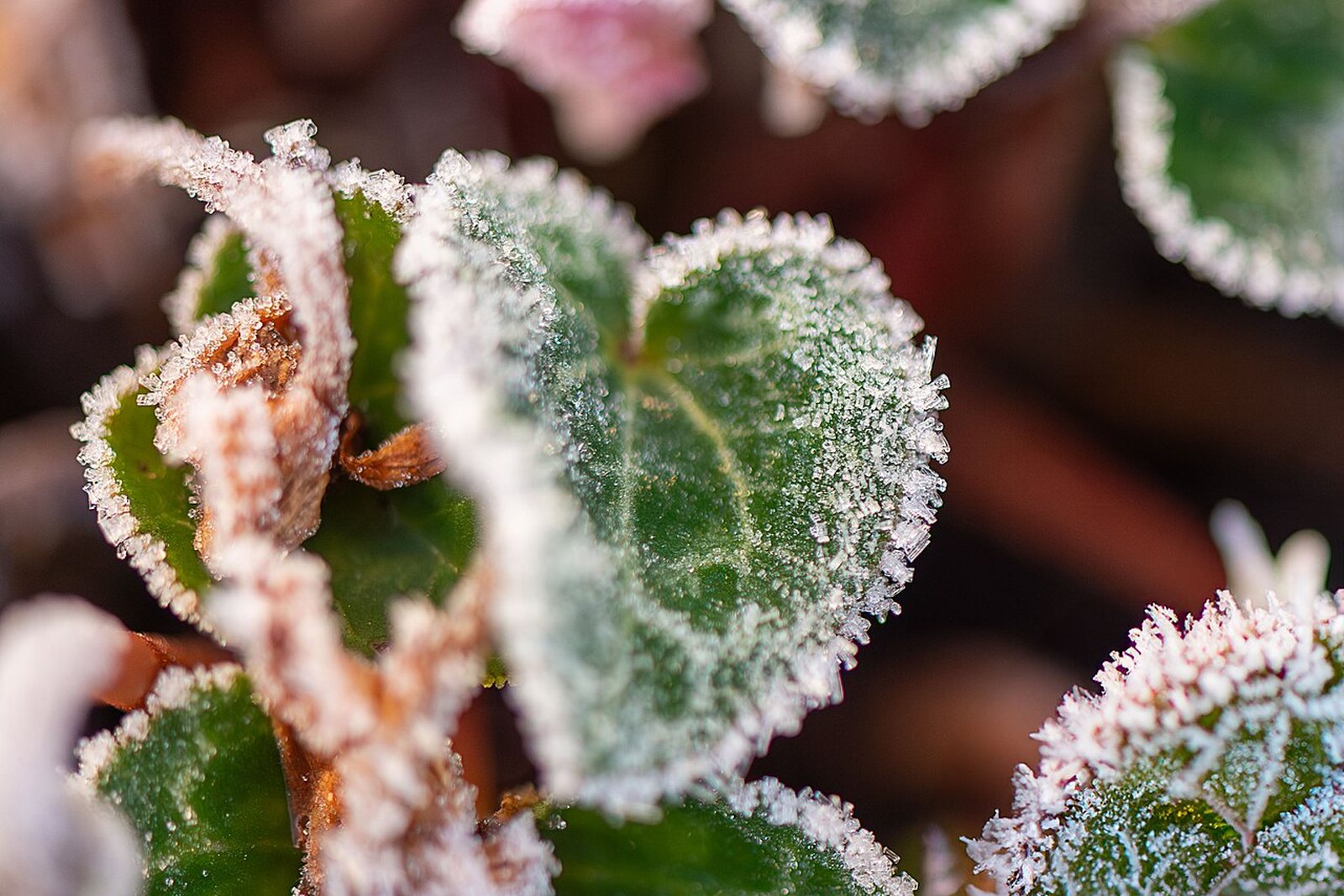
Iowa State University Extension explains the difference. Frost means ice crystals form on leaf surfaces, which can happen when the air is still slightly above freezing; it usually causes minor damage to sensitive species and to flowers or buds. A freeze means the air and the plant tissue drop below 0 °C (32 °F), plant cells freeze, and leaves turn brown or black, wilt or collapse. The worst nights are clear and calm: heat escapes upward and cold air settles at ground level. A cloudy, windy night at the same air temperature is usually kinder.
Where you live changes the picture. On the Mediterranean and Aegean coasts of Türkiye frost is rare and short, so the job is mostly protecting a handful of tender plants on a few nights. On the inland Anatolian plateau, hard frosts come early and often, and pots need real shelter. In a temperate northern climate such as the UK or the northern US, the first frost can come anywhere from autumn into early winter. Check your local first and last frost dates, not the calendar.
Which plants actually need frost protection?
Iowa State advises protecting vegetables, annuals and outdoor tropical plants in autumn, and says protecting perennials, woody shrubs, roses and small trees is not necessary or beneficial, because they need the cold to go dormant and tolerate temperatures at or just below freezing. Sensitivity varies by species: after one 31 °F (about -0.5 °C) night, a petunia in a container stayed green while a coleus was killed.
| Plant type | Examples | What to do |
|---|---|---|
| Tender (killed by a freeze) | Tomatoes, peppers, cucumbers, basil, dahlias, coleus, bananas, tropical pots | Bring pots indoors; cover beds or harvest |
| Semi-hardy vegetables | Potatoes, spinach, leaf lettuce | Handle light frost at about -1 to 0 °C (30–32 °F); cover below that |
| Hardy vegetables | Broccoli, peas, cabbage, carrots | Tolerate down to about -2 °C (28 °F); cover if a harder frost is forecast |
| Woody and perennial | Roses, most shrubs, daylilies, catmint | Usually nothing; mulch the base |
| Open blossoms and new growth | Fruit blossom, spring shoots | Most at risk in spring; cover small plants if practical |
NC State Extension adds that open blooms and buds showing colour are more cold-sensitive than other plant parts. The temperatures in the table are for vegetables; for ornamentals check the plant's hardiness rating in a trusted reference.
How do you cover plants for frost, step by step?
- Check the forecast at midday. Iowa State suggests acting once overnight lows reach the mid-30s °F (about 1–2 °C).
- Water the soil first. NC State Extension recommends watering before freezing temperatures arrive. Water the soil, not the leaves.
- Cover before sunset, so ground heat is trapped under the cloth as the evening cools.
- Hold the cover off the leaves with stakes, canes, pipe or wire hoops. Fabric lying on the foliage conducts cold straight in.
- Reach the ground and anchor the edges with bricks, stones or pegs so warm ground air stays inside.
- Uncover the next morning once temperatures rise above freezing. Plants need light, and Colorado State Extension notes that removing blankets and sheets in the daytime lets the soil recharge its stored heat.
Fleece, sheets or plastic: which cover works?
| Cover | How much it helps | Watch out for |
|---|---|---|
| Horticultural fleece | Heavier grades give about 2 °C of protection (RHS); a double layer adds more | Little insulation on its own once the sun sets |
| Old sheets, blankets, towels | Enough for a light freeze | Block light, so remove them by day; wet fabric loses insulation |
| Floating row cover | Up to about 5 °C (10 °F) depending on grade (Colorado State) | Remove it from flowering crops that need pollinators |
| Plastic sheeting | Only on a frame, held off the plants | Touching leaves, it passes cold in; overheats on sunny days unless vented |
The RHS gives two fleece grades: a light fleece of about 17 g per square metre, which lets in more light, and a heavy-duty fleece of about 35 g per square metre for tender plants. NC State Extension says to use a frost cloth or sheet rather than a plastic tarp. Iowa State warns that covering is typically no longer effective once temperatures drop below about -2 °C (28 °F), and that damage can still happen above that if below-freezing temperatures last five hours or more. In other words, covers are for light frosts, not a deep freeze.
What about pots and balcony plants?
Containers lose heat from every side, so pots freeze harder than the same plant in the ground. Move them if you can:
- Indoors for the night: a garage, porch or unheated hallway is enough for most tender plants.
- Against the house wall under an eave, where the wall gives off stored heat.
- Grouped together and wrapped as one bundle with fleece, with the soil mulched.
If you are unsure which pots to bring in, our guide to winter balcony plants sorts hardy from tender ones, and how cold is too cold for houseplants covers plants that spent the summer outside and must come back in. Flori can identify an unlabelled plant from a photo and show its care profile, which helps when you are not sure whether it is tender. Mulch the root area with organic matter, which NC State Extension says reduces temperature swings.
How do you wrap tender shrubs, climbers and tree ferns?
For tender plants that cannot be moved, the RHS recommends wrapping them against winter cold and wet. Put the wrapping on at the first warning of frost, usually between September and November in the northern hemisphere. For climbers, pack the lower stems with straw or bracken, then wrap the stems with fleece, hessian or netting and tie it. For small shrubs, build a frame of canes, pack it with straw, and add a waterproof layer in wet weather. Large shrubs can be surrounded with a 5–7.5 cm (2–3 in) layer of straw between sheets of wire netting. For tree ferns and bananas the RHS gives step-by-step methods: straw in the crown with a waterproof cap is enough in mild, sheltered gardens, while colder gardens need the trunk and fronds wrapped in a double layer of fleece.
Wrappings need some care. The RHS says to remove covers during long mild spells so the plant does not sweat and rot, and to unwrap in stages once the risk of severe frost (below -5 °C) has passed and growth has started. Keep the crown packed with dry material, because damp, warm wrapping invites rot.
What if frost already hit your plants?
Frost-damaged leaves go dark, limp and mushy within a day or two. Do not rush to cut. The damaged growth shields the plant underneath from the next frost, and NC State Extension notes that some woody plants that freeze back can resprout from the base or roots. Wait until the weather warms in spring, then prune back to healthy tissue, where the stem is green inside. Hold off on fertiliser, which pushes soft new growth. Our autumn garden checklist lists the jobs that do belong in autumn, and what to plant in November shows what takes the cold if you are still planting.
Southern hemisphere readers: swap the calendar. Your frost risk runs from late autumn to early spring, and the same rules apply.
Frequently asked questions
At what temperature should I cover my plants?
Tender plants need cover when the forecast is near or just below 0 °C (32 °F). Hardy vegetables tolerate about -2 °C (28 °F). Below that, a cover alone helps little, so move pots indoors.
Can I use plastic to protect plants from frost?
Only on a frame that holds it off the leaves, and vent it on sunny days. Plastic lying on foliage passes the cold straight in. Fleece or a sheet is safer.
Should I water plants before a frost?
Yes, water the soil, not the leaves, before the cold arrives. NC State Extension recommends watering before freezing temperatures arrive.
Should I cover hardy shrubs and roses?
Usually not. Iowa State Extension says protecting perennials, woody shrubs, roses and small trees is not necessary or beneficial in autumn.
When do I take the frost cover off?
The next morning, once temperatures rise above freezing. Plants need daylight, and the soil needs the sun to store heat for the next night.

Autumn garden checklist for both hemispheres: clear and feed soil, make leaf mould, protect tender plants from frost, drain hoses and store tools.
Sources
- Iowa State University Extension: How to protect plants from frost and freeze
- Royal Horticultural Society: Fleece and crop covers
- Royal Horticultural Society: Overwintering tender plants: wrapping
- NC State Extension: How do I protect my garden from frost?
- Colorado State University Extension: Frost protection and extending the growing season
Written and fact-checked by the Flori team. Every guide cites horticultural sources such as the RHS, university extension services and the ASPCA, and is updated when the advice changes. How we write our guides
General plant care information. Plants vary; when a plant is valuable or a problem spreads quickly, consult a local nursery or plant specialist.