What to Plant in November: Bulbs, Herbs and Vegetables
In November you can still plant tulip bulbs, garlic, broad beans, fruit trees and a pot of chives, if the soil is not frozen or waterlogged. Here's how.
 By Flori editorial team · Updated
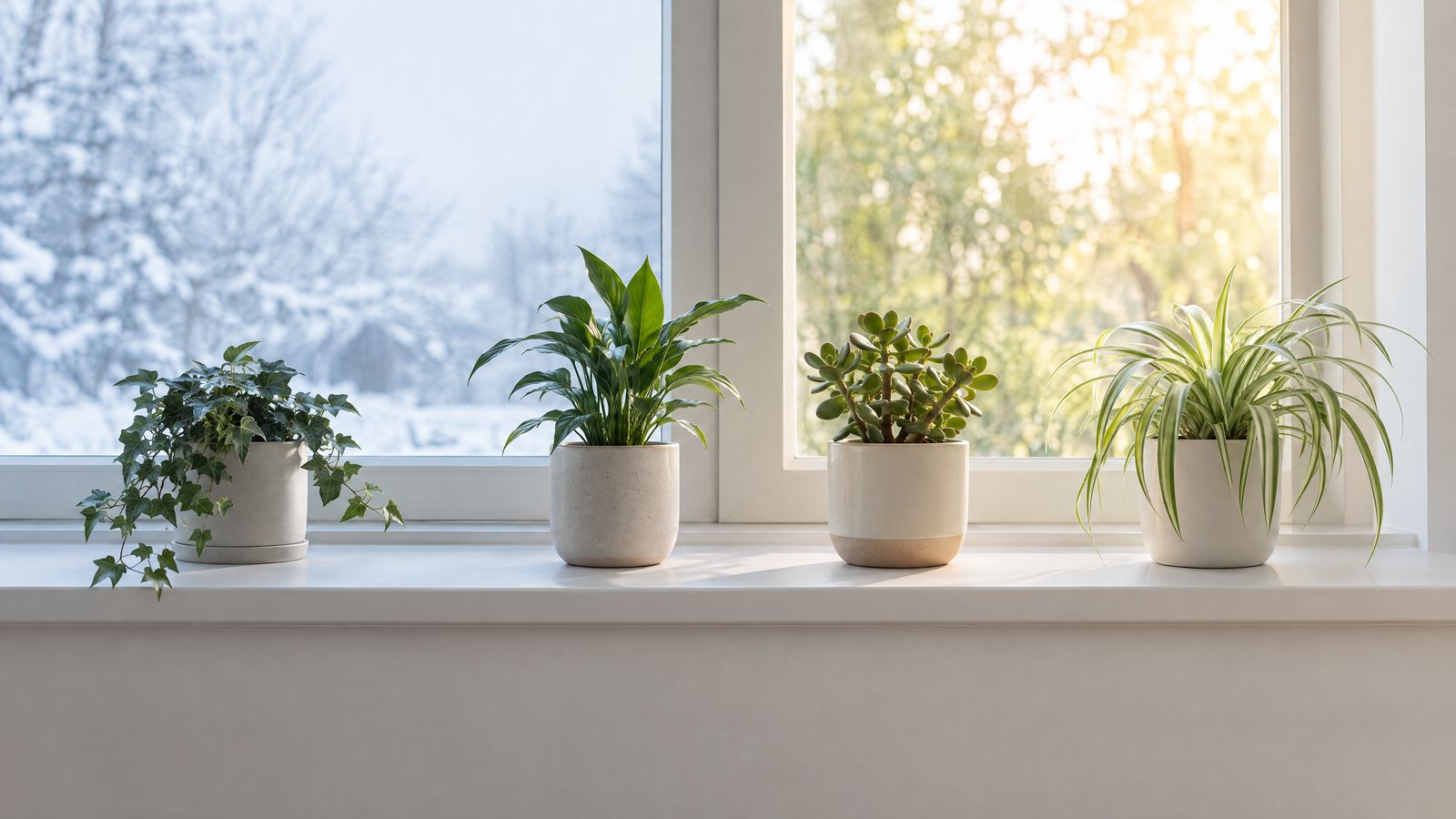
In November (Northern Hemisphere) you can still plant tulip bulbs, garlic, overwintering broad beans and fruit trees or bushes, as long as the ground is not frozen or waterlogged. In cold or wet areas, start garlic and broad beans under cover. Pot up chives for a sunny windowsill to keep fresh herbs through winter.
Key takeaways
- The ground decides, not the calendar: do not plant into frozen or waterlogged soil.
- Tulip bulbs can go in until the end of November, two to three times their height deep.
- Garlic needs a cold spell; plant it outdoors only in mild, free-draining areas, otherwise in modules under cover.
- Pot up a clump of chives for a sunny windowsill to keep herbs through winter.
- Tulip bulbs and chives are toxic to cats and dogs, according to the ASPCA.
What can you still plant in November?
In the Northern Hemisphere, November is late autumn, and a surprising amount can still go in: spring bulbs such as tulips, garlic, overwintering broad beans, new fruit trees and bushes, and a pot of hardy herbs for the kitchen windowsill. The catch is that the right answer depends less on the calendar than on your soil and your winter. A mild coastal garden and a garden that freezes solid in December need different plans, so this guide gives you a simple test for your own conditions first, then what to plant, how deep, and what to protect. If you live in the Southern Hemisphere, November is late spring for you; save this list for your autumn.
The two-minute test: is your ground ready?
Before buying anything, check the soil where you want to plant. The Royal Horticultural Society (RHS) says November is perfect for planting new fruit trees and bushes, but not if the ground is frozen or waterlogged. That rule works for almost everything on this page.
- Dig a spade's depth. If the soil is frozen or the hole fills with water, wait or plant in pots instead.
- Squeeze a handful. If it drips or forms a sticky ball, it is too wet; bulbs and cloves can rot there over winter.
- Think about your winter. In mild areas with free-draining soil you can plant straight into the ground. Where winters are cold or wet, the RHS suggests starting garlic and broad beans under cover (a cold frame, an unheated greenhouse or cloches).
What to plant in November at a glance
| What | Where it works | How | Watch out for |
|---|---|---|---|
| Tulip bulbs | Beds and pots in full sun, any area where the ground is workable | Two to three times the bulb's height deep, pointed end up | Waterlogged soil; bulbs are toxic to cats and dogs |
| Garlic | Outdoors only in mild, free-draining, low-rainfall areas | Cloves with the tip about 2.5 cm (1 in) below the surface, 15 cm (6 in) apart | Heavy or wet soil: start in modules under cover |
| Broad beans | Mild areas outdoors or under cloches; pots in an unheated greenhouse in cold areas | Choose a hardy overwintering variety | Cold spells and wet ground |
| Fruit trees and bushes | Anywhere the ground is not frozen or waterlogged | Plant while dormant | Frozen or soggy soil |
| Chives (and other hardy herbs) | A pot on a sunny windowsill indoors | Pot up a clump from the garden or buy a potted plant | Toxic to cats and dogs |
Which bulbs can you plant in November?
Tulips are the classic November bulb. The RHS planting window for dry tulip bulbs runs through autumn, from September to November, while they are dormant, so November is still on time. Plant them at a depth of two to three times their height and space them at least twice their width apart, pointed end up. The RHS notes that bulbs that fail to flower have often been planted too shallow, and suggests going deeper in areas with very cold winters to protect them from frost.
- Soil. Tulips prefer neutral to alkaline soil and full sun. Ordinary border soil is fine as long as it is not waterlogged.
- Pots. About 12 bulbs suit a 45 cm (18 in) pot, or up to 20 for a fuller display. A layer of sharp sand under the bulbs helps drainage.
- Squirrels. The RHS suggests planting daffodils among tulips, as squirrels avoid daffodils.
Pets: the ASPCA lists tulips as toxic to dogs, cats and horses, with the highest concentration of toxin in the bulb. Signs include vomiting, diarrhoea, drooling and depression. Store bulbs out of reach before planting and do not leave dug-up bulbs lying around where a dog can chew them. For indoor alternatives, see our list of pet-safe houseplants.
Which vegetables can you plant in November?
November is not a sowing month for most vegetables, but two crops are planted now for a much earlier harvest next year.
Garlic
The RHS says garlic is usually planted from mid-autumn to early winter because it needs a cold period to form good bulbs. Set each clove flat end down with the tip about 2.5 cm (1 in) below the surface, 15 cm (6 in) apart in rows 30 cm (1 ft) apart, in full sun. Autumn-planted garlic is ready from late spring to early summer, once the leaves turn yellow.
- Heavy or wet soil? Plant cloves in modules in a cold frame and set them out in spring. The RHS recommends outdoor planting now only in mild areas with free-draining soil and low rainfall.
- Use proper seed garlic. The RHS advises against planting supermarket garlic, which may not suit your climate and can carry disease. Buy named varieties from a garden centre or supplier.
Broad beans
Overwintering broad beans can be sown now outside or under cloches where the soil drains well. In cold areas, the RHS suggests sowing them in pots of peat-free compost in an unheated greenhouse instead. Choose a variety sold as hardy for autumn sowing.
What about herbs in November?
Most herbs are too slow to establish outdoors this late, but you can keep one going indoors. The RHS suggests potting up a clump of chives and bringing it inside for the winter on a sunny windowsill to extend the harvest; outdoor chives die back in autumn. Give it the brightest window you have. If your windows are dim in winter, our guide to signs a plant needs more light explains what to look for.
Pets: the ASPCA lists chives as toxic to dogs, cats and horses. Keep the pot where pets cannot chew it.
How do you protect new plantings over winter?
- Cloches and fleece protect overwintering broad beans in cold spells. The RHS also suggests cloches or netting to keep pigeons off brassicas.
- Drainage first. Cold, wet soil is the real risk: the RHS warns that planting garlic in wet soil in autumn raises the risk of disease, and tulips are fine in ordinary soil only if it is not waterlogged. Raised beds and pots help on heavy ground.
- Label everything. Bulbs and garlic disappear for months. A label saves you from digging them up by mistake in winter.
If you garden on a balcony, remember that soil in a pot can freeze right through, unlike the ground. Group them against a wall and move tender plants indoors; our guide on how cold is too cold covers the temperatures that matter. Flori's care reminders can nudge you to check your pots after a cold night or a week of rain.
What else to do in the garden this month
November is also a good time to prepare for spring. The RHS suggests preparing new asparagus beds now so they are ready for spring planting, and lifting chicory roots for forcing indoors. Indoors, plants are slowing down for winter, so water less and stop feeding; the seasonal plant care calendar walks through the whole year.
Frequently asked questions
Is it too late to plant tulip bulbs in November?
No. The RHS gives September to November as the planting window for dry tulip bulbs. Plant them two to three times their height deep, and deeper where winters are very cold.
Can I plant garlic in November?
Yes, in mild areas with free-draining soil and low rainfall. On heavy or wet soil, plant cloves in modules in a cold frame and set them out in spring.
Can I use supermarket garlic for planting?
The RHS advises against it, because supermarket bulbs may not suit your climate and can carry disease. Buy named seed garlic from a garden centre or supplier.
What should I plant in November in the Southern Hemisphere?
November is late spring there, so this autumn list does not apply. Plant bulbs and garlic in your own autumn instead, using the same soil test.
Sources
Written and fact-checked by the Flori team. Every guide cites horticultural sources such as the RHS, university extension services and the ASPCA, and is updated when the advice changes.
General plant care information. Plants vary; when a plant is valuable or a problem spreads quickly, consult a local nursery or plant specialist.