Flowering Cacti and How to Make Them Bloom
Which cacti flower indoors, what their blooms look like, and the cool, dry winter rest, light and feed that make a cactus bloom. Includes pet safety.
 By Flori editorial team · Updated
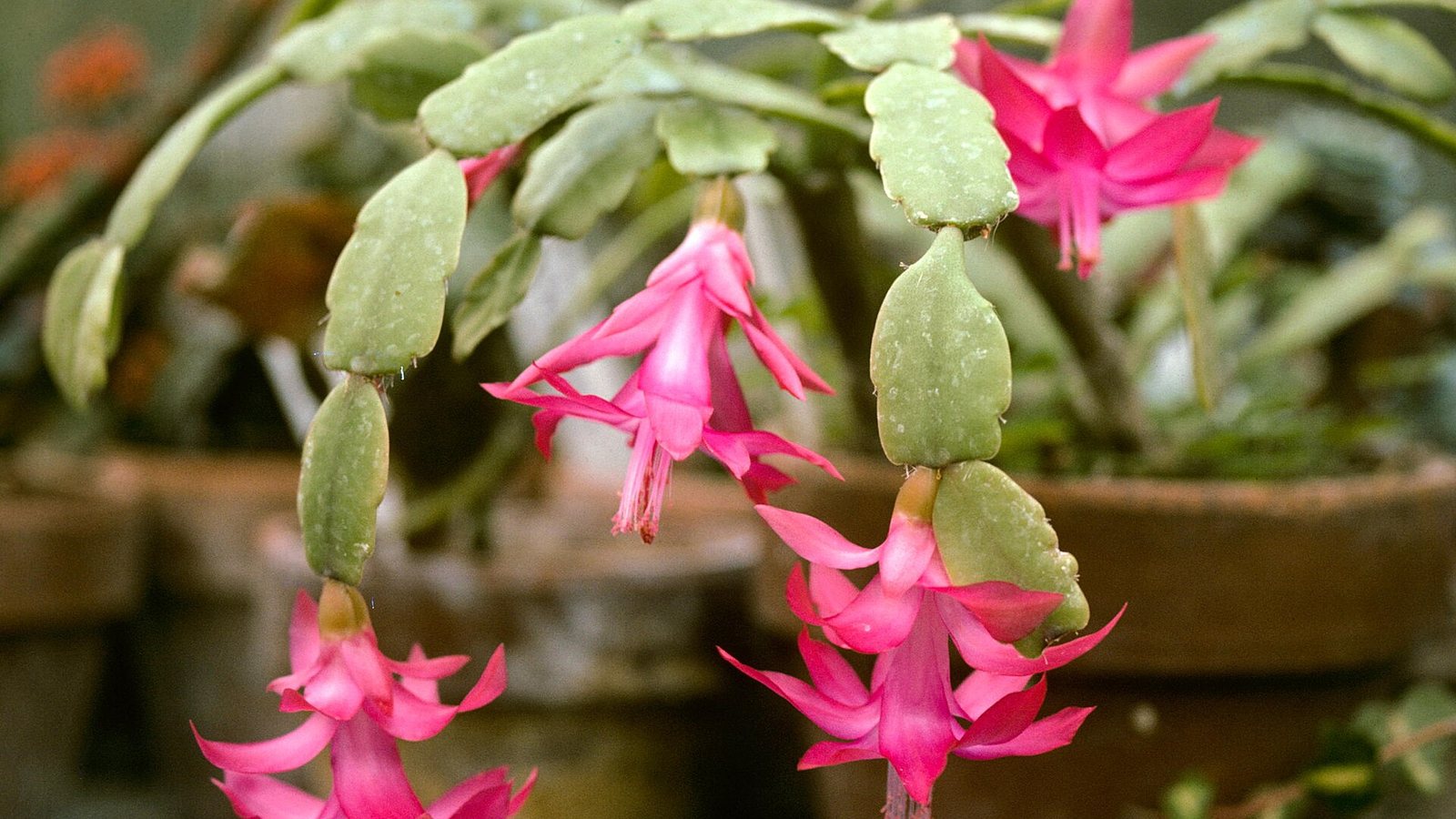
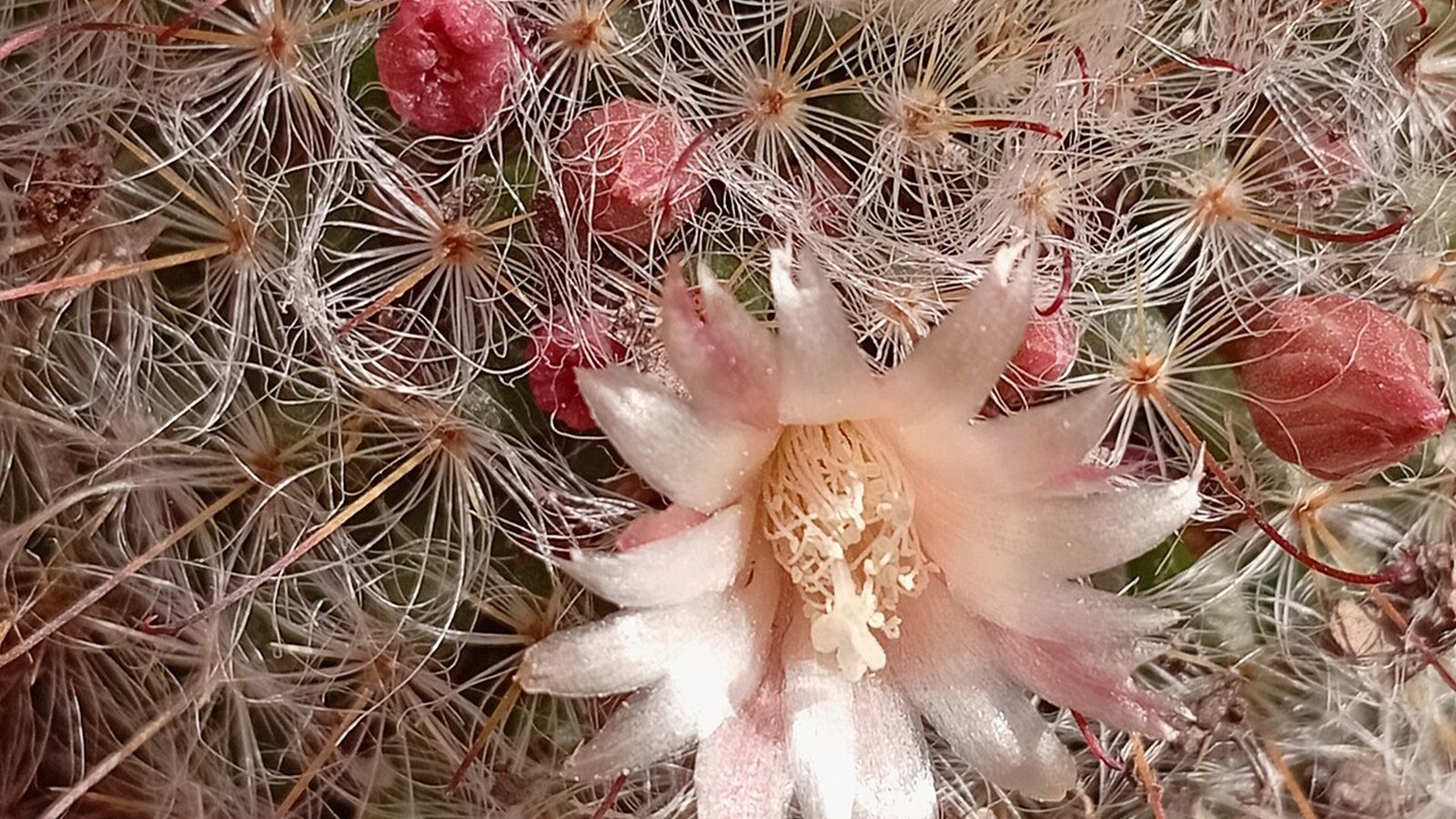 Photo: Juan Carlos Fonseca Mata · CC BY-SA 4.0
Cacti that flower indoors include pincushions (Mammillaria), sea urchin cacti (Echinopsis), orchid cacti and holiday cacti. Most desert cacti bloom after a bright, cool, dry winter rest at about 7–13 °C (45–55 °F), with no feeding and little water, then full sun and low-nitrogen feed. Young plants may need years.
Key takeaways
- Desert cacti bloom after a cool, dry winter rest at about 7–13 °C (45–55 °F), not after neglect.
- Some species need years: sea urchin cactus flowers after about five years, Mammillaria from its second year.
- Use a low-nitrogen feed such as 5-10-5 in summer and none in winter.
- Holiday cacti follow different rules: at least 13 hours of uninterrupted darkness a night in autumn.
- The ASPCA lists Christmas cactus as non-toxic to cats and dogs, but spines still injure.
On this page8
- Which cacti flower indoors, and when?
- Why is my cactus not flowering?
- How do you give a cactus its winter rest?
- How do you feed and pot a flowering cactus?
- Do holiday and orchid cacti follow the same rules?
- Are flowering cacti safe for cats and dogs?
- Common mistakes that cost you the flowers
- What about different climates?
Which cacti flower indoors, and when?
Plenty of cacti flower on a windowsill, but not all on demand: most bloom only after a cool, dry winter rest, and some need a few years of growth first. This guide lists the cacti that reliably flower indoors, what their flowers look like, and the four things that decide whether yours will bloom. It also checks the idea that a cactus flowers only if you ignore it.
| Cactus | Flowers | When | What to know |
|---|---|---|---|
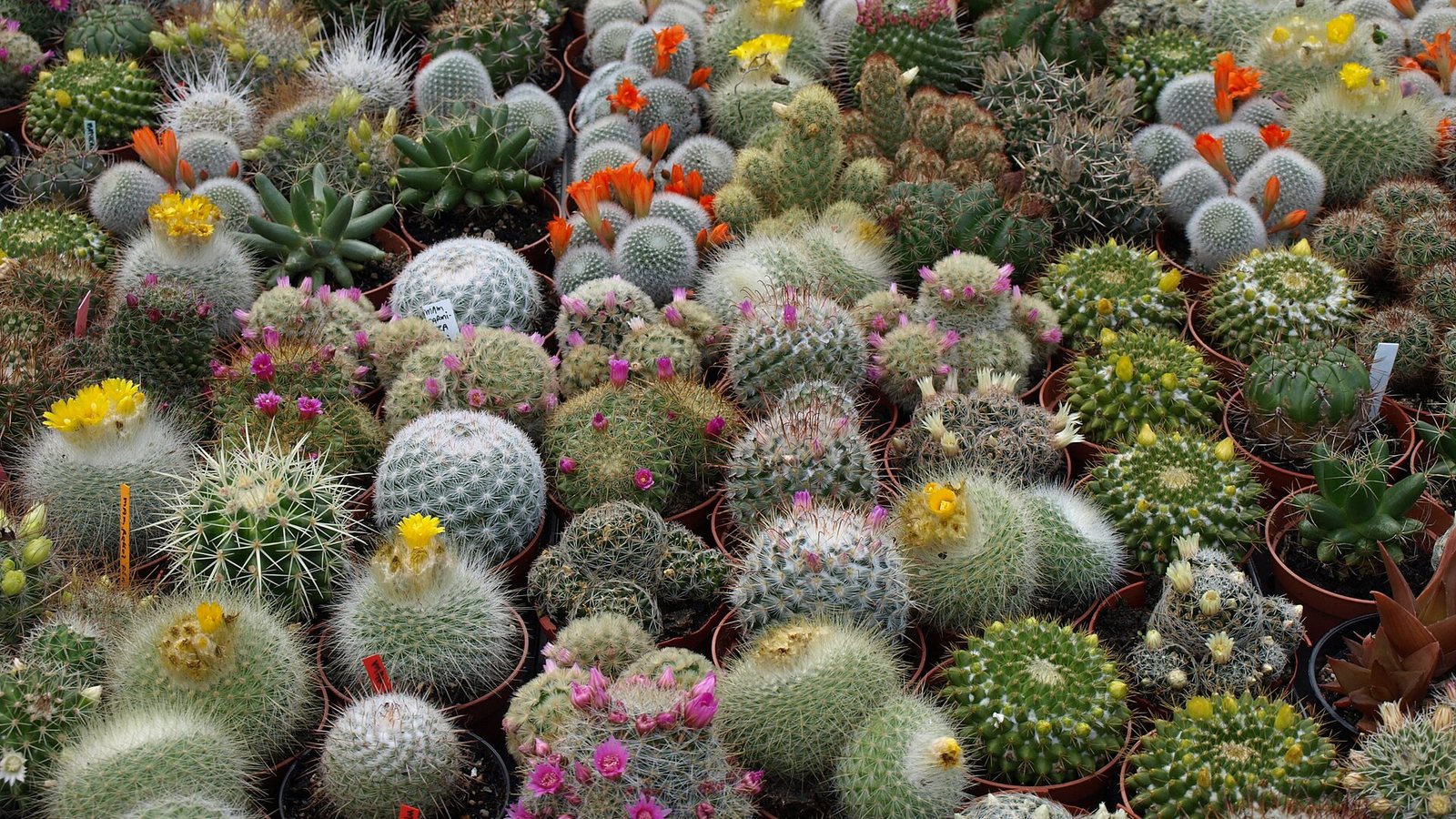
| Pincushions (Mammillaria) | White, green, yellow, pink, red or magenta, often in a ring | Spring | Bloom from their second year of growth; a cool winter rest triggers flowers (NC State) |
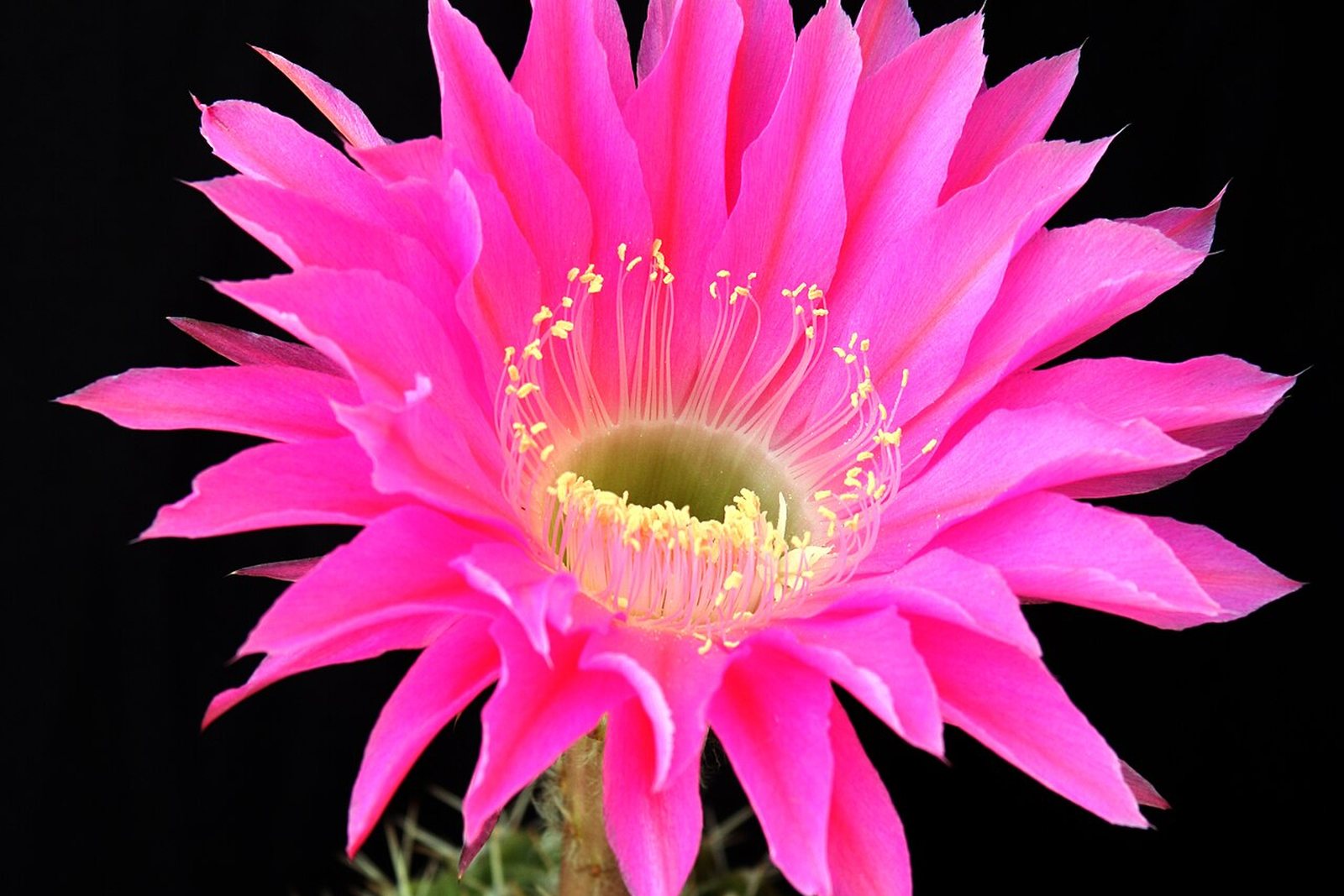
| Sea urchin and Easter lily cacti (Echinopsis) | Funnel-shaped, 8–15 cm (3–6 in) across, usually white or pink | Spring or summer | Night-blooming; each flower usually lasts only one day (NC State) |
| Orchid cacti (Epiphyllum) | Large flowers on flat stems | Spring | Flower when 2 to 3 years old; winter nights 4–10 °C (40–50 °F) (Clemson) |
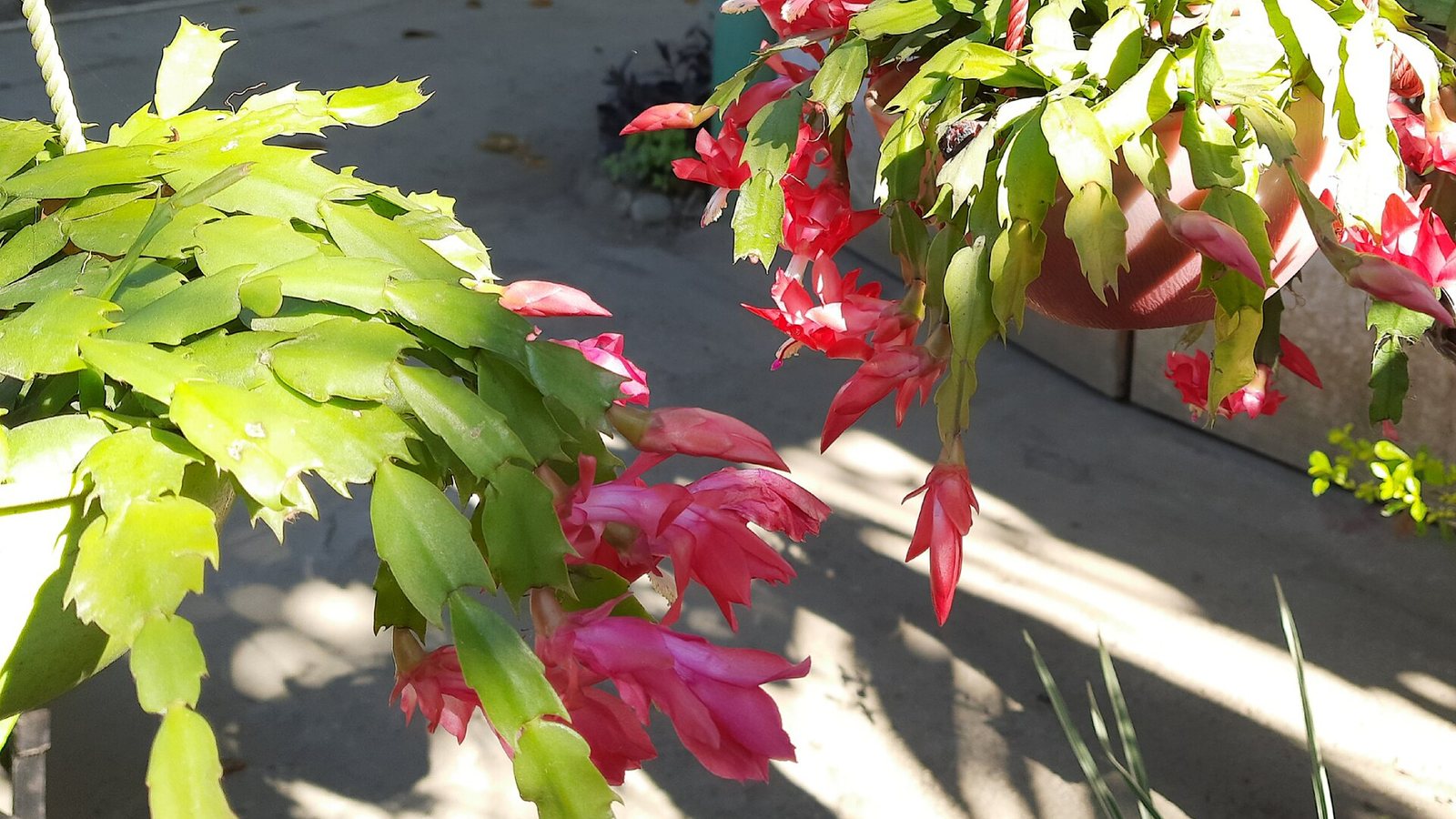
| Thanksgiving and Christmas cacti (Schlumbergera) | Red, pink, purple, orange, white | Late autumn to winter | Need at least 13 hours of uninterrupted darkness a night (NC State) |
| Bishop's cap, golden barrel, bunny ears, chin cacti | Named by Clemson as flowering cacti | Varies | Older, well-grown plants; do not expect flowers from small young ones |
Why is my cactus not flowering?
The myth says cacti flower when you neglect them. The truth is narrower: desert cacti flower after a cool, dry rest in winter, which looks like neglect but is a deliberate routine. Four things usually decide it:
- Age and size. Extension sources note that some species take years: Clemson says sea urchin cactus flowers after about five years, and University of Nebraska–Lincoln Extension advises choosing species that will not make you wait several years. A young plant can be perfectly healthy and still too young.
- No winter rest. A cactus kept warm and watered all winter grows but rarely sets buds.
- Too little light. Desert cacti want bright sun; in a dim room they stretch instead of flowering. See signs your plant needs more light.
- The wrong food or too much water. Nitrogen-heavy feed pushes growth, not flowers, and wet soil in the cold rots the plant.
How do you give a cactus its winter rest?
- Cool it down. Clemson says dormant desert cacti do best at 7–13 °C (45–55 °F) in winter; Nebraska Extension gives night temperatures of 4–10 °C (40–50 °F). Never let it freeze.
- Keep it bright. Nebraska Extension suggests four to five hours of bright light a day during dormancy. A cool, bright room, an unheated spare room or a glazed, frost-free balcony works.
- Stop watering. Nebraska Extension gives no water from mid to late November until March unless plants begin to shrivel; Clemson says a light watering every few weeks at most. Our watering guide for succulents and cacti has the full schedule.
- Do not feed. Both sources say to skip fertilizer in winter.
- Wake it up in spring. When flower buds show, start watering again and move it back to full light.
How do you feed and pot a flowering cactus?
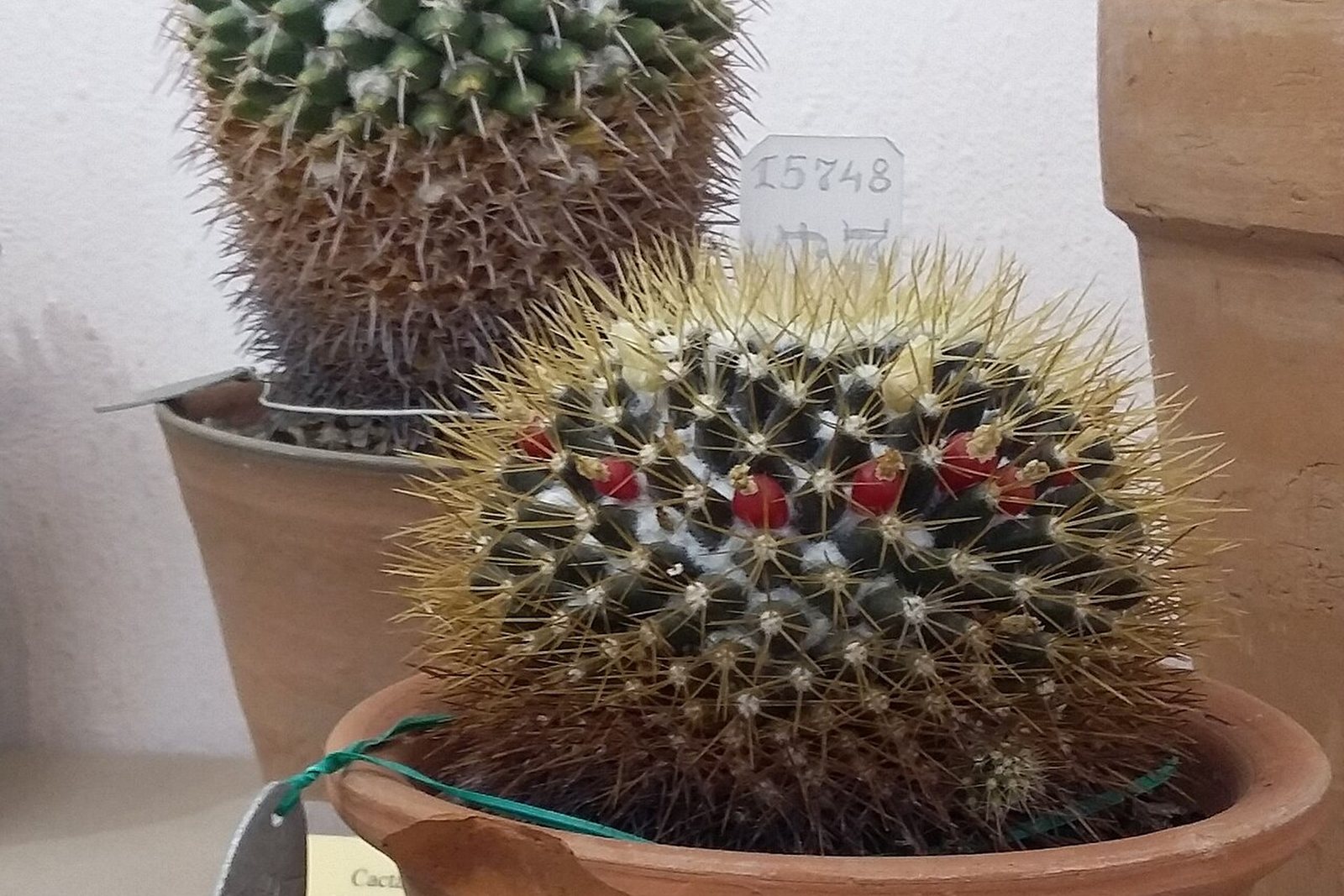
From early summer to early autumn, give a low-nitrogen fertilizer. Nebraska Extension suggests a 5-10-5 once a month from June through September; Clemson says to apply a low-nitrogen feed to orchid cacti at the end of February and again in early November.
Many cacti flower best a little pot-bound, so repot only when the plant has clearly outgrown its pot. Use a gritty mix (see the best soil for succulents and cacti) and wear thick gloves or fold newspaper around the plant, as in how to repot a cactus.
Do holiday and orchid cacti follow the same rules?
No. Thanksgiving and Christmas cacti are forest cacti and bloom on long nights, not on a dry desert rest. Clemson gives at least 12 hours of darkness each day in autumn and night temperatures of 10–13 °C (50–55 °F); once buds set, 16–21 °C (60–70 °F) at night is ideal. NC State warns that too few dark hours or sudden temperature changes can drop the buds. Our guide to Christmas, Thanksgiving and Easter cacti covers them in detail, and cactus types and names helps you work out which one you own.
Are flowering cacti safe for cats and dogs?
The ASPCA lists the Christmas cactus as non-toxic to dogs, cats and horses, and NC State lists Mammillaria as non-toxic to humans and pets. Spines are still a hazard to paws and mouths, so keep spiny cacti out of reach. If a pet swallows a piece or is hurt by spines, call your vet. Flori's care profile shows toxicity for each plant, and the app can identify a cactus from a photo.
Common mistakes that cost you the flowers
- Watering on a fixed schedule all year. The rest only works if the soil really stays dry. Check the soil, not the calendar.
- Moving the plant often. Sudden changes can drop buds, as NC State notes for holiday cacti, so find a bright spot and leave it there once buds form.
- Giving a warm winter and expecting spring flowers. A heated living room is too warm for a rest; choose the coolest bright spot you have.
- Repotting just before flowering. Wait until after the bloom, then repot only if the roots are crowded.
- Buying a tiny plant and expecting flowers this year. Check the species and its age before you blame your care.
What about different climates?
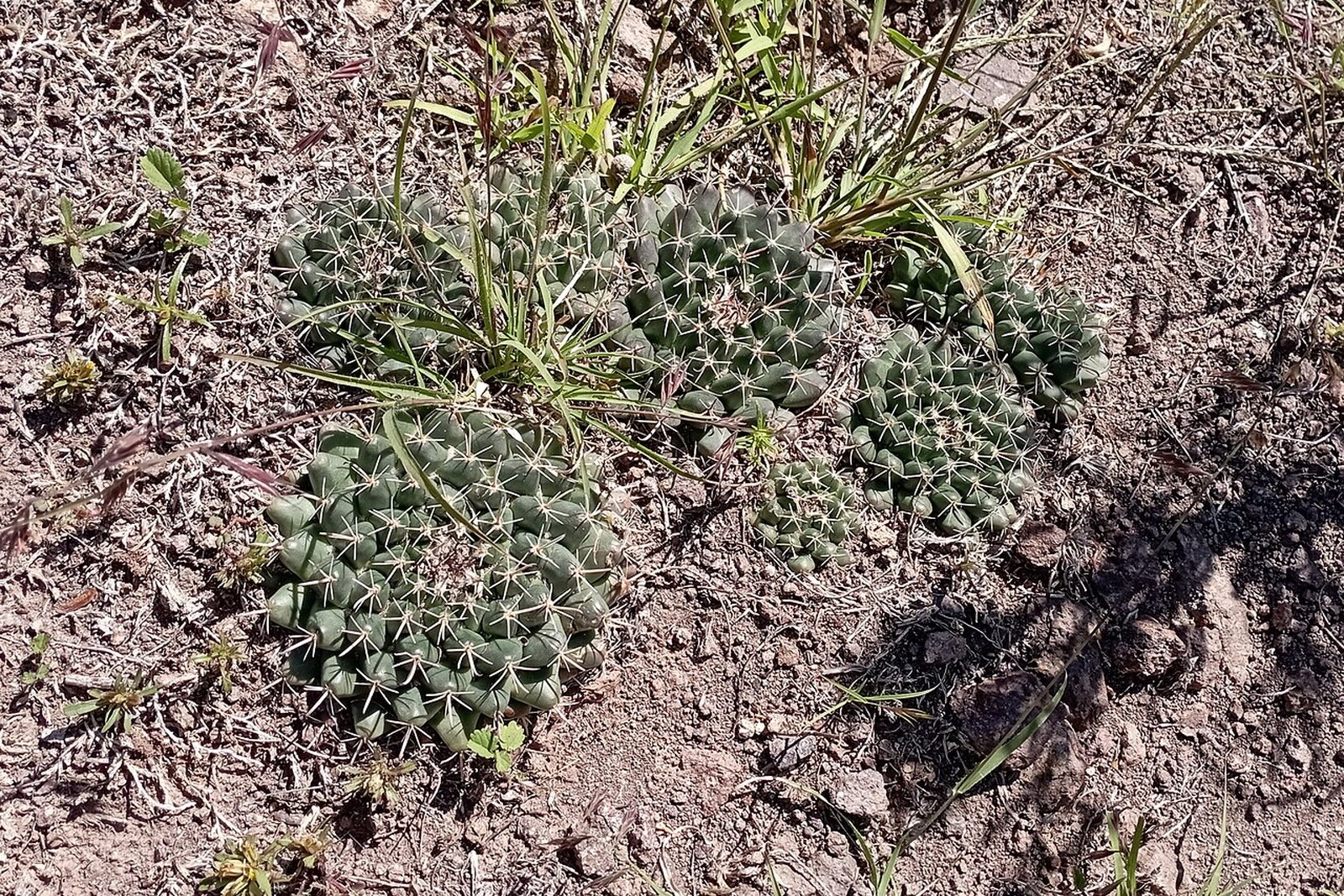
In the Mediterranean and Aegean regions of Türkiye, winters are mild, so an unheated, bright room or a glazed balcony is often cold enough for a winter rest. On the inland Anatolian plateau, winters are freezing: bring the plant indoors, because Mammillaria is cold-intolerant and no cactus should freeze. In a temperate northern climate, a bright windowsill in an unheated room does the job. In the southern hemisphere, the rest falls in the local winter, from about June to August. Always follow your plant's local season, not a calendar month.
Frequently asked questions
Why is my cactus not flowering?
It is usually too young, kept warm all winter, in too little light, or fed too much nitrogen. Desert cacti need a bright, cool, dry winter rest.
How long does a cactus take to flower?
It depends on the species. Clemson says sea urchin cactus flowers after about five years and orchid cacti at 2 to 3 years; NC State says Mammillaria blooms from its second year of growth.
Should I fertilize a cactus to make it bloom?
Only in the growing season, with a low-nitrogen fertilizer such as 5-10-5 (Nebraska Extension). Do not feed in winter.
Are flowering cacti safe for pets?
The ASPCA lists Christmas cactus as non-toxic to dogs, cats and horses, and NC State lists Mammillaria as non-toxic. Spines can still hurt, so keep them out of reach.
Tell Christmas, Thanksgiving and Easter cactus apart by leaf edge and anther colour, plus how to make them bloom and why they are safe for pets.
Sources
Written and fact-checked by the Flori team. Every guide cites horticultural sources such as the RHS, university extension services and the ASPCA, and is updated when the advice changes. How we write our guides
General plant care information. Plants vary; when a plant is valuable or a problem spreads quickly, consult a local nursery or plant specialist.