How to Repot a Cactus Without Getting Spiked
How to repot a cactus safely: use folded newspaper or tongs, repot in early spring, pick a gritty mix and wait several days before watering.
 By Flori editorial team · Updated
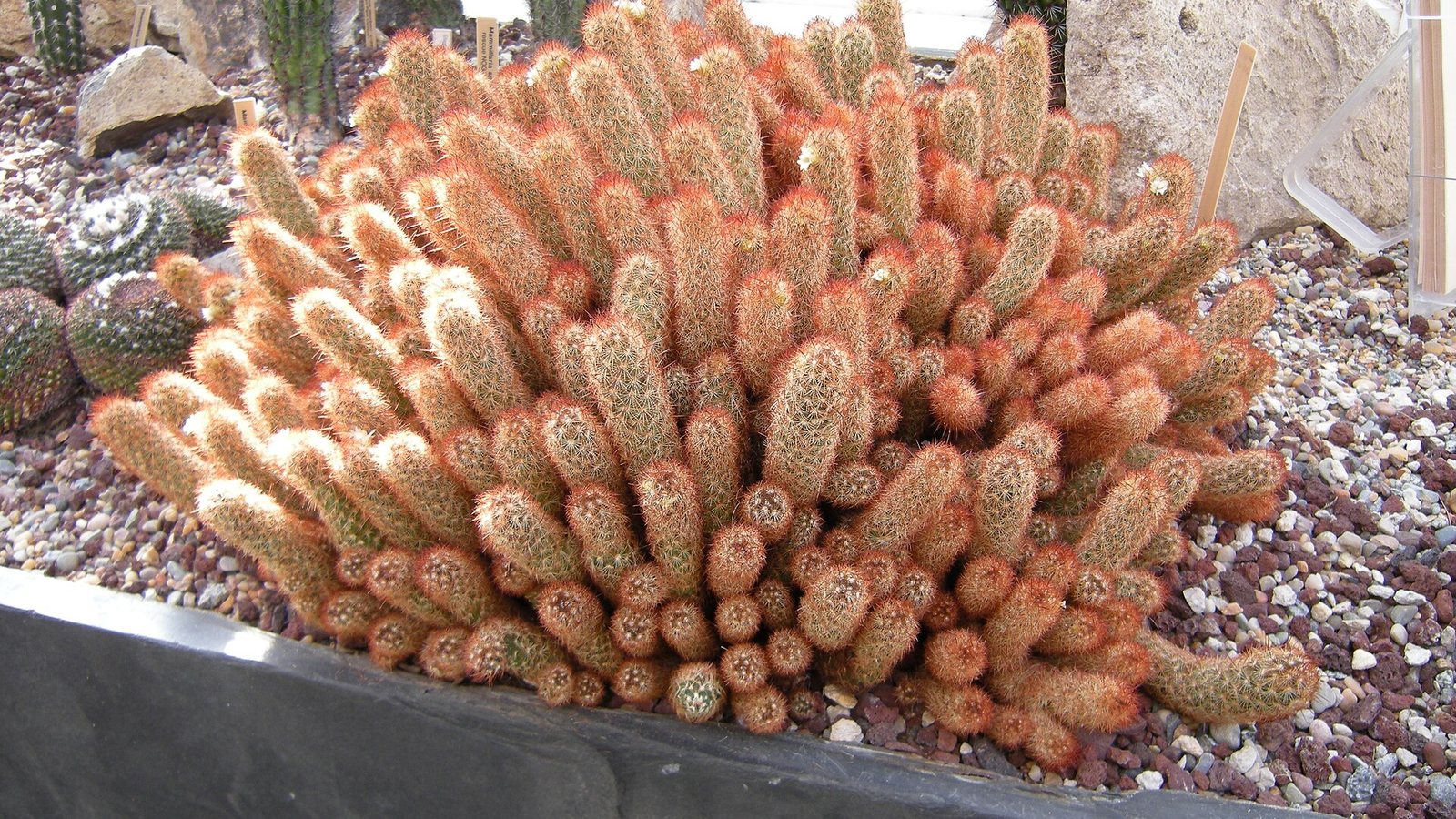 Photo: Joe Mabel · CC BY-SA 3.0
Repot a cactus in early spring, once roots show through the drainage holes. Never grip the plant: lift it with thick folded newspaper or tongs. Use a pot only slightly bigger, a gritty cactus mix at the same planting depth, check the roots for rot, then wait several days before the first watering.
Key takeaways
- Lift the cactus with folded newspaper or tongs; gloves alone do not stop stout spines.
- Repot only when roots show through the holes, usually every two to four years, as growth starts in spring.
- Choose a pot only slightly larger and a coarse, gritty mix.
- Keep the plant at the same depth and check the roots for rot.
- Wait several days before the first watering so cut roots can heal.
On this page7
How do you repot a cactus without getting spiked?
Repotting a cactus hurts only if you grab it. The trick is to never touch the plant: lift it with folded newspaper or kitchen tongs, keep your hands on the pot and the fresh mix, and let a barrier do the work that gloves cannot. This guide covers the handling method first, then when to repot, what to put in the new pot and when to water again. It is the cactus-specific partner to our general step-by-step repotting guide, which suits leafy plants.
Gloves alone are a trap. UF/IFAS says thick leather gloves are a good idea but may not stop stout spines, and Clemson Extension suggests heavy leather gloves or several layers of newspaper. The RHS goes further and recommends thick strips of folded newspaper used as tongs, or an oven glove.
| Handling tool | How to use it | Source |
|---|---|---|
| Folded newspaper strip | Fold into a thick band, wrap it round the body of the cactus and hold the two ends like tongs | RHS, Clemson (several layers) |
| Barbecue or kitchen tongs | Grip the plant gently by the body to lift it out of the old pot | UF/IFAS |
| Oven glove | Thick padding for medium-sized plants, with the plant held low and close | RHS |
| Heavy leather gloves | Extra protection on top of the above, not instead of it | Clemson, UF/IFAS |
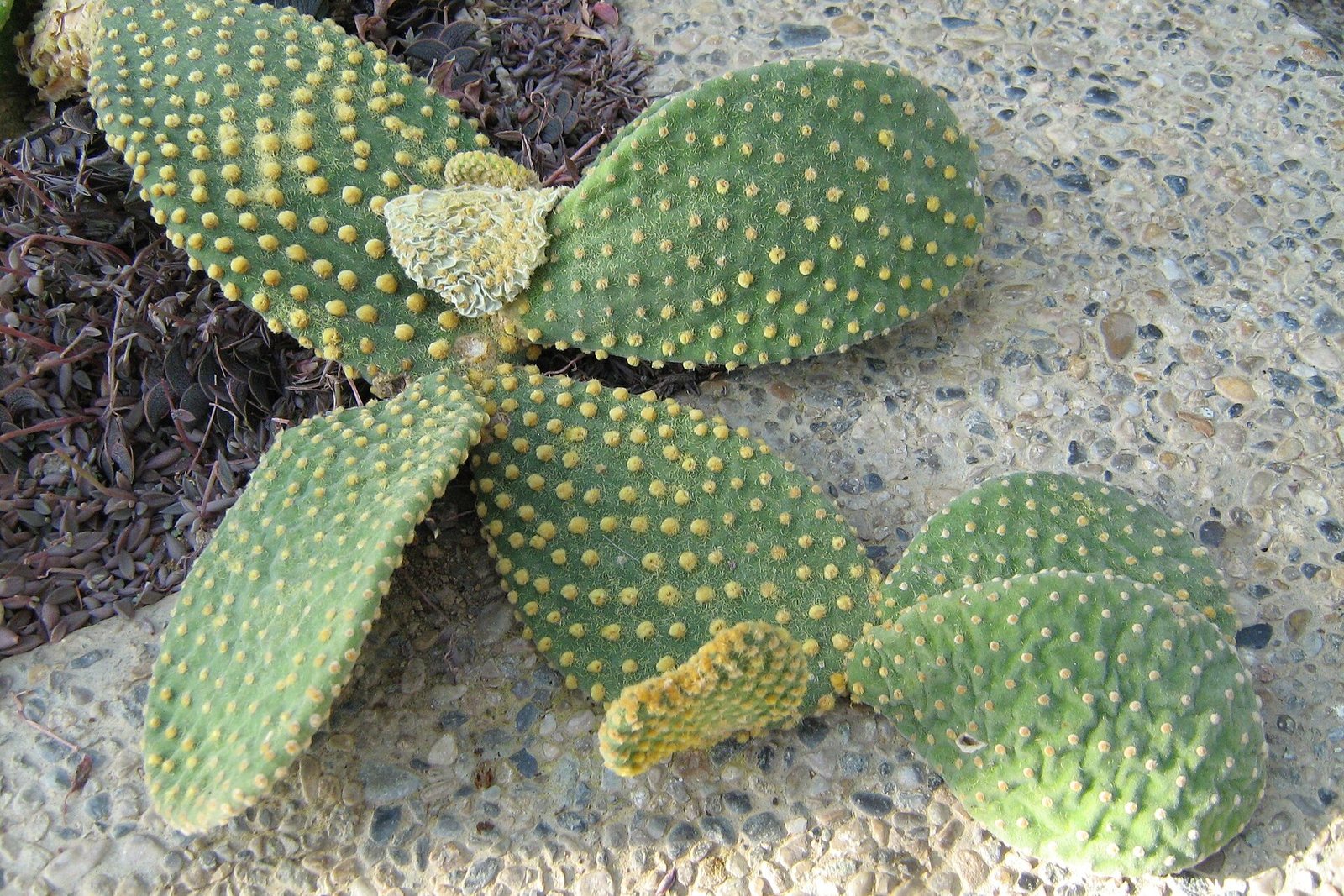
Fuzzy cacti need the same care. Bunny ears (Opuntia microdasys) have no long spines, but its tiny bristles stick in skin and are hard to see; our cactus types guide lists which popular cacti are the prickliest. Keep any spiny plant out of reach of children and pets while it is out of its pot, and sweep the table afterwards.
When should you repot a cactus?
Cacti like to be a little tight. Clemson says they prefer to be slightly pot-bound and should be repotted only as needed, so do not repot on a schedule. UF/IFAS gives a clear sign: repot when roots show through the holes in the base of the pot, which usually means every two to four years. A cactus that has clearly outgrown its pot, or that tips over because it is top-heavy, is another reason.
Repot when growth is about to start. The RHS says spring, and UF/IFAS says early spring, as the plant starts growing actively; Clemson puts the best time as just as summer growth begins. Repotting in the cold, dark months leaves cut roots sitting in damp mix with nothing to pull water up. For most readers that is early spring, which means about March to April in the Northern Hemisphere and September to October in the Southern. In a warm, frost-free climate it can be a little earlier.
Which pot and which mix?
- Pot size: only slightly bigger than the old one (Clemson, UF/IFAS). The RHS warns against a pot that is too large, because the extra mix stays wet and invites rot.
- Drainage hole: essential. A pot without a hole traps water around the roots, whatever it is made of.
- Mix: the RHS suggests a peat-free cactus compost, or 2 parts peat-free loam-based compost (John Innes No 2) to 1 part horticultural grit or sharp sand. Clemson suggests equal volumes of peat-based potting soil and very coarse sand or grit. Both are coarser than ordinary houseplant mix. The full comparison, including why fine sand is a mistake, is in the succulent and cactus soil guide.
- Top dressing: the RHS finishes with a mulch of grit or fine gravel, which keeps the stem base dry.
Holiday cacti (Christmas, Thanksgiving and Easter cacti) are rainforest plants and want a richer mix than desert cacti, so do not treat them like a barrel cactus.
How do you repot a cactus step by step?
- Prepare the new pot first. Cover the drainage hole if it is large and put a layer of fresh, gritty mix in the base, so the cactus can go straight in once it is out. Keep the plant sitting at the same depth as before, which UF/IFAS advises.
- Protect yourself. Wrap the plant in folded newspaper or take up the tongs. Put the pot on a tray, because spines fall off and roll about.
- Take the plant out. Tip the pot on its side, tap or squeeze it and slide the plant out by the newspaper or tongs. A stuck root ball can be freed by running a thin knife round the edge. Never pull on the stem.
- Check and loosen the roots. UF/IFAS says to loosen the roots and check them for rot or disease. Healthy roots are firm and pale; mushy, dark or smelly roots are rotten. Our healthy vs rotten roots guide shows the difference and what to cut away.
- Set it in. Hold the cactus upright in the middle of the new pot, still by newspaper or tongs, and trickle mix around the sides with a spoon. Settle it by tapping the pot, not by pressing with your hands.
- Add the top dressing of grit if you use one, and place the pot in bright light, out of the harshest midday sun for a week or two while the roots recover.
When do you water a cactus after repotting?
Wait. Clemson and UF/IFAS both say to hold off for several days before the first watering, so cut roots can dry and heal instead of rotting. The sources do not agree on an exact number, so a cautious gardener takes the longer end of "several days" and then waters thoroughly, letting all the excess drain away. After that, return to the usual rhythm for your plant. Our guide on how often to water succulents and cacti sets that rhythm for each season.
Do not feed straight away either. Clemson says not to fertilise newly repotted plants in winter, and fresh mix has little need of extra feed for the first weeks anyway.
Common mistakes when repotting a cactus
| Mistake | What goes wrong | Do this instead |
|---|---|---|
| Gloves only, grabbing the plant | Spines pass through the glove | Newspaper or tongs, gloves as backup |
| A much bigger pot | Extra mix stays wet, roots rot (RHS) | Go up only slightly |
| Ordinary houseplant mix | Holds water too long around the roots | Cactus compost or gritty mix |
| Watering straight away | Damaged roots rot | Wait several days |
| Repotting in the dark months | No growth to recover with | Wait for early spring |
What if the cactus is too big, or has offsets?
A large column or barrel cactus can be too heavy and too spiny to lift. Lay the pot on its side on a folded towel, wrap the plant in several layers of newspaper and ask a second person to pull the pot off while you hold the wrapped plant. Offsets that have formed round the base can be left in place, or separated at repotting time; our guide to propagating succulents and cacti covers detaching them with roots attached.
If you are never sure whether a cactus is ready, a repotting reminder in Flori nudges you in spring, and the plant's care profile in the app lists its light and watering needs. If it still looks unwell after repotting, describe it to Dr. Flori with a photo and you will get the likely cause.
Frequently asked questions
Can I repot a cactus in winter?
It is best avoided. The RHS, Clemson and UF/IFAS all point to spring, when the plant is starting to grow and cut roots can recover.
How do I handle a cactus with sharp spines?
Use thick strips of folded newspaper as tongs, or kitchen tongs, as the RHS and UF/IFAS suggest. Leather gloves help but may not stop stout spines.
How soon can I water a cactus after repotting?
Clemson and UF/IFAS say to wait several days. Then water thoroughly and let the excess drain away.
What size pot does a cactus need?
Only slightly larger than the old one. The RHS warns that a pot that is too big keeps the mix wet and risks rot.
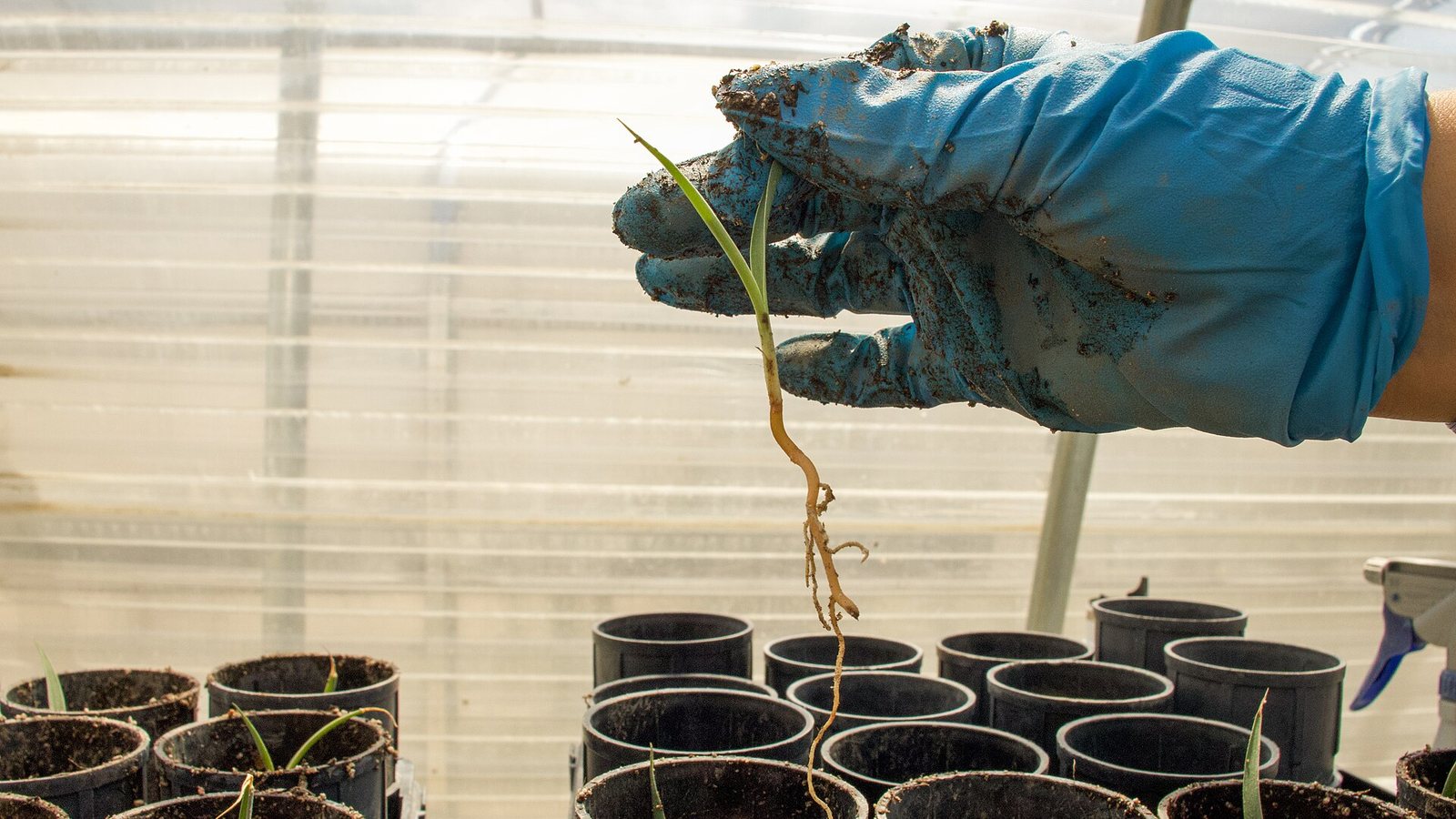
How to repot a plant step by step: what you need, how to free a stuck root ball, loosen roots, set the depth and water in, plus the first weeks after.
Sources
Written and fact-checked by the Flori team. Every guide cites horticultural sources such as the RHS, university extension services and the ASPCA, and is updated when the advice changes. How we write our guides
General plant care information. Plants vary; when a plant is valuable or a problem spreads quickly, consult a local nursery or plant specialist.