Healthy Roots vs Rotten Roots: How to Tell
Healthy roots are white and firm; rotten roots are brown or black and mushy. See a side-by-side check, what to cut away and when to repot.
 By Flori editorial team · Updated
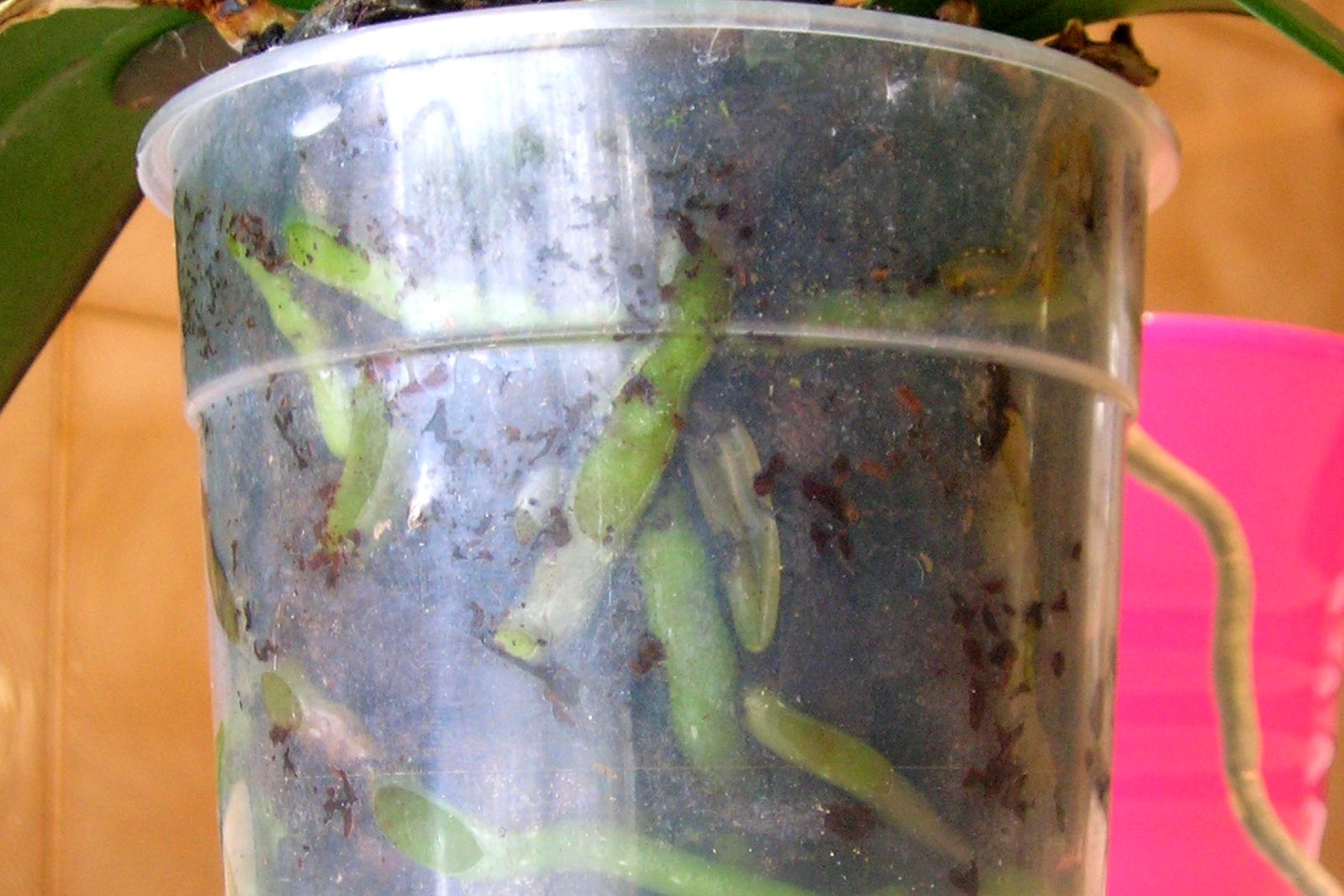
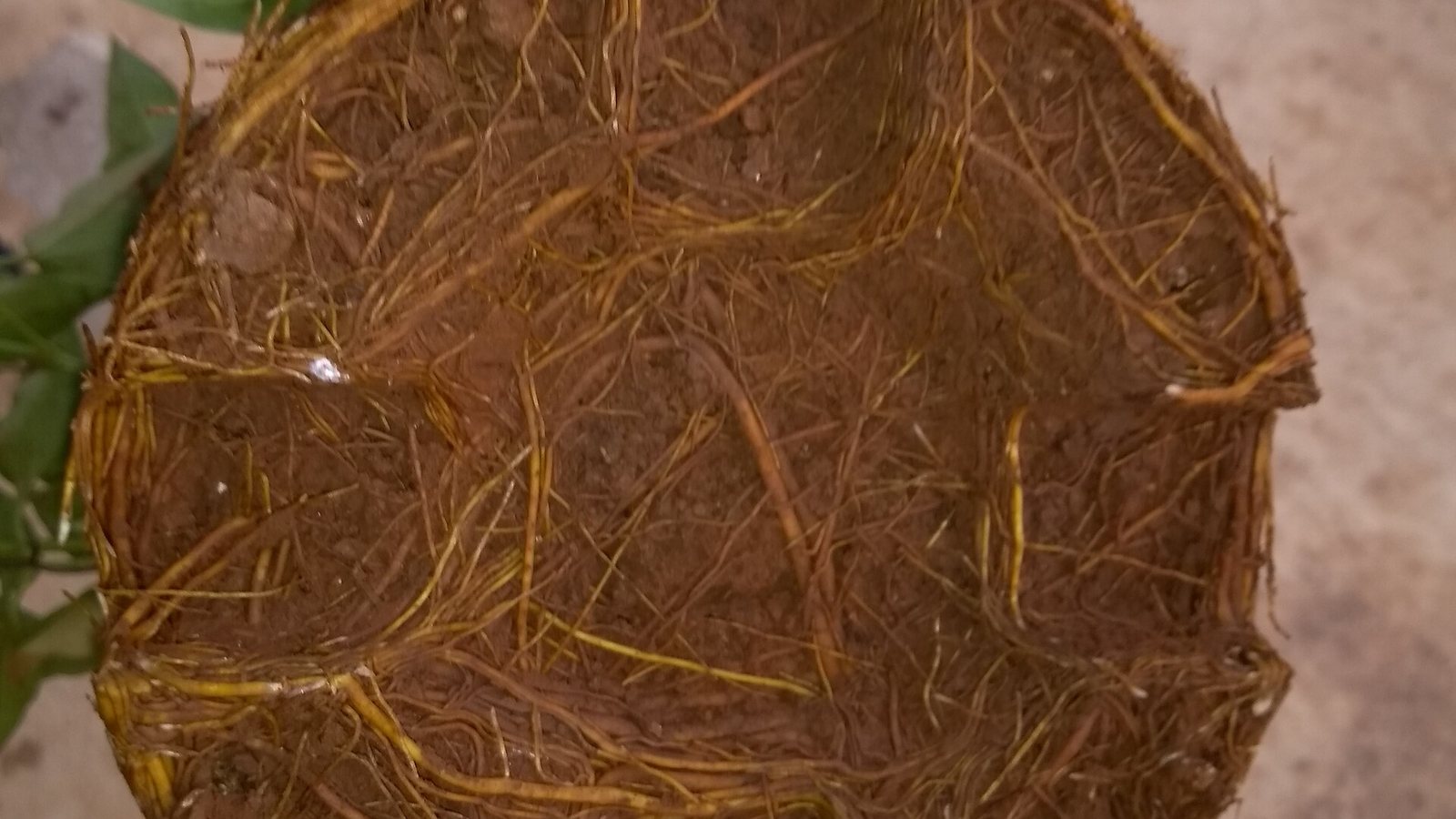 Photo: Suresh Khole · CC BY-SA 4.0
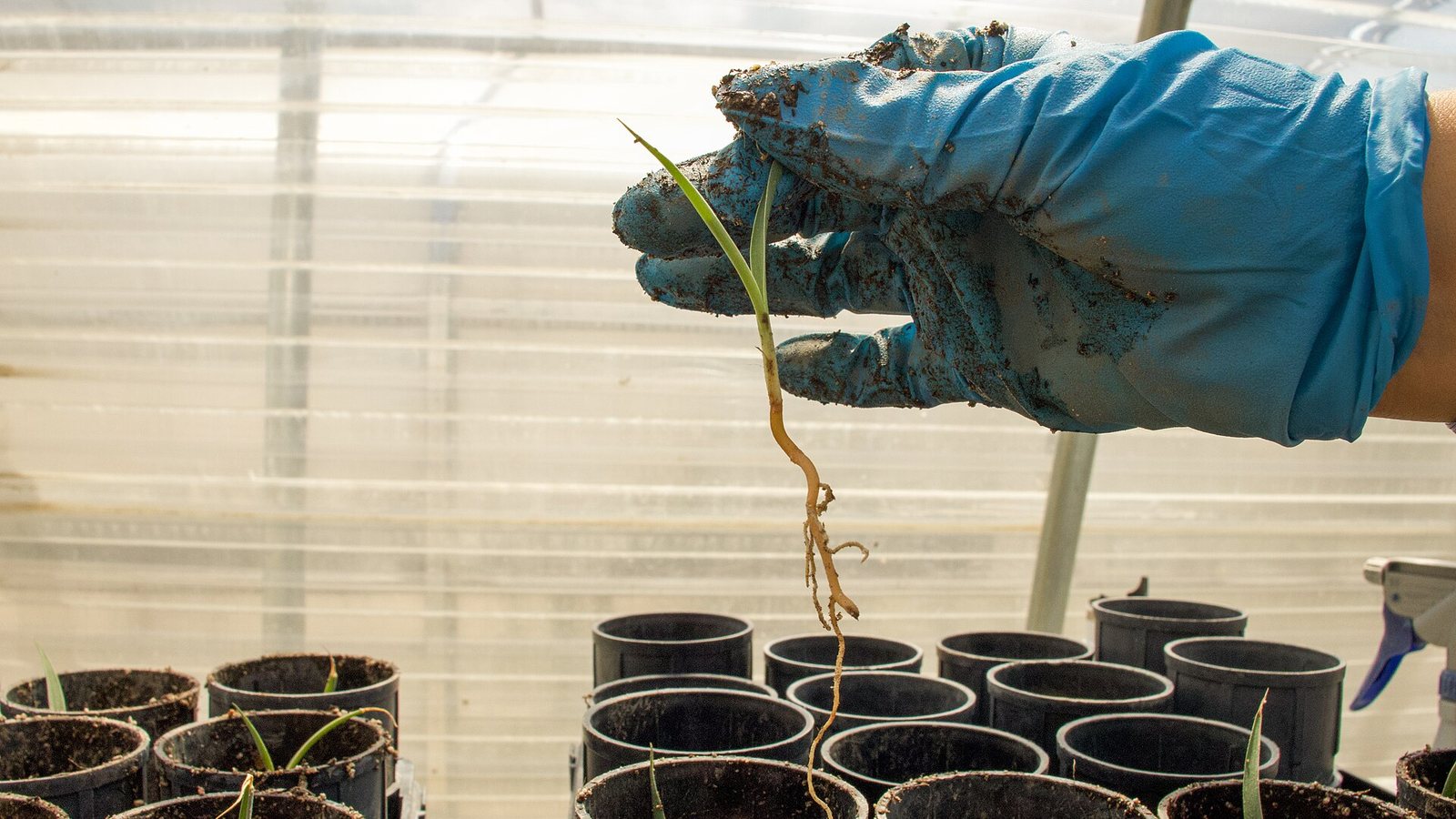
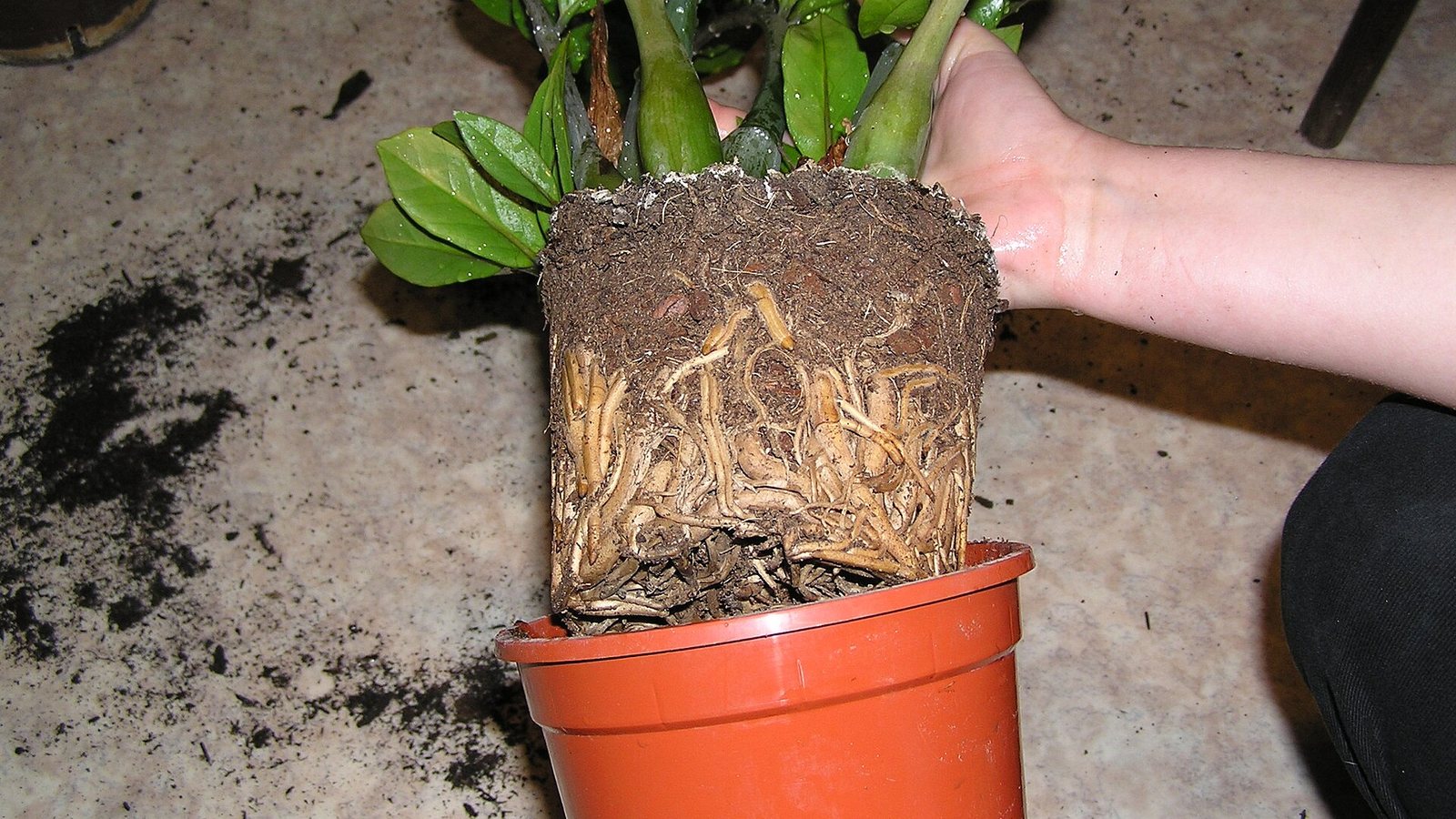
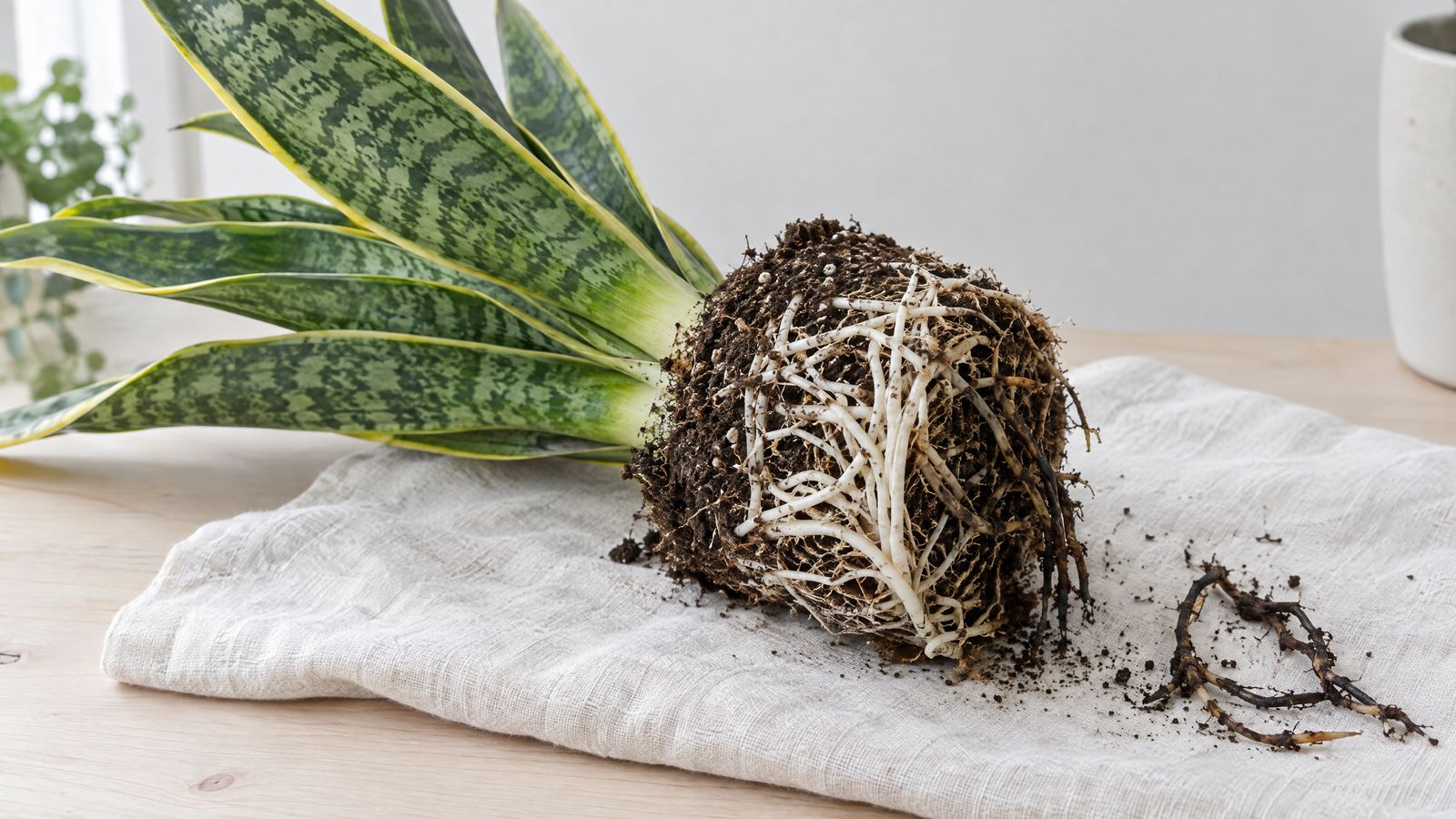
Healthy roots are white or pale, firm and covered in fine feeder roots. Rotten roots are brown, reddish or black, soft and mushy, and they may slip apart when touched. Slide the plant out of its pot to look, because wilting leaves alone cannot tell you whether the roots are dry, drowned or healthy.
Key takeaways
- Healthy roots are white and firm with many fine feeder roots; rotten roots are brown to black and soft.
- Wilting can mean thirst or rot, so check the roots and the soil moisture before you water again.
- If only a few roots are rotten, cut them out and repot in fresh, sterile potting mix.
- Fungicides often cost more than a new plant, so fix the watering and drainage instead.
- Check a plant's roots whenever you repot, or sooner if leaves yellow or droop while the soil is wet.
On this page9
- How can you tell healthy roots from rotten roots?
- Healthy vs rotten roots side by side
- How do you check the roots without hurting the plant?
- What do roots look like when the plant is only dry or root-bound?
- What causes roots to rot?
- What should you do with rotten roots?
- When should you check the roots?
- How can you check roots with Flori?
- How do you keep roots healthy?
How can you tell healthy roots from rotten roots?
The fastest way to tell healthy roots from rotten roots is to look at them: colour and firmness give the answer. Iowa State University Extension describes healthy roots as white and firm with many fine feeder roots, and rotted roots as mushy and brown or reddish. Clemson's Home and Garden Information Center says infected roots are brown to black and may feel soft. The leaves rarely help, because they droop whether the roots are drowning or dry. This guide is the side-by-side check; if you already know the roots are rotten, go straight to the root rot rescue plan.
Healthy vs rotten roots side by side
| What to check | Healthy roots | Rotten roots |
|---|---|---|
| Colour | White or pale, firm-looking | Brown, reddish, dark brown or black |
| Feel | Firm; they bend but hold together | Soft, mushy; the outer layer may slide off |
| Fine roots | Many thin feeder roots | Few or none, or they have turned to threads |
| Stem base | Normal colour at the soil line | A ring of brown or black tissue at or near the soil level (Clemson) |
| Soil | Damp but crumbly; water drains out | Sodden, compacted or sitting in a full saucer |
Roots vary a little between plants, and old roots on a healthy plant can be tan and woody, so judge by firmness as much as colour. A root that is brown but firm is not the same as one that is brown and squashes between your fingers.
How do you check the roots without hurting the plant?
- Check the soil first. Push a finger or a wooden skewer into the pot. Iowa State warns that wilting from a damaged root system looks like thirst, and that people often respond by watering more, which makes it worse.
- Slide the plant out. Water lightly if the soil is bone dry, tip the pot on its side and ease the root ball out. The RHS suggests lifting the plant out of its pot to see whether water has collected at the base and pouring away any excess.
- Look at the outer roots. The roots against the pot wall and at the bottom are the ones that rot first, because that is where water collects.
- Squeeze one or two roots gently. Firm roots hold their shape. Rotten roots squash or the outer skin pulls away from the thread inside.
- Decide. Mostly white and firm: put the plant back and fix the cause. A mix of white and brown: trim and repot. Mostly mush: see the rescue plan.
If you can do the check during a normal repot, even better; the steps are in repotting a plant step by step.
What do roots look like when the plant is only dry or root-bound?
Not every sick plant has rot. A plant with dry soil and shrivelled leaves usually has dry, thin roots that are still pale and firm. A root-bound plant has a dense mat of roots circling the pot and very little soil left. Both look unhealthy from above, but neither feels like mush. That difference is why checking matters: the first needs water, the second a bigger pot (see root-bound plants), and only the third needs less water. For the leaf-side comparison, read overwatering vs underwatering.
What causes roots to rot?
Iowa State names fungal and fungus-like organisms such as Pythium, Phytophthora, Rhizoctonia and Fusarium. They infect the root system of stressed or weakened plants and thrive in wet, poorly drained soil or potting mix. Clemson adds that these organisms survive in soil and infected debris and spread by splashing water or by moving infested soil. In practice the triggers are almost always the same:
- Watering on a schedule when the soil is still wet.
- A pot with no drainage hole, or a pot far too large for the root ball.
- A saucer or decorative pot cover left full of water. Iowa State says not to let pots stand in water-filled saucers or sleeves.
- Old, compacted soil that holds excess water. Repot in fresh, well-drained mix.
If you suspect the soil is the problem, the best soil mix for houseplants explains what drains well.
What should you do with rotten roots?
Clemson says that if only a few roots are infected you can cut them out and repot into sterile soil, and that fungicides often cost more than a new plant. A practical version:
- Rinse the old soil off gently so you can see every root.
- Cut away the brown, black or mushy roots with clean scissors, back to firm white tissue. Wipe the blades between plants.
- Repot in fresh potting mix in a clean pot with a drainage hole, only slightly larger than the root ball.
- Water lightly and wait; do not fertilize a plant that is recovering.
If most of the roots are gone, or the stem base is brown and soft, the plant may not recover. Take a healthy cutting from the top instead (see propagating plants from cuttings). Chemical fungicides are a last resort; if you ever use one, follow the label exactly.
When should you check the roots?
Check them whenever the signs and the soil disagree: leaves that droop or yellow while the soil is still wet, a plant that has stopped growing for no clear reason, or soil that stays soggy for more than a week. Iowa State lists wilting from a damaged root system as a classic sign that is easily mistaken for thirst. A quick look takes two minutes and saves a plant that would otherwise be watered into collapse. If the roots turn out fine, slide the plant back, firm the soil lightly and look for other causes, starting with light and temperature.
How can you check roots with Flori?
If you are unsure what you are looking at, describe the roots or send a photo to Dr. Flori. It asks follow-up questions, names the likely cause, says how urgent it is and gives a recovery plan. A plant that is recovering can be kept in the Plant Hospital with a follow-up plan, and care reminders help you stop watering on autopilot.
How do you keep roots healthy?
- Water when the top few centimetres (an inch or two) of soil are dry for most plants, not on a fixed day.
- Always use a pot with a drainage hole and empty saucers after watering.
- Use fresh, airy potting mix and refresh it when it turns hard and compacted.
- Look at the roots every time you repot, even when the plant looks fine.
Frequently asked questions
What colour are healthy roots?
Healthy roots are usually white or pale and firm, with many fine feeder roots. Some older roots are tan and woody, which is normal as long as they stay firm.
What colour are rotten roots?
Rotten roots are brown, reddish or black and feel soft or mushy. Iowa State and Clemson both describe this change in colour and firmness.
Can a plant recover from root rot?
It can if only some roots are affected. Cut away the soft roots, repot in fresh sterile mix in a pot with drainage and water more carefully. If most roots are mushy, taking a cutting is safer.
Should I use fungicide for rotten roots?
Clemson notes that fungicides often cost more than the plant. Fixing drainage and watering matters more, and any product must be used exactly as its label says.
Can wilting plants have healthy roots?
Yes. A dry plant wilts too. Check the soil moisture and the roots before watering again, because watering a rotting plant makes it worse.
Signs of root rot, how to check the roots, and a step-by-step plan to trim, repot and water a rotting houseplant so it can recover, plus how to prevent it.
Sources
Written and fact-checked by the Flori team. Every guide cites horticultural sources such as the RHS, university extension services and the ASPCA, and is updated when the advice changes. How we write our guides
General plant care information. Plants vary; when a plant is valuable or a problem spreads quickly, consult a local nursery or plant specialist.