Propagating Plants from Cuttings
Stem, leaf and leaf-section cuttings explained: which houseplants suit each method, how long to cut, where to root them and when to pot them up.
 By Flori editorial team · Updated
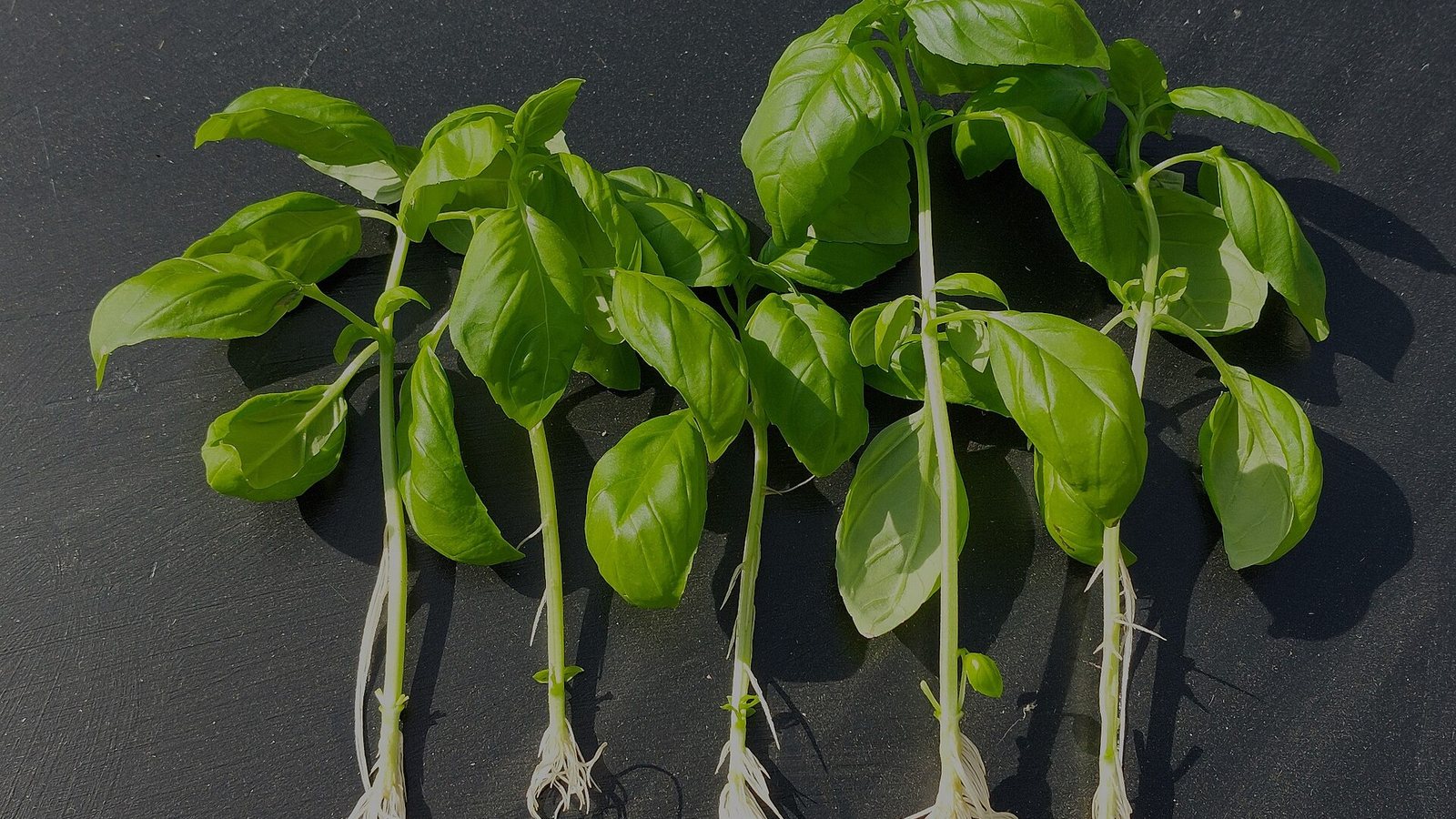 Photo: Schlaghecken Josef · CC BY-SA 4.0
Take stem cuttings 8–15 cm (3–6 in) long with at least two nodes for pothos, philodendron and monstera; leaf cuttings with a short stalk for African violets and peperomia; and leaf sections for snake plant. Root them in bright, indirect light at 18–24 °C (65–75 °F) under a loose cover. Most stem cuttings root in 3–6 weeks.
Key takeaways
- Match the method to the plant: stem tips for vines, leaves with a stalk for African violets and peperomia, leaf sections for snake plant.
- Cut just below a node, strip the lower leaves and bury at least one node, never a leaf.
- Give cuttings 4–6 hours of bright, indirect light, 18–24 °C (65–75 °F) and a loose clear cover.
- Water-rooted cuttings work, but pot them up when roots are about 2.5 cm (1 in) long.
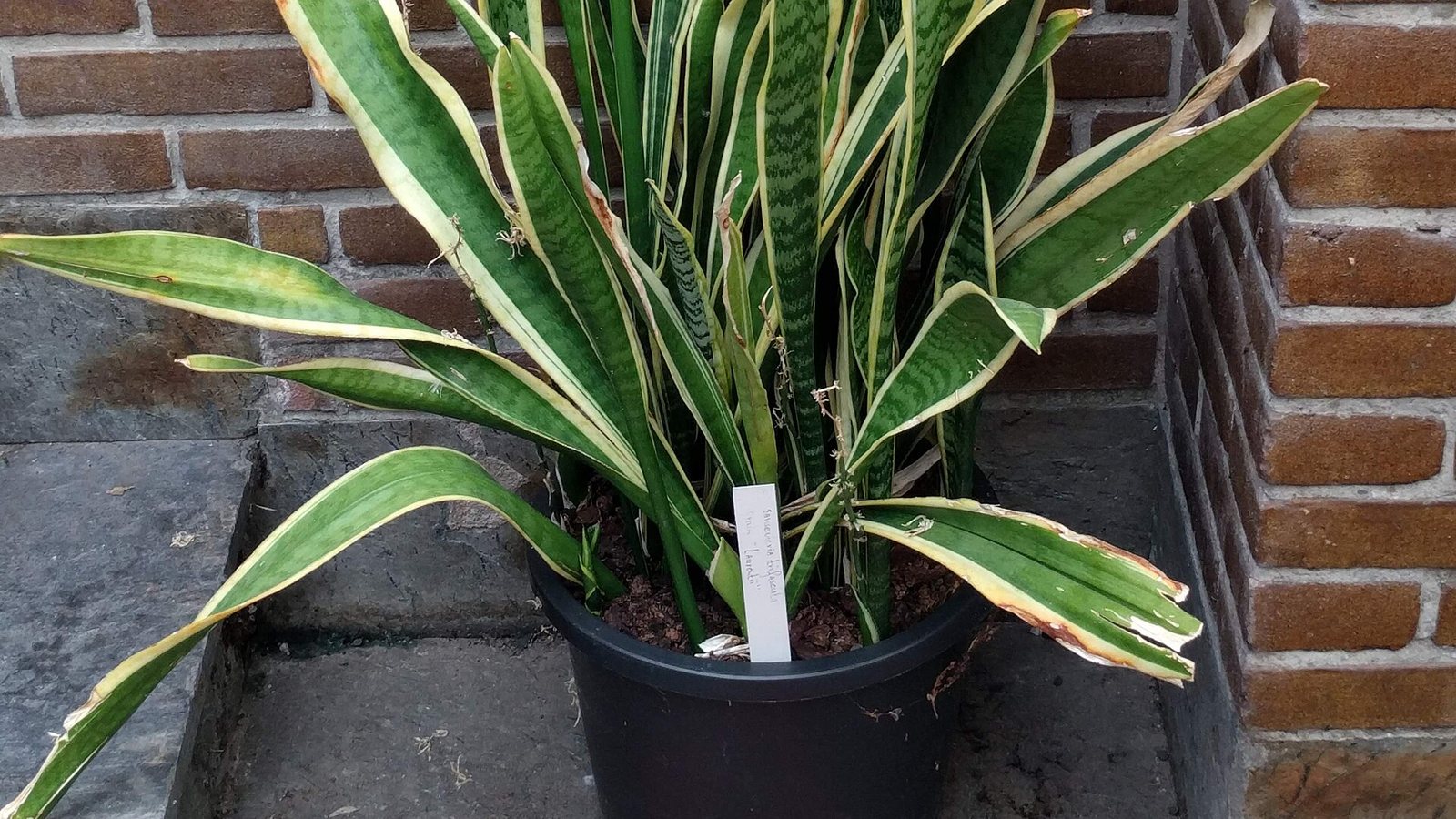
- Variegated snake plants lose their yellow edge from leaf cuttings; divide them instead.
On this page7
Which kind of cutting does your plant need?
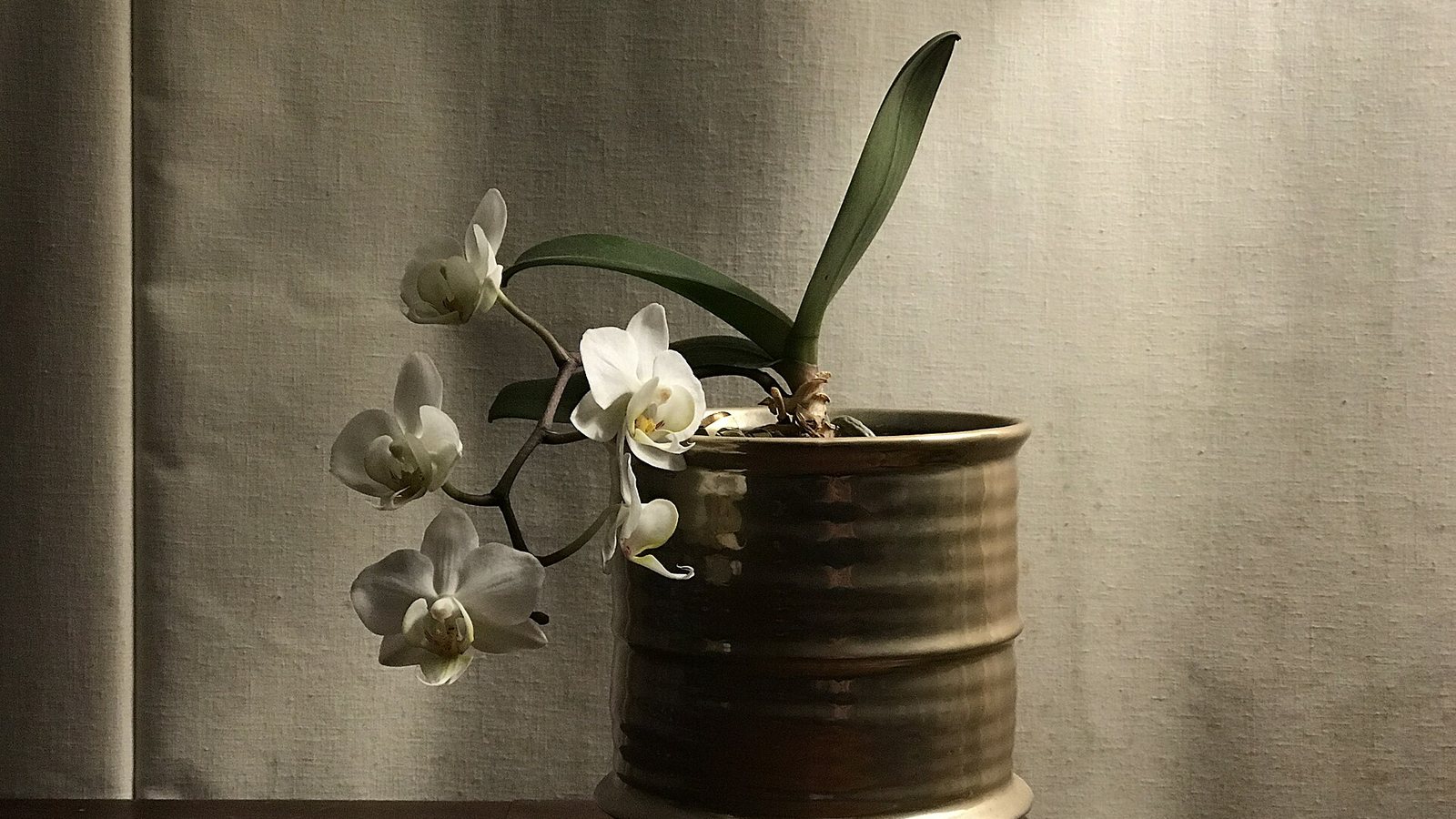
Propagating plants from cuttings is the cheapest way to get more houseplants, and Penn State Extension calls cuttings the most common and easiest method of all. The catch is that not every plant roots the same way. Pothos roots from a piece of stem, an African violet from a single leaf with its stalk, a snake plant from a slice of leaf. Pick the wrong method and the cutting sits in its pot until it rots. This guide starts with a method-by-plant table built from Iowa State University Extension, the Royal Horticultural Society (RHS) and Penn State, then walks through each method with lengths, light, temperature and rooting times. Orchids follow their own rules, which our guide on propagating orchids covers.
Cuttings by plant: method, size and rooting time
| Method | Plants it suits | What to cut | Typical timing |
|---|---|---|---|
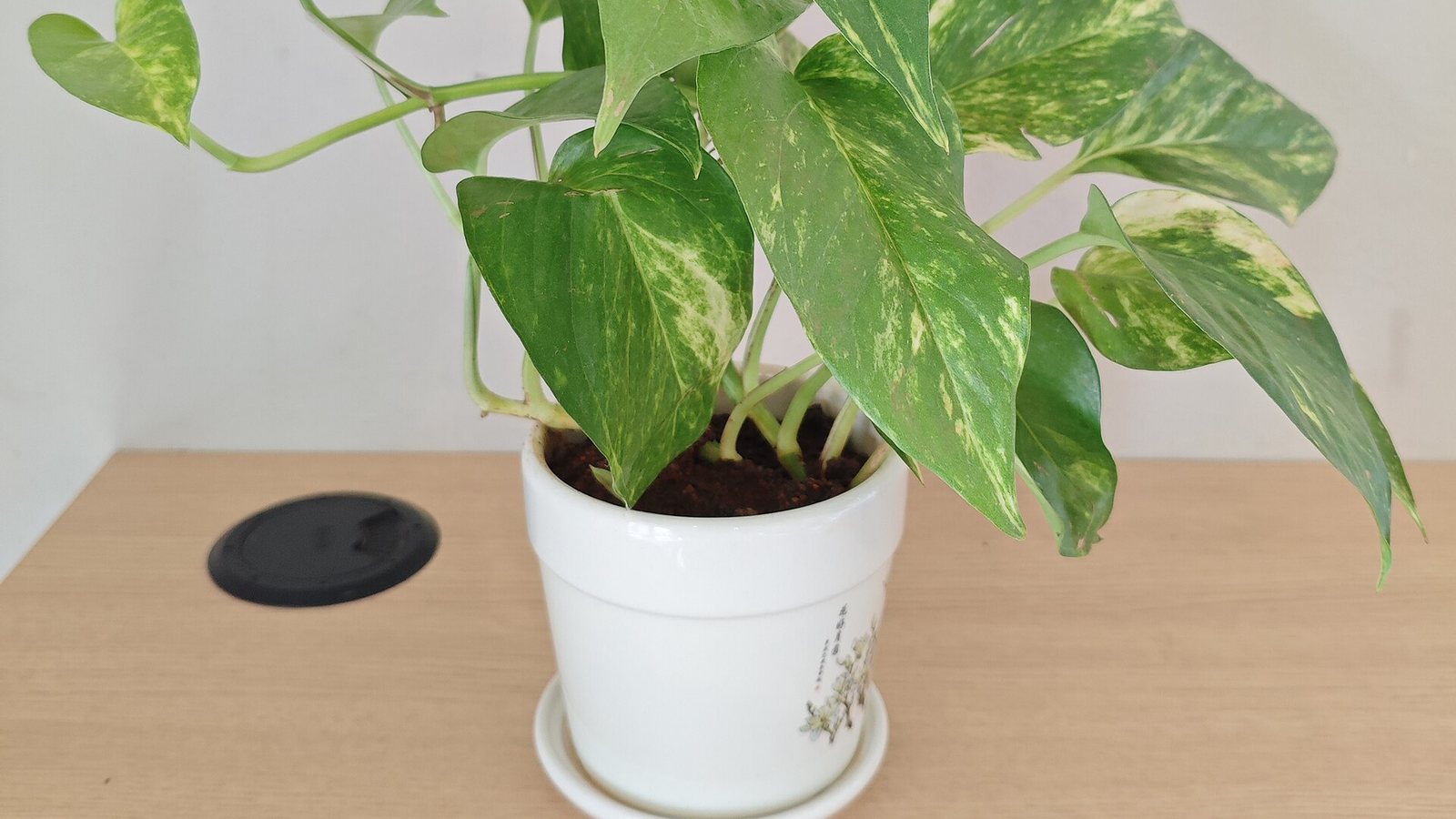
| Stem tip cutting | Pothos, heartleaf philodendron, monstera, tradescantia, wax plant (hoya), Chinese money plant, English ivy, umbrella tree | A shoot tip 8–15 cm (3–6 in) long with at least two nodes | Roots in 3–6 weeks |
| Stem section cutting | Dumb cane (dieffenbachia), dracaena | A piece of stem 5–8 cm (2–3 in) long with at least two nodes | Varies; roots form at buried nodes, shoots at exposed ones |
| Leaf petiole cutting | African violet, peperomia, jade plant, ZZ plant, cape primrose | A healthy leaf with 2.5–4 cm (1–1½ in) of stalk | Roots in 3–4 weeks, small plants in 6–8 weeks |
| Leaf section cutting | Snake plant | Leaf sections 8–10 cm (3–4 in) tall, kept the right way up | New shoots in about two months |
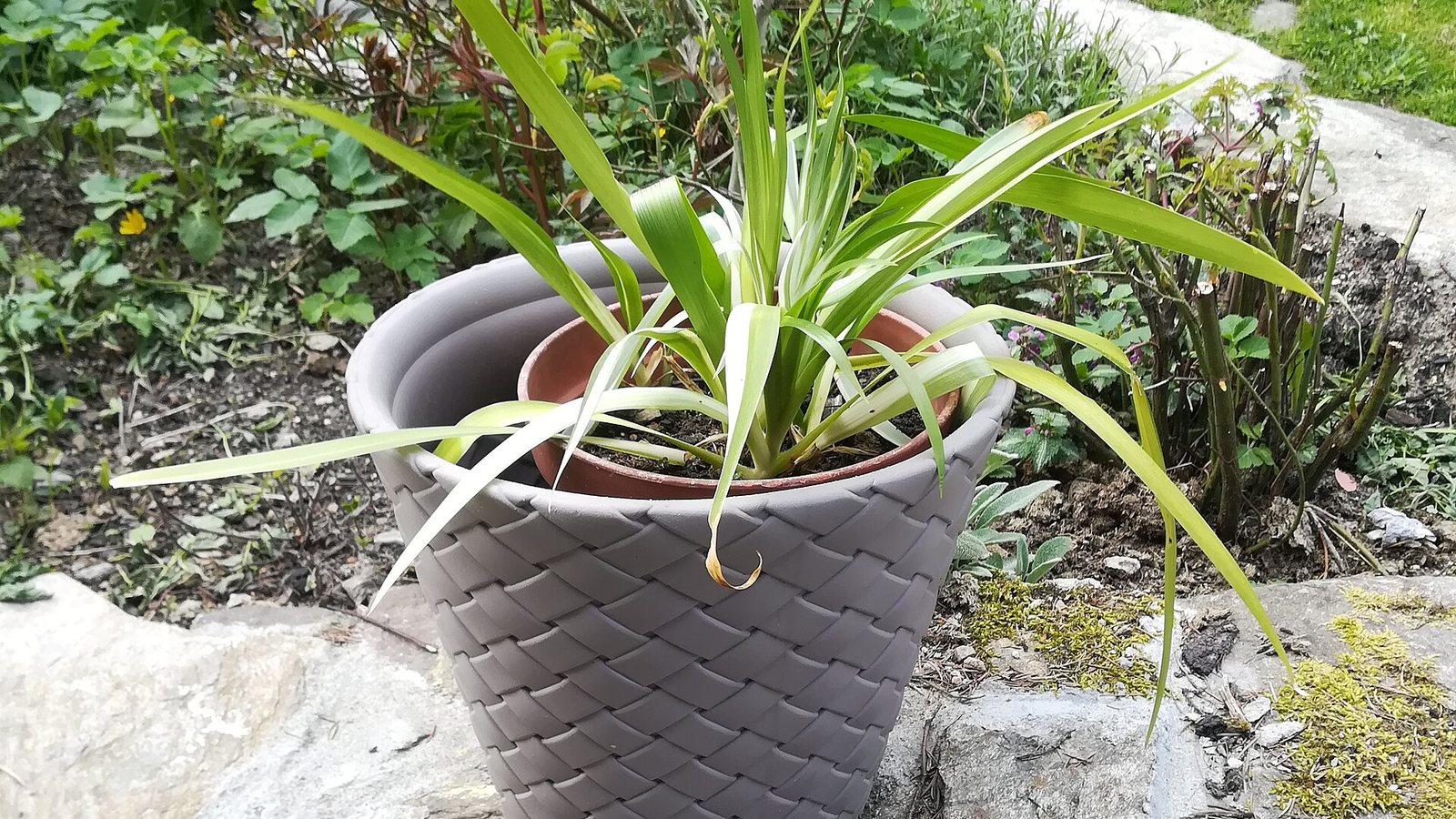
| Plantlet | Spider plant | A young plantlet from the end of a runner | Roots in water or straight in compost |
Timings come from Iowa State, plants and sizes from Iowa State, the RHS and Penn State. Iowa State says early spring is ideal although most houseplants can be propagated at any time of year; the RHS prefers late spring or early summer, when plants are actively growing. In practice that means the start of the growing season wherever you live, in either hemisphere.
How to take a stem cutting
- Water the parent plant the day before, as Iowa State advises, so the cutting starts fully hydrated.
- Choose a healthy, pest-free stem the plant will not miss, and cut just below a leaf joint (node) with clean, sharp scissors or secateurs. The RHS aims for 8–10 cm (3–4 in); Iowa State allows 8–15 cm (3–6 in) with at least two nodes.
- Strip the lower leaves, leaving two or three at the top, and remove any flowers. Iowa State suggests trimming very large leaves to cut water loss.
- Rooting hormone is optional. If you use it, tip a little into a separate dish, never dip into the original pot, and follow the label: Iowa State and Penn State both warn that too much slows rooting.
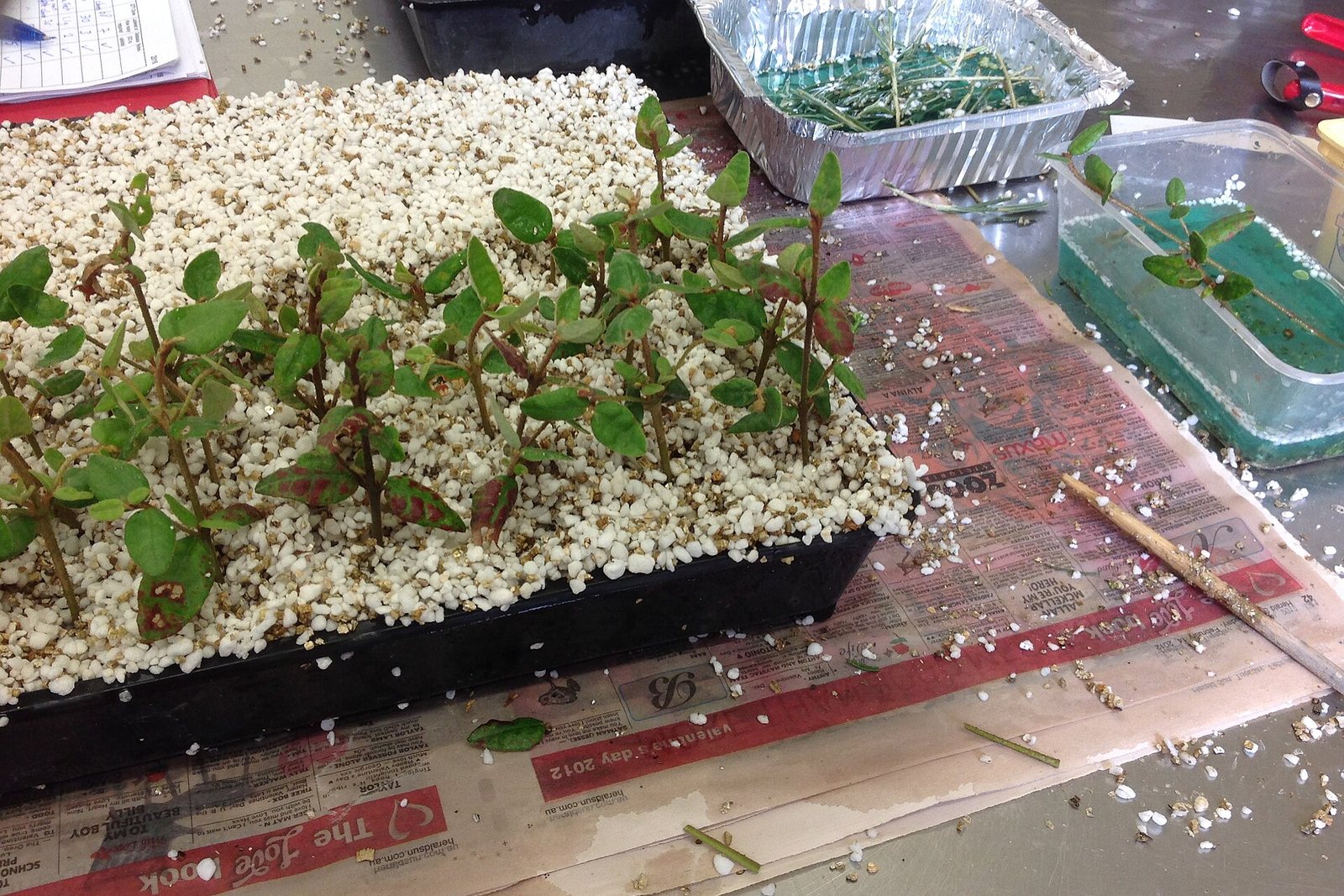
- Insert the cutting into a hole made with a pencil, with at least one node below the surface and no leaves buried, in a clean pot at least 5 cm (2 in) deep with drainage holes.
For the rooting mix, the RHS uses equal parts peat-free multipurpose compost and perlite, and notes that grit is now preferred to perlite; Iowa State lists perlite, sand, vermiculite, coarse sphagnum moss or a mix of these with peat, with potting soil only as part of a mix. Our guide to the best soil mix for houseplants explains the ingredients. For dumb cane and dracaena, Penn State describes pushing a short stem section upright so one node is buried, or laying it flat and half-burying it.
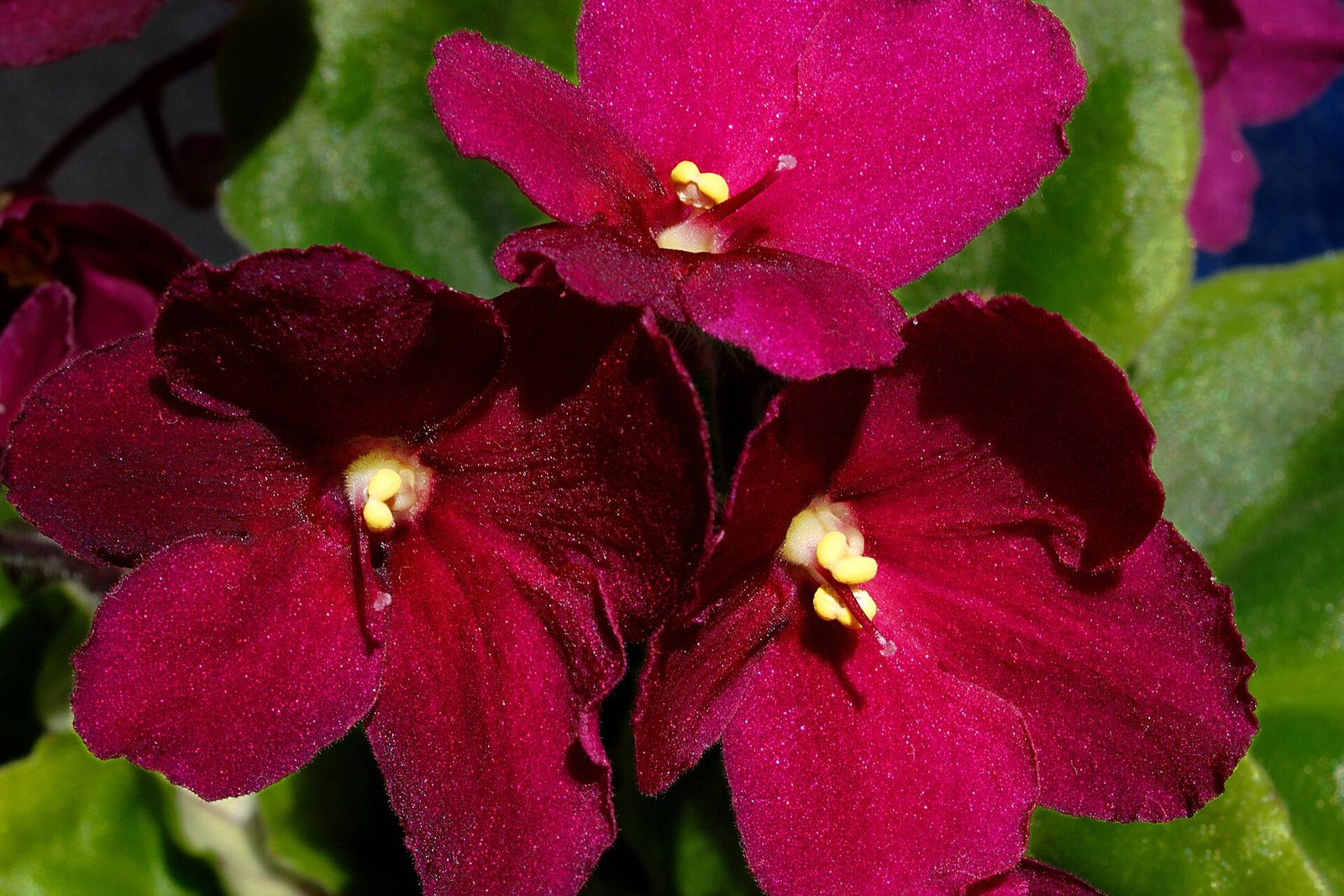
Leaf cuttings: African violets, peperomia and snake plant
Leaf petiole cuttings. Iowa State recommends a firm, healthy leaf with 2.5–4 cm (1–1½ in) of stalk, inserted at a 45° angle and firmed in. Penn State keeps the stalk shorter, no more than about 1 cm (½ in). Roots usually form in three to four weeks and tiny plantlets appear at the base in six to eight. Pull or cut the plantlets apart when you pot them; the old leaf can go once it browns.
Leaf section cuttings. For snake plant, Iowa State cuts a leaf into sections 8–10 cm (3–4 in) tall and notches the top of each so you know which end goes down, because sections planted upside down do not root. Push each 2.5–5 cm (1–2 in) into the mix; new shoots appear at the base in about two months. One warning: variegated forms such as the yellow-edged 'Laurentii' usually lose their edging when grown from leaf sections. Divide those plants instead; our guide to repotting without stress shows how to handle the root ball.
Succulents such as jade plant can also grow from single leaves laid on gritty compost or in a little water, the RHS says, then potted into very free-draining compost. See our guide to soil for succulents and cacti.
Where should cuttings root?
- Light: four to six hours of bright, indirect light, according to Iowa State. Too much light scorches leaves, especially under a cover; too little slows rooting and invites rot.
- Temperature: air at 18–24 °C (65–75 °F) is ideal; a heat mat that warms the mix to 24–27 °C (75–80 °F) gives better results (Iowa State, Penn State).
- Humidity: cover the pot with a clear bag or dome held off the leaves by sticks or straws, and do not seal it, so some air can get in. Penn State warns that humidity should stop cuttings drying out without becoming so high that disease develops.
- Moisture: keep the mix moist but not soggy, and check often.
Water or compost?
Many stem cuttings root in a glass of water, and it is satisfying to watch. The RHS keeps the water level just below the lowest leaves. Iowa State points out the trade-off: roots formed in water are coarser and the young plant may wilt, drop leaves or brown at the tips after potting. Change the water once or twice a week, never let developing roots sit in air, and pot up when the roots are about 2.5 cm (1 in) long rather than waiting for a tangle.
When is a cutting ready to pot?
When the roots are 2.5 cm (1 in) or longer, Iowa State says to move it into ordinary potting compost, keep it well watered in bright, indirect light and start regular feeding once it is established, usually within a few weeks. The RHS uses a small pot about 8–10 cm (3–4 in) wide, then moves plants up a size as they grow, and suggests pinching out the growing tip to make a bushier plant. Add a progress-photo or watering reminder in Flori so the new pot is not forgotten, and if a cutting turns soft and dark at the base, Dr. Flori can help you work out whether it is rot.
Frequently asked questions
How long do cuttings take to root?
Iowa State Extension says most houseplant stem cuttings root in 3–6 weeks, and leaf petiole cuttings in 3–4 weeks, with small plants in 6–8 weeks. Snake plant leaf sections take about two months to show new shoots.
Do I need rooting hormone?
No, it is optional. If you use it, put a little in a separate dish, follow the label and avoid too much, which slows rooting.
Is it better to root cuttings in water or soil?
Both work. Water lets you watch the roots, but Iowa State notes that water roots are coarser and the plant may wilt after potting, so pot up when roots are about 2.5 cm (1 in) long.
Why did my cutting rot?
Usually too little light, a soggy mix or a sealed cover. Give it bright, indirect light, keep the mix moist but not wet and let some air reach it.
Sources
- Iowa State University Extension: How to propagate houseplants by stem tip cuttings
- Iowa State University Extension: How to propagate houseplants by leaf petiole cuttings
- Iowa State University Extension: How to propagate houseplants by leaf section cuttings
- Royal Horticultural Society: How to take cuttings from houseplants
- Penn State Extension: Propagating Houseplants
Written and fact-checked by the Flori team. Every guide cites horticultural sources such as the RHS, university extension services and the ASPCA, and is updated when the advice changes. How we write our guides
General plant care information. Plants vary; when a plant is valuable or a problem spreads quickly, consult a local nursery or plant specialist.