White Mold on Houseplant Soil: Causes and Fixes
White mold on houseplant soil is usually a harmless fungus on mix that stays wet. Tell it apart from salt crust and mealybugs, and fix each one.
 By Flori editorial team · Updated
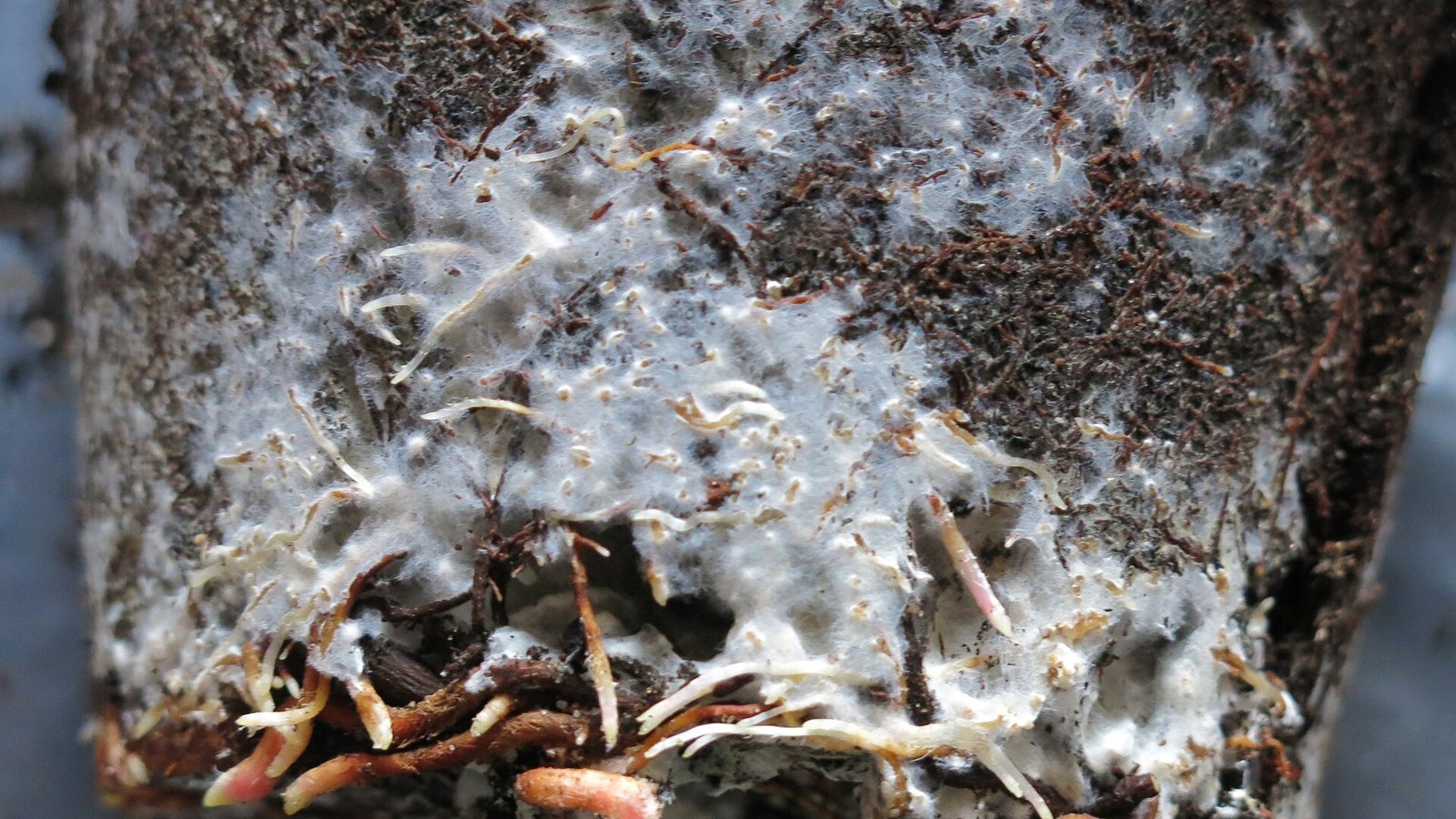 Photo: Tangopaso · Public domain
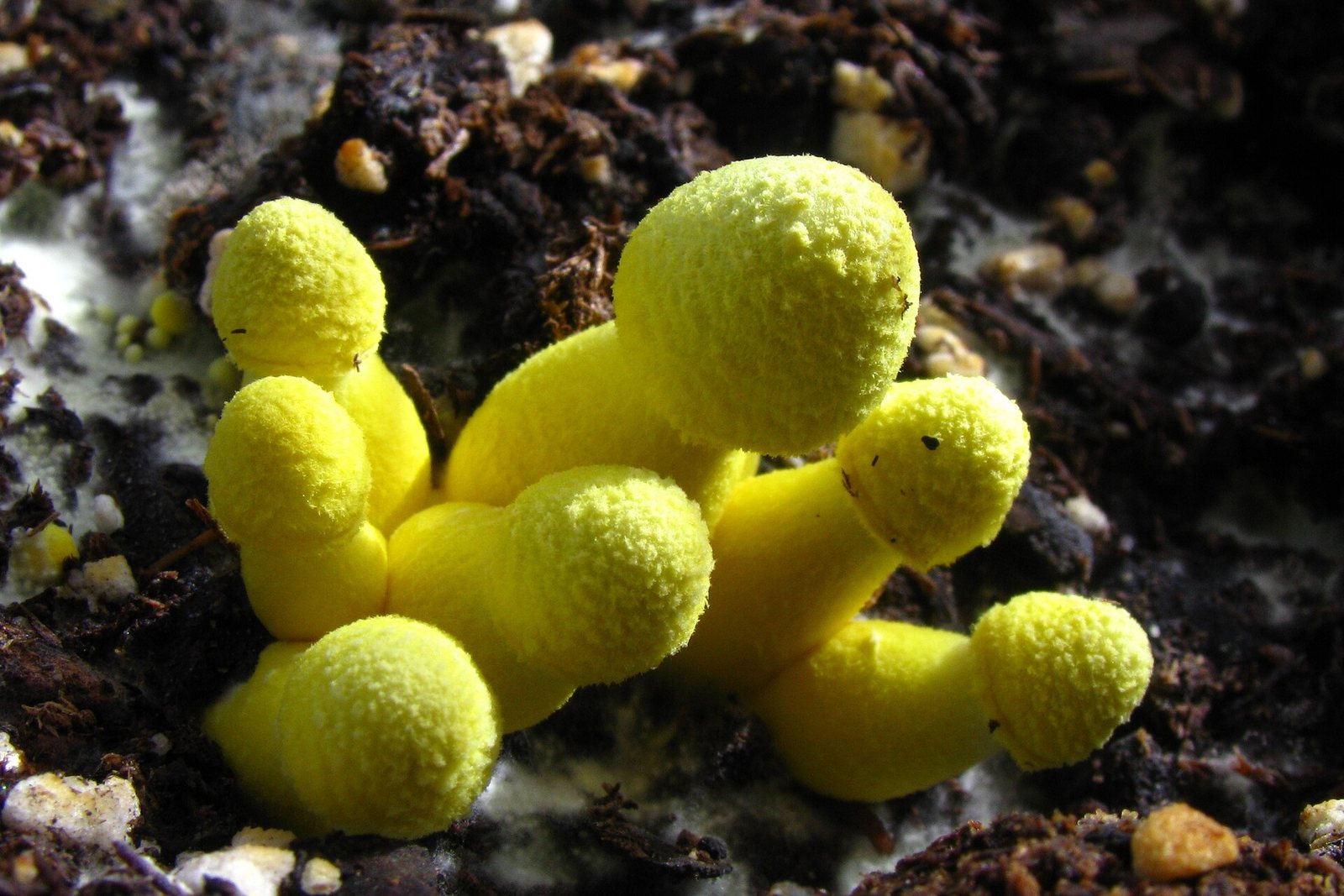
White fuzzy mold on houseplant soil is usually a saprophytic fungus feeding on the potting mix. It does not harm a healthy plant, but it shows the mix stays too wet. Scrape it off, let the soil dry more between waterings and empty the saucer. A hard white crust is salt buildup, not mold.
Key takeaways
- Soft white fuzz is usually a harmless fungus on dead organic matter; a hard crunchy crust is mineral and fertilizer salt.
- Mold on the surface is a sign the mix stays too wet, which is what really puts roots at risk.
- Scrape off the mold, water only when the soil is dry a few centimetres down and empty the saucer.
- Leach salt crust by removing the top layer and running water through the pot a couple of times.
- Cottony clumps that smear on stems or roots are mealybugs: isolate the plant and treat it.
On this page7
What is the white mold on my houseplant soil?
White mold on houseplant soil is one of the most common things people notice on a pot, and it usually turns out to be one of three things: a fuzzy fungus feeding on the potting mix, a dry crust of mineral and fertilizer salts, or, less often, mealybugs at the soil line. They look alike at a glance but need different fixes, so this guide starts with a side-by-side check instead of a single cure. Scraping off fungus while ignoring a salt problem, or flushing out salts while pests feed on the roots, leaves the real cause in place.
Clemson Cooperative Extension draws the same line: white to grey crusty deposits on the soil surface or the rim of the pot are a sign of salt buildup, and should not be confused with the white or yellow mold-like growth of saprophytic soil fungi. Saprophytic simply means the fungus lives on dead organic matter, such as the peat, bark and compost in the mix, not on the living plant.
Mold, salt crust or pests? A quick comparison
| What you see | How it feels | Likely cause | First step |
|---|---|---|---|
| Soft white or grey fuzz, or fine threads like cobweb, on the surface of the mix | Soft; lifts off on a spoon | Saprophytic fungus on mix that stays moist | Scrape it off and let the mix dry more between waterings |
| Hard white or grey crystals on the soil, the pot rim or the outside of terracotta | Dry and crunchy; does not smear | Mineral and fertilizer salts | Remove the crust and flush the pot with water |
| White, cottony clumps on stems, leaf joints or roots | Waxy; squashes into a smear; leaves may be sticky | Mealybugs | Isolate the plant and dab the insects with rubbing alcohol |
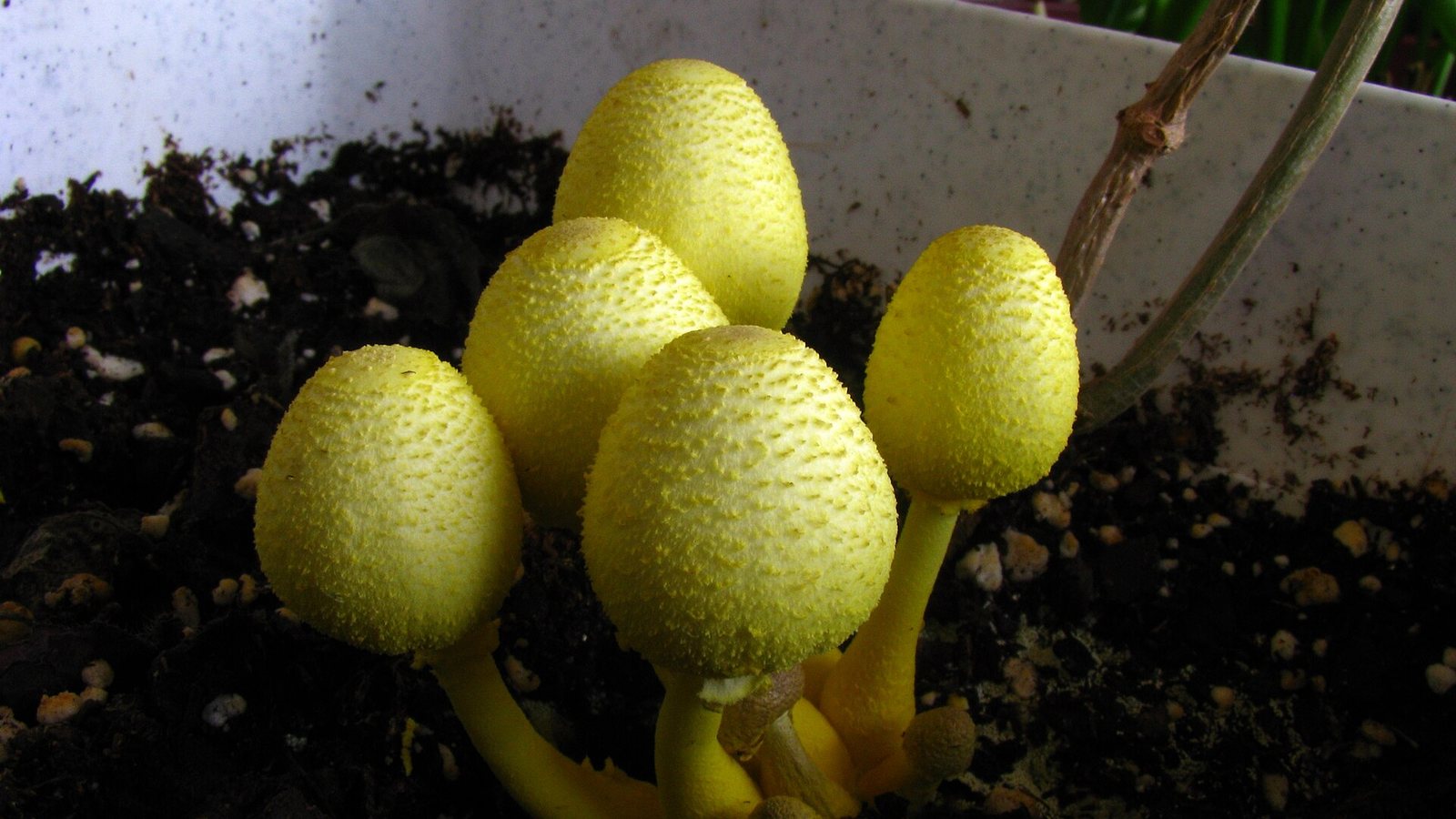
| Small yellow, white or cream mushrooms | A cap on a stalk | A fungus fruiting in the mix | Pick them off and keep them away from children and pets |
If you found mushrooms rather than fuzz, our guide to mushrooms growing in a houseplant pot covers what they are and why they should be treated as poisonous.
Is white mold on soil harmful to the plant?
Usually not. Iowa State University Extension says the whitish or brown molds that grow on peat pots and other organic materials are unsightly but will not harm healthy seedlings, and adds that their presence may indicate excessive moisture. That second point is the useful one: the mold is a message about how the pot is being watered.
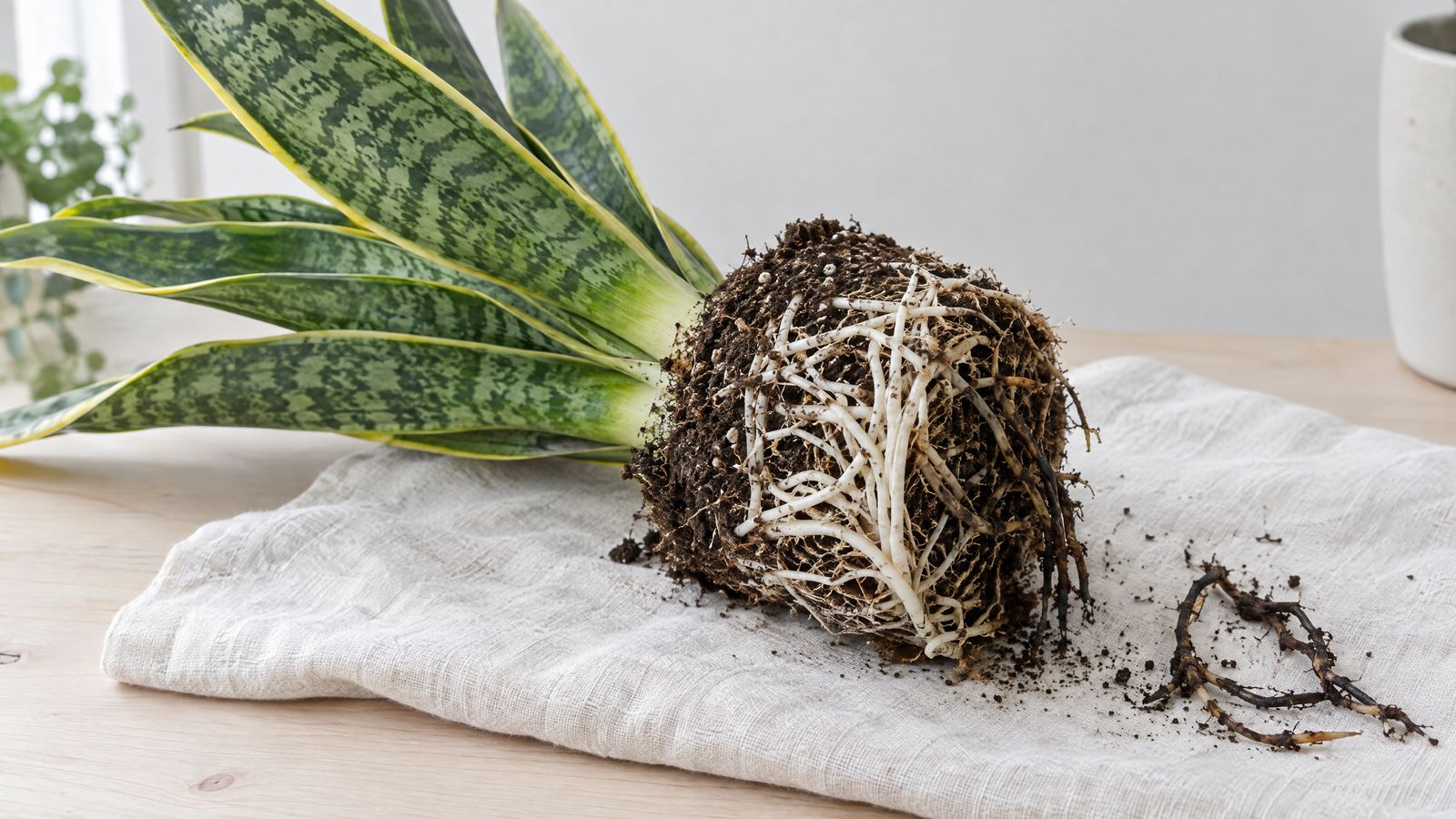
Too much water is what hurts the plant. UC IPM notes that root rot is often associated with poor drainage and overwatering, and that drainage can become poor as potting mix ages, settles and loses its air spaces. Old, compacted mix that stays wet at the surface is exactly where these fungi grow. So look at the plant as well as the soil. If the leaves are firm and new growth looks normal, the fuzz is cosmetic. If the plant wilts while the soil is still wet, the stem base feels soft (a usual sign of overwatering, according to UC IPM), or old and new leaves yellow at the same time, check the roots with our root rot rescue plan.
How do I get rid of white mold on houseplant soil?
- Scrape off the moldy layer. Lift the fuzzy surface away with a spoon, outdoors or over a bin, and top up with fresh potting mix.
- Let the mix dry further between waterings. UC IPM advises allowing the soil to dry as much as possible between waterings for problems linked to wet mix. Push a finger a few centimetres (about 1 in) into the pot and water only when it feels dry at that depth. Our guide on how often to water houseplants explains how the interval changes with the season, the pot and the plant.
- Empty the saucer. A pot standing in water keeps the whole mix wet from below.
- Give the pot light and air. A dim corner, a tight cluster of pots or a closed cachepot keeps the surface damp for longer.
- Repot if the mix has broken down. If it is dense, sour-smelling or stays wet for days, repot into fresh, free-draining mix in a pot with a drainage hole.
Cinnamon, baking soda and hydrogen peroxide are often suggested online, but the extension sources used here do not recommend them for surface mold; drier soil is the fix that lasts. If you do use any product on a plant, follow the label.
What is the white crust on top of the soil?
A hard white crust is not mold. Colorado State University Extension describes it as a whitish crystal build-up around the lip of the pot or on top of the soil, and explains where it comes from: salts in the water, especially softened water, and many salt-based fertilizers. As water evaporates from the pot, the salts stay behind. The same page lists the symptoms on the plant: brown leaf tips, yellowing leaves and unexplained wilting, even when the soil is moist. If brown tips are your main worry, see brown leaf tips.
Colorado State's method to leach the salts out:
- Remove the crust and the top 1–2.5 cm (½–1 in) of mix, taking care not to damage roots.
- Take the pot off its saucer and stand it in a sink with the drainage holes clear.
- Fill the pot to the top with tepid tap water a couple of times, letting it drain well between rinses.
- Scrape salt off the outside of the pot, the drainage holes and the saucer, then wash the saucer.
- Replace the removed mix with fresh mix and water again only when the root ball feels dry.
In severe cases the soil may need to be changed completely. To prevent it, apply fertilizer at the recommended rate, water thoroughly so some drains from the bottom, and throw that drainage water away.
Could the white fluff be mealybugs?
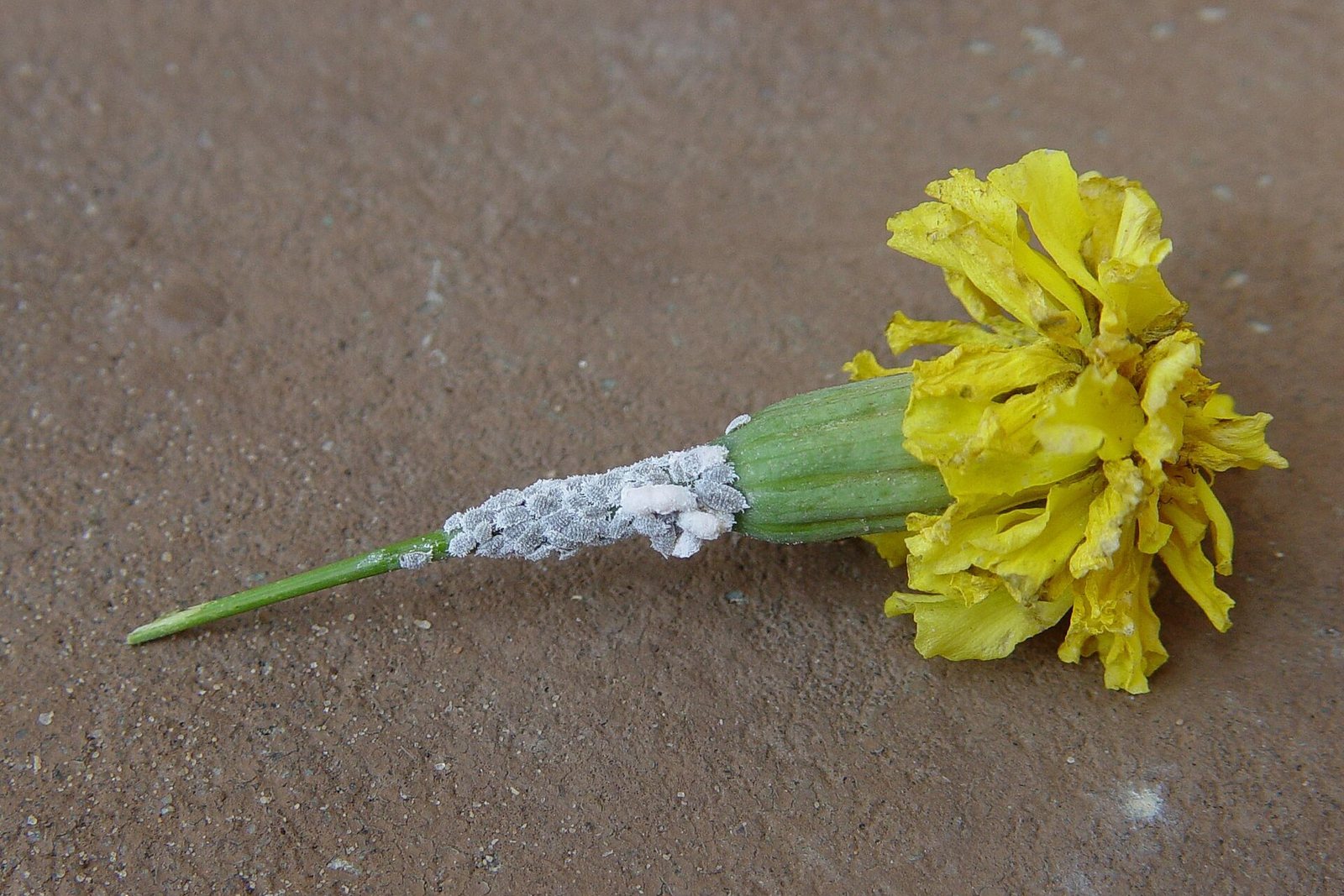
If the white fluff sits on the stem at soil level, in the leaf joints or on the roots when you slide the plant out of its pot, look closely. UC IPM notes that mealybugs may infest plant roots as well as shoots and leaves. Unlike mold, they are small insects in a waxy coat, and they smear when you press them.
Iowa State University Extension advises isolating any infested plant so the pests do not spread, and dabbing small numbers of mealybugs with rubbing alcohol on a cotton swab. It lists insecticidal soap, neem and pyrethrin as relatively safe insecticides for indoor use; start with the least toxic option and follow the label. For a heavily infested plant, Iowa State says destroying it before it infests nearby plants is often the better choice. If you are not sure what you are looking at, Dr. Flori in the Flori app can work from a close photo of the soil and stem and ask follow-up questions before naming the likely cause.
How do I stop white mold coming back?
- Water by checking, not by the calendar. Mix that never dries at the surface will grow mold again.
- Use the right pot. A drainage hole and a pot not much larger than the root ball help the mix dry evenly.
- Refresh old mix. UC IPM points out that drainage gets worse as potting media ages and settles.
- Feed only at the recommended rate, which keeps salt crust down.
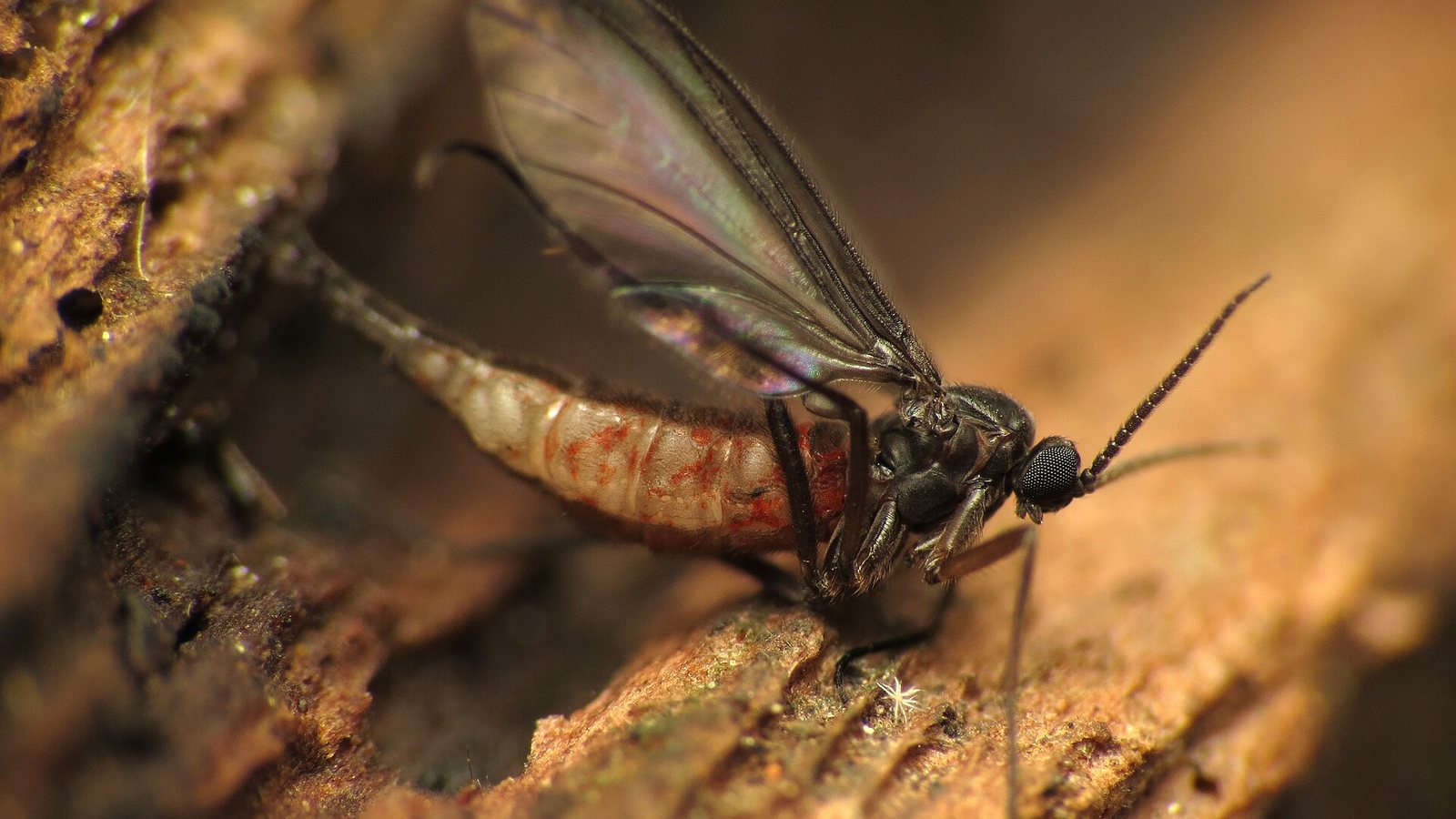
- Watch for fungus gnats. UC IPM notes that overwatering and poor drainage may promote them; tiny black flies over the pot are a sign the mix is staying too wet. See fungus gnats.
A watering reminder in Flori can help you check the soil on a regular day rather than watering out of habit.
Frequently asked questions
Is white mold on houseplant soil dangerous to people?
The common white fuzz is a fungus that feeds on dead organic matter in the mix, and it is mainly a sign of wet soil. Scrape it off outdoors or over a bin and wash your hands afterwards.
Should I repot a plant with moldy soil?
Only if the mix is old, compacted or stays wet for days. Otherwise scraping off the top layer and watering less often is enough.
Why does the mold keep coming back?
Because the surface of the mix is staying moist. Water only when the soil is dry a few centimetres down, empty the saucer and give the pot more light and air.
Is the white crust on my terracotta pot mold?
No. A hard white crust on the soil or the pot is mineral and fertilizer salt. Scrape it off and leach the pot by running water through it a couple of times.
Sources
- Clemson Cooperative Extension (HGIC): Houseplant Diseases & Disorders
- Colorado State University Extension (PlantTalk): Leaching Salts from Potting Mixes
- Iowa State University Extension: Will mold on peat pots harm my flower and vegetable seedlings?
- UC Statewide IPM Program: Houseplant Problems
- Iowa State University Extension: Diagnosing Houseplant Problems Caused by Insect Pests
Written and fact-checked by the Flori team. Every guide cites horticultural sources such as the RHS, university extension services and the ASPCA, and is updated when the advice changes. How we write our guides
General plant care information. Plants vary; when a plant is valuable or a problem spreads quickly, consult a local nursery or plant specialist.