Chlorophytum comosum · Asparagaceae
Spider Plant (Chlorophytum comosum): Care and Facts
Spider plant care on one page: light, watering, fluoride and brown tips, plantlets, repotting and pet safety, checked against extension sources.
- Bright indirect light
- Moderate water
- Easy care
- Not toxic to pets (ASPCA)
Also called: ribbon plant, spider ivy, Anthericum
 By Flori editorial team · Updated
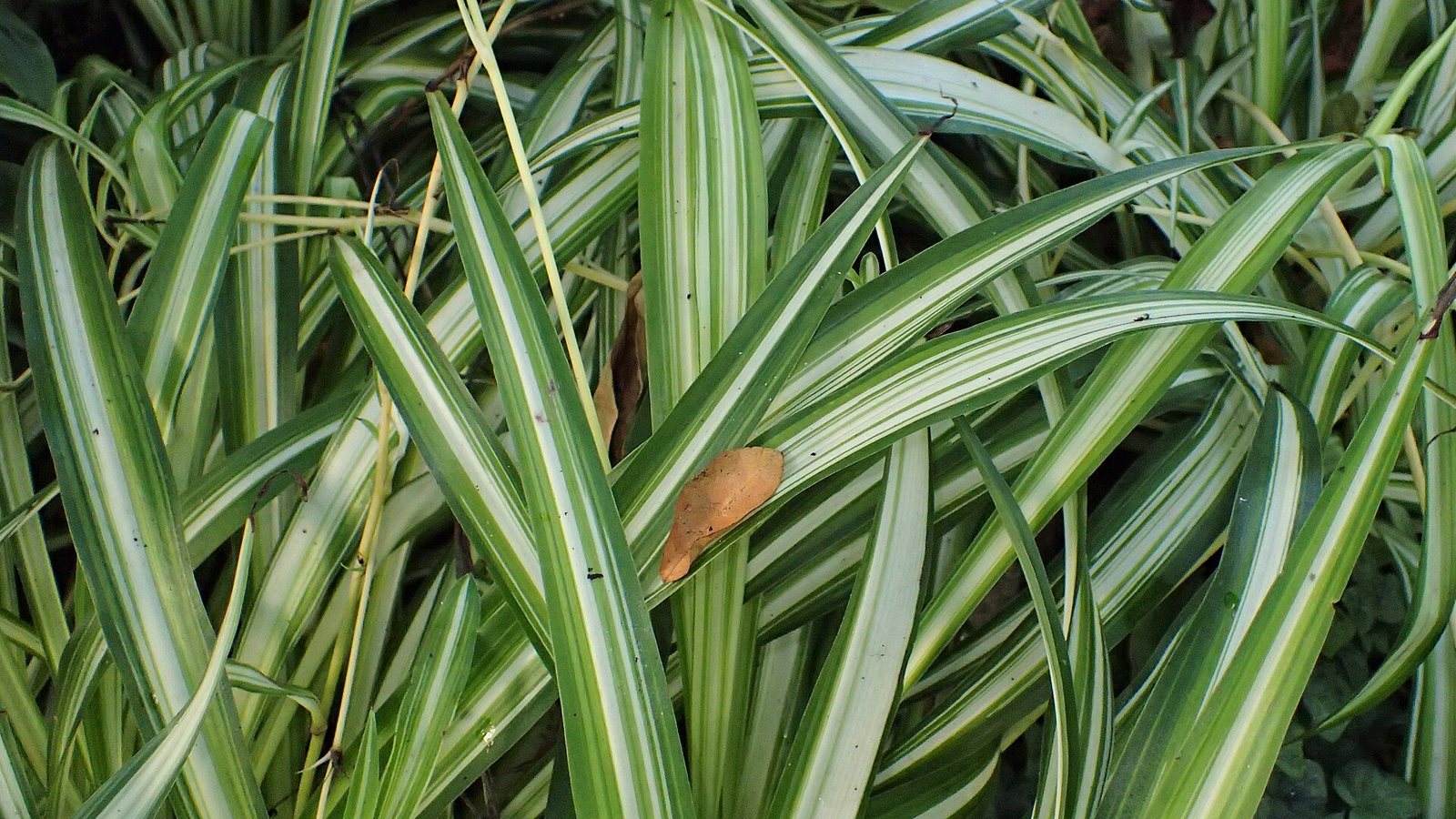
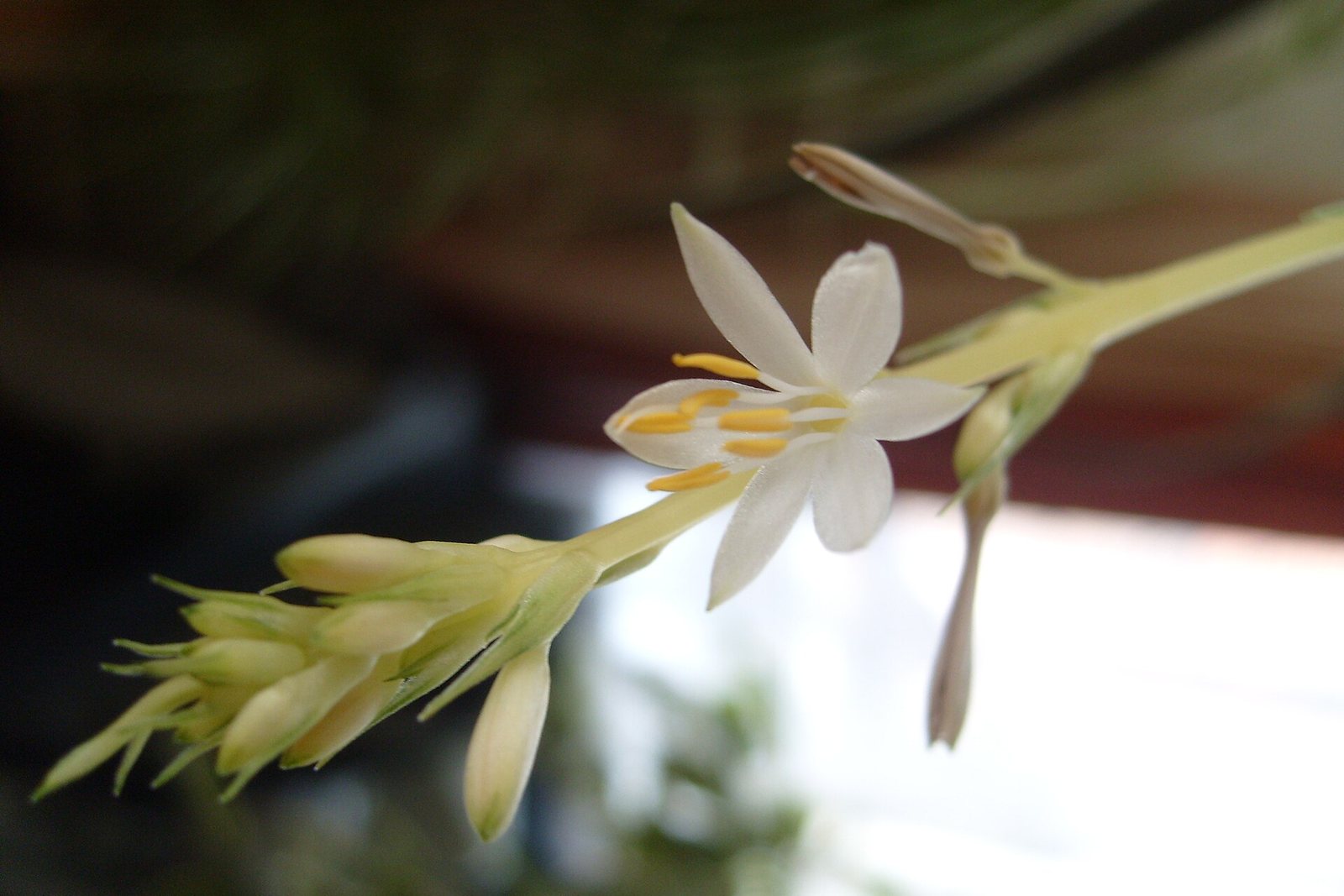
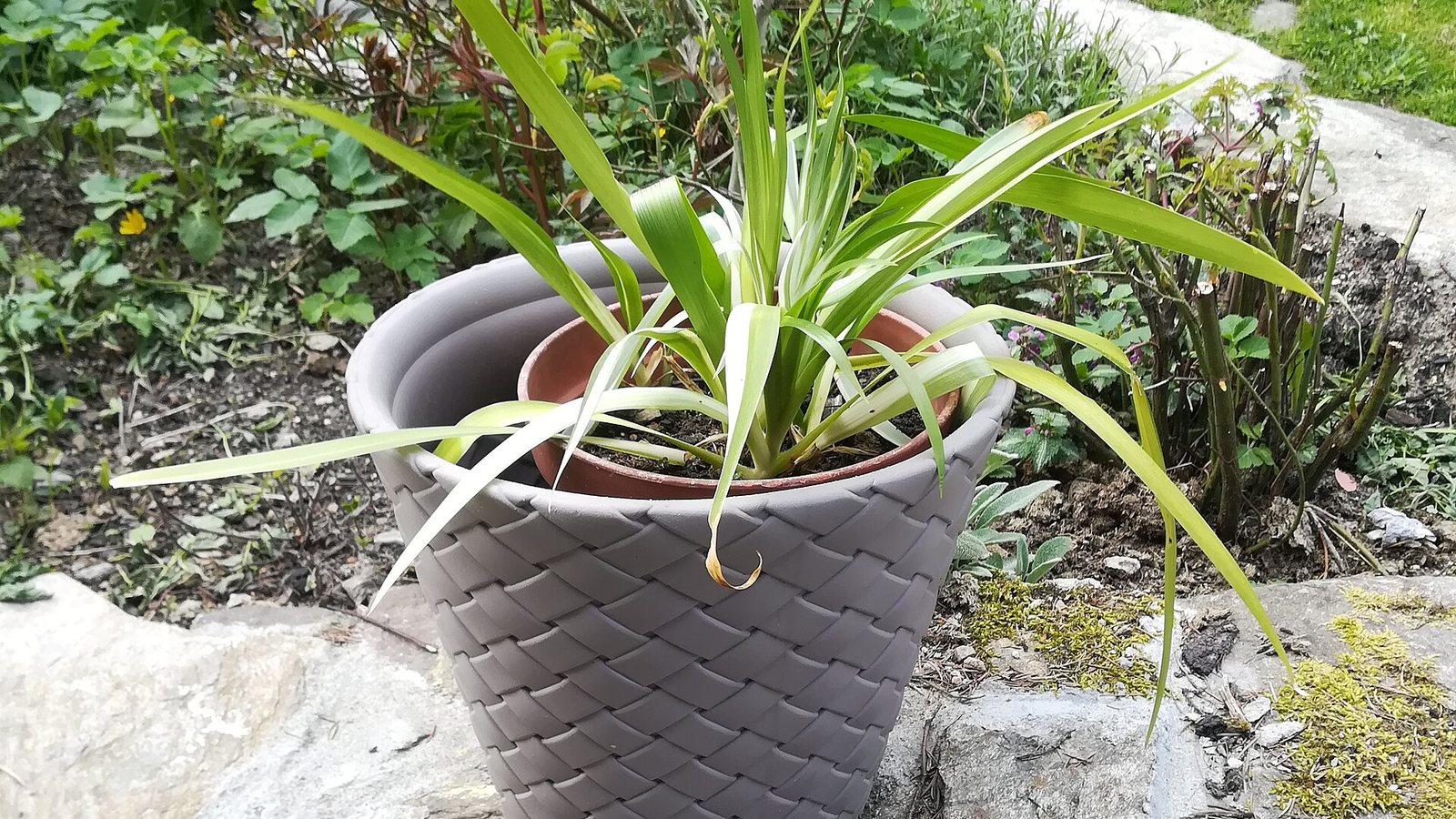 Photo: MOs810 · CC BY-SA 4.0
The spider plant (Chlorophytum comosum) is a tough, arching houseplant that sends out plantlets on long stems. Give it bright indirect light, let the top 2.5 cm (1 in) of soil dry between waterings, and use rainwater or filtered water if your tap water is fluoridated. The ASPCA lists it as non-toxic to cats and dogs.
At a glance
- Light
- Bright to moderate indirect light; tolerates shade, no direct midday sun
- Watering
- Let the top 2.5 cm (1 in) dry; less in winter; rainwater if tap water is fluoridated
- Humidity
- Medium; low humidity can brown the tips
- Temperature
- 18-24 °C (65-75 °F) by day, 10-13 °C (50-55 °F) at night; keep above 7 °C (45 °F)
- Soil
- Well-draining general-purpose potting mix, neutral pH (6.0-8.0)
- Size
- 30-45 cm (1-1.5 ft) tall, 30-60 cm (1-2 ft) wide; trailing in baskets
- Toxicity
- Listed by the ASPCA as non-toxic to cats and dogs
- Origin
- Tropical West Africa to Cameroon, Ethiopia to South Africa
On this page9
What light does a spider plant need?
The spider plant (Chlorophytum comosum, also sold as ribbon plant) is one of the most forgiving houseplants, and light is where it is most flexible. Clemson Extension recommends bright, indirect light and warns that midday sun can scorch the leaves. UF/IFAS says it prefers bright to moderate indirect light year-round and tolerates shade. NC State Extension goes further: it prefers medium light, tolerates deep shade and does not tolerate direct sun.
In practice, a spot a metre or two back from a bright window, or in a window with a sheer curtain, suits it well. Variegated plants may fade toward green in dim corners. If you are unsure how bright a room really is, the Smart light meter in Flori can measure it for you.
How often should you water a spider plant?
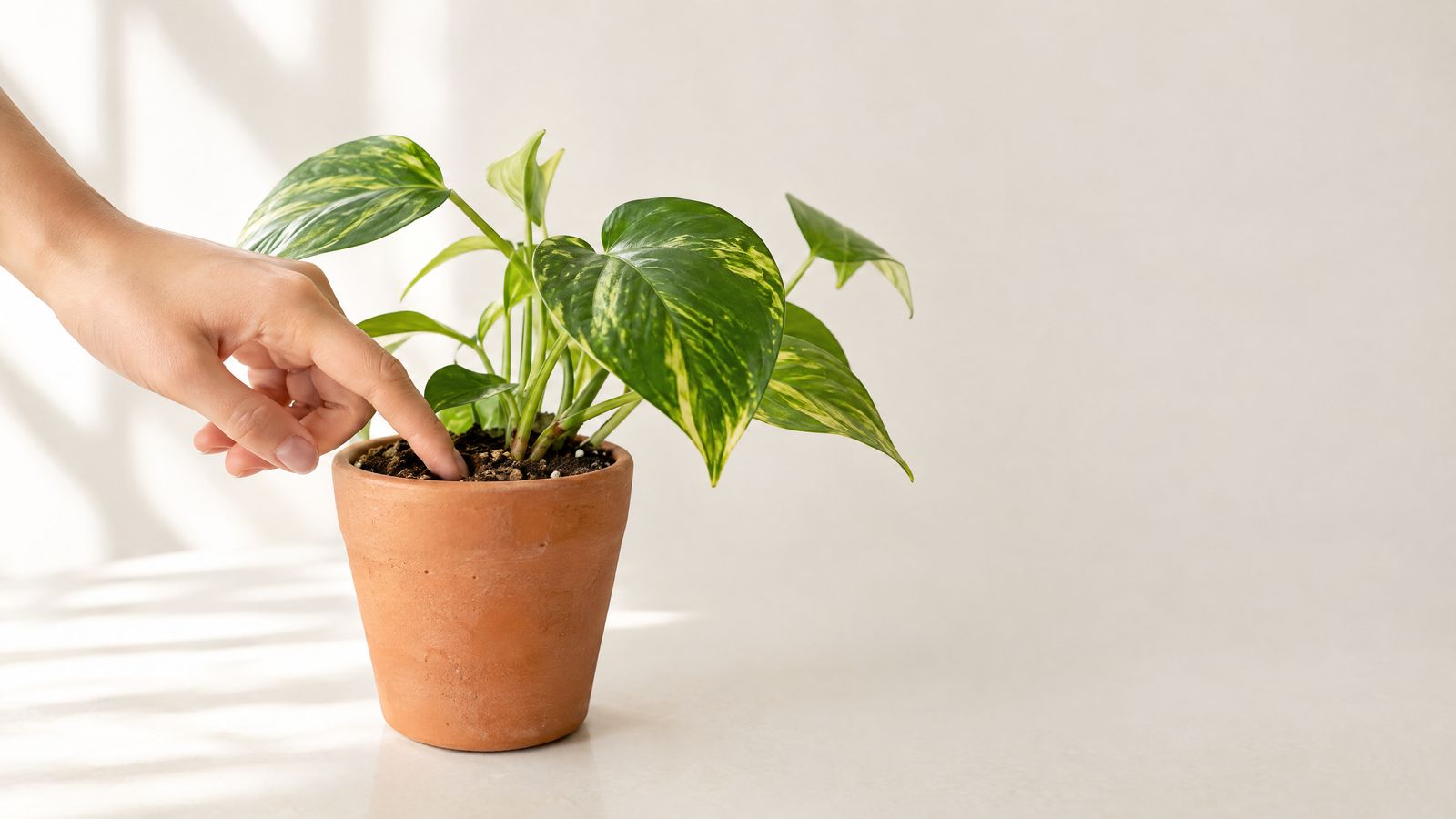
There is no calendar answer (our houseplant watering guide explains the finger test). Clemson Extension says to let the soil dry briefly between waterings, and UF/IFAS gives a concrete test: let the top 2.5 cm (1 in) of soil dry before you water again. NC State Extension adds that the plant grows best in moist soil but tolerates drought, and that it needs less water in winter.
Both overwatering and underwatering are the main trouble. Clemson notes that root rot usually comes from poorly draining soil or too much water. The thick, fleshy roots store water, which is why a plant that was missed for a week or two usually survives. If you cannot tell which mistake you are making, see overwatering vs underwatering.
Water quality matters more than with most plants. UF/IFAS says the spider plant is sensitive to fluoridated water and recommends rainwater or distilled water if your tap water is fluoridated. NC State also warns that tap water can burn leaf tips through chlorine and fluorides.
Soil, pot and repotting
Clemson recommends a general-purpose potting mix with good drainage. NC State lists a neutral soil pH (6.0 to 8.0) and good drainage. Use a pot with drainage holes and empty the saucer after watering.
UF/IFAS suggests repotting every year while the plant is young and every other year once it is mature. Clemson says repotting can be done at any time of year and advises dividing and repotting before the thick, fleshy roots crack the container. Move up only one pot size, or split the clump into two or three divisions.
Humidity and temperature
NC State lists medium air humidity and says a humidifier or a pebble tray with water can raise it. Clemson notes that low humidity can cause brown leaf tips.
For temperature, Clemson gives 18 to 24 °C (65 to 75 °F) during the day and 10 to 13 °C (50 to 55 °F) at night, and advises keeping the plant a few feet from windows in winter to avoid drafts. UF/IFAS considers anything below 13 °C (55 °F) too cool and anything above 27 °C (80 °F) too warm, and says to protect it from frost. NC State says to keep it above 7 °C (45 °F). A range of about 13 to 27 °C (55 to 80 °F) therefore keeps it comfortable.
Feeding
Clemson recommends a water-soluble or time-release houseplant fertilizer during active growth, always following the label, and waiting four to six months before feeding a newly potted plant. Do not overdo it: too much fertilizer is one of the causes of brown tips, and NC State notes that over-fertilizing reduces plantlet formation.
How do you propagate a spider plant?
The plantlets that dangle from long stems are the easy route. Clemson says they root readily when they touch soil: detach them once roots form and pot them in moist growing mix, at any time of year. UF/IFAS simply says to remove the plantlets and pot them. NC State notes that the plant can also be divided.
If your plant produces no plantlets, daylength may be the reason. NC State says plantlets form when the plant gets less than 12 hours of light a day, with long uninterrupted nights, for at least three weeks, and Clemson notes that offshoots form mostly as days shorten in autumn.
Why are the tips brown, and what else goes wrong?
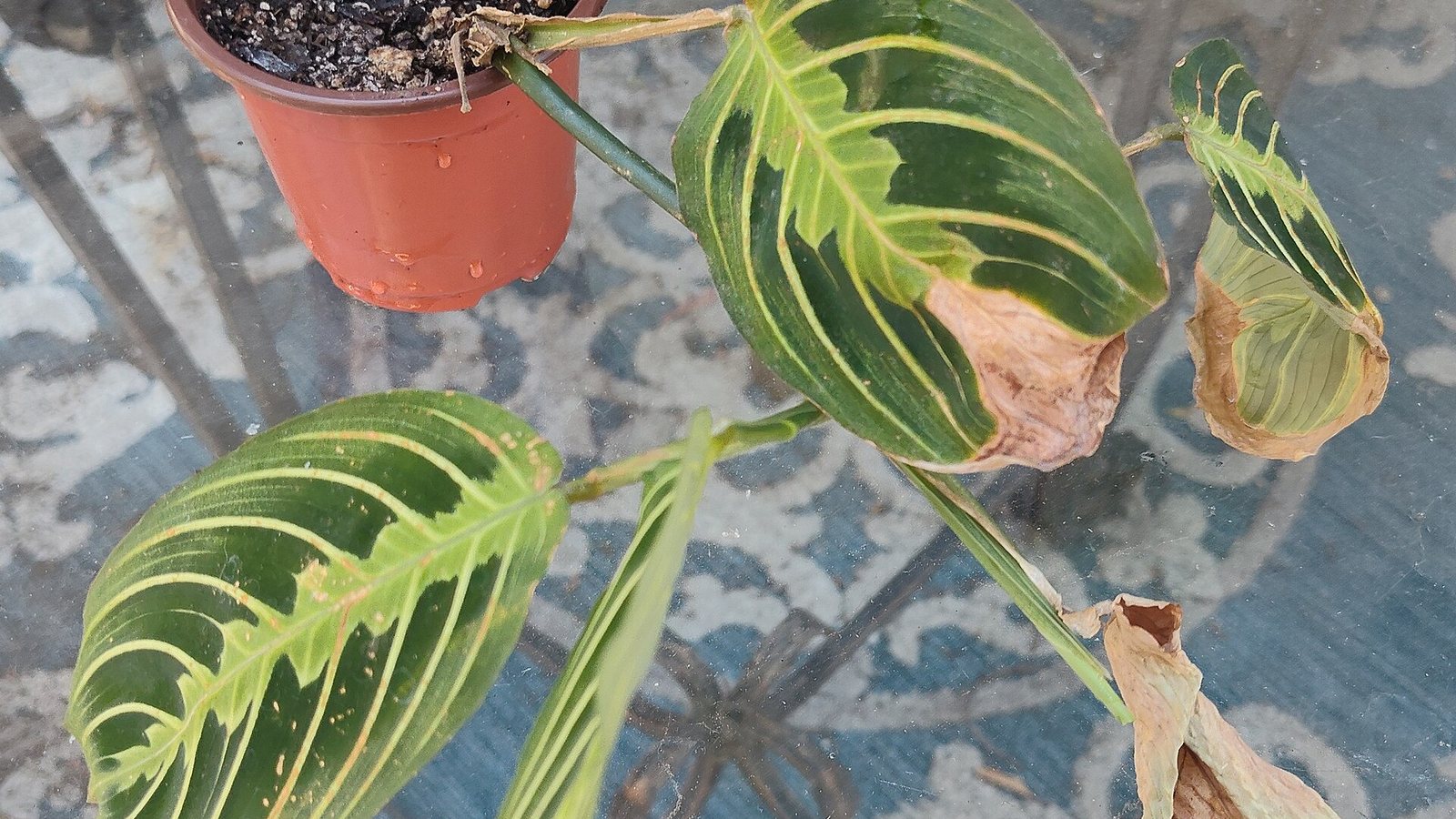
Brown tips are the classic spider plant complaint. Clemson lists too much fertilizer, high-salt water, low humidity and overly dry soil; UF/IFAS and NC State add fluoride and chlorine in tap water. Work through the list in that order: water quality first, then feeding, then humidity. Our guide to brown leaf tips shows how to tell the causes apart. Trimmed brown tips do not heal, but the leaf stays healthy if the cause is fixed.
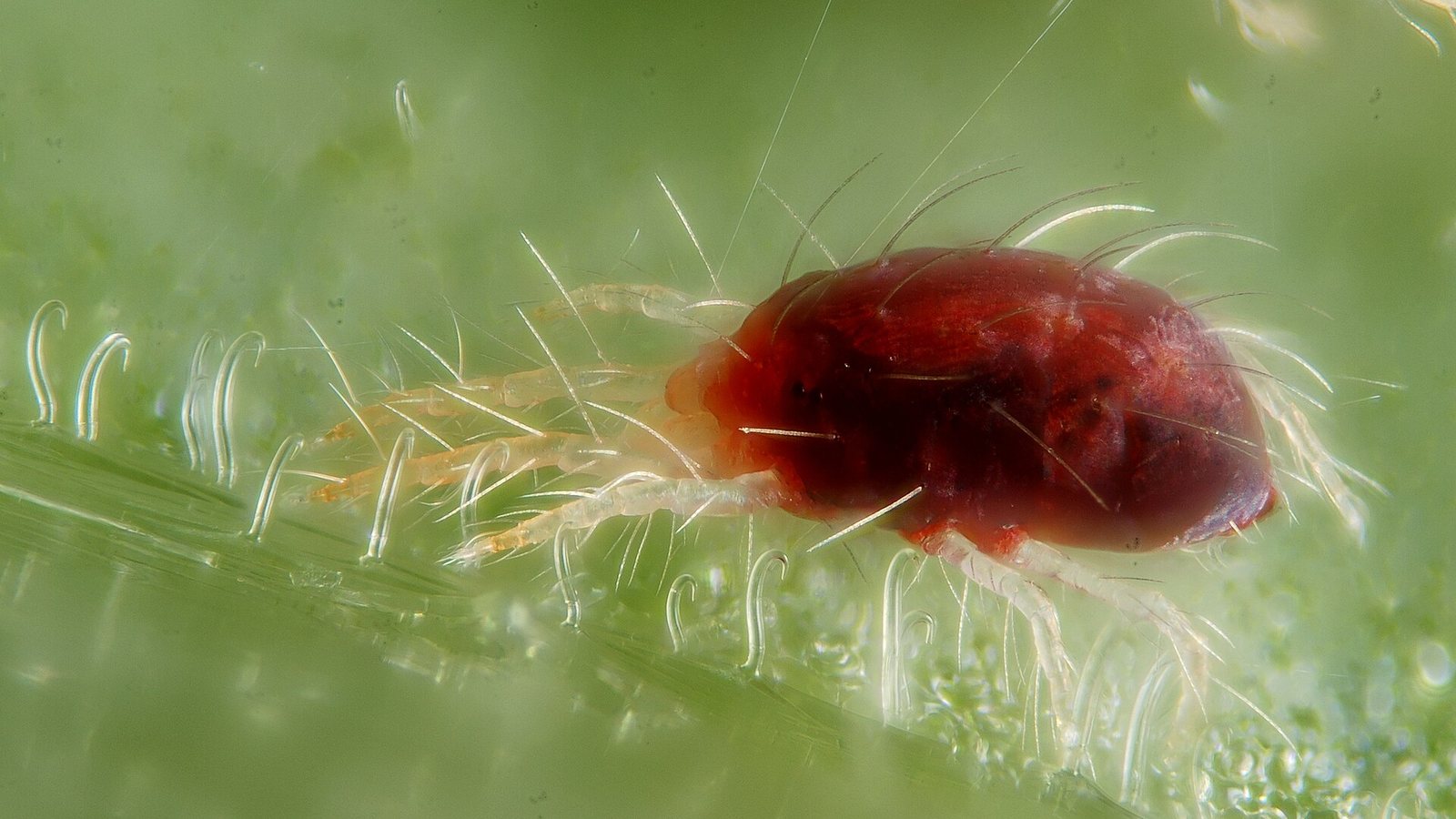
Clemson also lists whiteflies, spider mites, scales and aphids as possible pests and says diseases are rarely a problem indoors. NC State lists no significant pests or diseases. For mites, read spider mites on houseplants. Dr. Flori can suggest a likely cause from a photo or description of the leaves.
Is a spider plant safe for cats and dogs?
The ASPCA lists the spider plant (Chlorophytum comosum) as non-toxic to dogs and to cats; NC State also tags it as non-toxic for cats, dogs and horses. The ASPCA page does not describe any clinical signs, because none are listed. We found no approved source that describes its effects on people, so this page does not make a claim there. For a longer list, see pet-safe houseplants for cats and dogs. If you want another easy trailing plant, compare it with pothos (check the toxicity section on that page before buying if you have pets).
Varieties and where it comes from
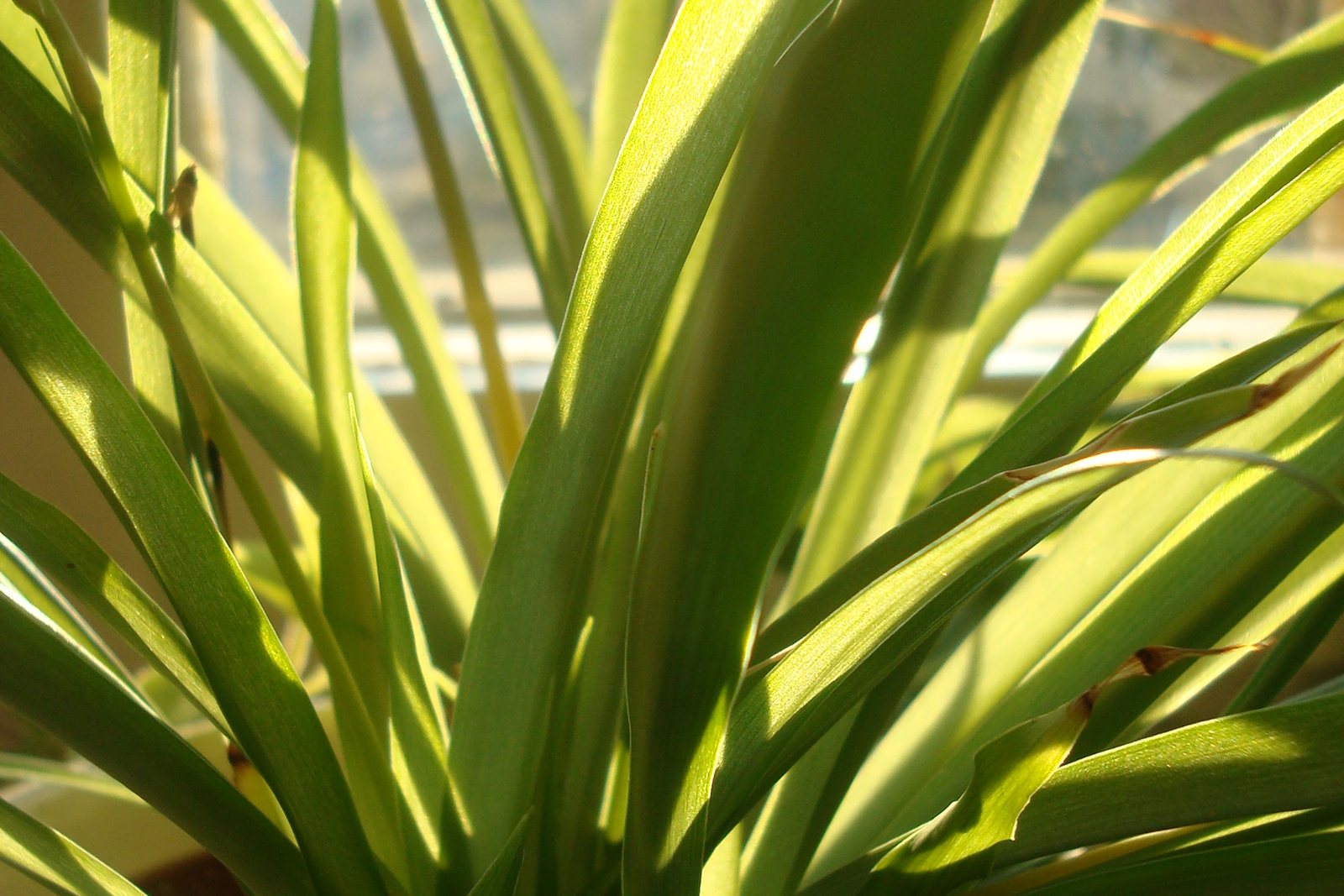
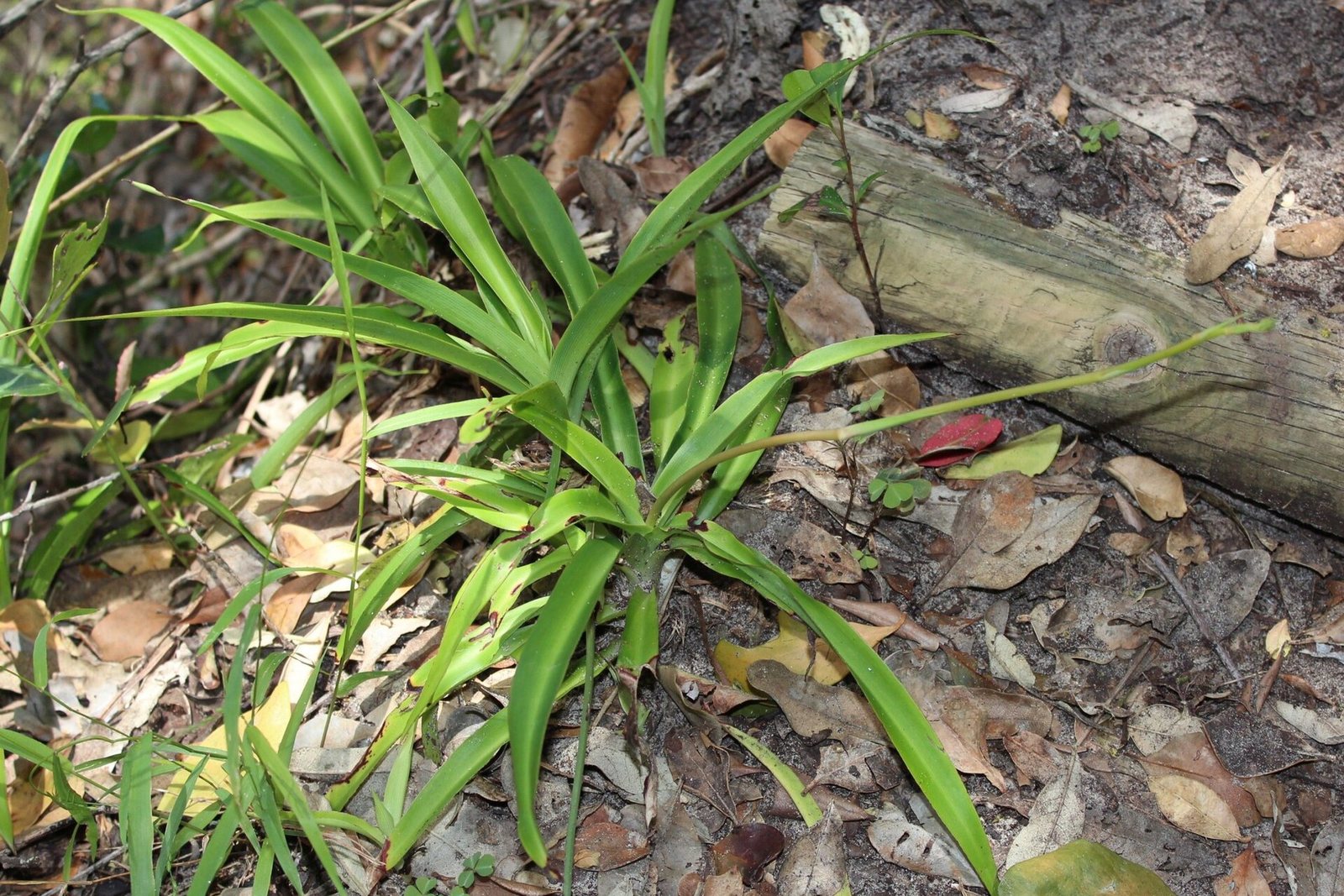
UF/IFAS says most spider plants have a white or yellow stripe down the centre of the leaf; the white-striped 'Vittatum' selection is the most common and all-green plants are the rarest. The plant forms mounds of narrow leaves of up to 30 to 45 cm (12 to 18 in) long and 2.5 to 7.5 cm (1 to 3 in) wide, according to NC State, and its native range runs from tropical West Africa to Cameroon and from Ethiopia to South Africa. NC State lists hardiness for USDA zones 9a to 11b.
One caution for warm climates: UF/IFAS no longer recommends the spider plant because its assessment predicts it will become invasive in Florida. If you garden in a frost-free region, keep it in pots and do not let plantlets escape into natural areas.
Frequently asked questions
Can a spider plant live in low light?
It tolerates shade: NC State Extension lists deep shade as a tolerated condition, though it prefers medium light and does not tolerate direct sun. Expect slower growth and fewer plantlets in dim rooms.
Why are my spider plant's leaf tips brown?
Clemson Extension lists too much fertilizer, high-salt water, low humidity and overly dry soil; UF/IFAS adds that the plant is sensitive to fluoridated water. Try rainwater or distilled water and check the other causes.
Is a spider plant poisonous to cats and dogs?
The ASPCA lists the spider plant as non-toxic to dogs and to cats. If your pet eats a large amount and seems unwell, call your vet.
How do I get a spider plant to make babies?
NC State Extension says plantlets form when the plant gets less than 12 hours of light a day, with long uninterrupted nights, for at least three weeks. Avoid over-fertilizing, which reduces plantlets.
How often should I repot a spider plant?
UF/IFAS suggests every year while young and every other year once mature. Clemson Extension says to divide and repot before the thick roots crack the container.
Sources
Written and fact-checked by the Flori team. Every guide cites horticultural sources such as the RHS, university extension services and the ASPCA, and is updated when the advice changes. How we write our guides
General plant care information. Plants vary; when a plant is valuable or a problem spreads quickly, consult a local nursery or plant specialist.