Overwatering vs Underwatering: How to Tell
Overwatering vs underwatering: a side-by-side symptom table, four quick tests (soil, weight, roots, response) and what to do for each problem.
 By Flori editorial team · Updated
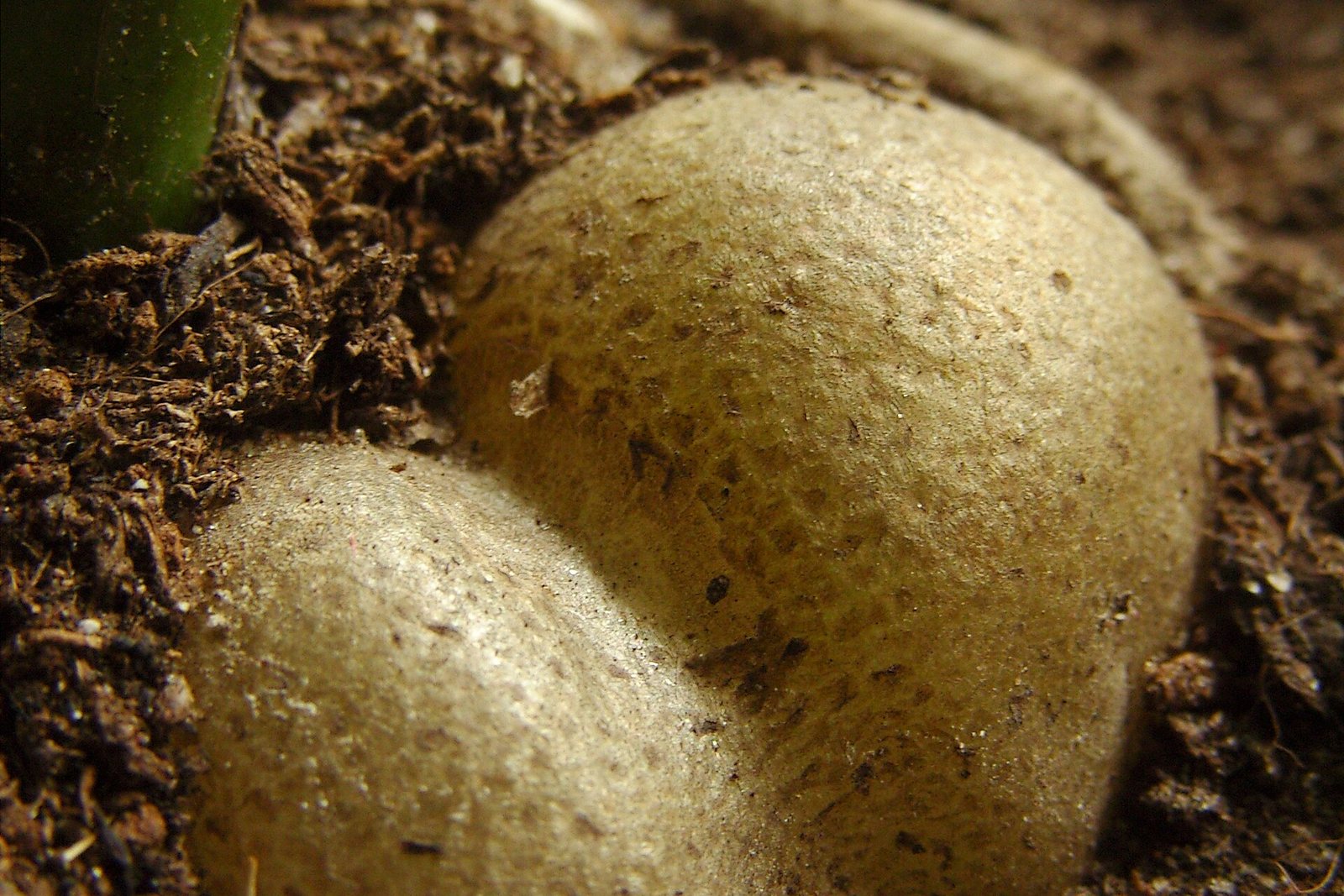
 Photo: Bas Leenders at https://www.flickr.com/photos/basl/ · CC BY-SA 2.0
Check the soil before the leaves. An overwatered plant wilts in wet soil, yellows old and new leaves at once and has dark, soft roots. An underwatered plant wilts in dry, light soil, gets crisp brown edges, loses its lowest leaves first and perks up within hours of a thorough watering.
Key takeaways
- Both problems cause wilting and yellow leaves, so the soil and roots, not the leaves, give the answer.
- Wilting in wet soil means roots short of oxygen; wilting in dry soil that recovers after watering means thirst.
- Dark, soft roots point to overwatering; trim a few rotten roots, but a plant with mostly dead roots rarely recovers.
- Very dry mix can repel water: water several times or soak the root ball for about 30 minutes.
On this page8
Is my plant overwatered or underwatered?
Overwatering vs underwatering is the most confusing call in houseplant care, because both make a plant wilt, yellow and drop leaves. Iowa State University Extension calls improper watering the number one reason people have problems with houseplants, and the RHS warns that a wilting plant is easy to mistake for a thirsty one when the real problem is too much water. This guide does not repeat how often to water. It gives you a side-by-side symptom table and four quick tests (soil, pot weight, roots, and the response to a drink) so you can tell which problem you have in five minutes, then a rescue plan for each.
Why do both problems look the same?
A plant wilts when its leaves lose water faster than the roots can supply it. In a dry pot there is simply no water to take up. In a waterlogged pot the cause is the opposite: Clemson Extension explains that too much water reduces the oxygen around the roots, so roots die from lack of oxygen and the plant can no longer absorb water, even though the mix is wet. The leaves end up in the same state, limp and yellowing, so the leaves alone rarely give you the answer. The soil and roots do.
Overwatering vs underwatering: symptom table
| What you see | Points to overwatering | Points to underwatering |
|---|---|---|
| Soil | Still wet or dark days after watering; may smell sour | Dry and light, pulling away from the pot edge |
| Wilting | Wilts while the soil is wet and does not recover after watering | Wilts in dry soil and perks up within hours of a good drink |
| Yellow leaves | Old and new leaves yellowing and dropping at the same time (RHS) | Older leaves at the base yellow and fall first (RHS) |
| Brown areas | Browning in the middle of leaves, mouldy patches (RHS) | Crisp, brown leaf edges (RHS) |
| Stems | Soft or rotting at the base | Firm but limp |
| Roots | Brown to black and soft (Clemson) | Firm and pale, but dry |
| Flowers | Mould on flowers | Flowers fade or fall quickly (RHS) |
Leaf curling and leaf drop can come from either problem, so treat them as a signal to run the tests below rather than as an answer on their own.
Four tests that settle it
1. The finger test
Push a finger into the mix. Iowa State says it is time to water when the soil is dry to the touch about 2.5 cm (1 in) down; the University of Illinois tests to about 5 cm (2 in). If the mix is wet at that depth and the plant is wilting, thirst is not the cause. Illinois adds that moisture meters are not always reliable, so trust your finger.
2. The weight test
Lift the pot just after watering and again when you know it is dry. Iowa State lists pot weight as a useful cue. A pot that still feels heavy a week after watering has not dried out, which usually means too much water, too little light or poor drainage.
3. The cachepot check
Lift the plant out of any decorative outer pot. The RHS suggests checking whether water has collected in the base and tipping it away. A plant standing in a hidden pool of water is overwatered no matter how carefully you measured.
4. The root check
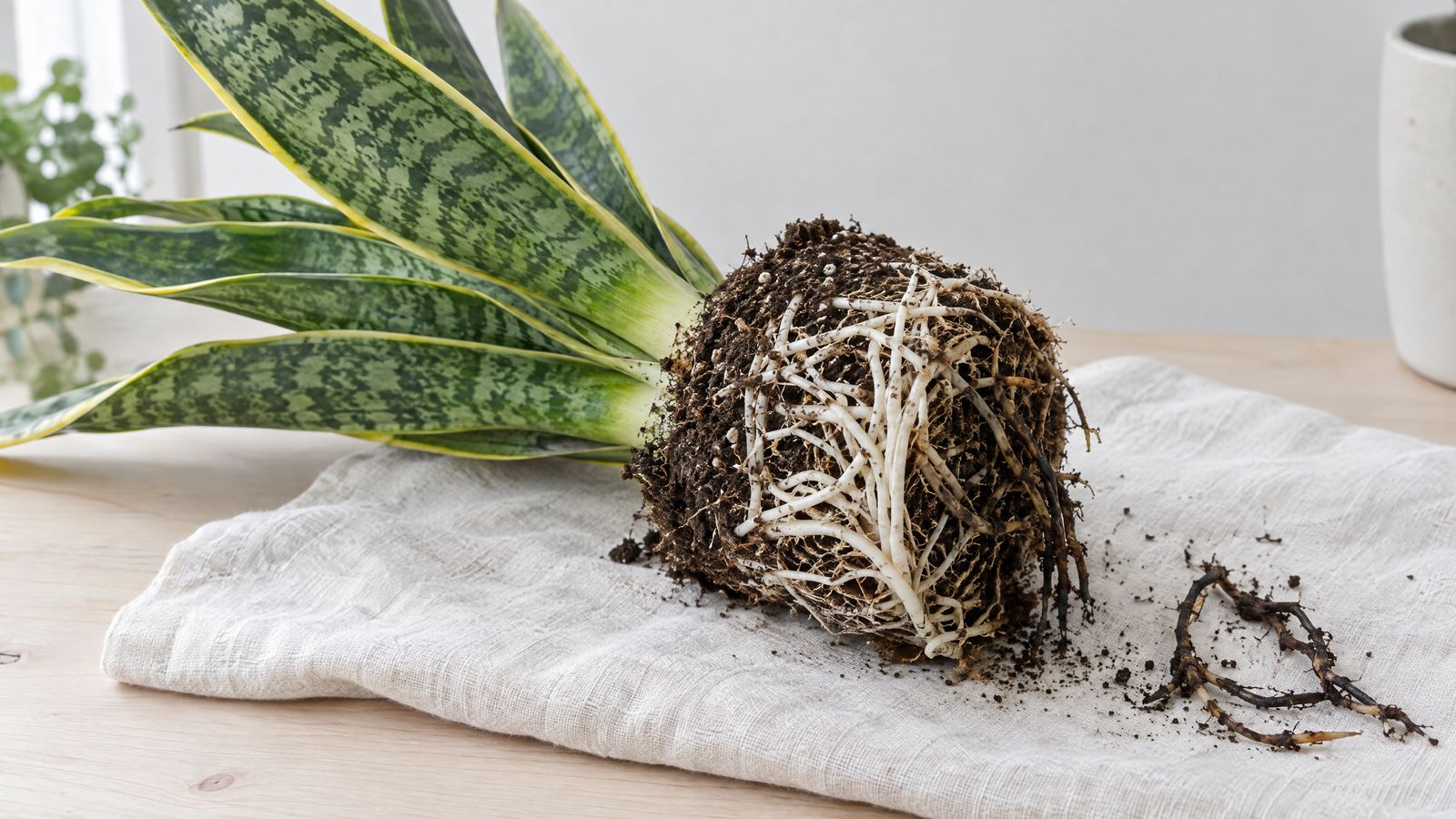
If you are still unsure, slide the plant out of its pot. Healthy roots are firm and light in colour. Clemson describes rotting roots as brown to black and soft, and the RHS points to dark, mushy roots as a sign of overwatering. Roots that are firm but surrounded by dust-dry mix point to underwatering.
What to do if the plant is overwatered
- Stop watering and empty any saucer or outer pot. Iowa State advises never letting plants sit in water and emptying saucers after 30 to 45 minutes.
- Check the drainage. Iowa State says every container must have a drainage hole and that a layer of gravel at the bottom does not make up for a missing one.
- Look at the roots. If only a few roots are rotten, Clemson advises cutting them out and repotting in fresh, sterile mix. If most roots are dark, soft and dead, Clemson says it is better to discard the plant, or take healthy cuttings first. Our root rot rescue plan walks through the repotting step by step.
- Tidy the leaves. The RHS suggests removing leaves that are mouldy or completely yellow or brown, since they will not recover, and keeping leaves that are still mostly green.
- Water again only when the top few centimetres are dry, and expect slower drying in winter, when the RHS notes overwatering is especially likely.
What to do if the plant is underwatered
- Water thoroughly until water runs from the drainage hole.
- Re-wet very dry mix. Iowa State notes that dry soil can be hard to re-wet: water several times in a row, or soak the root ball for about 30 minutes, then let it drain fully.
- Watch for recovery. A plant that was only thirsty usually stands up again within hours. Crisp brown edges will not turn green again, but new growth should be healthy.
- Fix the cause. Small pots, hot sunny windows and root-bound plants dry out fastest. Our guide on how often to water houseplants explains how pot, mix and season change the rhythm.
What if the plant shows signs of both?
This happens more than you would think. A plant that sat in wet mix for weeks loses roots, and the few roots left cannot keep up, so the leaves start to crisp like an underwatered plant. If the soil is wet and the leaves look dry, treat it as overwatering first and check the roots. Clemson also links overwatering to oedema, small corky bumps on the undersides of leaves, which is another clue that water, not thirst, is the issue. For a step-by-step look at limp plants, see drooping plant: causes and quick fixes, and for yellowing with other causes, the yellow leaves diagnosis guide.
How to avoid both problems
- Check, then water. Feel the mix every few days instead of watering on a fixed day; Iowa State recommends letting the mix dry between waterings without letting the plant wilt.
- Use pots with a drainage hole and empty saucers after watering.
- Match the mix to the plant. Iowa State notes that perlite and vermiculite improve drainage while peat moss and coir hold moisture, and that old potting mix breaks down and drains poorly, which is a reason to repot. See how to water houseplants for the full routine.
- Remember light. A plant in a dim corner uses little water, so the same amount that suits a bright window can drown it.
If you still cannot tell, describe the soil and leaves to Dr. Flori in the Flori app or send a photo: it asks follow-up questions, names the likely cause and says how urgent it is.
Frequently asked questions
Can an overwatered plant recover?
Often, if some roots are still firm and pale. Stop watering, empty saucers, cut out the rotten roots and repot in fresh mix. Clemson advises discarding plants whose roots are mostly dark, soft and dead.
Why is my plant wilting even though the soil is wet?
Waterlogged mix holds little oxygen, so roots die and can no longer take up water. Do not water again; check the drainage and the roots instead.
How long does an underwatered plant take to recover?
A plant that was only thirsty usually stands up again within hours of a thorough watering. Crisp brown edges stay brown, but new growth should be healthy.
Are moisture meters reliable?
Not always. The University of Illinois notes that meter probes may be unreliable, so check the mix with your finger about 2.5 to 5 cm (1 to 2 in) down.
Sources
Written and fact-checked by the Flori team. Every guide cites horticultural sources such as the RHS, university extension services and the ASPCA, and is updated when the advice changes. How we write our guides
General plant care information. Plants vary; when a plant is valuable or a problem spreads quickly, consult a local nursery or plant specialist.