Epipremnum aureum · Araceae
Pothos (Epipremnum aureum): Care, Light and Pet Safety
Pothos care: light, watering, temperature, humidity, propagation, common problems and pet toxicity, with numbers from extension services and the ASPCA.
- Bright indirect light
- Moderate water
- Easy care
- Toxic to pets
Also called: golden pothos, devil's ivy, taro vine, money plant; Scindapsus aureus
 By Flori editorial team · Updated
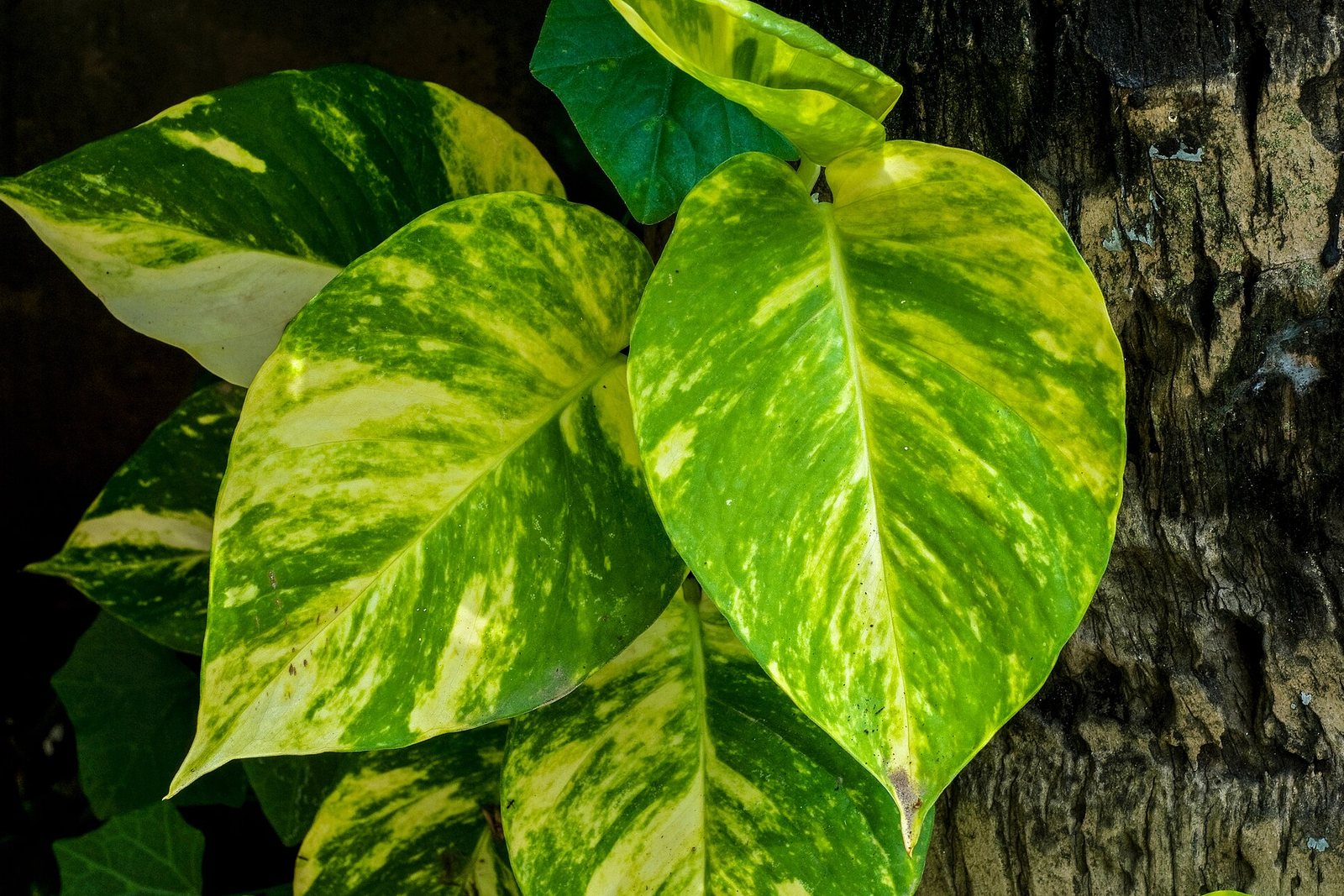
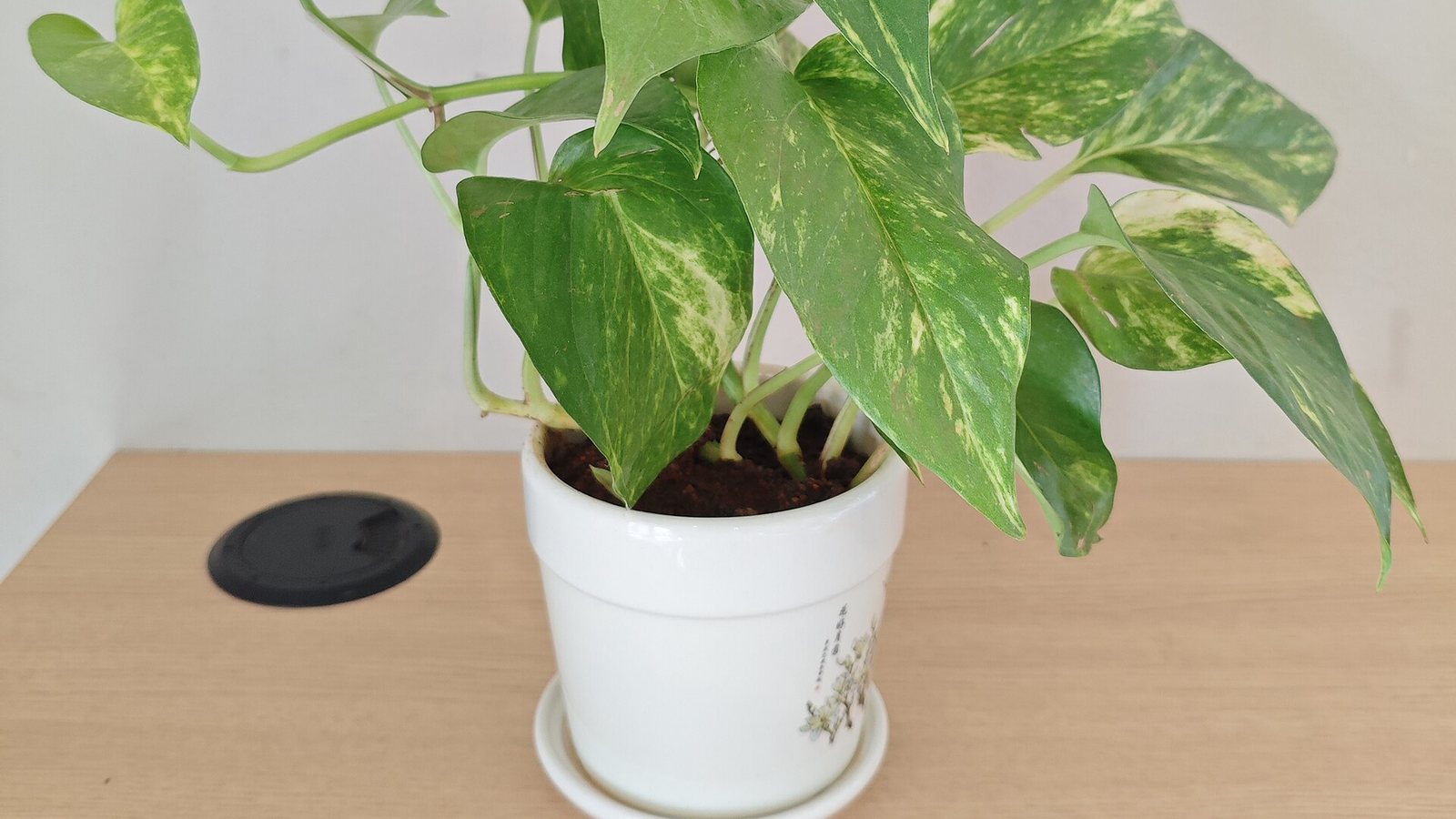 Photo: ChiK · CC BY-SA 4.0
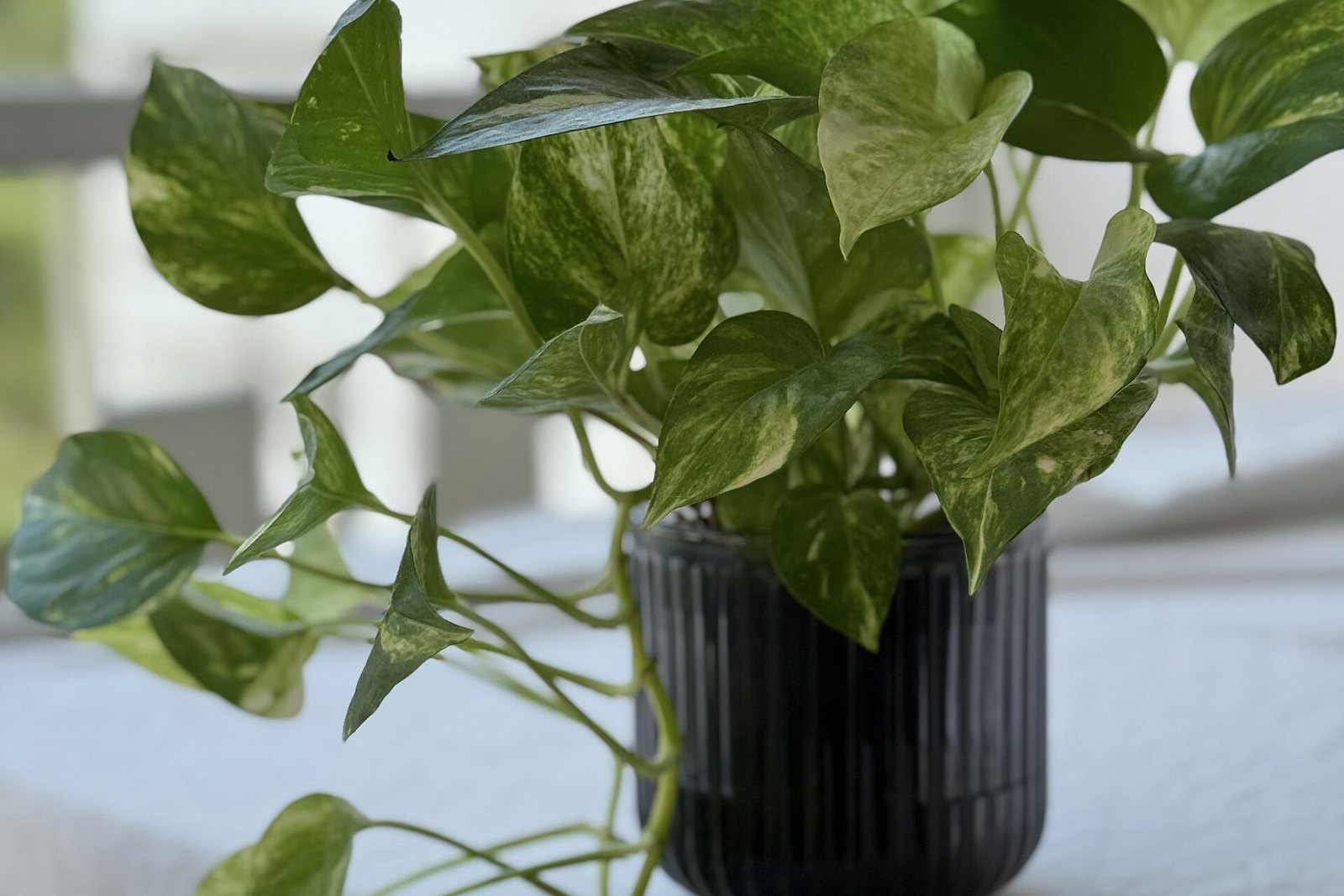
Pothos (Epipremnum aureum), also called golden pothos or devil's ivy, is an easy trailing houseplant. It prefers bright indirect light but tolerates low light, should dry out between waterings, and grows well at 16 to 29 °C (60 to 85 °F). It is toxic to cats and dogs, according to the ASPCA.
At a glance
- Light
- Bright indirect light; tolerates low light but variegation fades
- Watering
- Let the soil dry out between waterings, then water thoroughly
- Humidity
- Preferred 50 to 70%; tolerates the 30 to 60% of average homes
- Temperature
- Nights 16 to 21 °C (60 to 70 °F), days 21 to 29 °C (70 to 85 °F)
- Soil
- Airy, well-draining potting mix; pot with drainage holes
- Size
- Vines can reach up to 12 m (40 ft); indoors leaves a few inches long
- Toxicity
- Toxic to cats and dogs (ASPCA): mouth irritation, drooling, vomiting
- Origin
- Society Islands (French Polynesia)
On this page8
How much light does a pothos need?
Pothos (Epipremnum aureum, also called golden pothos, devil's ivy or taro vine) does best in bright, indirect light. Clemson Cooperative Extension says it tolerates lower light, and NC State Extension says it survives long periods in low light, but both warn about a cost: variegated types lose some of their colouring when the room is dim. A plain green pothos copes with dim rooms better than a pale, heavily marbled one.
- Bright, indirect light: keeps the yellow or white variegation and the leaf size.
- Low light: the plant lives, but growth slows and the variegation fades.
- Intense sun: Clemson lists leaf scorch and dry leaf tips as results of intense light, so pull the plant back from a hot south or west window.
How often should you water a pothos?
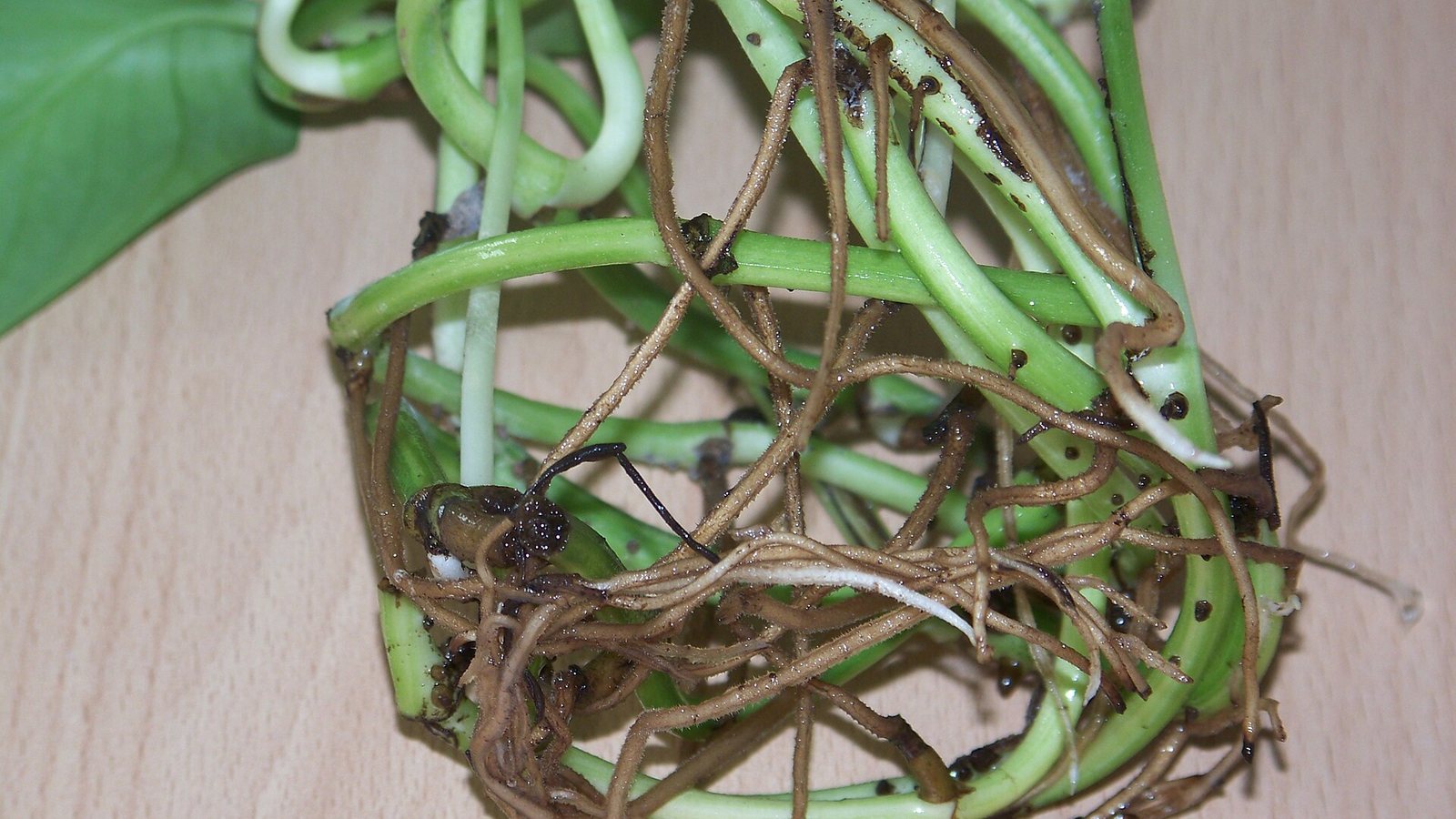
Let the potting mix dry out between waterings, then water thoroughly so moisture reaches all the roots. Clemson's quick guide says to "allow the soil to dry completely before watering", and NC State gives the same direction. Check by pushing a finger into the mix; if it is still damp, wait a few days. Root rot is the most common way a pothos is lost, and NC State adds that blackening leaf edges can come from overwatering.
How many days that takes depends on light, pot size and season, so there is no calendar rule. Our guide to yellow leaves helps tell too much water from too little, and a care reminder in Flori can prompt you to check instead of watering on a fixed day.
What soil and pot suit a pothos?
Use an airy, well-draining potting mix in a pot with drainage holes. Clemson says to repot when roots show through the drainage holes or the plant becomes root-bound, which is typically every year or two. Move up one pot size at a time. Hanging baskets suit the trailing habit; a moss pole or wooden rod gives climbing stems something to grip.
Does a pothos need humidity and warmth?
Ordinary home conditions are fine. Clemson gives these ranges:
| Factor | Preferred | Notes |
|---|---|---|
| Night temperature | 16 to 21 °C (60 to 70 °F) | Keep away from air-conditioning vents in summer |
| Day temperature | 21 to 29 °C (70 to 85 °F) | Avoid cold windowsills and heating vents in winter |
| Humidity | 50 to 70% | Average homes at 30 to 60% are tolerated; a humidifier can help |
If the leaf tips turn brown and dry in winter, low humidity or a draught is the usual suspect. See why leaf tips turn brown for the full checklist.
How do you feed, prune and propagate a pothos?
Feeding. Clemson recommends a houseplant fertiliser every other month in spring and summer; NC State says every other month except in winter, when the plant is dormant. Low fertility is one of the causes Clemson lists for yellow leaves.
Pruning. Trim stems to keep the plant bushy, especially in a hanging basket, and wipe the leaves now and then to remove dust (NC State).
Propagation. Stem cuttings root in soil or in water, but each cutting needs at least one node (Clemson). NC State notes the vines "easily root in water". The full method is in how to propagate pothos in water.
Size. Indoors the leaves are usually a few inches long. NC State says the trailing and climbing vines can grow as long as 12 m (40 ft), and Clemson notes that leaves can reach about 90 cm (3 ft) in the wild and develop holes when the plant is grown up a moss pole.
What are the common pothos problems?
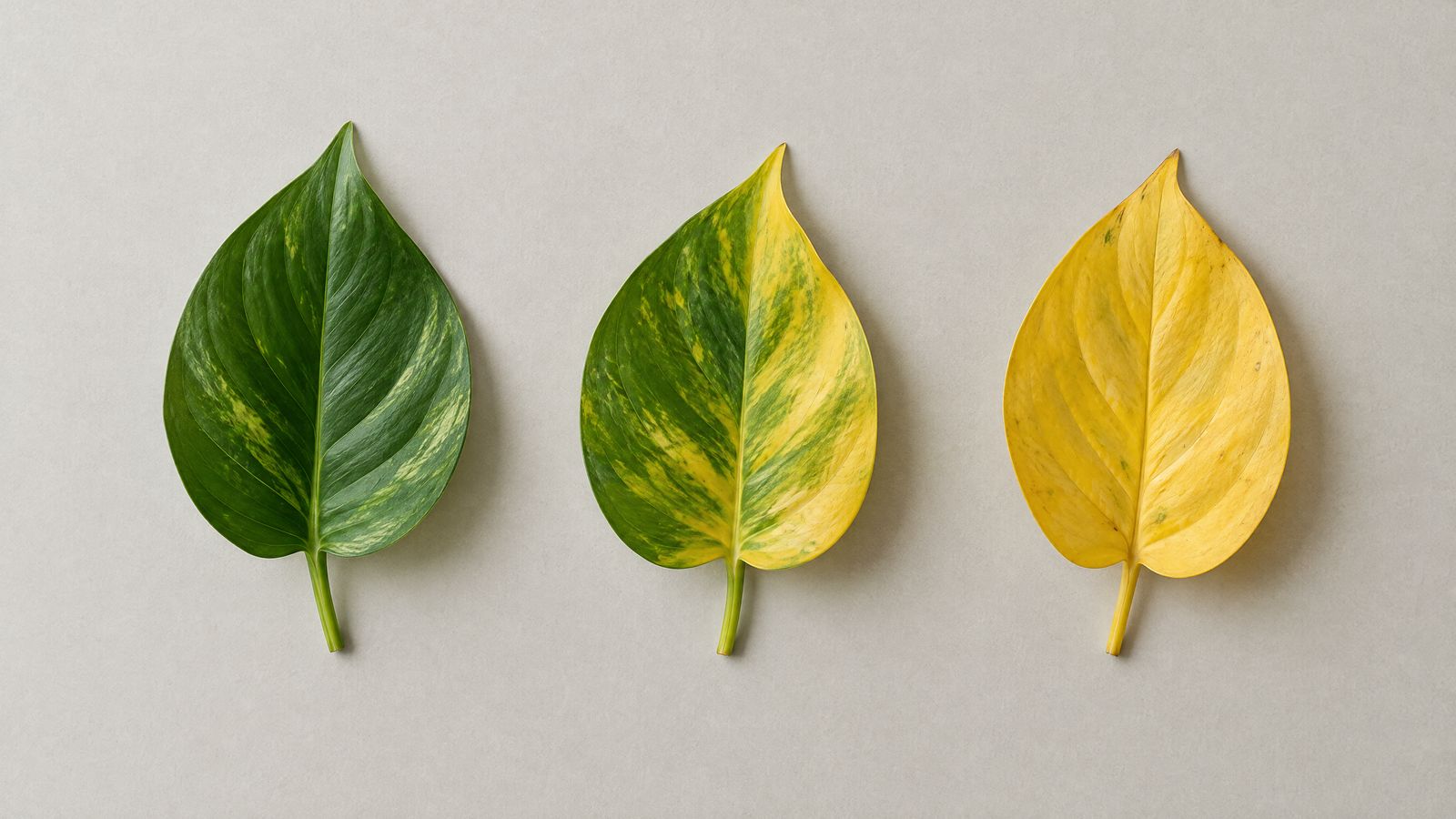
- Yellow leaves: overwatering or low fertility (Clemson). Check the roots and the soil before feeding.
- Mushy stems or a sour smell: root rot from wet soil or poor drainage.
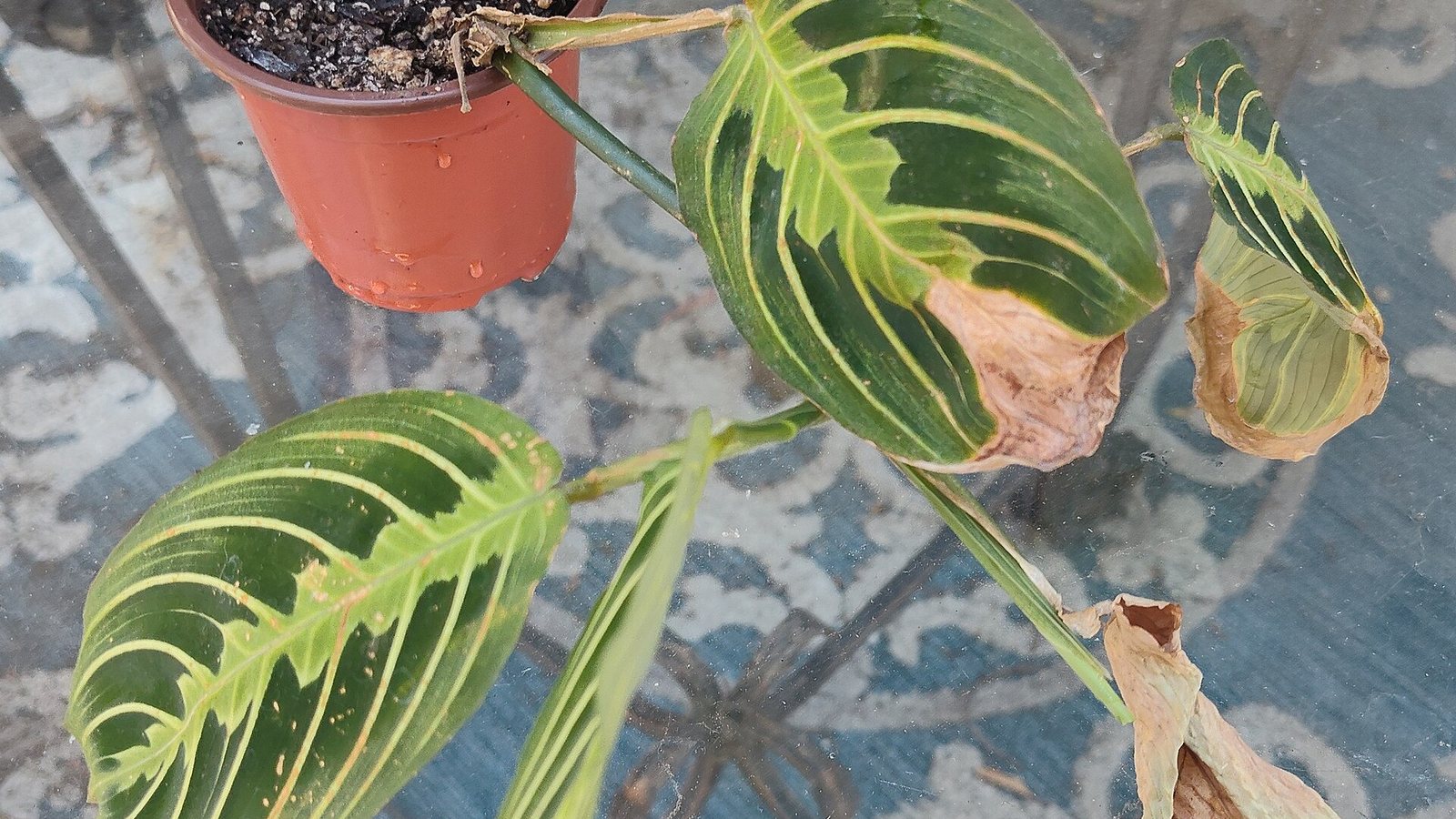
- Scorched patches or dry tips: low humidity or intense light.
- Fading variegation and small leaves: too little light.
- Pests: few indoors, but Clemson lists spider mites and mealybugs, and NC State adds scale and banded greenhouse thrips.
If you cannot tell which of these you have, describe it or send a photo to Dr. Flori, which asks follow-up questions and names the likely cause.
Is pothos toxic to cats and dogs?
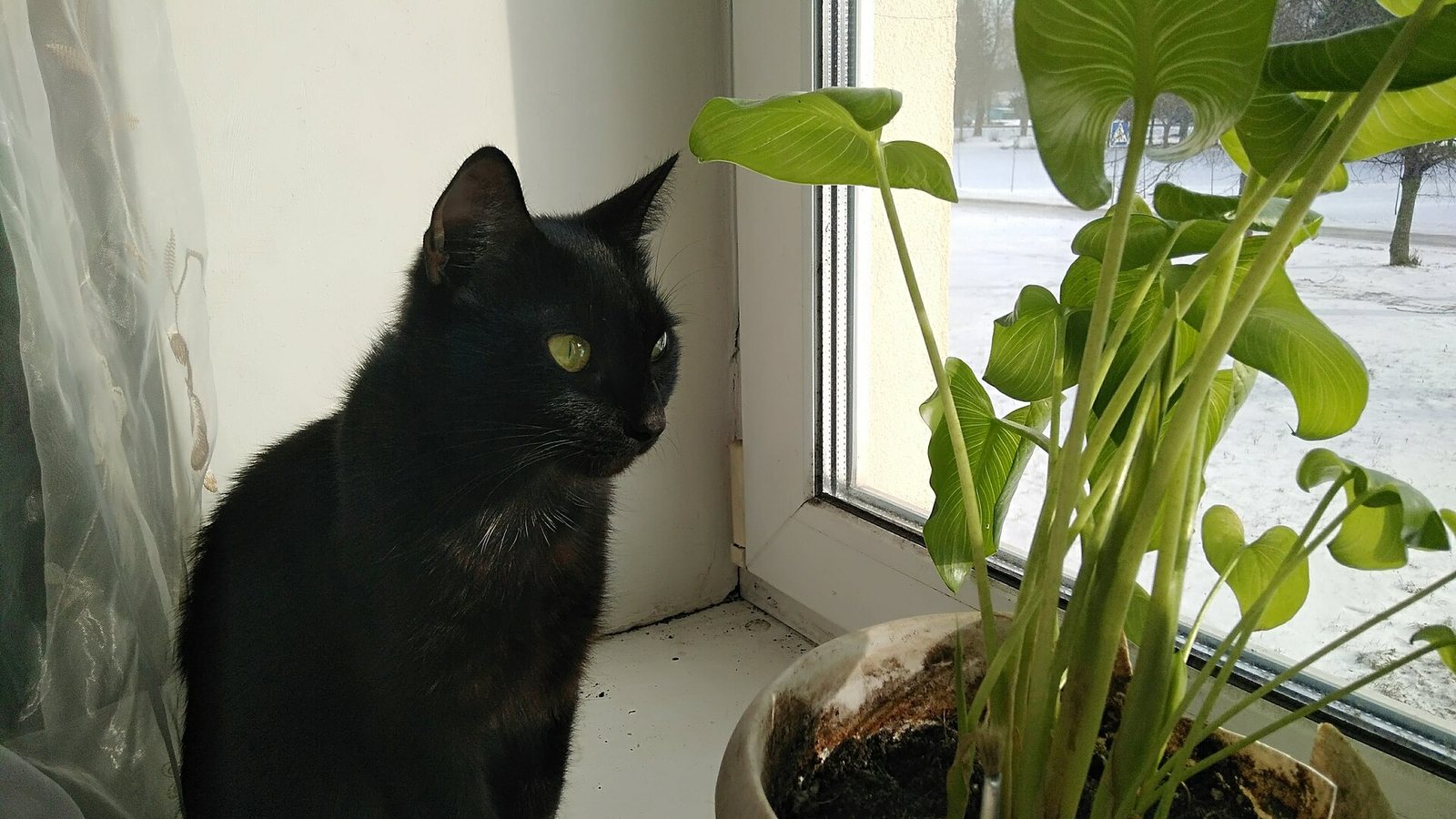
Yes. The ASPCA lists pothos (devil's ivy) as toxic to dogs, cats and horses. Signs include mouth irritation, pain and swelling of the mouth, tongue and lips, heavy drooling, difficulty swallowing and vomiting. The cause is calcium oxalate crystals, which NC State rates as medium severity and which can also cause contact dermatitis. Clemson says all parts are mildly toxic to people if eaten, with throat irritation and vomiting, so keep it away from small children as well.
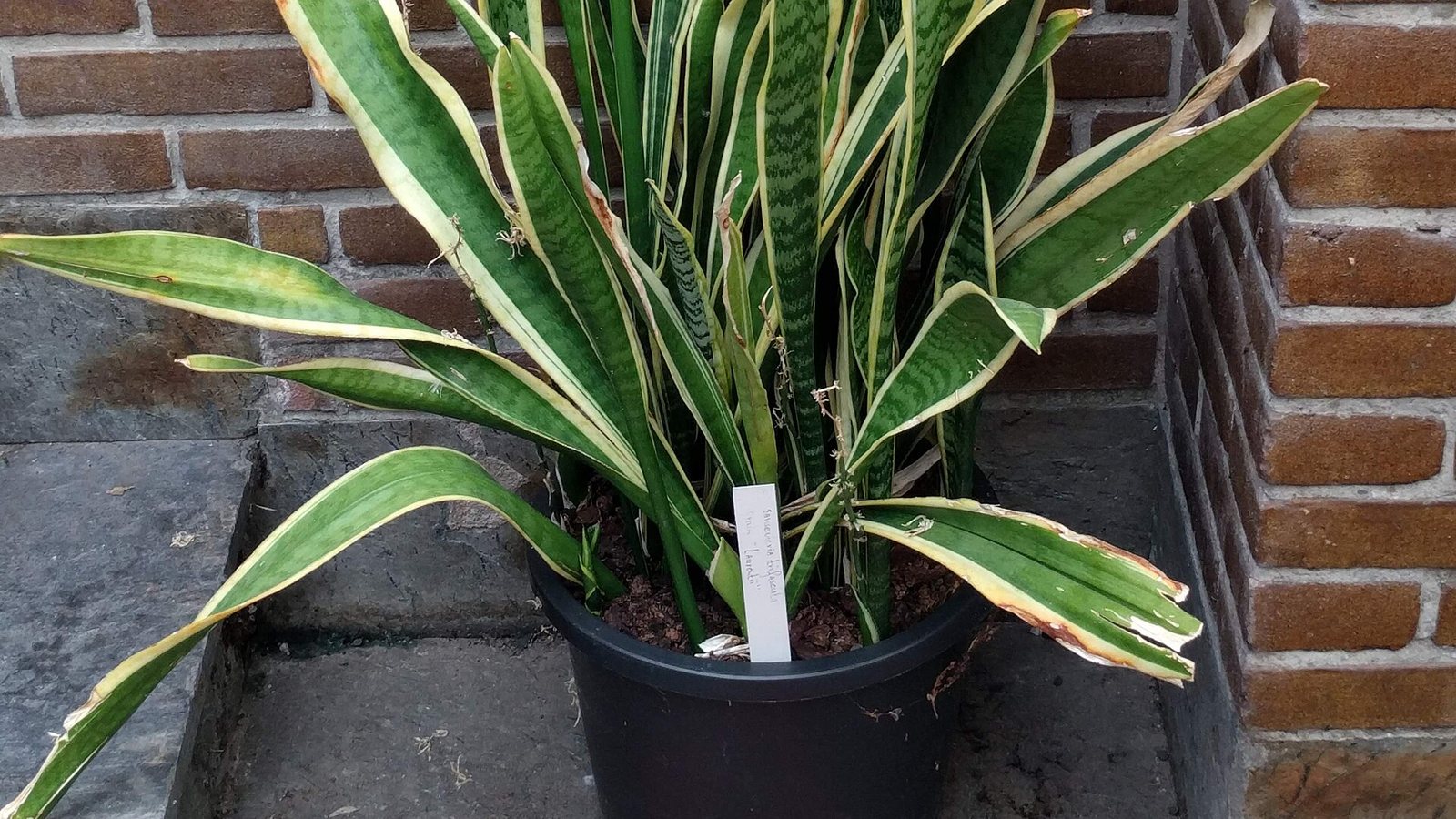
Hang it where pets cannot reach the trailing stems, and call a vet or the ASPCA Animal Poison Control Center if one chews it. For safer choices see pet-safe houseplants and plants toxic to cats. The snake plant is another easy plant that is toxic to pets.
Which pothos varieties are there?
Clemson describes these types of Epipremnum aureum:
- Golden Pothos: the common one, with yellow variegation.
- Marble Queen: white or cream variegation; needs more light.
- Snow Queen: mostly white leaves; needs plenty of bright, indirect light.
- Pearls and Jade: speckled green leaves with white spots; needs lots of light.
- Neon: lime-green, slender leaves; fast-growing and tolerates low light.
The rule of thumb: the more white a leaf has, the more light the plant wants.
Frequently asked questions
How often should I water a pothos?
When the soil has dried out. Clemson Extension says to let it dry completely before watering, then water thoroughly. The interval depends on light, pot size and season.
Can pothos grow in low light?
Yes, it survives for long periods in low light, but growth slows and variegated types lose some of their colouring.
Is pothos poisonous to cats and dogs?
Yes. The ASPCA lists pothos as toxic to dogs and cats, causing mouth irritation, swelling, drooling and vomiting. Keep the trailing stems out of reach.
Can I grow pothos in water?
Yes. Stem cuttings root in water or soil, as long as each cutting has at least one node. See our guide to propagating pothos in water.
Why are my pothos leaves turning yellow?
Clemson Extension lists overwatering and low fertility as the causes. Check the soil moisture and drainage first.
Sources
Written and fact-checked by the Flori team. Every guide cites horticultural sources such as the RHS, university extension services and the ASPCA, and is updated when the advice changes. How we write our guides
General plant care information. Plants vary; when a plant is valuable or a problem spreads quickly, consult a local nursery or plant specialist.