Dracaena trifasciata · Asparagaceae
Snake Plant (Dracaena trifasciata): Care and Facts
How to care for a snake plant: light, watering, soil, size, problems and pet toxicity, with numbers from extension services and the ASPCA.
- Bright indirect light
- Little water
- Easy care
- Toxic to pets
Also called: mother-in-law's tongue, Sansevieria, good luck plant; Sansevieria trifasciata
 By Flori editorial team · Updated
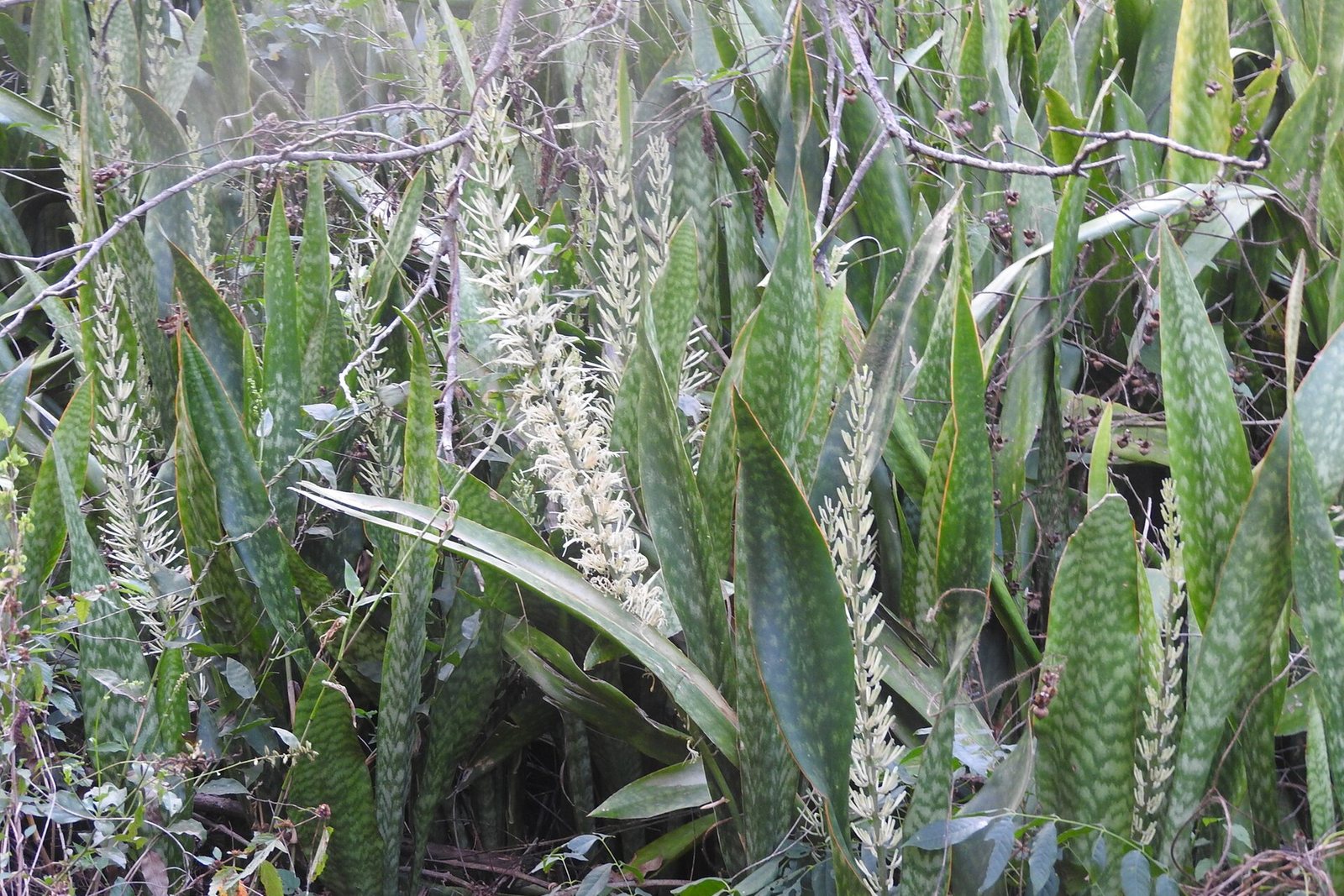
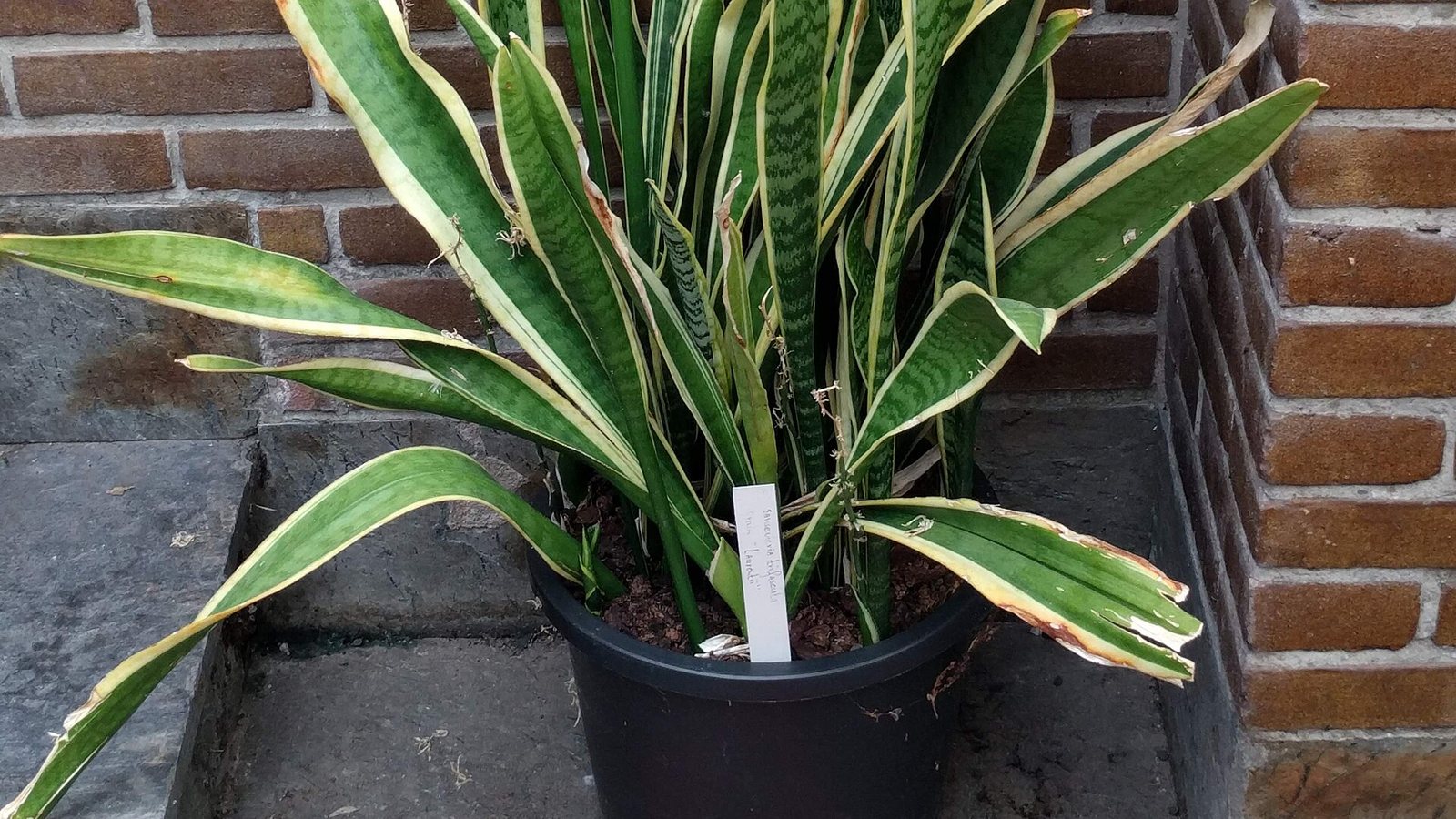 Photo: Rudolphous · CC BY-SA 4.0
The snake plant (Dracaena trifasciata, formerly Sansevieria) is a tough succulent houseplant from West Africa. It likes bright indirect light but tolerates low light, needs water only when the soil is dry, and wants a gritty, well-drained mix. It is toxic to cats and dogs, according to the ASPCA.
At a glance
- Light
- Bright indirect light; tolerates low light and a few hours of direct sun
- Watering
- Only when the soil is dry; in winter about every 1 to 2 months
- Humidity
- Tolerates low humidity; no misting needed
- Temperature
- Normal room temperatures; tolerates cool air down to about 10 °C (50 °F)
- Soil
- Fast-draining cactus mix or soil with perlite; pot with drainage holes
- Size
- Up to about 1.2 m (4 ft); dwarf types about 15 cm (6 in)
- Toxicity
- Toxic to cats and dogs (ASPCA): nausea, vomiting, diarrhoea
- Origin
- West and West Central Africa
On this page8
- How much light does a snake plant need?
- How often should you water a snake plant?
- What soil and pot suit a snake plant?
- Does a snake plant need humidity or warmth?
- How do you feed, repot and propagate a snake plant?
- What are the common snake plant problems?
- Is a snake plant toxic to cats and dogs?
- Which snake plant varieties are there?
How much light does a snake plant need?
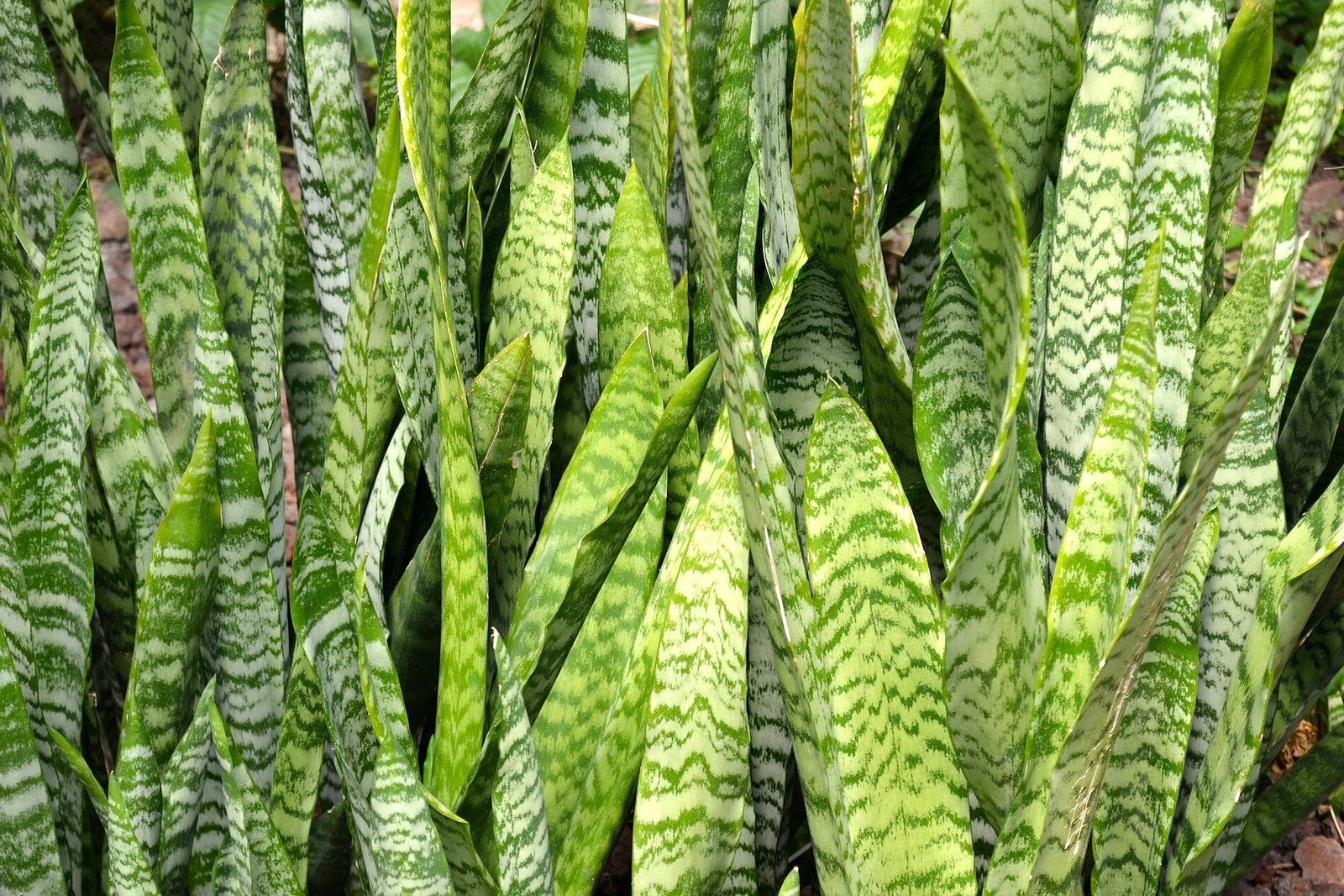
A snake plant (Dracaena trifasciata, still sold as Sansevieria trifasciata) grows best in bright, indirect light, and it tolerates low-light corners better than almost any other houseplant. Penn State Extension says it "enjoys bright indirect light but tolerates low-light areas very well", and NC State Extension adds that it can take direct sun for 2 to 6 hours a day. Colorado State Extension notes that in dim rooms the markings on the leaves are less pronounced, and growth slows.
Keep it out of hard afternoon sun on a hot windowsill, which can burn the leaves. A spot a metre or two (3 to 6 ft) back from a bright window, or a shaded corner of a sunny room, works well.
| Position | What to expect |
|---|---|
| Bright, indirect light | Best colour and steady growth |
| A few hours of direct sun | Tolerated (NC State: 2 to 6 hours a day); avoid scorching midday sun behind glass |
| Low light | Survives, but grows slowly and the leaf pattern fades |
How often should you water a snake plant?
Less often than you think. This is a succulent-type plant that stores water in its leaves and rhizomes, and overwatering is the main way it dies. Penn State says to water only when the soil is dry and that the plant can go "a month or so" without water with no lasting harm. NC State gives a seasonal rule: let the soil dry between waterings from spring to autumn, and in winter water only every one to two months.
- Check first: push a finger or a wooden skewer to the bottom of the pot. If anything feels damp, wait.
- Water around the plant, not into the centre of the rosette (Colorado State Extension).
- Always use a pot with drainage holes and empty the saucer.
The exact interval depends on light, pot size and room temperature, so there is no single day count. Our guide on how often to water houseplants shows how to judge it, and overwatering vs underwatering helps when the leaves look unwell.
What soil and pot suit a snake plant?
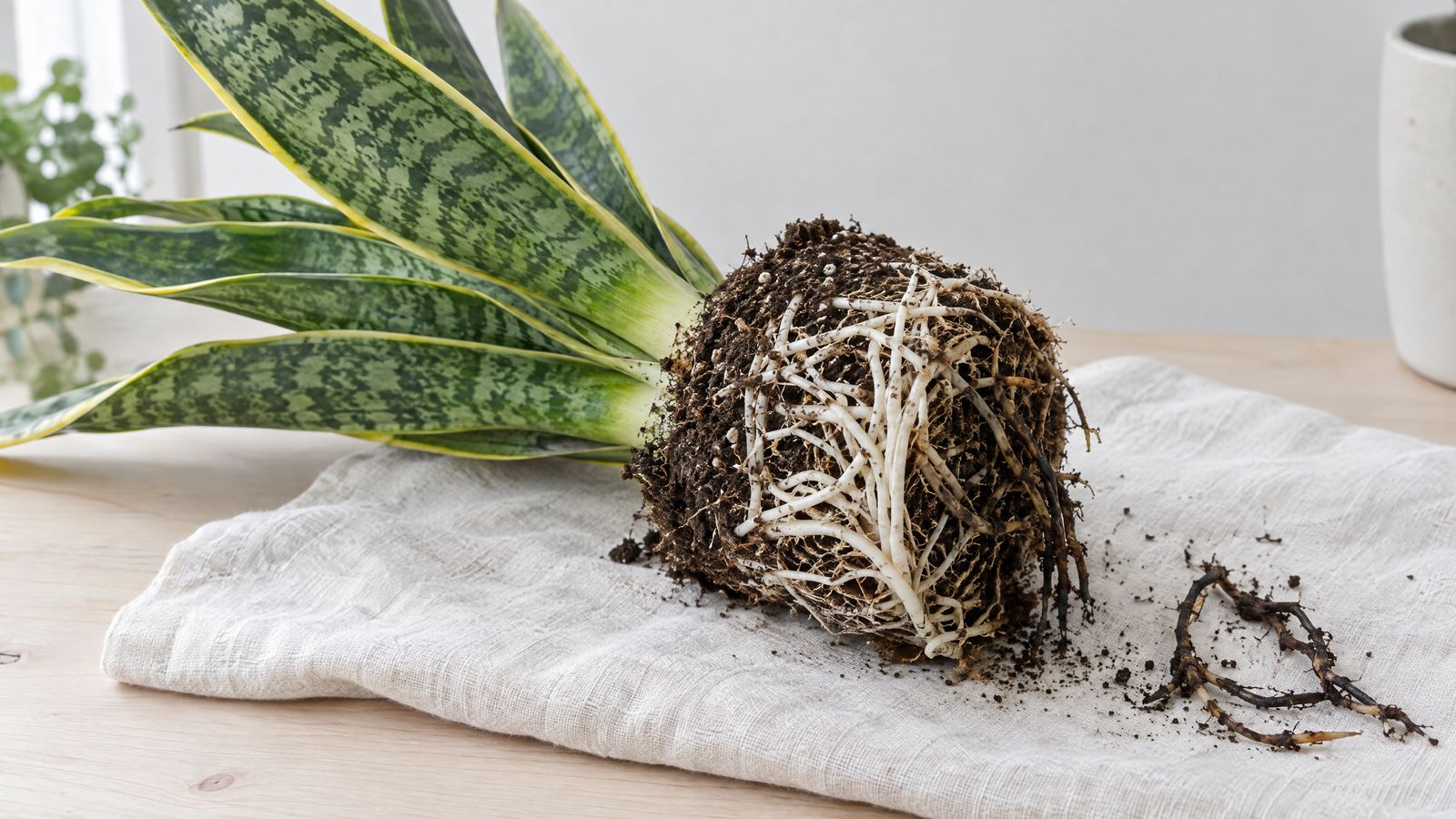
Use a fast-draining mix. Penn State recommends a cactus potting mix or one with perlite added; NC State simply asks for well-drained soil. A heavy, water-holding mix is the usual cause of root rot. Snake plants have stiff, upright leaves and can become top-heavy, so Colorado State Extension suggests clay or ceramic pots, which are harder to tip over than plastic.
Repot rarely. Penn State says "every 5 years or so", and every 3 years for the short 'Hahnii' type. Go up only one pot size, and repot sooner if roots are pushing the pot apart.
Does a snake plant need humidity or warmth?
No misting is needed. NC State describes the plant as tolerating low humidity and cool temperatures down to around 10 °C (50 °F), so ordinary dry room air is fine. It is hardy outdoors only in USDA zones 10 to 12, which means it should come inside well before frost. Keep it away from cold draughts and from hot radiators.
How do you feed, repot and propagate a snake plant?
Feeding. Penn State suggests an all-purpose fertiliser at half strength once a month in the growing season, and none in winter. A care reminder in Flori can keep that rhythm without you counting weeks.
Propagation. Division is the easiest method: separate a clump with its rhizome and roots and pot the pieces on their own. Leaf cuttings also work. Cut a leaf into sections, insert the pieces in potting mix, and Colorado State Extension says they root in "a few weeks".
Size. Penn State says the species can reach about 1.2 m (4 ft) tall; 'Hahnii' stays near 15 cm (6 in) and 'Bantel's Sensation' reaches about 90 cm (36 in).
What are the common snake plant problems?
Few things trouble a snake plant, and most start with water. NC State lists root rot from overwatering as the main risk, and mealybugs and spider mites as the pests to watch for (it also lists banded greenhouse thrips and fern scale).
- Soft, mushy base or leaves that fall over: usually rot from wet soil. See the root rot rescue plan.
- Cottony white clusters in leaf joints: mealybugs; wipe them off and keep checking.
- Webbing or speckling: spider mites.
- Pale, wrinkled leaves: the soil has been dry for a long time, or the plant is root-bound.
If you are unsure what you are seeing, Dr. Flori can work from a description or a photo and suggest the likely cause.
Is a snake plant toxic to cats and dogs?
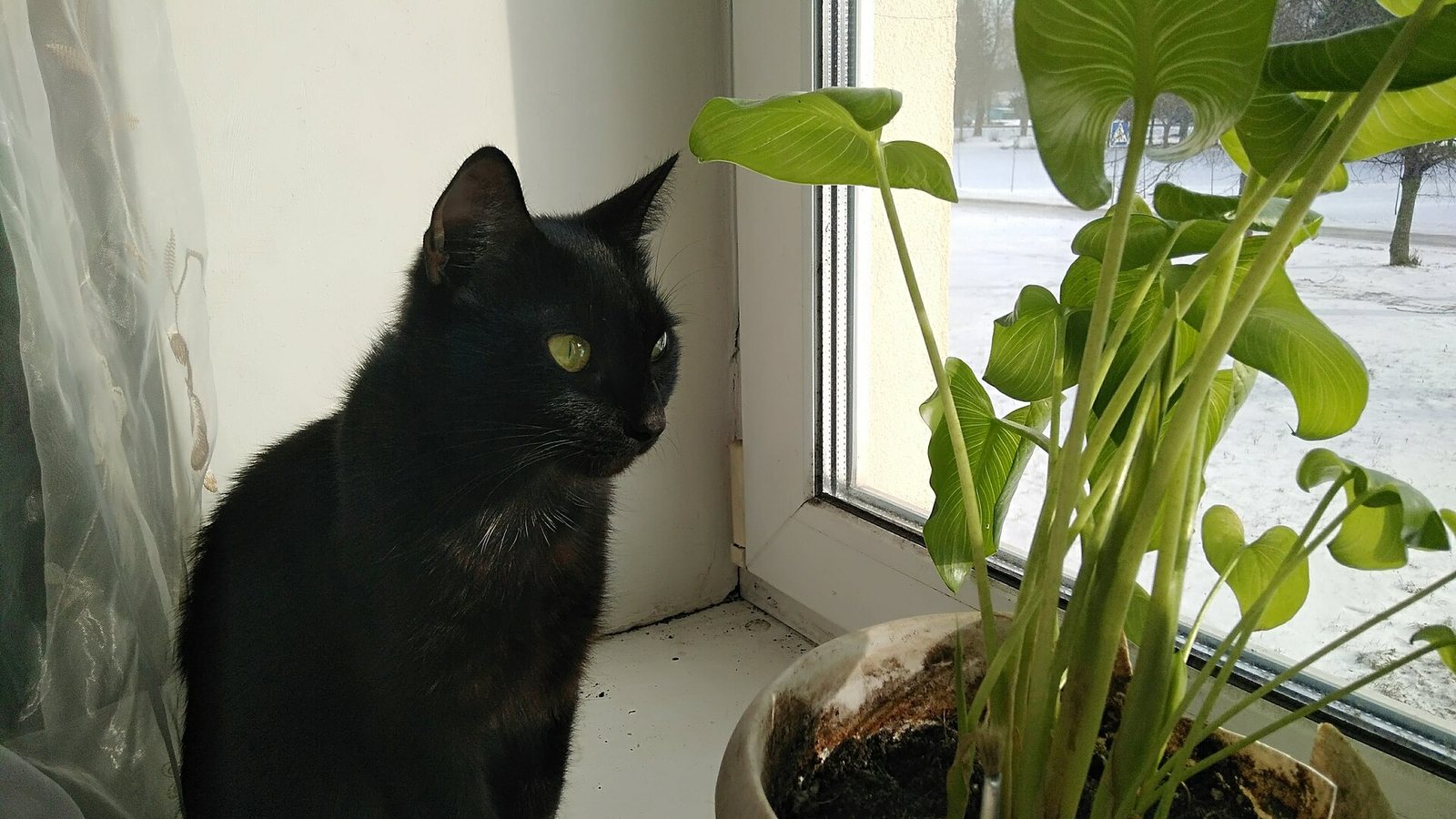
Yes. The ASPCA lists the snake plant as toxic to both cats and dogs, with nausea, vomiting and diarrhoea as the signs. NC State identifies saponins as the toxic compounds, rates the severity as low, and lists the plant as a problem for children as well. Keep it out of reach of pets that chew leaves, and call your vet or the ASPCA Animal Poison Control Center if a pet eats some. For other options see plants toxic to cats and pet-safe houseplants. Pothos is toxic to pets too: see the pothos page.
Which snake plant varieties are there?
NC State lists 14 cultivars of Dracaena trifasciata, including 'Laurentii' (the one with yellow leaf edges), 'Hahnii' (a short rosette), 'Bantel's Sensation', 'Black Gold', 'Moonshine', 'Futura Robusta' and 'Silver Queen'. Care is the same for all: bright to medium light, dry soil between waterings, and a gritty mix. The compact types need repotting even less often.
Frequently asked questions
How often should I water a snake plant?
Only when the soil is dry. NC State Extension says to let it dry between waterings from spring to autumn and to water only every one to two months in winter.
Can a snake plant live in low light?
Yes. Penn State Extension says it tolerates low-light areas very well, but growth slows and the leaf pattern is less pronounced.
Is the snake plant poisonous to cats and dogs?
Yes. The ASPCA lists it as toxic to cats and dogs, with nausea, vomiting and diarrhoea as signs. Keep it out of reach of pets.
Is Sansevieria the same as Dracaena trifasciata?
Yes. The plant was moved from Sansevieria into Dracaena, so Sansevieria trifasciata is the old name for Dracaena trifasciata. Nurseries often still use the old name.
How often does a snake plant need repotting?
Rarely. Penn State Extension says about every 5 years, or every 3 years for the short 'Hahnii' type.
Sources
Written and fact-checked by the Flori team. Every guide cites horticultural sources such as the RHS, university extension services and the ASPCA, and is updated when the advice changes. How we write our guides
General plant care information. Plants vary; when a plant is valuable or a problem spreads quickly, consult a local nursery or plant specialist.