Terracotta vs Plastic vs Ceramic Pots: Which to Choose
Terracotta dries fast, plastic holds water longest, glazed ceramic sits close to plastic. Compare weight, heat, salt crust and which plants suit each pot.
 By Flori editorial team · Updated
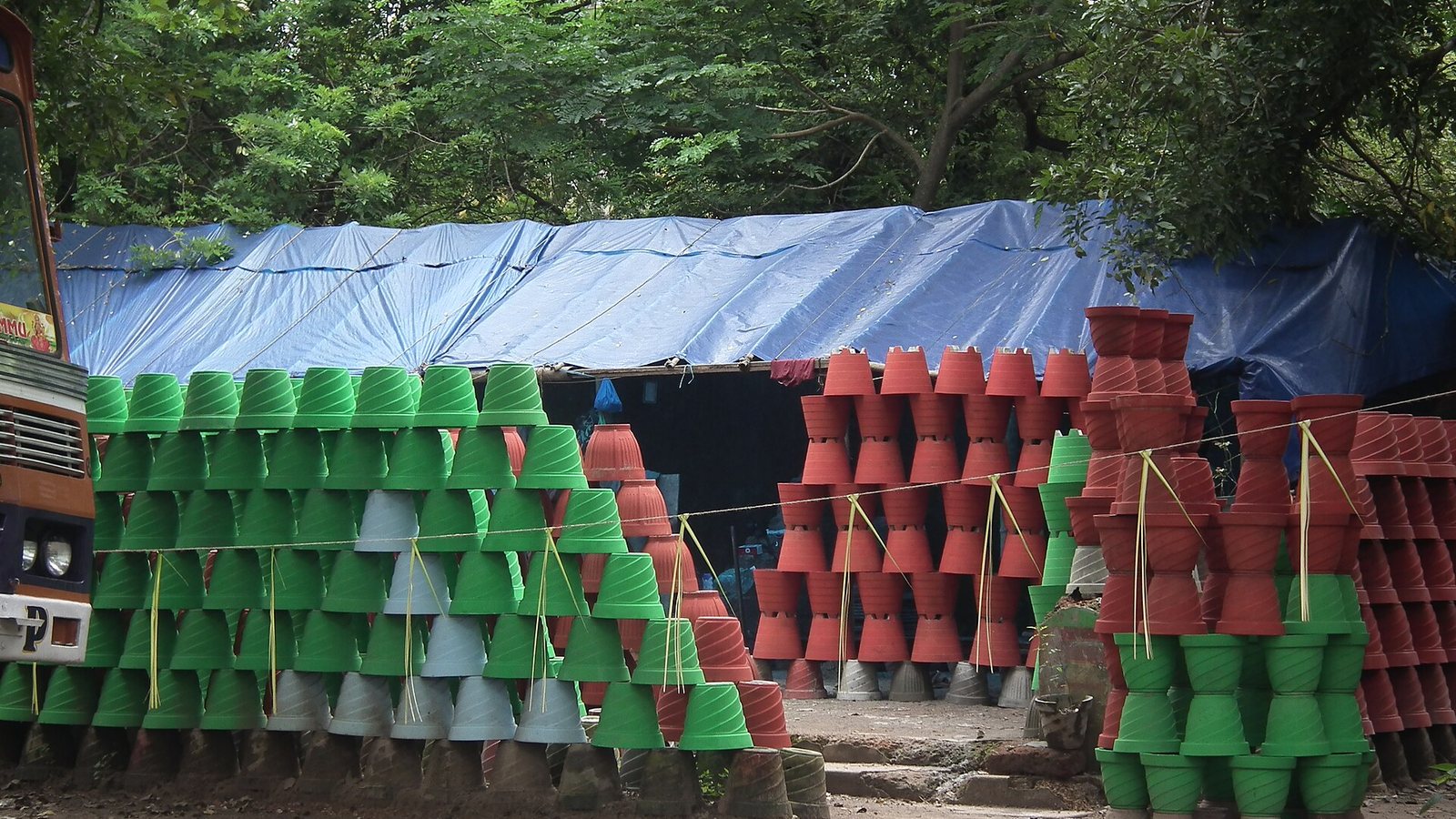 Photo: Rameshng · CC BY-SA 3.0
Unglazed terracotta lets water and air pass through its walls, so the mix dries fastest: good for cacti, succulents and people who overwater. Plastic holds moisture longest and is light, which suits ferns and large plants. Glazed ceramic dries much like plastic but is heavy. Whatever the material, the pot needs a drainage hole.
Key takeaways
- Unglazed terracotta dries fastest, so it suits cacti, succulents, orchids and heavy-handed waterers.
- Plastic keeps the mix moist longest and is light; check before watering so water does not sit in it.
- Glazed ceramic dries close to plastic; use it as a cover pot if it has no drainage hole.
- Every pot needs a drainage hole, and a gravel layer under the mix slows drainage rather than helping it.
- After switching pot material, adjust how often you water instead of keeping the old schedule.
On this page7
Does pot material really matter?
Terracotta, plastic and glazed ceramic pots can hold the same plant in the same potting mix, yet the mix dries at a very different speed in each. That is the whole difference that matters for the plant: how fast water leaves through the pot wall. Unglazed terracotta breathes and dries fast, plastic holds water longest, and glazed ceramic behaves much more like plastic than like clay. This guide compares the three side by side, with weight, temperature, salt crust and winter cracking added, and ends with a simple rule for matching the pot to the plant and to the way you water.
One thing no material can replace is a drainage hole. Nebraska Extension and Purdue Extension both say that whether the pot is plastic or clay, it needs holes in the bottom to prevent overwatering. A beautiful pot without a hole is a cover, not a pot, and we come back to how to use one below.
Terracotta vs plastic vs ceramic: the comparison table
| Unglazed terracotta | Plastic | Glazed ceramic | |
|---|---|---|---|
| How fast the mix dries | Fastest: water and air move through the wall | Slowest: the wall is waterproof | Slow, close to plastic |
| Weight | Heavy, stable outdoors | Light, tips over easily when the plant is tall | Heavy |
| Root temperature | Thick walls buffer sudden swings | Thin walls; black plastic can overheat in sun | Thick walls |
| Salt crust | White crust can form on the outside | Little residue | Little residue on the glaze |
| Outdoors in winter | Can crack; buy frost-proof | Does not crack, but sun degrades it over time | Check it is frost-proof |
| Best for | Cacti, succulents, orchids, bromeliads, heavy-handed waterers | Ferns and other moisture lovers, large plants that need moving | Moisture lovers; often sold as a decorative cover |
The drying, weight and salt points come from Nebraska, Purdue and Colorado State extension pages; the winter and sun points from the Royal Horticultural Society (RHS). Colorado State groups ceramic with plastic: porous clay lets more air reach the roots than plastic or ceramic containers.
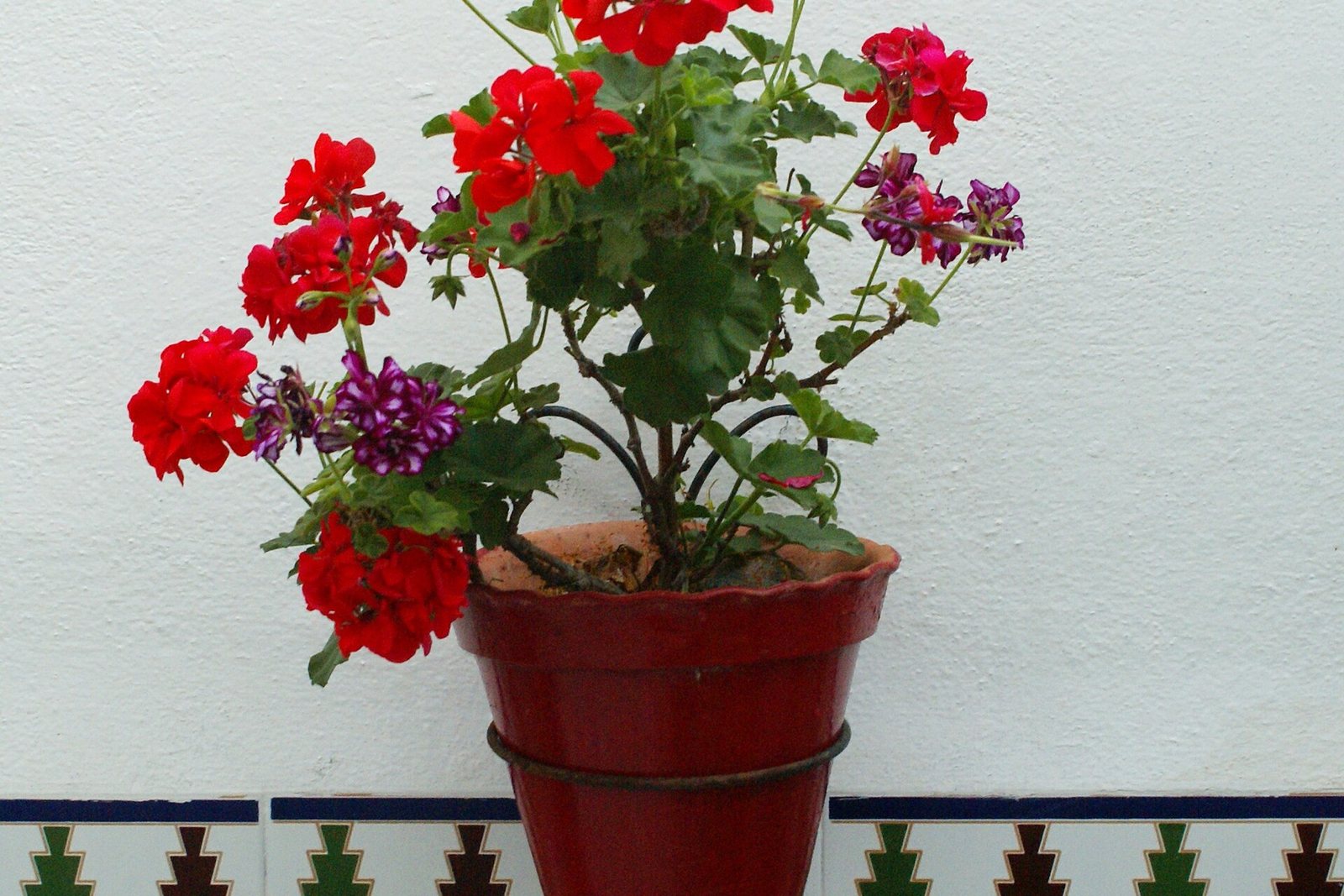
Why do terracotta pots dry out faster?
Unglazed clay is porous. Purdue Extension explains that water can move out and air can move into the soil through the clay, so a plant in an unglazed clay pot is less likely to suffer from too much water than one in plastic or glass. The RHS puts it simply: unglazed pots dry out more quickly than other materials.
That is a gift for plants that rot easily and a burden for plants that like steady moisture. Colorado State suggests unglazed clay for cacti, succulents, orchids and bromeliads, and Nebraska Extension notes that quick drying can be a problem for moisture-loving plants such as ferns. Terracotta also suits people who tend to overwater, because the pot forgives the extra splash. For the mix that goes inside, see our guide to the best soil for succulents and cacti.
The white crust that appears on old clay pots is dissolved salt carried through the wall and left behind as water evaporates. Purdue says this residue is generally not harmful unless it builds up in the soil, and Nebraska says it can simply be scrubbed off if you dislike the look.
When is plastic the better choice?
Plastic does not let water escape through the sides, so the mix stays moist longer. Nebraska Extension recommends it for moisture-loving plants and for people who water infrequently. It is also light, which Colorado State calls a smart choice for large plants that you may need to move. The flip side is that the RHS warns plastic can degrade in the sun and may not be recyclable, Purdue notes that tall plants in light plastic tip over easily, and Nebraska warns that black plastic in direct sun can act as a solar collector and heat the potting mix to damaging levels.
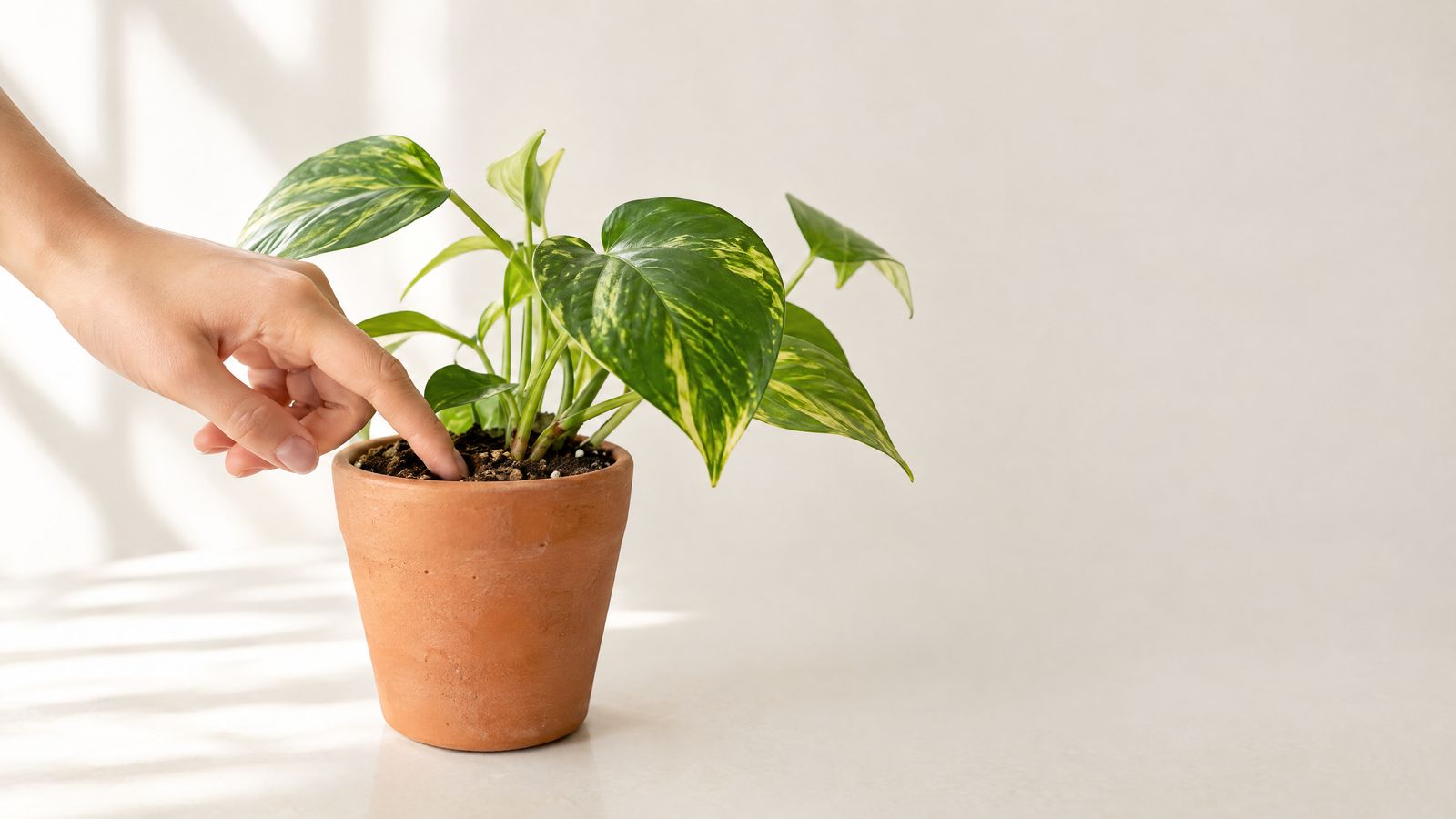
The real risk with plastic is water sitting in the bottom of the pot. If you are moving a plant from terracotta into plastic, check the mix before every watering instead of keeping the old rhythm; our guide on how to water houseplants shows the finger test and how much to pour.
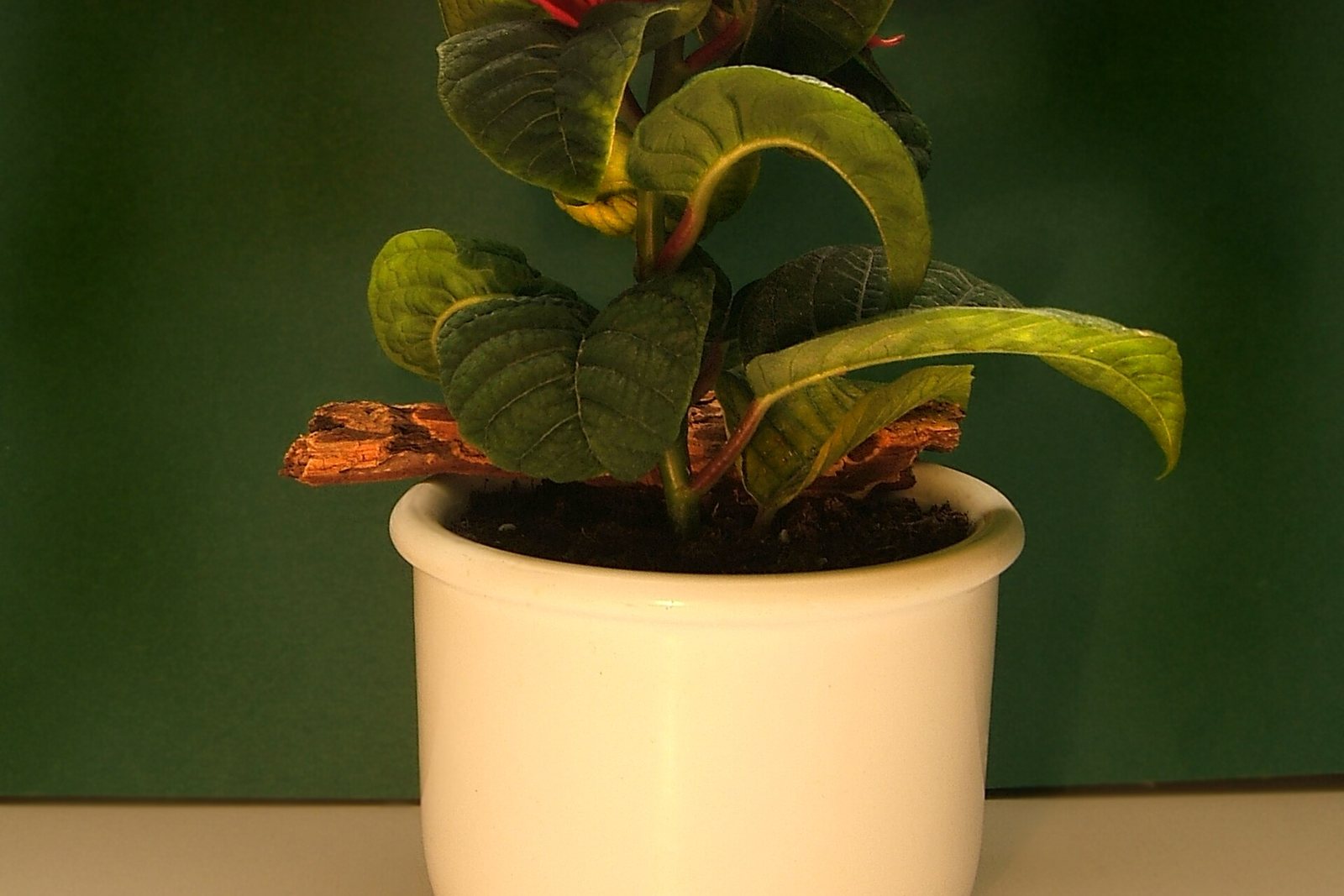
What about glazed ceramic pots?
Glaze seals the clay, so a glazed ceramic pot dries much like plastic while keeping the weight and thick walls of clay. Colorado State lists Boston fern as a plant that does well in plastic or ceramic. Ceramic is often the pot people choose for looks, and many decorative pots have no drainage hole at all.
The answer is double potting. Purdue and Colorado State both describe it: keep the plant in a plain pot with drainage holes and stand it inside the decorative one, with a little gravel in the bottom so the inner pot sits above any water. Tip out the water that collects after each watering. This is different from putting a gravel layer under the potting mix: Clemson Extension says such a layer actually slows water movement through the pot.
How to choose: plant, room and watering habit
| Your situation | Pot to choose |
|---|---|
| Cactus, succulent, snake plant or a plant that has had root rot | Unglazed terracotta |
| Fern, calathea or another plant that should never dry out | Plastic or glazed ceramic |
| You water often or generously | Terracotta |
| You forget to water or travel a lot | Plastic |
| Very large plant you need to move | Plastic, set inside a cover pot if you like |
| Tall plant in a windy spot outdoors | Heavy terracotta or ceramic |
| Outdoor pot in a frosty winter | Frost-proof terracotta, plastic or metal |
Size matters as much as material. Colorado State and Clemson suggest a pot only 2.5–5 cm (1–2 in) wider than the root ball, and larger pots generally need watering less often while shallow ones dry quickly, according to Colorado State and the RHS. Our guide to repotting without stress covers the move itself.
Common pot mistakes
- Planting straight into a pot with no drainage hole.
- Keeping the same watering schedule after changing pot material.
- Leaving outdoor terracotta out in winter when it is only frost-resistant; the RHS advises choosing frost-proof pots.
- Standing black plastic pots in full summer sun.
- Reusing old pots without cleaning them; Colorado State advises cleaning reused containers thoroughly.
- Trying to fix a soggy mix with a gravel layer instead of a better mix; see our guide to perlite, vermiculite and bark.
If a plant goes downhill after a pot change, the cause is usually water: tip it out and look at the roots, and if they are soft and brown follow our root rot rescue plan. Flori's care reminders can be set per plant, so it is easy to water the terracotta pots more often than the plastic ones.
Frequently asked questions
Are terracotta pots better than plastic for houseplants?
Neither is better for every plant. Terracotta dries faster and suits cacti, succulents and people who overwater; plastic stays moist longer and suits ferns and other moisture lovers.
Can I plant directly in a ceramic pot without a drainage hole?
It is better not to. Keep the plant in a pot with drainage holes, stand it inside the ceramic pot on a little gravel and tip out any water that collects.
Is the white crust on my terracotta pot harmful?
It is salt left behind as water evaporates through the clay. Purdue Extension says it is generally not harmful unless it builds up in the soil, and it can be scrubbed off.
Can terracotta pots stay outside in winter?
Terracotta can crack in frost. The RHS advises choosing pots labelled frost-proof rather than just frost-resistant if they will stay outdoors.
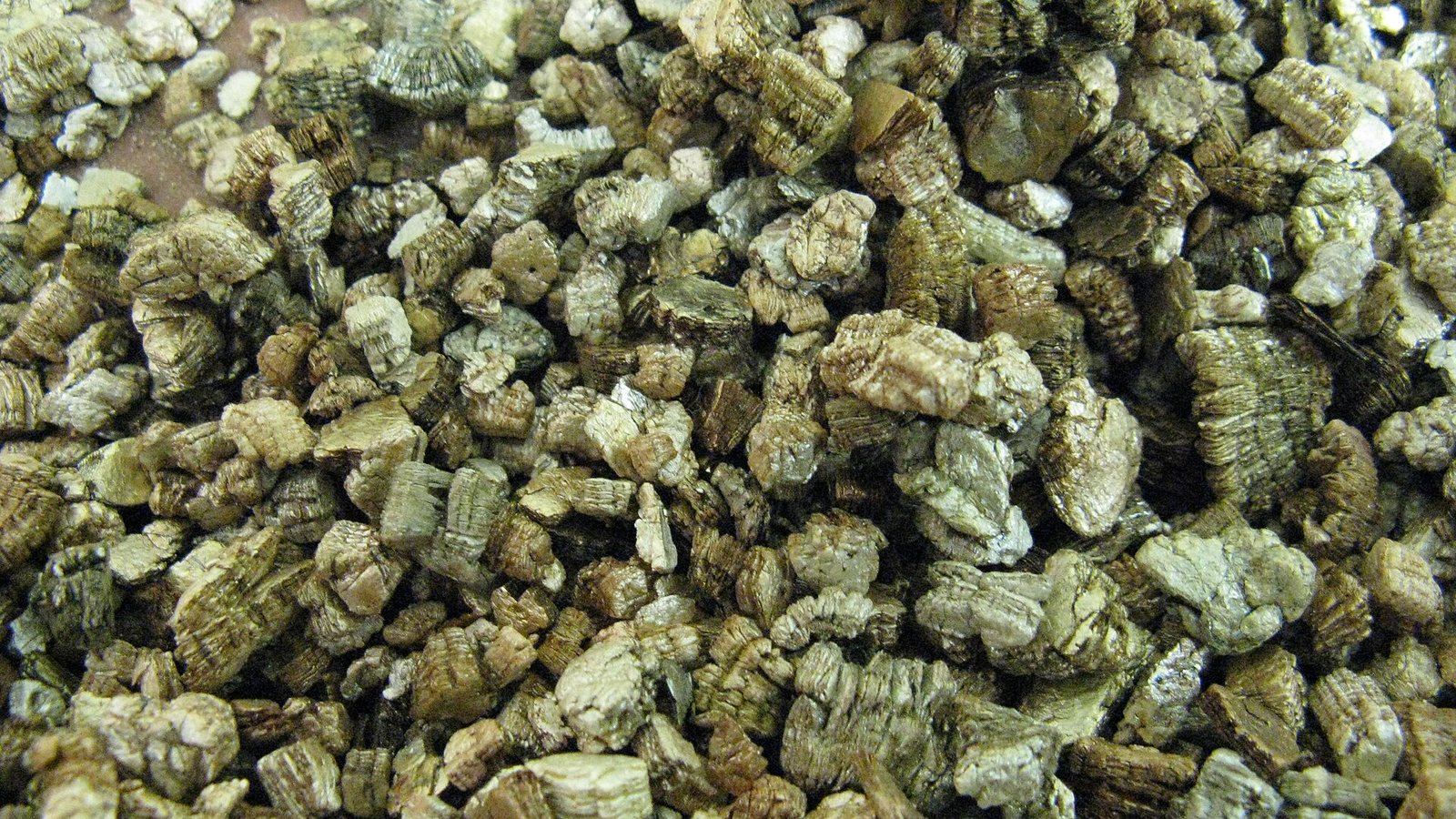
Perlite adds air, vermiculite holds water and nutrients, bark adds chunky structure. Compare pH, drawbacks and which plants suit each soil additive.
Sources
- Royal Horticultural Society: Growing plants in containers
- Colorado State University Extension PlantTalk: Houseplants: Containers
- Nebraska Extension in Lancaster County: Choosing Clay or Plastic Pots for Plants
- Purdue Extension Consumer Horticulture: Match Plant to Proper Container
- Clemson Cooperative Extension HGIC: Indoor Plants: Transplanting
Written and fact-checked by the Flori team. Every guide cites horticultural sources such as the RHS, university extension services and the ASPCA, and is updated when the advice changes. How we write our guides
General plant care information. Plants vary; when a plant is valuable or a problem spreads quickly, consult a local nursery or plant specialist.