Moss Poles and Trellises for Climbing Plants
Which climbing houseplants benefit from a moss pole, which suit a trellis or no support at all, and how to install one so aerial roots grab hold.
 By Flori editorial team · Updated
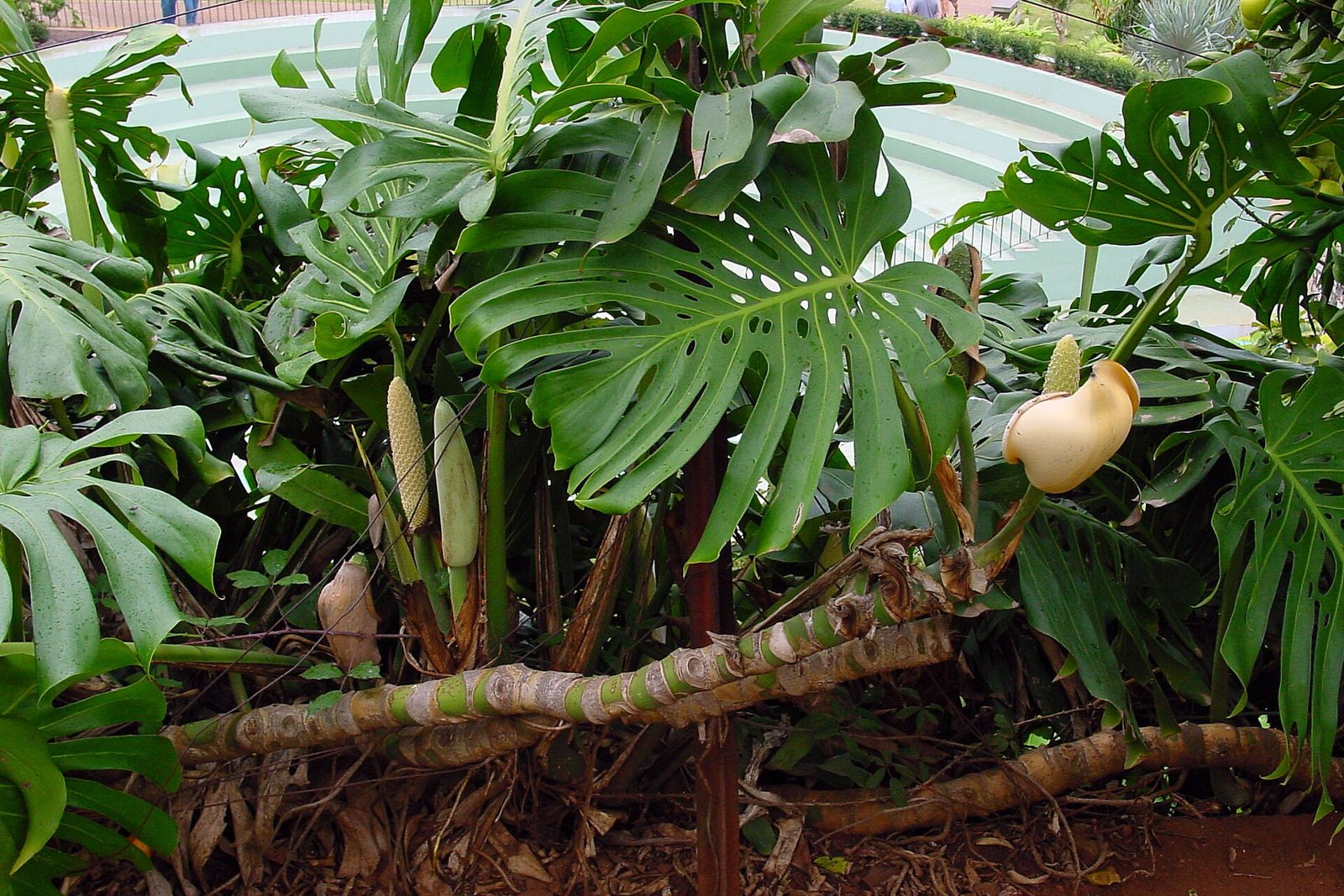
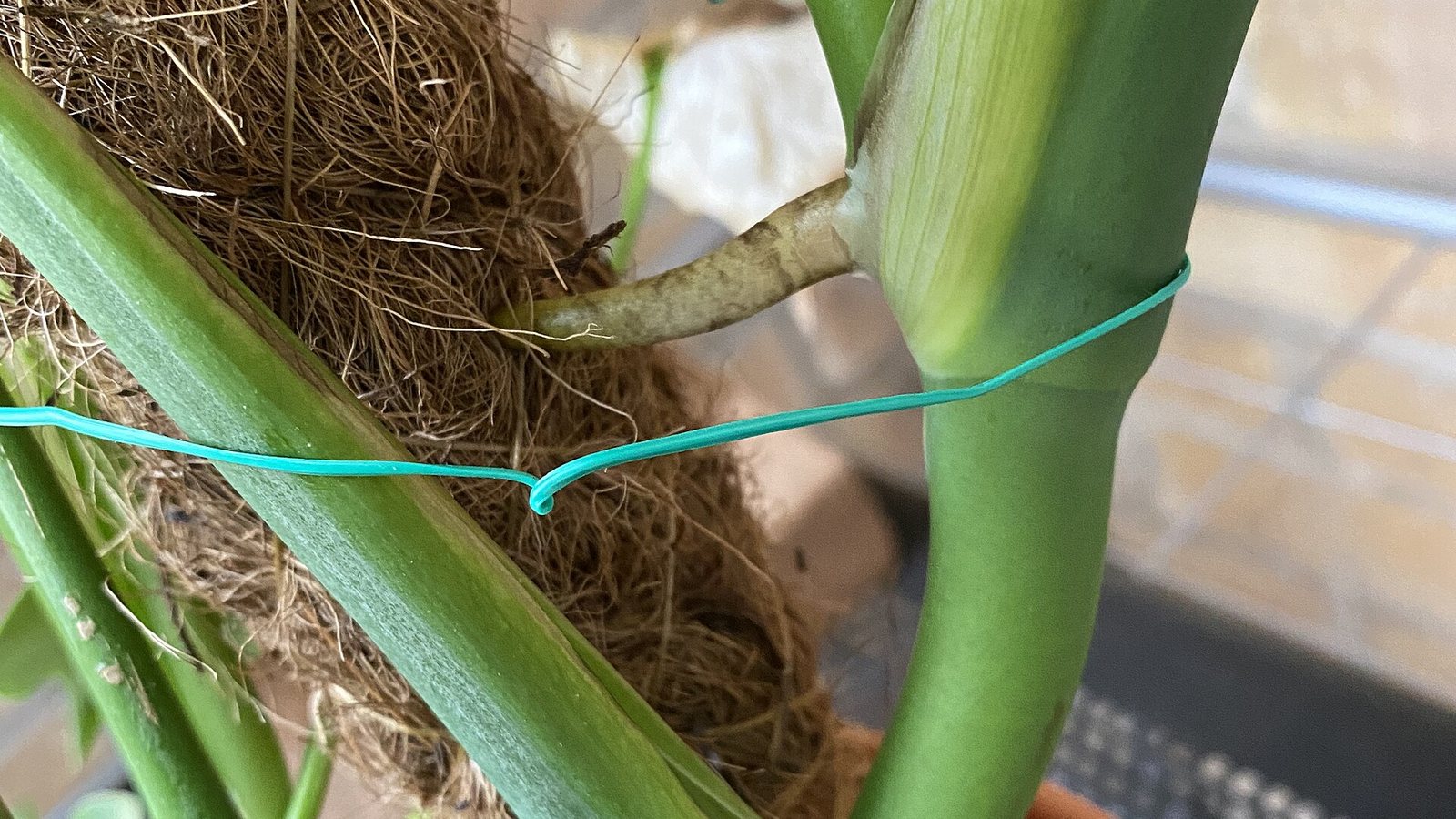 Photo: Secretlondon · CC BY-SA 4.0
Climbers with aerial roots, such as monstera, pothos and climbing philodendrons, do best on a moss or coir pole they can root into; plants without clinging roots suit a trellis or stake. Add the pole at repotting, face the nodes towards it, tie stems loosely and keep the moss damp so roots grow in.
Key takeaways
- Monstera, pothos and climbing philodendrons use aerial roots to climb trees in the wild.
- A damp moss pole gives those roots something to grow into; a trellis suits plants without clinging roots.
- Climbing helps leaves reach full size and form, but only with enough light.
- Fit the pole at repotting, face the nodes to it, tie loosely and keep the moss moist.
- These plants are toxic to cats and dogs, and the sap can irritate skin.
On this page7
Do climbing plants need a moss pole?
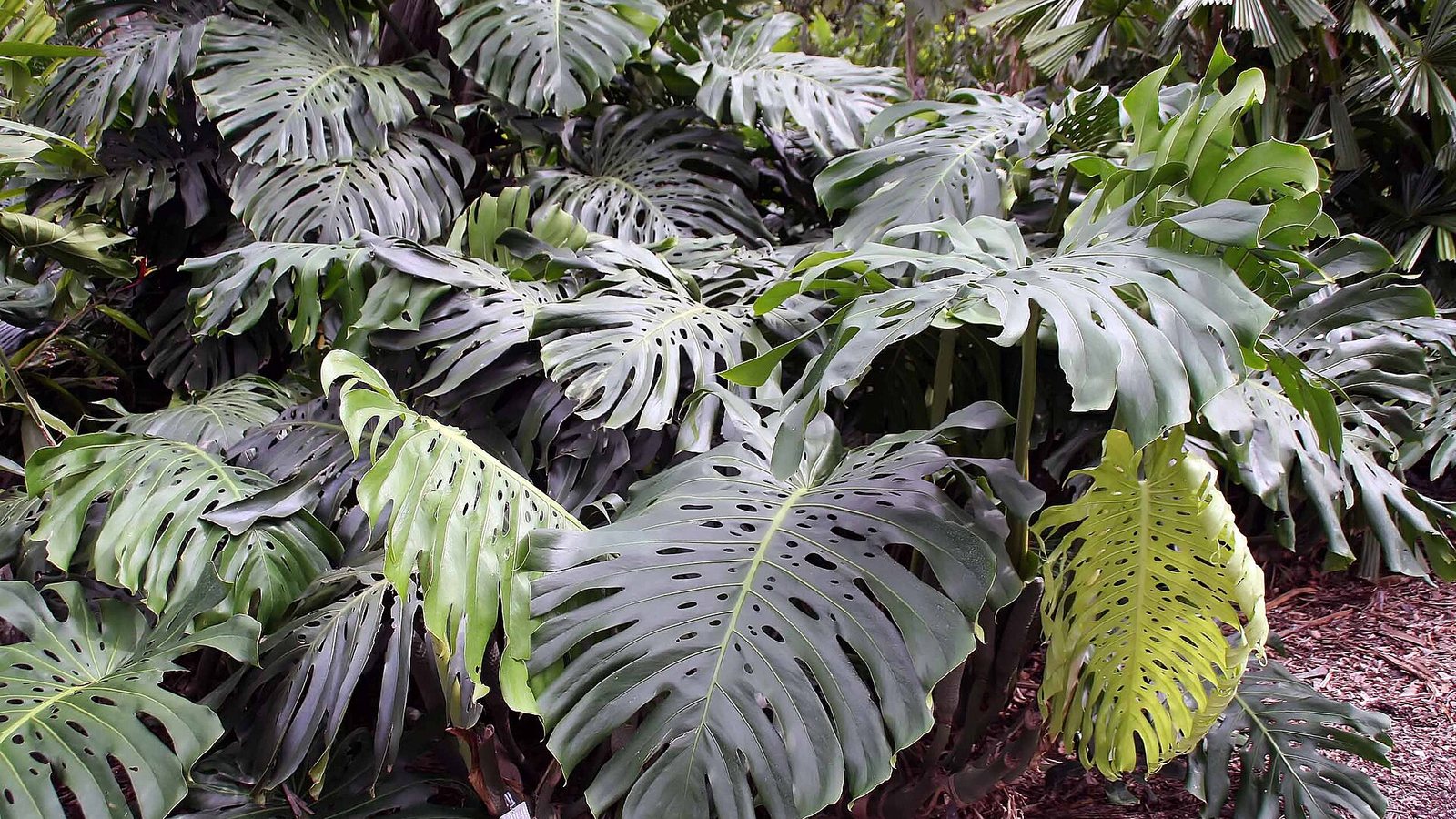
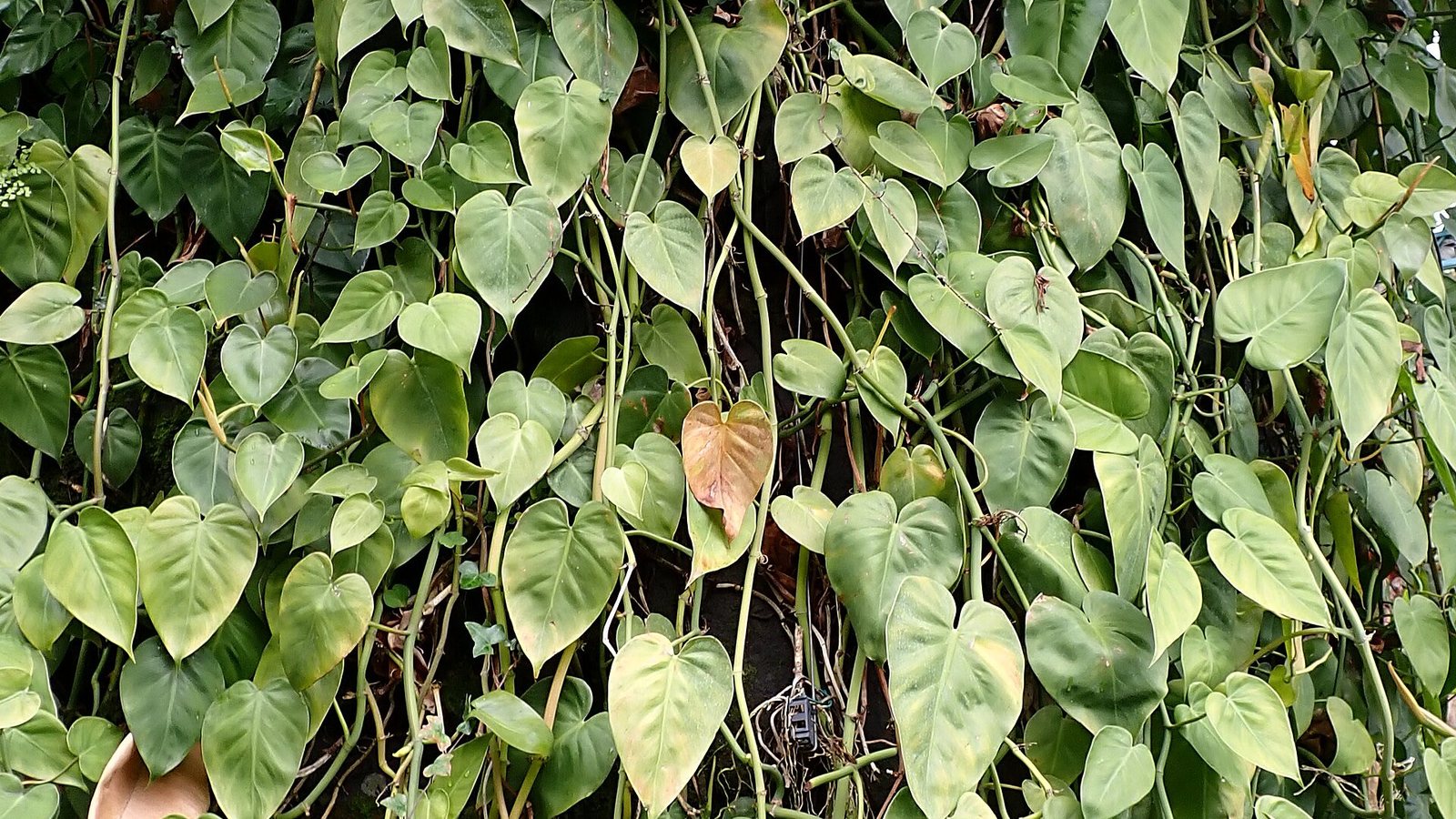
Many popular houseplants are climbers by nature, and giving them a moss pole, a coir pole or a trellis changes how they grow. In the wild, plants like monstera, pothos and climbing philodendrons scramble up tree trunks. Iowa State Extension explains that most philodendrons produce aerial roots that help them climb trees in their native habitat, and NC State Extension describes Monstera adansonii using its aerial roots to attach itself to a large tree to reach more light. Indoors, without something to climb, these plants sprawl, flop or trail. This guide explains which plants actually benefit from a moss pole and which are better on a trellis or left to trail, how to choose and install a support, and how to get the aerial roots to grab hold.
Moss pole, coir pole or trellis: which support suits which plant?
Not every vine climbs the same way. Plants with aerial roots that cling, such as pothos, monstera and climbing philodendrons, can root into a pole with a soft, absorbent surface. Plants that twine or simply lean need something to be tied to or to wrap around.
| Support | How it works | Best for | Watch out for |
|---|---|---|---|
| Moss pole (sphagnum) | Damp moss gives aerial roots something soft and moist to grow into | Monstera, climbing philodendrons, pothos | Dries out fast indoors; needs regular wetting |
| Coir (coconut fibre) pole | Rough fibre gives roots and ties something to grip | The same climbers, if you will not keep a pole damp | Roots grip less readily than on damp moss |
| Bark- or moss-covered board or totem | Flat surface for clinging roots | Heartleaf philodendron, pothos (Clemson lists both) | Needs anchoring in a deep enough pot |
| Trellis, stake or hoop | Stems are tied or woven through | Plants without clinging roots, or a lighter look | Aerial roots will not attach; ties do all the work |
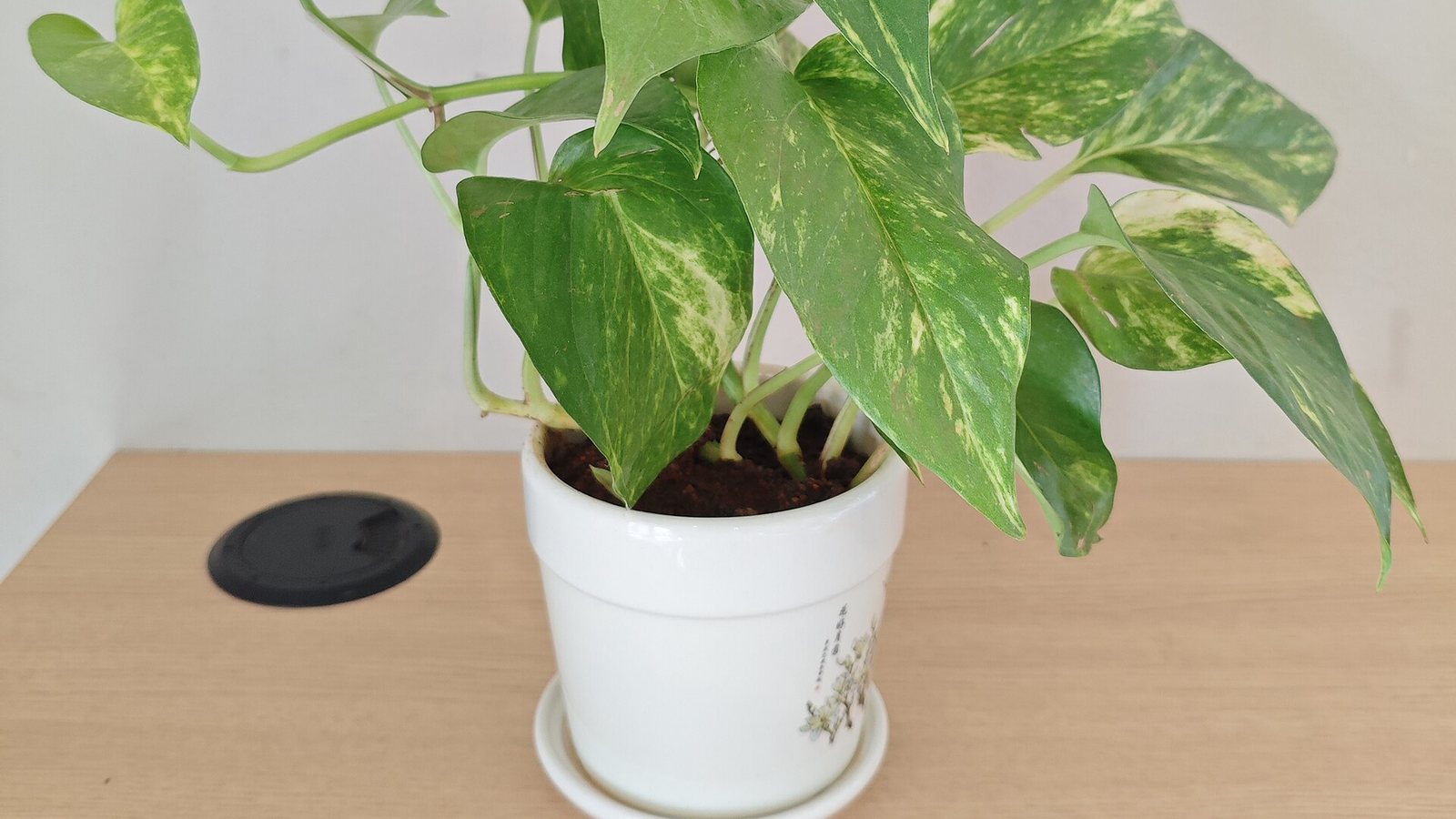
Penn State Extension notes that a pothos vine can be guided to attach itself to a moss-covered totem with its adhesive aerial roots, which develop at each node. Clemson Extension says heartleaf philodendron can be trained upward on bark- or moss-covered boards or totem poles. NC State suggests a stake, trellis or moss pole in the centre of the container for Monstera adansonii, and says that with that support an indoor plant can reach 0.9–2.4 m (3–8 ft).
What changes when a climber climbs?
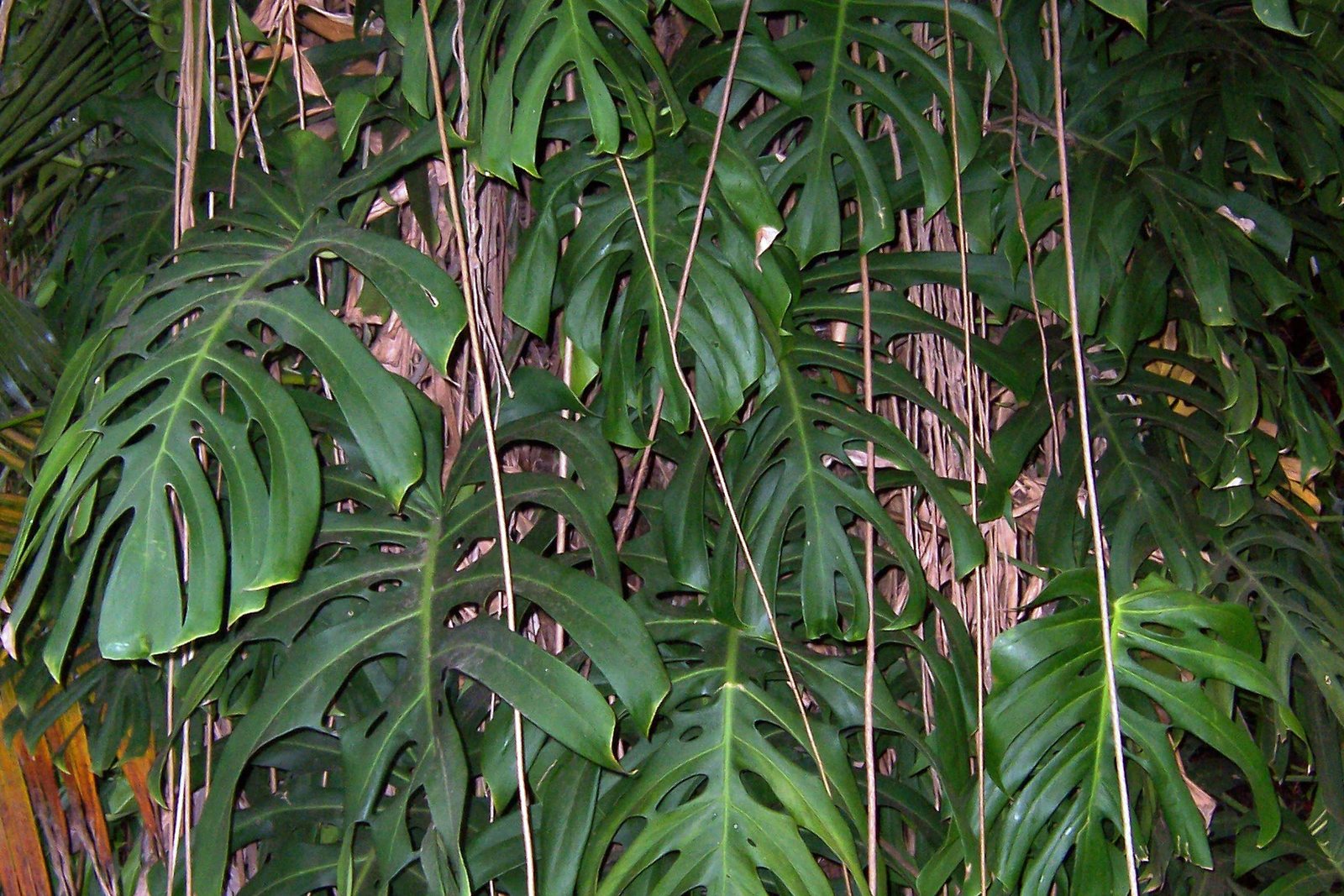
The main reason growers bother with a pole is leaf size and form. Clemson notes that velour philodendron leaves will not reach full size unless the plant is trained vertically for several years, and that monstera leaves start small and round and develop their holes and cuts as they mature. Climbing alone will not do it, though: Clemson also points out that monsteras will not develop their leaf holes in low light. A pole helps a plant that already has the light it needs; it does not replace it. If your plant is stretching and pale, read signs your plant needs more light first.
Support also keeps stems from breaking. A heavy monstera stem lying over the pot rim can snap or kink, and a plant that is leaning on furniture grows lopsided.
Which plants do not need a pole?
Iowa State divides philodendrons into climbing (vining) types and non-climbing, self-heading types. Self-heading philodendrons grow as a rosette and can grow about twice as wide as they are tall, so they need room, not a pole. Plants grown as trailers in hanging baskets also do well without support: Penn State notes that pothos can be kept short and bushy by trimming, or left to cascade. A pole is a choice, not a requirement.
How to add a moss pole, step by step
- Choose the height. Pick a pole a little taller than the plant, or an extendable one that you can add sections to. Clemson notes that the height of the support, along with pruning, sets the height of a vining plant.
- Do it at repotting time if you can. Placing the pole when you move the plant to a new pot avoids stabbing through roots. Set the base of the pole on the bottom of the new pot, then add the plant and fill in with mix. Our repotting guide covers the rest.
- If the plant is already potted, push the pole in slowly at the back of the stem, close to it but feeling for resistance from large roots.
- Face the stem towards the pole. Aerial roots grow from the nodes, so turn the plant until the nodes face the pole.
- Tie loosely. Use soft plant ties, garden twine or velcro strips below the leaves, at nodes, every 15–20 cm (6–8 in). Leave room for the stem to thicken.
- Guide aerial roots onto the pole. Iowa State notes that aerial roots can be adjusted to help the plant climb a trellis or moss pole, or placed in the soil to root in. Press the young roots gently against the moss and tie them there if needed.
- Keep the moss damp. Roots grow into moss that stays moist. Water or spray the pole when you water the plant, and do not let water pool in the saucer.
Common moss pole problems
| Problem | Likely cause | Fix |
|---|---|---|
| Aerial roots ignore the pole | Moss dry, or nodes face away from it | Wet the pole, turn the stem, tie the node against it |
| Plant outgrows the pole | Pole too short | Add an extension, or prune the tip back |
| Pole and pot tip over | Top-heavy plant in a light or shallow pot | Use a heavier, deeper pot, or anchor the pole lower |
| Long aerial roots everywhere | Normal growth | Tuck into the pole or soil, or cut them off |
Long, wayward aerial roots are not a sign of a problem. Iowa State says you can leave them, guide them, or cut them off close to the stem with sharp pruners, and that removing aerial roots will not harm the plant.
Safety note for homes with pets
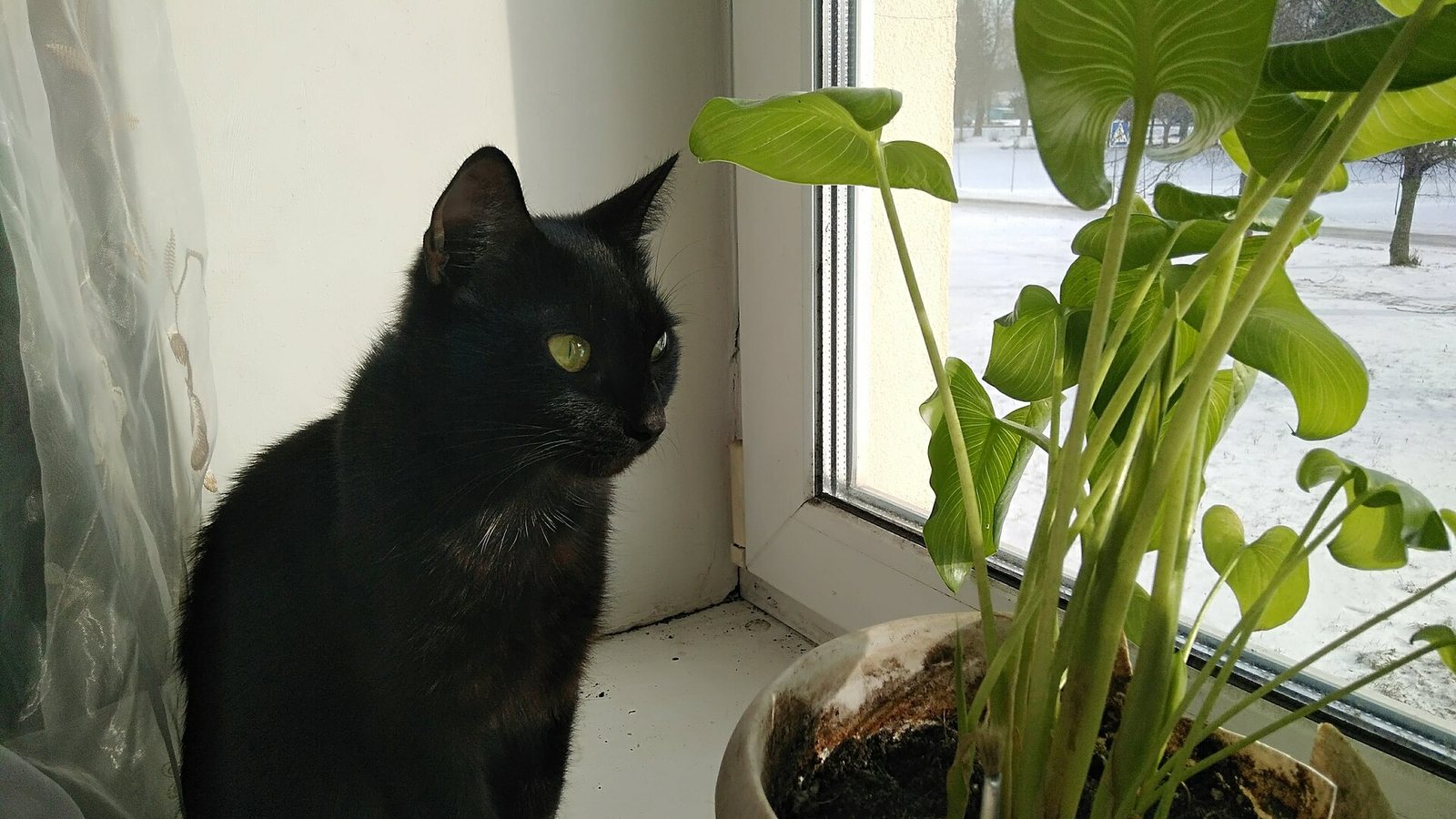
Monstera, pothos and philodendron all contain insoluble calcium oxalate crystals. The ASPCA lists golden pothos as toxic to cats and dogs, causing mouth irritation, drooling, vomiting and difficulty swallowing, and Clemson notes the same for all three plants, so keep them away from pets and young children. NC State advises gloves when handling Monstera adansonii, because the sap can irritate skin. Our list of plants toxic to cats has the others to watch for.
For a full monstera routine, from light to watering, see our monstera care guide. Flori's care profile for each plant also lists its toxicity, and a pruning reminder helps you keep a fast climber in step with its pole.
Frequently asked questions
Does a moss pole make monstera leaves bigger?
Vertical support helps climbing aroids produce larger, mature leaves over time, but only with enough light. Clemson Extension notes that monsteras do not develop their leaf holes in low light.
Can I cut off aerial roots?
Yes. Iowa State Extension says removing aerial roots will not harm the plant. You can also tuck them into the pole or the soil instead.
How do I keep a moss pole moist?
Wet the pole whenever you water the plant, by pouring water slowly down it or spraying it, and empty the saucer afterwards. A coir pole needs less wetting but roots grip it less readily.
Does pothos need a moss pole?
No. Pothos can climb a moss-covered totem with its aerial roots, but it grows just as happily trailing from a shelf or hanging basket, or trimmed short and bushy.
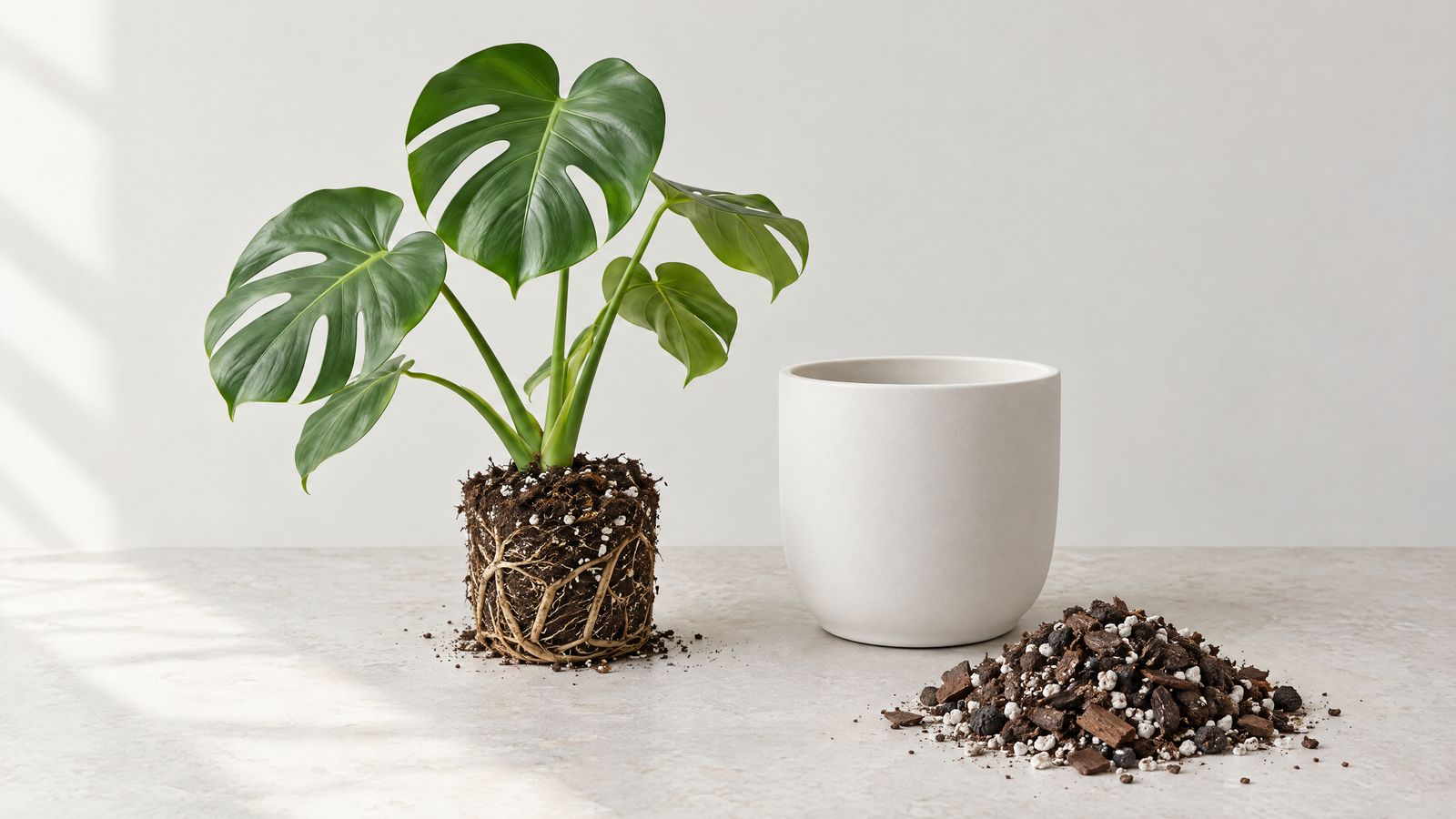
When to repot a houseplant, how much bigger the new pot should be, which potting mix to use and how to water afterwards so the plant settles in fast.
Sources
Written and fact-checked by the Flori team. Every guide cites horticultural sources such as the RHS, university extension services and the ASPCA, and is updated when the advice changes. How we write our guides
General plant care information. Plants vary; when a plant is valuable or a problem spreads quickly, consult a local nursery or plant specialist.