Philodendron hederaceum · Araceae
Heartleaf Philodendron (P. hederaceum): Care and Facts
How to care for a heartleaf philodendron: light, watering, soil, propagation, problems and pet toxicity, with numbers from extension services and the ASPCA.
- Medium light
- Moderate water
- Easy care
- Toxic to pets
Also called: sweetheart plant, parlor ivy, Philodendron scandens, philodendron; Philodendron scandens, Philodendron oxycardium
 By Flori editorial team · Updated
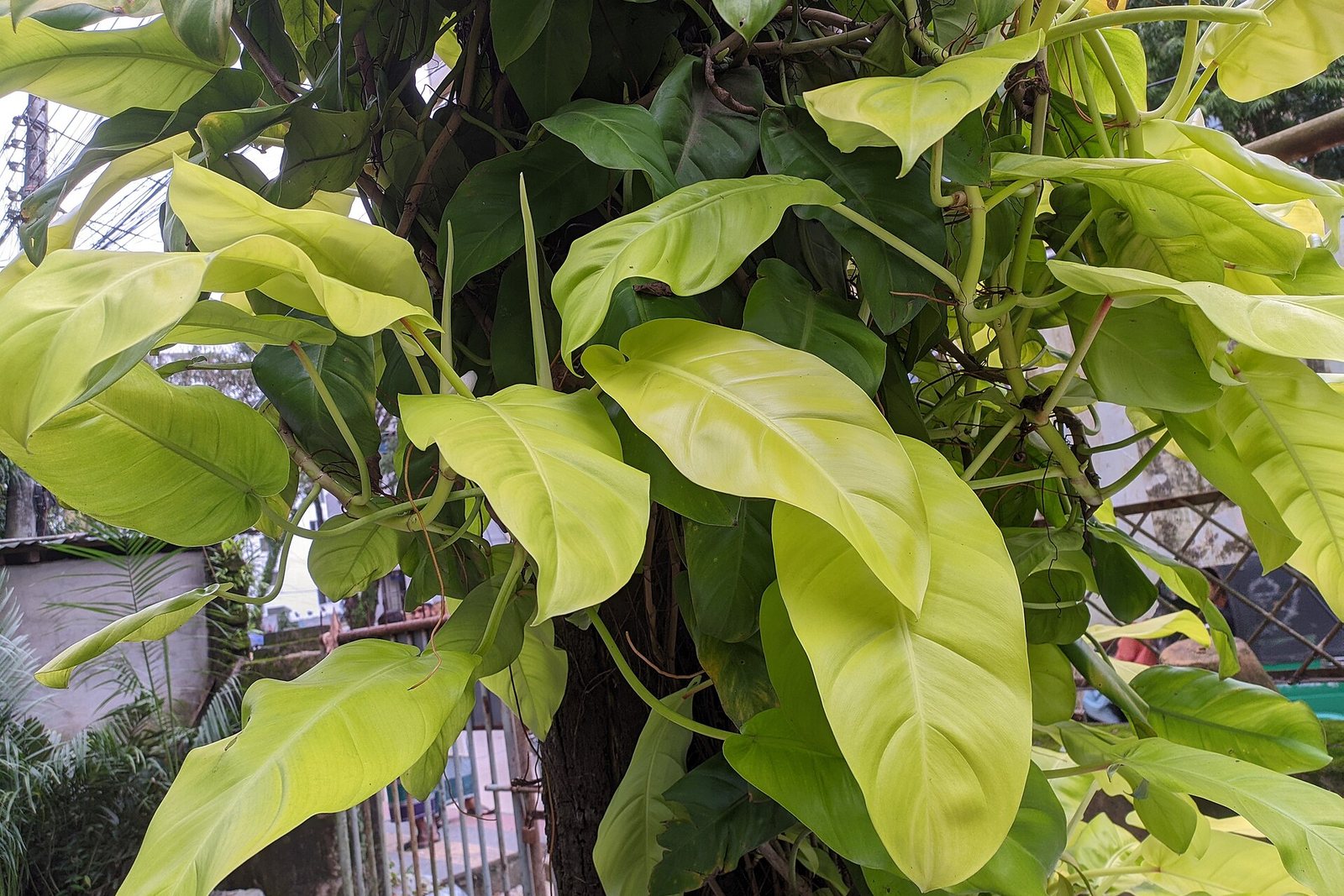
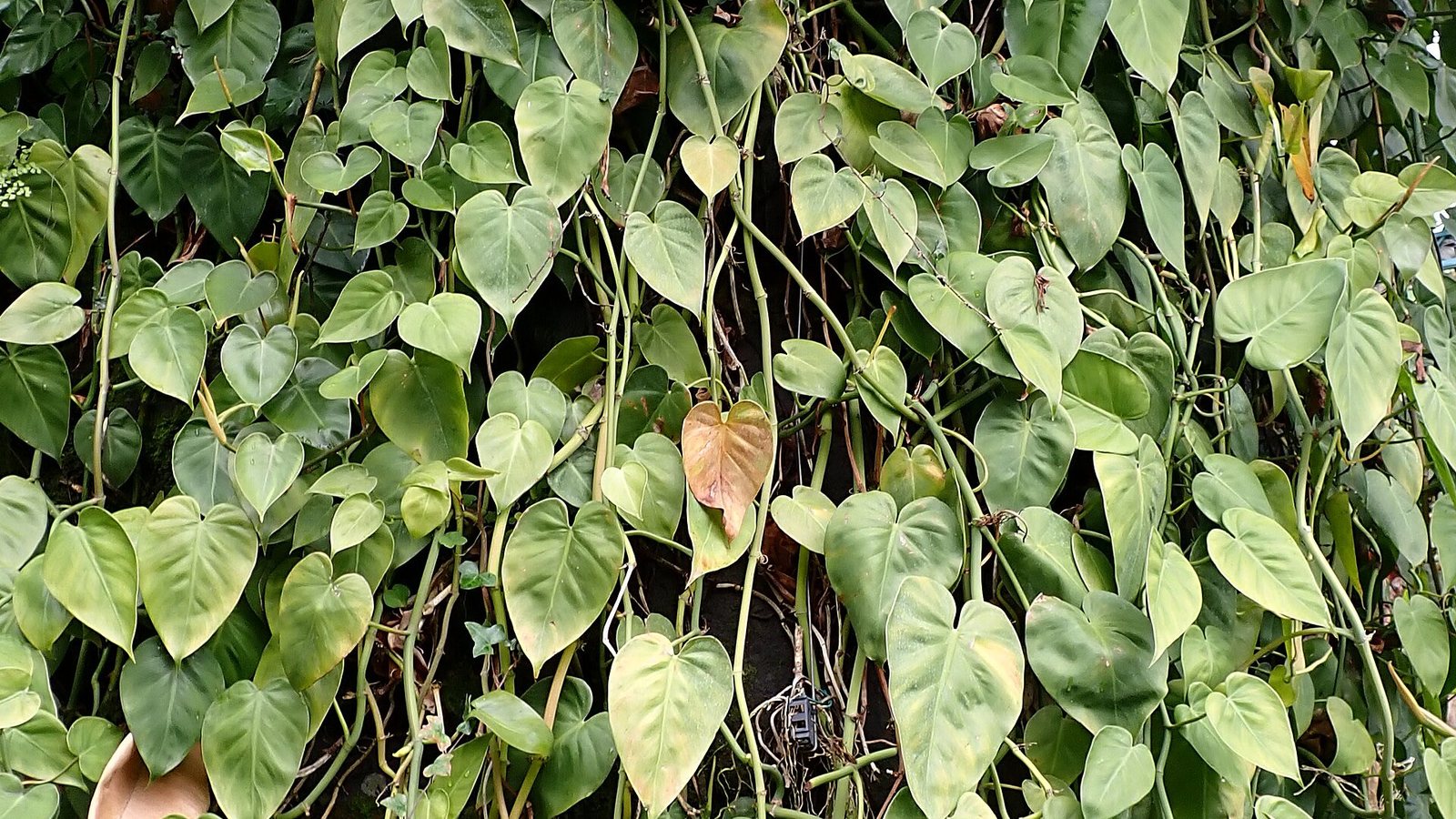 Photo: Krzysztof Ziarnek, Kenraiz · CC BY-SA 4.0
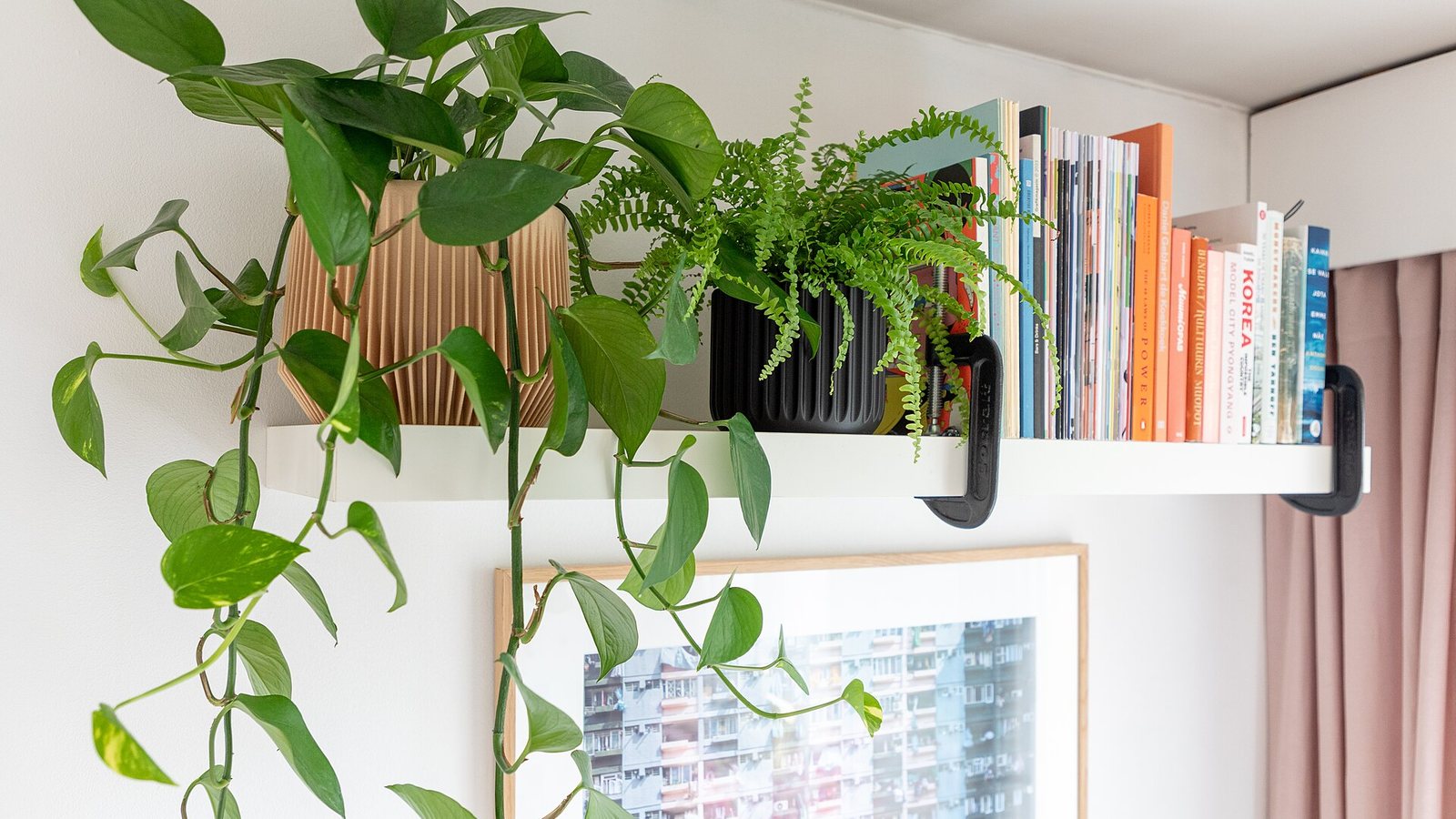
The heartleaf philodendron (Philodendron hederaceum) is a trailing or climbing vine from Central and South America and the Caribbean. It tolerates low light but prefers medium to bright indirect light, wants evenly moist soil that never turns soggy, and is toxic to cats, dogs and people if eaten, according to the ASPCA and extension services.
At a glance
- Light
- Medium to bright indirect light; tolerates low light and shade
- Watering
- Keep evenly moist, never soggy; water when the top of the soil is dry; less in winter
- Humidity
- Prefers high humidity; tolerates dry home air
- Temperature
- 18–27 °C (65–80 °F) is well tolerated; no frost
- Soil
- Well-drained general-purpose potting soil; slightly pot-bound is fine
- Size
- Stems climb up to about 4 m (13 ft) with support; trailing in a basket
- Toxicity
- Toxic to cats and dogs (ASPCA): oral irritation, drooling, vomiting
- Origin
- Mexico to tropical Central and South America and the Caribbean
On this page8
- How much light does a heartleaf philodendron need?
- How often should you water a heartleaf philodendron?
- What soil and pot suit it?
- What temperature and humidity does it like?
- How do you feed, train and propagate it?
- What are the common heartleaf philodendron problems?
- Is a heartleaf philodendron toxic to cats and dogs?
- Which heartleaf philodendron varieties are there?
How much light does a heartleaf philodendron need?
The heartleaf philodendron (Philodendron hederaceum, often still sold as Philodendron scandens) is one of the easiest vines for a dim room. Clemson HGIC says heartleaf types tolerate very low light, and Iowa State Extension says most philodendrons prefer indirect or dappled light, with moderate to indirect light indoors best for colourful leaves. NC State lists medium light as the preference, with tolerance of low light and shade.
Keep it out of hard direct sun, which burns thin leaves. In a very dim spot the vine grows slowly and the stems stretch, so move it nearer a window if the leaves get small and far apart. Our guide to the best plants for low-light rooms puts it in context.
| Position | What to expect |
|---|---|
| Moderate to bright indirect light | Best growth and leaf colour, especially on variegated types |
| Low light | Tolerated (Clemson, NC State); slower, longer-stemmed growth |
| Hard direct sun | Can scorch the leaves; avoid |
How often should you water a heartleaf philodendron?
Keep the soil evenly moist but never soggy. Iowa State says to water when the top of the soil is dry, Clemson says never to let the plants stand in water, and NC State says to water less in winter. Root rot in wet soil is the main danger (NC State).
- Check first: push a finger into the top of the soil. If it is dry, water.
- Water until it runs out of the bottom, then empty the saucer.
- Water less in winter, when growth slows.
The exact interval depends on light, pot size and room temperature. How often to water houseplants shows how to judge it, and overwatering vs underwatering helps when the leaves look off.
What soil and pot suit it?
An all-purpose potting soil that drains well. Iowa State says a general-purpose mix is fine and that philodendrons do well when slightly pot-bound. Clemson warns that a mix that drains slowly can lead to root rot. Move up one pot size when the plant becomes overcrowded or the soil dries out too quickly to keep up with watering (Iowa State); Clemson says overcrowded plants can be repotted at any time of year. Use a pot with drainage holes.
What temperature and humidity does it like?
Ordinary home conditions. Iowa State says typical home temperatures of 18 to 27 °C (65 to 80 °F) are well tolerated, and Clemson gives 21 to 29 °C (70 to 85 °F) by day and 18 to 24 °C (65 to 75 °F) at night as the range where heartleaf types grow well. High humidity gives the best growth, but both sources say the plant tolerates the low humidity of homes, including dry winter air. Keep it away from cold draughts and hot radiators. NC State lists it as hardy outdoors only in USDA zones 11 to 12.
How do you feed, train and propagate it?
Feeding. Iowa State says to fertilise lightly, once or twice a month, in spring and summer with a balanced all-purpose fertiliser. Clemson says a diluted water-soluble fertiliser or a time-release product works. Too much fertiliser can make leaf tips curl and brown (Clemson). A care reminder in Flori can keep the schedule.
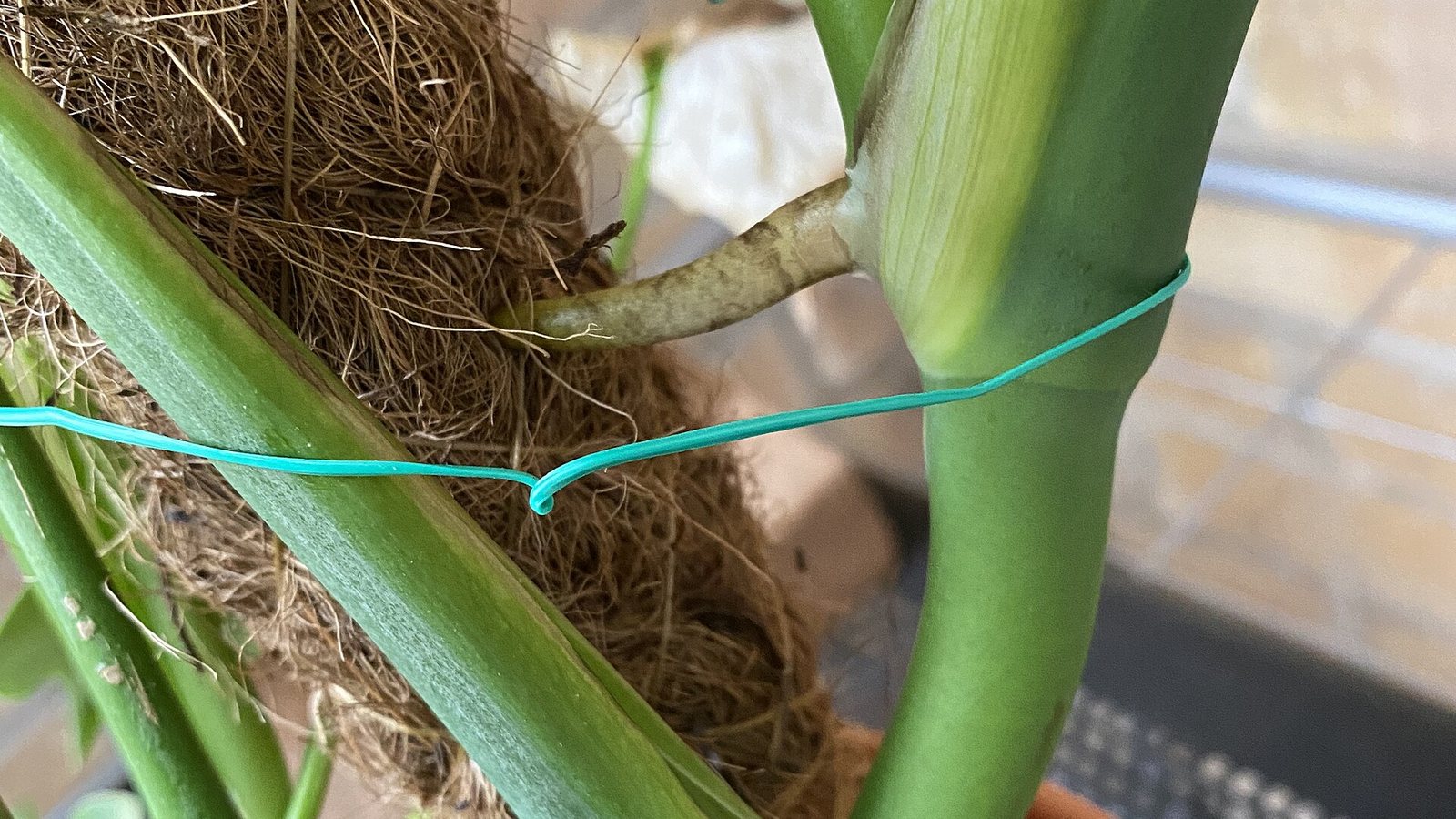
Training and pruning. Trailing types suit hanging baskets, trellises and moss poles (Iowa State). Clemson says vining types can be kept to a manageable height by support, training and pruning. Aerial roots can be cut off near the stem without harming the plant (Iowa State).
Propagation. Iowa State says trailing types root easily from stem cuttings 7 to 15 cm (3 to 6 in) long with the lower leaves removed, in water, perlite or potting soil; change the water often while the cuttings root. Stem sections with aerial roots tend to root more reliably, and rooting hormone speeds things up. Our guide to propagating plants from cuttings shows the steps.
Size. NC State gives a height of about 10 cm to 1.8 m (4 in to 6 ft) and says stems can climb up to about 4 m (13 ft) when supported.
What are the common heartleaf philodendron problems?
NC State says the plant has no serious pest or disease problems, and Clemson calls it generally pest-free; too much or too little water is the main trouble.
- Yellowing lower leaves and dying growing tips: too little light or overwatering (Clemson). See the root rot rescue plan if the soil stays wet.
- Brown, curling leaf tips: excess fertiliser (Clemson), or dry soil. Our brown leaf tips guide covers the other causes.
- Cottony white clusters, fine webbing, sticky bumps: mealybugs, spider mites, scale or aphids, which NC State and Clemson list. See spider mites on houseplants.
- Leaf spots: NC State says they can occur; avoid wet leaves and soggy soil.
If you cannot tell what you are seeing, Dr. Flori can work from a description or a photo and suggest the likely cause.
Is a heartleaf philodendron toxic to cats and dogs?
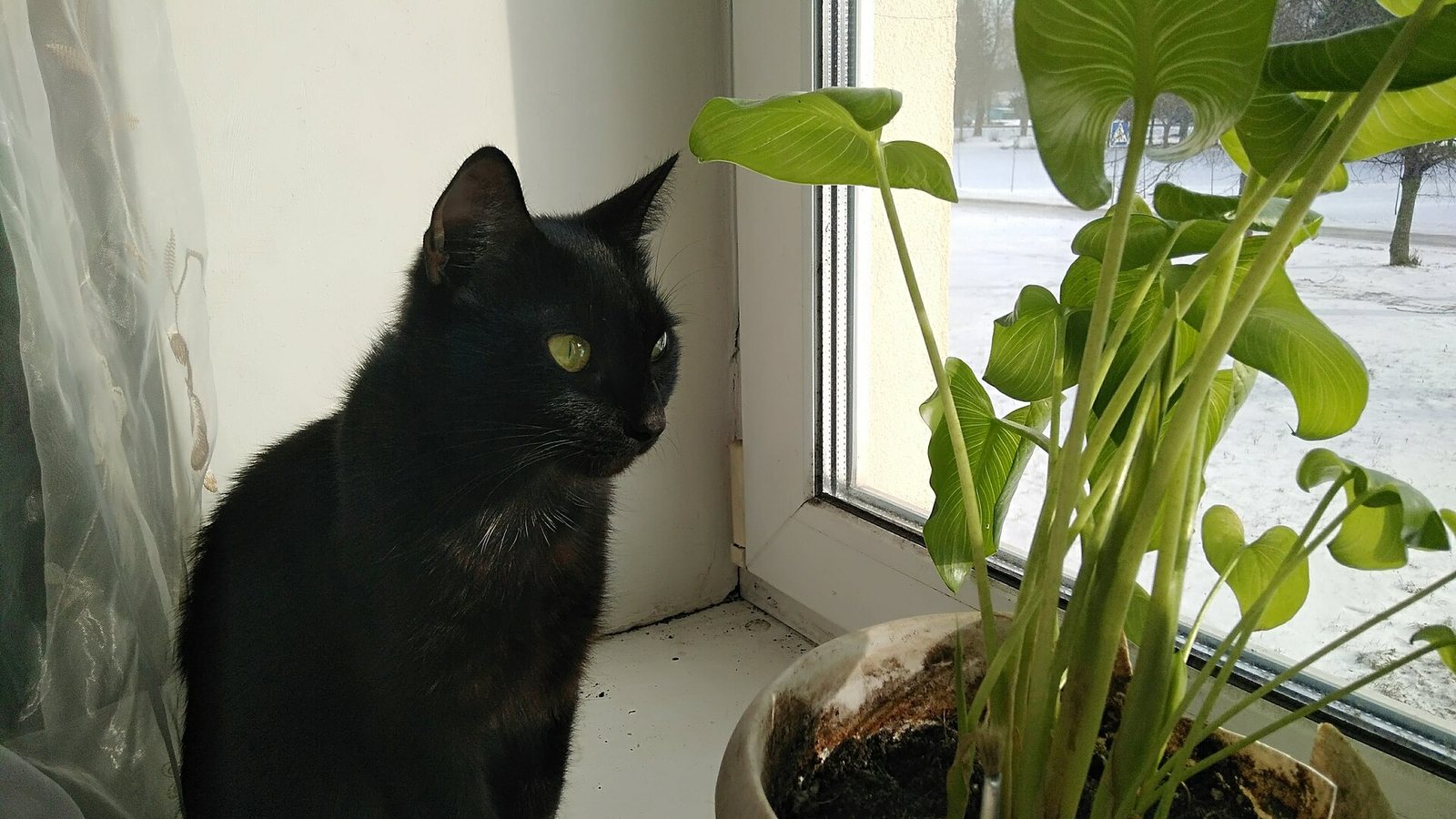
Yes. The ASPCA lists heartleaf philodendron as toxic to dogs, cats and horses. The toxic principle is insoluble calcium oxalates, and the signs are oral irritation, pain and swelling of the mouth, tongue and lips, drooling, vomiting and difficulty swallowing. Clemson and Iowa State say the plant is toxic to people too if any part is eaten, and NC State lists the sap as a possible cause of contact dermatitis. Keep it out of reach of pets and young children, and call your vet or the ASPCA Animal Poison Control Center if a pet eats some. For other options see plants toxic to cats. The look-alike trailing vine pothos is toxic to pets too.
Which heartleaf philodendron varieties are there?
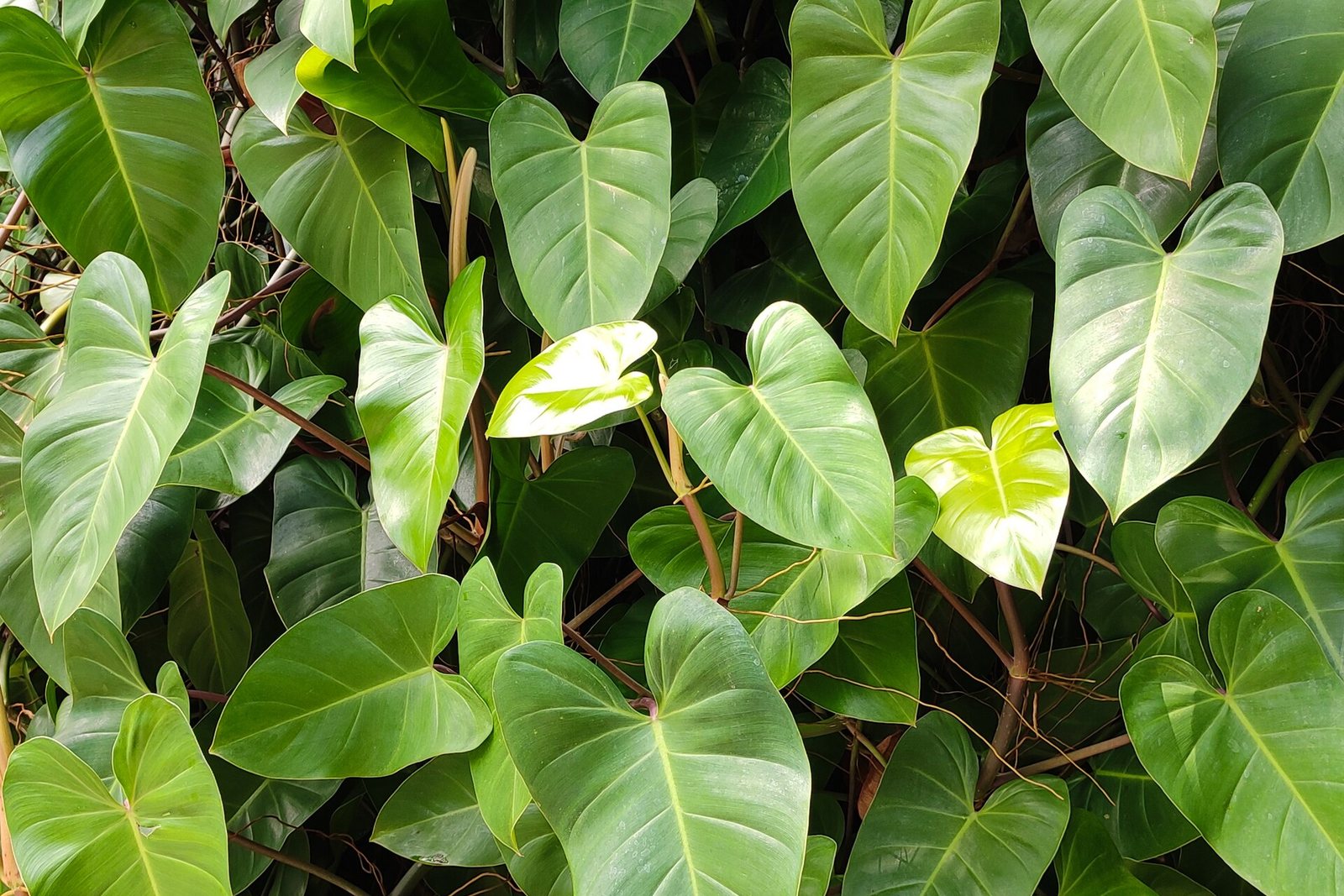
NC State lists six cultivars of Philodendron hederaceum: 'Brasil' (a yellow to light green stripe down the centre), 'Cream Splash', 'Gabby' (light green and cream leaves), 'Lemon Lime' (bright yellow to chartreuse foliage), 'Rio' (silver and cream centre) and 'Silver Stripe'. Clemson also lists the velvet philodendron (P. scandens f. micans), which NC State now treats under its former names. Care is the same for all of them; variegated types simply want a little more light.
Frequently asked questions
Can a heartleaf philodendron live in low light?
Yes. Clemson HGIC says heartleaf types tolerate very low light; growth is slower, and Iowa State Extension says most philodendrons prefer indirect or dappled light.
How often should I water a heartleaf philodendron?
When the top of the soil is dry (Iowa State Extension). Keep the soil evenly moist but never soggy, and water less in winter.
Is the heartleaf philodendron toxic to cats and dogs?
Yes. The ASPCA lists it as toxic to dogs, cats and horses; calcium oxalates cause mouth irritation, drooling, vomiting and trouble swallowing.
What is the difference between a philodendron and a pothos?
They are different plants in the same family, and both trail. Both are toxic to pets. See our pothos page for the other plant.
How do I propagate a heartleaf philodendron?
Take a stem cutting 7–15 cm (3–6 in) long with the lower leaves removed and root it in water, perlite or potting soil (Iowa State Extension).
Sources
Written and fact-checked by the Flori team. Every guide cites horticultural sources such as the RHS, university extension services and the ASPCA, and is updated when the advice changes. How we write our guides
General plant care information. Plants vary; when a plant is valuable or a problem spreads quickly, consult a local nursery or plant specialist.