Best Plants for Low Light Rooms
Eight plants that cope with low light rooms, ranked by extension advice, with watering and ASPCA pet safety for each, plus the ones to avoid.
 By Flori editorial team · Updated
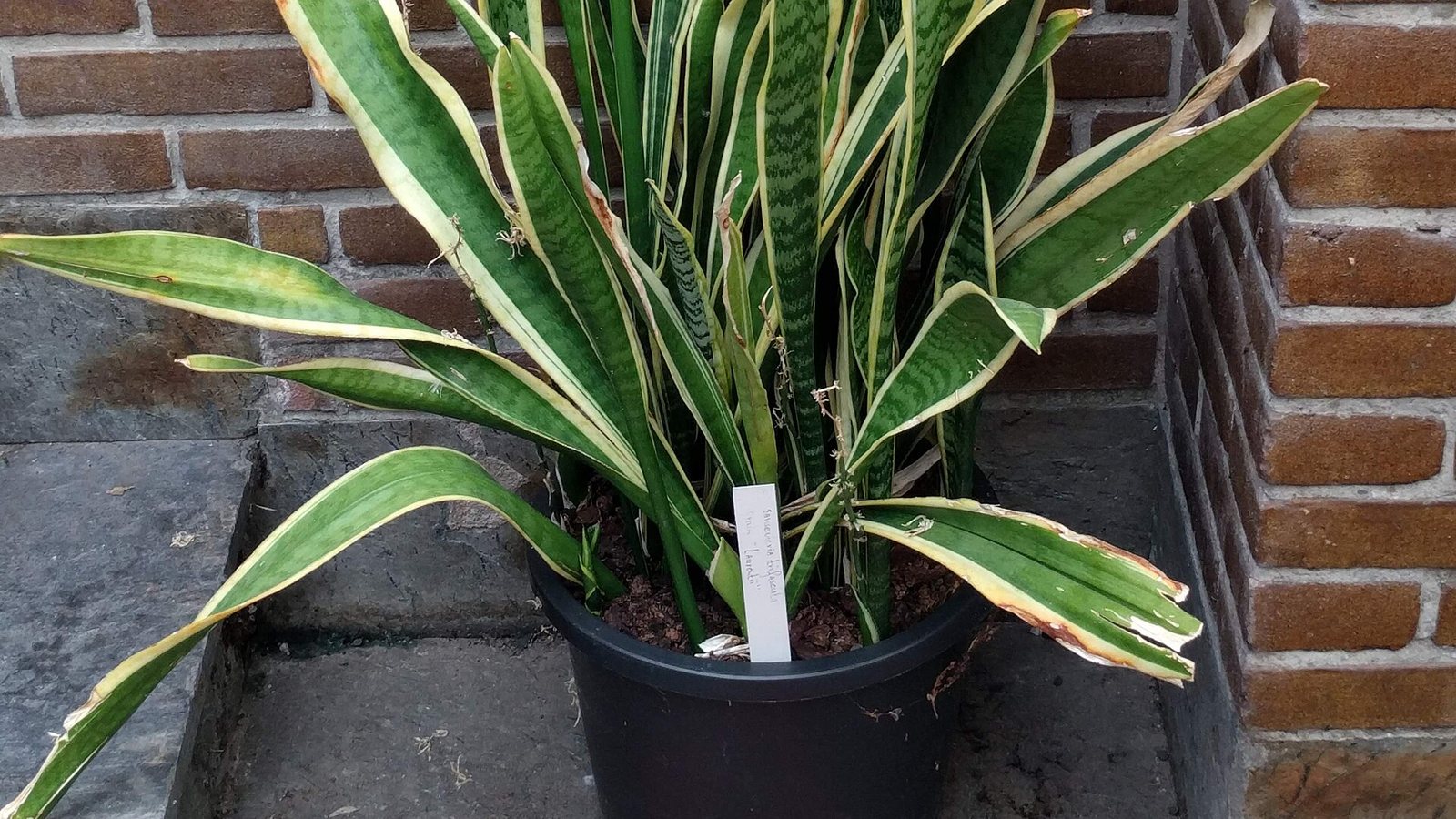
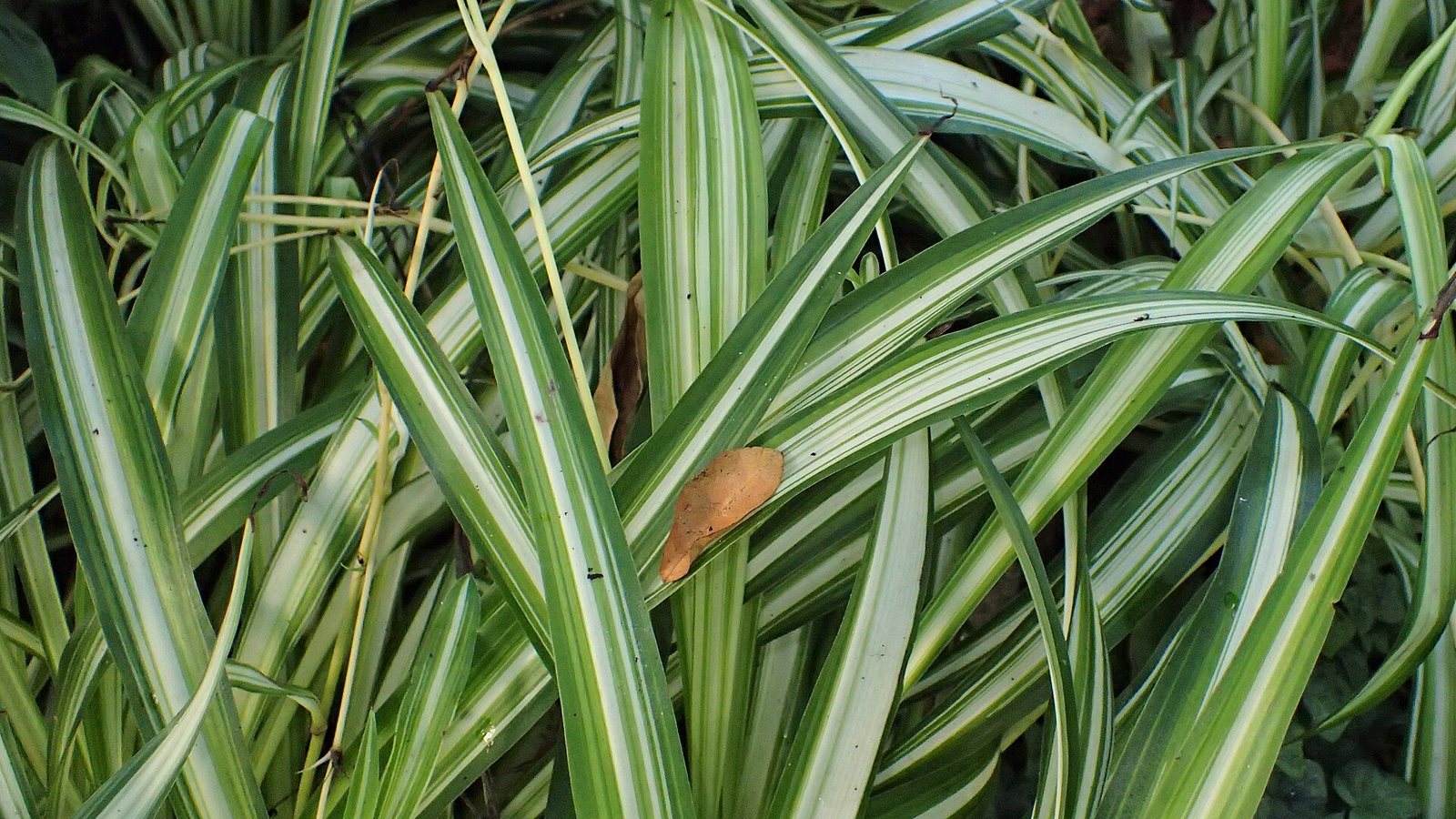
 Photo: Daderot · CC0
The best plants for low light rooms are ZZ plant, snake plant and cast iron plant, followed by pothos, heartleaf philodendron and peace lily. Low light means roughly 250–1,000 lux. These plants tolerate it but grow slowly, so water less. Only cast iron plant and parlor palm are non-toxic to cats and dogs.
Key takeaways
- Low light is about 25–100 foot-candles (250–1,000 lux) at midday; a windowless room is darker and needs a grow light.
- ZZ plant, snake plant and cast iron plant cope best with dim rooms.
- Tolerating low light is not preferring it: these plants grow faster in bright, indirect light.
- Cast iron plant and parlor palm are the pet-safe picks; most other shade plants are toxic to cats and dogs.
- Plants in low light use less water, so check the compost before every watering.
On this page8
- What counts as a low light room?
- Low light plants at a glance
- The three toughest: ZZ plant, snake plant and cast iron plant
- Trailing plants for shelves: pothos and heartleaf philodendron
- Peace lily: green in the shade, flowers in brighter light
- Two that tolerate, rather than enjoy, the shade
- Which plants are not right for a dark room?
- How to keep low light plants healthy
What counts as a low light room?
Before choosing plants for a low light room, it helps to know how dim "low" really is. UF/IFAS Extension defines low light as 25–100 foot-candles at midday, roughly 250–1,000 lux: spots with little natural light, far from windows or heavily shaded, or lit mainly by ceiling lights. It also notes that an office lit only by fluorescent lamps often measures 40 foot-candles (about 400 lux) or less, which is below even that range. So there are two kinds of dark room: dim but daylit, where the plants below can live, and truly dark, where no houseplant thrives without a grow light. This list ranks eight plants by how well extension services say they cope with low light, and gives the pet safety of each from the ASPCA, because many of the toughest shade plants are toxic to cats and dogs.
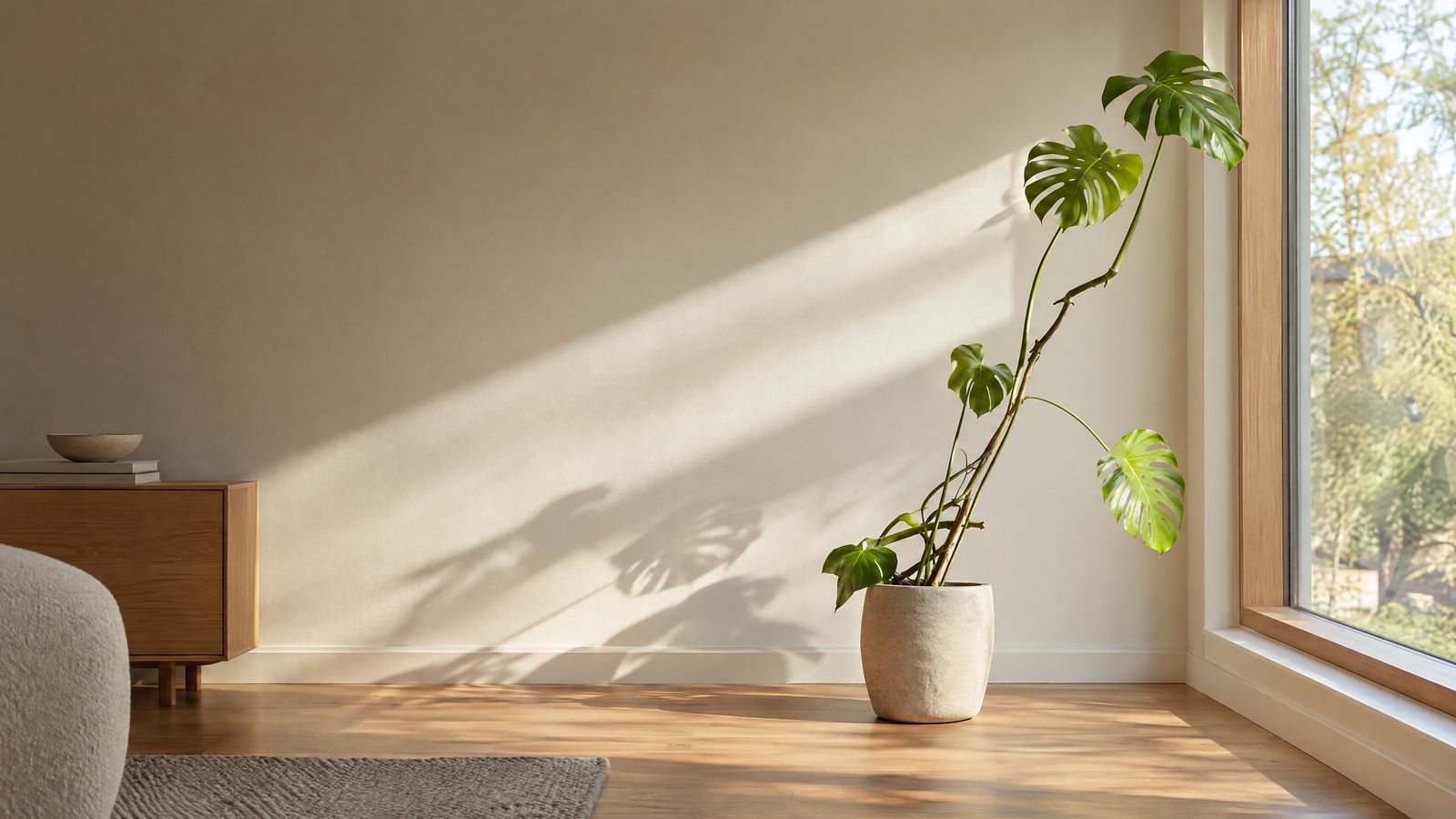
One more thing to know: "tolerates low light" is not the same as "prefers it". Most of these plants grow faster and look fuller in bright, indirect light; in a dim room they simply survive and grow slowly. If you are unsure which kind of room you have, measure the light first.
Low light plants at a glance
| Plant | Low light rating | Watering | Cats and dogs (ASPCA) |
|---|---|---|---|
| ZZ plant (Zamioculcas zamiifolia) | Does exceptionally well in low light (Iowa State) | Let it dry out between waterings | Not on the ASPCA lists; NC State lists it as a problem for cats and dogs |
| Snake plant (Dracaena trifasciata) | Low to direct light (Iowa State) | Let the soil dry; overwatering is the main risk | Toxic |
| Cast iron plant (Aspidistra elatior) | Endures low light (Iowa State) | Evenly moist, well-drained soil; copes with missed waterings | Non-toxic |
| Pothos (Epipremnum aureum) | Low to moderate light (Iowa State) | Let the soil dry moderately | Toxic |
| Heartleaf philodendron (Philodendron hederaceum) | Low to indirect light (Iowa State) | Keep evenly moist | Toxic |
| Peace lily (Spathiphyllum) | Grows in low light, flowers best in indirect light (Iowa State) | Keep moist | Toxic |
| Dragon tree (Dracaena marginata) | Moderate light; low light tolerated but it stretches (Iowa State) | Prefers below-average humidity | Toxic (listed as dracaena) |
| Parlor palm (Chamaedorea elegans) | Easy-care, but give it the brightest spot in the room | Avoid soggy soil | Non-toxic |

The three toughest: ZZ plant, snake plant and cast iron plant
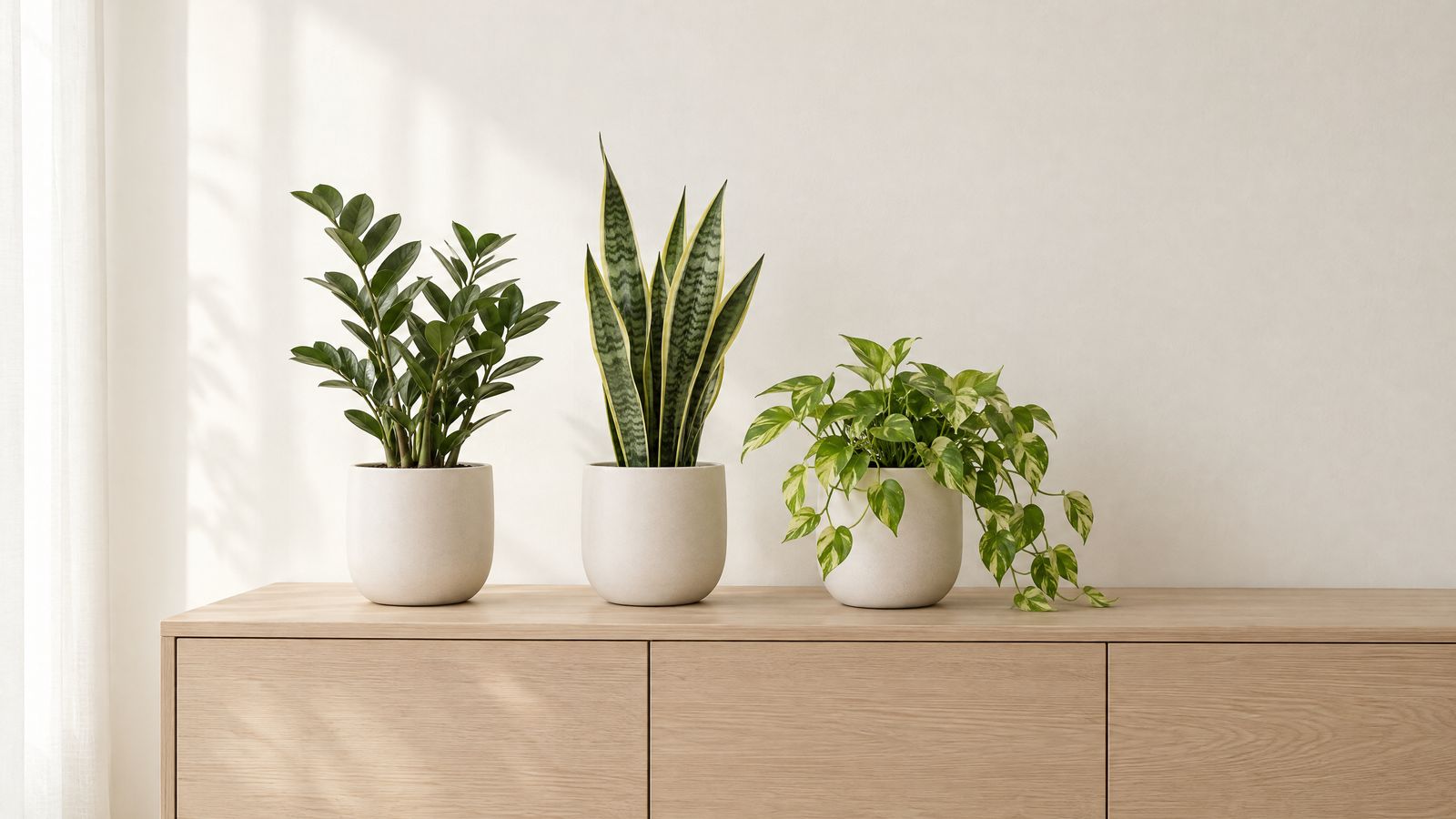
ZZ plant. Iowa State University Extension says ZZ plants do exceptionally well in low light and tolerate dry soil and low humidity. NC State Extension adds that it grows in very low light but does best in bright, indirect light, and that direct sun can scorch and brown the leaves. It stores water, so NC State suggests watering about once a month in winter and up to twice a month in summer, only once the soil has dried completely. It is slow and reaches about 60–120 cm (2–4 ft). NC State notes calcium oxalate in the leaves, which can cause vomiting and diarrhoea if eaten in quantity, and flags it for cats and dogs.
Snake plant. Iowa State says it grows in low to direct light and in almost any environment; the real danger is overwatering, so let the soil dry between waterings. In a dim room it will use even less water than usual. The ASPCA lists it as toxic to cats and dogs.
Cast iron plant. The name says it all. Iowa State says it endures low light and lack of water better than most houseplants, in well-drained, evenly moist soil, with leaves up to about 45 cm (18 in) long. It is also the best pet-safe choice here: the ASPCA lists it as non-toxic to cats and dogs.

Trailing plants for shelves: pothos and heartleaf philodendron
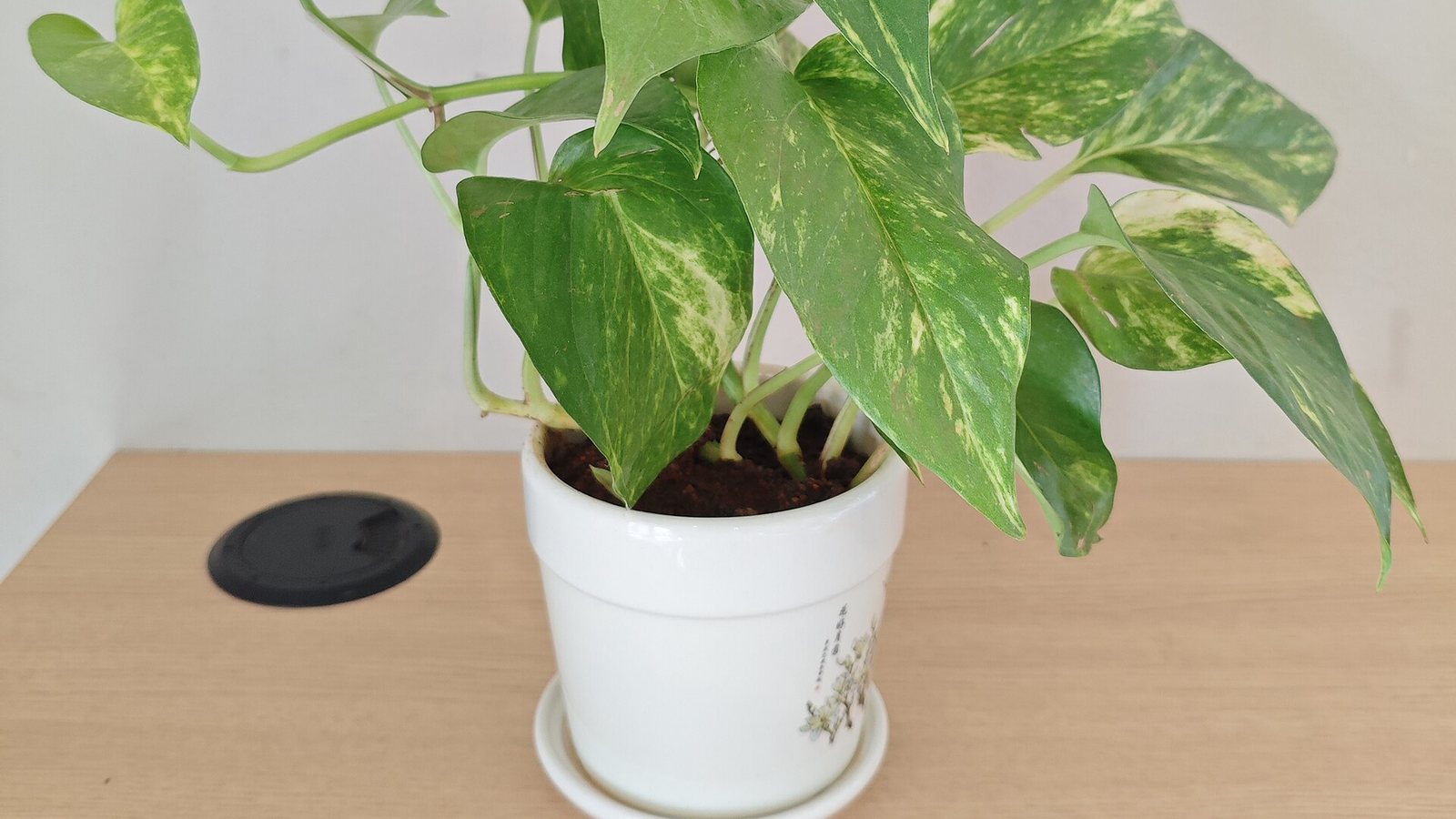
Both are often confused at the garden centre, and both cope well with dim rooms. Iowa State gives pothos low to moderate light and says to let the soil dry moderately between waterings; its leaves are 5–15 cm (2–6 in) long and it can trail or climb. Heartleaf philodendron grows in low to indirect light, likes evenly moist soil and has leaves 8–13 cm (3–5 in) long; Iowa State suggests cutting back long stems to make it branch. In low light both get longer gaps between leaves, so a trim now and then keeps them full. The ASPCA lists both as toxic to cats and dogs, so hang them out of reach.

Peace lily: green in the shade, flowers in brighter light
Iowa State says peace lilies grow in low light but flower best in indirect sunlight. In a dim room expect a healthy green plant with few or no flowers; move it nearer the window if you want blooms. Keep the soil moist: a thirsty peace lily wilts dramatically and recovers after watering, which makes it an honest signal plant. The ASPCA lists it as toxic to cats and dogs.
Two that tolerate, rather than enjoy, the shade
Dragon tree. Iowa State recommends moderate to indirect light and warns that in low light the plant bends and stretches excessively. It works in a dim room near the window, not in a corner. Dracaenas are on the ASPCA toxic list for cats and dogs.
Parlor palm. Iowa State includes it among easy-care houseplants, and the ASPCA lists it as non-toxic to cats and dogs, which makes it a useful second pet-safe option next to the cast iron plant. Our sources do not rate it for deep shade, so give it the brightest part of a dim room. For more pet-safe choices, see our pet-safe houseplants guide; if a cat lives with you, check our list of plants toxic to cats too.
Which plants are not right for a dark room?
- Ponytail palm (Beaucarnea recurvata): Iowa State says it grows best in direct light, though it tolerates lower levels.
- Calathea: Iowa State calls it a fussy plant that is often wrongly included on easy lists.
- Flowering plants in general: as the peace lily shows, a plant can survive dim light and still refuse to flower.
How to keep low light plants healthy
- Water less. Plants in dim light grow slowly and use little water, so the compost stays wet longer. Check it with a finger before each watering instead of following a calendar.
- Use the brightest spot you have. Even in a dim room, the area nearest the window gives far more light than the far wall.
- Keep leaves dust-free so they catch what light there is.
- Watch the new growth. Longer gaps between leaves, smaller pale leaves and leaning are the signs your plant needs more light.
- Add light where there is none. In a windowless room or a spot under about 25 foot-candles (250 lux), a grow light is the only real fix.
Not sure which plant you bought? Flori can identify it from a photo and show its care profile, including light needs and toxicity to pets.
Frequently asked questions
What is the best plant for a room with no windows?
None thrive without daylight. In a windowless room, use a grow light; with one, tough plants such as ZZ plant, snake plant or pothos do well.
Which low light plants are safe for cats and dogs?
The ASPCA lists cast iron plant and parlor palm as non-toxic to cats and dogs. Snake plant, pothos, heartleaf philodendron, peace lily and dracaena are on its toxic lists.
Will a peace lily flower in low light?
It will grow, but Iowa State Extension says it flowers best in indirect sunlight. Move it nearer a window if you want blooms.
How often should I water plants in a dark room?
Less often than in a bright room, because they grow slowly. Check the compost with a finger and water only when it has dried as much as that plant likes.
Sources
Written and fact-checked by the Flori team. Every guide cites horticultural sources such as the RHS, university extension services and the ASPCA, and is updated when the advice changes. How we write our guides
General plant care information. Plants vary; when a plant is valuable or a problem spreads quickly, consult a local nursery or plant specialist.