Measuring Light for Your Plants with Flori
How to measure light for houseplants with Flori's Smart light meter: where and when to take readings, what lux numbers mean and what to do next.
 By Flori editorial team · Updated
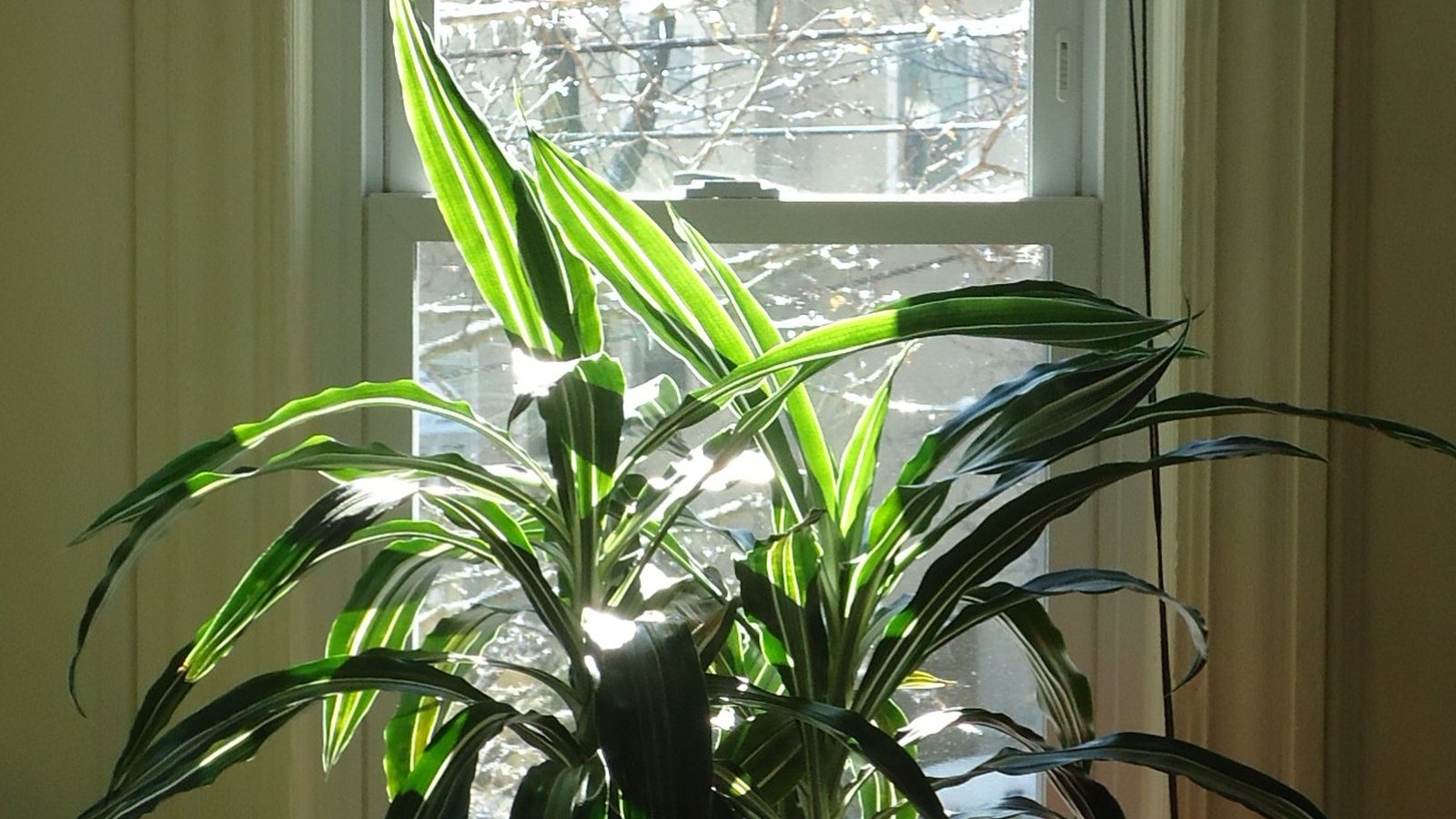 Photo: Tomwsulcer · CC0
Measure light at leaf height around midday with Flori's Smart light meter, facing the window, and repeat on a cloudy day and when the season changes. Compare the reading with the plant's care profile: roughly 250–1,000 lux is low light, 1,000–5,000 medium and 5,000–10,000 high. Phone readings are approximate, so use them to compare spots.
Key takeaways
- Your eyes adapt to dim rooms, so a meter is far more reliable than judging by eye.
- Take readings where the leaves are, around midday, facing the way the leaves face.
- Phone light meters are approximate; use them to compare spots rather than chase exact numbers.
- Measure on a bright and a cloudy day and again when the season changes.
- Move plants toward brighter light gradually and judge the result by new growth.
On this page7
Why measure light instead of guessing?
Most plant labels ask for "bright, indirect light", and UF/IFAS Extension points out how vague that phrase is: our eyes adapt so quickly that two rooms with very different light can both look bright. Measuring light for your plants replaces the guess with a number. This guide shows how to take readings with Flori's Smart light meter, where and when to measure so the number means something, and how to turn a reading into a decision with a reading-to-action table. If you already suspect a plant is short of light, our guide to the signs your plant needs more light covers the symptoms. This one is only about measuring.
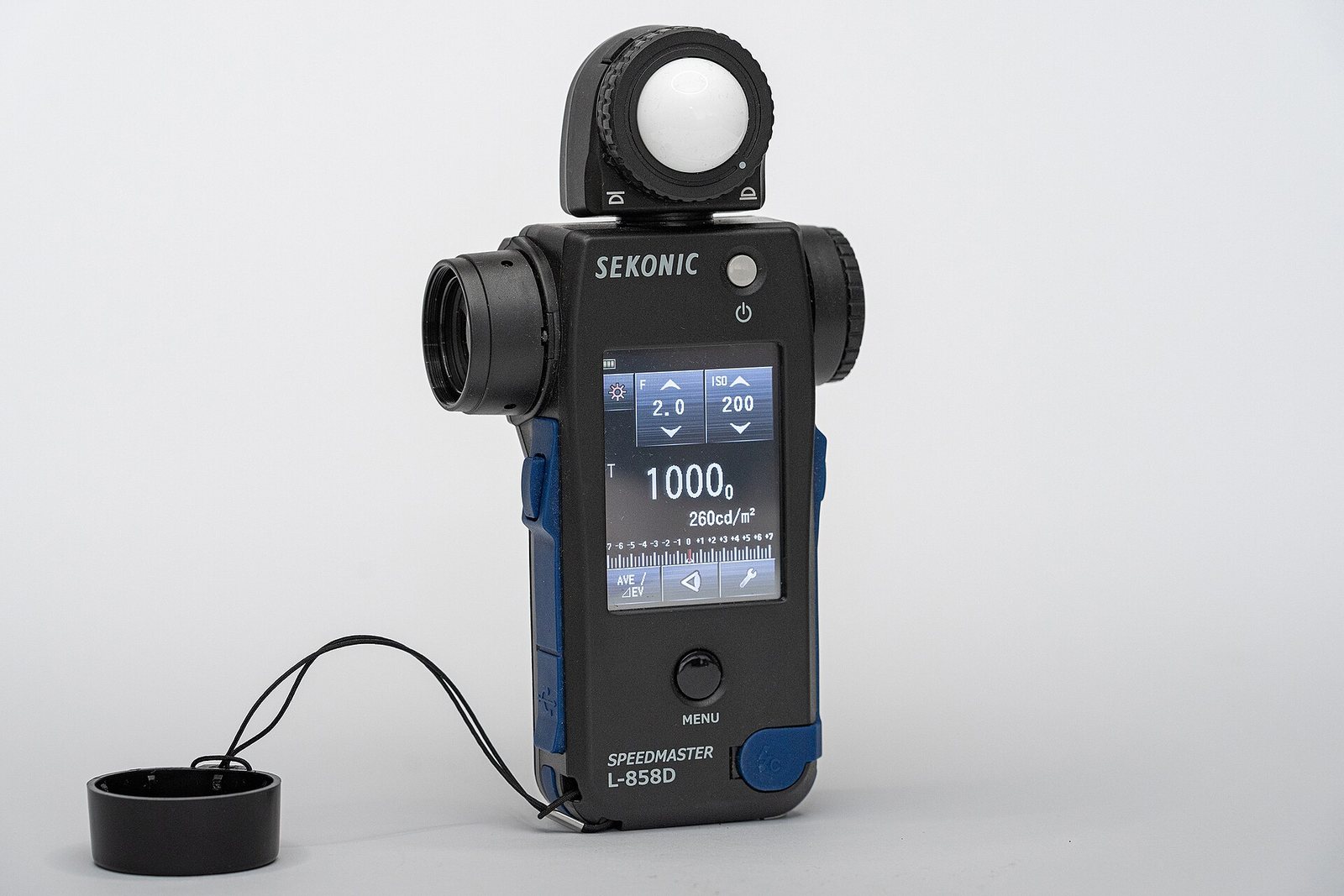
What does a light meter actually measure?
A light meter reports light intensity, usually in lux or foot-candles (fc). Iowa State University Extension gives 1 fc = 10.764 lux, so for quick conversions multiply foot-candles by ten, or divide lux by ten. Intensity is not the whole story: a plant also cares how many hours it gets that light. For grow lights, Iowa State uses the daily light integral (DLI), which combines intensity and hours. For a windowsill, a midday reading plus a rough idea of how long the spot stays bright is enough to make a decision.
How accurate is a phone? UF/IFAS recommends a handheld digital meter that reads lux or foot-candles for the most reliable numbers. It says phone apps depend on the device and on how they calculate, so they are best for approximations and for noticing changes in light. Iowa State says a physical meter or a smartphone app can both do the job. In practice, trust a phone reading to tell you which spot is brighter, and by roughly how much, not to the last lux.
How do you take a light reading with Flori?
- Check what the plant needs. Open the plant's care profile (identify it from a photo first, or search the plant database by name) and note its light requirement.
- Open the Smart light meter in the light setup and hold the phone where the leaves are, not where the pot stands. Iowa State stresses taking readings at foliage level.
- Face it the way the leaves face, usually toward the window, and keep your own shadow off the phone.
- Measure around midday, when light is strongest. The UF/IFAS light ranges below are midday values, so a reading at 8 in the morning is not comparable.
- Move and repeat. Measure the windowsill, a spot about 1 m (3 ft) back, and the place you actually want the plant. Compare the numbers rather than judging any one of them alone.
Measure on an ordinary day, not only on the sunniest one. A reading taken in a short burst of direct sun can be many times higher than the same spot under cloud, and the plant lives with the ordinary days.
What do the light readings mean?
UF/IFAS groups indoor light into four bands measured at midday. The lux figures are converted from its foot-candle values and rounded.
| Band | Foot-candles | About lux | Typical spot | What to do |
|---|---|---|---|---|
| Low | 25–100 | 250–1,000 | Far from windows, heavy shade or ceiling lights only | Keep only low-light tolerant plants here; move others closer |
| Medium | 100–500 | 1,000–5,000 | Near a window with no direct sun | Suits many foliage plants; flowering plants usually want more |
| High | 500–1,000 | 5,000–10,000 | Near a window with some softened direct light | Good for most "bright, indirect" plants and many flowering ones |
| Direct sun | Over 1,000 | Over 10,000 | Right in front of a window, only clear glass between plant and sun | For sun lovers; UF/IFAS suggests four or more hours of sun for plants that need direct light |
Other extension services draw the lines differently. University of Illinois Extension describes typical indoor levels as about 75 fc for low, 150 fc for medium, 300 fc for high and 1,500 fc for direct light. Treat the bands as a guide and the plant's response as the final test. A few UF/IFAS reference points help you calibrate: an office lit only by fluorescent lamps often has 40 fc or less, a north-facing window may never reach 400 fc, and outdoors at noon in winter there can be more than 4,000 fc.
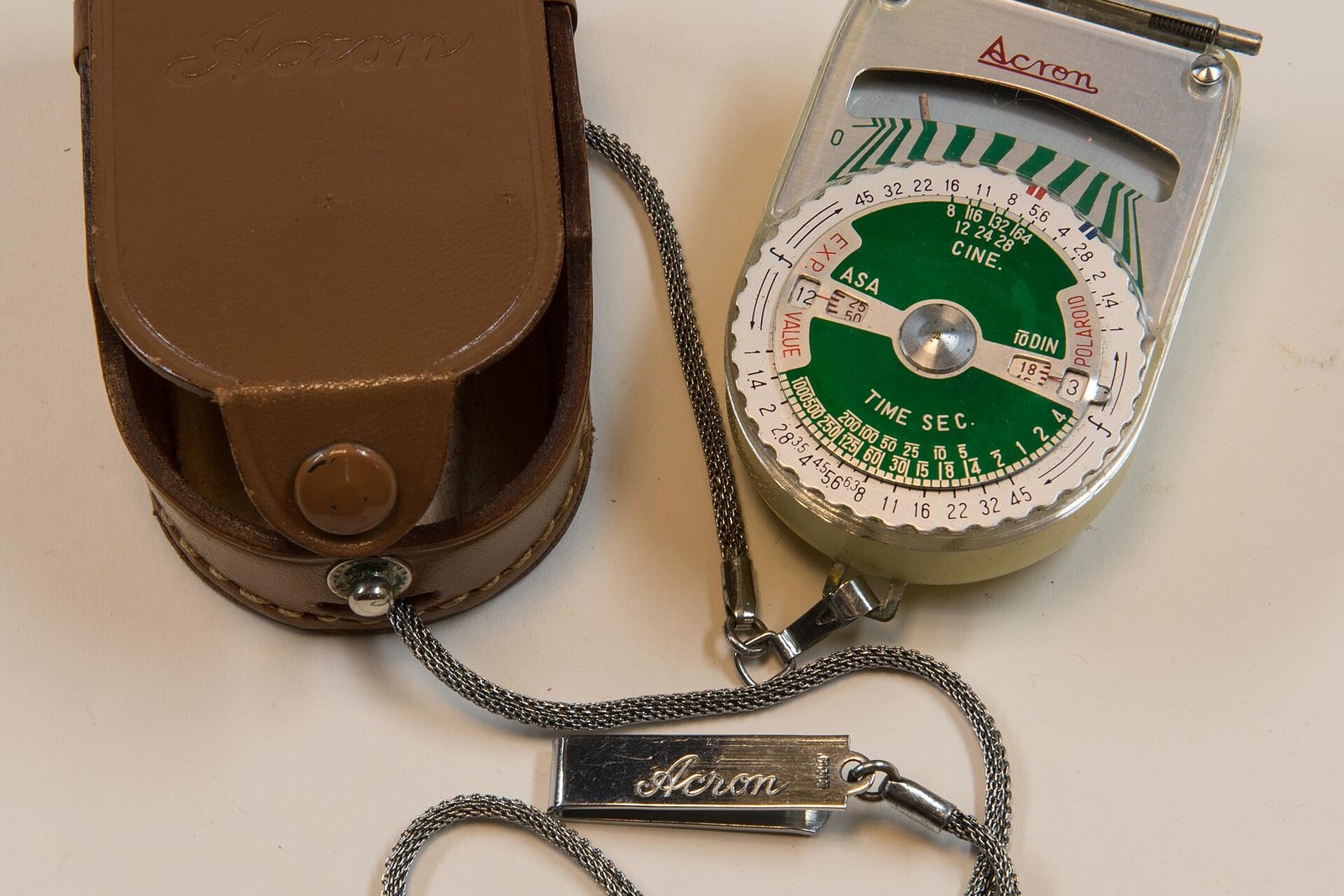
Why is one reading not enough?
Light changes through the day and the year. UF/IFAS lists window direction, weather, trees and buildings outside, and the time of year among the things that change how much light reaches a plant. Illinois Extension shows how fast light drops with distance: a south window gives high light only up to about 1.5 m (5 ft) away and medium light about 1–3 m (3–10 ft) away, while an east or west window gives high light only directly in front of it. These directions assume the Northern Hemisphere; in the Southern Hemisphere a north-facing window gets the most sun.
- Measure at least twice: at midday on a bright day and on an overcast one. The overcast reading is closer to what the plant gets most of the time.
- Repeat when the season turns. Days are shorter in winter, so the same spot gives fewer bright hours, while a tree that shades a window in summer lets more light through once its leaves fall, as Illinois Extension notes. Our winter houseplant care guide covers the rest of the winter routine.
- Re-measure after any change: new curtains, a moved shelf, a building or a tree growing outside.
How do you turn a reading into a decision?
Compare the band you measured with what the care profile asks for, then act on the gap.
- The reading matches the need: leave the plant where it is and judge the spot by its new growth over the next few weeks.
- The reading is one band too low: move the plant closer to the glass or to a brighter window. Because light falls off quickly, even half a metre (20 in) can make a difference; measure the new spot to confirm.
- The reading is far too low and there is no brighter spot: consider a grow light. Our grow light guide covers lamp types, distance and hours; Iowa State advises keeping lights on between 8 and 16 hours a day. Use the meter at leaf level under the lamp to check the result.
- The reading is much higher than the plant wants: move it back from the window or filter the light with a sheer curtain, especially shade plants in summer sun.
Make big moves gradually. Iowa State Extension notes that light that is too high, too low or changes suddenly can cause leaf drop, and advises changing light levels gradually when you move a plant. Step a plant from a dim corner toward a sunny window over a week or two.
What can a light meter not tell you?
A meter measures light, not health. It cannot see that a plant is stretching, that its compost stays wet for a week or that its roots fill the pot. Read the numbers together with what the plant shows: compact new growth with normal colour means the light is about right, whatever the meter says. If a plant keeps struggling in a spot that measures well, look at watering, temperature and pests next; Dr. Flori can help narrow down the cause from a photo. And if your room is simply dim, choosing a plant that copes with it is easier than fighting the light; our list of forgiving beginner plants is a good place to start.
Frequently asked questions
How many lux is low light for houseplants?
UF/IFAS Extension puts low light at 25–100 foot-candles at midday, about 250–1,000 lux. Medium light is about 1,000–5,000 lux and high light about 5,000–10,000 lux.
Is a phone light meter accurate enough?
For comparing spots, yes. UF/IFAS says phone apps vary by device and are best for approximations and detecting changes, while a handheld digital meter gives the most reliable numbers.
What time of day should I measure light for plants?
Around midday, when light is strongest, because published light ranges are midday values. Repeat on an overcast day to see what the plant gets most of the time.
Should I measure again in winter?
Yes. Days are shorter in winter, and leafless trees or a lower sun can change how much light reaches a window, so re-check any spot when the season changes.
Sources
- UF/IFAS Gardening Solutions: Light for Houseplants
- University of Illinois Extension: Houseplants, Lighting
- Iowa State University Extension: How to determine how much supplemental light to provide indoor plants
- Iowa State University Extension: What causes the leaves of my houseplant to turn yellow or brown and drop?
Written and fact-checked by the Flori team. Every guide cites horticultural sources such as the RHS, university extension services and the ASPCA, and is updated when the advice changes. How we write our guides
General plant care information. Plants vary; when a plant is valuable or a problem spreads quickly, consult a local nursery or plant specialist.