Pruning Houseplants: When and How to Cut Back
How to prune houseplants: pinching vs pruning, where to cut on vines, cane plants, rosettes and palms, the best season, and which saps to keep from pets.
 By Flori editorial team · Updated
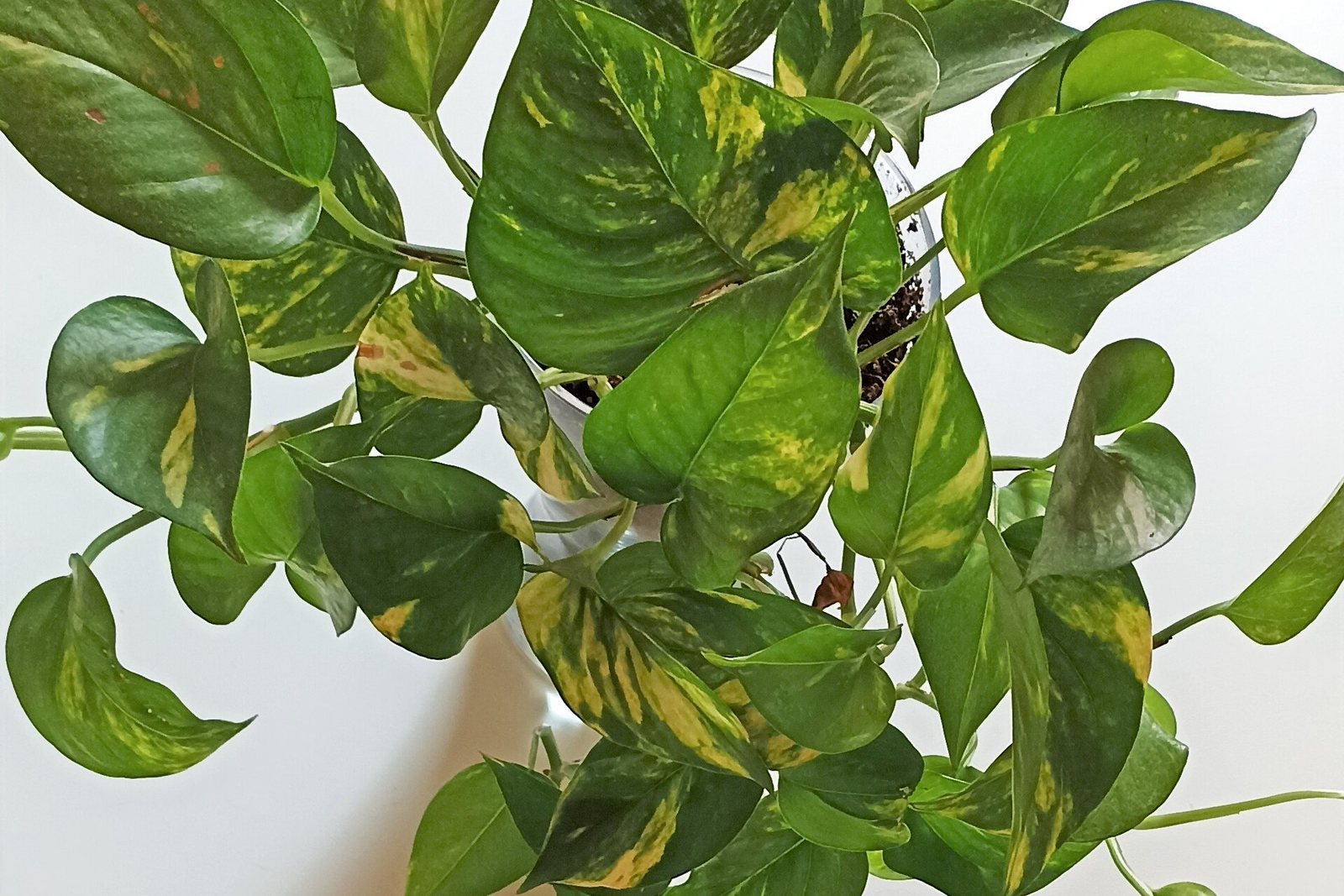
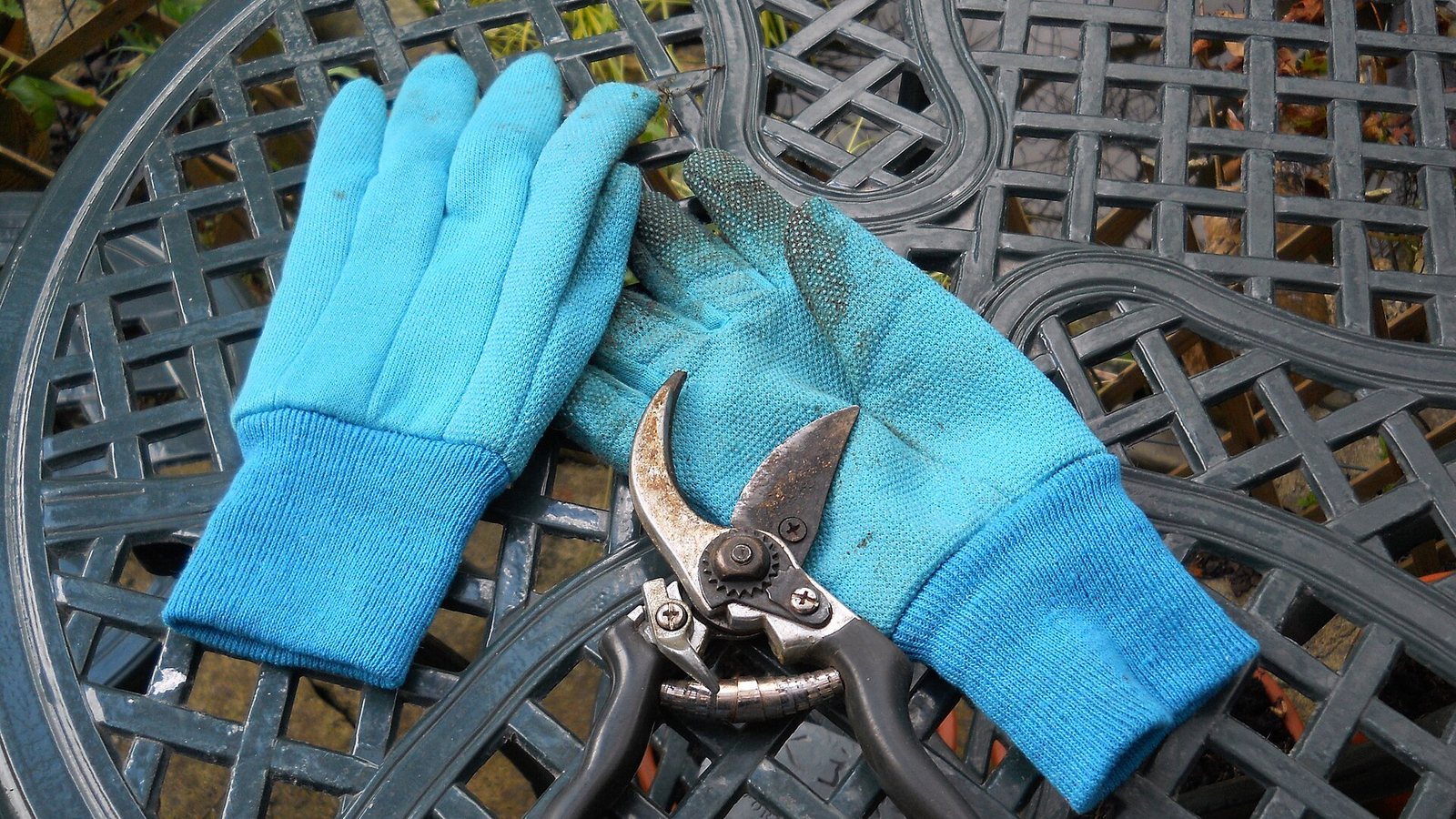 Photo: shrinkin'violet from Bristol, UK · CC BY 2.0
Prune houseplants to shape them, make them bushier and remove dead or diseased parts. Pinch soft tips just above a leaf node to get side shoots, cut leggy stems back to a node, and remove spent flowers and dead leaves any time. Save bigger cutbacks for the start of the growing season, and never cut green palm fronds.
Key takeaways
- Always cut or pinch just above a leaf node, where new shoots will form.
- Pinching removes 2.5 cm (1 in) or less of soft tip growth and keeps a plant compact and full.
- Remove spent flowers, dying leaves and dead stems whenever you see them.
- Rosette plants and palms do not branch: remove whole damaged leaves only, never green palm fronds.
- Weeping fig and pothos are toxic to pets; clear up trimmings straight away.
On this page6
Why prune houseplants at all?
Pruning houseplants is less about drastic haircuts and more about small, regular cuts. Done well, it keeps a plant compact, makes it bushier, removes parts that are dead or diseased and gives you cuttings to root. The University of Arkansas Cooperative Extension counts pinching and grooming among the small care habits that separate beginners from experienced growers, and notes that keeping plants clean and neat reduces insect and disease problems as well as looking better.
The catch is that not every houseplant responds to cutting in the same way. A pothos branches happily after a trim; a snake plant or a palm does not branch at all. Below you will find the three basic cuts, a table for the main plant types, the right season and the safety points, so you know where to cut before you pick up the scissors.
Pinching, pruning and grooming: what is the difference?
Pinching
University of Illinois Extension defines pinching as removing the growing tip of a plant. Arkansas Extension is more precise: pinching removes 2.5 cm (1 in) or less of new stem and leaf growth, just above the node. Soft tips come away between finger and thumbnail; firmer ones need clean scissors. New shoots form just below the pinched tip, which is what makes the plant bushy. Arkansas notes that if you want a plant compact but well filled out, frequent pinching will do it.
Pruning
Pruning goes further: removing longer sections of stem, whole branches or entire sections of a plant for the sake of shape or appearance. The same rule applies: cut just above a node, the point where a leaf joins the stem. A bare stump above the last node has nothing to grow from and usually dies back.
Grooming and deadheading
This is the everyday tidy-up. Remove spent flowers, dying leaves and dead branches. Illinois Extension notes that deadheading flowering plants keeps them tidy, lowers the risk of diseases such as botrytis and encourages more blooms. If leaf tips turn brown and dry, Arkansas suggests trimming them off neatly with sharp scissors. Trimming hides the damage but does not fix it, so find the cause too with our guide to brown leaf tips.
Where to cut: houseplant pruning by plant type
| Plant type | Examples | How to prune |
|---|---|---|
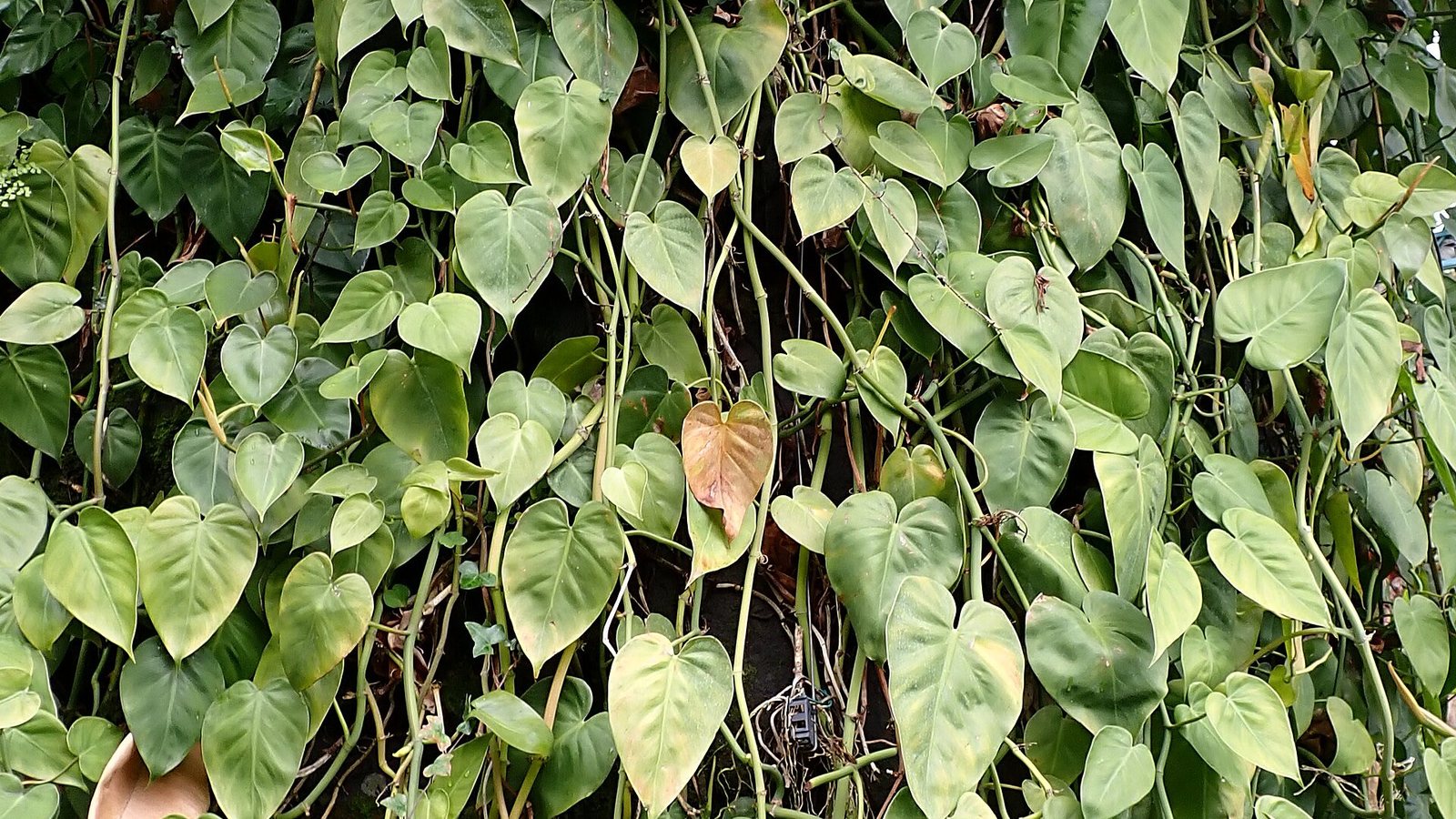
| Trailing and climbing vines | Pothos, heartleaf philodendron, ivy, hoya, tradescantia | Cut long stems back to just above a node; pinch tips to make them branch. Root the cuttings. |
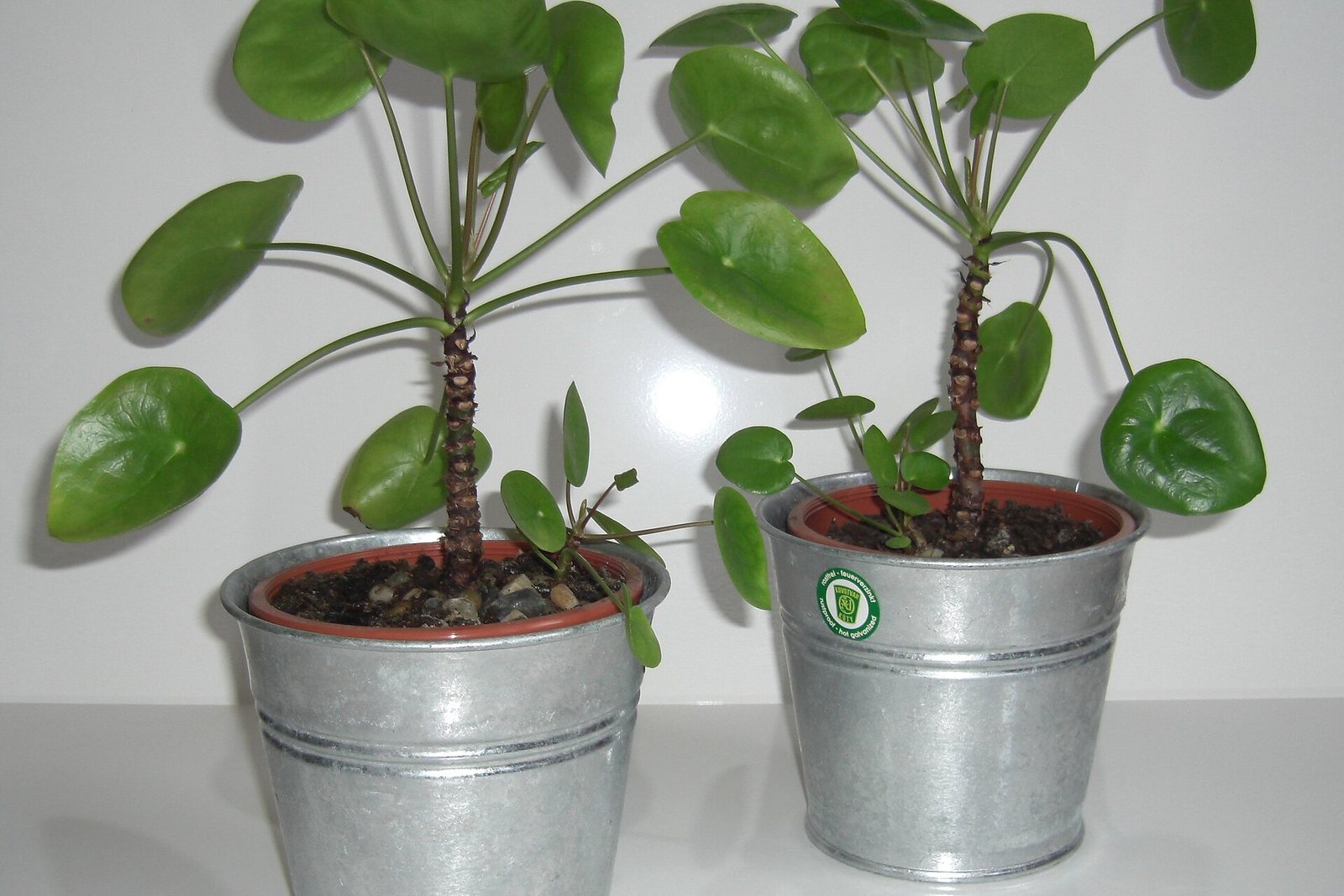
| Soft-stemmed bushy plants | Coleus, polka dot plant, begonia, pilea | Pinch growing tips regularly to keep them compact; remove spent flowers. |
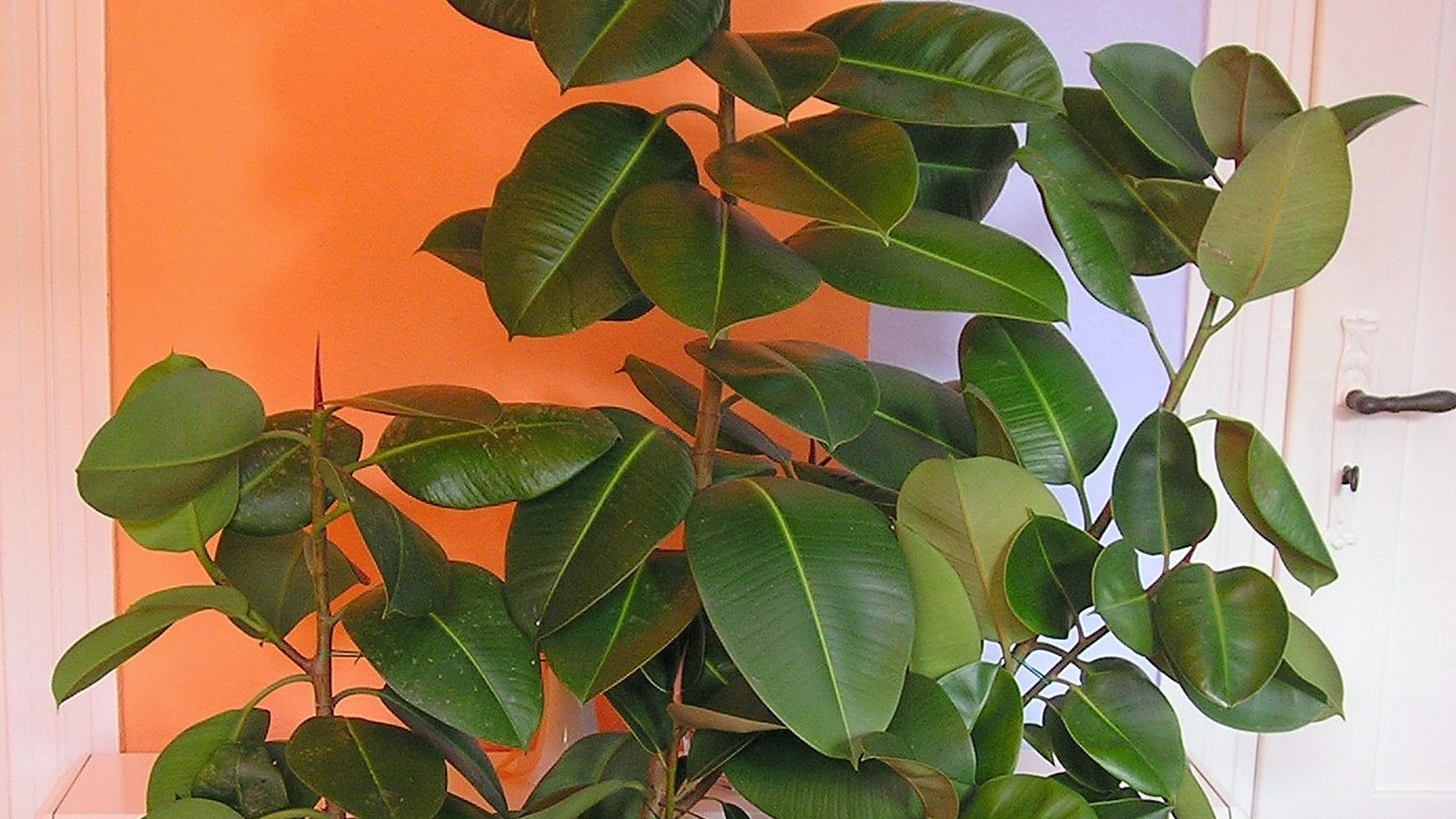
| Woody and cane plants | Weeping fig, rubber plant, dracaena, schefflera | Cut a too-tall stem or branch just above a node or leaf scar; new shoots usually form below the cut. |
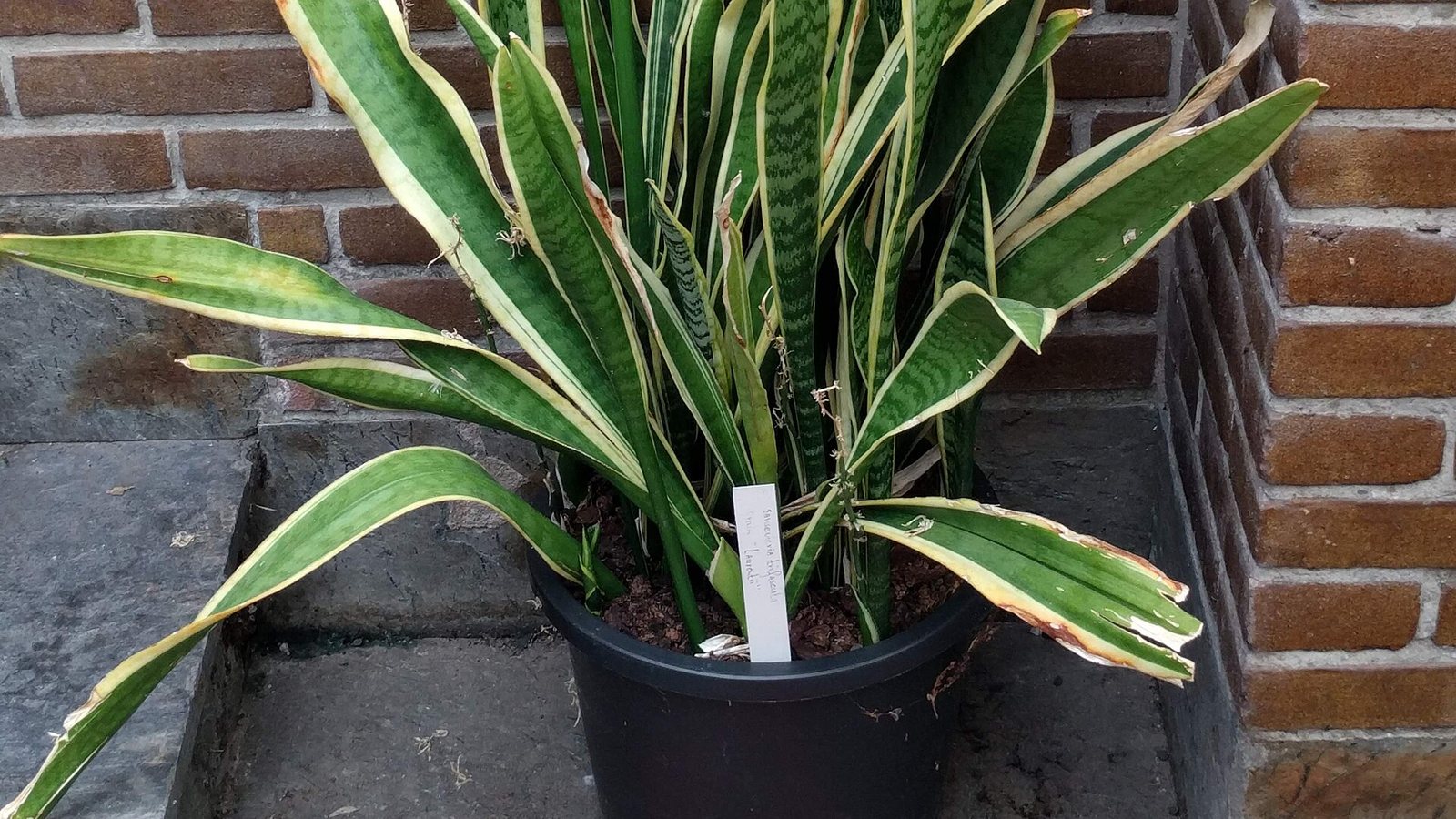
| Rosette plants | Snake plant, ZZ plant, calathea, African violet, bromeliads | Do not cut the centre. Remove whole damaged or dead leaves at the base. |
| Palms | Kentia, parlour palm, areca palm | Remove only fully brown fronds. Never cut green fronds or the top of the stem. |
| Flowering plants | Peace lily, anthurium, orchids, kalanchoe | Cut spent flower stalks; take care not to remove developing buds. |
Palms deserve their own warning. UF/IFAS Gardening Solutions calls it the number-one rule for palms: never remove live, green, healthy fronds. They make the plant's food, and cutting them can leave wounds in the crown that let disease in.
When is the best time to prune houseplants?
Light work has no season. Pinching, deadheading and removing dead or yellow leaves can be done whenever you notice them; Illinois Extension suggests tidying up whenever you pass the plant or water it. Heavier cutbacks are a different matter. Save them for the start of the growing season, in spring, when longer days let the plant push new shoots quickly. A plant cut hard in the short days of winter has little light to regrow with and can stay bare for months.
Avoid pruning a plant that is already stressed, for example one that has just been repotted, is wilting from root problems or is in the middle of flowering, unless you are only removing dead parts. Such a plant cannot replace lost leaves; wait until it has recovered and is making new ones. One more note for flowering plants: Arkansas Extension says some buds can be removed so that a very young plant or a newly rooted cutting does not bear the drain of flowering early.
How to prune a leggy houseplant step by step
- Find the cause first. Long, bare stems with small, widely spaced leaves usually mean too little light. Pruning removes the stretch, but the plant will stretch again unless it moves closer to a window. Our guide to signs your plant needs more light shows what to look for.
- Use clean, sharp scissors or pruners. A clean cut heals faster than a torn one, and clean blades do not spread disease from plant to plant.
- Choose the height. Decide where you want new growth to start and find a node just above that point.
- Cut just above the node. Leave a few millimetres of stem above it, not a long stump.
- Stagger the cuts. On a plant with several stems, cut some shorter than others for a fuller, natural shape, and leave enough leaves on the plant to keep it feeding.
- Root the trimmings. Many vine and cane cuttings with a node root in water or moist mix, so a trim can give you new plants.
Flori can set pruning reminders for each plant in your collection, and progress-photo reminders make it easy to see how a plant fills out after a trim.
Safety: sap, pets and people
Some houseplants have irritating or toxic sap. The ASPCA lists the weeping fig (Ficus benjamina) as toxic to dogs, cats and horses, naming ficin and psoralen as the toxic principles, and lists pothos (Epipremnum aureum) as toxic to cats and dogs because of insoluble calcium oxalates. Wear gloves when pruning plants with milky or irritating sap, keep it away from your eyes, wash your hands afterwards and gather every trimming before a pet or child finds it. If you share your home with animals, our list of pet-safe houseplants helps you choose plants that are less of a worry.
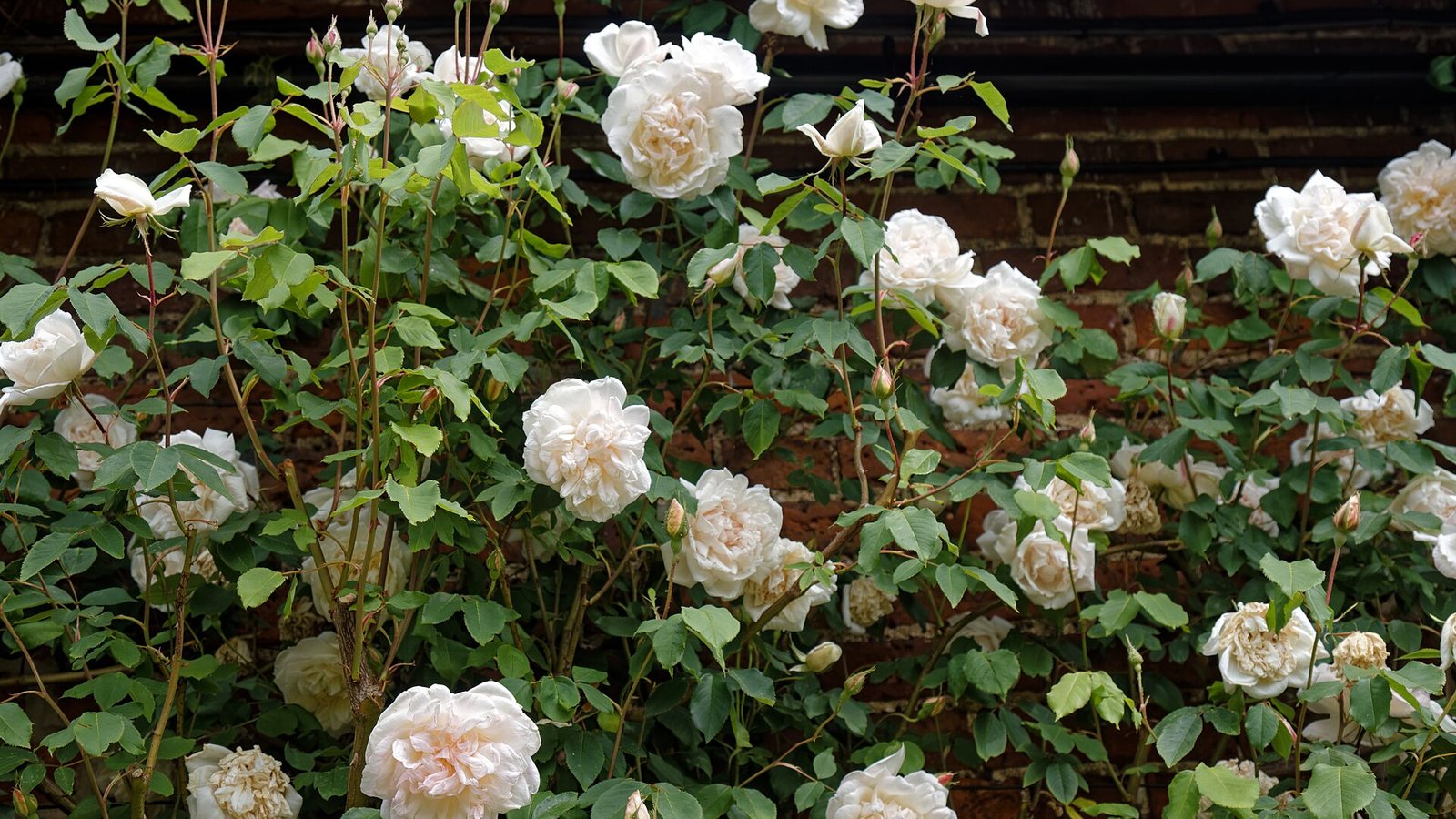
Outdoor shrubs follow different rules, timed around when they flower. If you also grow roses, see our separate guide on how to prune roses.
Frequently asked questions
Where should I cut a houseplant to make it bushier?
Cut or pinch just above a leaf node, the point where a leaf joins the stem. New shoots form just below the cut, so the plant branches and fills out.
Can I prune houseplants in winter?
Light jobs such as removing dead leaves, spent flowers and soft tips are fine any time. Save heavy cutbacks for spring, when the plant has the light to regrow.
Should I cut off brown leaf tips?
You can trim them neatly with sharp scissors for appearance. Trimming does not fix the cause, so check watering, humidity and fertilizer too.
Can I cut the top off a palm or snake plant?
No. Palms and rosette plants such as snake plant do not branch from a cut. Remove only whole dead leaves, and never cut green, healthy palm fronds.
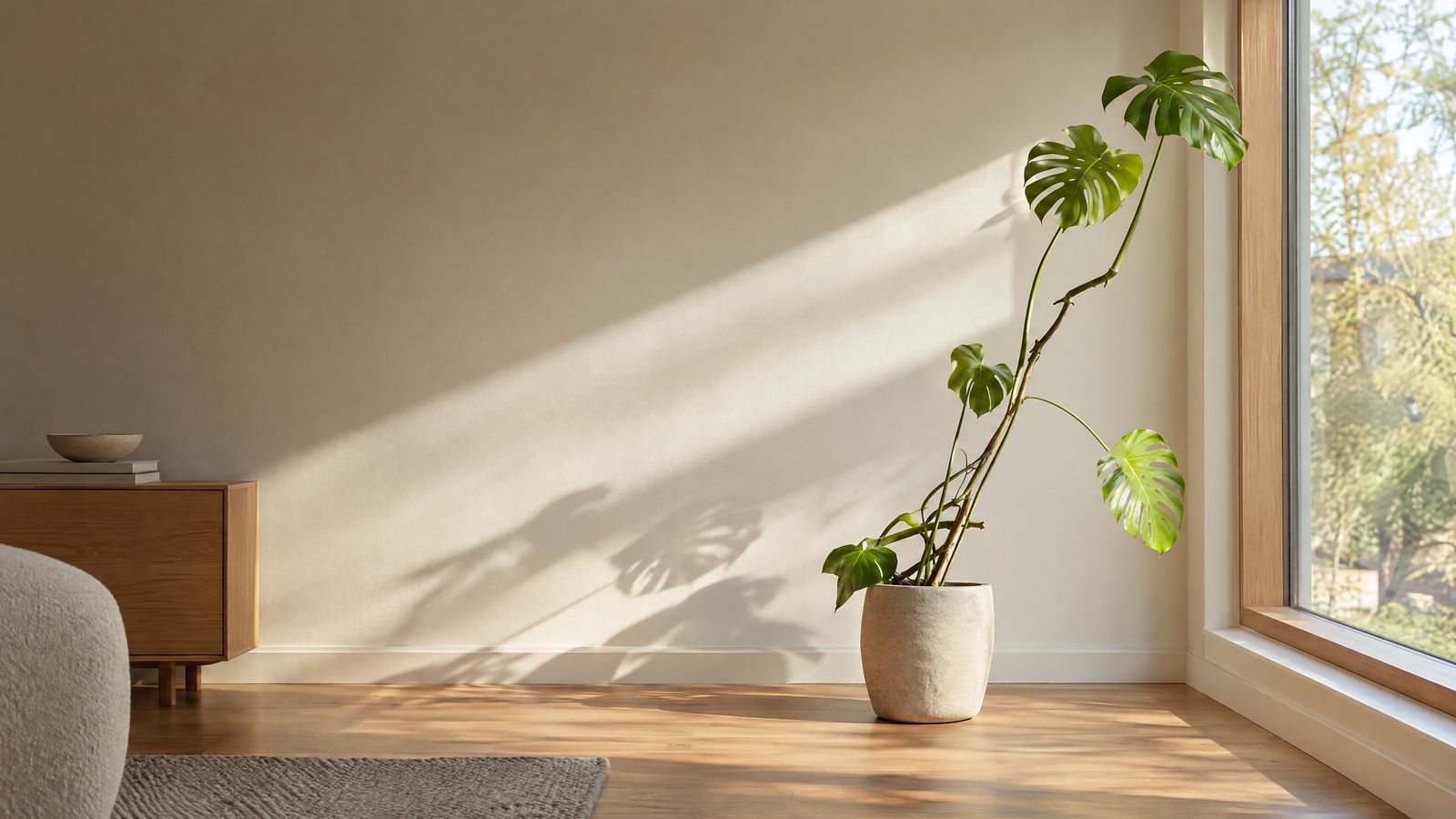
Leggy stems, leaning, small pale leaves and no flowers mean your plant needs more light. Learn how much light houseplants need and how to fix it.
Sources
Written and fact-checked by the Flori team. Every guide cites horticultural sources such as the RHS, university extension services and the ASPCA, and is updated when the advice changes. How we write our guides
General plant care information. Plants vary; when a plant is valuable or a problem spreads quickly, consult a local nursery or plant specialist.