Plants Toxic to Dogs: House and Garden Plants
Which house and garden plants are toxic to dogs? ASPCA-listed plants grouped by danger, from sago palm and yew to tulip bulbs, and what to do after a chew.
 By Flori editorial team · Updated
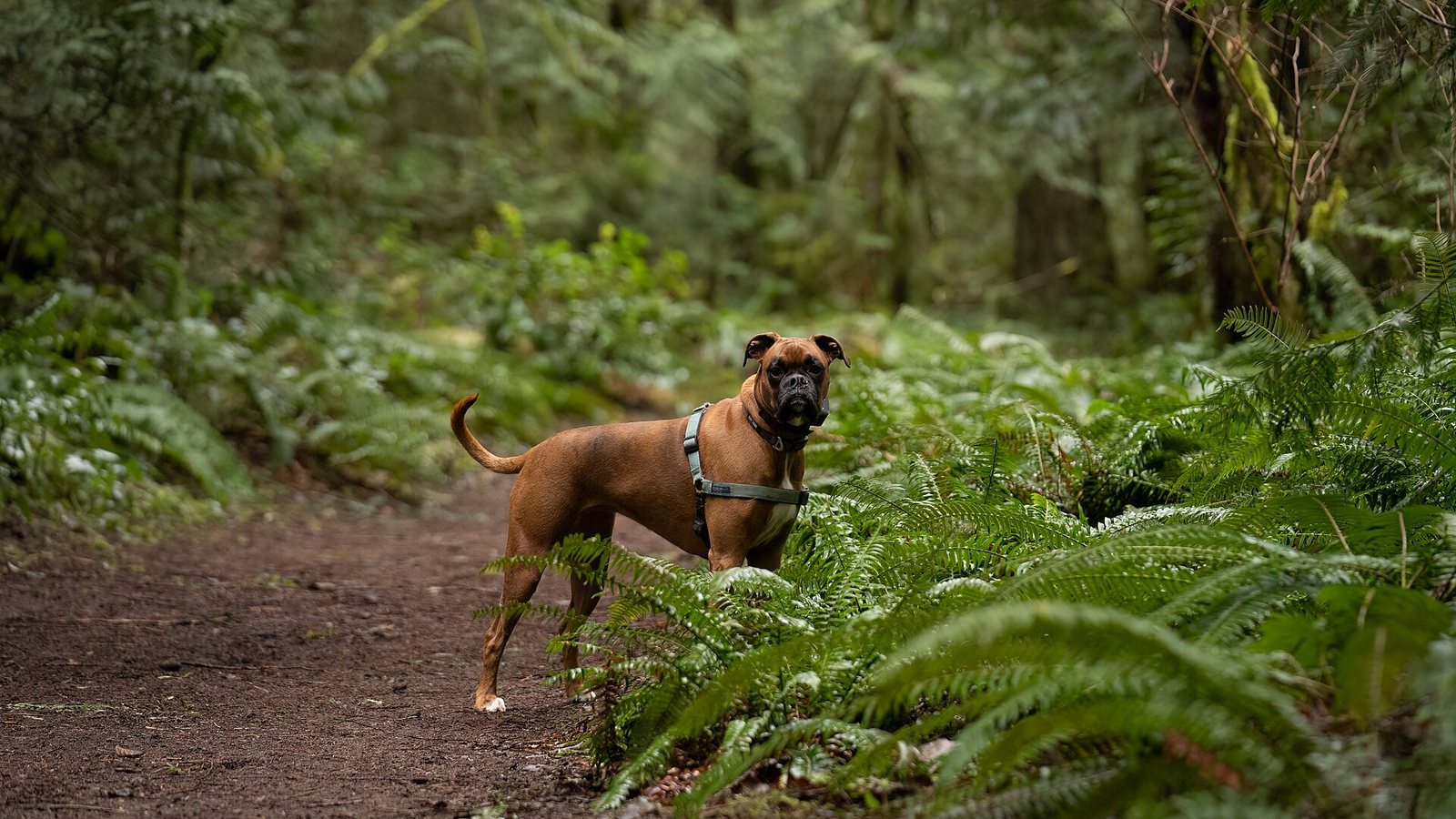
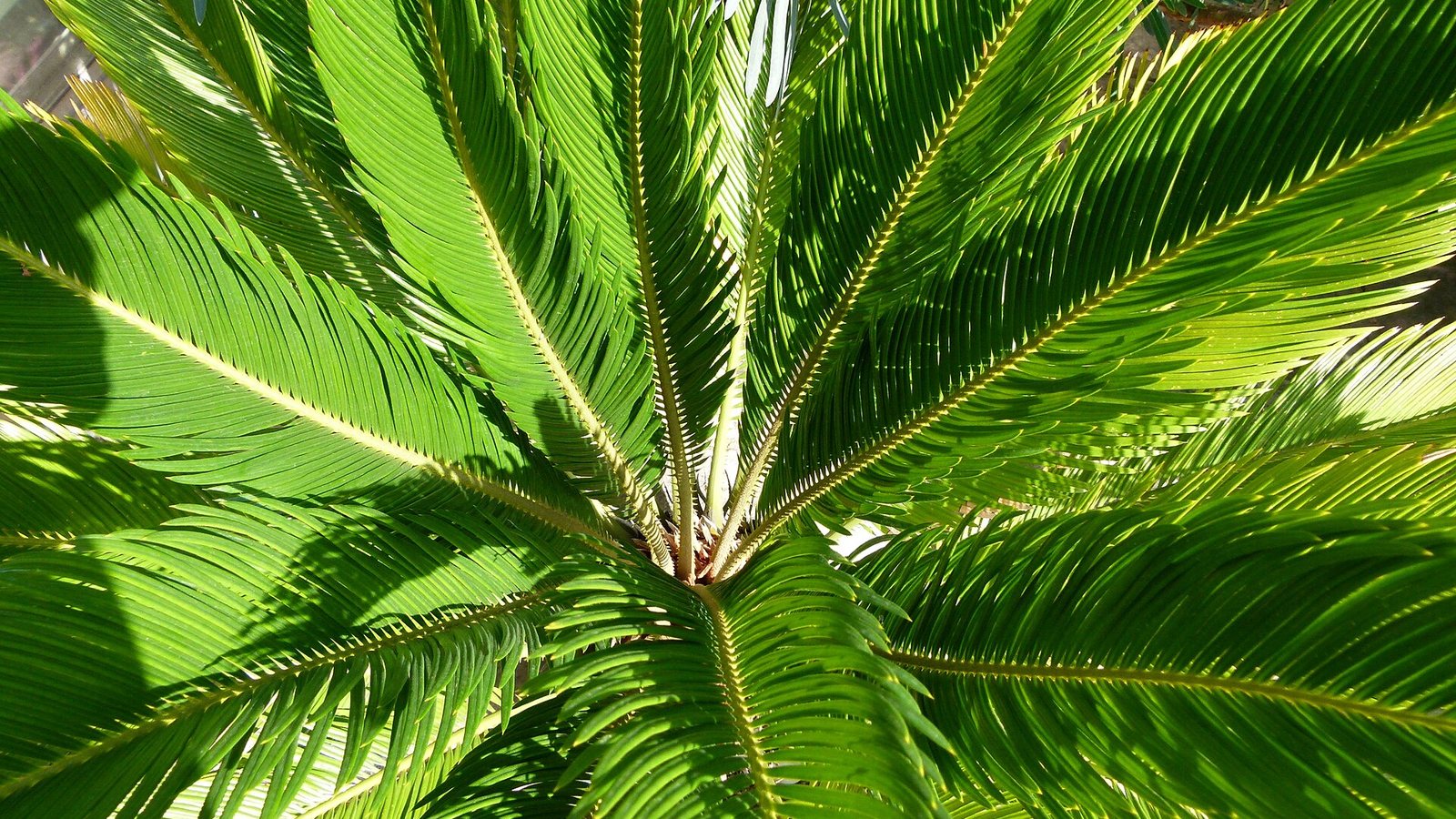 Photo: Dinkum · CC0
Plants toxic to dogs include sago palm, yew, oleander, autumn crocus, castor bean, foxglove, lily of the valley and tulip or daffodil bulbs, plus common houseplants such as pothos, jade and aloe. The ASPCA lists all of these. Sago palm, yew and autumn crocus are emergencies: call a vet immediately, without waiting for signs.
Key takeaways
- Sago palm, yew, oleander and autumn crocus are the plants to treat as emergencies if a dog chews them.
- Garden bulbs such as tulips are most toxic in the bulb, which is exactly what dogs dig up.
- Lilies are toxic to cats but listed by the ASPCA as non-toxic to dogs, so check the animal, not just the plant.
- Many popular houseplants (pothos, jade, aloe, snake plant) are on the ASPCA toxic list for dogs, so place them out of reach.
- If your dog chews a plant, call a vet or animal poison line straight away and bring the plant name or a photo.
On this page8
- Which plants are toxic to dogs?
- Which garden plants are the most dangerous for dogs?
- Are garden bulbs toxic to dogs?
- Which houseplants are toxic to dogs?
- How worried should you be after a nibble?
- Are lilies toxic to dogs?
- How do you keep dogs away from toxic plants?
- What should you do if your dog chewed a toxic plant?
Which plants are toxic to dogs?
More than you would think, and the list is different from the one for cats. This guide covers plants that matter to dog owners specifically: garden and yard plants a dog meets on walks and in the garden, and the houseplants a bored dog chews indoors. All plant names below come from the ASPCA toxic plant list for dogs. Our guide to houseplants toxic to cats covers the cat side, and pet-safe houseplants gives safer swaps.
One caution before the list: the ASPCA says that eating any plant material may cause vomiting and an upset stomach in dogs, and that plants listed as non-toxic are not expected to be life-threatening. A listing as toxic means more than that, but how severe it is depends on the plant, the part eaten and the size of your dog.
Which garden plants are the most dangerous for dogs?
These are the ones to treat as emergencies. The signs below are those the ASPCA gives on each plant's page.
| Plant | Where you meet it | Signs the ASPCA lists |
|---|---|---|
| Sago palm (Cycas revoluta) | Patio pots, warm gardens, indoors | Vomiting, black tarry stool, yellow skin and eyes, bruising, liver failure, death |
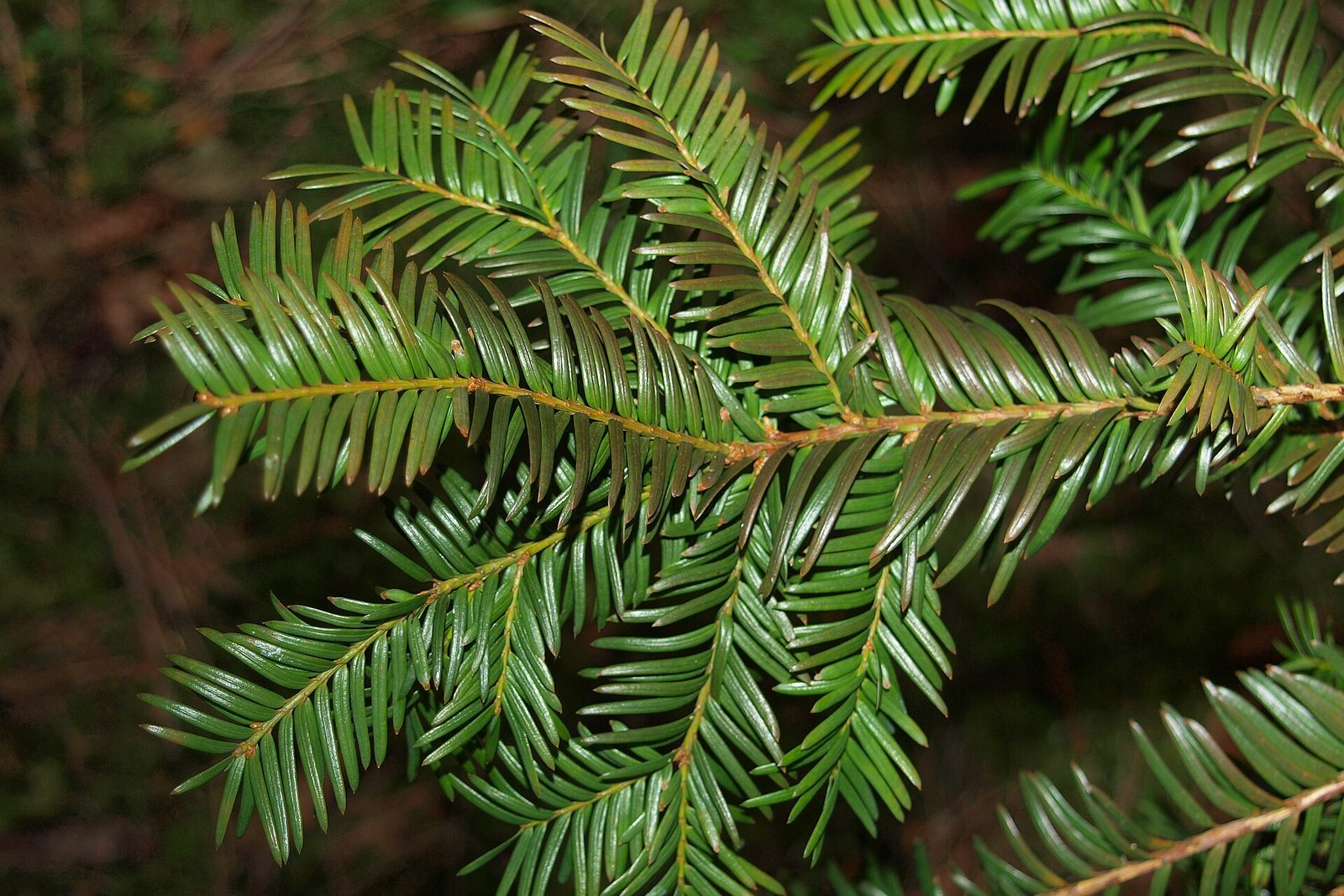
| Yew (Taxus) | Hedges and garden shrubs | Tremors, breathing difficulty, vomiting, seizures, sudden death from heart failure |
| Autumn crocus (Colchicum autumnale) | Autumn borders, bulbs | Bloody vomiting, diarrhoea, shock, multi-organ damage |
| Oleander (Nerium oleander) | Hedges, pots, warm climates | Heavy drooling, abdominal pain, diarrhoea, lethargy, in severe cases death |
The ASPCA toxic list for dogs also names castor bean (Ricinus communis), foxglove, lily of the valley, rhododendron and azalea, wisteria, hydrangea, black walnut and rosary pea. If you grow any of them, fence them off or choose something else.
Are garden bulbs toxic to dogs?
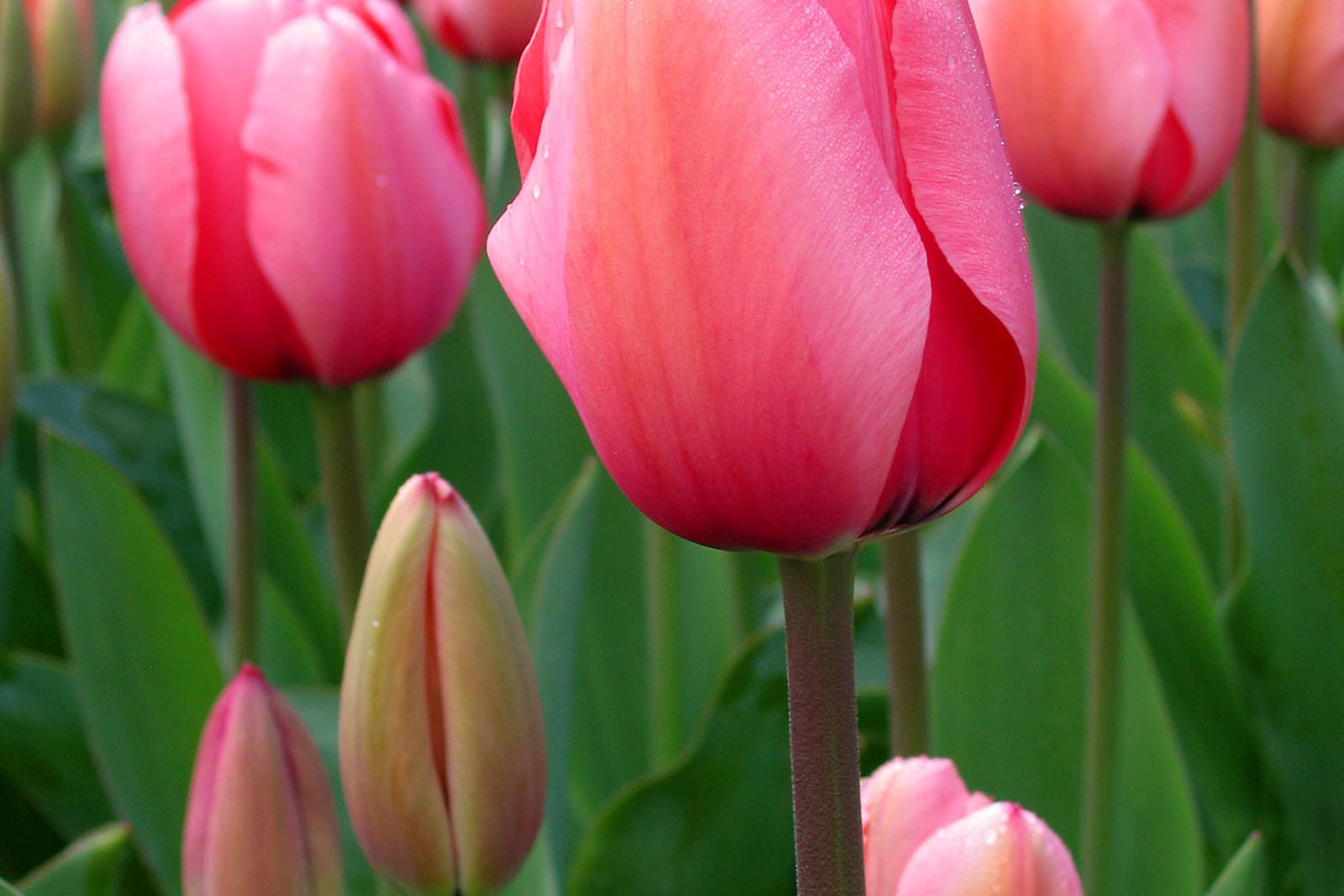
Yes, and dogs dig. Tulips, daffodils, hyacinths, amaryllis and autumn crocus are all on the ASPCA list for dogs. For tulips the ASPCA says the highest concentration of toxin is in the bulb, and lists vomiting, drooling, diarrhoea and depression. Plant bulbs where a digging dog cannot reach them, and do not leave bags of spare bulbs on the floor of the shed or hallway. Our November planting guide shows when bulbs go in, which is also when dogs are most likely to dig them up.
Which houseplants are toxic to dogs?
Indoors, the same ASPCA list names many of the plants people buy first. They are usually less dangerous than sago palm or yew, but a chewed leaf can still mean drooling, vomiting and a vet call.
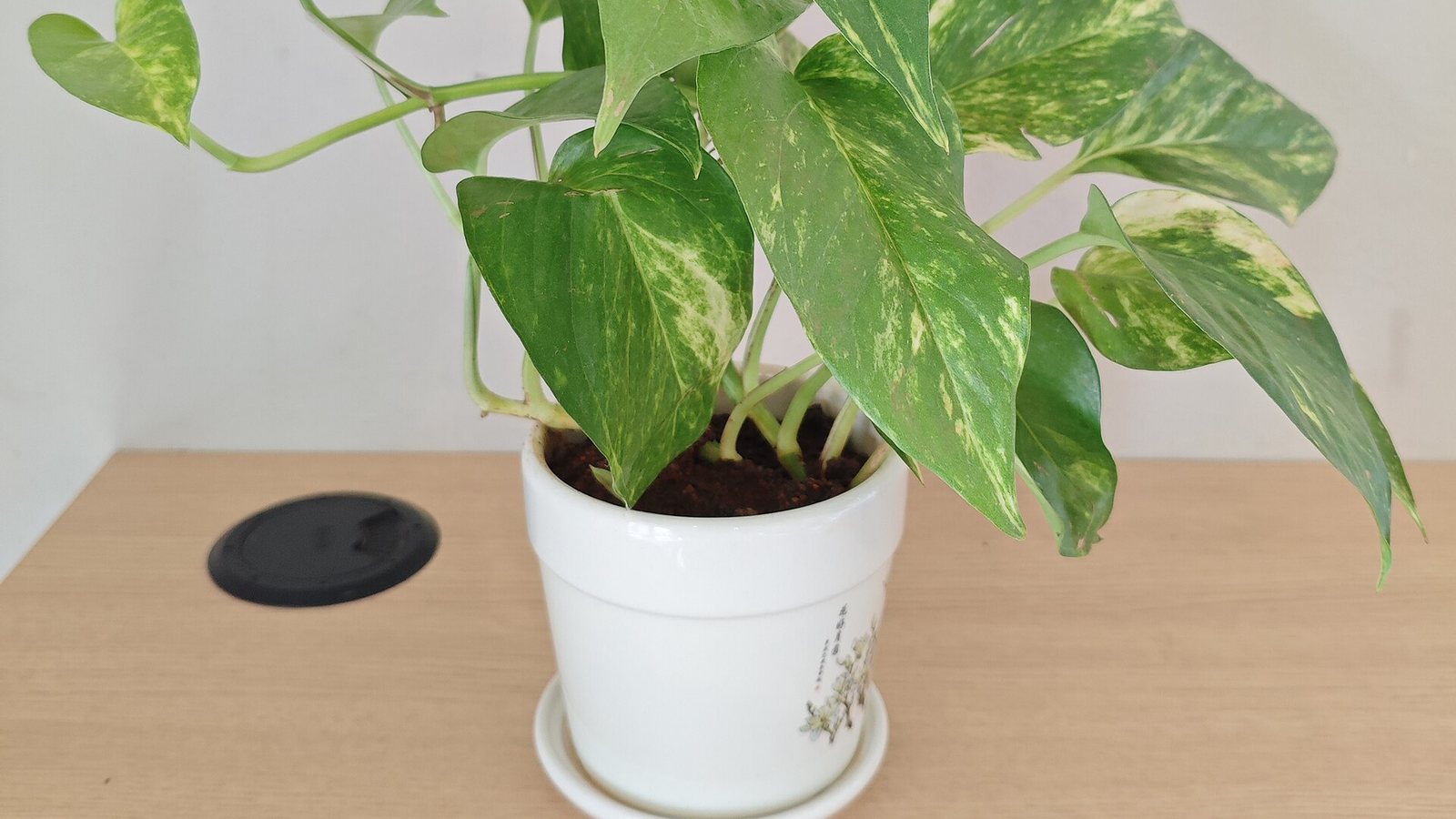
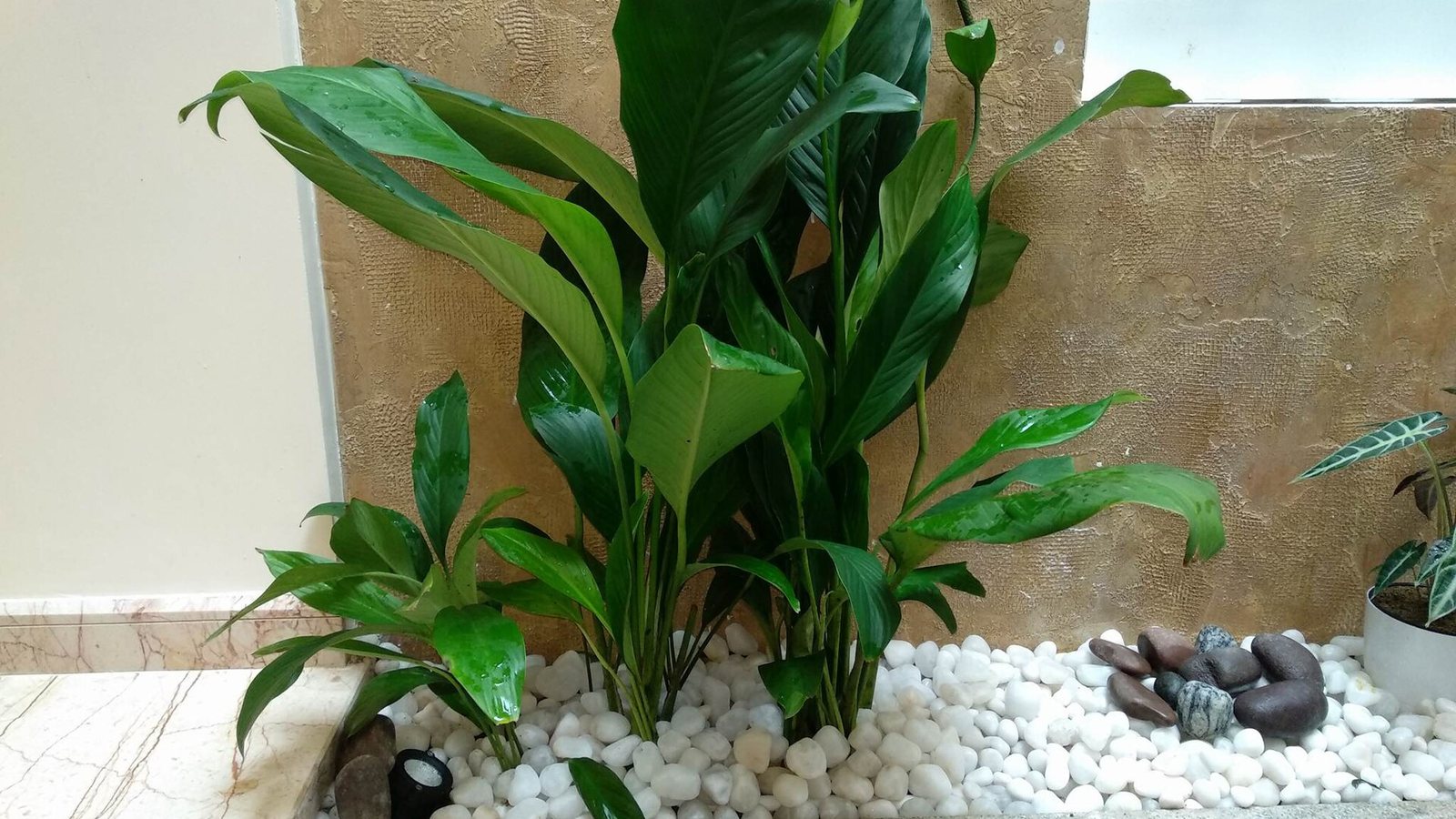
- Arum family: pothos (Epipremnum aureum), philodendron, monstera, dieffenbachia, peace lily, Chinese evergreen, caladium, alocasia and anthurium.
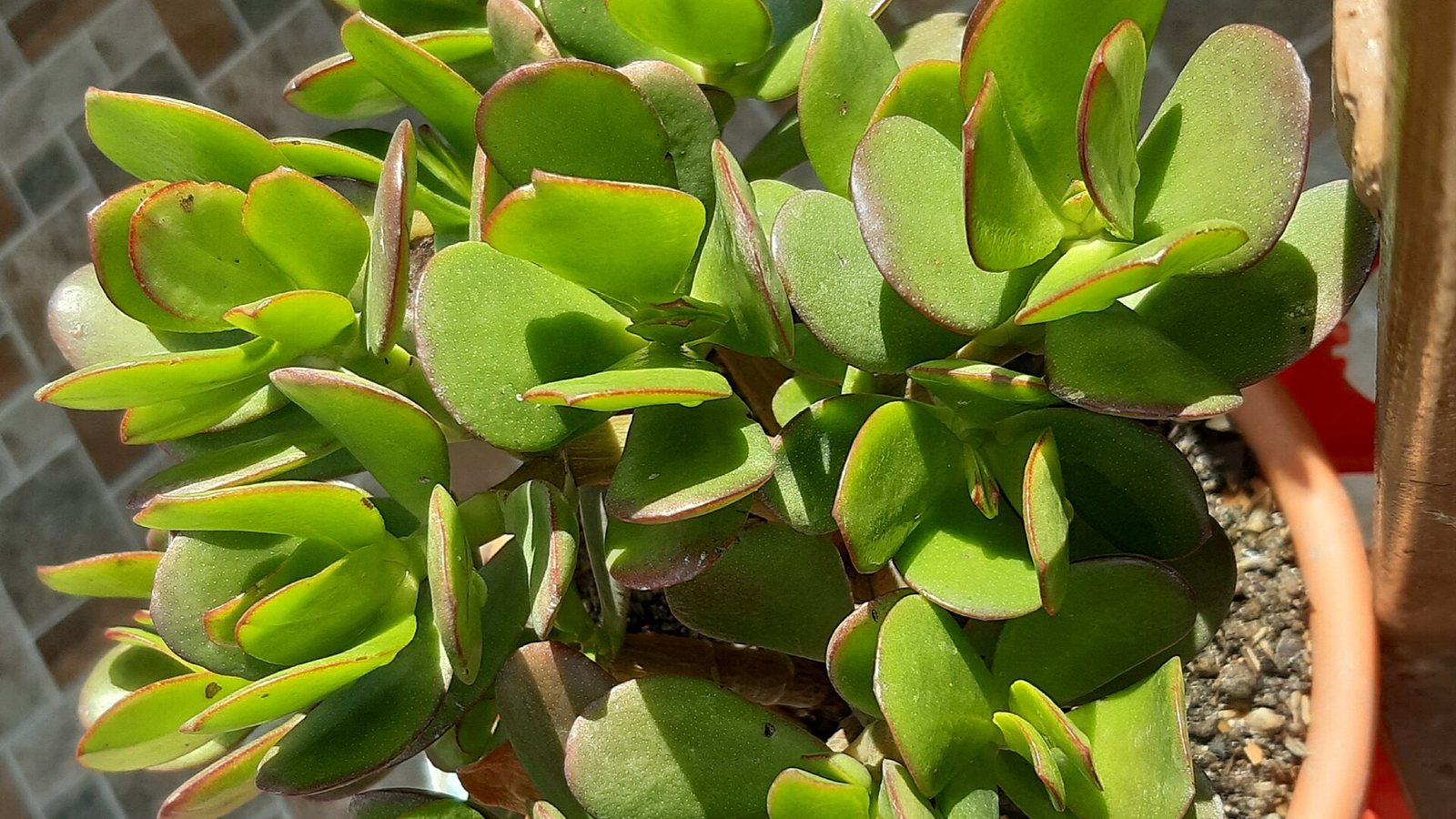
- Succulents: jade plant, kalanchoe, aloe and pencil cactus (Euphorbia tirucalli).
- Other common plants: snake plant, dracaena, English ivy, weeping fig, schefflera, cyclamen, poinsettia and yucca.
Notice that popular plants often appear on both the cat and dog lists, so a plant that is safe for one is not always safe for the other.
How worried should you be after a nibble?
Sort the plant into one of three groups, then call the right person.
- Emergency: sago palm, yew, autumn crocus and oleander. The signs the ASPCA lists involve the liver, heart, nervous system or several organs, so call a vet at once even if your dog looks well.
- Call for advice: any other plant on the ASPCA toxic list. The vet or poison line can judge the risk from the plant, the part eaten and your dog's weight.
- Watch closely: plants listed as non-toxic. They are not expected to be life-threatening, but a big meal of leaves can still cause vomiting.
Before you phone, note the plant's name, which part was eaten, roughly how much and when. That answers the first three questions you will be asked.
Are lilies toxic to dogs?
Not in the way they are for cats. The ASPCA lists true lilies (Lilium) as toxic to cats, which can develop kidney failure, but non-toxic to dogs. That is a good example of why you should check the right animal. Do not relax too much: peace lily, calla lily and lily of the valley are different plants that are on the dog toxic list, and a dog that eats a lot of any plant may still be sick. If you are unsure what you have, Flori can identify a plant from a photo and its care profile shows the toxicity.
How do you keep dogs away from toxic plants?
- Put the dangerous ones out of reach. Hanging planters and high shelves work for most houseplants; sago palm and yew are better removed from a home with a dog.
- Check before you buy. Look the plant up on the ASPCA list for dogs, especially for gifts. Our Christmas plants guide shows how many seasonal plants are on it.
- Walk the garden first. Learn what grows there, in the hedge and in the neighbours' yard, and keep a puppy on a lead where you are not sure.
- Give a safe alternative. A pot of dog-safe grass or a chew toy gives the same urge somewhere to go.
Plants are not the only thing in the garden that tempts a dog. Our guide to poisonous mushrooms and dogs covers the other common risk on walks.
What should you do if your dog chewed a toxic plant?
- Take the plant away and gently remove any pieces from your dog's mouth.
- Call your vet or an animal poison line now. The ASPCA Animal Poison Control Center is on (888) 426-4435, and a consultation fee may apply. Elsewhere, call your vet or the nearest emergency clinic. With sago palm, yew or autumn crocus, do not wait for signs.
- Know the plant. Bring a photo, the label or a piece of the plant.
- Do not use home remedies and do not try to make your dog vomit unless the vet tells you to.
Frequently asked questions
What is the most poisonous plant to dogs?
Sago palm is among the most dangerous: the ASPCA lists vomiting, bruising, liver failure and death. Yew, autumn crocus and oleander are also serious and need an immediate vet call.
Are lilies poisonous to dogs?
The ASPCA lists true lilies (Lilium) as non-toxic to dogs but toxic to cats. Peace lily, calla lily and lily of the valley are different plants and are listed as toxic to dogs.
Are tulip bulbs poisonous to dogs?
Yes. The ASPCA lists tulips as toxic to dogs, with the highest concentration of toxin in the bulb. Signs include vomiting, drooling, diarrhoea and depression.
What should I do if my dog ate a plant and seems fine?
Still call your vet or an animal poison line. Some toxic plants, such as sago palm, can cause serious damage before the worst signs show.
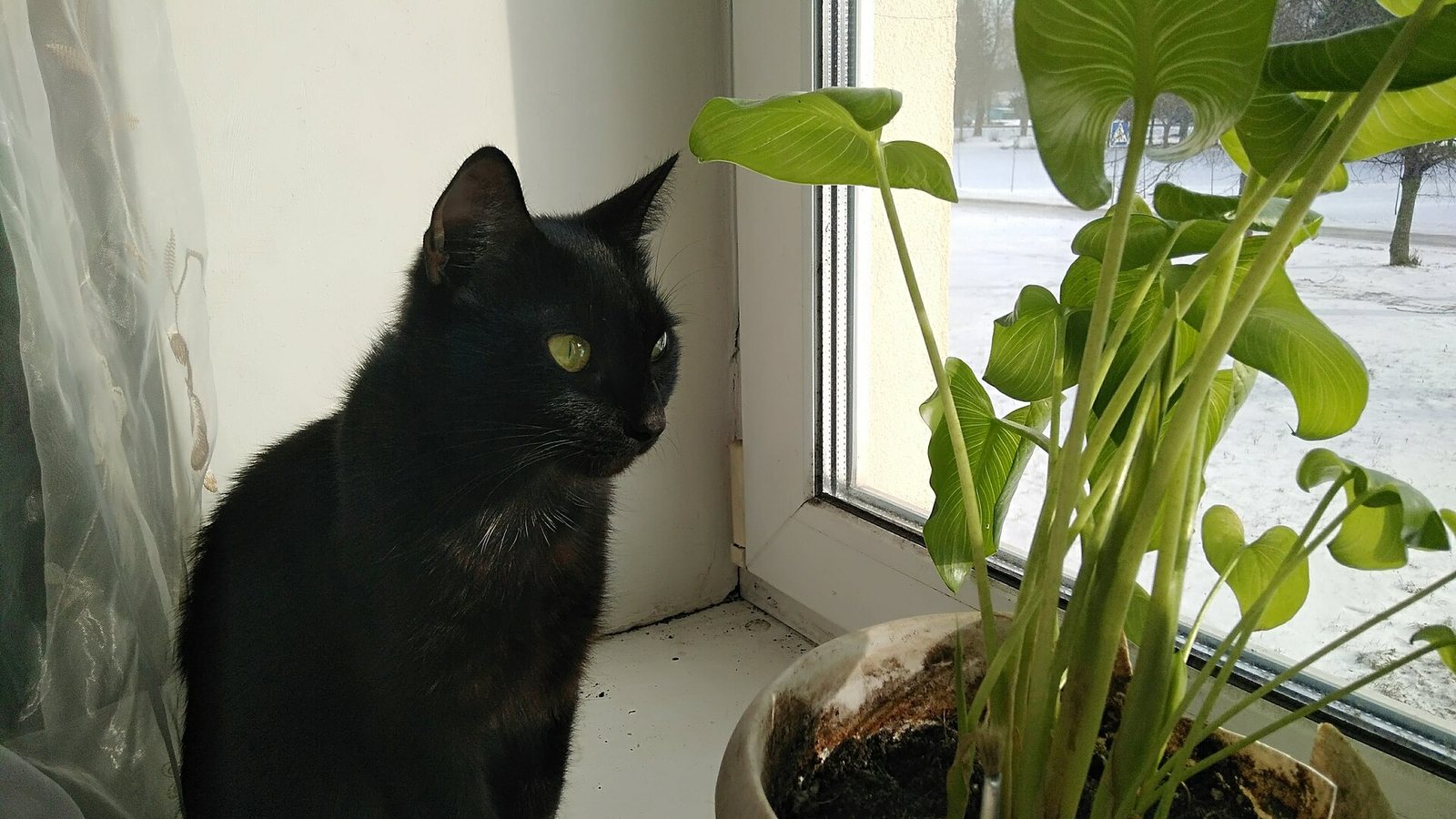
15 common houseplants toxic to cats per the ASPCA, grouped by what they do: kidney and liver emergencies, mouth irritants, stomach upsets. What to do next.
Sources
Written and fact-checked by the Flori team. Every guide cites horticultural sources such as the RHS, university extension services and the ASPCA, and is updated when the advice changes. How we write our guides
General plant care information. Plants vary; when a plant is valuable or a problem spreads quickly, consult a local nursery or plant specialist.