Plants Said to Bring Luck: The Stories and How to Keep Them
Money tree, jade, lucky bamboo and more: where each luck story comes from, how to keep the plant thriving, and which ones are toxic to cats and dogs.
 By Flori editorial team · Updated
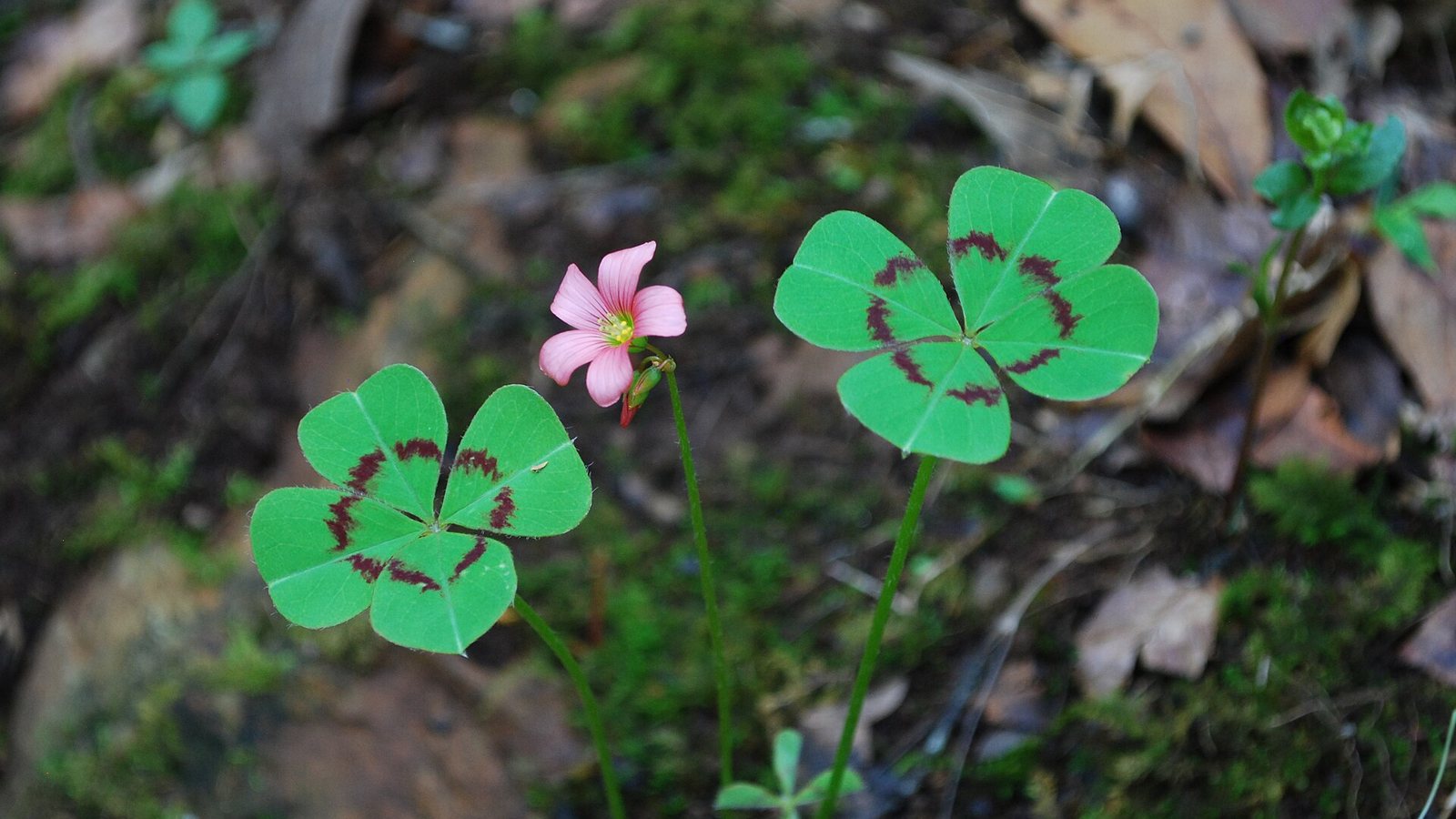 Photo: AlejandroLinaresGarcia · CC BY-SA 4.0
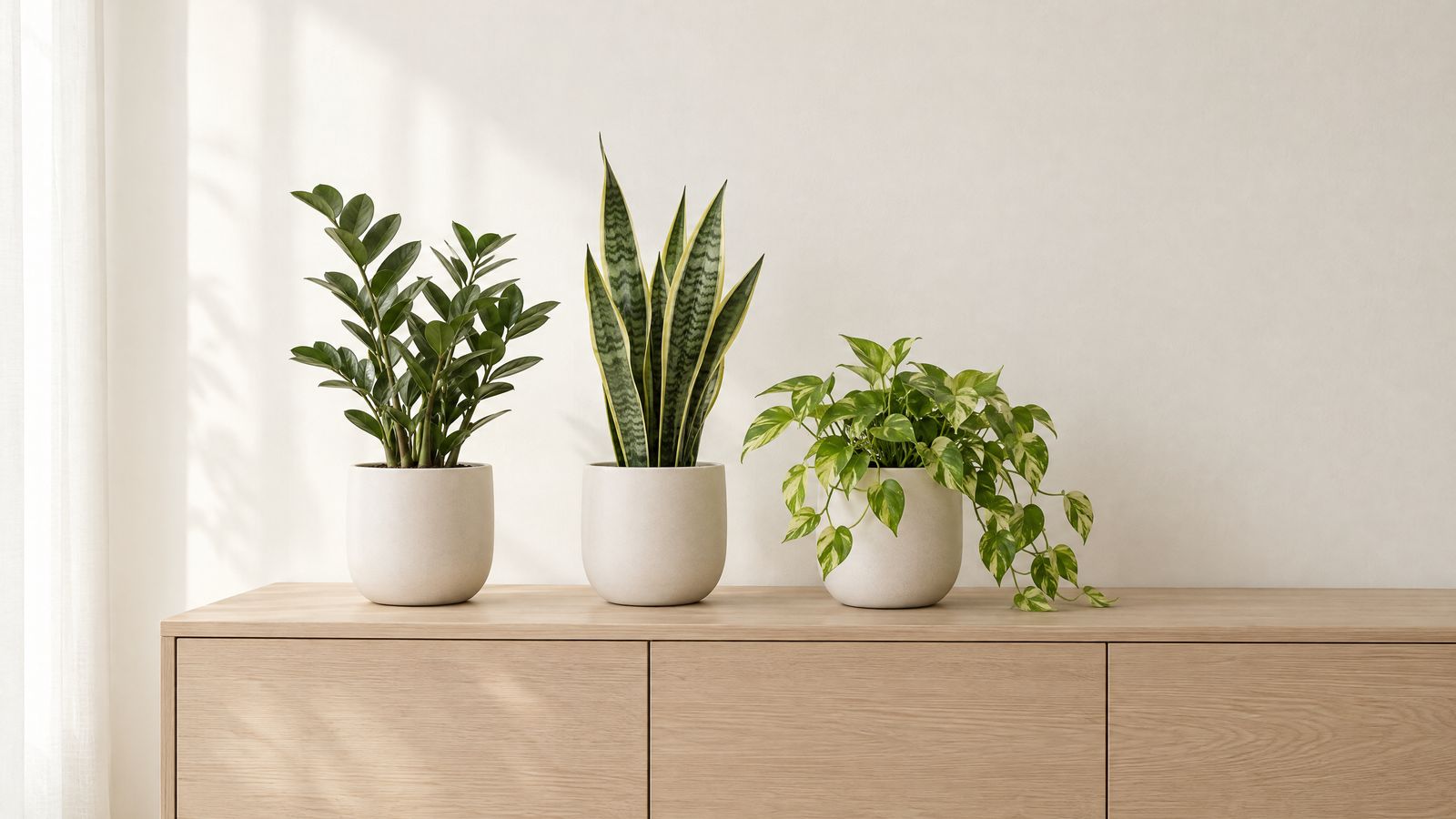
The plants most often said to bring luck are the money tree (Pachira aquatica), jade plant, lucky bamboo, snake plant, Chinese money plant and four-leaf oxalis. No source shows a plant changes your fortune, but each one is easy to keep with the right light and watering. Check pets first: jade, lucky bamboo, snake plant and oxalis are toxic to cats and dogs.
Key takeaways
- Luck plants earn their reputation from names, shapes and old stories, not from any proven effect.
- The money tree is the only common luck plant ASPCA lists as non-toxic to cats and dogs.
- Jade, lucky bamboo (a Dracaena, not a bamboo), snake plant and oxalis are all toxic to cats and dogs.
- Most luck plants die from overwatering: let the soil dry as the plant needs and never leave the pot standing in water.
- A healthy, well-placed plant is the only kind that looks lucky, so choose for your light first.
On this page9
- Which plants are said to bring luck?
- The luck plants at a glance
- Money tree: the braided trunk
- Jade plant: the coin-leaf succulent
- Lucky bamboo: not a bamboo at all
- Snake plant: luck for people who forget to water
- Chinese money plant: luck you can share
- Four-leaf oxalis: the clover look-alike
- How to choose a lucky plant that will actually thrive
Which plants are said to bring luck?
Plants said to bring luck turn up as housewarming gifts, shop-opening presents and New Year plants all over the world: a braided money tree on a desk, a jade plant by the till, a vase of lucky bamboo. This list explains where each story comes from, how to keep the plant alive (a dead lucky plant is a poor omen), and something most luck lists leave out: which of them are safe around cats and dogs, checked against the ASPCA.
To be clear from the start: no study shows that a plant brings money, love or good fortune. The stories are culture, and they are fun. What you can control is whether the plant thrives.
The luck plants at a glance
| Plant | Where the luck story comes from | Light | Cats and dogs (ASPCA) |
|---|---|---|---|
| Money tree (Pachira aquatica) | A tale of a poor man who grew rich; braided trunks said to lock in fortune | Bright, indirect | Non-toxic |
| Jade plant (Crassula ovata) | Coin-like leaves; sold as money plant or lucky plant | Bright, some direct sun | Toxic |
| Lucky bamboo (Dracaena sanderiana) | Given as a gift for good fortune and friendship | Bright, indirect | Toxic (as Dracaena) |
| Snake plant (Dracaena trifasciata, formerly Sansevieria) | Sold in some places as a good-luck plant | Low to bright | Toxic |
| Chinese money plant (Pilea peperomioides) | Round, coin-shaped leaves; passed on as pups to friends | Bright, indirect | Not on ASPCA's lists |
| Four-leaf oxalis (Oxalis spp.) | Looks like a four-leaf clover; ASPCA even lists it as the good luck plant | Bright, some sun | Toxic |
Money tree: the braided trunk
NC State Extension says the name money tree comes from a tale of a poor man who became wealthy by selling the plant's nuts. Braiding several young stems together started in Taiwan, where it was thought to lock in luck, and the plant became hugely popular there in the 1980s. It is also valued in feng shui for bringing prosperity to a home. One catch: braided plants do not flower.
Keep it in bright, indirect light, since direct sun can scorch the leaves. NC State gives 18–24 °C (65–75 °F) as its comfort range and says to bring it indoors before temperatures fall to about 7 °C (45 °F). Water when the top of the mix starts to dry; it does not tolerate standing water, which causes root rot, but leaves can also drop if the soil dries out completely. Dry air can yellow the leaves. ASPCA lists the money tree as non-toxic to cats and dogs, though eating it can still upset a pet's stomach.
Jade plant: the coin-leaf succulent
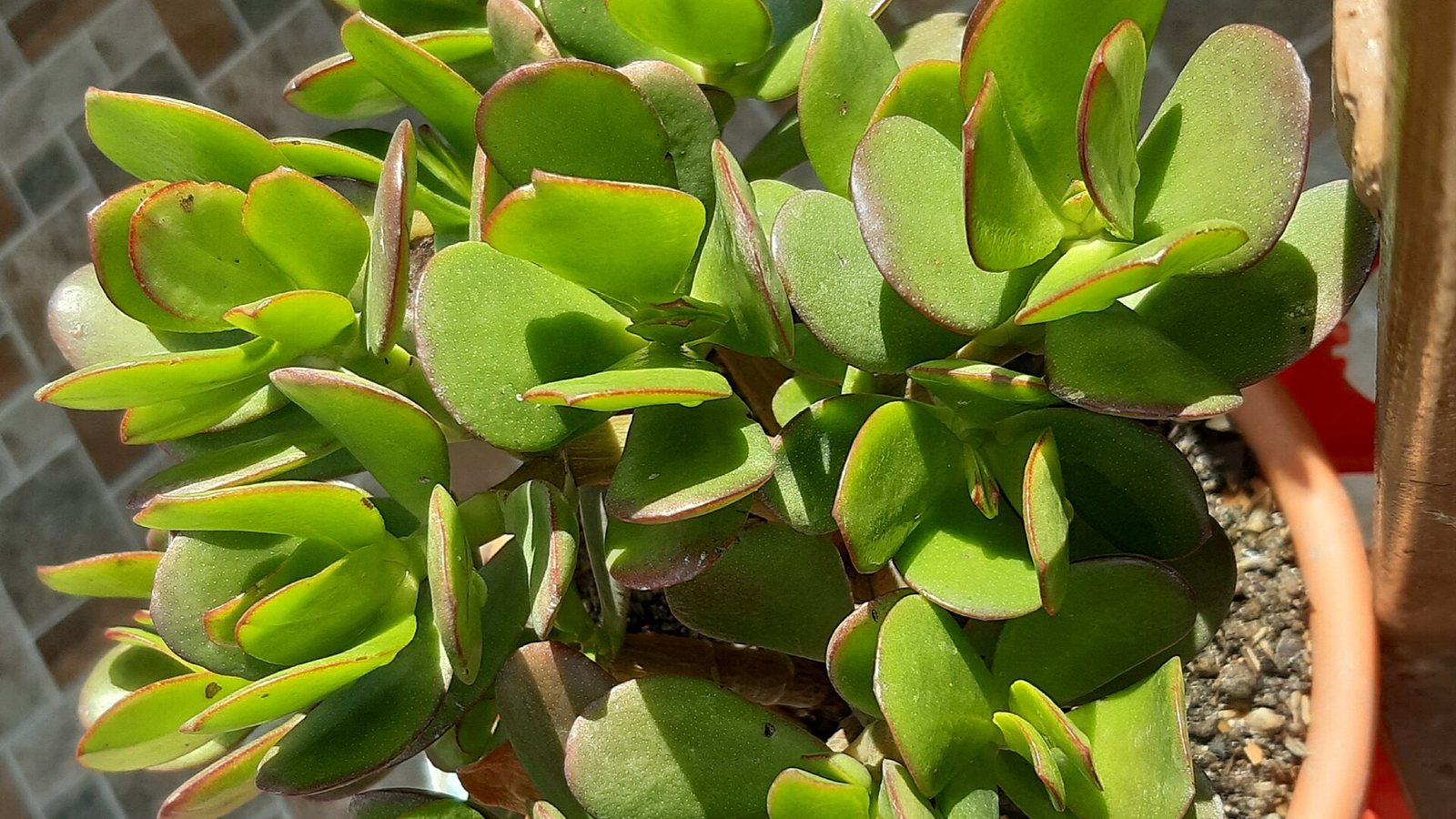
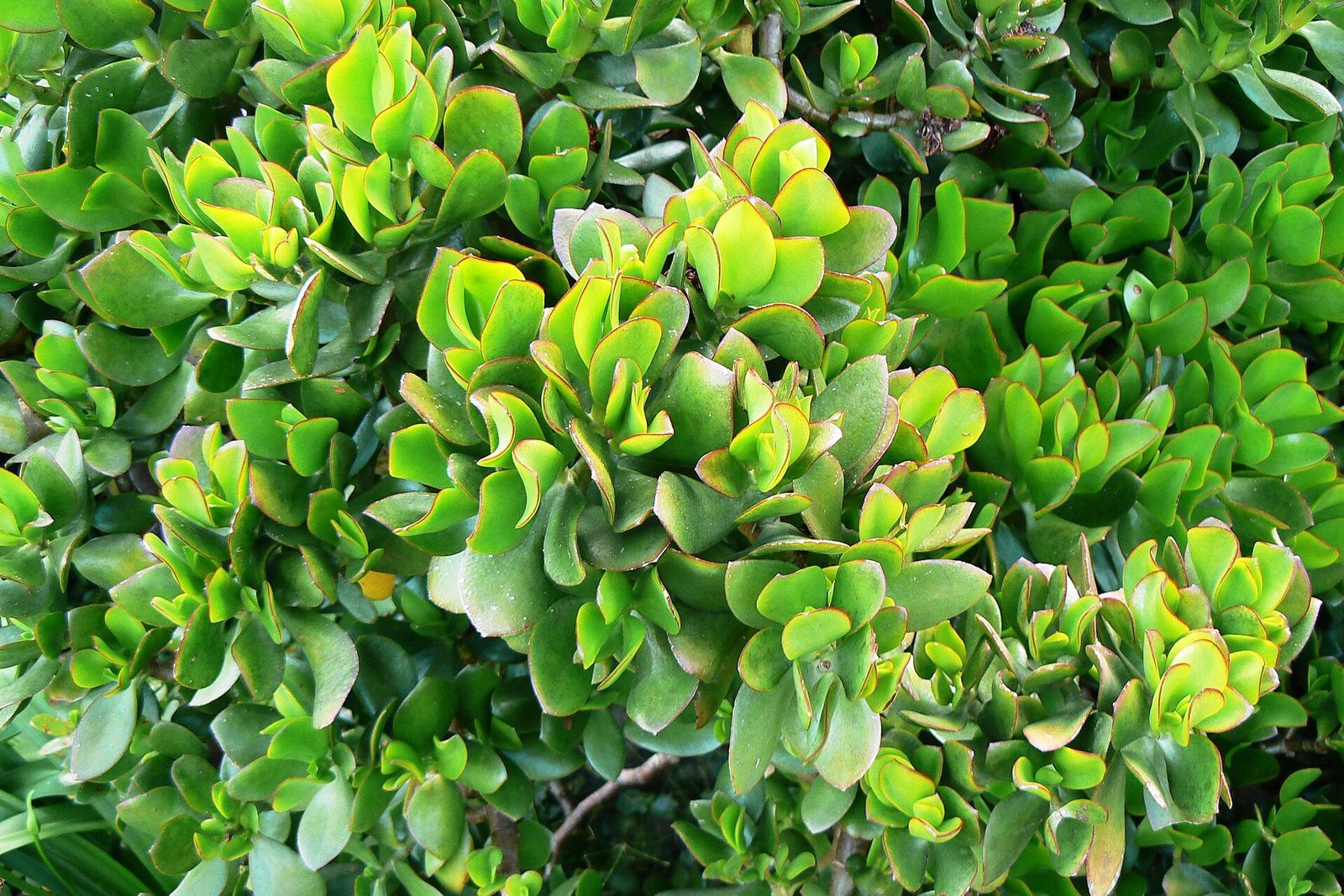
The thick, round, glossy leaves look like jade coins, which is where many of its nicknames come from. It is a succulent, so treat it like one: a sunny window, gritty soil, and water only when the soil is dry, with much less in the cool season. Overwatering is the classic way to lose it, with soft leaves dropping and roots rotting. Our succulent types guide shows how to tell it from look-alikes. ASPCA lists jade (Crassula argentea, an older name) as toxic to cats and dogs.
Lucky bamboo: not a bamboo at all
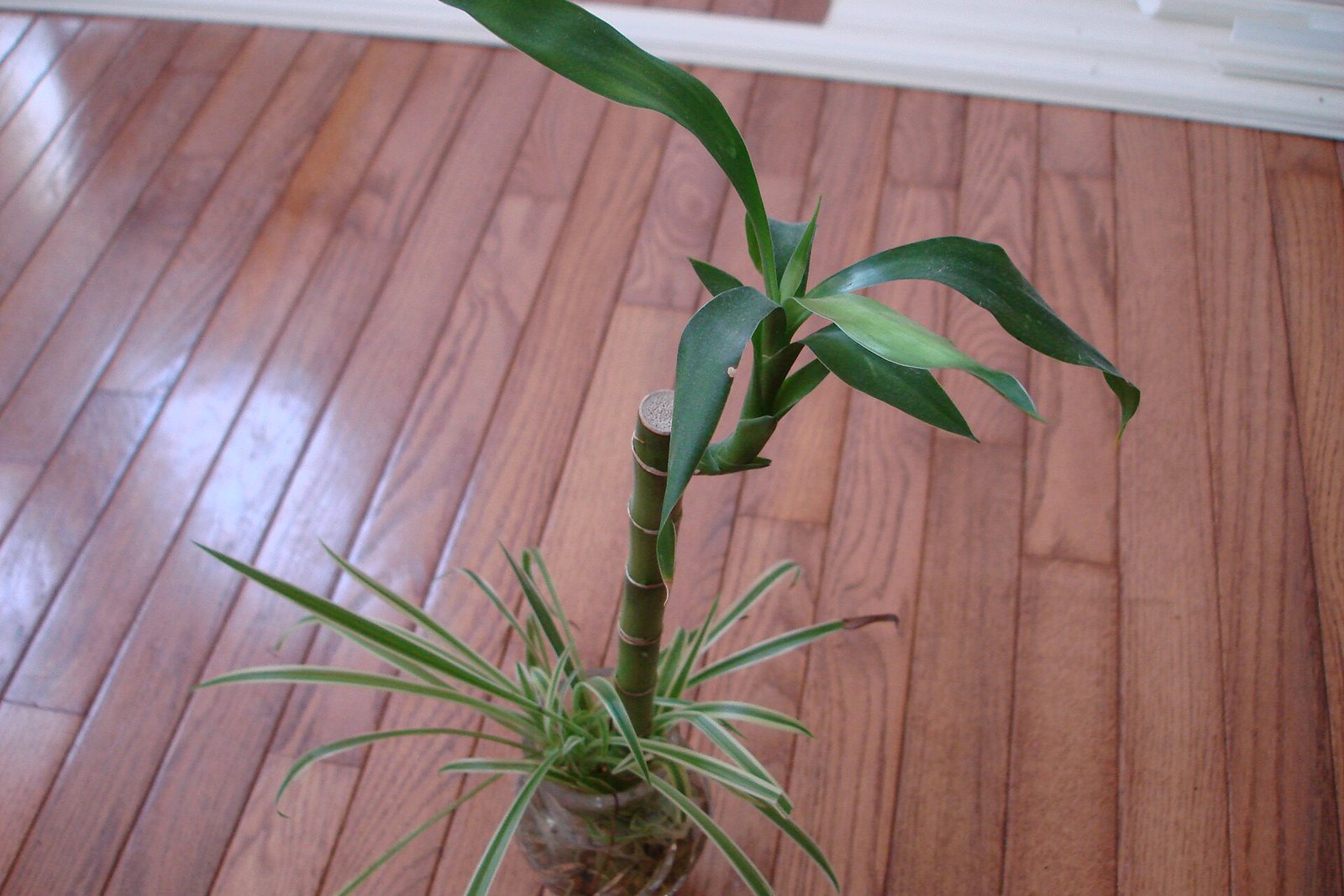
NC State is blunt: lucky bamboo is not a bamboo. It is Dracaena sanderiana, a tropical shrub from West Africa, also sold as friendship bamboo or ribbon plant, and its stems are often twisted or stacked in tiers for gifts. It grows in moist potting mix or in a vase of water. In water, NC State advises chlorine-free water, changed weekly, with pebbles at the bottom to anchor the roots and steady the vase, plus a weak liquid fertilizer now and then. Give it bright but indirect light. It is toxic to cats and dogs if eaten (ASPCA lists all Dracaena as toxic), with vomiting and drooling among the signs.
Snake plant: luck for people who forget to water
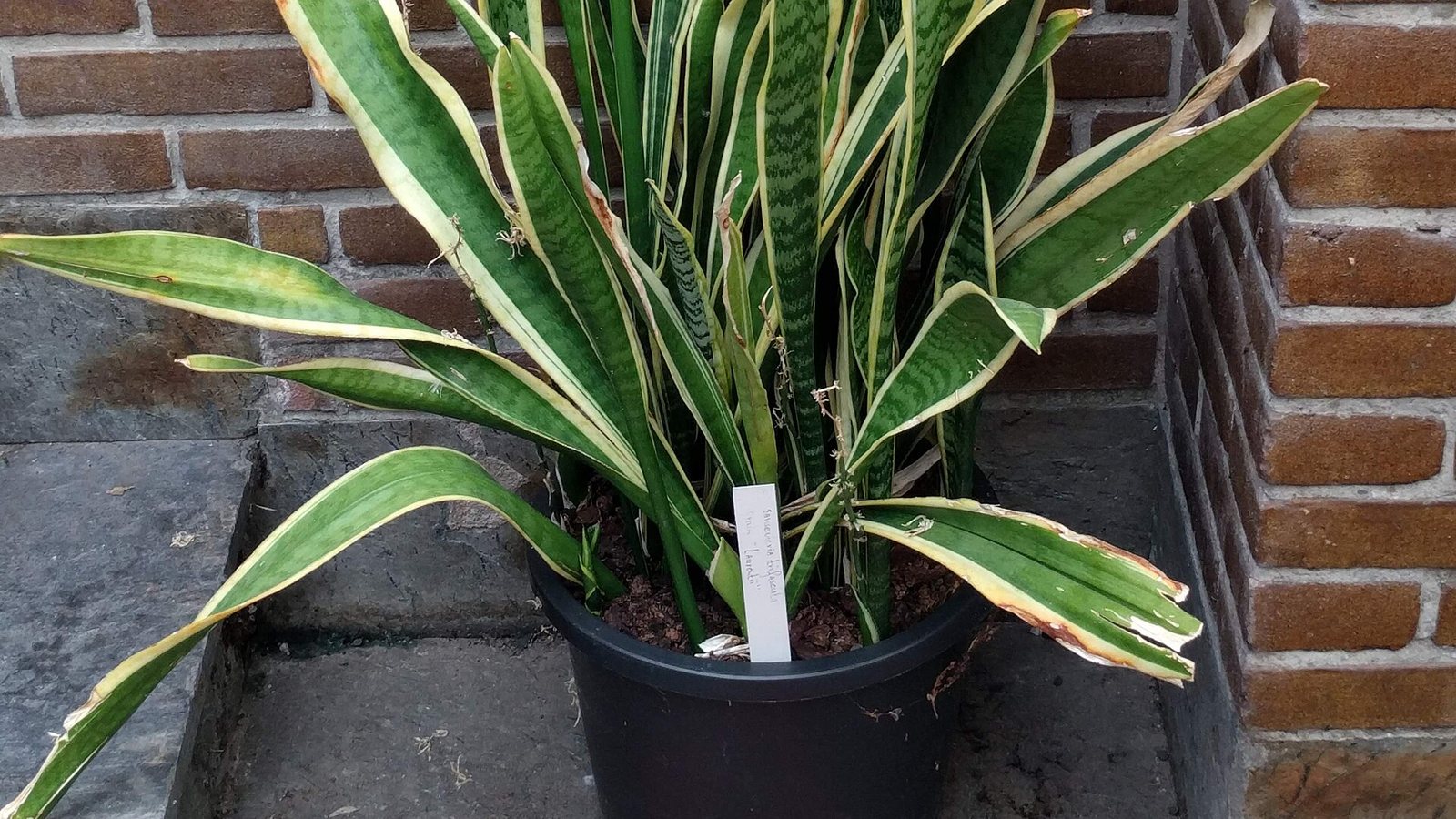
The snake plant's upright leaves are sold as a protective, good-luck plant in several countries, and it is the easiest plant here to keep alive. It tolerates low light, dry air and long gaps between watering; what kills it is soggy soil. Let it dry out fully between waterings, and in winter water only every month or two. ASPCA lists it as toxic to cats and dogs, usually causing stomach upset.
Chinese money plant: luck you can share
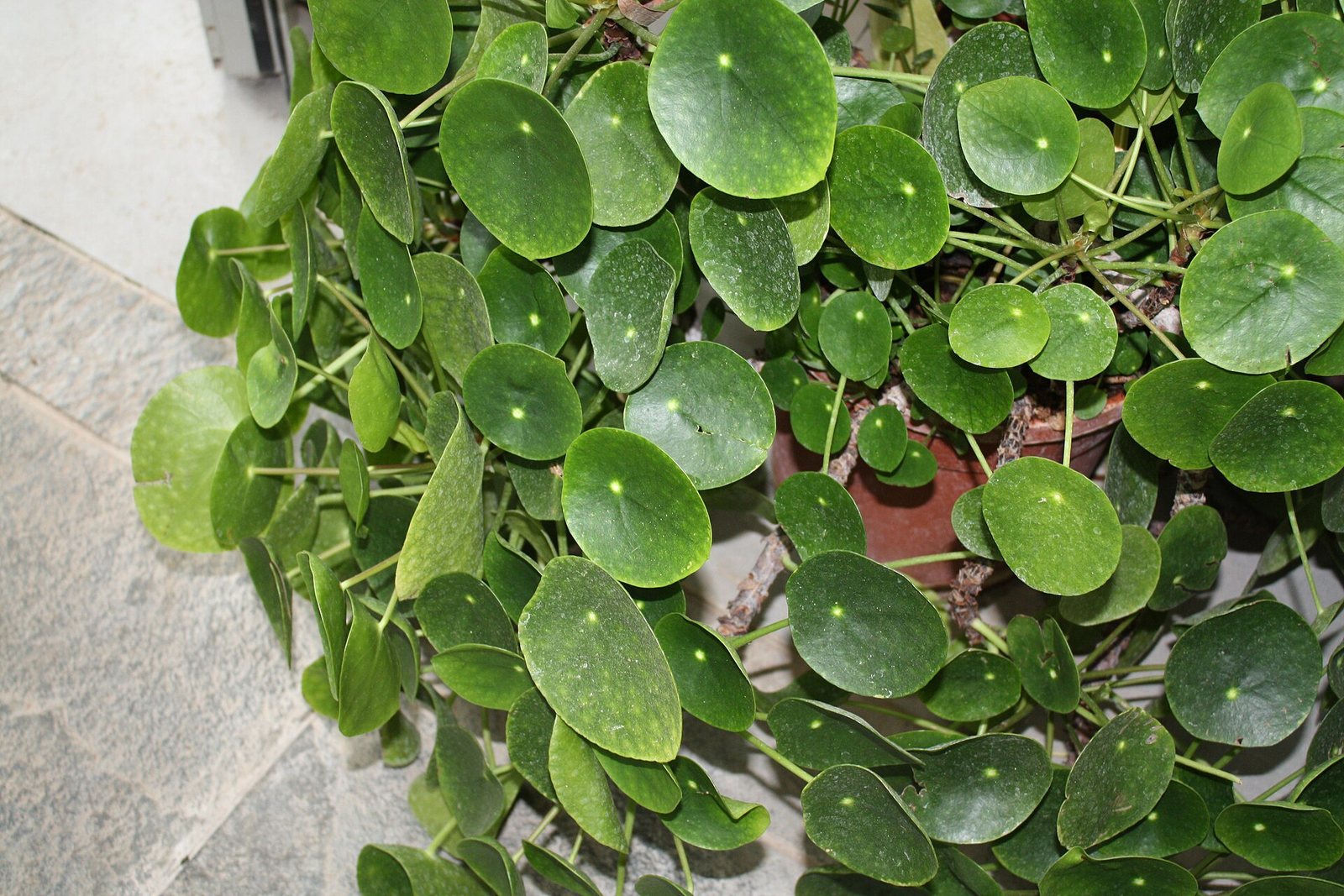
The round leaves on long stalks look like coins, and the plant makes many baby plants (pups) at its base, which is why it is often called the friendship plant and passed from hand to hand. Give it bright, indirect light and turn the pot often, because it leans hard towards the window. Water when the top few centimetres are dry; it rots if kept wet. ASPCA lists two other Pilea species as non-toxic, but we could not find Pilea peperomioides on its lists, so keep it out of reach if a pet chews plants.
Four-leaf oxalis: the clover look-alike
Some Oxalis species have four leaflets and are sold as lucky clover or shamrocks, especially around St Patrick's Day and New Year. ASPCA calls the whole genus the good luck plant and lists it as toxic to cats and dogs; large amounts can harm the kidneys. Oxalis likes bright light and may go dormant, dropping its leaves, after flowering or in heat. That is not death: cut back on water, let it rest, and new leaves come back.
How to choose a lucky plant that will actually thrive
- Match your light first. A jade plant in a dark hallway will stretch and drop leaves; a snake plant will cope.
- Check your pets. If you share your home with cats or dogs, the money tree is the only plant here ASPCA lists as non-toxic. See our pet-safe houseplants and plants toxic to cats lists for more.
- Water less, not more. Every plant on this list rots in soggy soil. Our guide to how often to water houseplants explains the finger test.
- Giving one as a gift? Add a care note. Flori can identify the plant from a photo and set watering reminders, which helps the new owner keep the luck alive.
If a pet has chewed a toxic plant, call your vet or ASPCA Animal Poison Control straight away rather than waiting for symptoms.
Frequently asked questions
Which plant is said to bring the most money?
The money tree (Pachira aquatica) and the jade plant are the two most linked to wealth. They are traditions, not proven effects, but both are easy to keep in bright light with careful watering.
Is lucky bamboo safe for cats?
No. Lucky bamboo is a Dracaena, and ASPCA lists Dracaena as toxic to cats and dogs, with signs such as vomiting and drooling. Keep it out of reach.
Which lucky plant is safe for pets?
The money tree is listed by ASPCA as non-toxic to cats and dogs. Eating any plant can still cause a mild stomach upset.
Should lucky bamboo grow in water or soil?
Either works. In water, NC State advises chlorine-free water changed weekly and pebbles to anchor the roots; in soil, keep the mix moist but not soggy.
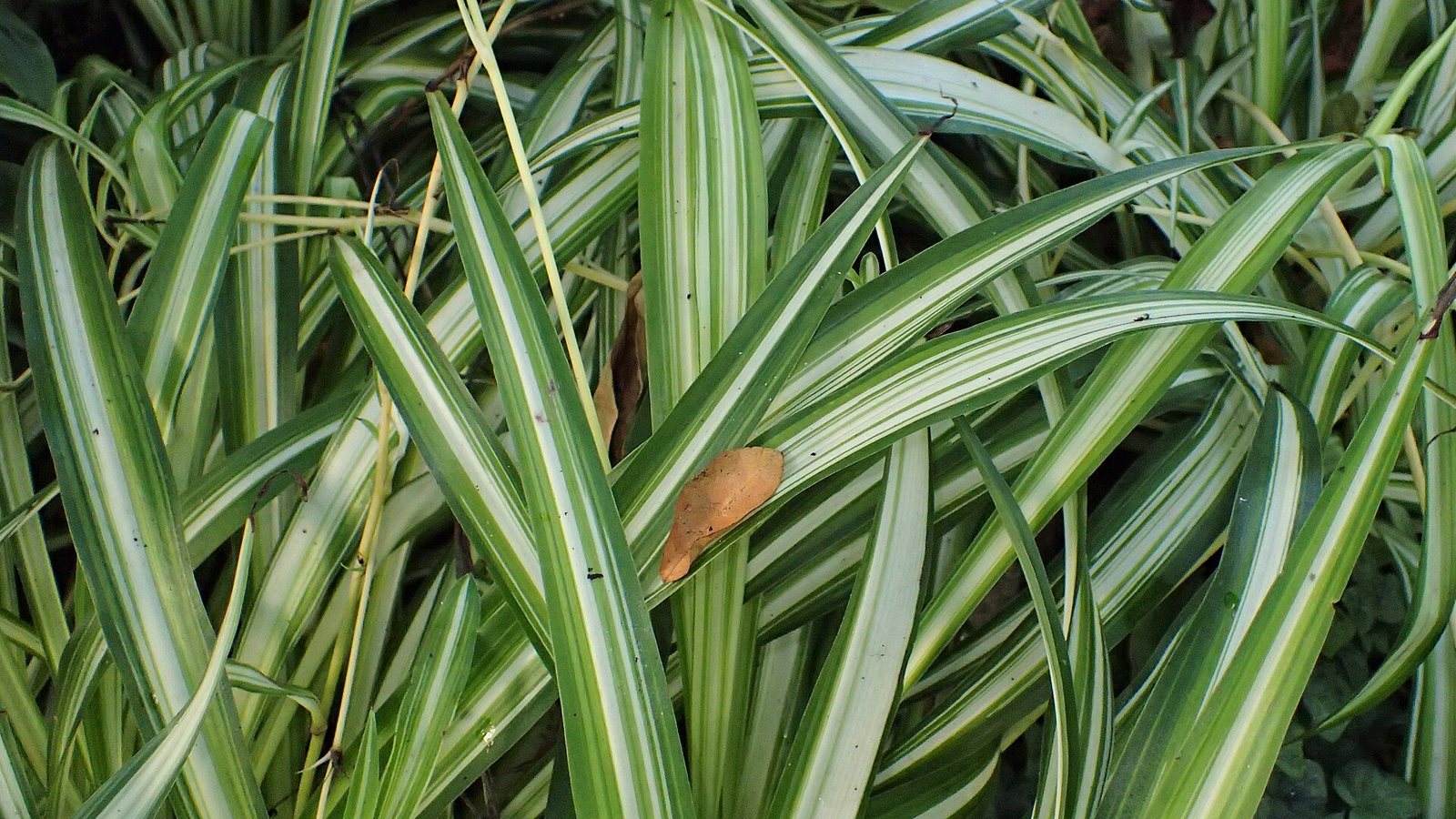
14 pet-safe houseplants checked against the ASPCA cat and dog lists, with light needs, the toxic plant each replaces and what to do if your pet chews one.
Sources
Written and fact-checked by the Flori team. Every guide cites horticultural sources such as the RHS, university extension services and the ASPCA, and is updated when the advice changes. How we write our guides
General plant care information. Plants vary; when a plant is valuable or a problem spreads quickly, consult a local nursery or plant specialist.