Plants for Bathrooms: Humidity Lovers That Thrive
The best plants for bathrooms, sorted by steamy, dry and dark rooms, with the light each needs and which are safe for cats and dogs (ASPCA).
 By Flori editorial team · Updated
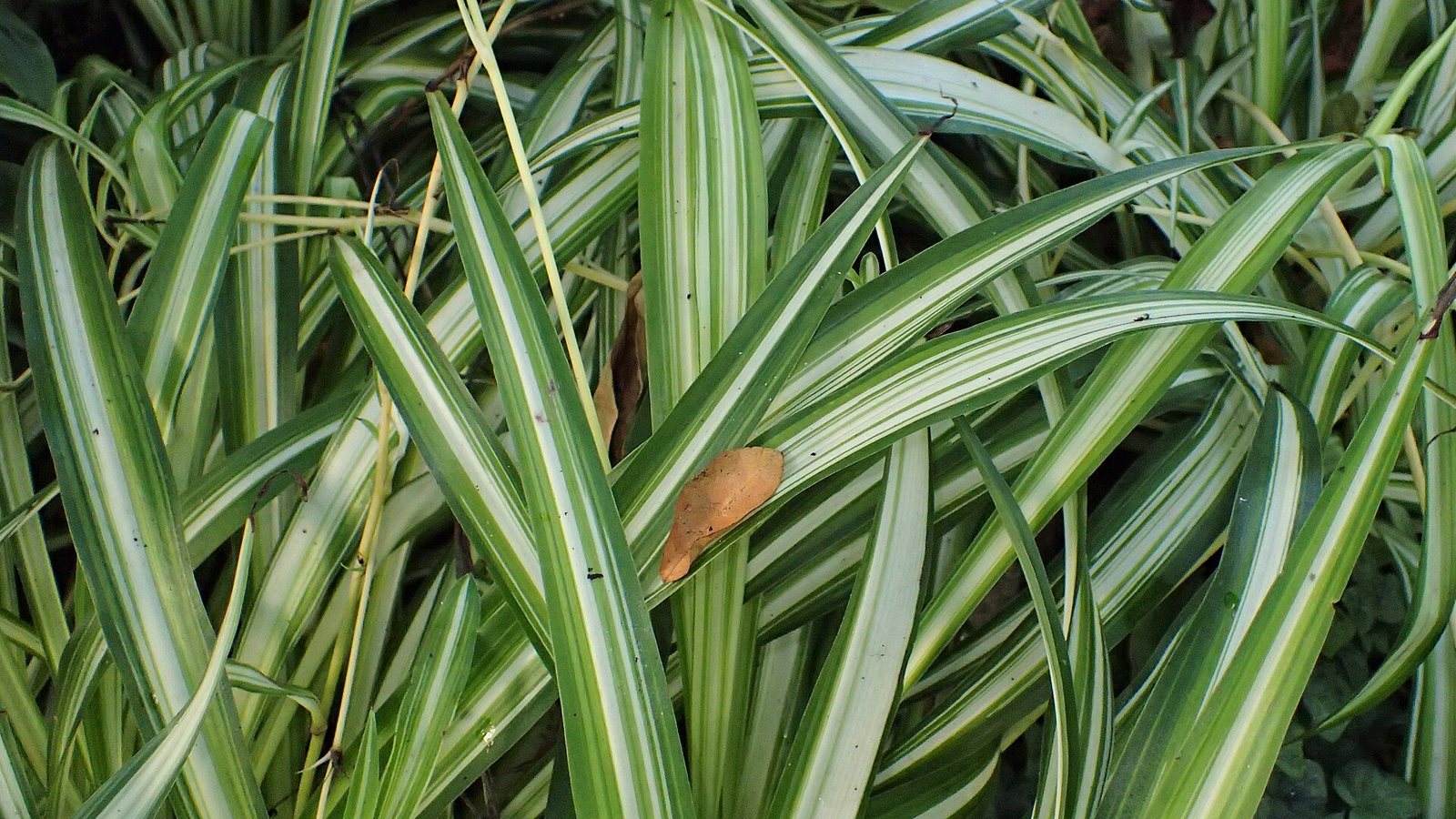
 Photo: Mokkie · CC BY-SA 3.0
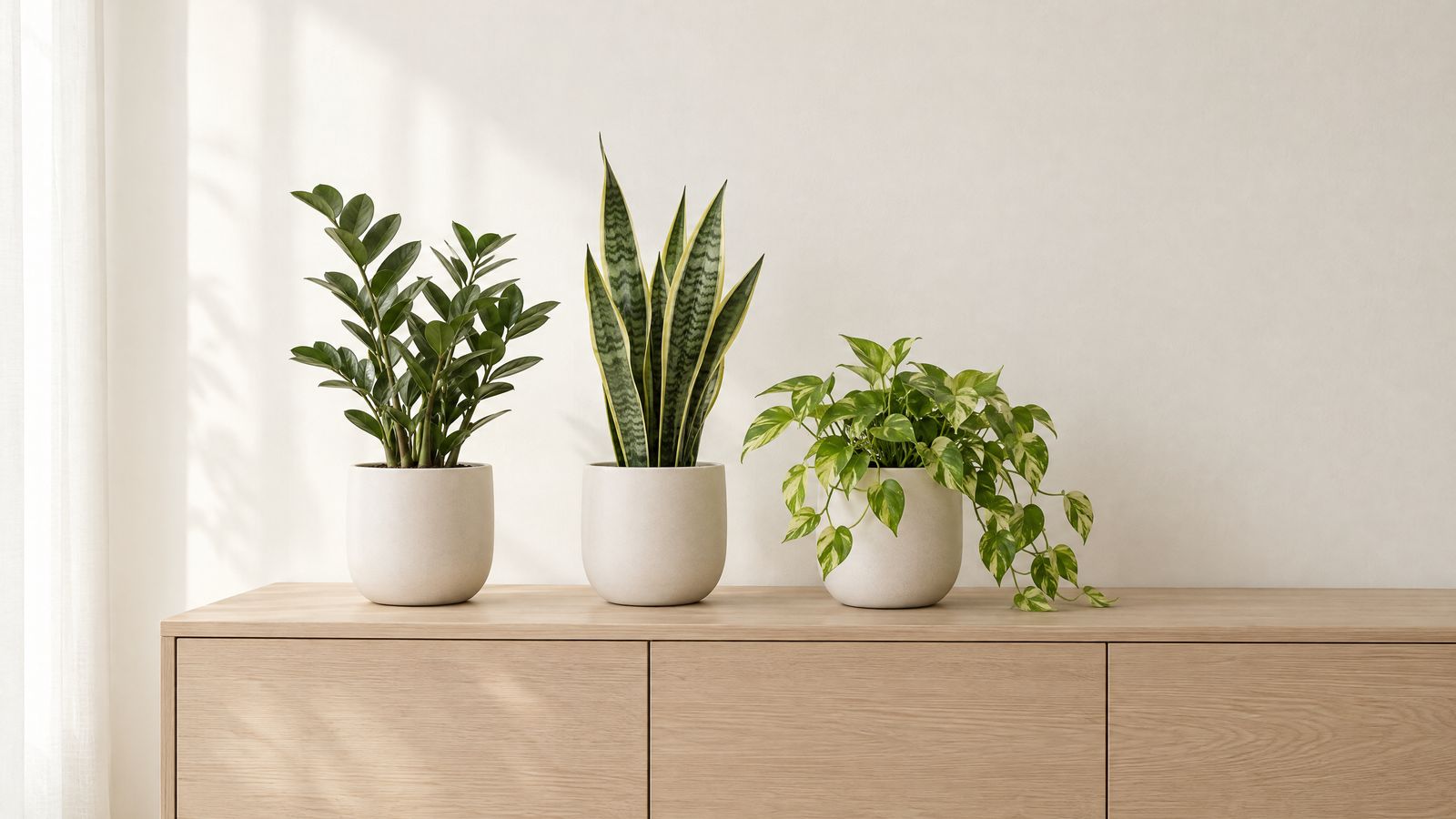
Good bathroom plants love humidity and cope with the light the room actually gets. Boston fern, bird's nest fern, maidenhair fern, peace lily, spider plant and pothos suit a bright, steamy bathroom; ZZ plant handles a darker or drier one. A bathroom without a window cannot keep plants alive without a grow light.
Key takeaways
- Light matters more than steam: the RHS says bathrooms with no windows are not suitable for live plants.
- Ferns gain the most from a busy, warm bathroom; a rarely used guest bathroom can be as dry as the rest of the house.
- Boston fern and spider plant are non-toxic to cats and dogs; peace lily, pothos and Swiss cheese plant are toxic (ASPCA).
- Humid air slows drying, so check the compost before watering instead of watering on a schedule.
On this page7
Which plants are best for a bathroom?
The best plants for bathrooms are humidity lovers that also cope with the light your bathroom actually has: Boston fern, bird's nest fern, maidenhair fern, Cretan brake fern, peace lily, spider plant and pothos are the classic picks, with ZZ plant for darker corners. The catch most lists skip is light. A steamy room does nothing for a plant that cannot photosynthesise, and the Royal Horticultural Society (RHS) is blunt that bathrooms with no windows are not suitable for live plants. So this guide sorts each plant by the kind of bathroom it suits, gives its light need and whether it is safe for cats and dogs according to the ASPCA, so you can choose in one pass.
Why do bathrooms suit some houseplants?
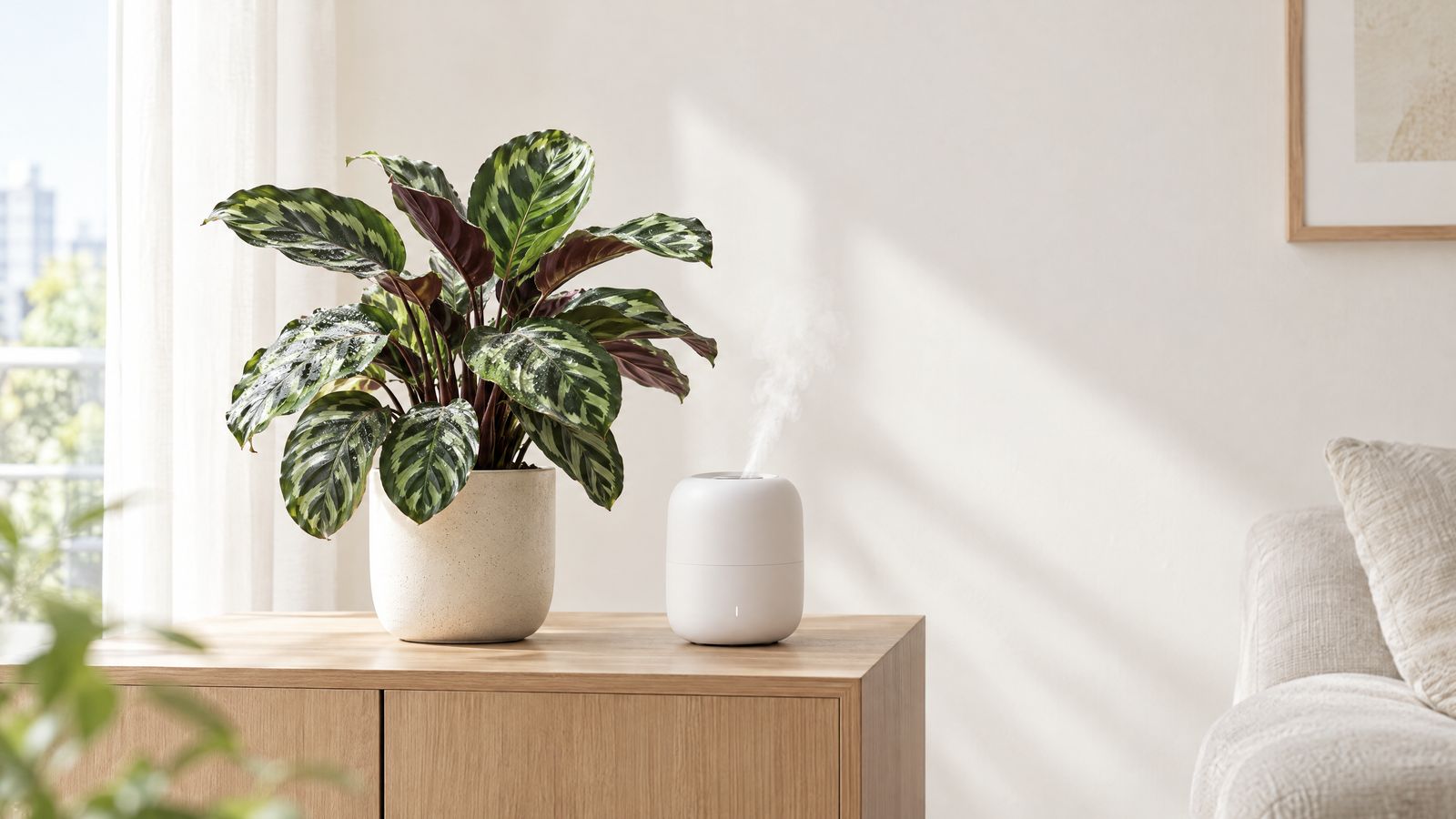
Most popular houseplants come from tropical forests where the air stays moist. Penn State Extension notes that most indoor plants benefit from more humidity than a heated home has in winter, when indoor air can fall below 30% relative humidity. A bathroom that is used every day gets regular bursts of warm, moist air from showers and baths, which is why ferns that crisp up in a living room often look better there.
Two caveats. First, Penn State points out that bathrooms often lack the right light, even though online advice treats them as perfect plant rooms. Second, not every bathroom is humid: the RHS notes that a busy main bathroom is usually much more humid than a guest bathroom that is rarely used, which can be as dry as the rest of the house. Match the plant to the room you have.
Bathroom plants at a glance
| Plant | Light | Best bathroom | Cats and dogs (ASPCA) |
|---|---|---|---|
| Boston fern (Nephrolepis exaltata 'Bostoniensis') | Bright, indirect | Busy, warm, steamy | Non-toxic |
| Bird's nest fern (Asplenium nidus) | Bright, indirect | Busy, warm, steamy | Check before buying |
| Maidenhair fern (Adiantum) | Bright, out of direct sun | Busy, humid | Check before buying |
| Cretan brake fern (Pteris cretica) | Bright, indirect; keep moist | Busy, humid | Check before buying |
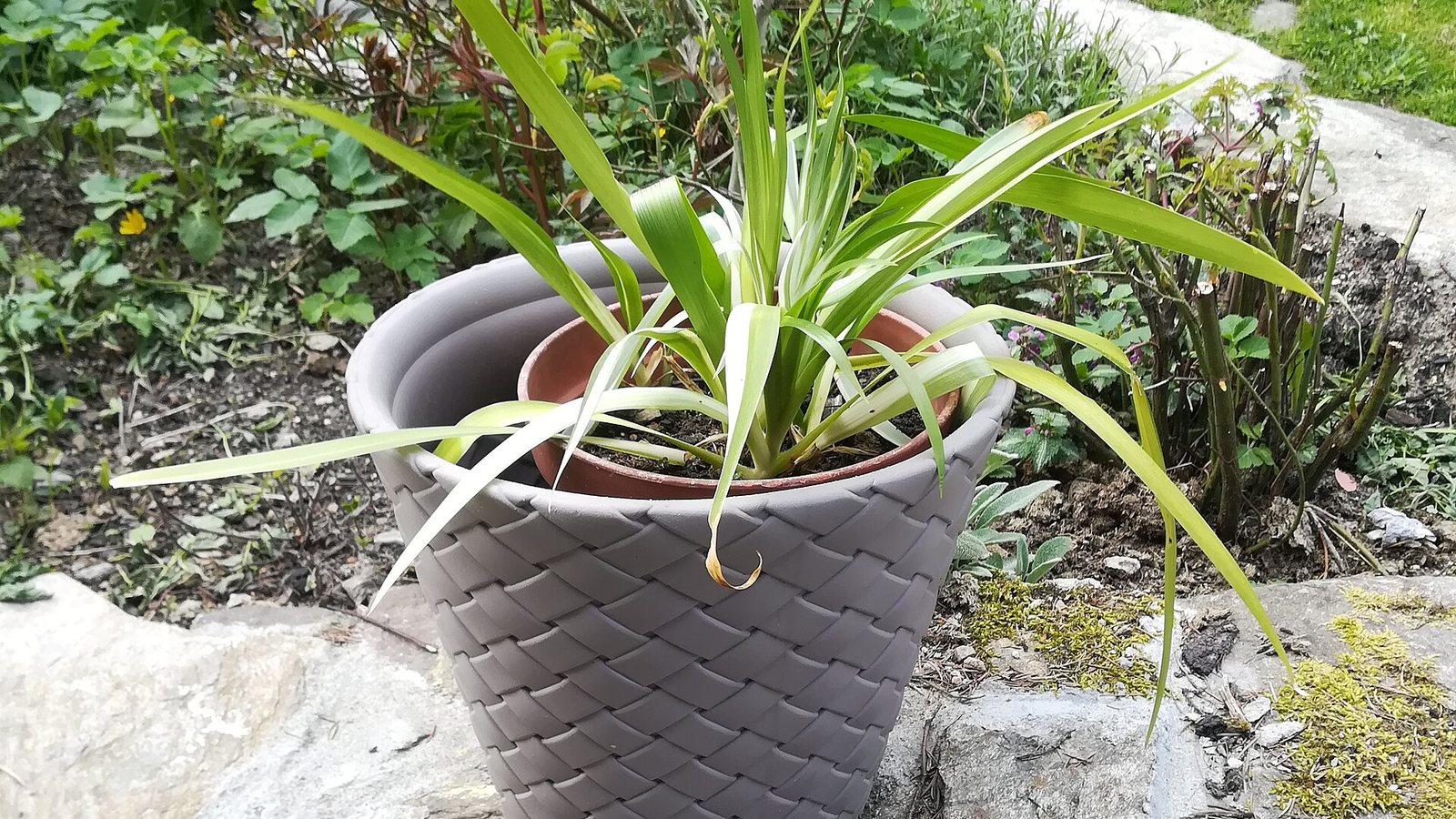
| Spider plant (Chlorophytum comosum) | Bright, indirect | Any bathroom with a window | Non-toxic |
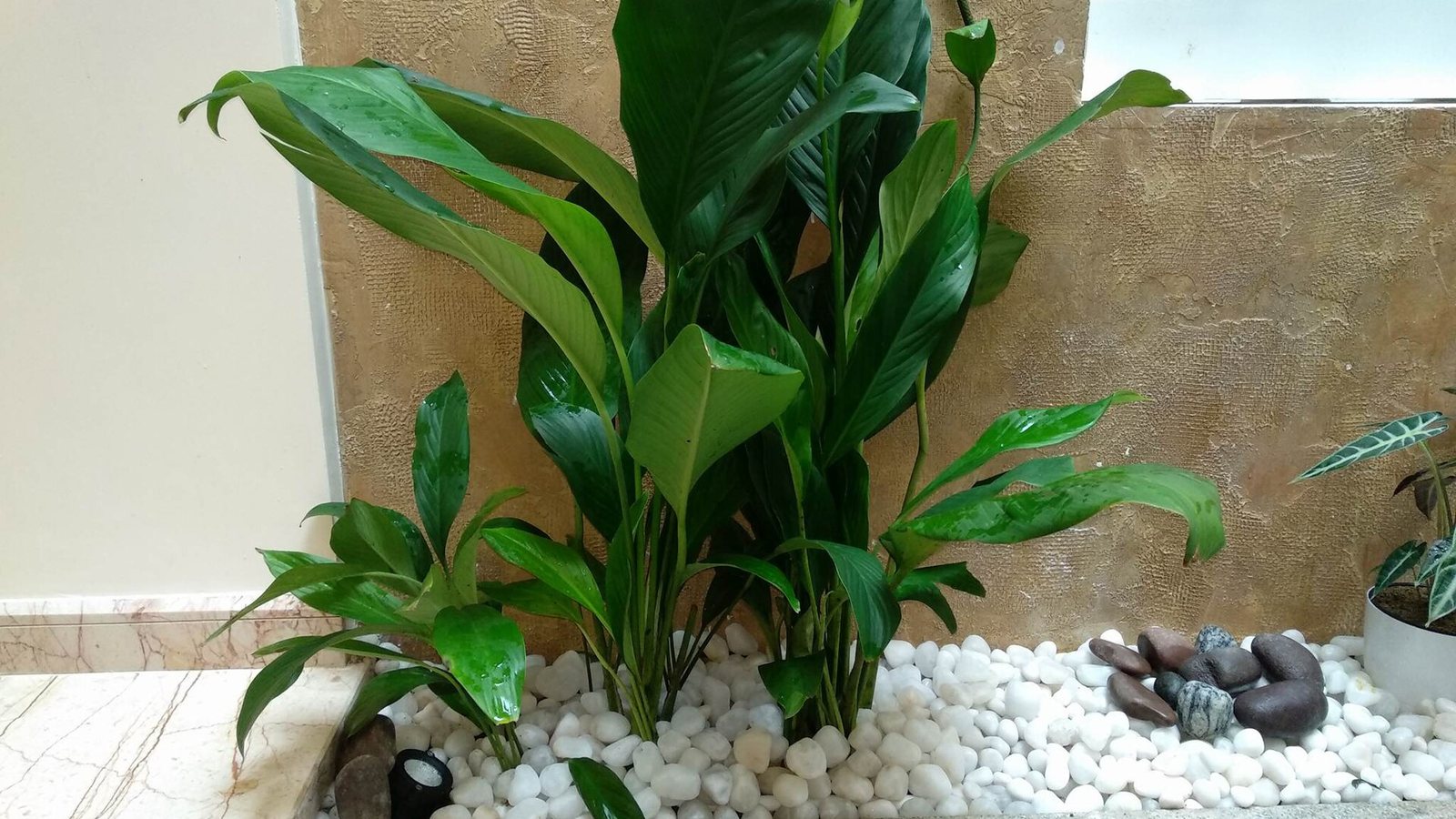
| Peace lily (Spathiphyllum) | Plenty of indirect light | Warm, humid | Toxic |
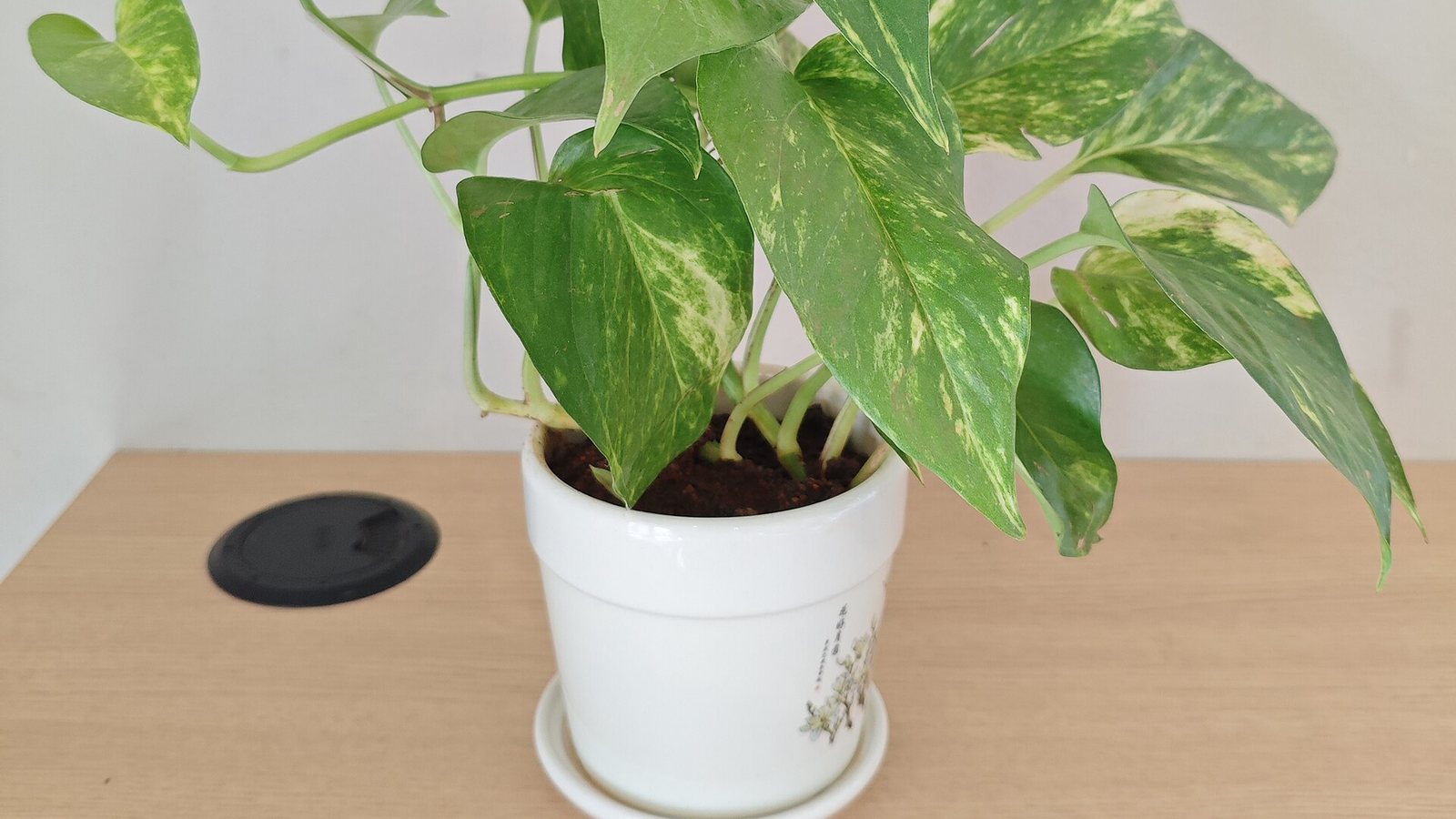
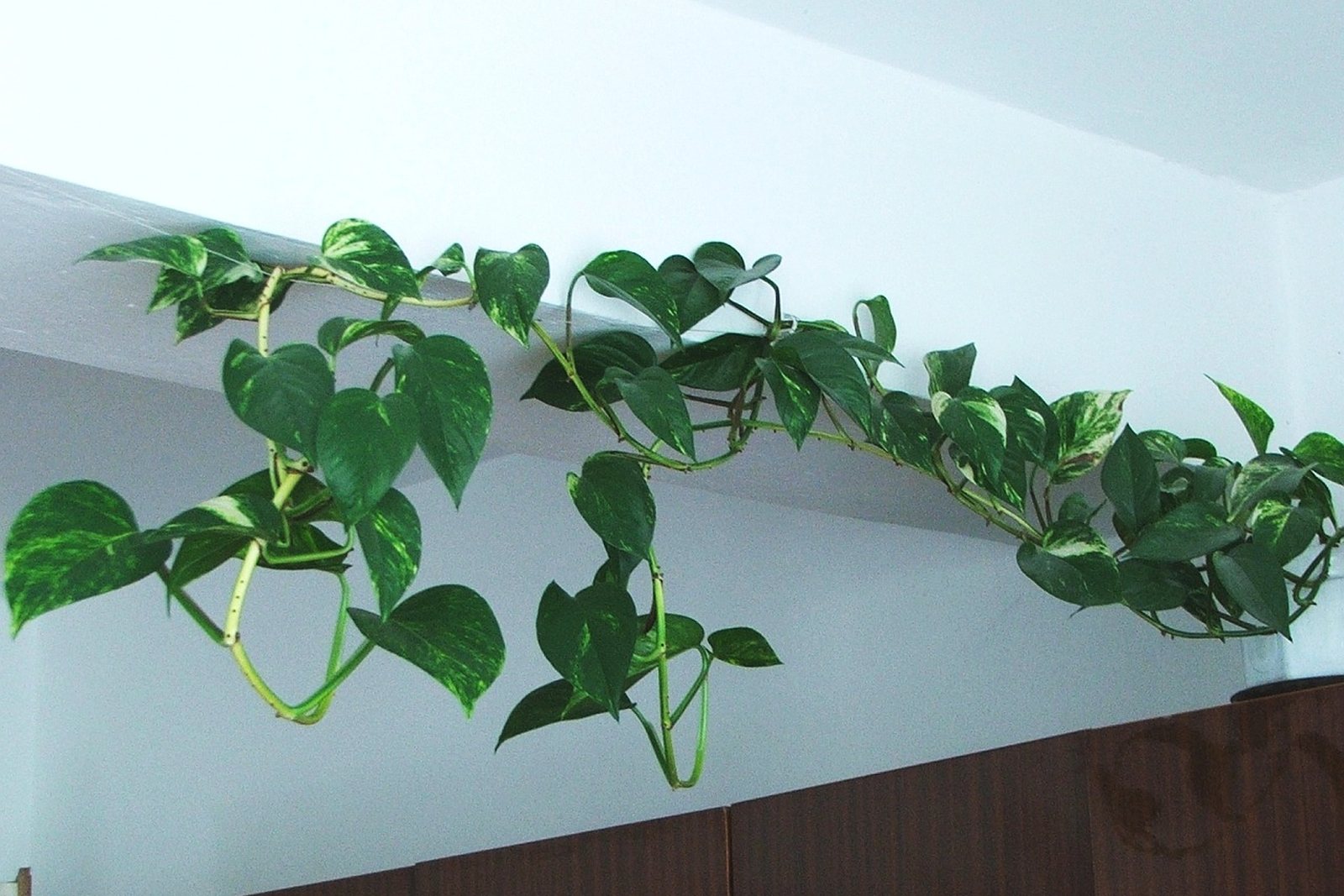
| Golden pothos (Epipremnum aureum) | Bright to medium, indirect | Any bathroom with a window | Toxic |
| Swiss cheese plant (Monstera deliciosa) | Indirect | Large, warm, humid | Toxic |
| ZZ plant (Zamioculcas zamiifolia) | Tolerates lower light | Drier guest bathroom | Check before buying |
"Check before buying" means we could not confirm the plant on the ASPCA list; look it up there before it goes within reach of a pet.
Humidity lovers for a steamy bathroom
Ferns
Ferns are the bathroom plants that gain the most. The RHS describes the Boston fern as loving warmth and humidity, and the bird's nest fern as loving a warm, steamy bathroom; it grows to about 60 cm high and 45 cm wide (24 x 18 in), so it suits a windowsill or a stand next to the bath. Maidenhair ferns thrive in humid air but need a bright spot out of direct sunlight. The Cretan brake fern wants bright, indirect light and compost that stays moist. If a fern keeps browning in your living room every winter, moving it to a bright bathroom is often the simplest fix.
Small plants for shelves and hanging pots
For tight spaces, the RHS suggests clubmosses (Selaginella), which love humidity, and mind-your-own-business (Soleirolia soleirolii) in a hanging pot. The dwarf umbrella plant (Cyperus albostriatus) loves damp conditions; the RHS suggests standing its pot in 1 cm (about 1/2 in) of water and topping up only as needed. The pink quill (Tillandsia cyanea) is an air plant that takes up moisture from the air, so a humid room helps it.
Bigger statement plants
A peace lily is happy in a warm position with plenty of indirect light, and a Swiss cheese plant enjoys warm, humid conditions if you have the floor space. The weeping fig (Ficus benjamina) suits a bright bathroom, but the RHS warns that it dislikes changes in its environment, so keep it away from draughts and heaters.
Which bathroom plants are safe for cats and dogs?
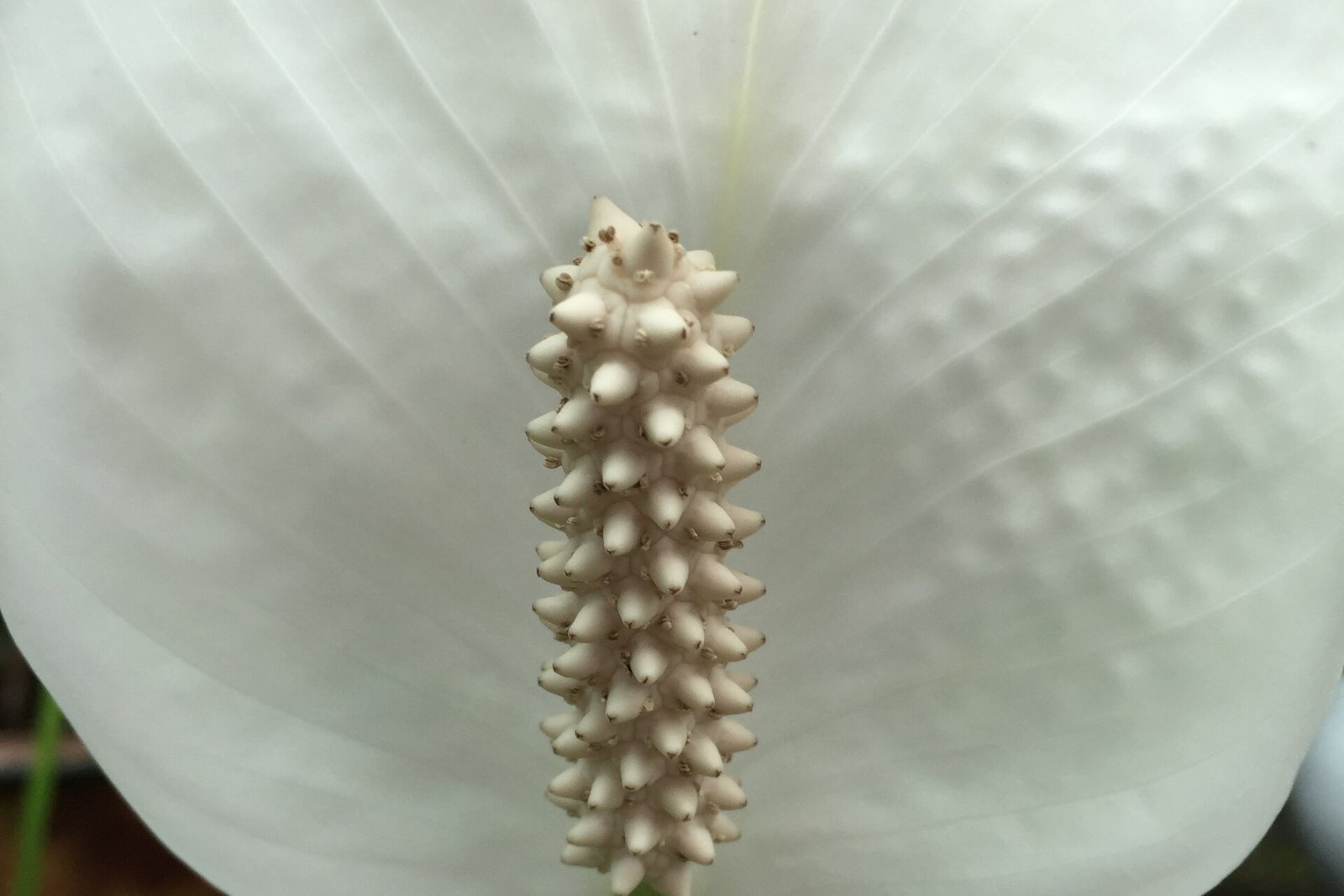
Bathrooms are rooms pets wander into, and many people put plants on the floor or the edge of the bath. The ASPCA lists the Boston fern and the spider plant as non-toxic to both cats and dogs. The peace lily, golden pothos and Swiss cheese plant are toxic to both: they contain insoluble calcium oxalates, which the ASPCA says cause burning and irritation of the mouth, drooling, vomiting and difficulty swallowing. The ASPCA also lists Ficus as toxic to dogs and cats. If a pet shares the bathroom, start with the two non-toxic plants or hang toxic ones well out of reach, and see our full list of pet-safe houseplants for cats and dogs.
Plants for a dark or dry bathroom
If your bathroom has only a small or frosted window, choose plants that tolerate lower light rather than the ones that love steam most. The RHS calls the ZZ plant unfussy and forgiving; it grows up to about 90 cm (3 ft). Spider plants and pothos also adapt to a range of conditions. Frosted glass is not a problem in itself: the RHS notes it softens harsh light. A bathroom with no window at all is different. Without natural light, plants slowly decline, so either use a grow light on a timer or treat the plants as visitors that go back to a bright room every week or two. Our guide to grow lights explains what to buy.
For a guest bathroom that is rarely used, skip the ferns and pick tougher plants from our list of beginner plants that forgive mistakes. Cacti and succulents do not need extra humidity (Penn State), so they gain nothing from steam; they belong in the sunniest window you have.
How do you care for plants in a bathroom?
- Check the light first. Place plants where they can see the window. A plant that leans, stretches or stops growing is short of light; see signs your plant needs more light.
- Do not water on autopilot. The RHS warns against overwatering even in humid rooms: moist air slows drying, so check the compost with a finger before you water.
- Watch for heat. Underfloor heating can dry floor-standing pots faster, and plants should not sit against a hot radiator or towel rail.
- Use the right mix. A peat-free houseplant compost suits most of these plants, and rainwater is a good choice for peace lilies and ferns where you can collect it.
- Keep the steam regular. Humidity from one shower a day fades quickly. If the bathroom is used less in some seasons, ferns may need extra help, which our indoor plant humidity guide covers.
Not sure which fern or trailing plant you brought home? Flori identifies a plant from a photo and shows its care profile, including light, humidity and toxicity, so you can check it suits your bathroom before you choose a spot.
Frequently asked questions
Can plants live in a bathroom with no window?
Not for long on their own. The RHS says windowless bathrooms are not suitable for live plants. Use a grow light on a timer, or rotate plants back to a bright room every week or two.
Which bathroom plant is safe for cats?
The ASPCA lists the Boston fern and the spider plant as non-toxic to both cats and dogs. Peace lily, golden pothos and Swiss cheese plant are toxic to both.
Do succulents like bathrooms?
They do not need extra humidity, so steam brings them no benefit. Cacti and succulents do best in the sunniest window in the house rather than in a dim, humid bathroom.
Do bathroom plants need less water?
Often yes, because humid air slows how fast the compost dries. The RHS warns against overwatering even in humid rooms, so check the compost with a finger before each watering.
Sources
Written and fact-checked by the Flori team. Every guide cites horticultural sources such as the RHS, university extension services and the ASPCA, and is updated when the advice changes. How we write our guides
General plant care information. Plants vary; when a plant is valuable or a problem spreads quickly, consult a local nursery or plant specialist.