
Poisonous Mushrooms and Dogs: Warning Signs and What to Do
Dogs are drawn to some of the deadliest mushrooms. Learn the four groups of signs, how fast each starts, and what to do the moment your dog eats one.
 By Flori editorial team · Updated
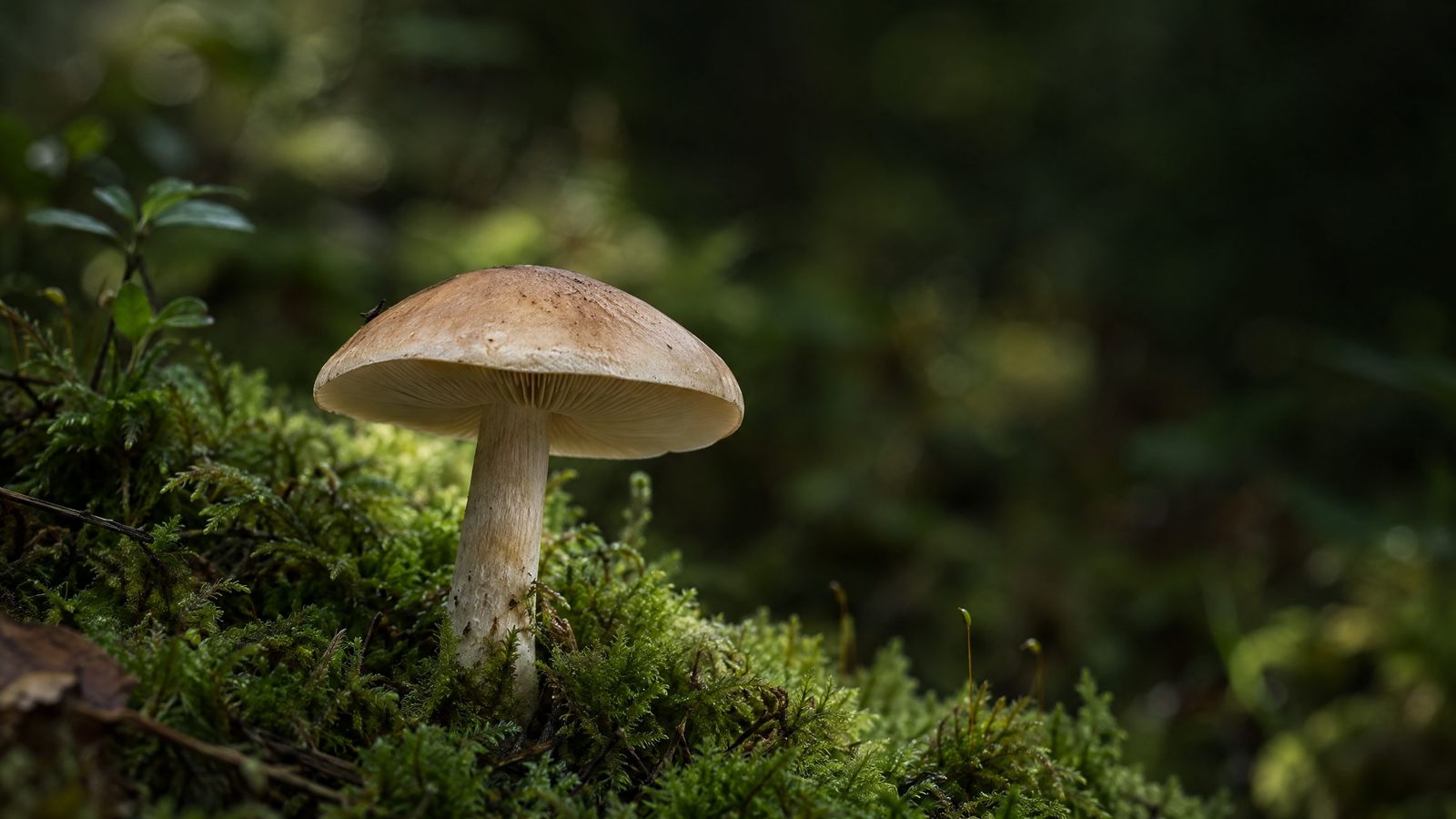
Call your vet or ASPCA Animal Poison Control as soon as your dog eats a wild mushroom, even if it seems fine. Signs range from vomiting within 15 minutes to tremors or seizures within hours, while death cap liver damage can show only after 6 to 12 hours. Keep a sample in a paper bag in the fridge.
Key takeaways
- Dogs seem drawn to the fishy smell of death caps, Inocybe and fly agarics, so they do not avoid dangerous mushrooms.
- Stomach signs can start within 15 minutes; nervous system signs usually within 6 hours.
- Death cap signs are often delayed 6 to 12 hours, which can give owners a false sense of security.
- Call the vet straight away, do not try home remedies, and keep a mushroom sample in a paper bag in the fridge.
- If a person ate it too, call the poison line now: UZEM 114, 1-800-222-1222 or NHS 111.
Are wild mushrooms dangerous to dogs?
Some are deadly, and dogs are far more likely than people to eat them. A dog does not pick a mushroom for its looks: it sniffs, licks and swallows, often in seconds on a walk or in the garden. This guide is written for that moment. It explains why dogs go for mushrooms, the four groups of signs vets watch for and how fast each can start, what to do in the first hour, and how to cut the risk at home. For the people side of mushroom poisoning, see our guide to mushroom poisoning symptoms; this one is about dogs.
Why do dogs eat poisonous mushrooms?
Smell, most likely. The North American Mycological Association (NAMA) says dogs seem especially interested in the death cap (Amanita phalloides) and in Inocybe species, quite possibly because of their fishy odour, and that the fly agaric (Amanita muscaria) and its relative Amanita pantherinoides also smell fishy and are frequently eaten by dogs. In other words, the mushrooms that attract dogs include some of the most dangerous ones. The idea that animals instinctively avoid poisonous mushrooms is a myth; NAMA notes that a great many dogs die each year after eating mushrooms that contain amatoxins.
Mushrooms also come up where dogs spend their time: lawns, parks, flower beds and woodland paths, especially after rain. Our guide to mushrooms in the lawn and garden explains why they appear and how to clear them.
What are the signs of mushroom poisoning in dogs?
The ASPCA, writing for vets, groups mushroom poisoning in dogs by what the toxin attacks. The timing is the most useful part for an owner, because a dog that seems fine an hour after eating a mushroom is not necessarily safe.
| Group | Example | When signs start | What you may see |
|---|---|---|---|
| Liver (hepatotoxic) | Death cap (Amanita phalloides) | Often delayed 6–12 hours | Vomiting and diarrhoea, then liver failure; can be fatal within days |
| Nervous system (neurotoxic) | Fly agaric group (isoxazoles), psilocybin, gyromitrin mushrooms | Often within 30–90 minutes, usually within 6 hours | Weakness, wobbly walking, tremors, seizures; with isoxazoles, hallucinations and swings between drowsiness and agitation |
| Gut (gastrointestinal) | Many lawn and woodland species; muscarine mushrooms | As early as 15 minutes, typically within 6 hours | Vomiting, diarrhoea, dehydration; with muscarine, drooling, slow heart rate and breathing problems |
| Kidney (nephrotoxic) | Cortinarius species | About 12 hours, sometimes 3–8 days or more | Increased thirst and urination, vomiting, dehydration |
Two points from the sources deserve emphasis. First, the ASPCA warns that the delay before death cap signs can give owners a false sense of security. NAMA describes the same pattern: a delay of 6 to 12 hours or more, then severe stomach upset and refusal to eat or drink. Second, the fly agaric group can put a dog into a deep, coma-like sleep a few hours after eating; NAMA says most dogs recover, usually around 6 hours later, though it can take up to 72 hours. The ASPCA notes there are no reports of accidental Cortinarius poisoning in dogs or cats, but the group is listed because people are poisoned by it.
The safe rule is simple: do not wait for any of these signs. If your dog ate a wild mushroom, act now.
My dog ate a mushroom: what should I do?
- Call your vet or an emergency vet clinic now, even if your dog seems fine. In the US, ASPCA Animal Poison Control is available 24/7, 365 days a year, on (888) 426-4435; a consultation fee may apply. NAMA also lists a pet emergency hospital or an animal poison control centre as the first call.
- Do not try home remedies or give medicines on your own. The ASPCA says stabilising the dog comes first; identifying the mushroom can wait.
- Collect a sample of the same mushroom from where your dog found it, including the base if you can. NAMA advises a paper bag or waxed paper, not plastic, kept in the fridge until an expert can look at it.
- Note the place: lawn, roadside, park or industrial area. NAMA points out that mushrooms there may carry pesticides or heavy metals, which matters for the vet too.
- Write down the time your dog ate it and roughly how much.
Once your dog is in care, an identification can help the vet. The ASPCA suggests a mycologist at a local university or NAMA, which keeps a list of volunteer identifiers. A photo can help an expert too: Flori can identify wild mushrooms from a photo and give you a name to pass on, but the vet's treatment never waits for an app, and no app can clear a mushroom as harmless to your dog.
How do I keep my dog away from mushrooms?
- Walk the garden after rain and pick or rake up mushrooms before your dog goes out. Wear gloves, bag them and put them in the bin, not the compost.
- Use a lead in mushroom season in parks and woods, especially with puppies and dogs that scavenge. Autumn is the peak in both hemispheres, but mushrooms appear whenever it is warm and wet.
- Teach "leave it" and reward it generously; it is the most useful command on a mushroom walk.
- Do not judge a mushroom by its looks. Plain brown lawn mushrooms can be as dangerous as bright ones; our guide on how to tell if a mushroom is poisonous explains why no rule of thumb works.
- Report what happened. NAMA asks owners to report every incident, even mild stomach upset, to its poison case registry, which helps track which species harm pets.
Cats rarely eat mushrooms, according to NAMA, but they are drawn to dried fly agaric and panther caps, so keep any dried mushrooms well out of reach.
What if a person ate the mushroom too?
Children and dogs often find the same garden mushrooms. If a person ate any of it, call the poison line now, before symptoms: Türkiye UZEM 114 (Ulusal Zehir Danışma Merkezi), US Poison Control 1-800-222-1222, UK NHS 111, or your local emergency number elsewhere. NAMA explains that death cap poisoning starts with 6 to 24 hours without symptoms while the liver and kidneys are being damaged, and people can feel better before liver damage shows, so do not wait. Keep a sample, and read our death cap guide to learn what that mushroom looks like.
Frequently asked questions
How long after eating a mushroom will a dog show symptoms?
It depends on the mushroom: stomach upset can start within 15 minutes, nervous system signs often within 30 to 90 minutes, and death cap signs are typically delayed 6 to 12 hours. Call the vet without waiting for any of them.
Are mushrooms in my lawn poisonous to my dog?
Some can be, and they cannot be judged by looks. Pick them before your dog goes out, and if your dog eats one, call your vet and keep a sample.
Should I make my dog vomit after eating a mushroom?
Do not try home remedies. Call your vet or an animal poison control service straight away and follow their instructions.
What is the ASPCA Animal Poison Control number?
In the US it is (888) 426-4435, open 24/7 all year; a consultation fee may apply. Outside the US, call your vet or nearest emergency vet clinic.
Sources
Written and fact-checked by the Flori team. Every guide cites horticultural sources such as the RHS, university extension services and the ASPCA, and is updated when the advice changes.
General plant care information. Plants vary; when a plant is valuable or a problem spreads quickly, consult a local nursery or plant specialist.