
Mushroom Poisoning: Symptoms, Timeline and What to Do
Mushroom poisoning symptoms can start in 15 minutes or after days. A timeline by toxin, why late symptoms are the most dangerous and what to do right now.
 By Flori editorial team · Updated
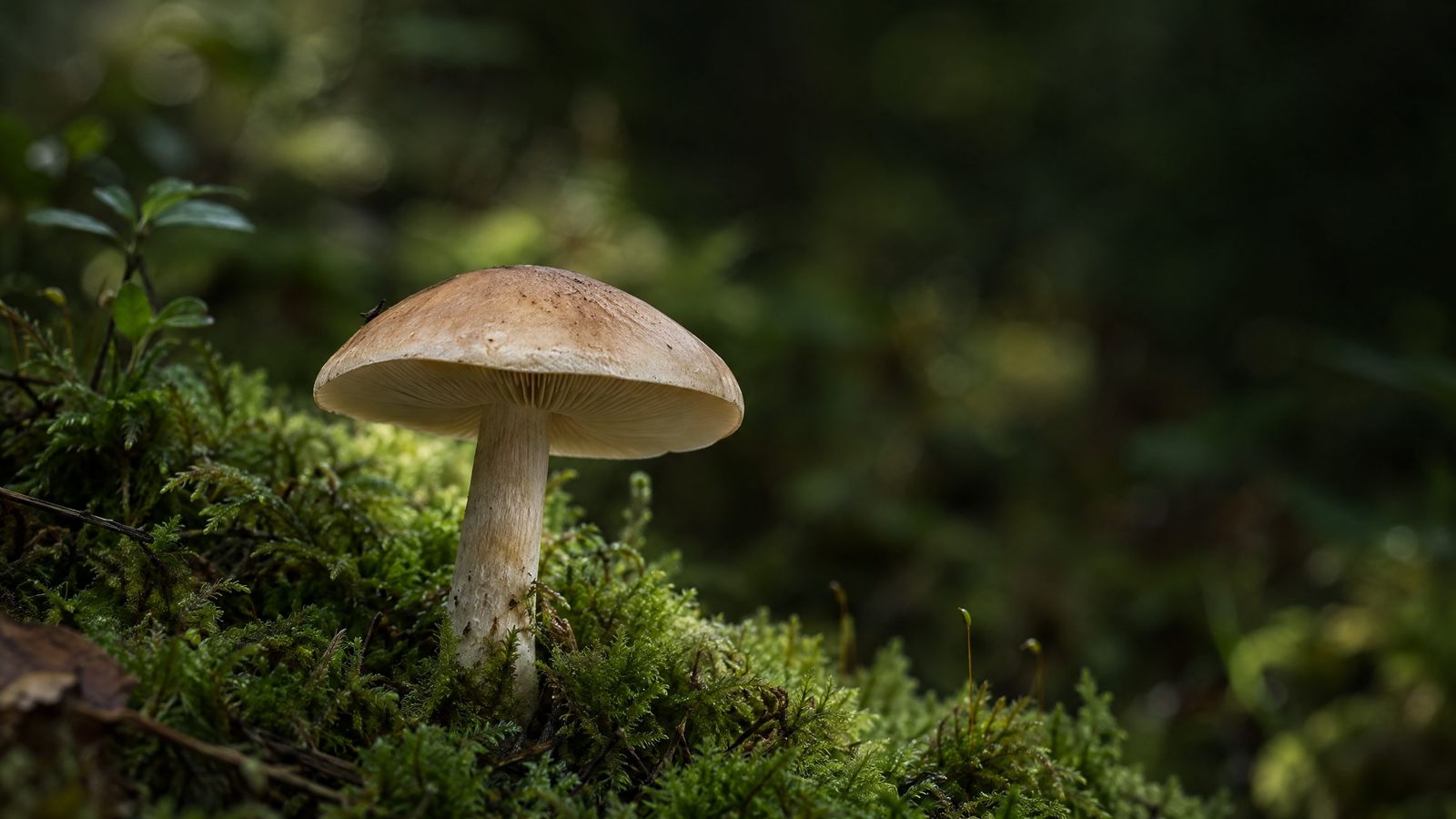
Mushroom poisoning can cause vomiting, diarrhoea and cramps within minutes to a few hours, but the deadliest species cause no symptoms for 6 to 24 hours and can damage the liver before you feel ill. Some kidney toxins take days. If anyone ate a wild mushroom, call a poison line now, without waiting for symptoms.
Key takeaways
- Symptoms can begin within 15 minutes or as late as three weeks, depending on the toxin.
- Stomach symptoms starting 6 to 24 hours after a meal can point to deadly amatoxins.
- Amatoxin poisoning can seem to improve for about a day before liver and kidney failure.
- Feeling fine proves nothing: call a poison line as soon as you know a wild mushroom was eaten.
- Keep any leftover mushroom, raw or cooked, so experts can identify the species.
What are the symptoms of mushroom poisoning?
Mushroom poisoning symptoms depend on which toxin was eaten, and the timeline matters as much as the symptoms. Many poisonous mushrooms cause vomiting and diarrhoea within an hour or two. The deadliest ones cause nothing at all for many hours, then violent stomach symptoms, then an apparent recovery while the liver fails. This guide sets out the main poisoning types by onset time, drawn from the North American Mycological Association (NAMA), so you can see why "wait and see" is the most dangerous choice. It is not a treatment guide: if someone has eaten a wild mushroom, skip to the last section and call a poison line now.
Poison Control in the US sums up the range: some wild mushrooms cause vomiting and diarrhoea that can lead to dehydration, some react with alcohol, some cause hallucinations or coma, and some cause no immediate effects but damage the liver badly enough that a transplant may be needed.
How long after eating does mushroom poisoning start?
Anywhere from about 15 minutes to three weeks. The table below lists the main syndromes NAMA describes, ordered by when symptoms usually begin.
| Onset after eating | Toxin or group | Example mushrooms | Typical symptoms |
|---|---|---|---|
| 15–30 minutes | Muscarine | Inocybe and some Clitocybe species | Heavy sweating, salivation and tears, vomiting, diarrhoea, blurred vision, irregular pulse, breathing difficulty |
| 20 minutes – 4 hours | Gastrointestinal irritants | Many different species | Nausea, vomiting, cramps, diarrhoea |
| 30 minutes – 2 hours | Ibotenic acid and muscimol | Fly agaric (Amanita muscaria), panther cap | Confusion, distorted vision, agitation or drowsiness, sometimes seizures or a coma-like sleep; nausea is common |
| 1–3 hours | Illudins | Jack-o'-lantern (Omphalotus), often mistaken for chanterelles | Nausea, vomiting, abdominal pain, headache, weakness |
| 2–24 hours | Gyromitrin | False morels (Gyromitra) | Headache, stomach pain, vomiting, severe diarrhoea; liver, kidney and blood damage in severe cases |
| 4–11 hours | Allenic norleucine | Amanita smithiana (North America) | Stomach upset, then kidney failure |
| 6–24 hours | Amatoxins | Death cap (Amanita phalloides), destroying angels, some Galerina and Lepiota | Silent period, then violent vomiting, bloody diarrhoea, cramps; liver and kidney failure |
| 36 hours – 3 weeks (average about 8 days) | Orellanine | Some Cortinarius species | Nausea, tiredness, headache, thirst, frequent urination, then kidney failure |
| Minutes after alcohol, up to 5 days after the meal | Coprine | Common ink cap (Coprinopsis atramentaria) | Flushing, racing heart, tingling hands and feet |
One rule from NAMA stands out: delayed symptoms are the dangerous ones. Stomach symptoms that start 6 to 24 hours after a meal can mean amatoxins; symptoms that start more than a day later can mean kidney toxins. But do not use the table to reassure yourself. A meal may contain more than one species, so quick symptoms never rule out a deadly mushroom eaten at the same time.
The four stages of death cap poisoning
Amatoxins cause most deaths from mushroom poisoning, and their course is what makes them so treacherous. NAMA describes four stages:
- Latent period, 6 to 24 hours. No symptoms, while the toxin is already damaging the liver.
- Gastrointestinal phase, about 24 hours. Violent vomiting, bloody diarrhoea and severe cramps.
- Apparent recovery, about 24 hours. The person feels better and may even be sent home.
- Relapse. Kidney and liver failure, possible bleeding, and death.
NAMA says there is no antidote and that anyone who may have eaten amatoxin mushrooms should go to hospital immediately, not wait for symptoms. In a case described by Poison Control, vomiting began about 12 hours after a meal of death caps, and the patient died two weeks later despite intensive hospital care. Our guide to the death cap mushroom shows how to recognise it.
Why cooking, tasting and "tests" do not help
Poison Control says cooking does not make a poisonous mushroom safe, and that breathing in fumes from cooking some poisonous species can itself cause poisoning. Ohio State University Extension lists boiling, drying and pickling among the myths. Silver spoons, peeling caps, smell and animals eating a mushroom are no guide either; our guide on how to tell if a mushroom is poisonous checks each myth against the sources.
Experience from one place is not enough. Poison Control warns that knowing mushrooms in one region or country is not reliable for another, which is how many poisonings happen: a familiar edible at home has a deadly look-alike somewhere else. See edible wild mushrooms and their look-alikes for the pairs that cause the most confusion.
Children, pets and the risk at home
Poison Control reminds parents to watch children playing outdoors, because a mushroom on the lawn can look like food to a toddler. NAMA notes that dogs often investigate and eat mushrooms in yards and along walks, and that dogs are particularly sensitive to some toxins, such as muscarine. If a pet may have eaten a mushroom, call your vet or ASPCA Animal Poison Control straight away.
An app is not part of the emergency plan. Flori can suggest what a mushroom might be from a photo, which is useful for learning, but NAMA says a single photograph is never enough for identification. In a poisoning, identification is done by the poison centre with mushroom experts; our article on whether an app can identify mushrooms explains why.
What to do if someone ate a wild mushroom
Act now, even if the person feels completely well. NAMA says not to wait for symptoms to become severe, and with amatoxins the absence of symptoms means nothing.
- Call a poison line immediately. In Türkiye call UZEM on 114. In the US call Poison Control on 1-800-222-1222. In the UK call NHS 111. Elsewhere, call your local poison centre or emergency number.
- Keep a sample. Ohio State advises saving a sample of any wild mushroom eaten so it can be identified if someone becomes ill. Keep leftovers, raw or cooked, peelings included, in a paper bag, and photograph where they grew.
- Tell them the timing. When the mushrooms were eaten, how many people ate them, and when any symptoms began. Everyone who ate from the same dish needs advice, including people with no symptoms.
- Do not wait and do not treat at home. No home remedies; follow the instructions of the poison centre or doctor.
For more on species, look-alikes and seasons, browse our mushroom guides.
Frequently asked questions
How long does it take for mushroom poisoning to show?
From about 15 minutes to three weeks, depending on the toxin. Many cause stomach symptoms within a few hours, but deadly amatoxins take 6 to 24 hours and some kidney toxins take days.
If I feel fine the next morning, am I safe?
No. Amatoxin poisoning has a silent period of 6 to 24 hours, and NAMA describes an apparent recovery before liver and kidney failure. Call a poison line now.
Does vomiting soon after eating mean it was a harmless mushroom?
No. Quick symptoms are often caused by milder toxins, but a meal can contain more than one species. Only a poison centre and a proper identification can judge the risk.
What number should I call for mushroom poisoning?
In Türkiye UZEM 114, in the US Poison Control 1-800-222-1222, in the UK NHS 111. For pets, call your vet or ASPCA Animal Poison Control.
Sources
Written and fact-checked by the Flori team. Every guide cites horticultural sources such as the RHS, university extension services and the ASPCA, and is updated when the advice changes.
General plant care information. Plants vary; when a plant is valuable or a problem spreads quickly, consult a local nursery or plant specialist.