Ficus elastica · Moraceae
Rubber Plant (Ficus elastica): Care and Facts
How to care for a rubber plant (Ficus elastica): light, watering, soil, temperature, feeding, pruning, leaf drop and what the sources say about pets.
- Bright indirect light
- Moderate water
- Easy care
- Pet safety not listed
Also called: Indian rubber plant, rubber tree, rubber fig
 By Flori editorial team · Updated
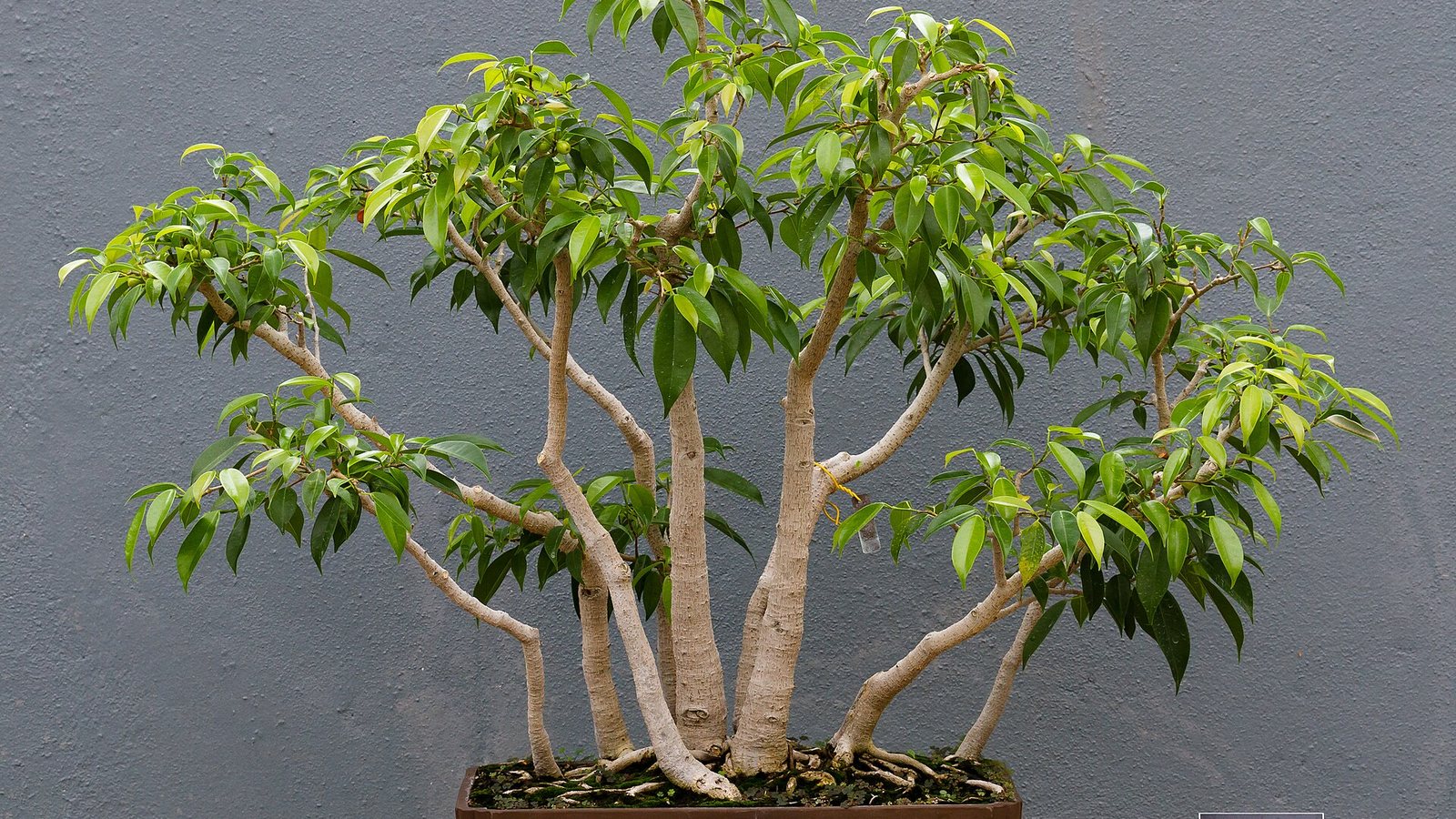
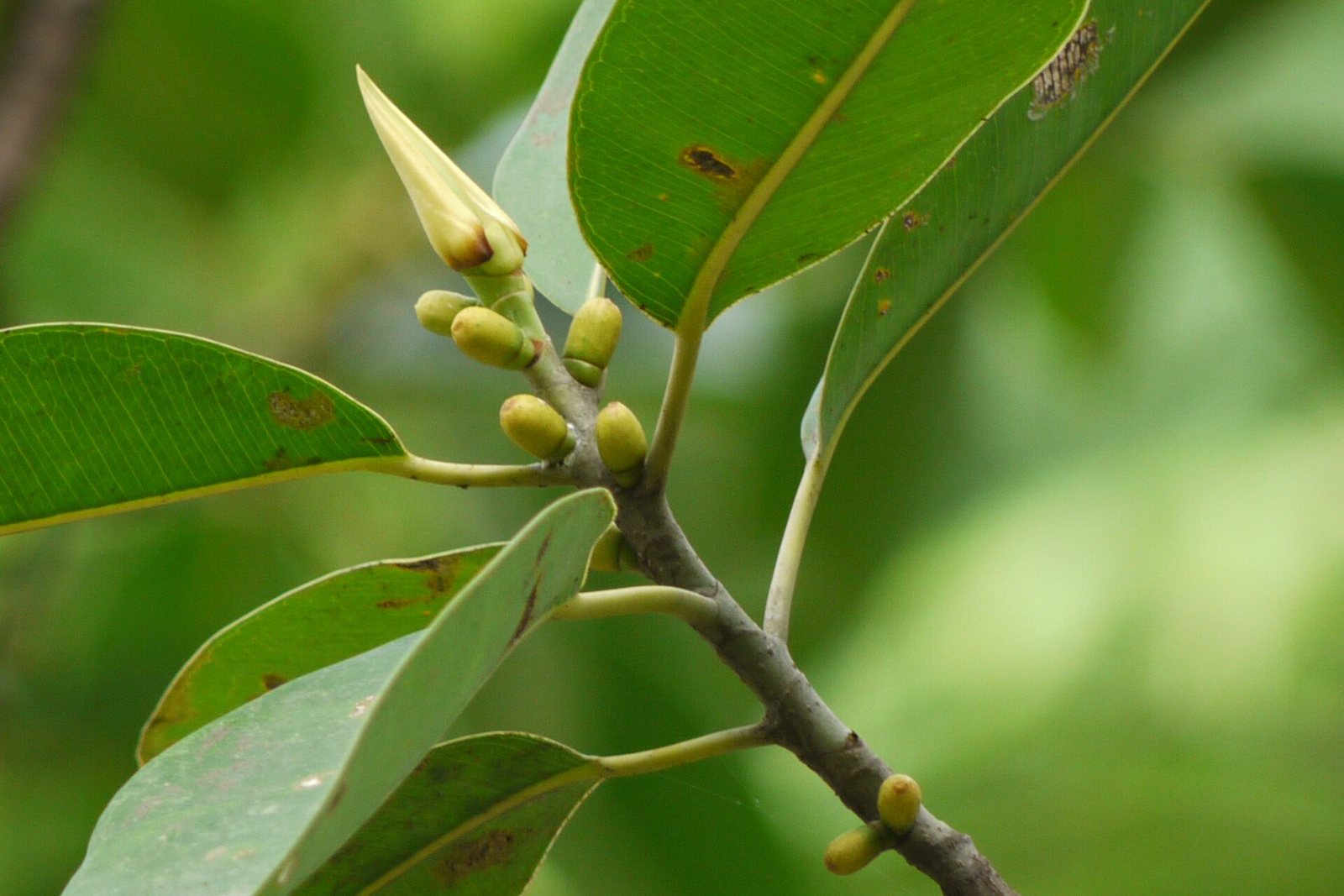
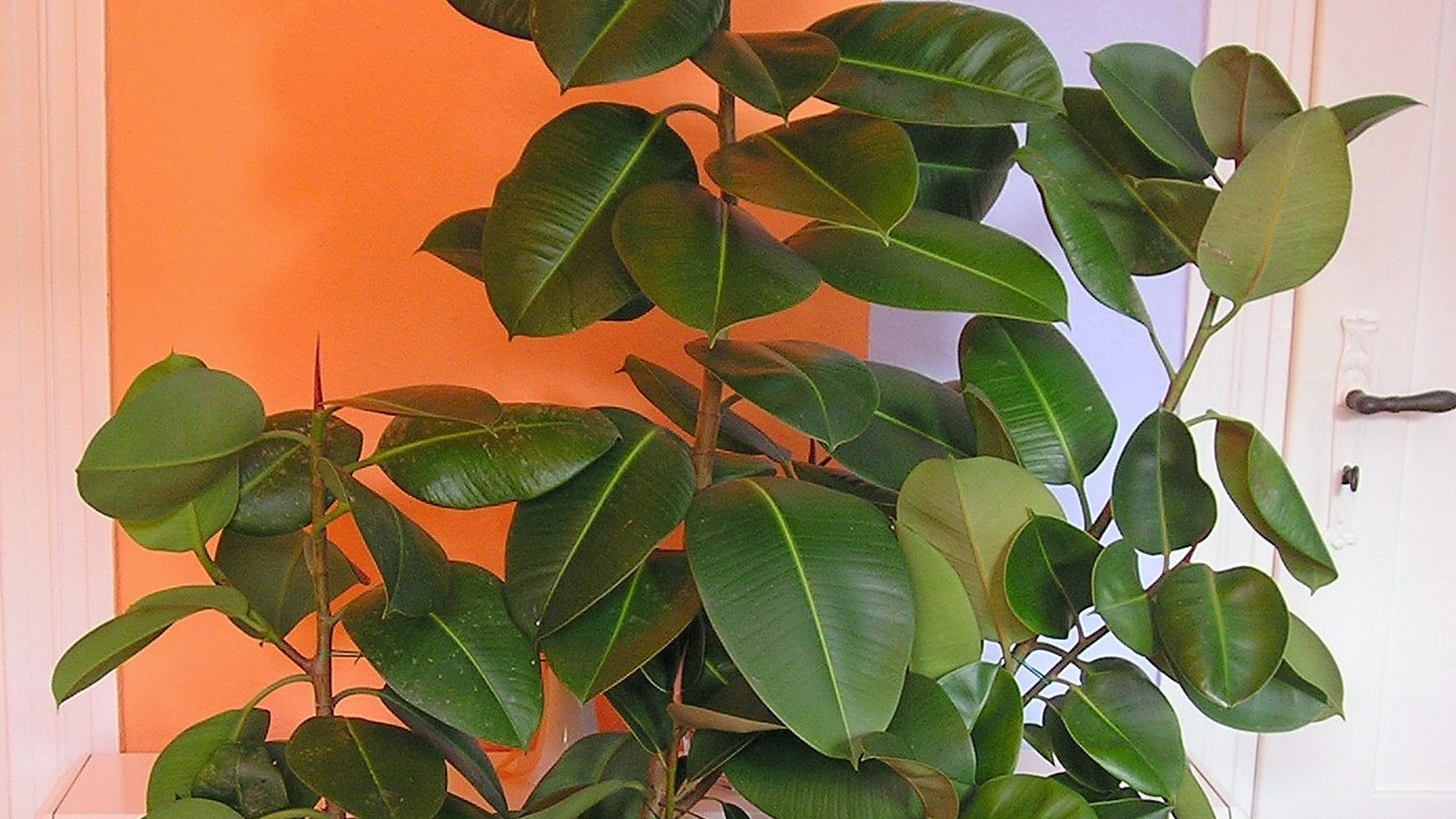 Photo: Maja Dumat · CC BY 2.0
The rubber plant (Ficus elastica) is a glossy-leaved houseplant from Southeast Asia that does best in bright, indirect light. Water when the top of the soil has dried, keep it above about 13 °C (55 °F) and away from draughts, and expect leaf drop from overwatering or cold. Its sticky sap can irritate; keep it from pets.
At a glance
- Light
- Bright indirect light; a few hours of gentle sun tolerated
- Watering
- When the top of the soil is dry; much less in winter
- Humidity
- Medium; tolerates dry home air, mist in hot weather
- Temperature
- Above 10-13 °C (50-55 °F); avoid draughts and sudden drops
- Soil
- Well-drained houseplant mix; pot with drainage holes
- Size
- Indoors about 0.6-3 m (2-10 ft); 15-30 m (50-100 ft) in the wild
- Toxicity
- Sap irritates; no ASPCA entry for this species, keep from pets
- Origin
- Southeast Asia, from Nepal to China and western Malesia
On this page9
- How much light does a rubber plant need?
- How often should you water a rubber plant?
- What soil and pot does it need?
- What temperature and humidity does a rubber plant like?
- How and when should you feed it?
- How do you prune and propagate a rubber plant?
- Why is my rubber plant dropping leaves?
- Is the rubber plant toxic to cats, dogs and people?
- Which rubber plant varieties are there?
How much light does a rubber plant need?
The rubber plant (Ficus elastica) does best in bright, indirect light. The RHS says it tolerates a few hours of morning or evening sun, especially in winter, and that variegated forms need more light than green-leaved ones. Clemson HGIC says rubber plants prefer bright light but adapt to low light, and that morning light from an east window suits them. NC State adds that indoors it wants protection from afternoon sun.
A plant that sits too dark makes small, pale new leaves. The RHS lists poor new growth and small, pale leaves as a sign of too little light (or a plant that needs repotting). Hard midday sun behind glass is the opposite problem: the RHS links dry, shrivelled leaves to too much direct sun, among other causes.
| Position | What to expect |
|---|---|
| East window, or a bright spot back from a south or west window | Steady growth, best leaf colour |
| A few hours of gentle morning or evening sun | Tolerated (RHS), especially in winter |
| Low light | Adapts (Clemson), but expect slow growth and possible leaf drop |
How often should you water a rubber plant?
Water thoroughly, then wait. Clemson says to let the soil dry slightly to the touch between waterings, and the RHS says to let the compost dry out slightly between waterings in spring and summer and keep it only just moist in winter. NC State says to reduce watering when the plant is dormant, from fall to late winter. In practice that means checking the top few centimetres (1 to 2 in) with a finger rather than following a calendar; the interval gets longer in winter and in a dim room.
Use a pot with drainage holes and empty the saucer, as Clemson advises. Overwatering is behind most rubber plant trouble: Clemson links root rot to a poorly draining mix or watering too often, and the RHS links sudden leaf drop and yellow or dark-spotted leaves to overwatering. Our guides on overwatering versus underwatering and how often to water houseplants cover how to tell the two apart.
What soil and pot does it need?
Clemson recommends a well-drained houseplant mix. The RHS suggests a loam-based compost with added fine bark, or a peat-free multi-purpose compost. NC State says a soil-based potting mix with good drainage suits it. Repot only when needed: the RHS says every couple of years in spring, and Clemson says late winter or early spring. When the plant is too big to repot, the RHS suggests replacing the top 2.5 cm (1 in) of compost instead. See the best soil mix for houseplants for what goes into a free-draining blend.
Flori keeps a care profile for each plant (light, watering, humidity, temperature, toxicity) and can send watering reminders, so you check the soil on the right day.
What temperature and humidity does a rubber plant like?
Keep it warm and out of draughts. The RHS says to keep it above 10 to 13 °C (50 to 55 °F), and NC State and Clemson both say to avoid temperatures below 55 °F (about 13 °C). Clemson gives an ideal of 60 to 65 °F (16 to 18 °C) at night and 75 to 80 °F (24 to 27 °C) by day, and warns against sudden drops and cold draughts. Read how cold is too cold for houseplants before a plant sits on a winter windowsill.
Humidity advice varies a little. NC State says it does well at medium humidity, Clemson says it prefers humid conditions but tolerates dry home air, and the RHS suggests misting in hot weather or standing the pot on damp gravel. Clemson lists dry air among the causes of leaf loss, so a very dry room is worth correcting; see the indoor humidity guide.
How and when should you feed it?
Feed during active growth only. Clemson suggests a water-soluble houseplant fertiliser every two weeks in spring and summer, and says plants in lower light need less. The RHS suggests a high-nitrogen feed from spring to late summer for leafy growth. Skip feeding in winter, and always follow the label. The RHS lists excess fertiliser among the causes of sudden leaf drop, so more is not better.
How do you prune and propagate a rubber plant?
Pruning is optional. NC State says you can cut the main branches for a bushier plant or leave it unpruned for a tall, narrow tree. Clemson recommends pruning in spring to rejuvenate a tall, lanky plant (or staking it), and the RHS says late winter or early spring, cutting just above a leaf. Wear gloves: cut leaves drip sticky white sap that the RHS says may irritate skin or aggravate allergies. Wipe dust from the leaves with water, as Clemson advises.
For new plants, Clemson lists stem or tip cuttings and air layering. The RHS says air layering takes about a year to root, while semi-ripe cuttings taken in spring or summer root faster with a heated propagator. Propagating plants from cuttings shows the general method.
Why is my rubber plant dropping leaves?
Sudden leaf drop is the most common complaint. The RHS says it is usually overwatering, but can also come from low winter temperatures, low light, excess fertiliser or cold draughts; Clemson adds dry air. NC State notes it is normal for some bottom leaves to turn yellow and drop.
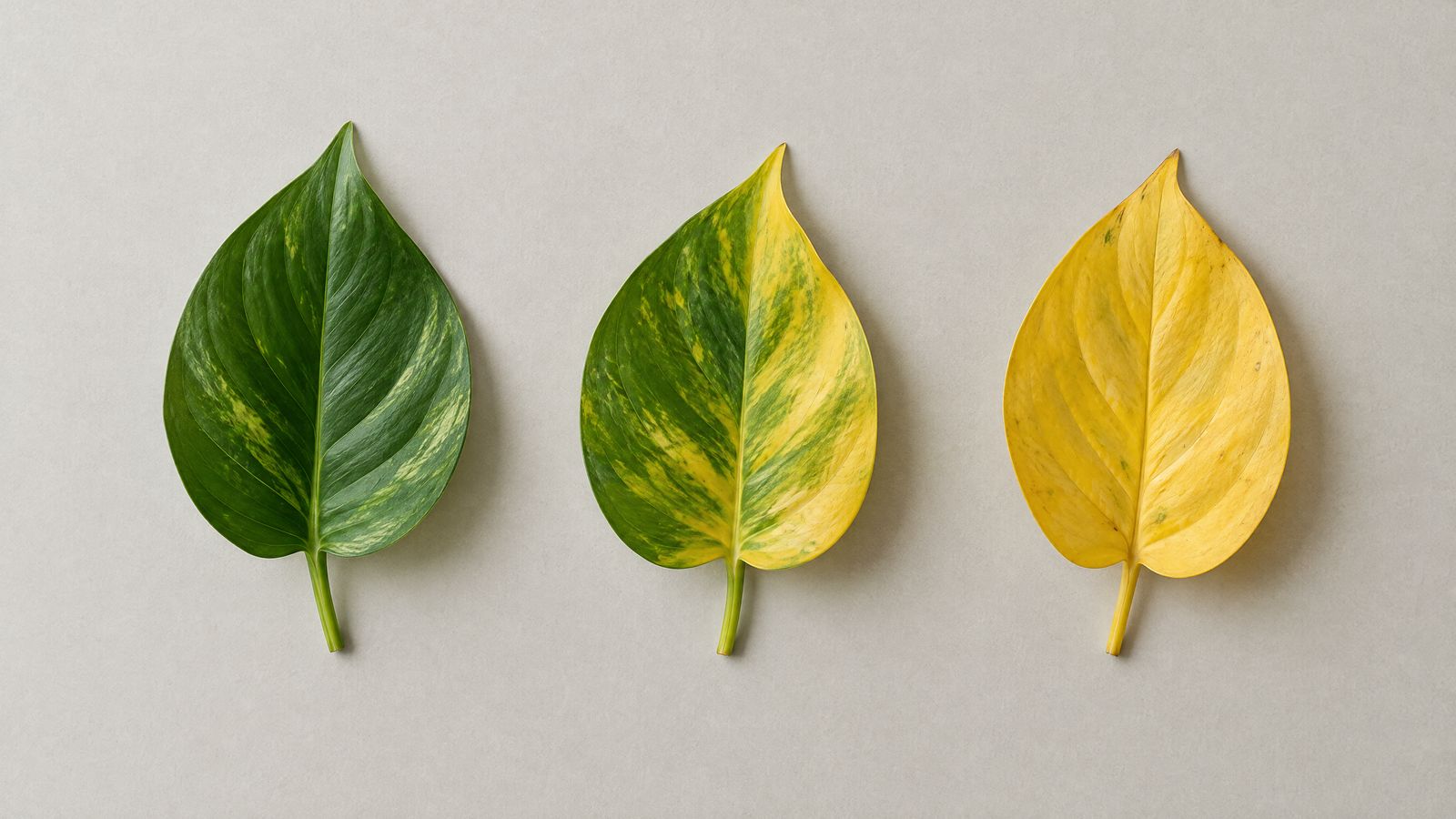
- Yellow lower leaves: can be age or wet soil; check the roots and the pot. See the yellow leaves diagnosis guide.
- Dry, shrivelled leaves: low humidity, dry compost or too much direct sun (RHS).
- Many leaves falling: read why plant leaves fall off.
- Pests: NC State and the RHS list mealybugs, scale insects and spider mites; check the undersides of leaves regularly. See spider mites on houseplants.
Is the rubber plant toxic to cats, dogs and people?
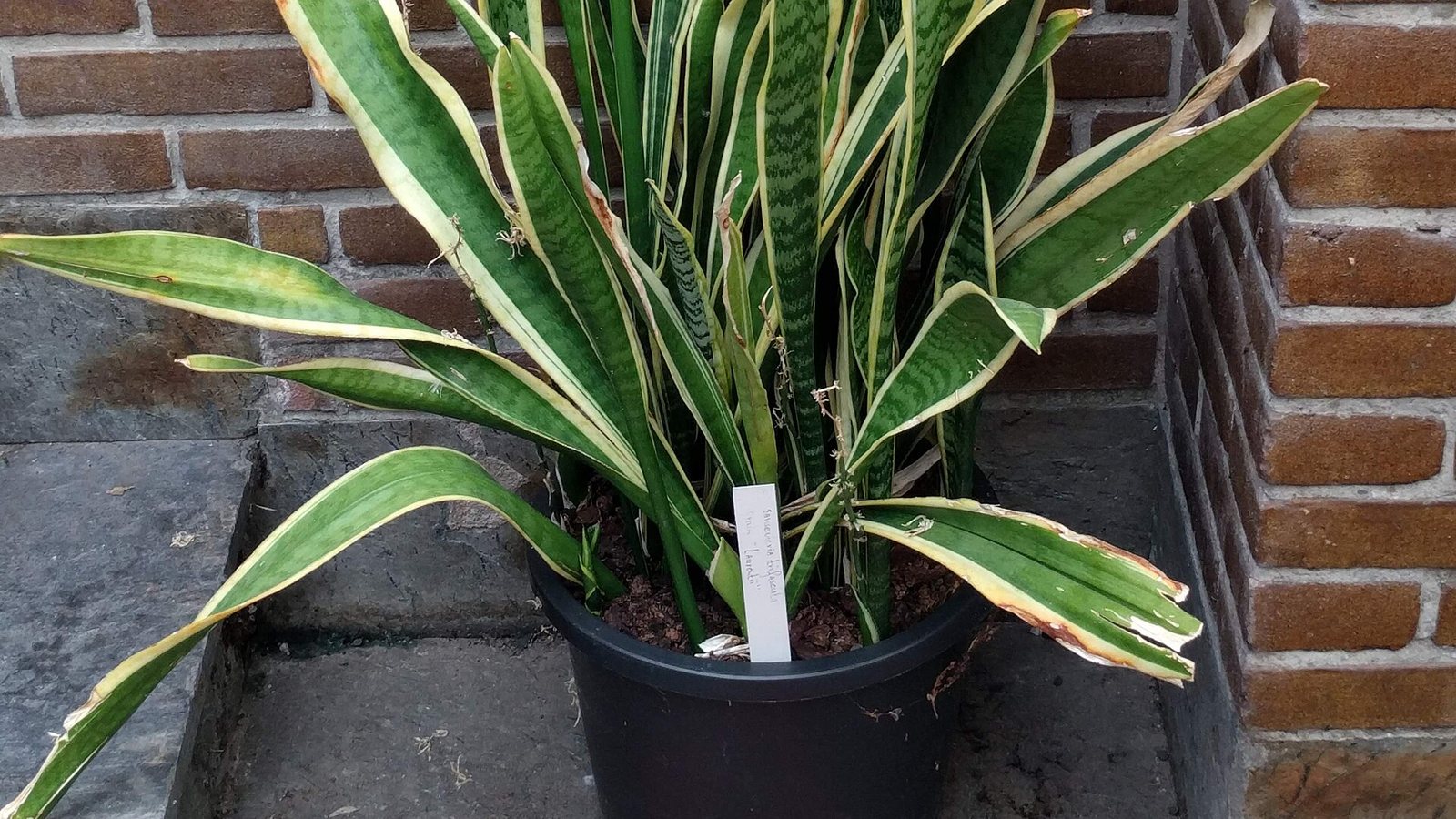
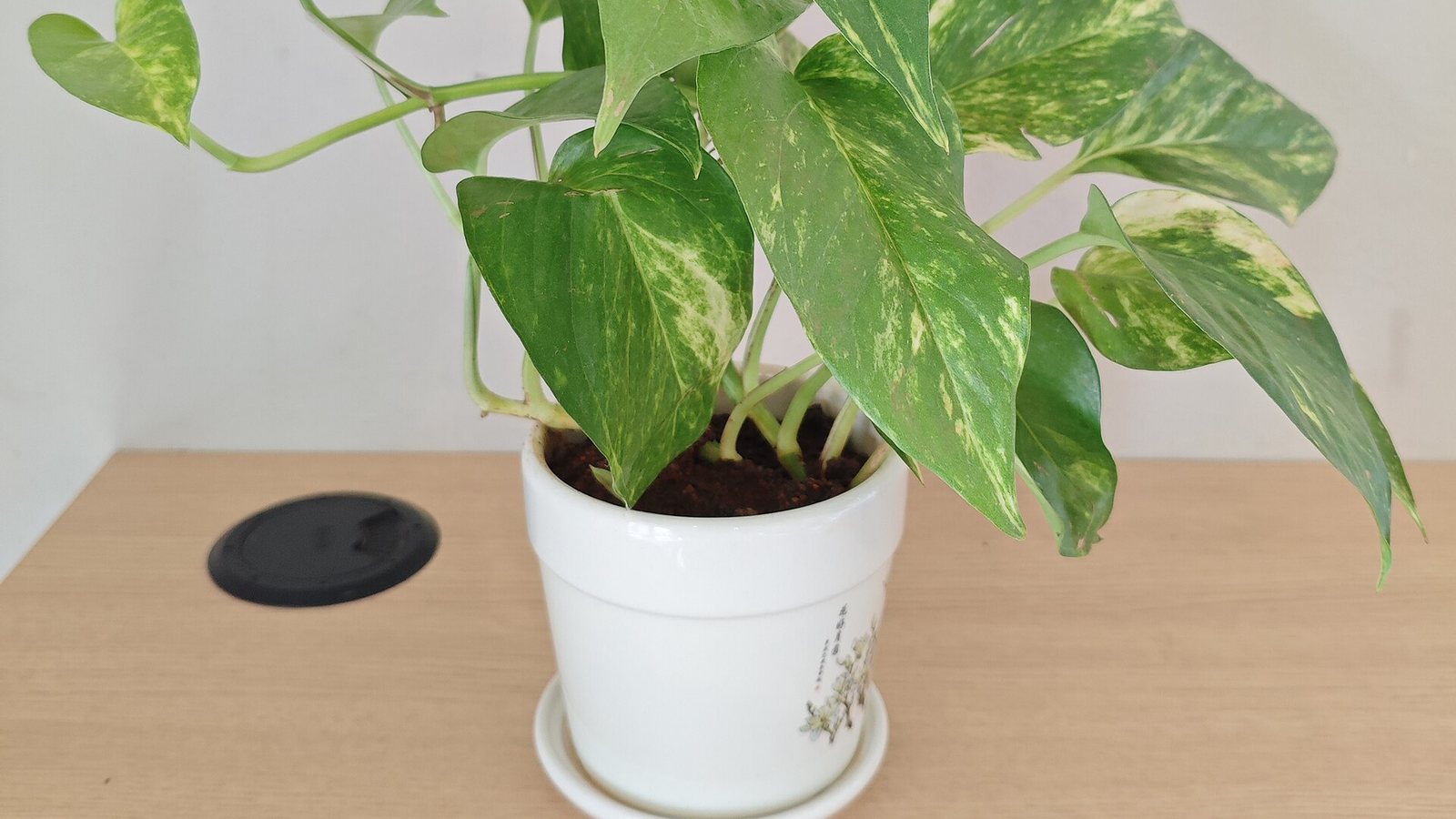
Treat it as an irritant and keep it away from pets and small children. The ASPCA lists the weeping fig (Ficus benjamina, which it also calls Indian rubber plant) as toxic to dogs and cats, with the toxic principles ficin and psoralen; we could not find a separate ASPCA entry for Ficus elastica, so we do not call it safe. NC State flags it as a problem plant for cats, dogs and horses. Clemson says the sticky white sap may irritate skin or the stomach if eaten. If a pet has chewed it, call your vet or an animal poison line; in the US the ASPCA Animal Poison Control Center can help. See plants toxic to cats. Our pages on the snake plant and pothos cover two other common houseplants that are toxic to pets.
Which rubber plant varieties are there?
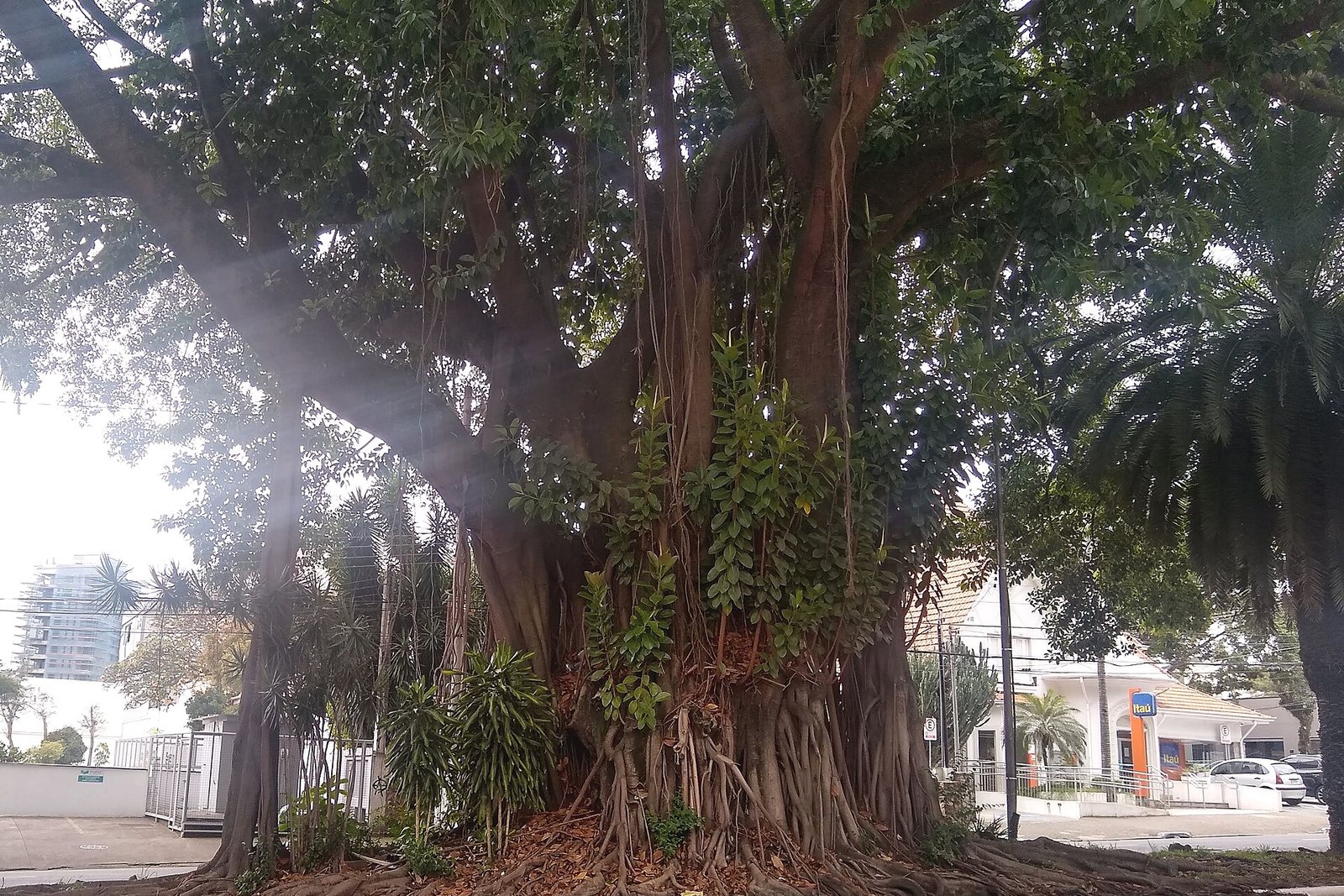
'Robusta' is the most common, with deep green, waxy leaves and a height of up to 8 ft (about 2.4 m) according to NC State. 'Decora' has large, very thick leaves. 'Burgundy' has dark leaves with burgundy hints. Variegated types such as 'Tineke' (green and cream) and 'Tricolor' (cream, pink and green) need more light than green forms (RHS). NC State gives a typical indoor height of 2 to 10 ft (about 0.6 to 3 m) with training or support, while in the wild the tree reaches 50 to 100 ft (15 to 30 m).
Frequently asked questions
How often should you water a rubber plant?
Water thoroughly when the top of the soil has dried slightly (Clemson, RHS) and keep it only just moist in winter. Check the soil with a finger rather than watering on a fixed day.
Why is my rubber plant losing leaves?
The RHS says sudden leaf drop is usually overwatering, but low winter temperatures, low light, excess fertiliser and cold draughts can also cause it. Clemson adds dry air.
Is the rubber plant toxic to cats and dogs?
We found no ASPCA entry for Ficus elastica, so we do not call it safe. NC State flags it as a problem for cats and dogs and Clemson says the sap may irritate skin or the stomach. Keep it out of reach.
How big does a rubber plant get indoors?
NC State gives 2 to 10 feet (about 0.6 to 3 m) indoors with training or support; Clemson says 6 to 10 feet or more. Pruning can keep it smaller.
Does a rubber plant need a lot of light?
It prefers bright, indirect light and tolerates a few hours of gentle sun (RHS). It adapts to low light but grows slowly and may drop leaves.
Sources
Written and fact-checked by the Flori team. Every guide cites horticultural sources such as the RHS, university extension services and the ASPCA, and is updated when the advice changes. How we write our guides
General plant care information. Plants vary; when a plant is valuable or a problem spreads quickly, consult a local nursery or plant specialist.