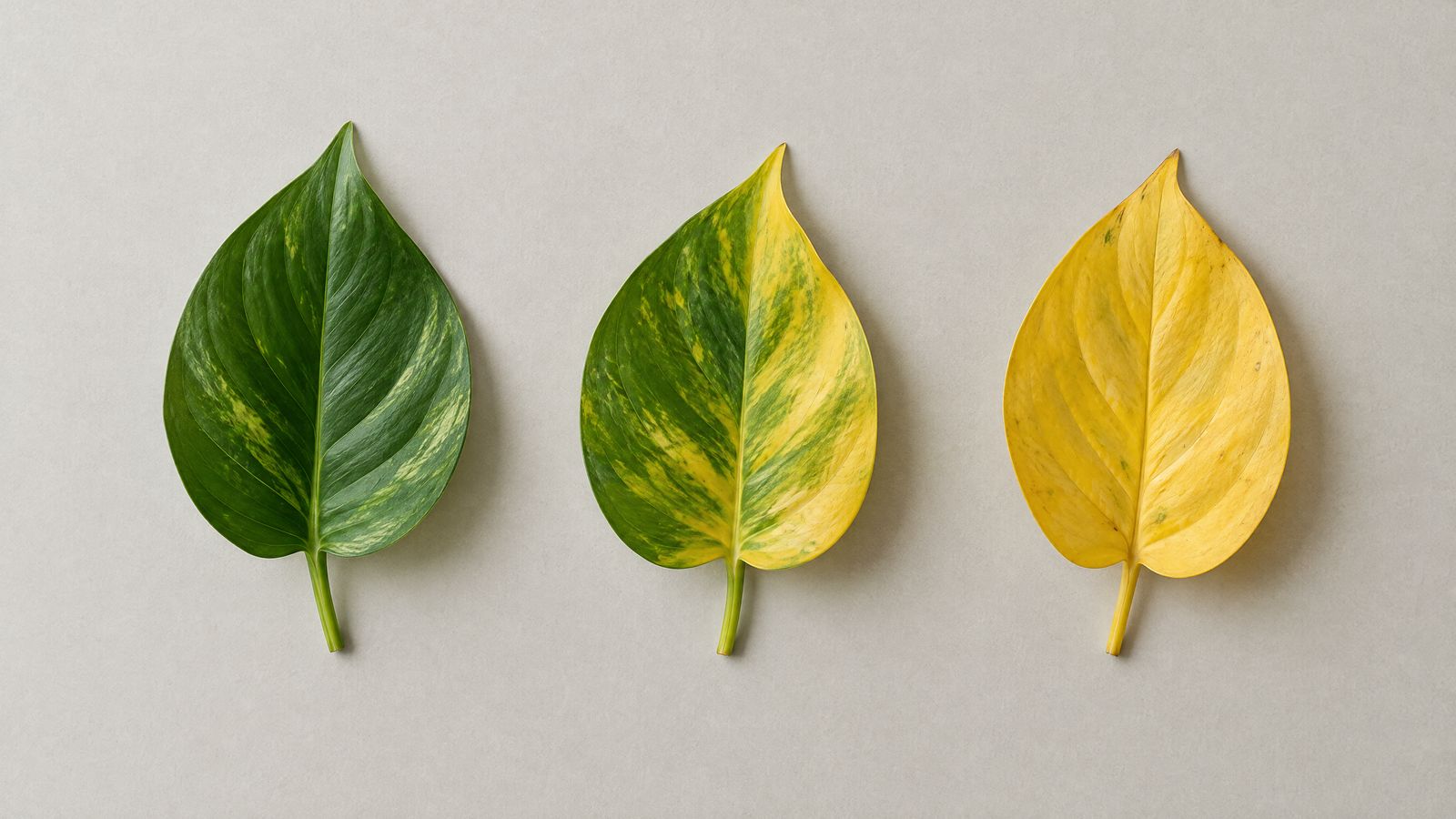
Plant Leaves Falling Off: Causes and Fixes
Why plant leaves fall off: read the pattern of the drop to tell over- and underwatering, cold, low light, dry air and moving stress apart, then fix it.
 By Flori editorial team · Updated
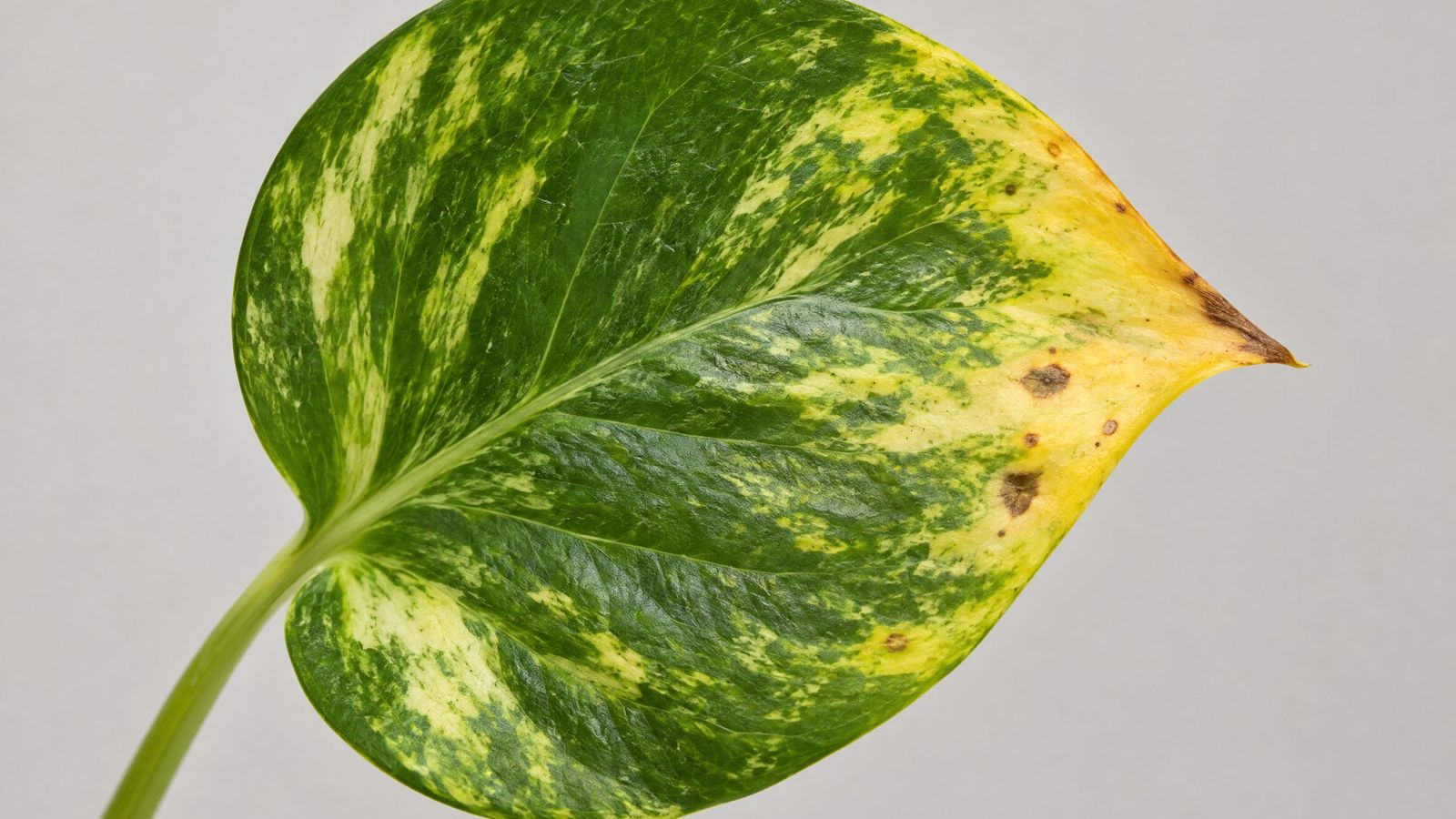
Plant leaves usually fall off because of watering problems, a recent move or repotting, cold draughts, low light, dry air or too much fertilizer. Look at which leaves drop: old lower leaves on a dry plant suggest thirst, old and new together in wet soil suggest overwatering, and sudden green drop after a move is usually temporary stress.
Key takeaways
- Which leaves fall tells you the cause: lower old leaves, old and new together, or green leaves after a move.
- Check the soil first; over- and underwatering are the most common causes and look alike.
- Leaf drop after a move or repotting should settle within about three weeks if conditions are right.
- Weeping figs drop leaves at almost any stress; give them one bright, draught-free spot and leave them there.
- Change one thing at a time and judge recovery by healthy new growth.
Why are my plant's leaves falling off?
When plant leaves start falling off, the pattern of the drop tells you more than the drop itself. Which leaves fall (old ones at the bottom, or old and new together), what colour they are when they go, and what changed in the weeks before point to different causes with different fixes. This guide puts those patterns in a symptom → cause → fix table, then walks through the checks in the order that finds the answer fastest.
Clemson Extension lists the main causes of leaf drop in houseplants: over- or under-watering, a pot that is too small, chilling, a significant change in environment, and occasionally insects and diseases. The RHS adds low light and dry air, and Iowa State Extension adds too much fertilizer. Most of these are fixable once you know which one you are dealing with.
What does the pattern of leaf drop tell you?
| What you see | Likely cause | First fix |
|---|---|---|
| Older leaves at the base yellow and fall first; soil is dry | Underwatering (RHS) | Water thoroughly, then check the mix more often |
| Old and new leaves yellow and drop at the same time; soil is wet | Overwatering (RHS) | Stop watering, check the roots for rot |
| Lower leaves yellow and fall; growth is pale and spindly | Too little light (RHS) | Move closer to a bright window |
| Healthy green leaves drop within days of a move or repotting | Change of environment (Clemson) | Keep conditions steady and wait |
| Leaves drop after a cold night, a draught or time near an open door; may blacken | Chilling or cold damage (Clemson, RHS) | Move away from cold glass and draughts |
| Early drop of leaves, buds and flowers in heated rooms | Dry air (RHS) | Raise humidity, move away from radiators |
| Leaves brown or yellow and fall after regular feeding; crust on the soil | Too much fertilizer (Iowa State) | Flush the mix with plain water, feed less |
| Leaf drop in a plant whose roots fill the pot | Pot too small (Clemson) | Repot one size up |
| Sticky, speckled or webbed leaves before they fall | Pests (Clemson) | Inspect undersides with a hand lens |
If the leaves turn yellow well before they fall, our yellow leaves diagnosis guide goes deeper into colour and position.
Is it a watering problem?
Check this first, because it is the most common cause and both extremes look alike from a distance. The RHS gives the clearest way to tell them apart: on a dry plant, older leaves at the base yellow and fall first, while overwatering makes old and new leaves yellow and drop at the same time. Overwatering can also cause wilting, so a drooping plant in wet soil does not need more water.
Push a finger a few centimetres into the mix and lift the pot to feel its weight. Iowa State Extension recommends watering only when the mix is dry 2–5 cm (1–2 in) down, using a pot with a drainage hole, and never leaving the pot standing in water. If the soil is wet and smells sour, or the stem is soft at the base, follow our root rot rescue plan. For the method itself, see how to water houseplants.
Did the plant just move, or did the season change?
A plant that drops healthy-looking leaves soon after you bring it home, move it to another room or repot it is usually adjusting, not dying. Clemson Extension says some leaf drop follows a significant change in environment but should only last about three weeks. Autumn is the classic time: heating comes on, days shorten, and plants that summered outdoors come back inside to lower light.
If you are not sure which cause fits, Dr. Flori in the Flori app can look at a photo, ask what changed recently, and tell you how urgent it is.
Why is my ficus dropping leaves?
Weeping figs (Ficus benjamina) are famous for it. Clemson Extension calls leaf drop the most common problem of weeping figs and lists overwatering, under-watering, draughts, lack of nitrogen and low light as causes, adding that they often shed leaves when moved or repotted. Illinois Extension notes that the leaves drop if the plant is chilled or moved from one place to another.
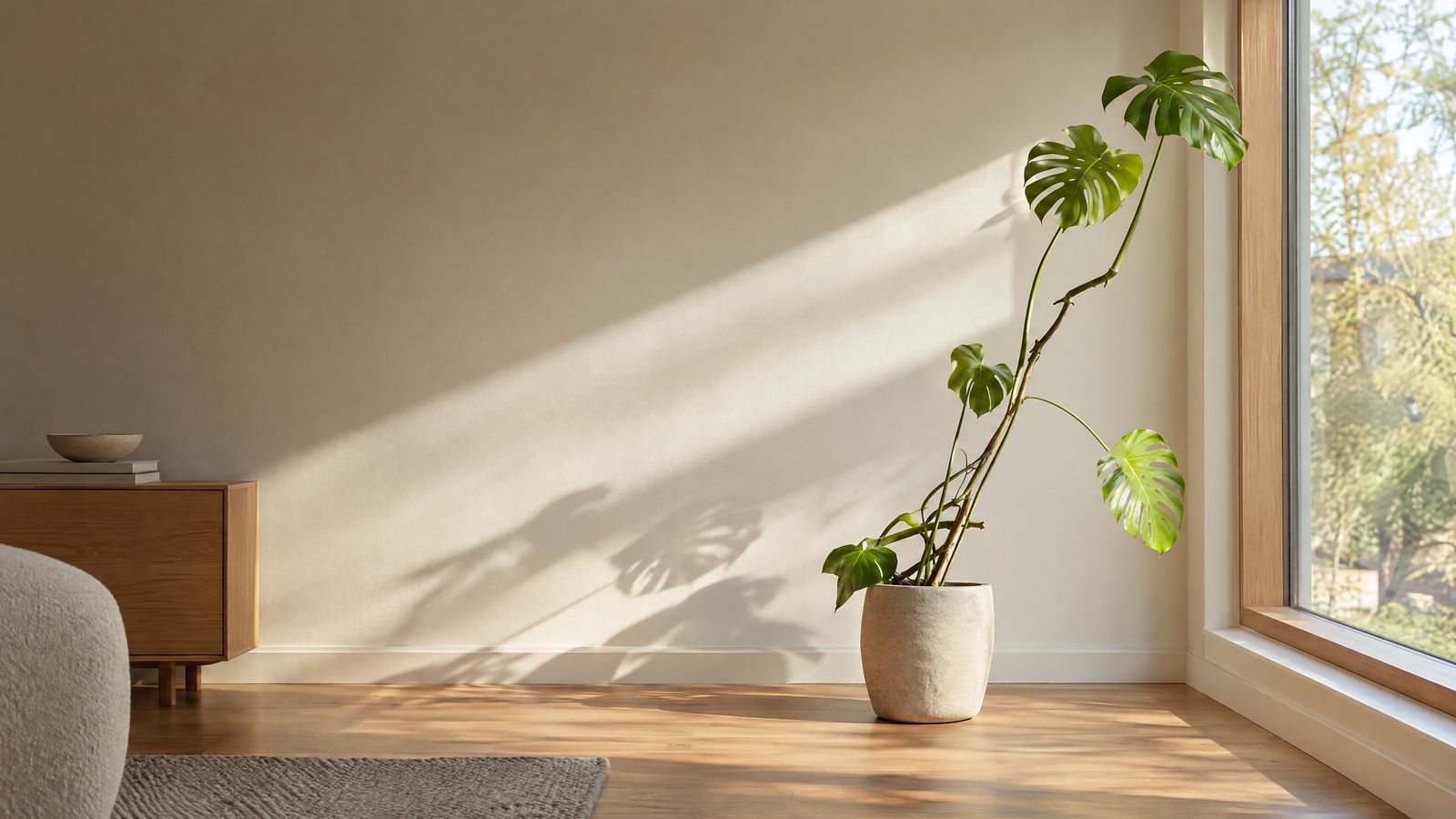
The fix is patience plus stable conditions. Pick one bright spot with indirect or curtain-filtered sun, away from heating vents and draughts, and leave the plant there. Clemson gives 18–21 °C (65–70 °F) at night and 24–29 °C (75–85 °F) by day as ideal, and advises keeping the soil evenly moist during active growth but letting it dry slightly between waterings in winter. If growing conditions are adequate, Clemson says, the plant will adjust, stop dropping leaves and put out healthy new growth.
Could cold, dry air or low light be the cause?
Cold is a fast trigger. The RHS describes blackened leaves, drooping and collapse as signs of cold damage, and warns that plants on windowsills can be caught in cold air trapped behind closed curtains on cold nights. Draughts from doors and windows also cause yellowing and dry leaf edges. Move plants back from cold glass in winter.
Dry air from heating causes early dropping of leaves, buds and flowers, according to the RHS; our indoor plant humidity guide covers easy ways to raise it. Low light shows as lower leaves yellowing and falling along with weak, pale, spindly growth. If that sounds familiar, read the signs your plant needs more light; the Smart light meter in Flori can measure how much light a spot really gets.
What should I do first?
- Pick up the fallen leaves and note which ones dropped: old, new, green or yellow.
- Check the mix with your finger before you water again.
- Think back three weeks. A move, repotting, cold night, new radiator season or a feeding spree is often the answer.
- Look under the leaves with a magnifying glass for pests, as the RHS suggests.
- Change one thing at a time and give the plant a few weeks to respond. Trim off completely yellow or brown leaves, which will not recover.
Expect new growth, not the return of lost leaves. A plant that has stopped dropping leaves and is pushing out healthy new ones has recovered.
When is leaf drop a sign of something serious?
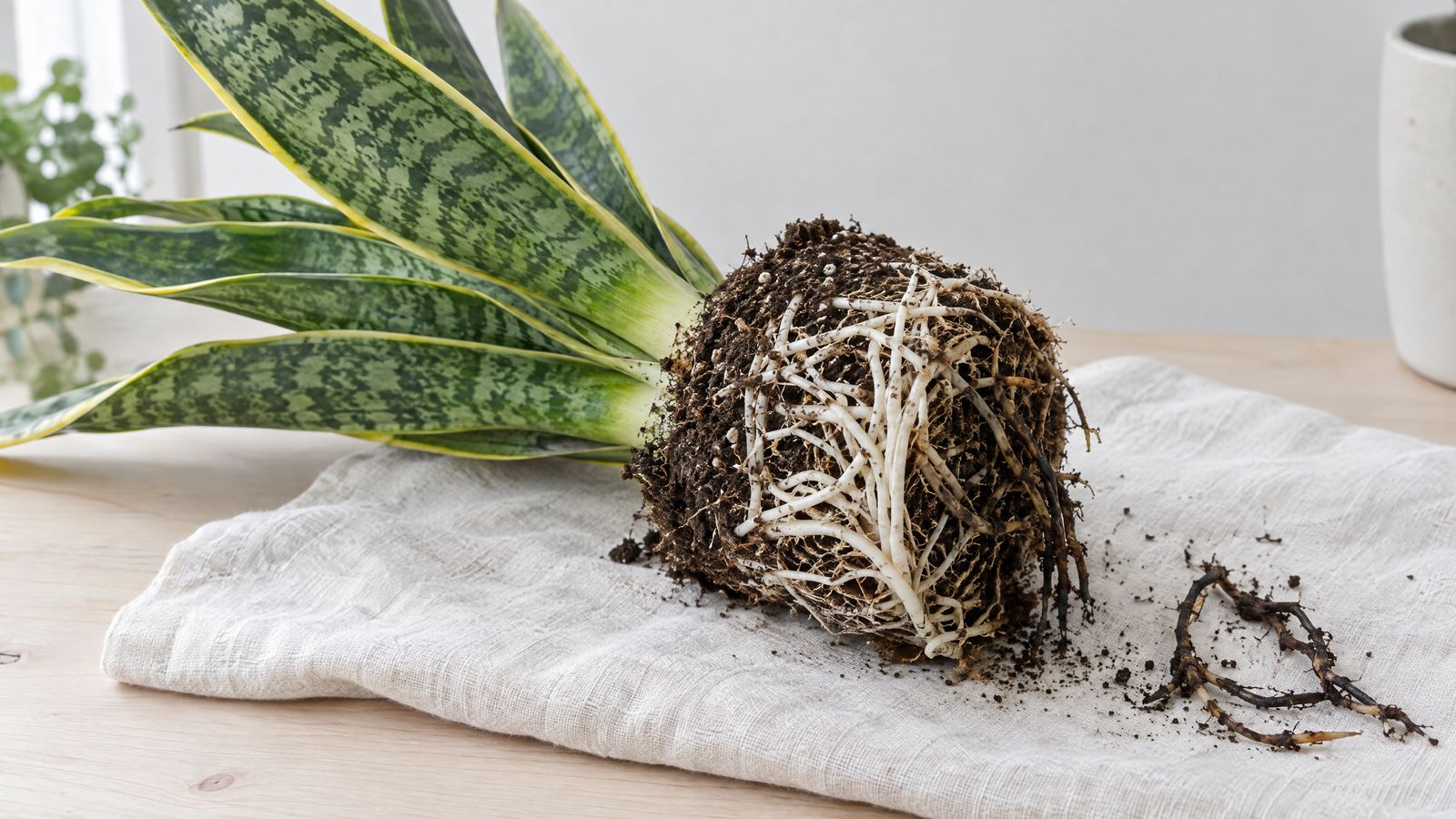
A few leaves after a move are normal; these signs are not. Act quickly if the drop goes on well beyond the three weeks Clemson Extension gives for adjustment, if the stem is soft or dark at soil level, if the mix stays wet for days and smells sour, or if the plant loses most of its leaves at once without any new growth. Those point to roots that can no longer take up water, so slide the plant out of its pot and look: firm, light-coloured roots are healthy, while dark, mushy ones mean rot. Check, too, for pests you may have missed, such as webbing or sticky residue on the undersides of leaves.
Frequently asked questions
Is it normal for a new plant to drop leaves?
Yes, some drop is common after a move to a new home. Clemson Extension says leaf drop after a significant change of environment should only last about three weeks; if it continues, check watering, light and draughts.
Will leaves grow back where they fell off?
Usually not on the same spot. The plant recovers by producing new leaves from growing points, so judge progress by healthy new growth rather than bare stems filling in.
Why does my plant drop leaves in winter?
Shorter days, cold glass, draughts and dry heated air all increase leaf drop in winter. Move plants back from cold windows, away from radiators, and water less because the mix dries more slowly.
Should I fertilize a plant that is losing leaves?
Not until you know the cause. Too much fertilizer can itself cause leaf drop, according to Iowa State Extension, and stressed roots cope poorly with extra salts.
Sources
Written and fact-checked by the Flori team. Every guide cites horticultural sources such as the RHS, university extension services and the ASPCA, and is updated when the advice changes.
General plant care information. Plants vary; when a plant is valuable or a problem spreads quickly, consult a local nursery or plant specialist.