Yellow Leaves on Snake Plant: What It Means
Yellow leaves on a snake plant usually mean too much water. Learn to tell rot from thirst, cold, sun scorch, pests and old age, and what to fix first.
 By Flori editorial team · Updated
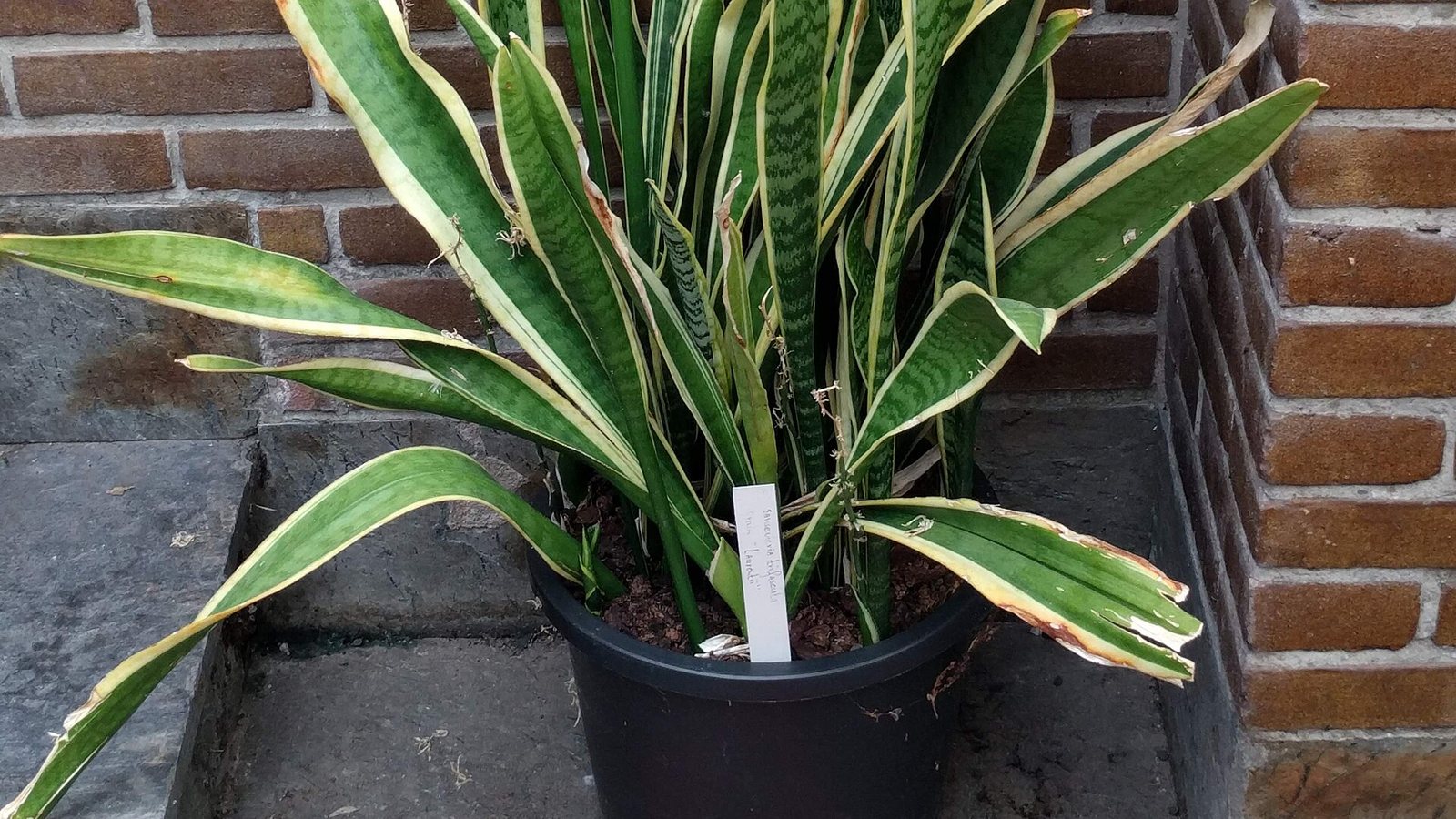
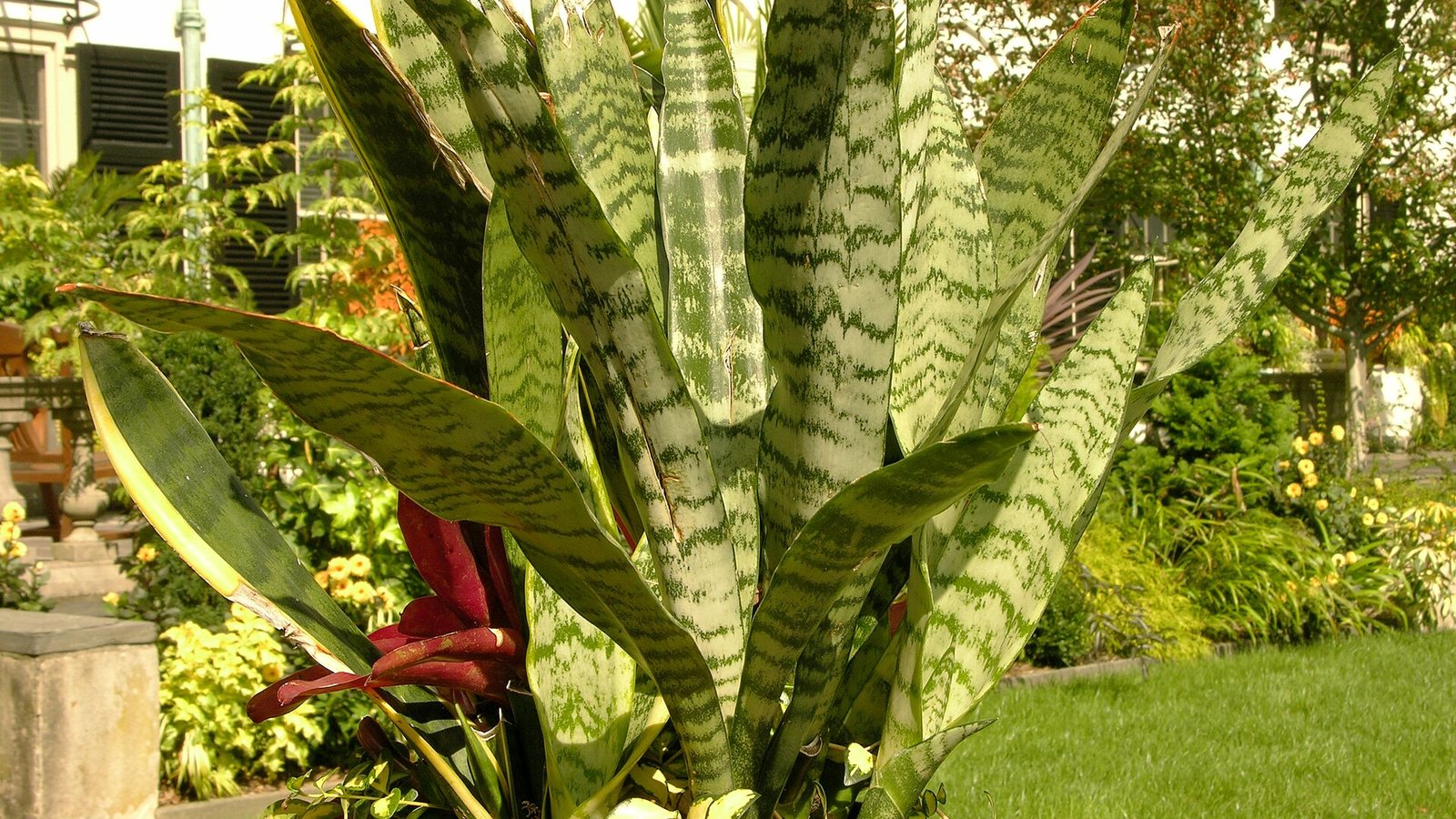 Photo: Photo by and (c)2006 Derek Ramsey ( Ram-Man ). Location credit to the Chanticleer Garden. · CC BY-SA 3.0
Yellow leaves on a snake plant usually mean overwatering: the compost stays wet, the roots start to rot and leaves turn yellow and soft from the base. Cold, a sudden move into strong sun, pests and long drought can also cause it. Feel the leaf, check the compost and look at the roots before you change anything.
Key takeaways
- Soft, mushy yellow leaves starting at the soil line point to overwatering and root rot.
- Let the compost dry completely between waterings; in winter, water only every one to two months.
- Thin, wrinkled leaves that stay firm suggest a long drought, not rot.
- Leaves that yellow and then turn dark after a cold night are cold-damaged.
- The ASPCA lists the snake plant as toxic to cats and dogs, so keep trimmings away from pets.
On this page7
Why are my snake plant's leaves turning yellow?
Yellow leaves on a snake plant (Dracaena trifasciata, still sold as Sansevieria trifasciata) almost always point to the roots, and most often to too much water. A snake plant is a succulent: its thick leaves store water, so it copes with drought far better than with wet compost. Cold, a sudden move into strong sun, pests and plain old age can turn leaves yellow too. This guide is specific to snake plants: a symptom table built around how these stiff, upright leaves fail, then a root check that settles most cases. For yellowing on other plants, use our general yellow leaves diagnosis guide.
First, look at how the leaf feels, not just its colour. A yellow leaf that is soft, floppy or mushy at the base means something very different from a yellow leaf that is firm but thin and wrinkled, and both differ from a pale patch on the side facing the window.
Snake plant yellow leaves: symptom, cause and fix
| What you see | Likely cause | First fix |
|---|---|---|
| Yellow, soft or mushy leaves, often starting at the soil line; leaves flop or fall over; compost wet for days | Overwatering, root rot | Stop watering, unpot and check the roots |
| Several leaves yellowing at once, old and new | Overwatering | Let the compost dry completely before the next watering |
| Leaves thin, wrinkled or curled lengthwise, yellowing at the tips, compost bone dry for months | Long drought | Water thoroughly once, let it drain, then return to a dry-between routine |
| Leaves yellow, then dark and limp after a cold spell or a night against cold glass | Cold damage | Move to a warmer spot away from glass and draughts |
| Bleached, pale yellow patches on the side facing the window, after a move into bright sun | Sun scorch | Shift back from the glass and increase light gradually |
| Yellow speckling, white cottony tufts at the leaf bases or fine webbing | Mealybugs or spider mites | Inspect leaf bases and undersides, wipe pests off |
| One old outer leaf slowly yellowing and drying, rest of the plant firm | Normal ageing | Cut it off at the base, no other change needed |
Is my snake plant overwatered?
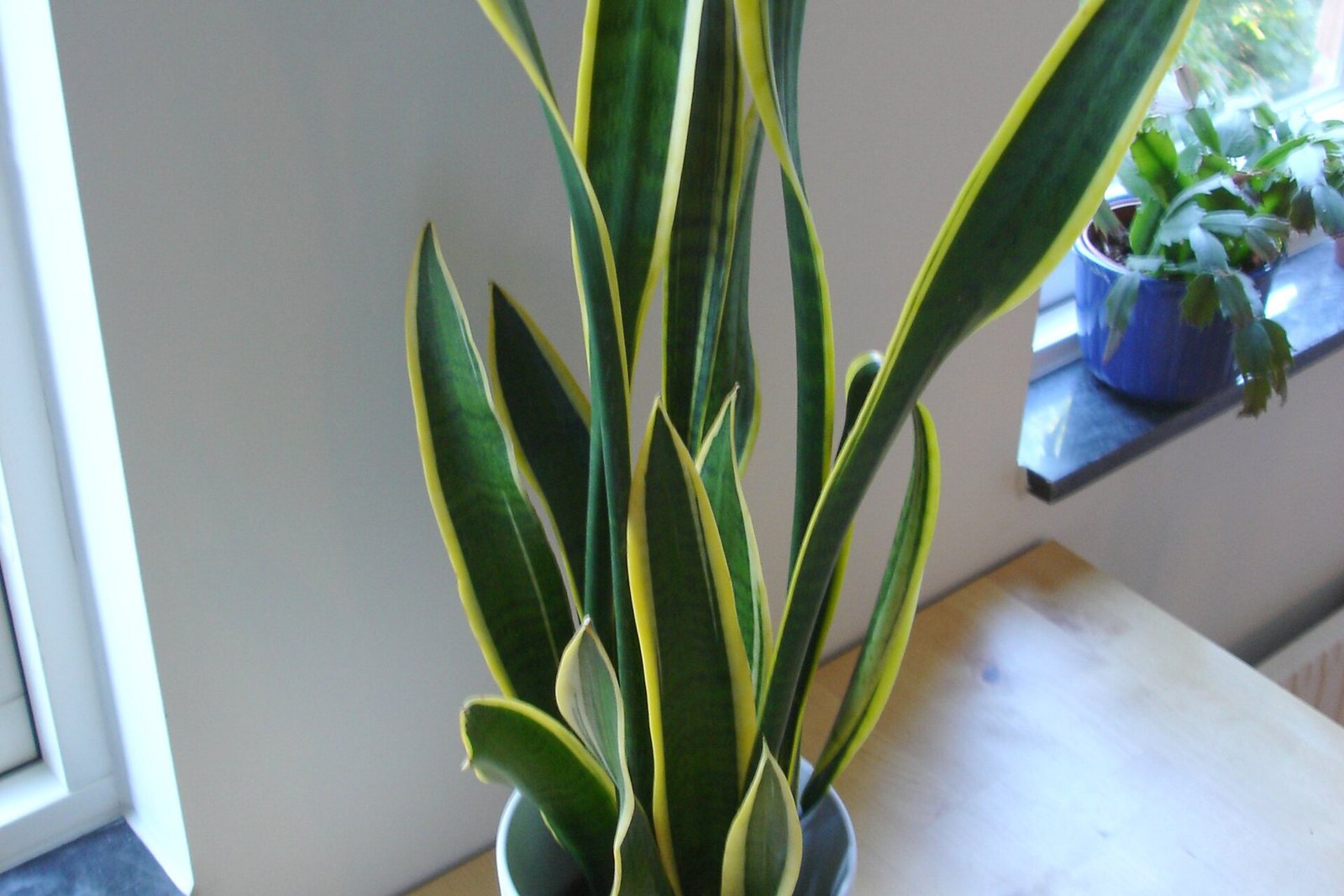
This is the cause to rule out first. Illinois Extension calls overwatering the main reason snake plants fail, and NC State Extension warns not to overwater because the roots will rot. Clemson Extension adds that yellowing in houseplants is most often a symptom of overwatering, and that too much water reduces the oxygen available to the roots and favours root diseases. On a snake plant the signs tend to start low: leaves go yellow and soft at the base, then lean or collapse while the tip still looks green.
- Push a wooden stick or your finger deep into the compost. If it is still damp below the surface, do not water.
- Empty any water from the saucer or decorative outer pot; standing water is the quickest way to rot a snake plant.
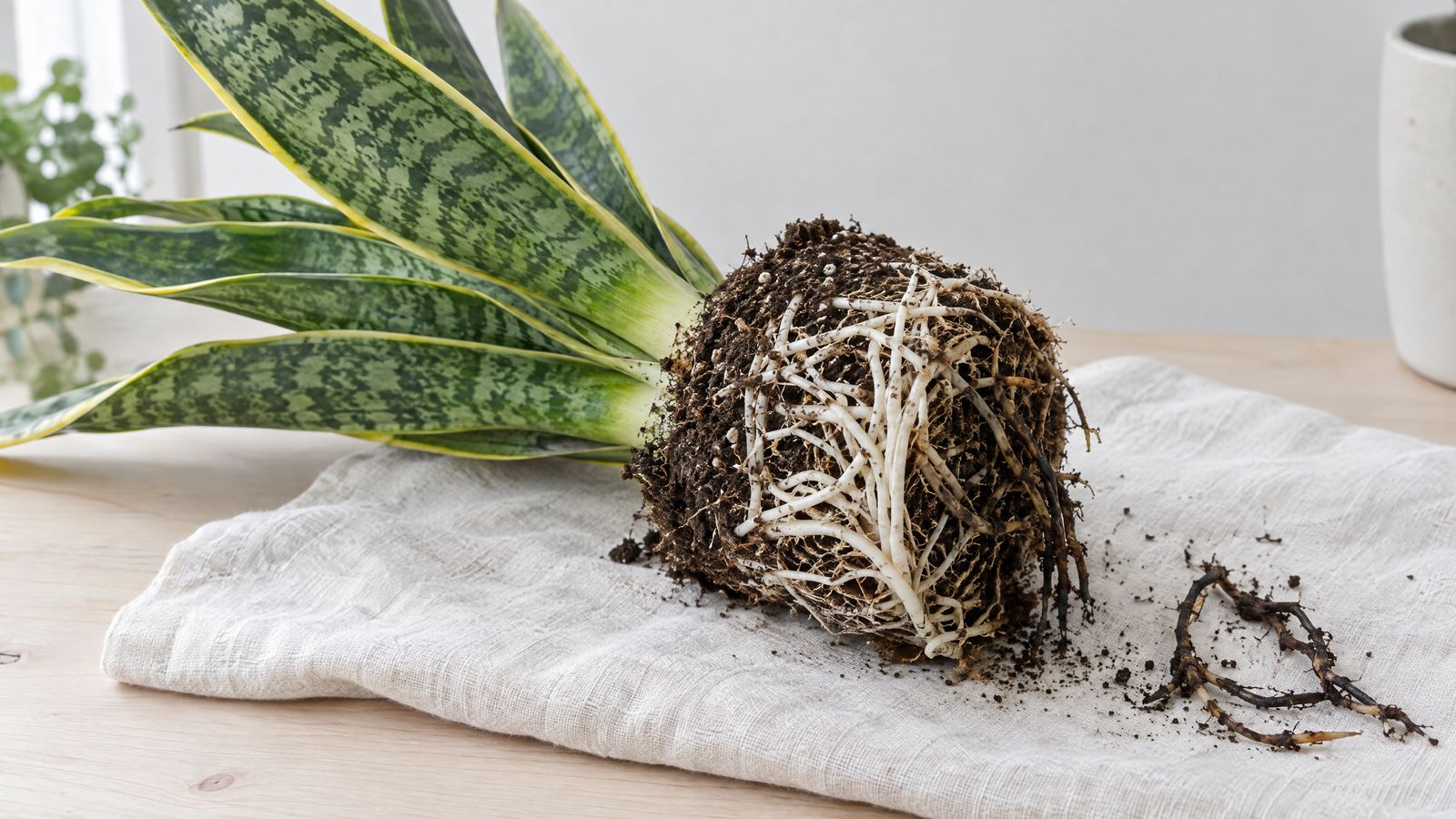
- Slide the plant out. Healthy roots and rhizomes (the thick underground stems) are firm and pale. Dark, soft, smelly roots mean rot.
- Check that the pot has drainage holes and that the compost is gritty rather than dense and peaty.
If only a few roots are rotten, cut them away with clean scissors and repot into fresh, free-draining mix; our root rot rescue plan covers each step, and a cactus and succulent mix suits snake plants well (see the best soil for succulents and cacti). Clemson notes that a plant whose roots are mostly dark, soft and dead is usually better discarded. With a snake plant you can often keep any firm, healthy leaves as cuttings before you do.
How often should you water a snake plant?
Less often than almost any other houseplant. Illinois Extension says to let the compost dry completely between waterings and, in winter, to give only enough water to keep the leaves from wilting. NC State is more specific for winter: water every one to two months. In the growing season, let the compost dry out, then water thoroughly until it drains from the holes and empty the saucer.
A fixed weekly schedule is the most common way to drown one. Indoor temperature, pot size, pot material and light all change how quickly the compost dries, so check before you water. Our guide on how often to water houseplants explains how to read the compost and the weight of the pot.
Could it be thirst, cold or sun instead?
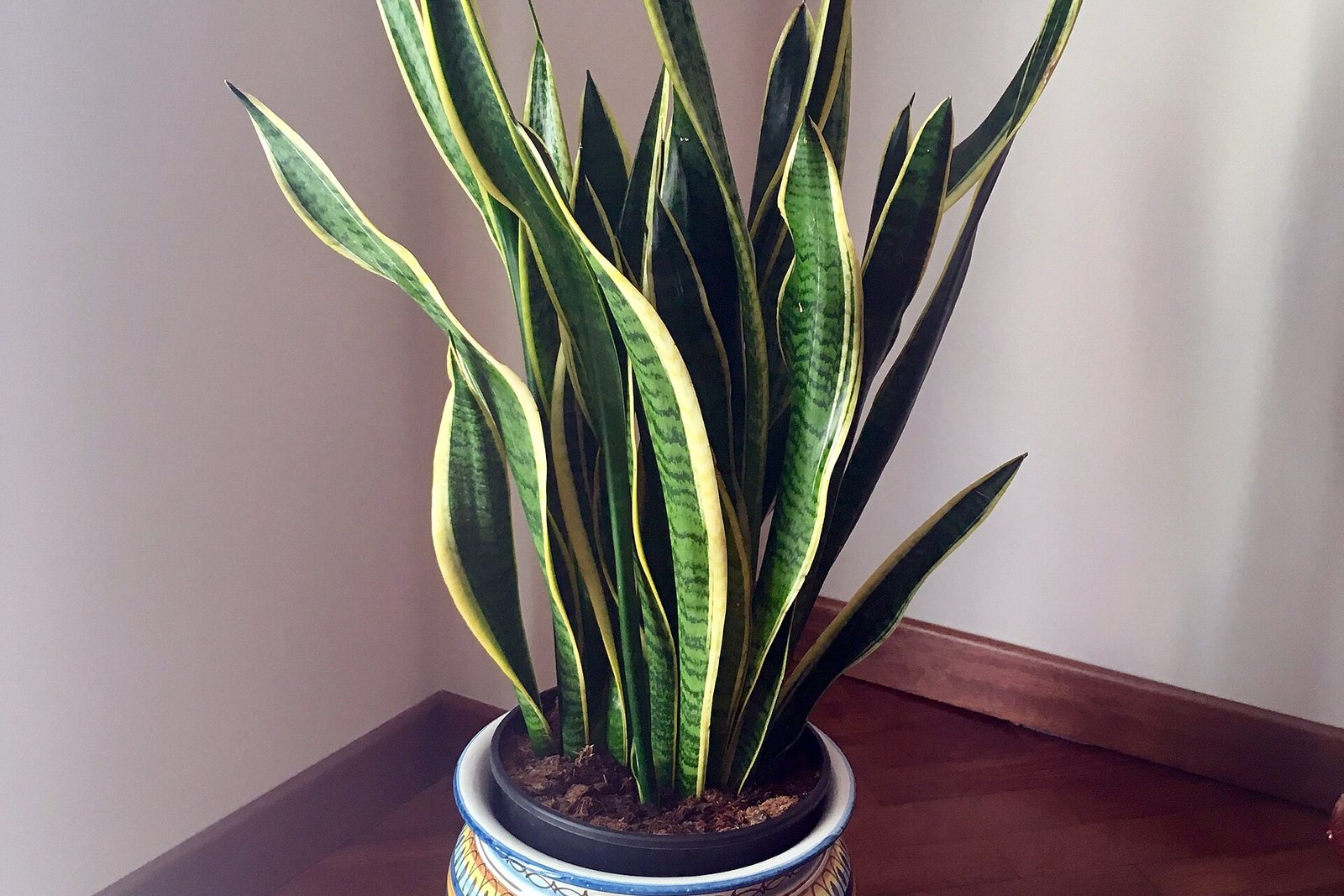
Thirst. Snake plants rarely yellow from dryness, but a plant left dry for many months in a warm room will show it: leaves turn thin and wrinkled, may curl along their length and yellow from the tips, while staying firm rather than soft. One thorough watering usually brings the plant back over a few weeks, though wrinkles may not fully smooth out.
Cold. NC State says snake plants tolerate cool temperatures of around 10 °C (50 °F), but they do not like cold, wet compost. The RHS lists blackened leaves, leaf droop and whole-plant collapse as symptoms of cold damage, often in unheated rooms in winter, and warns that plants on windowsills can be chilled when curtains trap cold air against the glass at night. Cold damage often looks yellow at first, then turns dark and mushy. Move the plant away from the glass and water even less until spring.
Sun. Illinois Extension notes that snake plants cope with anything from dim interiors to full sun, and NC State suggests a few hours of direct sun a day. The trouble is sudden change: a plant moved from a dim corner to a hot south-facing window can scorch, leaving bleached yellow patches on the side facing the light. Increase light in steps over a couple of weeks.
Could pests or hunger be the cause?
NC State lists mealybugs and spider mites as the pests to watch for on snake plants. Mealybugs hide as white, cottony tufts where the leaves meet, and spider mites leave yellow speckling and sometimes fine webbing. The RHS points out that small numbers of sap-sucking insects are usually easy to pick or wipe off, so check regularly. If you use a product, choose the least-toxic option first and follow the label.
Hunger is rarely the answer. Snake plants grow slowly and need little feeding, so a fertiliser will not fix yellow leaves and can make root problems worse. Only consider it for a plant that has been in the same compost for years, after you have ruled out water and cold.
What should I do with yellow snake plant leaves?
A fully yellow or mushy leaf will not turn green again. Once you have fixed the cause, cut it off at the base with clean scissors or a knife. A leaf that is only yellow at the tip can stay; trim the dead part if it bothers you. Then judge recovery by the new leaves pushing up from the soil. If you are unsure whether you are dealing with rot, cold or pests, Dr. Flori can ask follow-up questions about the leaves, compost and recent changes, tell you how urgent it is and give a recovery plan.
Keep cut leaves away from pets. The ASPCA lists the snake plant as toxic to cats and dogs; it contains saponins, which can cause nausea, vomiting and diarrhoea if chewed. NC State adds that the sap can irritate skin, so wear gloves when trimming.
Frequently asked questions
Should I cut yellow leaves off my snake plant?
Yes, once a leaf is fully yellow or mushy it will not recover, so cut it off at the base with clean scissors or a knife. Fix the watering or temperature first, or more leaves will follow.
Can a snake plant recover from overwatering?
Often, if some roots and rhizomes are still firm and pale. Cut away the rotten parts, repot into dry, gritty mix and wait before watering again. Healthy leaves can also be kept as cuttings.
Why is my snake plant yellow in winter?
Usually because the compost stays wet far longer in cool, dark months, or because the plant is chilled near cold glass. Water only every one to two months in winter and keep it away from draughts.
Is a yellow snake plant leaf dangerous to my cat?
The ASPCA lists the snake plant as toxic to cats and dogs because of saponins, which can cause nausea, vomiting and diarrhoea. Remove fallen leaves and call your vet if your pet has chewed one.
Sources
Written and fact-checked by the Flori team. Every guide cites horticultural sources such as the RHS, university extension services and the ASPCA, and is updated when the advice changes. How we write our guides
General plant care information. Plants vary; when a plant is valuable or a problem spreads quickly, consult a local nursery or plant specialist.