Perlite, Vermiculite, Bark: Soil Additives Compared
Perlite adds air, vermiculite holds water and nutrients, bark adds chunky structure. Compare pH, drawbacks and which plants suit each soil additive.
 By Flori editorial team · Updated
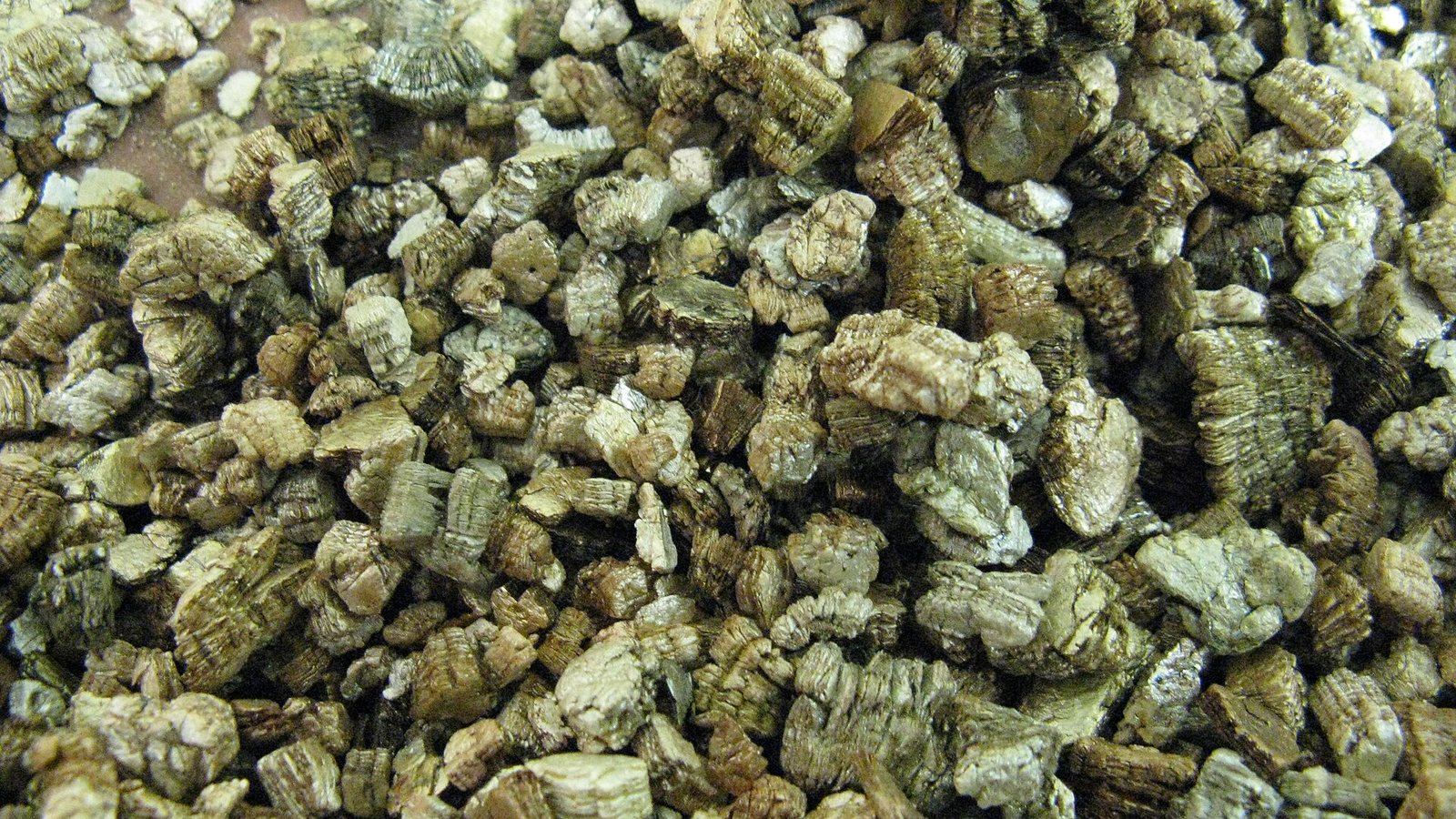 Photo: KENPEI · CC BY-SA 3.0
Perlite mainly adds air and drainage and holds little water; vermiculite holds a lot of water, air and nutrients; bark adds coarse structure and air pockets but breaks down as the years pass. Use perlite or grit for plants that rot easily, vermiculite for mixes that dry too fast, and bark for aroids and orchids.
Key takeaways
- Perlite is for air and drainage; it holds little water and has a pH of about 7.0–7.5.
- Vermiculite holds water and nutrients; choose the coarser grades for better aeration.
- Bark gives monstera, philodendron and orchids a chunky, airy mix but decomposes over time.
- Perlite can cause fluoride tip burn on some foliage plants; extra lime in home-made mixes helps prevent it.
- Mix additives through the compost; a gravel layer at the bottom slows drainage.
On this page8
What do perlite, vermiculite and bark actually do?
Perlite, vermiculite and bark are the soil additives you find stacked next to the potting mix in every garden centre, and they are often sold as if they did the same job. They do not. Perlite mainly adds air, vermiculite mainly holds water and nutrients, and bark adds coarse, chunky structure. This guide compares them side by side, with the pH, the water-holding and the drawbacks that extension services report, so you can choose one additive for a reason instead of tipping in a bit of everything. If you want complete recipes by plant group, our guide to the best soil mix for houseplants has them; this page is about the ingredients themselves.
The University of Arkansas Cooperative Extension sums up the goal: a potting mix should be porous for root aeration and drainage, yet able to hold water and nutrients. Most bagged mixes contain no soil at all. They combine an organic base, such as peat moss, coir or ground pine bark, with an inorganic material such as washed sand, vermiculite or perlite. Additives are how you push that balance towards more air or more water.
Perlite vs vermiculite vs bark: the comparison table
| Additive | What it is | Main effect | Typical pH | Watch out for |
|---|---|---|---|---|
| Perlite | Volcanic rock heated to about 980 °C (1,800 °F) until it puffs into light white granules | Air and drainage; holds little water | 7.0–7.5 | Fluoride tip burn on some foliage plants |
| Vermiculite | Mica heated to about 980 °C (1,800 °F) so its plates expand | Holds large amounts of water, air and nutrients | 6.5–7.2 | Fine grades give less air; too much keeps a mix wet |
| Pine or fir bark | Ground or shredded tree bark | Coarse structure and air pockets | Varies by product | Breaks down as the years pass, so the mix slumps |
| Washed or coarse sand, grit | Mineral particles | Weight and drainage | Varies by product | Heavy; adds no water-holding |
| Sphagnum peat (base, for comparison) | Partly decomposed moss | Holds water | 4.0–5.0 | Very low fertility; the RHS recommends peat-free |
The pH and heating figures come from the Arkansas extension sheet. Note that perlite and vermiculite are close to neutral, while peat is acidic, which is one reason recipes often add lime to peat-based mixes.
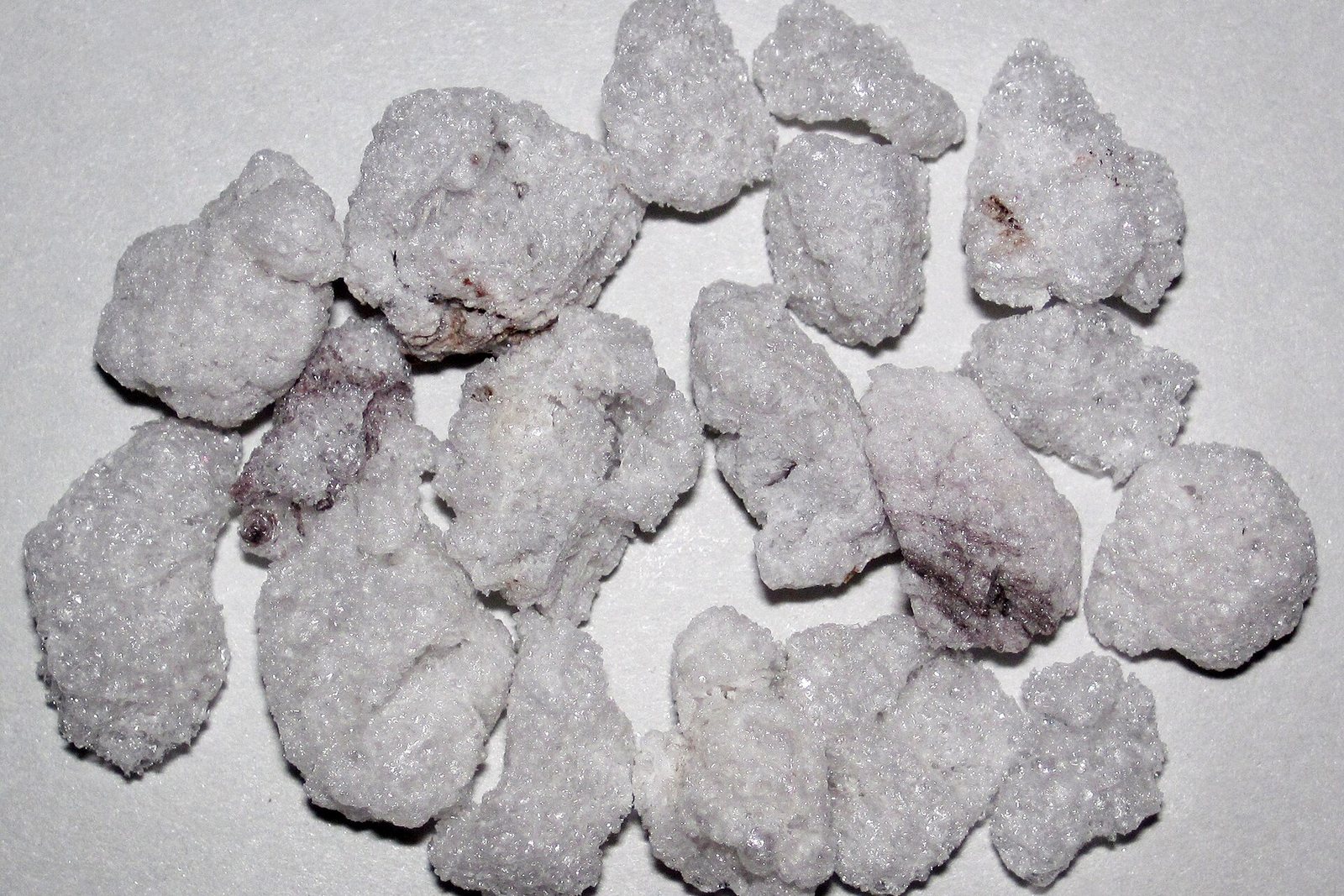
When should you add perlite?
Add perlite when a mix stays wet too long. Arkansas Extension says its principal value in a mix is aeration and that it does not hold water and nutrients as well as vermiculite. That makes it the default choice for plants that rot easily, for heavy bagged composts and for anything that likes to dry out between waterings. Succulents and cacti usually need far more of it, or grit, than leafy plants; our guide to the best soil for succulents and cacti explains how gritty to go.
One drawback is easy to miss. The same sheet warns that perlite can cause fluoride burn on some foliage plants: the damage starts at the leaf tips and moves up into the leaf. If you see that pattern, compare it with the other causes in our guide to brown leaf tips before blaming the perlite. For home-made mixes, Arkansas Extension suggests adding one and a half times the usual amount of lime to prevent the problem. Perlite also tends to float to the surface after watering, which is harmless.
When is vermiculite the better choice?
Choose vermiculite when a mix dries too fast. Arkansas Extension describes it as sterile and light, able to hold large quantities of air, water and nutrients. It is a good partner for plants that like an evenly moist mix, such as ferns, begonias and prayer plants, which appear in the Cornell foliage mix that Clemson Extension reproduces (two parts sphagnum peat, one part vermiculite, one part perlite).
Grade matters. Vermiculite comes in four particle sizes; sizes 2 or 3 are used for potting mixes, and Arkansas Extension advises choosing the larger particles when you can because they give much better aeration. Fine, dusty vermiculite in a big dose does the opposite of what most struggling plants need, so it is a poor fix for a mix that is already soggy.
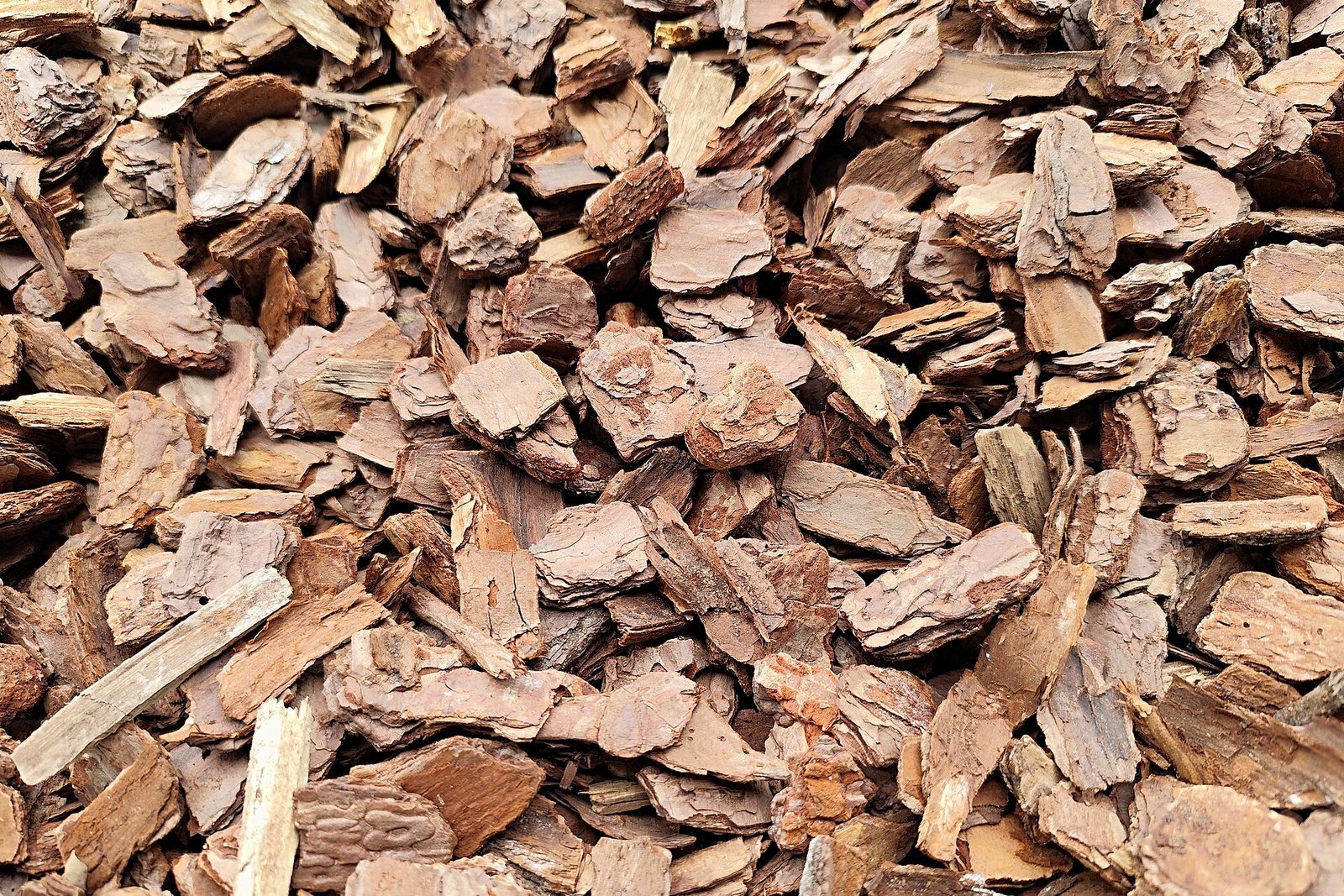
What does bark add to a potting mix?
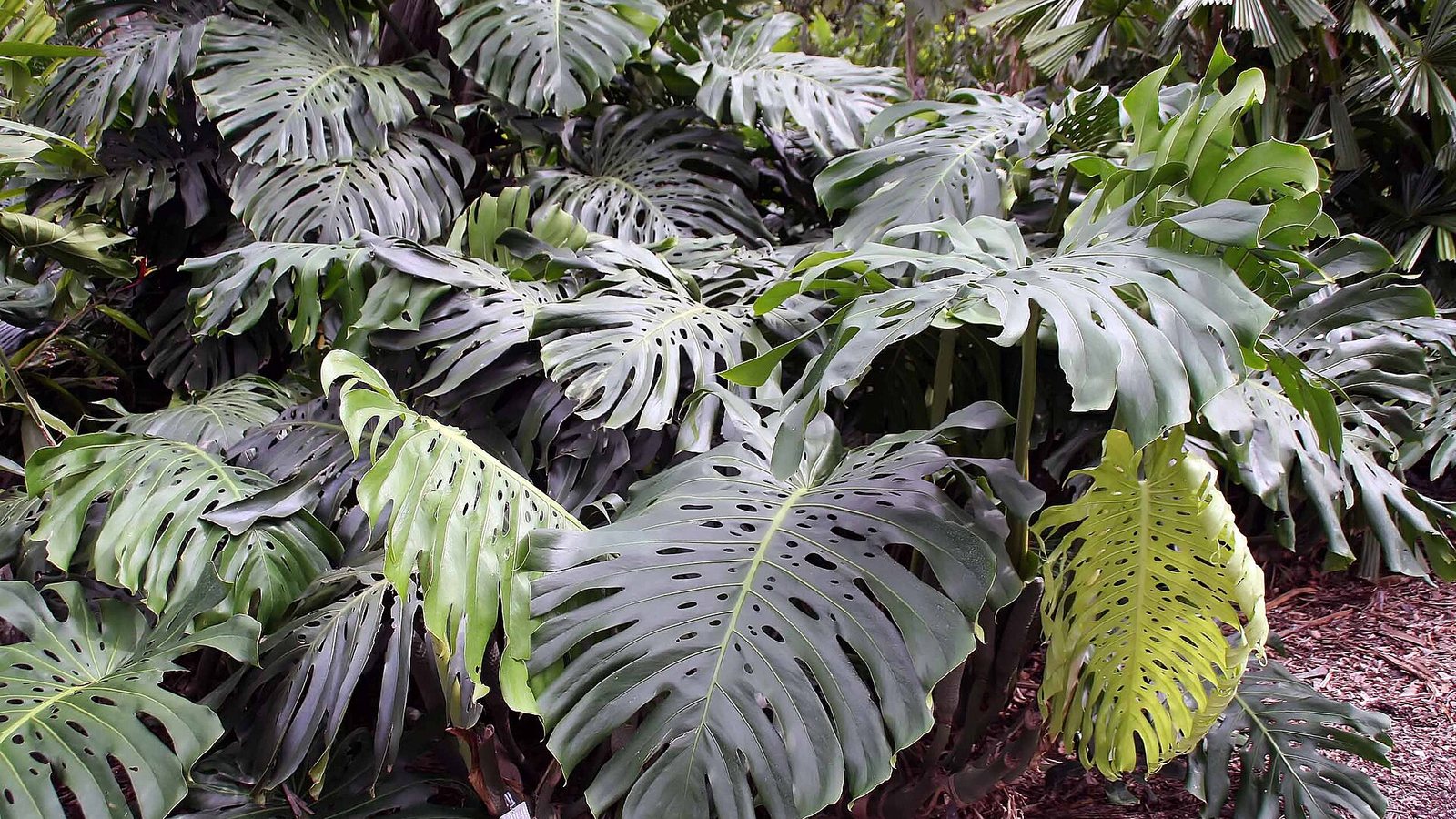
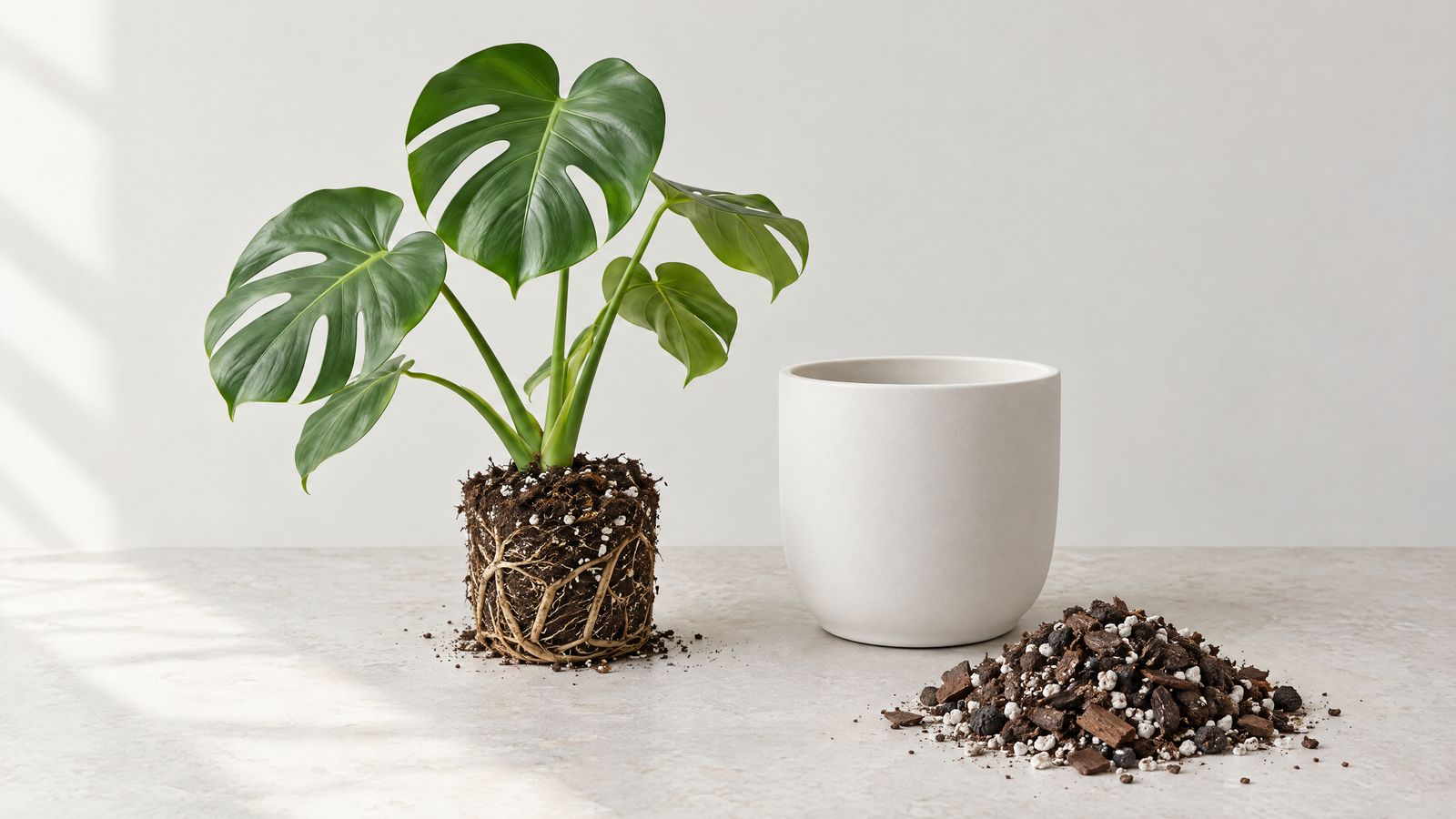
Bark adds coarse pieces that leave large air spaces between them. Clemson's own all-purpose foliage mix is two parts pine bark (soil conditioning grade), one part peat and one part sand, and the Cornell epiphytic mix, for plants that grow on trees in the wild such as monstera, philodendron and hoya, uses equal parts fine fir bark, sphagnum peat and perlite. Moth orchids go further and are normally grown in a bark-based orchid mix rather than ordinary compost, which is why repotting comes up in our guide to propagating orchids.
Nurseries quoted by the Royal Horticultural Society (RHS) add up to one third fine bark by volume for woodland plants, or up to half grit for sun-loving plants, and some use a top dressing of bark or grit to hold moisture and reduce weeds. The catch is that bark is organic and slowly breaks down, so a bark-rich mix will not last forever. Plan to refresh it when it slumps, as described in our guide to repotting without stress.
Which additive suits which plant?
| Plants | Additive to favour | Why |
|---|---|---|
| Cacti and succulents | Plenty of perlite or grit | Fast drying, lots of air |
| Monstera, philodendron, hoya, peperomia | Fine bark plus perlite | Chunky, airy mix (Cornell epiphytic mix) |
| Ferns, begonias, prayer plants, pilea | Vermiculite plus perlite | Even moisture with some air (Cornell foliage mix) |
| Moth orchids | Bark-based orchid mix | Roots need air around them |
| Sun lovers in outdoor pots | Grit, up to half | Sharp drainage, weight (RHS nurseries) |
| Tall, top-heavy plants | Sand or grit | Weight for stability |
How much should you mix in?
All recipes are by volume, so any scoop works as one part. Published mixes span a wide range: perlite is a quarter of the Cornell foliage mix, while the Arkansas peat-lite formula uses one part peat to two parts perlite or vermiculite. When you adjust a bagged compost, add the additive in small steps, water the pot and see how quickly it dries before adding more. Moisten perlite and vermiculite lightly before mixing to keep the dust down.
Remember that soilless mixes are low in trace elements, as both Arkansas and Clemson point out. Additives do not feed the plant, so keep fertilising in the growing season with a product that lists trace elements.
Common mistakes with soil additives
- Putting a layer of gravel or crocks at the bottom of the pot instead of mixing the additive through. Clemson says such a layer actually slows water movement through the pot.
- Adding vermiculite to a mix that is already too wet.
- Using fine grades when the aim is air.
- Expecting bark to last forever; it decomposes and the mix compacts.
- Forgetting to rinse coir, which Clemson says can cause salt problems.
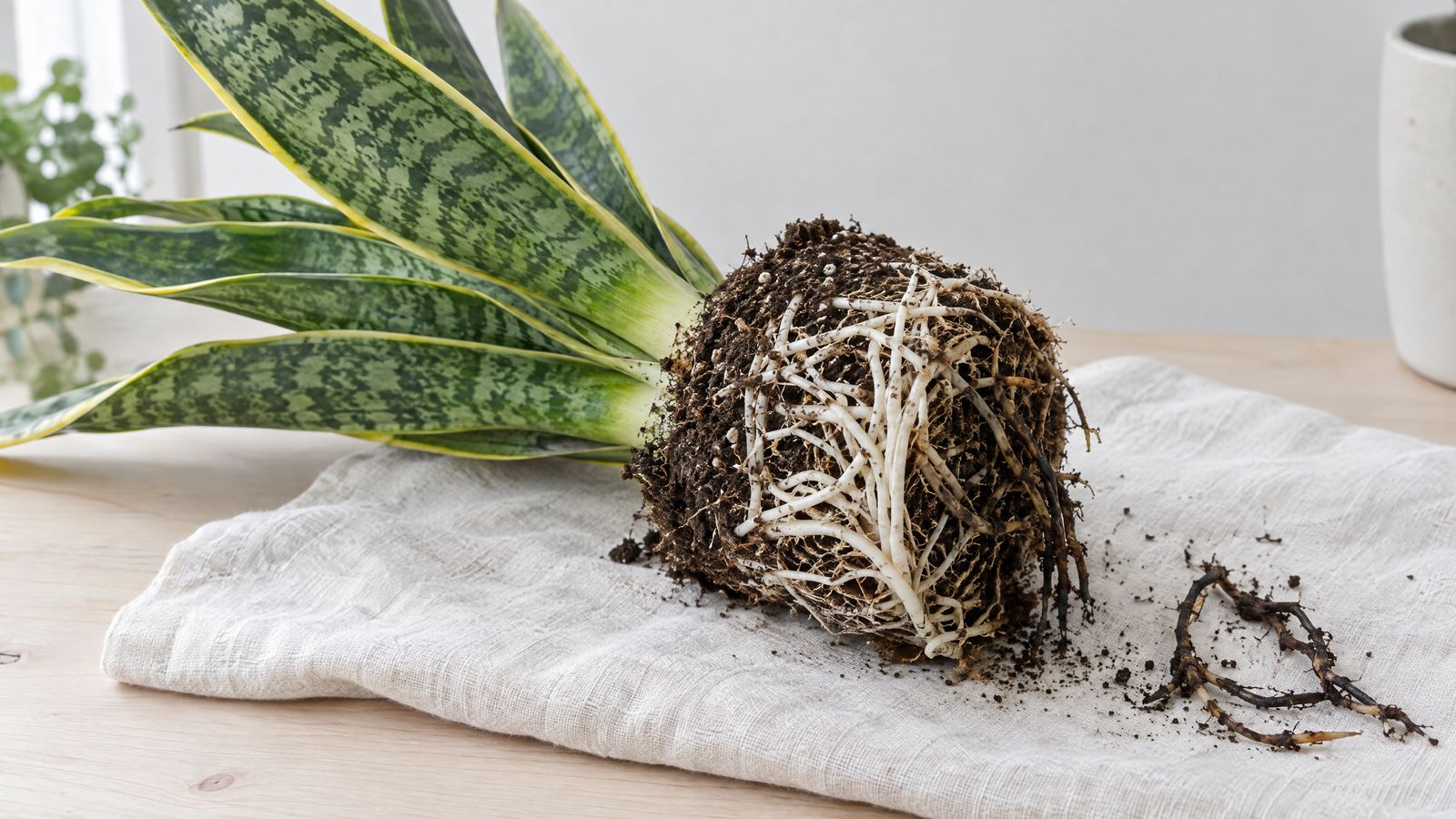
If a plant declines after you change its mix, check the roots before adding anything else: soft brown roots call for our root rot rescue plan. Flori's Lab tools include soil checks, and Dr. Flori can work through the symptoms with you from a description or a photo.
Frequently asked questions
Is perlite or vermiculite better for houseplants?
It depends on the problem. Perlite adds air and suits plants that rot easily or like to dry out; vermiculite holds water and nutrients and suits plants that like an evenly moist mix.
Can I use perlite and vermiculite together?
Yes. The Cornell foliage mix reproduced by Clemson Extension uses two parts sphagnum peat, one part vermiculite and one part perlite.
How often does a bark-rich mix need refreshing?
Bark is organic and breaks down slowly, so a bark-rich mix slumps and needs refreshing. Keep feeding in the growing season, because soilless mixes are low in trace elements.
Why is perlite floating on top of my pot?
Perlite is very light, so some granules work their way to the surface after watering. It is harmless and does not mean the mix is wrong.
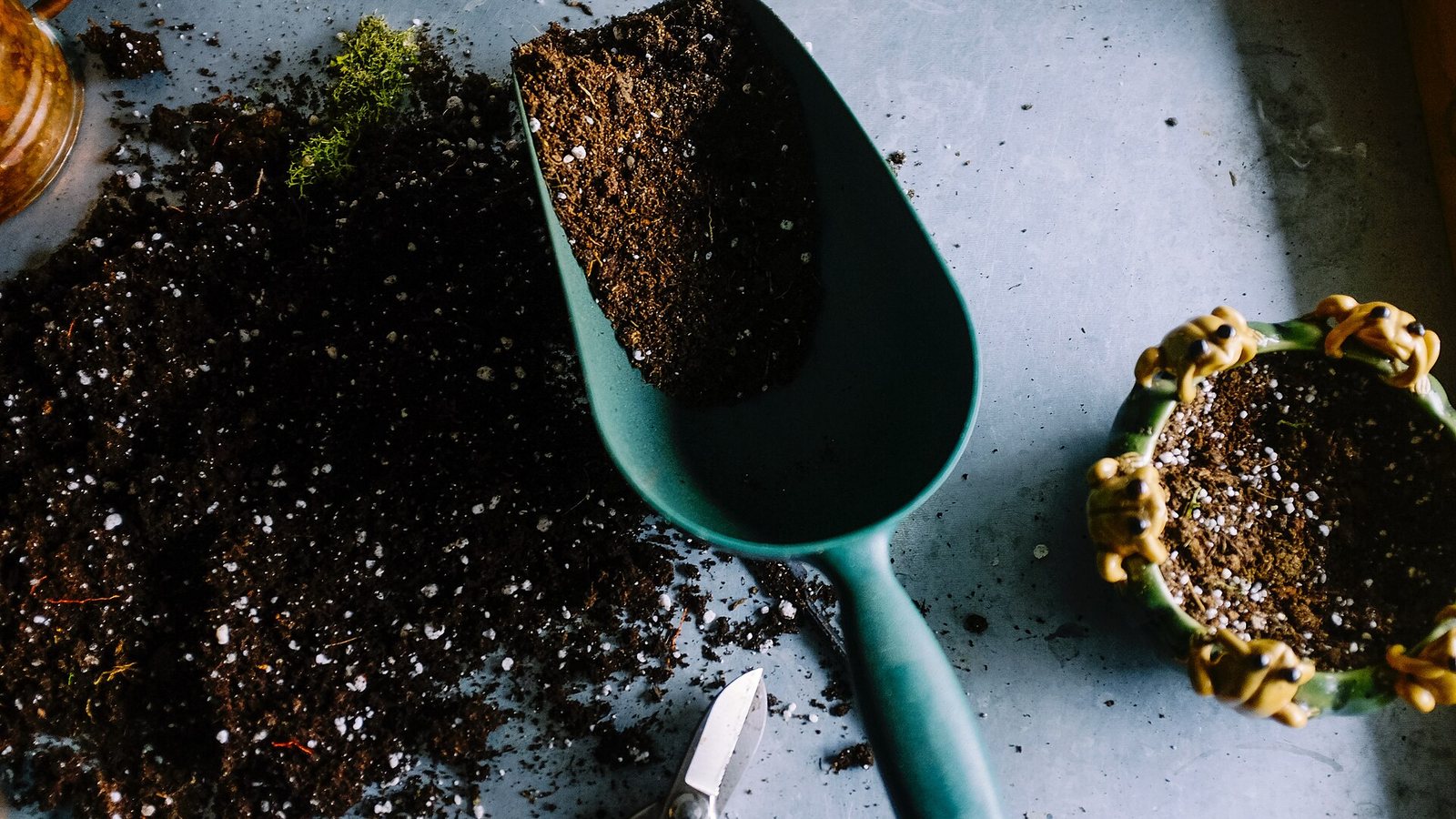
The best houseplant soil is a soilless mix of peat or coir with perlite, bark or coarse sand. Tested recipes for foliage plants, aroids and orchids.
Sources
- University of Arkansas Cooperative Extension: Potting Soil or Media
- Clemson Cooperative Extension HGIC: Indoor Plants: Soil Mixes
- Clemson Cooperative Extension HGIC: Indoor Plants: Transplanting
- Royal Horticultural Society: Growing plants in containers
- Royal Horticultural Society: Peat-free tips from RHS shows
Written and fact-checked by the Flori team. Every guide cites horticultural sources such as the RHS, university extension services and the ASPCA, and is updated when the advice changes. How we write our guides
General plant care information. Plants vary; when a plant is valuable or a problem spreads quickly, consult a local nursery or plant specialist.