How to Propagate Succulents and Cacti: Leaves and Offsets
Propagate succulents and cacti from leaves, stem cuttings and offsets: which method suits which plant, how long to callus, soil and when to water.
 By Flori editorial team · Updated
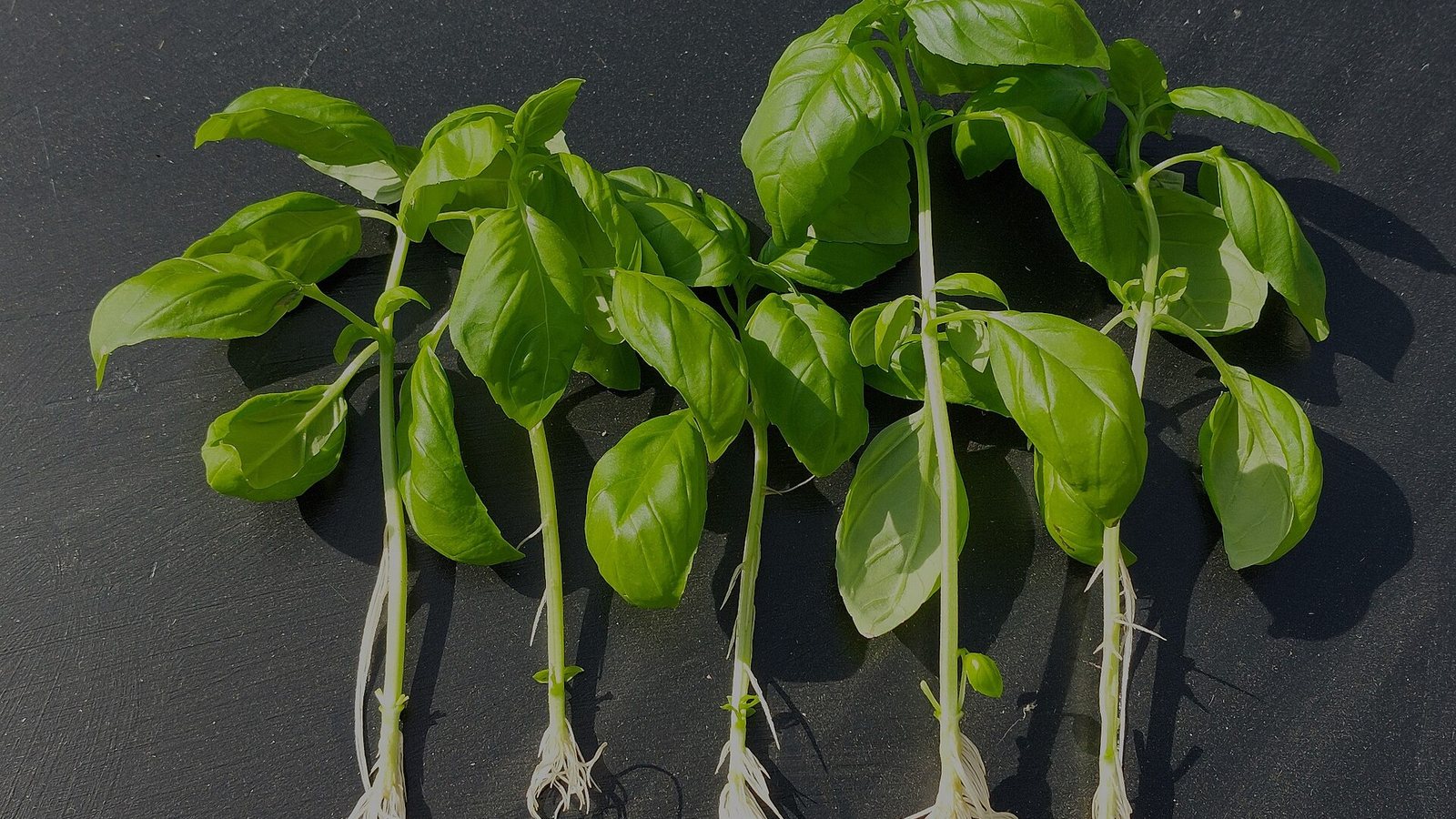
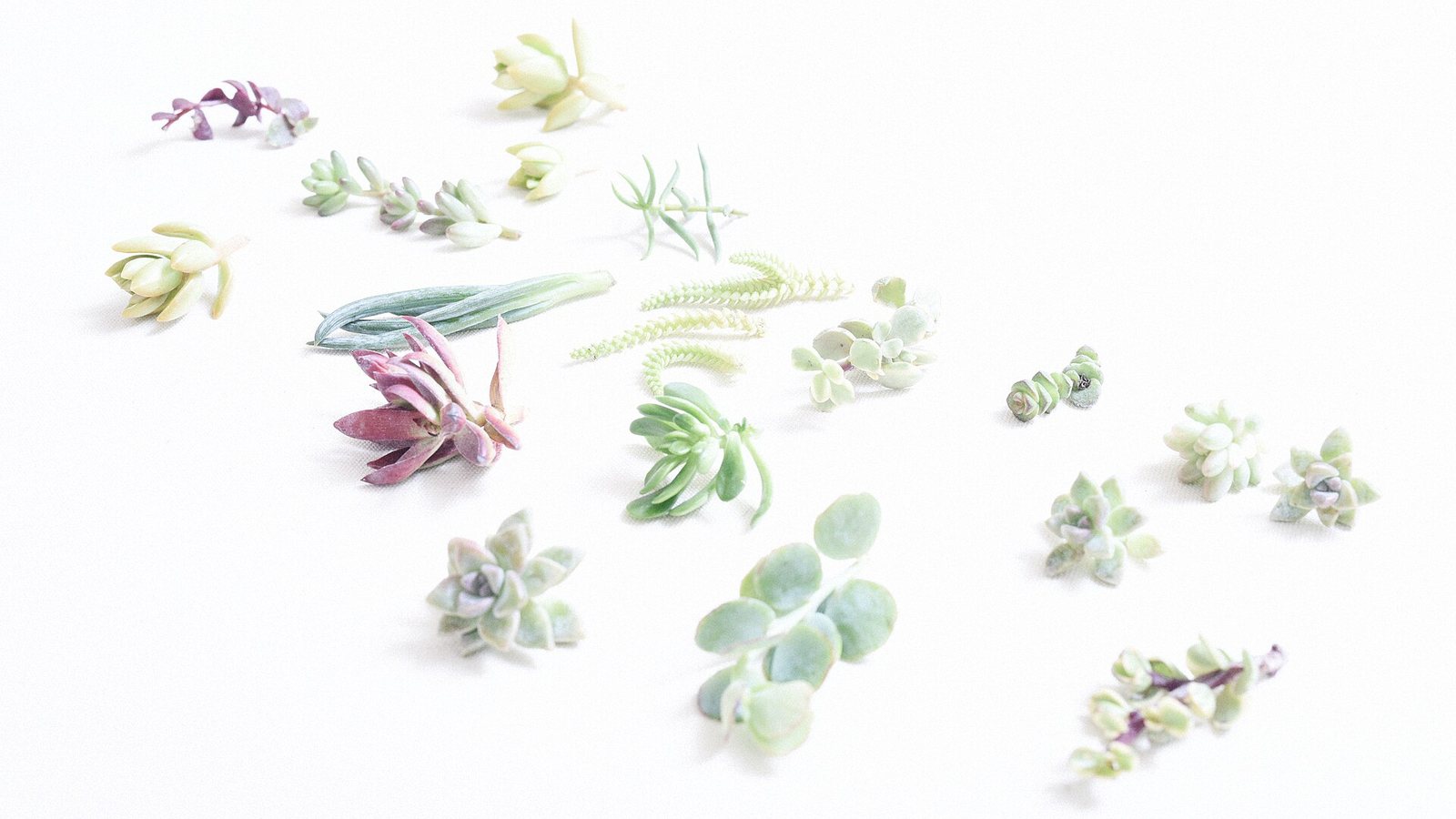 Photo: Karl Thomas Moore · CC BY-SA 4.0
Pull whole leaves off echeveria or jade, or cut stems or detach offsets from cacti and aloes. Let cut stems callus for several days, lay leaves flat on barely damp gritty mix, and root them in cactus soil, not water. Water lightly until new roots form, which takes a few weeks.
Key takeaways
- Match the method to the plant: whole leaves for echeveria and jade, stem cuttings for aeonium and sedum, offsets for aloe, haworthia and most cacti.
- Leaf cuttings need the whole leaf with its base; partial leaves will not root.
- Let cut stems callus for several days before planting; the RHS gives about 1 day to 1 week depending on the plant.
- Root in gritty cactus mix, not in water, and keep it only slightly moist to avoid rot.
- Roots and baby rosettes usually take several weeks; wait to repot until the new plant is clearly growing.
On this page9
- How do you propagate succulents and cacti?
- Which method suits which plant?
- How do you grow a succulent from a leaf?
- How do you take stem cuttings of succulents and cacti?
- How do you separate offsets and pups?
- What soil should you use for cuttings?
- When is the best time, and how warm?
- How do you care for the new plants?
- What goes wrong and how do you fix it?
How do you propagate succulents and cacti?
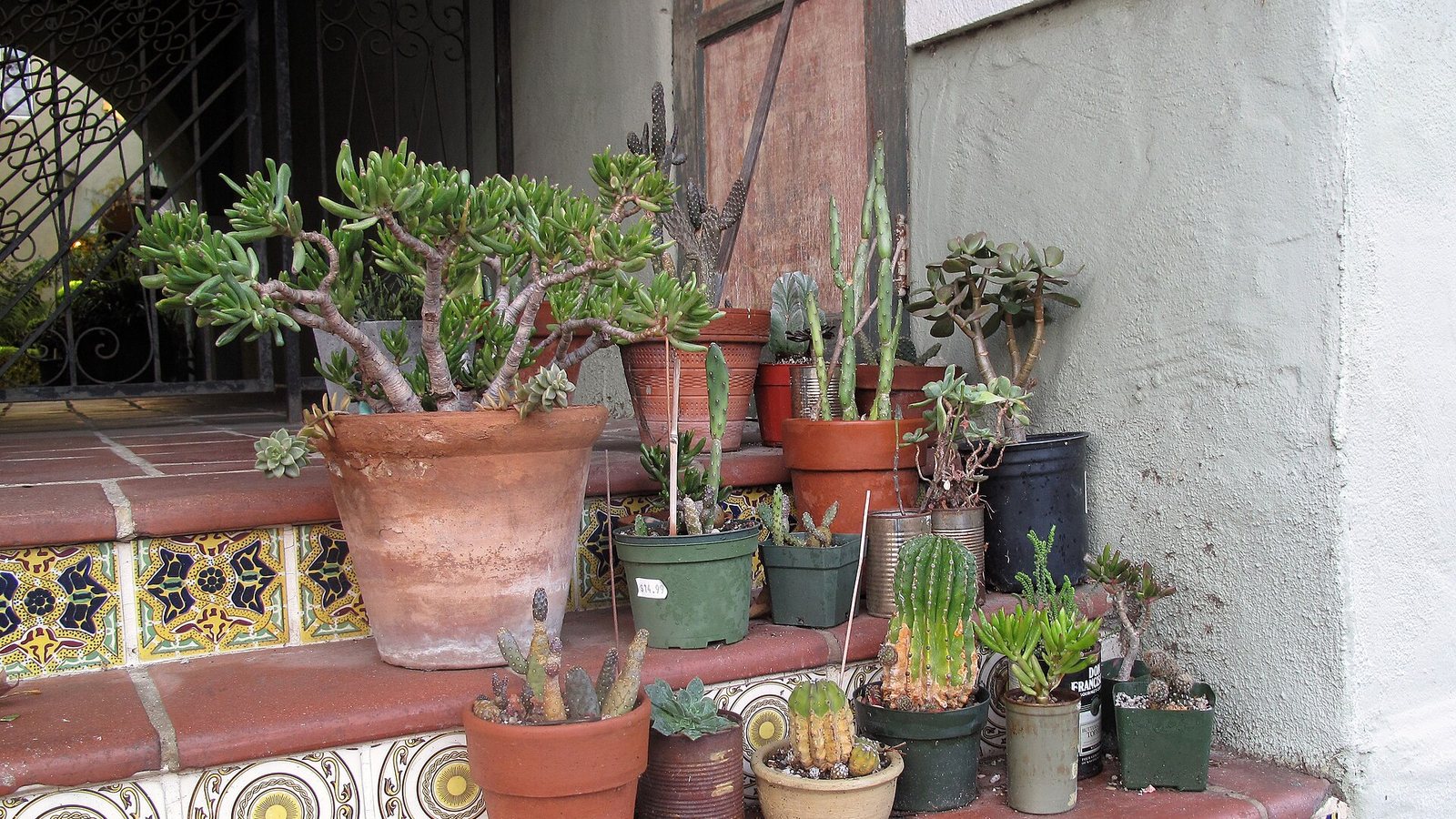
You propagate succulents and cacti in one of three ways: by planting a whole leaf, by rooting a stem cutting, or by detaching a ready-made baby, called an offset or pup. Which one works depends on the plant, not on your preference. Iowa State University Extension lists leaf cuttings for plants such as Graptopetalum, Sedum, Crassula and Kalanchoe, stem cuttings for Echeveria, Aeonium, Sedum, Crassula and Kalanchoe, and offsets for Sempervivum, Agave, Aloe, Haworthia and all cacti. This guide is about the succulent-specific details of drying, soil and water. For the general idea of cuttings in other houseplants, see propagating plants from cuttings.
Which method suits which plant?
| Method | Works for | Key step |
|---|---|---|
| Leaf cutting | Echeveria and crassula (RHS); jade; Graptopetalum, Pachyphytum, Sedum, Kalanchoe (Iowa State) | Take the entire leaf with its base; partial leaves will not root |
| Stem cutting | Echeveria, Aeonium, Sedum, Crassula, Kalanchoe; columnar cacti (RHS) | Cut 8-15 cm (3-6 in) and let the cut end callus |
| Beheading | Rosette succulents that have grown tall and leggy | Cut a rosette with 2.5-5 cm (1-2 in) of stem, callus it, root it |
| Offsets | Sempervivum, Agave, Aloe, Haworthia, all cacti | Pull or cut the offset with roots and leaves attached |
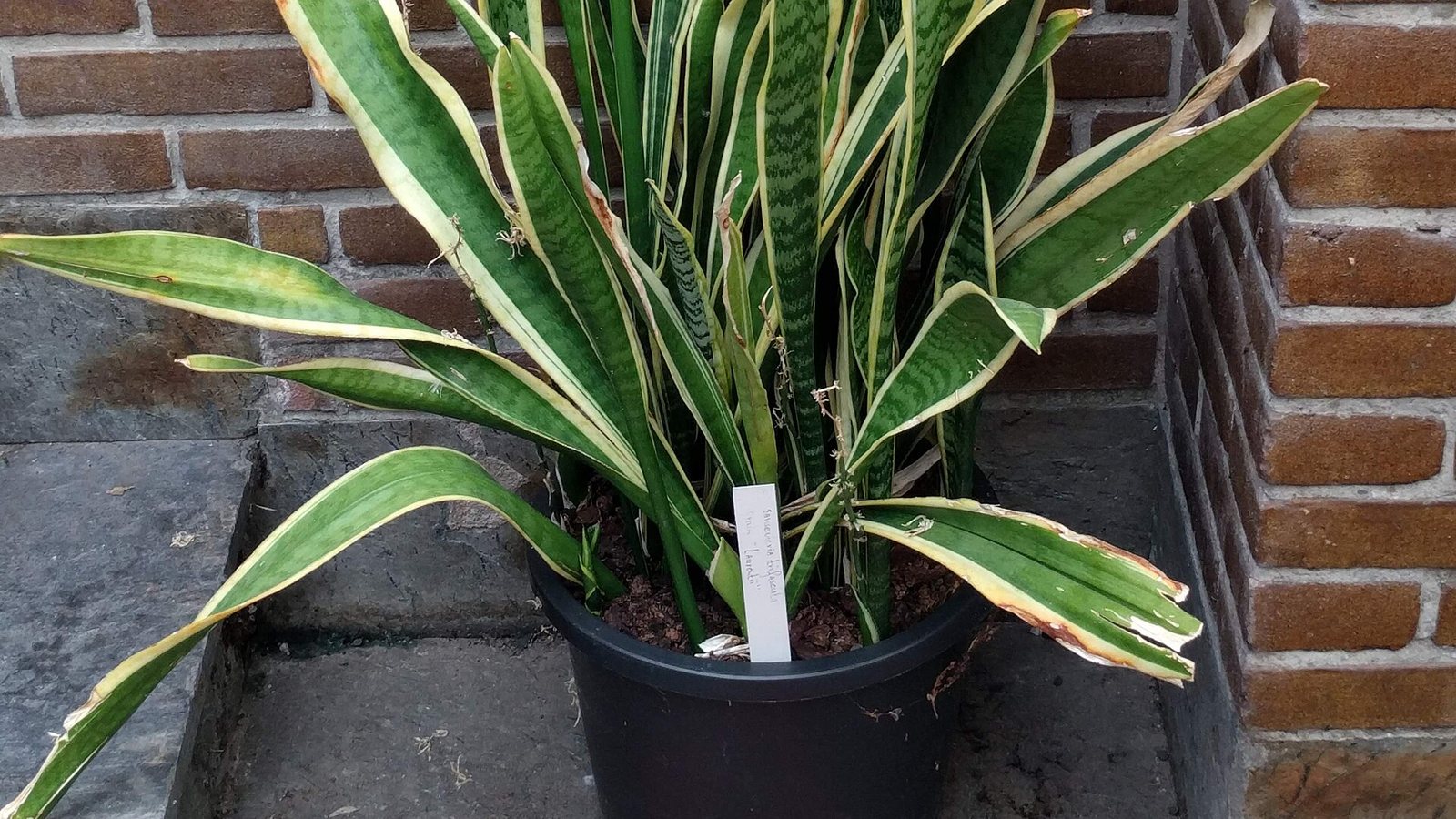
| Snake plant leaf sections | Sansevieria (Iowa State) | Cut 8-13 cm (3-5 in) sections, callus about a day |
If you are not sure what you have, the lists in succulent types and names and cactus types and names help.
How do you grow a succulent from a leaf?
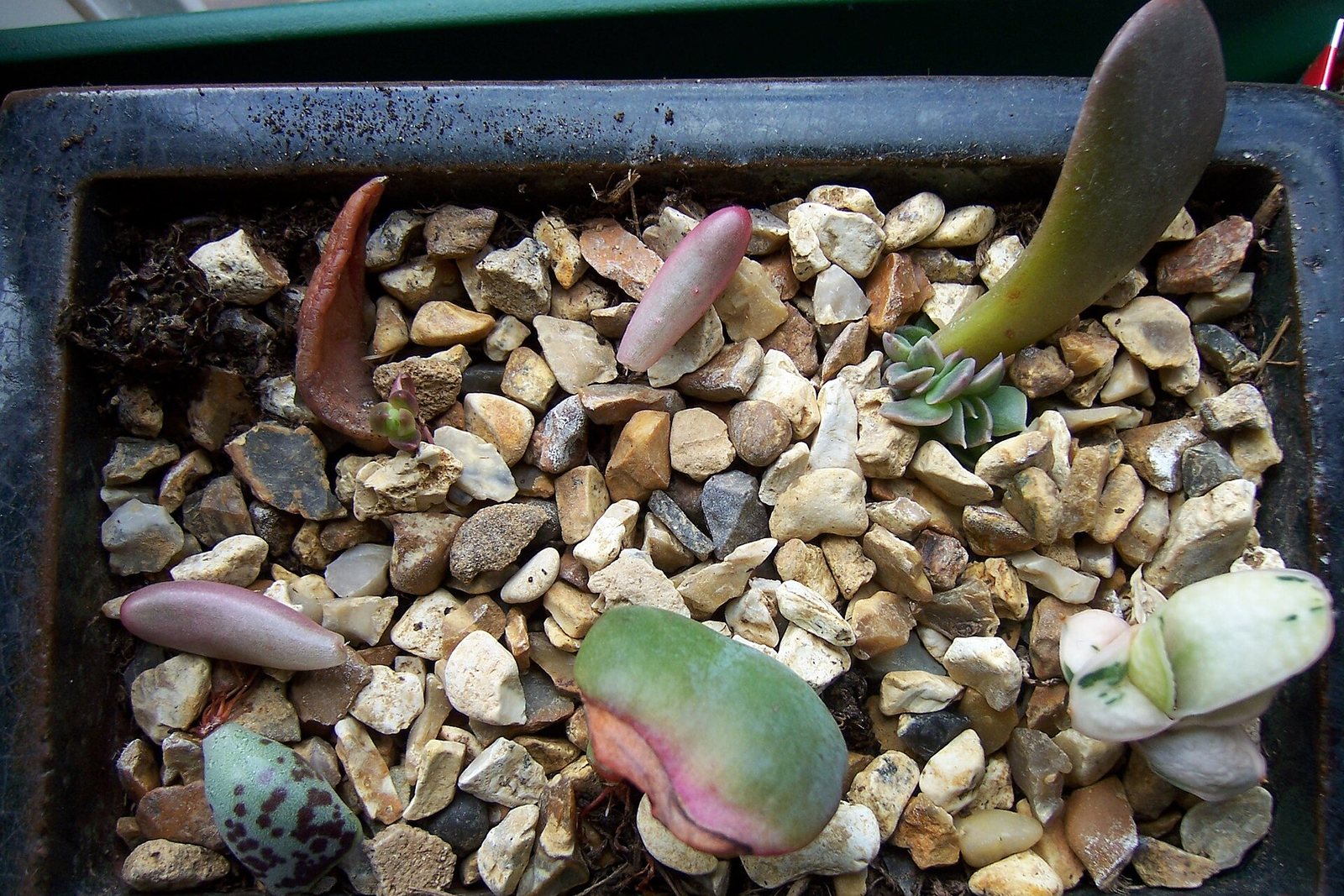
- Choose a healthy, plump leaf. Twist it off gently so that the base comes away clean. Iowa State says partial leaves will not root.
- Lay it on the mix. Put it flat on slightly damp, well-drained mix, with the base at the surface and not buried. The RHS says succulent leaf cuttings can lie on the compost, or even over a little water, until they develop roots.
- Keep it bright but out of direct sun. The RHS recommends a bright spot out of direct sun for cuttings in general.
- Mist lightly. Iowa State suggests keeping the surface damp, not wet, with a spray bottle. The RHS notes that succulent cuttings do not need much water at all.
- Wait. Iowa State says roots and baby rosettes typically form in several weeks. Pot up when roots have formed, into very gritty, well-drained compost (RHS).
The mother leaf will shrivel as the baby grows. Leave it until it dries and comes away on its own.
How do you take stem cuttings of succulents and cacti?
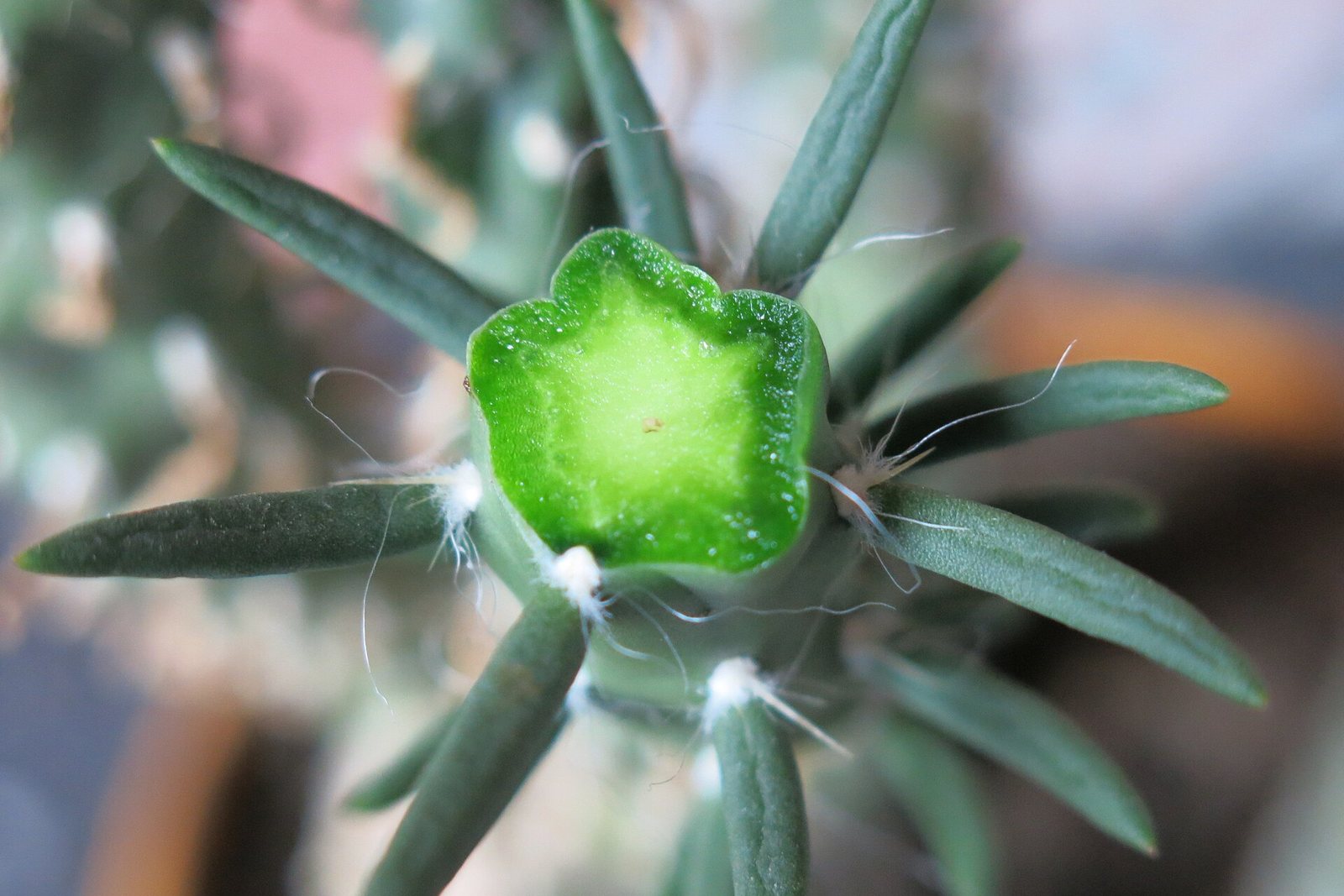
Iowa State advises cutting a stem section of 8-15 cm (3-6 in) and removing the lower leaves. Then let the cut end callus for several days on a tray or propped in an empty pot or cup, which reduces rot. The RHS gives a wider range, about 1 day to 1 week depending on the plant. Thick, juicy stems need longer than thin ones, so go by the cut surface: it should look dry and sealed before planting. Plant the cutting in cactus potting soil or perlite; Iowa State says most succulents do not root well in water and that rooting hormone is optional.
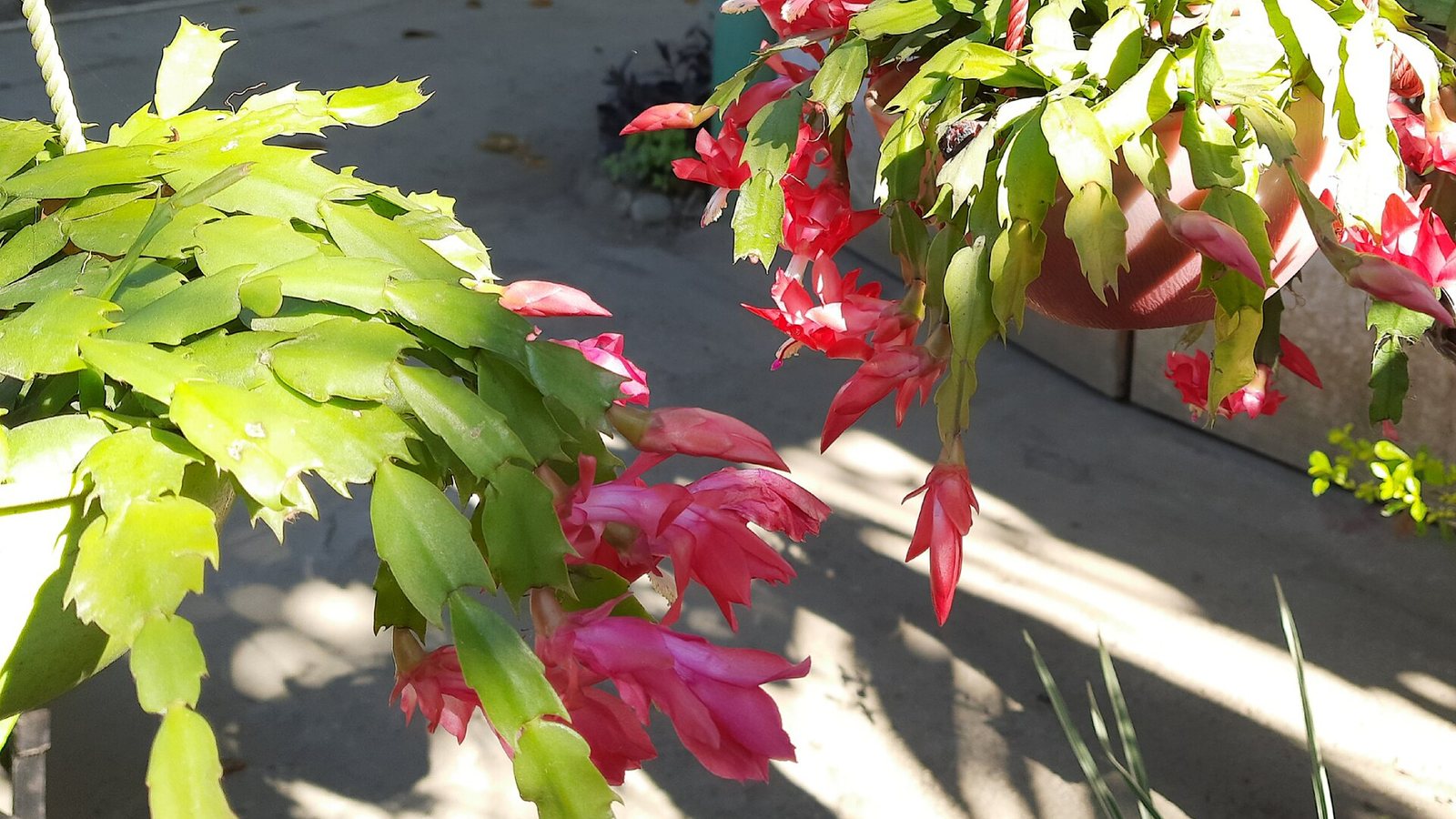
Christmas and Thanksgiving cacti are the exception that many people grow: Clemson recommends cuttings of 3 to 5 stem segments in May or June (Northern Hemisphere), dried in shade for 1 to 2 days, then rooted in well-drained potting soil in bright indirect light, with roots in 3 to 8 weeks. In the Southern Hemisphere, take them in the corresponding season. Columnar cacti can also be propagated from stem cuttings, according to the RHS.
How do you separate offsets and pups?
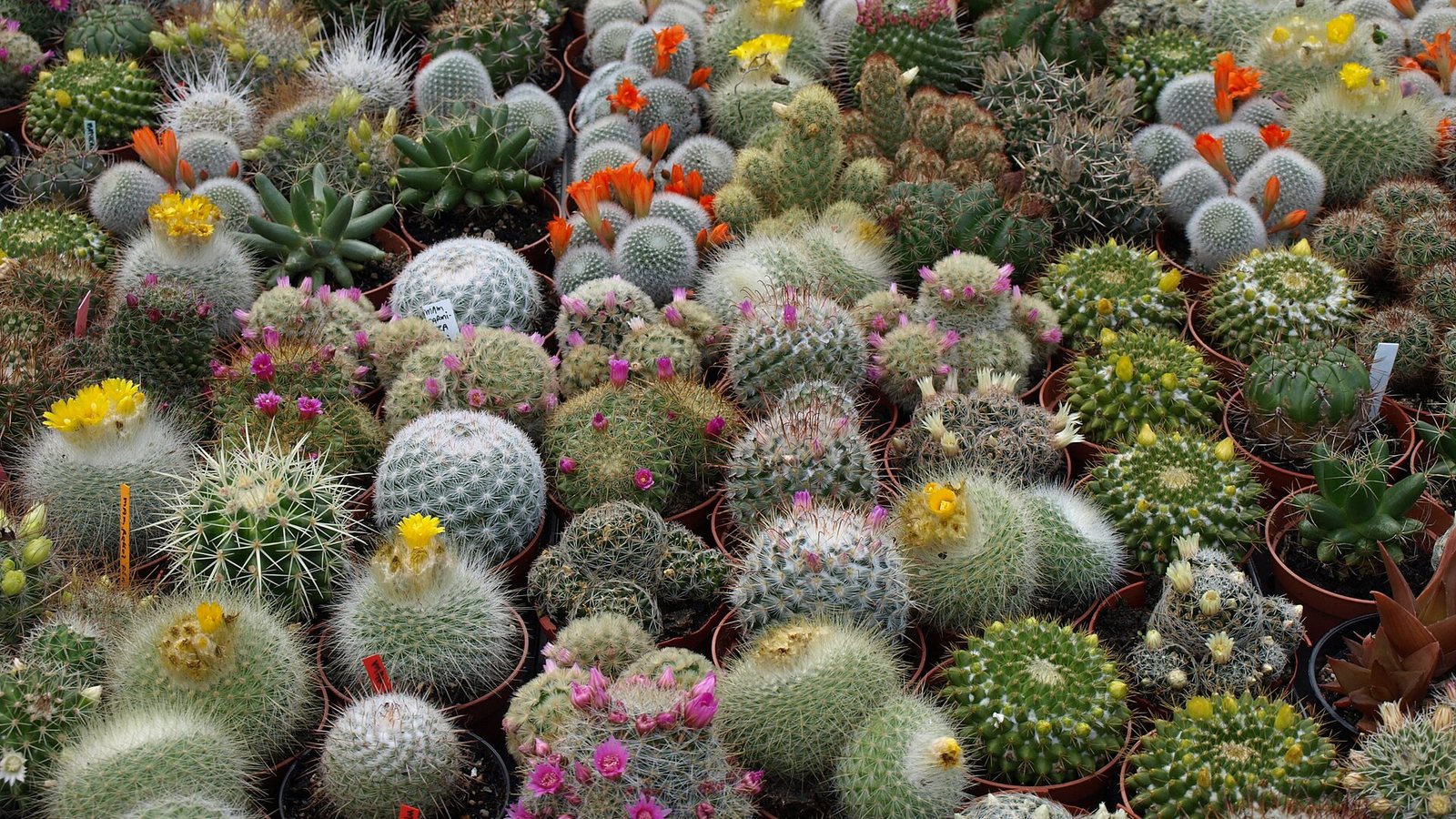
Offsets are the easiest method because the baby already has roots. Iowa State says to pull or cut the offset with roots and leaves or stems attached, and pot it in well-drained medium such as cactus potting soil, in a container with a drainage hole. Water lightly; the new plant usually establishes within a few weeks. The RHS adds that you should wait until the offset is well rooted. Spiny cacti need care: use folded paper or tongs, never bare fingers, and wear thick gloves.
What soil should you use for cuttings?
Use something gritty and fast-draining. The RHS suggests two parts peat-free John Innes No 1 to one part horticultural grit by volume, kept only slightly moist while the cuttings root, to prevent rot. Iowa State recommends cactus potting soil or perlite. Skip ordinary garden soil. The full recipe discussion is in the best soil for succulents and cacti.
When is the best time, and how warm?
The RHS gives late spring or early summer as the best time to take cuttings, and Clemson uses May or June for Christmas cactus in the Northern Hemisphere. In the Southern Hemisphere that means roughly late spring to early summer there too, which is the same growing season rather than the same months. Penn State Extension notes that the rooting medium should be 24-27 °C (75-80 °F) for best results; a warm, bright windowsill is usually enough. Late autumn or winter cuttings root slowly and rot more easily, so wait if you can.
How do you care for the new plants?
Keep them bright but out of direct sun, water lightly and resist the urge to repot early. Iowa State says a new offset usually establishes within a few weeks, and the RHS says to pot a rooted leaf into very gritty compost. Clemson adds that once Christmas cactus cuttings have rooted you can remove the plastic bag and start adding dilute fertilizer to the water. For the other succulents, wait until the baby has several leaves of its own before you feed it, and let the mix dry between waterings as for an adult plant.
What goes wrong and how do you fix it?
- Cutting turns soft and black: too wet or planted before it calloused. Discard the soft part and recut into healthy tissue, then let it callus again.
- Leaf shrivels without roots: it may have been too dry or the base was torn. Keep the mix lightly damp and try a fresh whole leaf.
- Nothing happens for weeks: be patient; several weeks is normal. Check that the spot is bright and warm.
- Offset will not stand up: prop it with a small stone until roots grip.
Flori can identify the succulent from a photo, so you know whether it is an echeveria, aloe or cactus before you cut, and its care reminders can nudge you to check the cuttings. Once they have rooted, treat them as ordinary succulents; see the root rot rescue plan if a base turns black.
Frequently asked questions
How long should succulent cuttings dry before planting?
The RHS says about 1 day to 1 week depending on the plant, and Iowa State says several days for stem cuttings. The cut end should look dry and sealed.
Can succulents root in water?
Iowa State says most succulents do not root well in water, so use cactus soil or perlite. Some leaf cuttings can sit over a little water, per the RHS, but soil is safer.
How long do succulent leaves take to root?
Iowa State says roots and baby rosettes typically form in several weeks. Keep the surface damp, not wet, and avoid direct sun.
Can you propagate a cactus from a cutting?
Yes for many cacti. Offsets from clump-forming cacti are the easiest, and columnar cacti and Christmas cacti root from stem cuttings after the cut ends dry.
When should I propagate succulents?
The RHS recommends late spring or early summer. In the Southern Hemisphere that is late spring too, so go by the growing season, not the month.
Stem, leaf and leaf-section cuttings explained: which houseplants suit each method, how long to cut, where to root them and when to pot them up.
Sources
Written and fact-checked by the Flori team. Every guide cites horticultural sources such as the RHS, university extension services and the ASPCA, and is updated when the advice changes. How we write our guides
General plant care information. Plants vary; when a plant is valuable or a problem spreads quickly, consult a local nursery or plant specialist.