Easy Plants Kids Can Grow at Home: 7 Quick Wins
Easy plants kids can grow at home: seven picks with days to first result, safety notes and a table to screenshot, from 10-day cress to sunflowers.
 By Flori editorial team · Updated
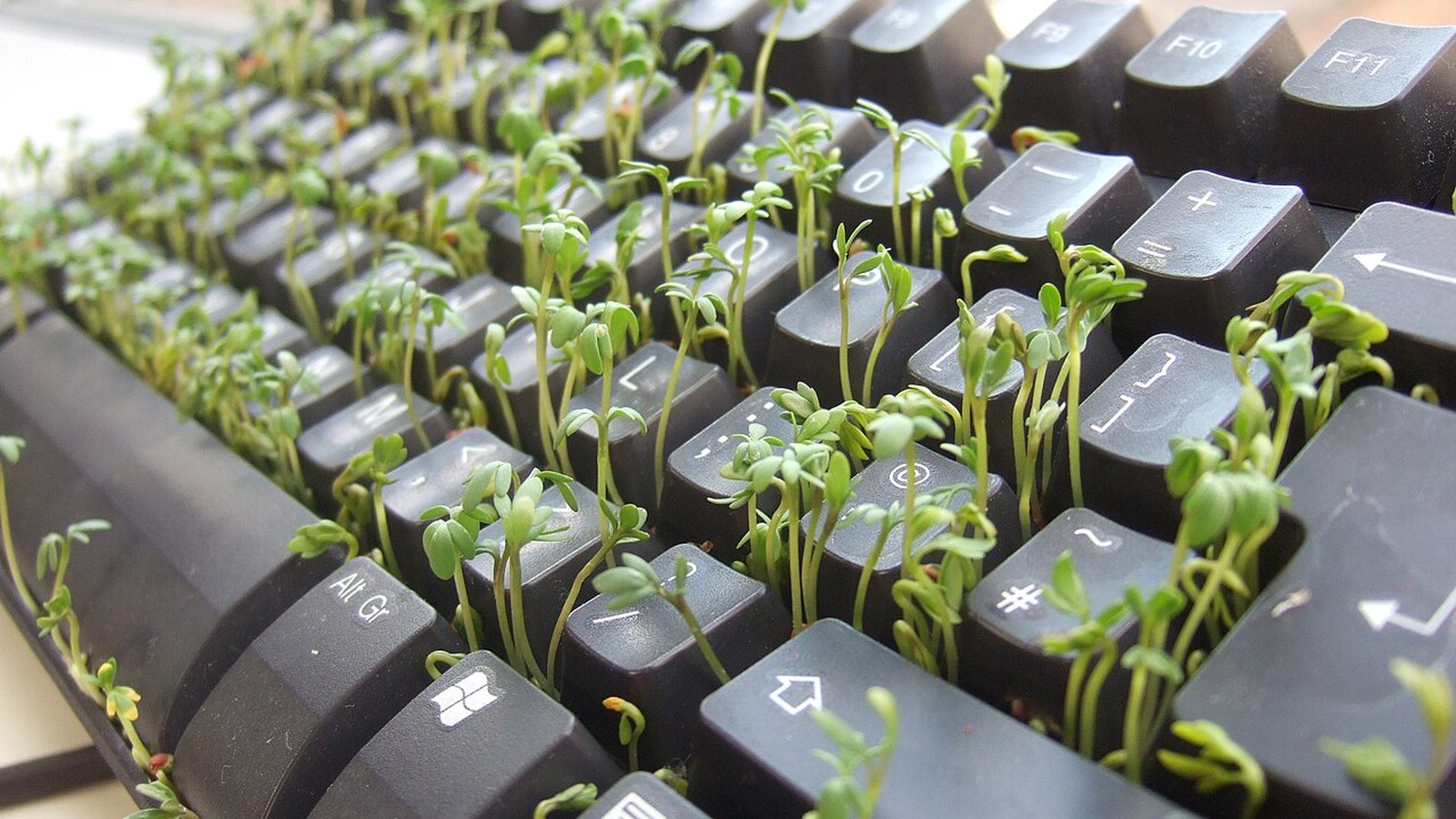 Photo: wetwebwork · CC BY-SA 2.0
Cress, pea shoots and radishes are the best easy plants for kids because they show results in days or weeks: cress in about 10-14 days, pea shoots in 3-4 weeks, radishes in about 4. Sunflowers and spider plants suit longer projects. Teach children to ask an adult before eating anything.
Key takeaways
- Choose by speed: cress about 10-14 days, pea shoots 3-4 weeks, radishes about 4 weeks, loose-leaf lettuce 4-6 weeks (RHS).
- Sunflowers and spider plants give a longer project; the ASPCA lists a sunflower species and the spider plant as non-toxic to pets.
- Not every garden plant is harmless: the ASPCA lists tomato plants as toxic to dogs, cats and horses.
- Keep seed packets or plant tags so a poison line can identify a plant fast.
- If a child eats part of a plant call the poison line (UZEM 114, US 1-800-222-1222, UK NHS 111).
On this page7
- Which plants can kids really grow at home?
- Seven easy plants for kids, from fastest to slowest
- How do you grow cress and pea shoots, the quickest wins?
- Radishes, lettuce and sunflowers: the longer projects
- What if you want a houseplant or a kitchen-scrap project?
- How do you keep it safe for children?
- What do you do if a child eats part of a plant?
Which plants can kids really grow at home?
The ones that show something fast. A child will water a pot for ten days, but not for ten weeks, so the best easy plants for kids are chosen by how soon something visible happens, not by how pretty the plant is. Below are seven plants, with what kids enjoy about each, how long the first result takes (only numbers we found in RHS and extension sources, otherwise marked approximate) and a safety note you can share with other parents.
Seven easy plants for kids, from fastest to slowest
| Plant | Why kids like it | First visible result | Safety |
|---|---|---|---|
| Cress (Lepidium sativum) | Grows green "hair" on a decorated cup or egg shell; snip it with scissors | Ready in about 10-14 days (RHS) | Food crop; wash before eating. We did not look up a pet rating |
| Pea shoots | Fast, tall and tasty; cut them and they regrow | Harvest in 3-4 weeks at 10-15 cm (4-6 in) (RHS) | Food crop; check the ASPCA list before letting pets near the pot |
| Radish | A real vegetable in a month; pulling them out is the fun part | Seeds sprout in 7-10 days; ready in about 4 weeks (RHS) | Food crop; wash before eating |
| Loose-leaf lettuce | Snip a few leaves and it keeps growing | First picking in 4-6 weeks (RHS) | Food crop; wash before eating |
| Sunflower | Kids can measure it against themselves | Sown mid-April to end of May, flowers in August (RHS); about 3 months (approximate) | ASPCA lists a sunflower species (Helianthus angustifolius) as non-toxic to dogs, cats and horses |
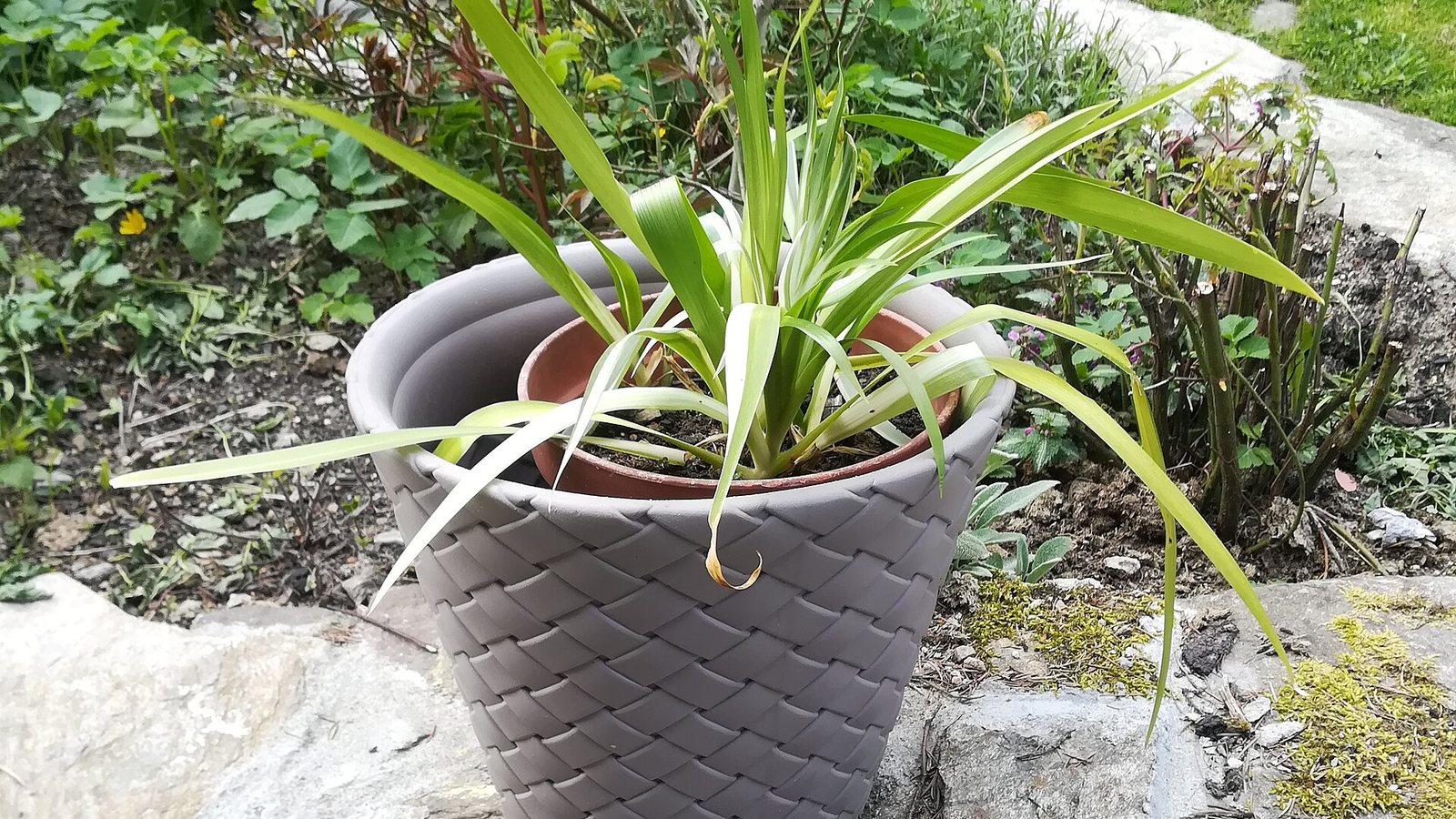
| Spider plant (Chlorophytum comosum) | Grows dangling "babies" that can be rooted in water or soil | Babies appear after short days for at least 3 weeks (NC State); no day count, so expect months (approximate) | Non-toxic to cats and dogs (ASPCA, NC State) |
| Nasturtium (Tropaeolum majus) | Big round seeds are easy for small hands to sow; bright flowers | No reliable day count found; follow the seed packet | Not toxic to dogs, cats or horses (ASPCA) |
Screenshot this table for the next birthday or school holiday: pick one plant from the top three if you want results this month, and one from the bottom four if you want a project that lasts through the season.
How do you grow cress and pea shoots, the quickest wins?
Cress is the classic. The RHS says it can be sown all year round on a windowsill: scatter the seeds on damp kitchen paper in a small tray, or on pre-soaked compost, press them in lightly and keep them moist. Compost gives more flavour and a bigger crop than tissue. Harvest when the seedlings are about 3 cm (1 in) tall; the RHS puts "seed to plate" at 10-14 days. For a first project it also suggests a "Mr Cress head": cress seed and compost in the toe of a pair of tights, a face drawn on, and the top left bare so the cress grows like hair.
Pea shoots take a little longer but give a taller plant. The RHS says to sow indoors at any time, about 2.5 cm (1 in) deep and 2.5 cm apart, and cut the shoots when they are 10-15 cm (4-6 in) tall, which takes roughly 3-4 weeks. Cut about 2.5 cm (1 in) above the base and you may get a second harvest.
Radishes, lettuce and sunflowers: the longer projects
Radishes are the best "real vegetable" for impatient kids. The RHS says outdoor seeds sprout in 7-10 days and salad radishes can be ready in as little as four weeks; early sowings can take six to eight. Pick them when they are about 2.5 cm (1 in) across, because left longer they turn woody and hot. A deep pot or window box on a balcony works fine.
Loose-leaf lettuce is the easy follow-up: the RHS says you can pick it in four to six weeks, and if you leave a short stem after cutting, it can regrow at least one more crop. Hearting types take 10-14 weeks, so skip them for small children.
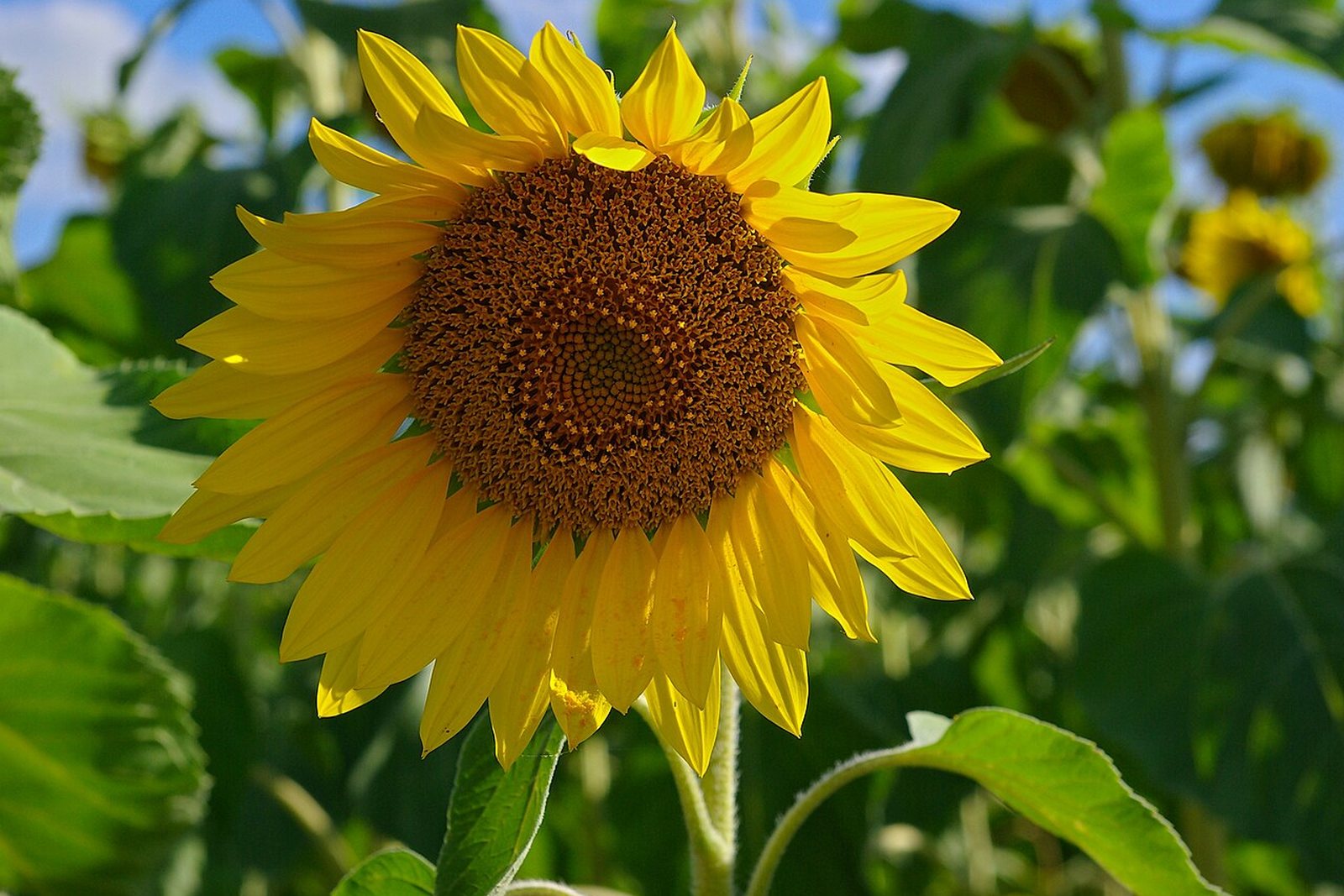
Sunflowers are the show-off. The RHS sows them from mid-April to the end of May, 12 mm (about half an inch) deep and 10 cm (4 in) apart, and they flower in August. Pick a variety to match the space: 'Teddy Bear' reaches about 60-90 cm (2-3 ft), 'American Giant' up to 4 m (13 ft). Slugs eat young shoots, so the RHS suggests covering seedlings with the top of a cut plastic bottle. Our slugs and snails guide has more.
A word on climate: the RHS dates are for the UK. On the Turkish coast the growing season starts earlier and summers are hotter, while in inland Anatolia frost can linger into spring, so use the seed packet and your last frost date rather than the month.
What if you want a houseplant or a kitchen-scrap project?
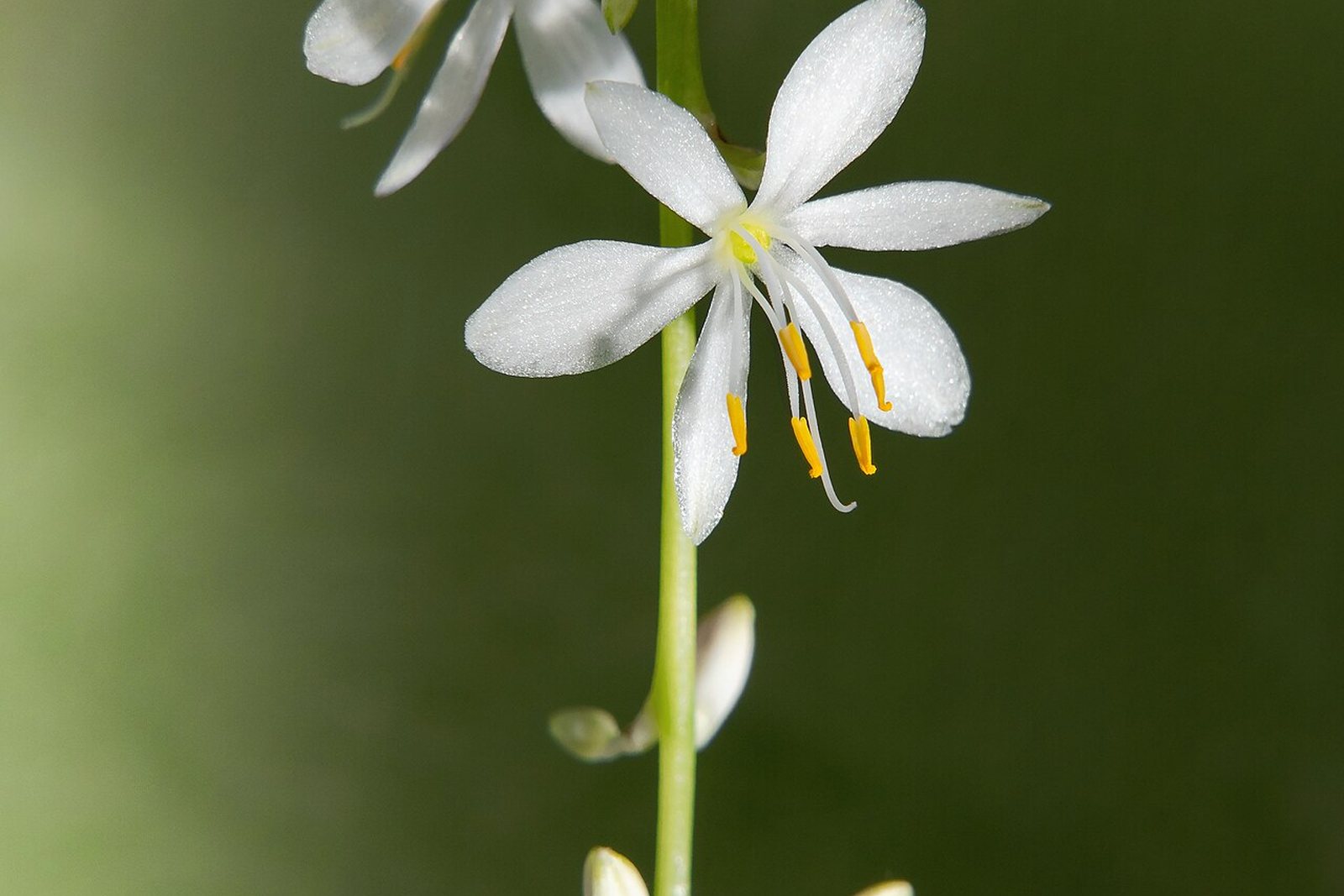
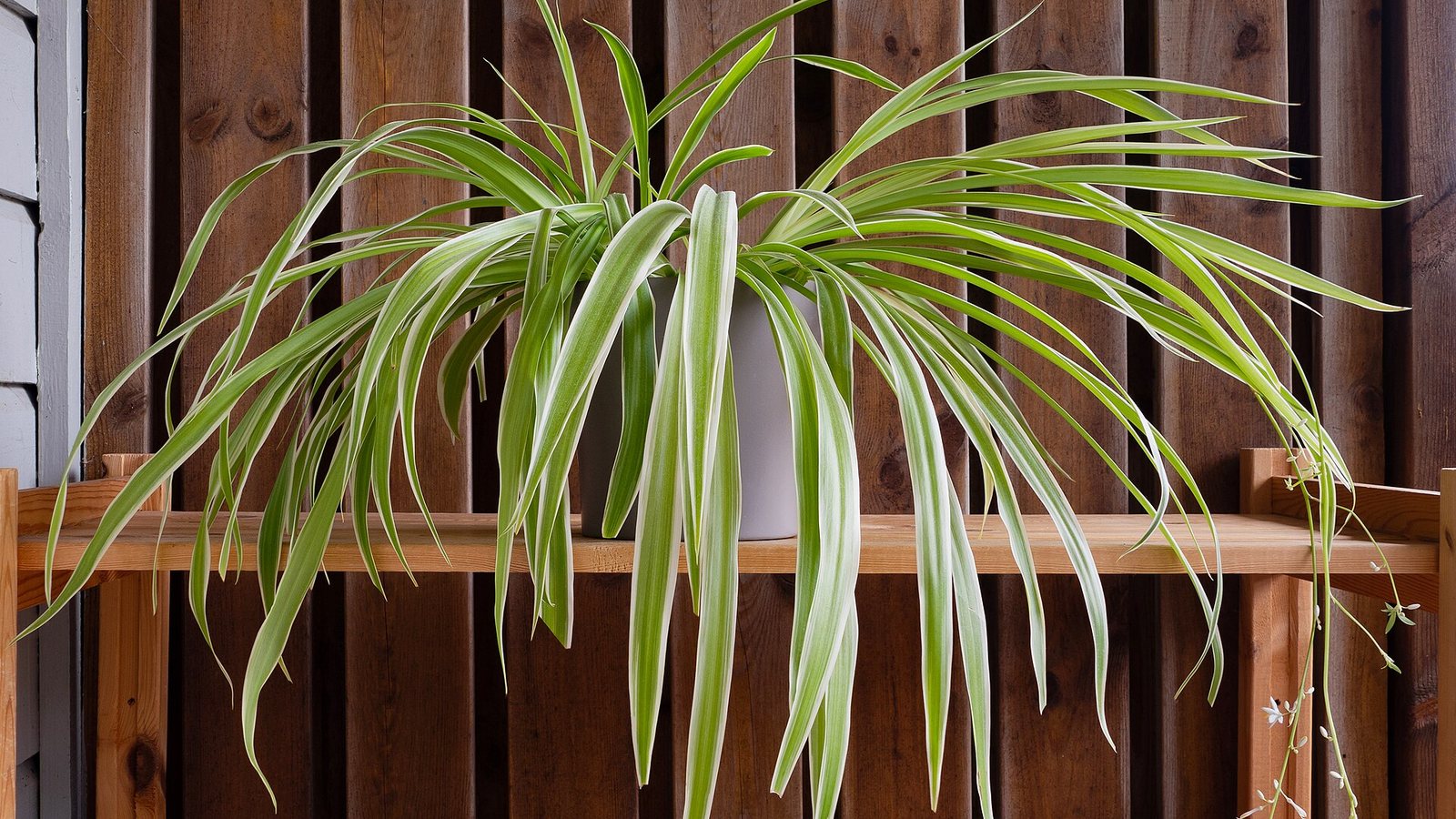
The spider plant is the easiest indoor plant for kids because it makes its own babies. NC State says it likes medium light, tolerates deep shade and does not tolerate direct sun, and that plantlets form on long stems when it gets short days and long nights for at least three weeks. Because it is non-toxic to cats and dogs, it also suits homes with pets. For more plants that suit toddlers, see our child-safe houseplants guide.
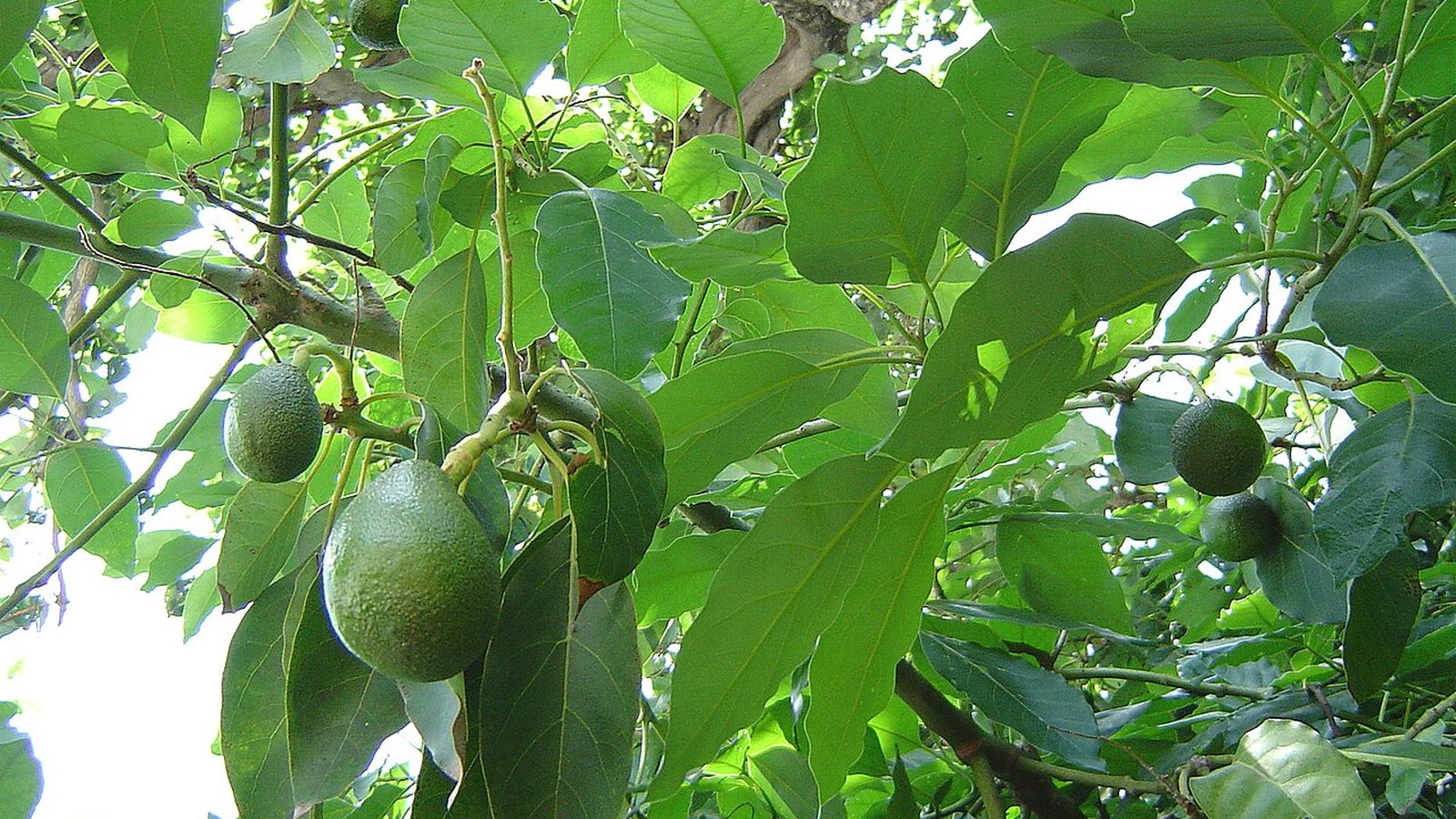
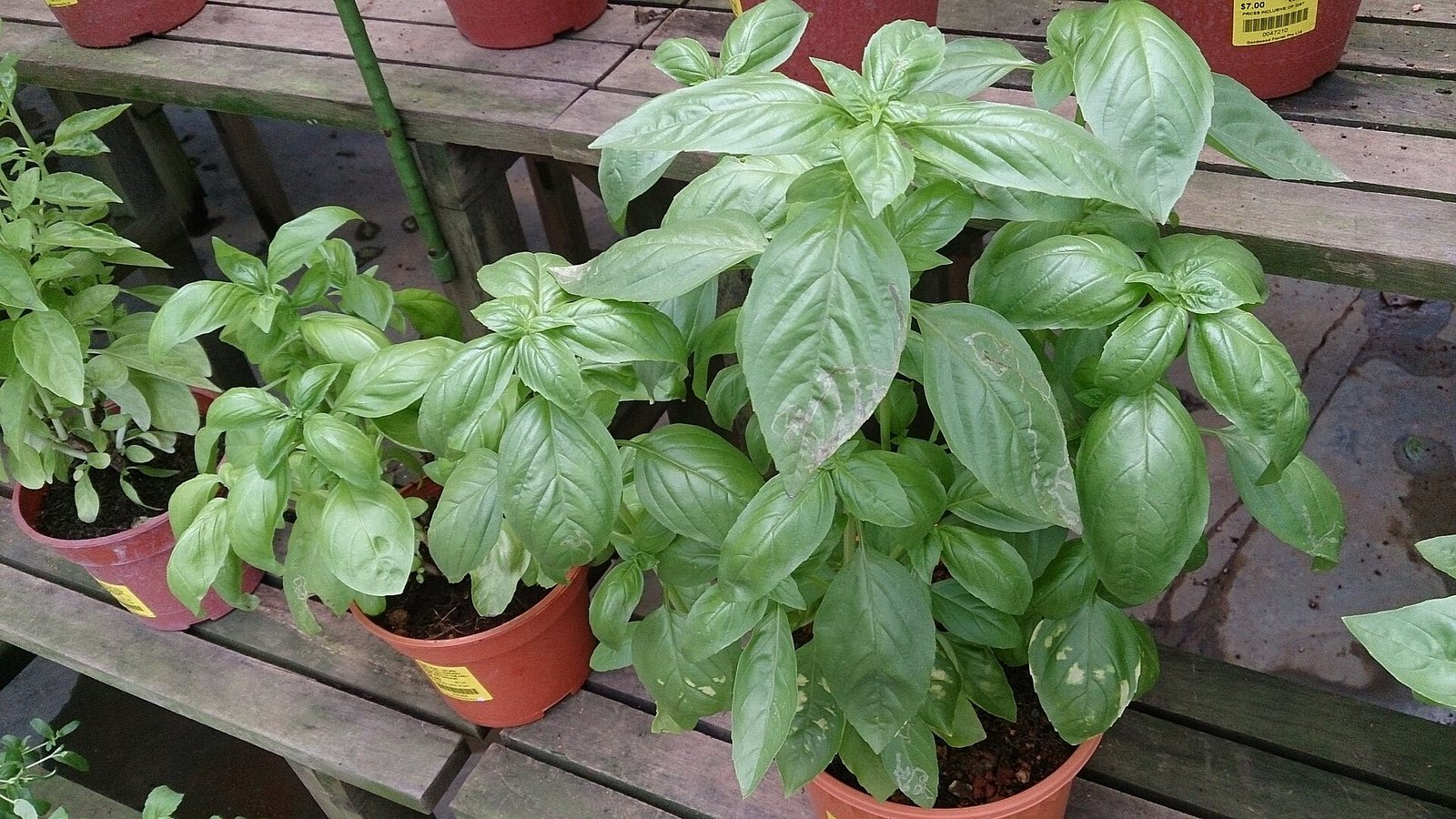
If your child loves a "grow a plant from food" project, regrowing vegetables from scraps shows what works, and growing an avocado from a seed is the patient one: it is slow, so treat it as a long-term experiment, not a quick win. If your kids would rather snip herbs, starting a windowsill herb garden is another good fit.
How do you keep it safe for children?
- Only eat what you grew on purpose. Poison Control advises teaching children to always ask an adult before eating or drinking anything.
- Know every plant by name. Poison Control says expert help depends on accurate plant identification, so keep seed packets or plant tags. Flori can identify a plant from a photo and its care profile shows toxicity.
- Keep indoor plants where small children cannot reach them and watch young children closely outdoors.
- Not every garden favourite is harmless. The ASPCA lists the tomato plant as toxic to dogs, cats and horses (ripe fruit is non-toxic), so check a plant before you hand it to a child or leave it near a pet.
- Use gloves for soil work, as the RHS suggests, and wash hands afterwards.
What do you do if a child eats part of a plant?
Take the plant away, note its name and call the poison line right away: Turkey UZEM 114, United States 1-800-222-1222, United Kingdom NHS 111. Keep a leaf or the seed packet. If a pet chewed something, call your vet. This is general information, not medical advice.
Frequently asked questions
What is the fastest plant for a child to grow?
Cress. The RHS says seed to plate is only 10-14 days on a windowsill, so children see results within days.
Is the sunflower safe around pets?
The ASPCA lists a sunflower species (Helianthus angustifolius) as non-toxic to dogs, cats and horses. Eating any plant can still upset an animal's stomach.
Can kids grow plants indoors in winter?
Yes. The RHS says cress can be sown all year on a windowsill and pea shoots can be sown indoors at any time.
What should I do if my child eats a plant?
Remove the plant, note its name and call the poison line: UZEM 114 in Turkey, 1-800-222-1222 in the US, NHS 111 in the UK.
Child-safe houseplants: six options not flagged as toxic, with light and size, plus plants to keep away from toddlers and what to do if a child chews one.
Sources
Written and fact-checked by the Flori team. Every guide cites horticultural sources such as the RHS, university extension services and the ASPCA, and is updated when the advice changes. How we write our guides
General plant care information. Plants vary; when a plant is valuable or a problem spreads quickly, consult a local nursery or plant specialist.