Regrow Vegetables From Kitchen Scraps That Work
Which kitchen scraps really regrow: green onions, romaine, celery, bok choy and carrot tops. Steps, water changes, a results chart and what will not work.
 By Flori editorial team · Updated
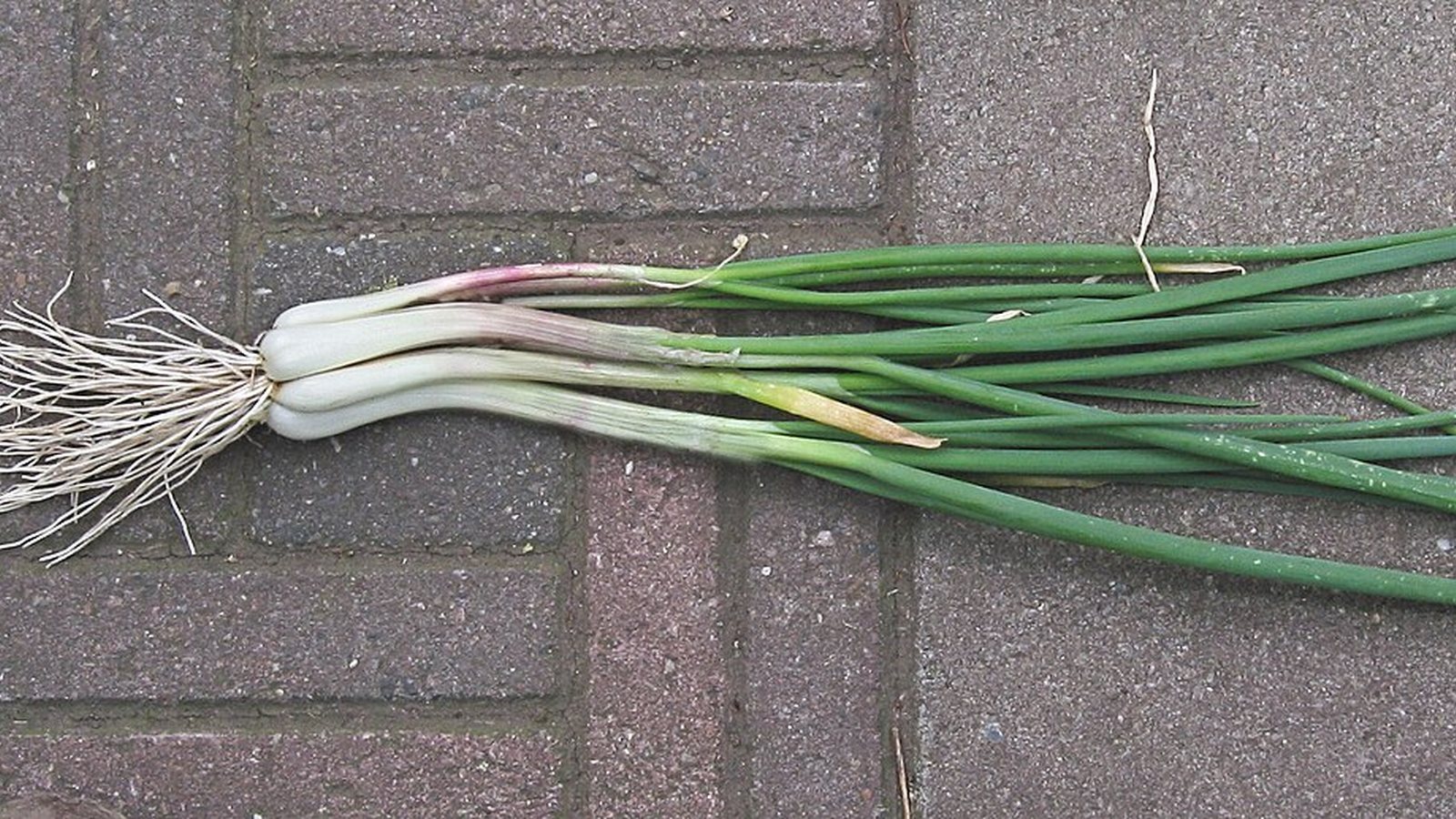 Photo: Rasbak · CC BY-SA 3.0
Green onions, romaine, celery and bok choy regrow best. Keep the white bulb with roots, or the bottom 5 cm (2 in) of the stalk base, stand it in shallow water in a bright window and change the water every 2 to 3 days. Expect leaves and a second harvest, not a full new vegetable.
Key takeaways
- Green onions are easiest: keep the white bulb with roots in just enough water, change it weekly, and new shoots appear in a week or two.
- Romaine, celery and bok choy need the bottom 5 cm (2 in) in about 2.5 cm (1 in) of water, changed every 2 to 3 days.
- Carrot, beet and turnip tops give leaves only, and you will not get a new root.
- Move scraps to potting mix once roots form; soil is more productive than water.
- Onion family plants are toxic to cats and dogs, so keep the jar out of reach.
On this page9
- Which vegetables can you really regrow from scraps?
- The regrow chart: what to keep and what you get
- How do you regrow green onions?
- How do you regrow romaine, celery and bok choy?
- What about carrot tops, beets and turnips?
- How do you grow ginger from the shop?
- Why did my scraps not regrow?
- Water or soil: which is better?
- Is it safe to eat regrown vegetables, and safe for pets?
Which vegetables can you really regrow from scraps?
Four kinds work well on a windowsill: green onions (scallions), the base of romaine lettuce, celery and bok choy, and the tops of root vegetables such as carrots, for their leaves only. Ginger is a slower fifth. The rest of the viral lists are more optimistic than honest, so this guide gives you a table you can screenshot, the exact steps from two university extension services, and the myth to know before you start: a scrap rarely grows back into a full-size vegetable. It gives you leaves, and sometimes a second harvest.
It sounds like a trick, but it works for a simple reason. These vegetables are sold with the growing base still attached, so there is a living plant in the part you were about to throw away. Iowa State Extension notes that romaine, celery, bok choy and Chinese (Napa) cabbage are typically sold with the crown or root base still attached.
The regrow chart: what to keep and what you get
| Scrap | Keep | Set-up | What you get |
|---|---|---|---|
| Green onions (scallions) | White bulb with roots | Roots in just enough water to submerge them; change the water weekly | New green shoots in a week or two, for a few months |
| Romaine, celery, bok choy, Napa cabbage | Bottom 5 cm (2 in) of the root end | Shallow dish with about 2.5 cm (1 in) of water; change every 2–3 days | New leaves in several days to weeks |
| Carrot, beet and turnip tops | Top 5 cm (2 in) | Shallow dish of water; pebbles let you add water without drowning the top | Leaves only; no new root |
| Ginger | Healthy rhizome piece with 2–3 buds | Dry a few days, plant horizontally under about 5 cm (2 in) of soil | Sprouts in about 1–2 months; slow |
The quantities come from Iowa State Extension. Illinois Extension agrees on the basics: keep the white bulb of a green onion in a shallow dish of water in a sunny window, and stand the bottom of a celery bunch in a shallow container of water near a window.
How do you regrow green onions?
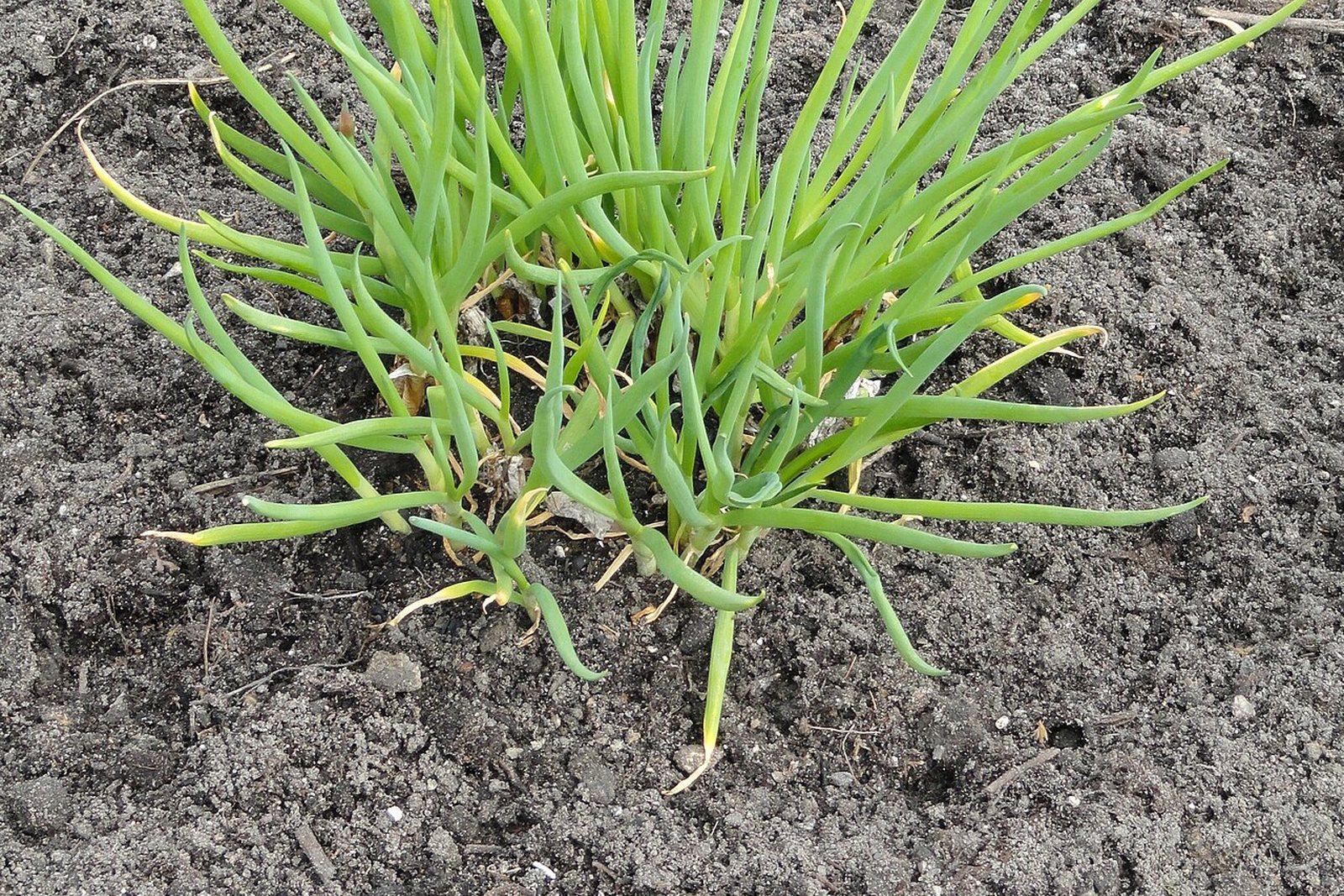
This is the easiest one. Keep the white bulb with its roots, cut off and use the green tops, and stand the bulbs in a jar or cup with just enough water to cover the roots. Put it in a bright window. Iowa State says to change the water once a week, shoots appear in a week or two, and a bulb can keep producing shoots for a few months. Snip the greens as you need them rather than all at once.
When shoots reach about 10–12 cm (4–5 in), you can plant the bulbs in a container with potting mix, as Iowa State suggests, for a longer harvest. Keep the roots covered with soil, water regularly and keep the pot where it gets the most light. Green onions are in the onion family, which is toxic to cats and dogs (see the pet section below).
How do you regrow romaine, celery and bok choy?
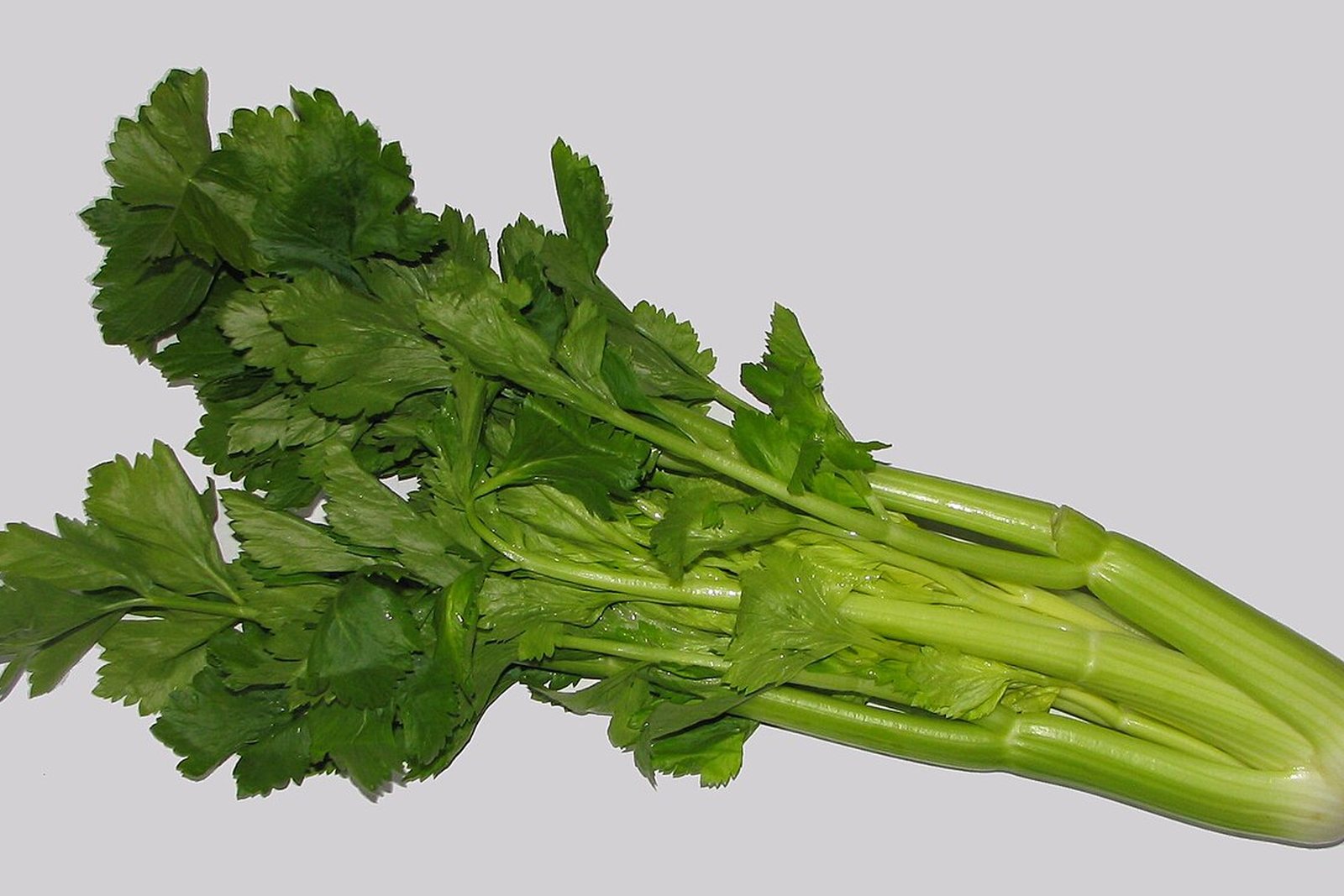
- Cut the base. Cut the stalks or leaves off and keep the bottom 5 cm (2 in) of the root end, still joined together.
- Stand it in shallow water. Use a dish or jar with about 2.5 cm (1 in) of water covering the bottom. The cut top should stay dry. Put it somewhere warm and bright.
- Change the water every 2 to 3 days. Iowa State gives this as the way to prevent fungal or mold growth in the water.
- Wait for new growth. New leaves appear after several days to weeks. When roots show, you can keep an inch of water going, or move it to potting mix, which Iowa State says is more productive.
- Harvest the outer leaves, and trim the new inner leaves as they grow.
If the base turns soft, smells bad or grows fuzzy mold, discard it and start fresh. A scrap that is already rotting when you begin will not recover.
What about carrot tops, beets and turnips?
Be realistic here. Iowa State says to cut off the top 5 cm (2 in) and stand it in a shallow dish of water, and notes that you will not get a new beet or turnip root. What you grow is leafy tops, which you can trim as they come. It is a fun experiment for children and a way to get a little greenery on a winter windowsill, not a way to grow a carrot.
How do you grow ginger from the shop?
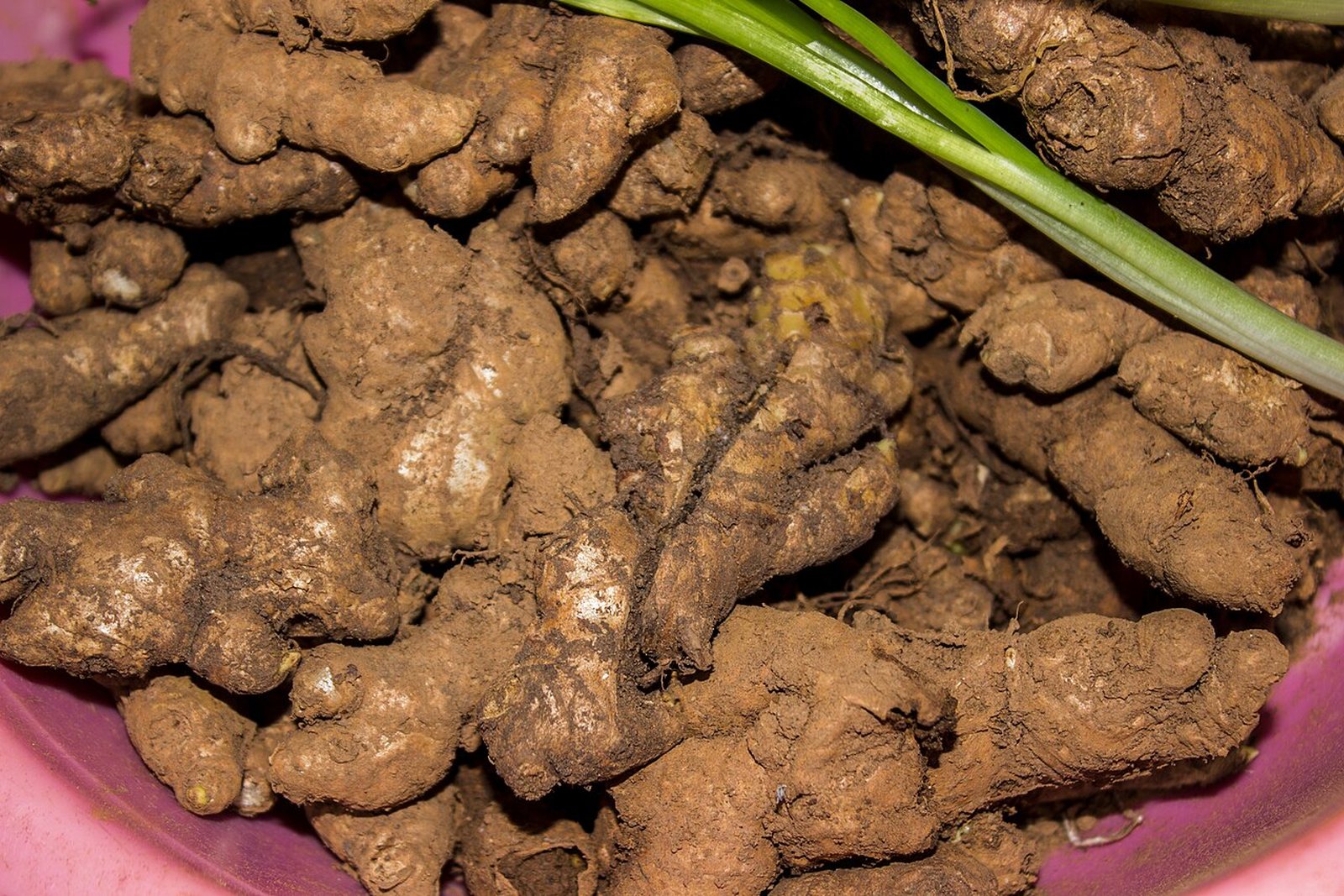
Ginger works, but slowly. Iowa State recommends healthy, untreated rhizomes, divided into pieces with 2–3 buds, dried for a few days so the cut ends callus, then planted horizontally under about 5 cm (2 in) of soil. Water sparingly until shoots appear, which can take 1 to 2 months. Shop ginger is sometimes treated to stop it sprouting, so organic rhizomes are the safer bet. A ginger plant needs a warm, bright room, so winter on a cold balcony is the wrong place.
Why did my scraps not regrow?
| Problem | Likely cause | Fix |
|---|---|---|
| Nothing happens on potatoes, garlic or ginger | Sprouting inhibitor; Iowa State says that is more likely than a green thumb problem | Use organic or untreated produce |
| Slimy, smelly base | Water not changed; rot | Throw it away; change water every 2–3 days next time |
| Thin, pale leaves | Too little light | Brightest window, or a grow light |
| Growth stops after a few weeks | Water has no nutrients, and Iowa State finds soil more productive | Move it to potting mix |
Winter light is the usual limiting factor, as it is for other indoor food plants. Our guide to growing herbs indoors in winter and grow lights for houseplants explain what to do when the window is not enough.
Water or soil: which is better?
Water is for starting; soil is for staying. In water, roots form quickly and you can watch them, but plain water has no nutrients. Iowa State describes potting soil as more productive once roots appear. Use a pot with drainage holes, a light potting mix and water only when the top of the soil feels dry. For water quality, see our best water for houseplants guide. For other plants that grow roots in a jar, see houseplants you can grow in water, and for a bigger project growing an avocado from a pit.
Is it safe to eat regrown vegetables, and safe for pets?
Eat them like any fresh produce: wash the leaves, and do not eat anything that is slimy, smelly or mouldy. Onion, and so green onion, is listed by the ASPCA as toxic to dogs, cats and horses; signs include vomiting, weakness and breakdown of red blood cells. Keep the jar out of reach of pets and call your vet if one chews it. If you are unsure what a plant on your sill is, a photo in Flori can help you identify it.
Frequently asked questions
Which vegetables regrow most easily from scraps?
Green onions, romaine lettuce, celery and bok choy. Keep the white bulb with roots or the bottom 5 cm (2 in) of the base, stand it in shallow water in a bright window and change the water regularly.
How often should I change the water?
Iowa State Extension says weekly for green onions and every 2 to 3 days for romaine, celery and bok choy, to prevent fungal or mold growth in the water.
Will a carrot top grow a new carrot?
No. Carrot, beet and turnip tops grow leaves only; Iowa State notes you will not get a new beet or turnip root.
Should I move regrown scraps into soil?
Yes, for a longer harvest. Iowa State says potting soil is more productive than water once roots appear, and green onions can be planted when shoots reach about 10–12 cm (4–5 in).
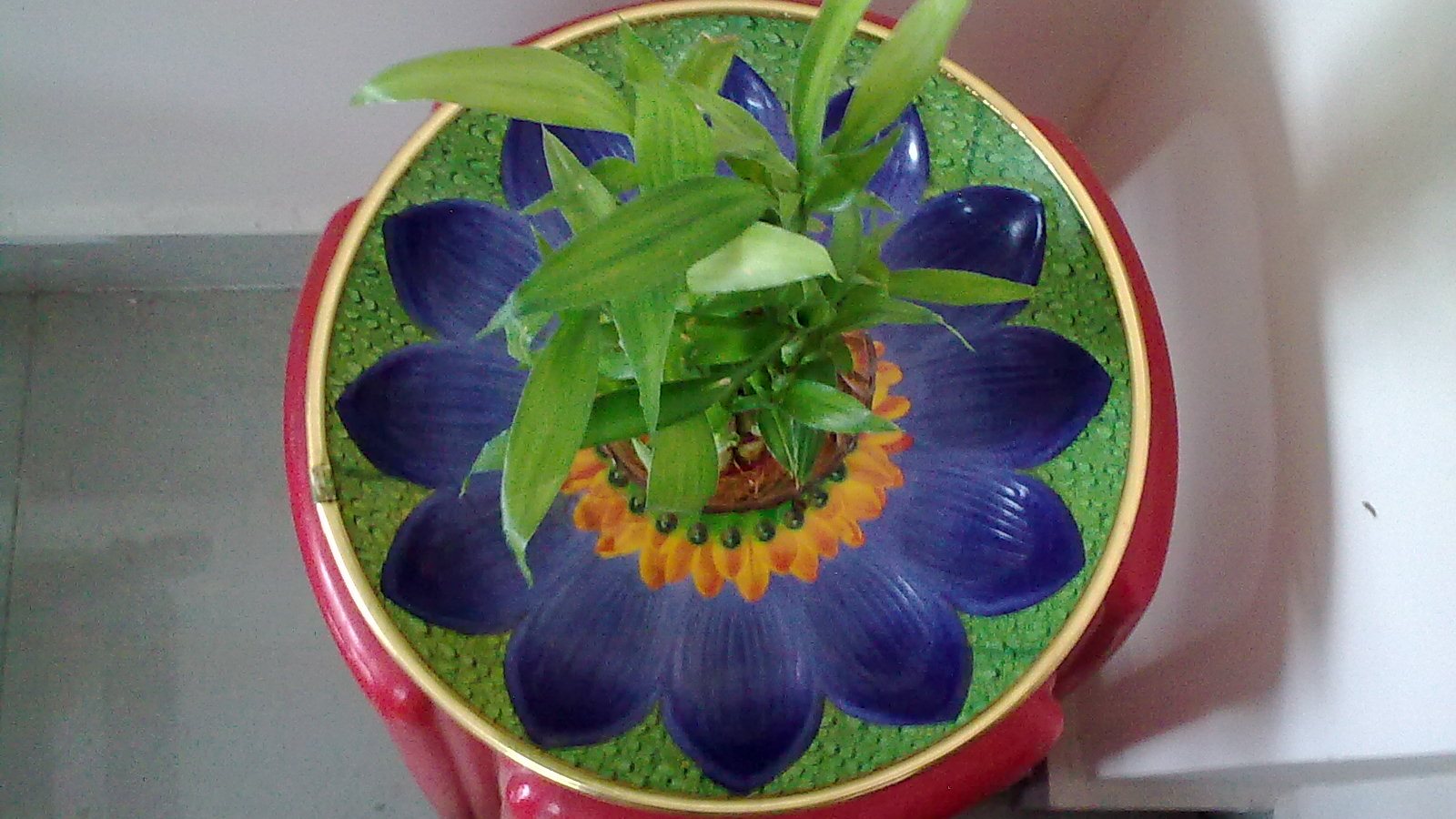
Pothos, philodendron, arrowhead, coleus, Swedish ivy, lucky bamboo and spider plant grow in water. Pet safety, light and how to root each one.
Sources
Written and fact-checked by the Flori team. Every guide cites horticultural sources such as the RHS, university extension services and the ASPCA, and is updated when the advice changes. How we write our guides
General plant care information. Plants vary; when a plant is valuable or a problem spreads quickly, consult a local nursery or plant specialist.