Tap Water, Rainwater or Filtered: Best Water for Plants
Tap water, rainwater, filtered or softened? A water-by-water table for houseplants: what suits most plants, which are fluoride-sensitive and what to avoid.
 By Flori editorial team · Updated
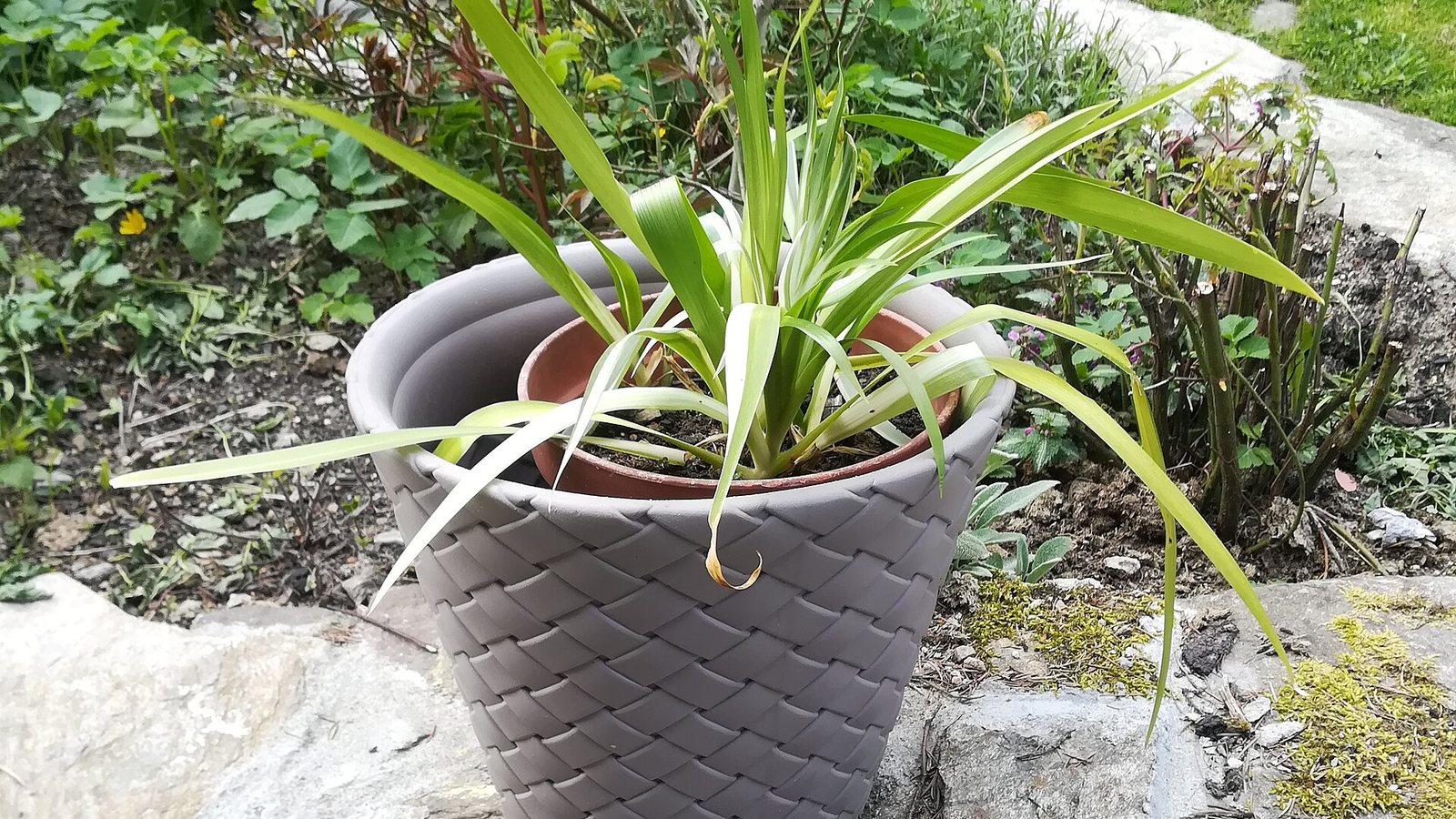
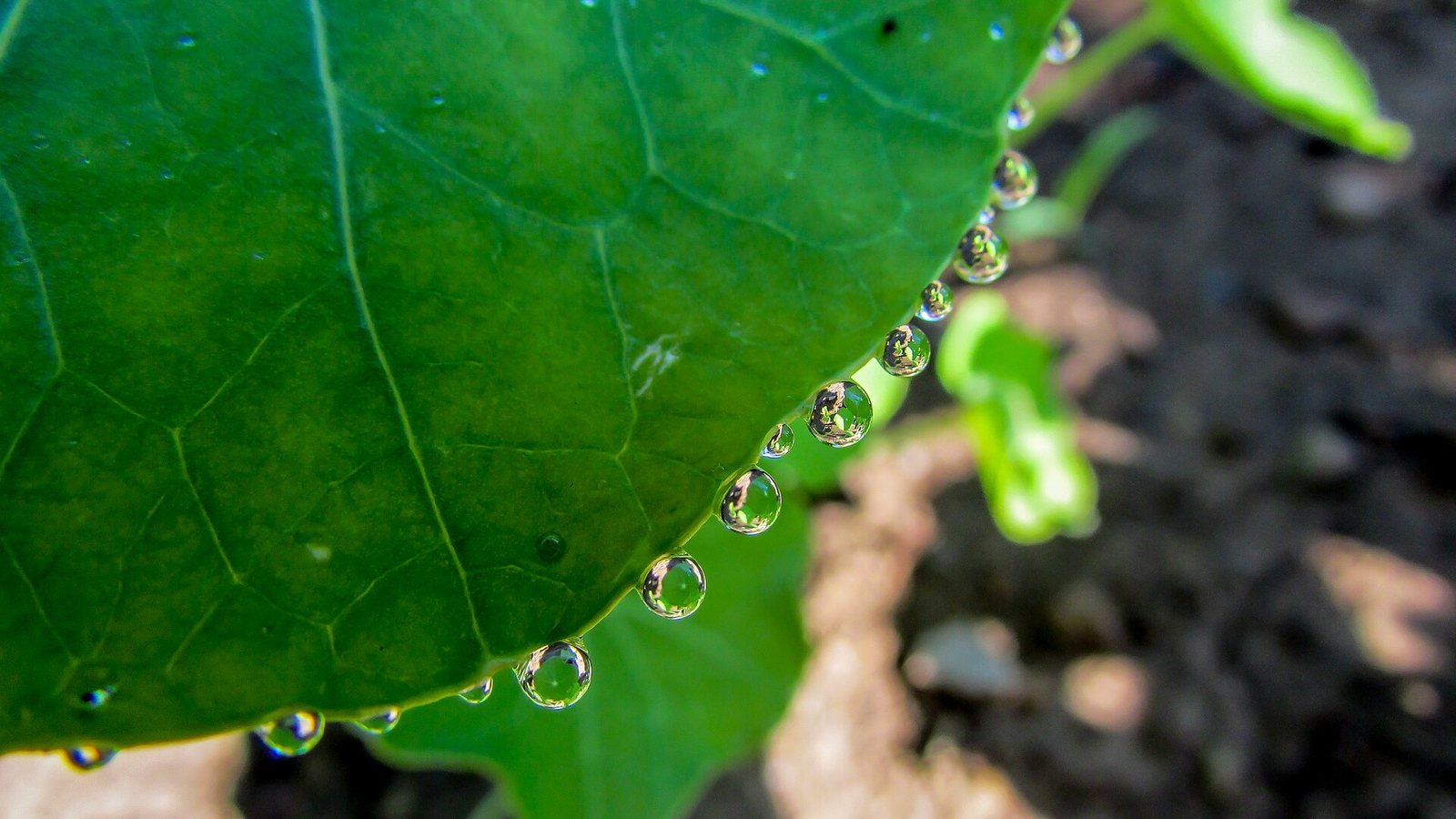 Photo: James Mann from Moncton, New Brunswick, Canada · CC BY 2.0
For most houseplants, room-temperature tap water is fine; letting it stand for 24 hours lets chlorine disperse. Rainwater is best for lime-hating plants and for species prone to fluoride damage, such as spider plants, dracaenas and calatheas. Never use water from a domestic softener: its salts build up in the pot and harm plants.
Key takeaways
- Ordinary tap water at room temperature suits most houseplants; cold water can shock them.
- Letting tap water stand in an open container for about 24 hours lets chlorine disperse.
- Rainwater is the best choice for lime-hating plants and for fluoride-sensitive species such as spider plant, dracaena, prayer plant and calathea.
- Water from a domestic softener should never be used: its sodium builds up in the mix and damages roots.
- Watering until water runs out of the drainage hole flushes excess salts, whatever water you use.
On this page8
- Which water is best for houseplants?
- Tap, rain, filtered or softened: the comparison
- Is tap water bad for plants?
- Which plants are sensitive to tap water?
- Is rainwater better for plants?
- Why you should never use softened water
- What does a white crust on the soil mean?
- A simple routine that covers most plants
Which water is best for houseplants?
Tap water, rainwater, filtered water, bottled, softened: which is best for houseplants? For most plants the honest answer is the water from your kitchen tap, used at room temperature. But a handful of popular houseplants react badly to what tap water can carry, and one kind of water should never go near a pot at all. This guide compares each water source side by side in one table, names the plants that are fussy about water, and shows how to tell from the leaves and the soil whether your water is causing trouble. If you want the watering technique itself, how much and how often, see our guide on how to water houseplants.
Tap, rain, filtered or softened: the comparison
The Royal Horticultural Society (RHS), Clemson Extension and University of Illinois Extension agree on the basics: room temperature, no softened water, and rainwater for plants that dislike lime. The table puts every common option in one place.
| Water | Good for | Watch out for |
|---|---|---|
| Tap water, used straight away | Most houseplants | Cold from the tap; chlorine, which the RHS says can be toxic to some plants |
| Tap water left to stand 24 hours | Most houseplants, and the easiest upgrade | Standing lets chlorine disperse and brings the water to room temperature; it does not soften hard water |
| Rainwater | Lime-hating plants and fluoride-sensitive species | Collect it in a clean, covered container and let it reach room temperature before use |
| Filtered, distilled or bottled water | A different water source for plants that keep showing brown tips | Check what the filter or label says it removes; it is rarely needed for tougher plants |
| Water from a domestic softener | Nothing | The RHS calls the salts it adds highly toxic to plants; Clemson notes that sodium and chloride build up in the mix |
Is tap water bad for plants?
No. Tap water is perfectly fine for the large majority of houseplants, which is why most growers never use anything else. Two things are worth knowing.
First, temperature. The RHS advises bringing water to room temperature before use, particularly in winter, and warns that cold water can kill. Clemson gives a range of 17–22 °C (62–72 °F) and says to avoid both hot and cold water. Filling the watering can after you water and leaving it until next time solves this automatically.
Second, chlorine. The RHS suggests leaving tap water in an open container for at least 24 hours so the chlorine can dissipate, because it can be toxic to some plants. Illinois gives the same 24-hour advice. Again, a can that stands full between waterings takes care of it.
Hard tap water is a separate issue. The RHS explains that hard water is alkaline, which acid-loving (ericaceous) plants dislike. Standing does not change that, so for those plants rainwater is the better choice.
Which plants are sensitive to tap water?
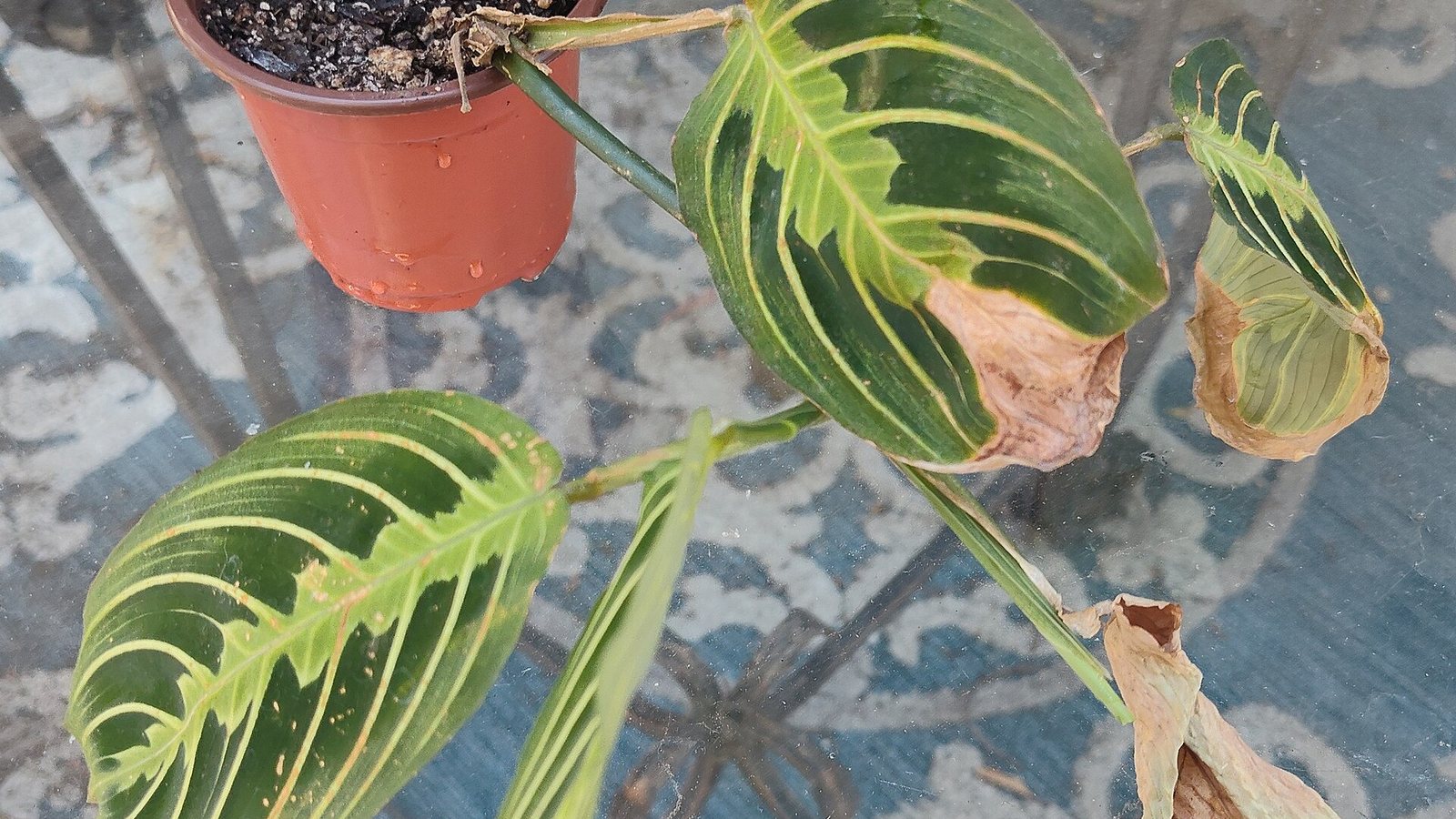
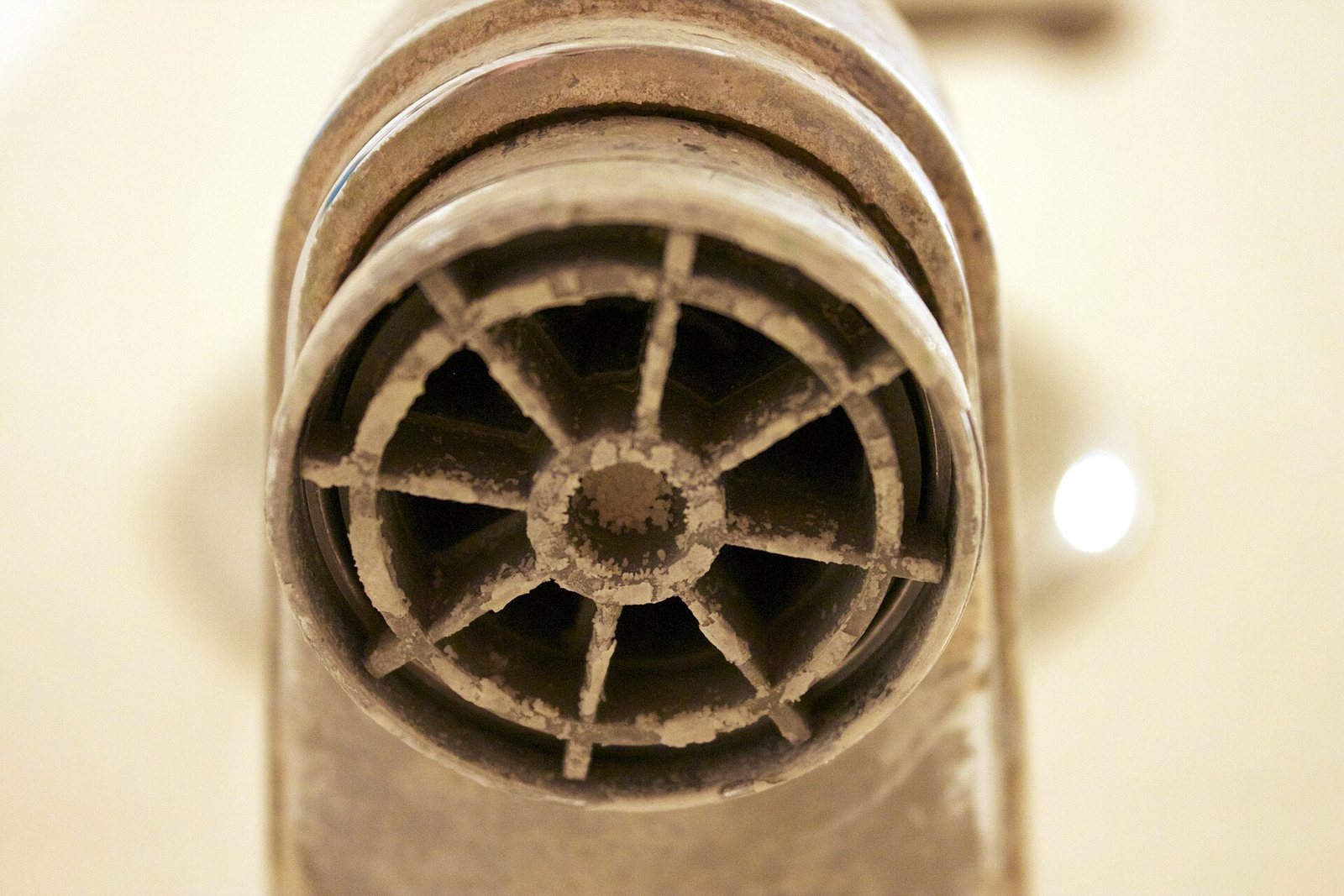
Iowa State University Extension says that chlorine and other chemicals in water, such as fluoride, can cause brown leaf tips, especially over a long period on sensitive species. It names spider plant (Chlorophytum comosum), ti plant, dracaena, prayer plant and calathea. The RHS adds that tap water often contains fluoride, which can build up in the pot and become toxic over time.
If one of these plants keeps producing brown tips while you are watering, feeding and placing it well, Iowa State's advice is simple: use a different water source. Rainwater is the obvious one; filtered or distilled water is the alternative if you cannot collect rain. Brown tips have several causes, though, including dry air and fertiliser salts, so read our guide to brown leaf tips before you blame the water.
Is rainwater better for plants?
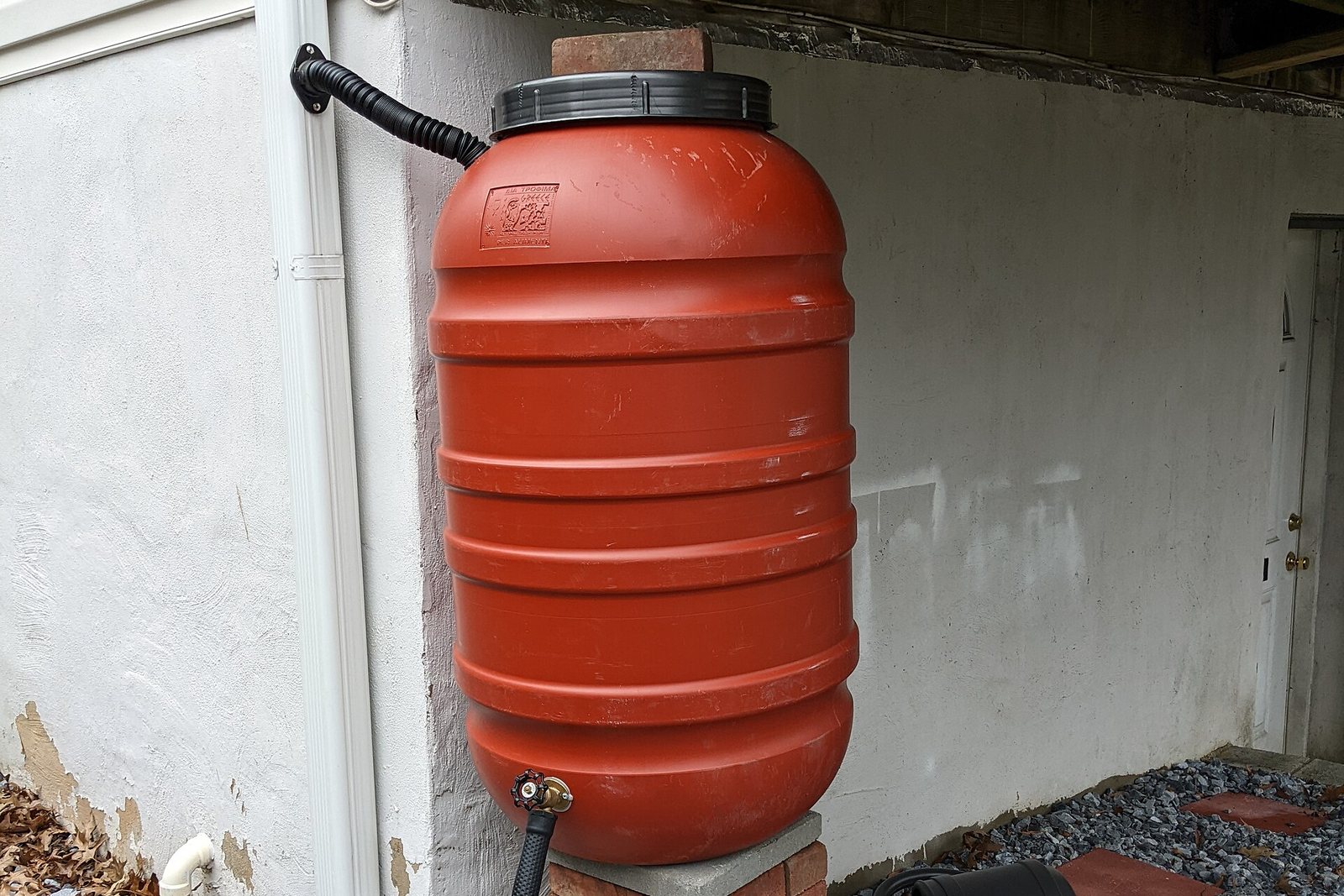
For lime-hating plants and fluoride-sensitive species, yes: the RHS names rainwater as the best choice for acid-loving plants, and it is the natural switch for plants that react to tap water. Outdoors the RHS also recommends storing rainwater from hard surfaces in water butts and using mains water only as a last resort, which saves water as well.
A few practical points make rainwater work indoors:
- Keep it clean. Use a container with a lid, so leaves, insects and debris stay out.
- Bring it inside early. Rain collected in winter is cold. Let it reach room temperature before watering, as you would with tap water.
- Do not stop when it runs out. In a dry spell, rested tap water is a perfectly good stand-in for most plants for a few weeks.
Why you should never use softened water
Many homes in hard-water areas have a water softener. Its water is fine for washing, but not for plants. The RHS says never to water plants with water from a domestic softener, because the salts it adds are highly toxic to plants. Clemson explains why: sodium and chloride from softened water build up in the potting mix and damage plants. Illinois gives the same warning. If your kitchen tap is softened, look for an unsoftened tap or use rainwater.
What does a white crust on the soil mean?
A white or pale crust on the soil surface or on the rim of a clay pot is a build-up of salts. They come from fertiliser and from minerals in the water. Clemson notes that high salt levels in the container can damage roots, and that watering until water drains from the bottom washes out the excess salts. Two habits keep salts down whatever water you use:
- Water thoroughly. Pour until water runs out of the drainage hole, then empty the saucer, so dissolved salts leave the pot instead of collecting in it.
- Feed only as much as the label says, and only while the plant is growing. Iowa State lists too much fertiliser as another cause of brown tips.
If the crust is thick, scrape off the top layer of mix and replace it with fresh compost, or repot into a fresh mix (see the best soil mix for houseplants).
A simple routine that covers most plants
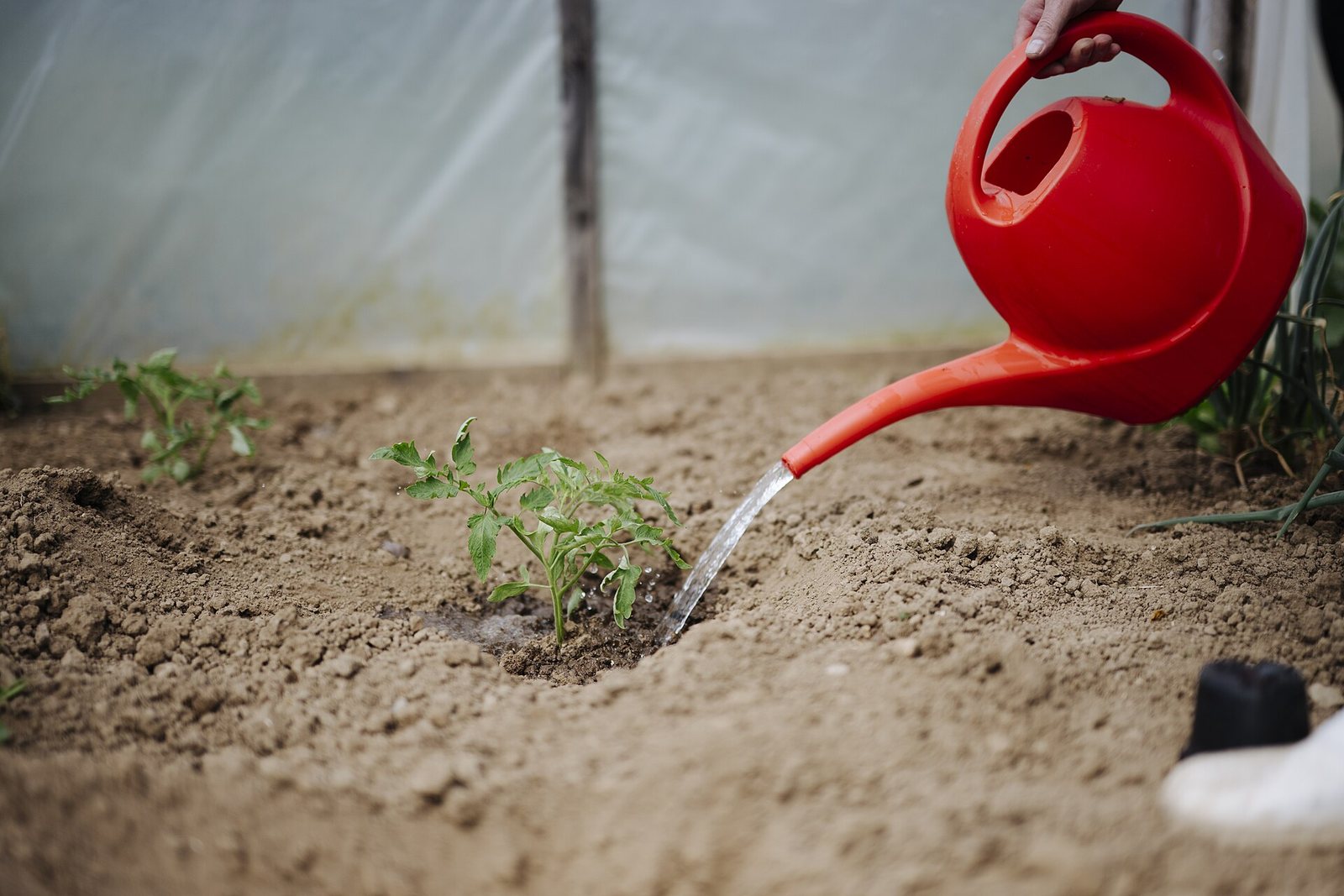
- Refill the watering can right after each round and leave it open, so the next round is room temperature and lower in chlorine.
- Keep a lidded container of rainwater for your lime-haters and your fluoride-sensitive plants.
- Never use softened water.
- Water thoroughly and empty saucers, so salts do not build up.
Flori's care profile for each plant shows its watering needs, and a watering reminder can prompt you to check the soil, which matters more than the type of water for most plants.
Frequently asked questions
Is tap water OK for houseplants?
Yes, for most houseplants. Use it at room temperature and, if you can, let it stand in an open container for about 24 hours so chlorine can disperse, as the RHS suggests.
Which houseplants should not get tap water?
Iowa State Extension names spider plant, ti plant, dracaena, prayer plant and calathea as sensitive to chlorine and fluoride, which cause brown tips over time. Lime-hating plants also do better on rainwater.
Does letting tap water sit remove fluoride?
Standing for 24 hours is advised for chlorine. For plants that keep showing fluoride-type brown tips, Iowa State's advice is to switch to a different water source, such as rainwater.
Can I water plants with softened water?
No. The RHS says salts from a domestic softener are highly toxic to plants, and Clemson notes that sodium and chloride build up in the potting mix. Use an unsoftened tap or rainwater.
Sources
Written and fact-checked by the Flori team. Every guide cites horticultural sources such as the RHS, university extension services and the ASPCA, and is updated when the advice changes. How we write our guides
General plant care information. Plants vary; when a plant is valuable or a problem spreads quickly, consult a local nursery or plant specialist.