Houseplants You Can Grow in Water
Pothos, philodendron, arrowhead, coleus, Swedish ivy, lucky bamboo and spider plant grow in water. Pet safety, light and how to root each one.
 By Flori editorial team · Updated
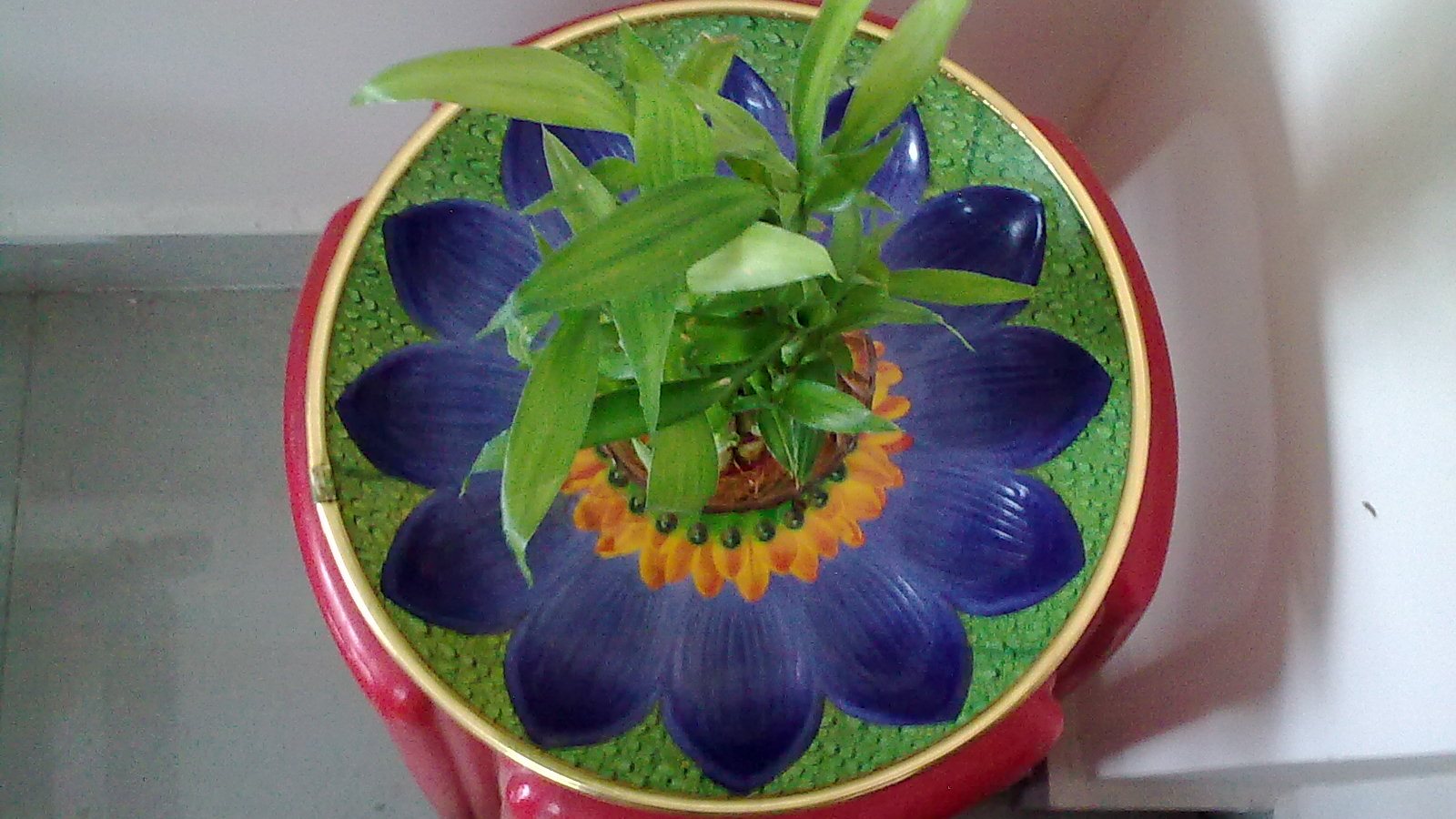 Photo: n.raveender · Public domain
The easiest houseplants to grow in water are golden pothos, heartleaf philodendron, arrowhead plant, coleus and Swedish ivy, which root readily from stem cuttings, plus lucky bamboo, which can live in chlorine-free water. Keep leaves above the waterline, change the water once or twice a week and give bright, indirect light. Most of these are toxic to pets.
Key takeaways
- Pothos, heartleaf philodendron, arrowhead, coleus and Swedish ivy root easily in plain water.
- Lucky bamboo can live in chlorine-free water long term with weekly water changes and a weak feed.
- Swedish ivy and spider plant are non-toxic to cats and dogs; the others on this list are toxic.
- Use a 7.5–12.5 cm (3–5 in) cutting with a node, keep leaves out of the water and expect roots in three to six weeks.
- Pot cuttings once roots are about 2.5 cm (1 in) long if you want full-sized plants.
On this page6
Which houseplants can you grow in water?
The houseplants that grow best in water are soft-stemmed vining and trailing plants that root easily from a cutting: golden pothos, heartleaf philodendron, arrowhead plant, coleus and Swedish ivy, plus lucky bamboo, which is often sold already growing in a vase. University of Maryland Extension names the first five as plants that root easily in plain tap water. This list gives one practical fact for each plant, including whether it is safe around cats and dogs, because a glass of cuttings on a windowsill is easy for a pet to reach. It also explains the difference between rooting a cutting in water and keeping a plant in water for good, which most lists skip.
Plants that grow in water: quick comparison
| Plant | How it does in water | Light | Cats and dogs |
|---|---|---|---|
| Golden pothos (Epipremnum aureum) | Roots easily from stem cuttings | Bright, indirect | Toxic (ASPCA) |
| Heartleaf philodendron (Philodendron hederaceum) | Roots easily from stem cuttings | Bright, indirect | Toxic (ASPCA) |
| Arrowhead plant (Syngonium podophyllum) | Roots easily from stem cuttings | Bright, indirect | Toxic (ASPCA) |
| Coleus (Plectranthus scutellarioides) | Roots easily from stem cuttings | Bright, indirect | Toxic (ASPCA) |
| Swedish ivy (Plectranthus verticillatus) | Roots easily from stem cuttings | Bright, indirect | Non-toxic (ASPCA) |
| Lucky bamboo (Dracaena sanderiana) | Can be kept long term in chlorine-free water | Bright, indirect | Toxic (NC State) |
| Spider plant (Chlorophytum comosum) | Plantlets root readily; sensitive to fluoride and chlorine | Medium, no direct sun | Non-toxic (ASPCA) |
Rooting in water vs living in water
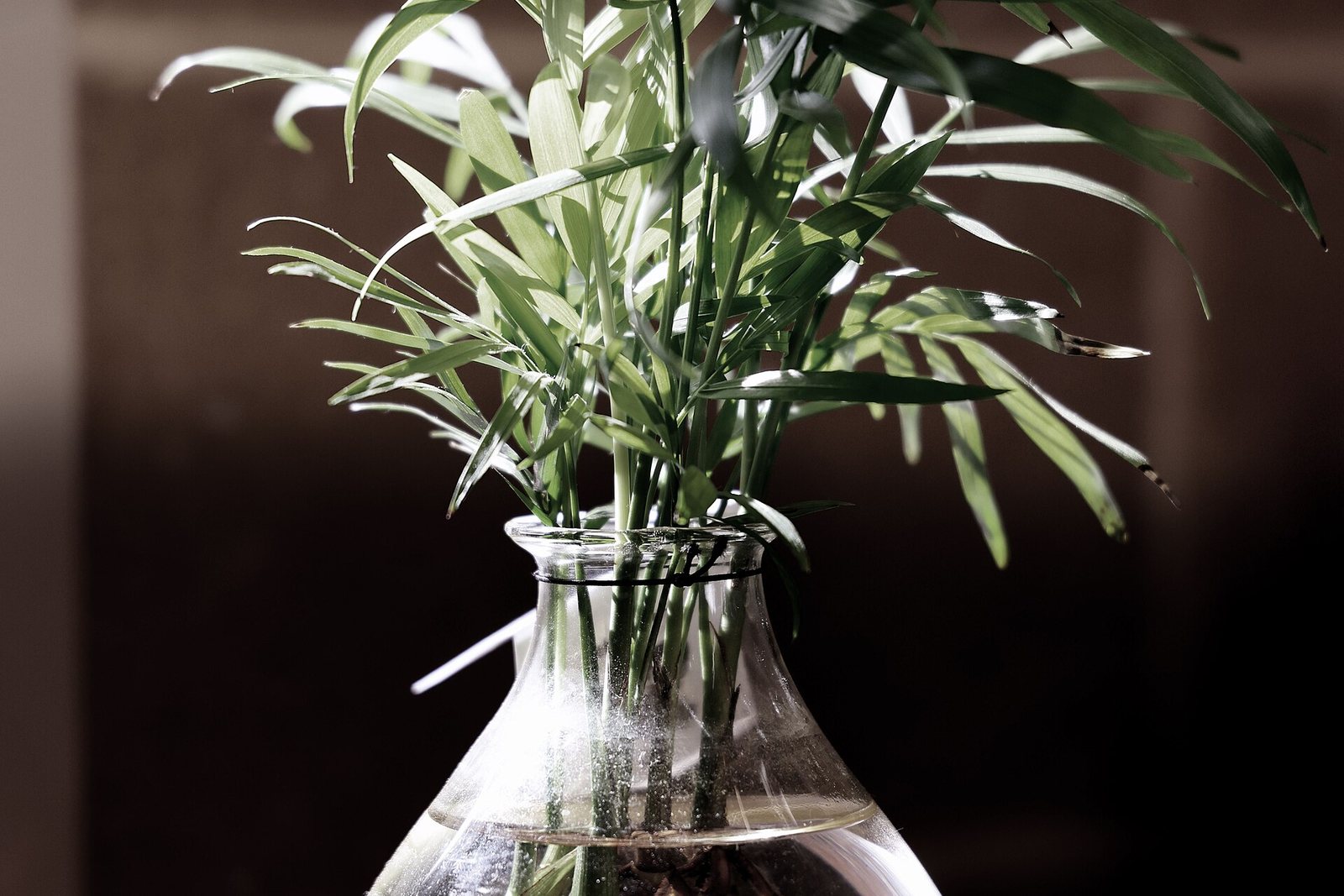
Many houseplants root in a jar of water, as Iowa State Extension puts it, but rooting a cutting and keeping a plant in water for years are different things. Water has none of the nutrients that potting mix supplies, and it holds less oxygen as it goes stale. Iowa State also notes that roots formed in water are coarser than roots formed in soil, so a cutting moved to a pot needs a little time to adjust.
That leaves you two options. You can treat water as a nursery: root the cutting, then pot it up. Or you can keep the plant in water as a display, changing the water often and adding a very weak liquid fertiliser, as NC State Extension recommends for lucky bamboo. Expect slower, smaller growth than the same plant in soil.
The plants, one by one
Golden pothos
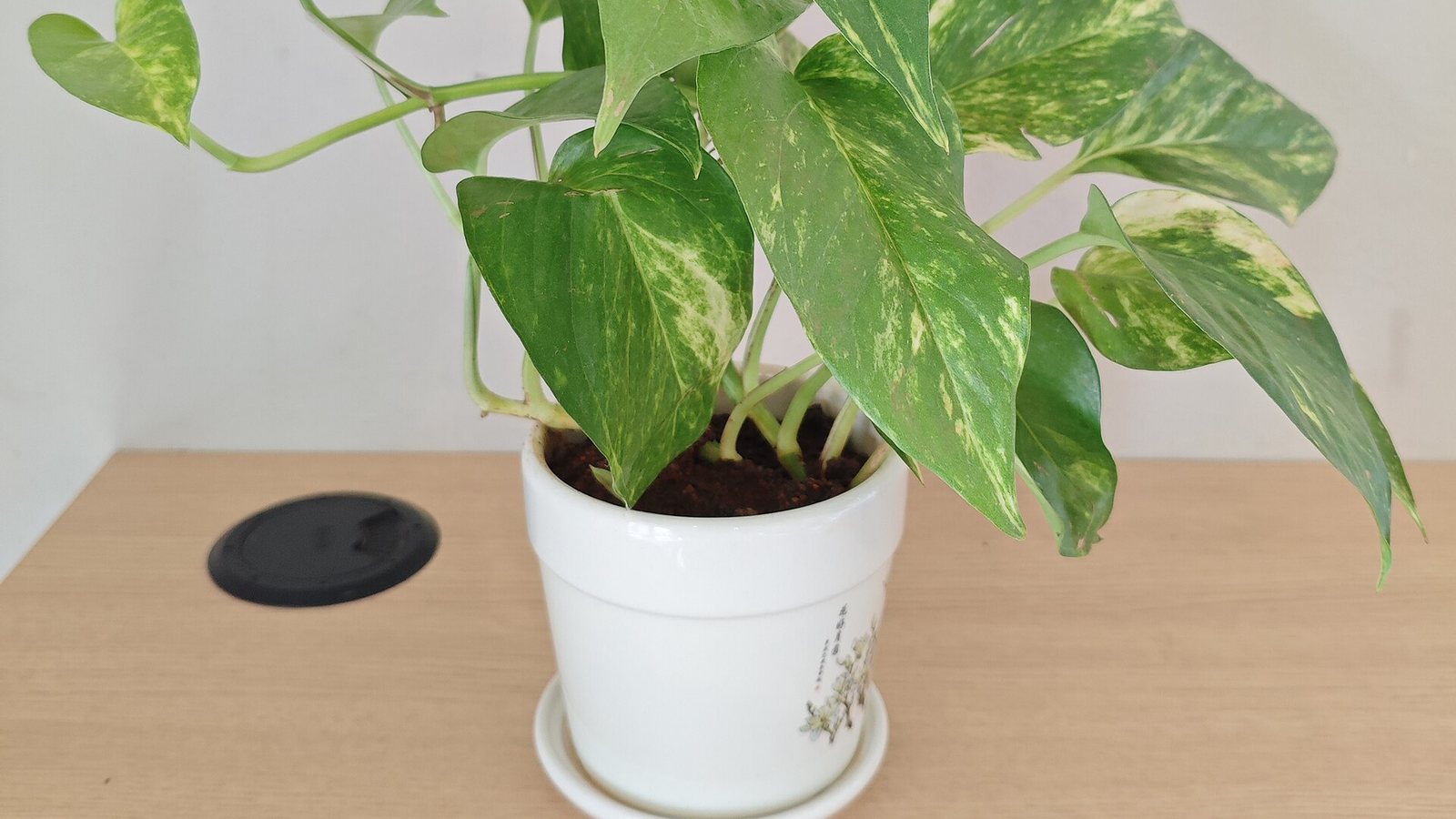
NC State says pothos vines root easily in water, and it is the plant most people start with; our step-by-step guide to propagating pothos in water covers it in detail. It tolerates low light for long periods, though variegation fades without enough light. The ASPCA lists golden pothos as toxic to cats and dogs: its insoluble calcium oxalates cause intense burning in the mouth, drooling, vomiting and difficulty swallowing.
Heartleaf philodendron
The heart-shaped trailing philodendron behaves much like pothos in a glass of water and, according to Maryland Extension, roots just as easily. It is also toxic to cats and dogs, according to the ASPCA, with similar mouth irritation and drooling.
Arrowhead plant
Arrowhead plant is on Maryland Extension's list too. Older plants climb and produce more divided leaves, so cuttings are a handy way to keep a compact, bushy plant. The ASPCA lists it as toxic to cats, dogs and horses.
Coleus
Coleus roots quickly and gives colour that the green vines do not. Pinch out flower spikes on the cuttings so they put energy into roots and leaves. The ASPCA lists coleus as toxic to cats, dogs and horses; its essential oils can cause vomiting and diarrhoea.
Swedish ivy
A trailing plant with scalloped, rounded leaves, Swedish ivy is the safest choice on this list for a home with pets: the ASPCA lists it as non-toxic to dogs, cats and horses.
Lucky bamboo
Despite the name, lucky bamboo is a dracaena, not a bamboo. It is the one plant here that NC State describes as able to grow in water as an alternative to soil. Use chlorine-free water, change it weekly, add pebbles to anchor the stems and give an occasional weak liquid feed. Keep it in bright, indirect light. NC State lists it as toxic to cats and dogs, so keep the vase out of reach.
Spider plant
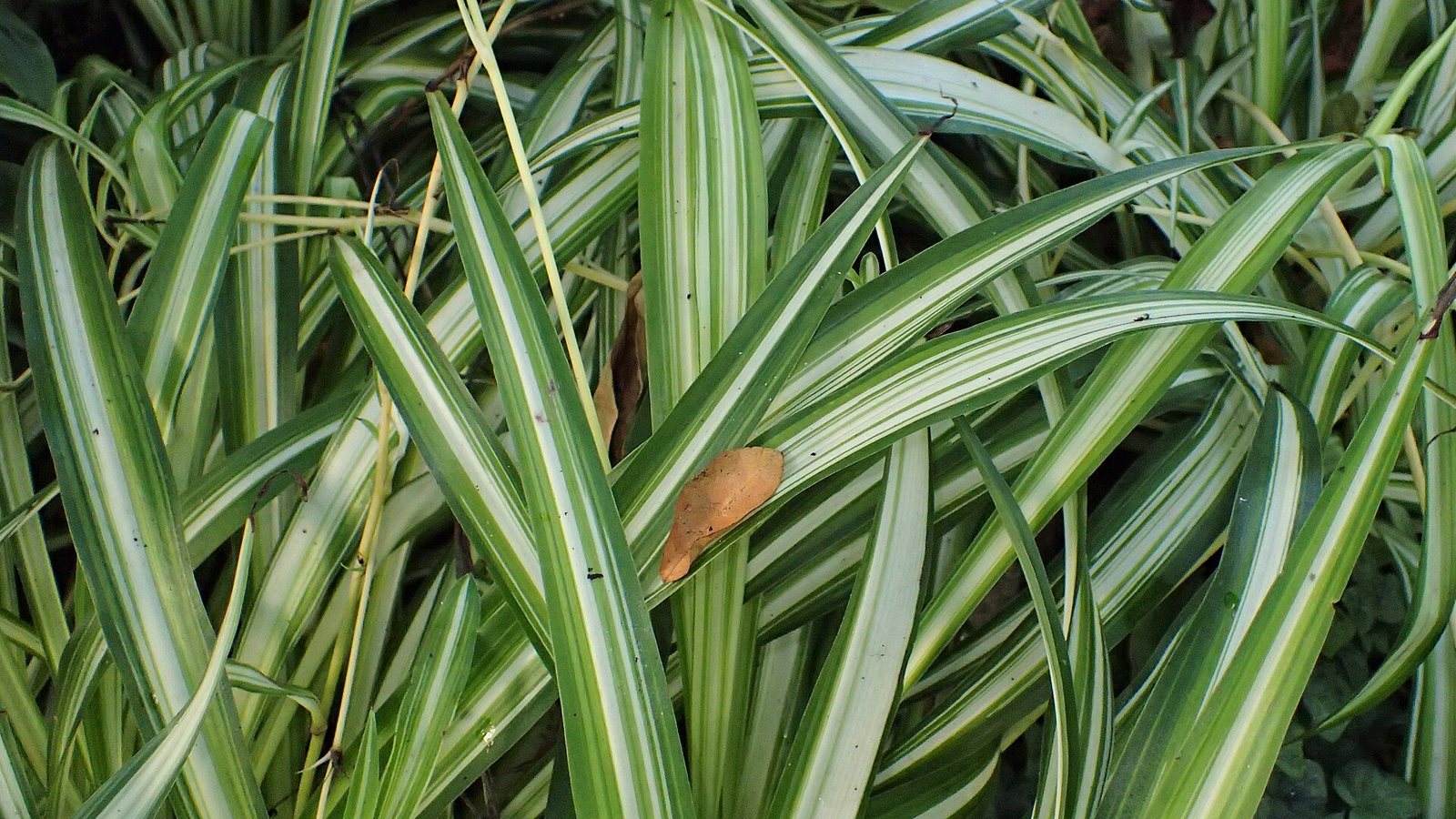
Spider plants produce small plantlets on long runners, and these root readily. NC State warns that chlorine and fluoride in tap water can cause brown leaf tips, so use rainwater or filtered water if you root them in water. Both the ASPCA and NC State list spider plants as non-toxic to cats and dogs; see our list of pet-safe houseplants for more.
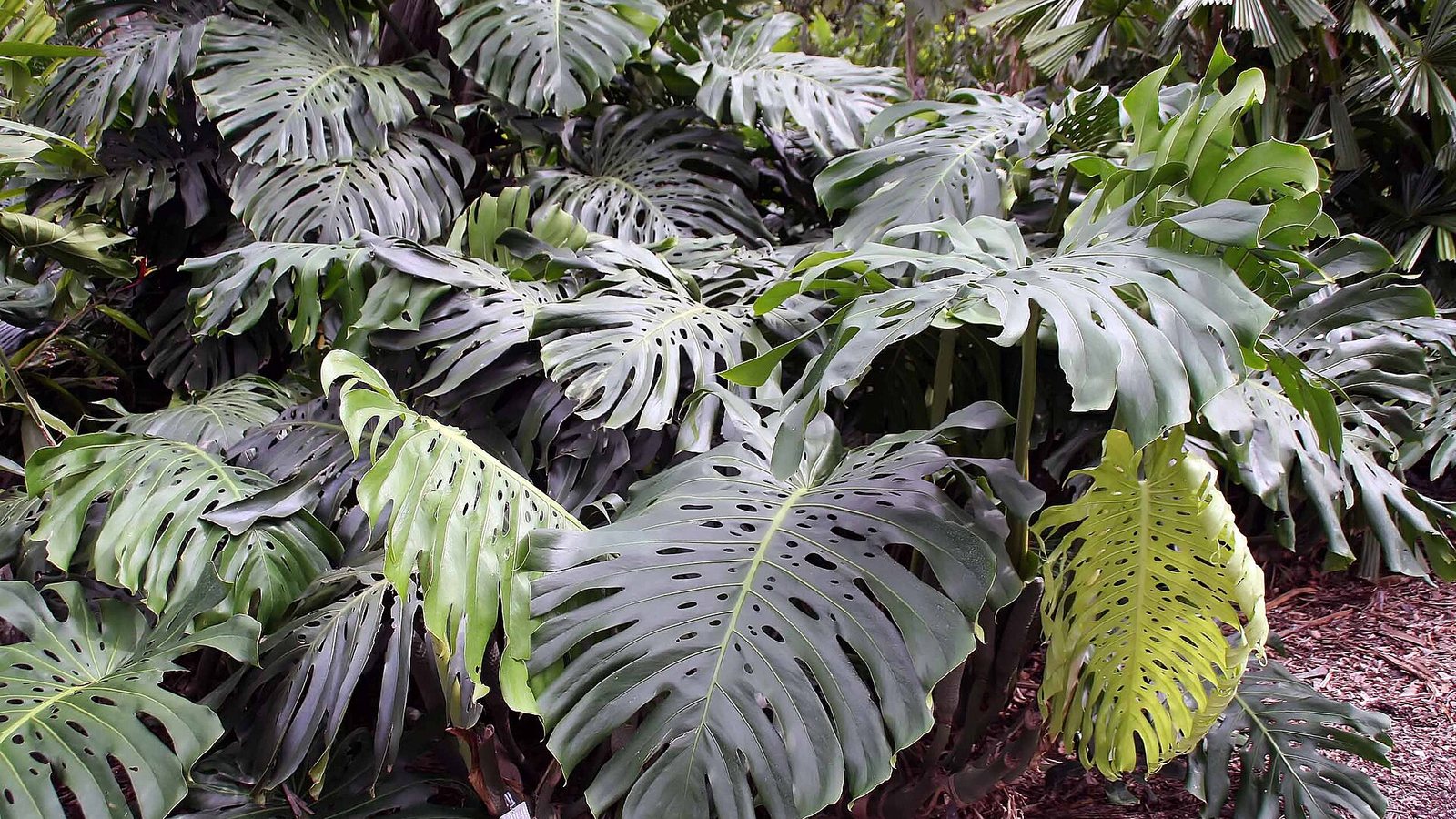
Larger plants root this way too: Iowa State shows a monstera cutting rooted in water. Take a section with a node and an aerial root, and remember that monstera is toxic to pets.
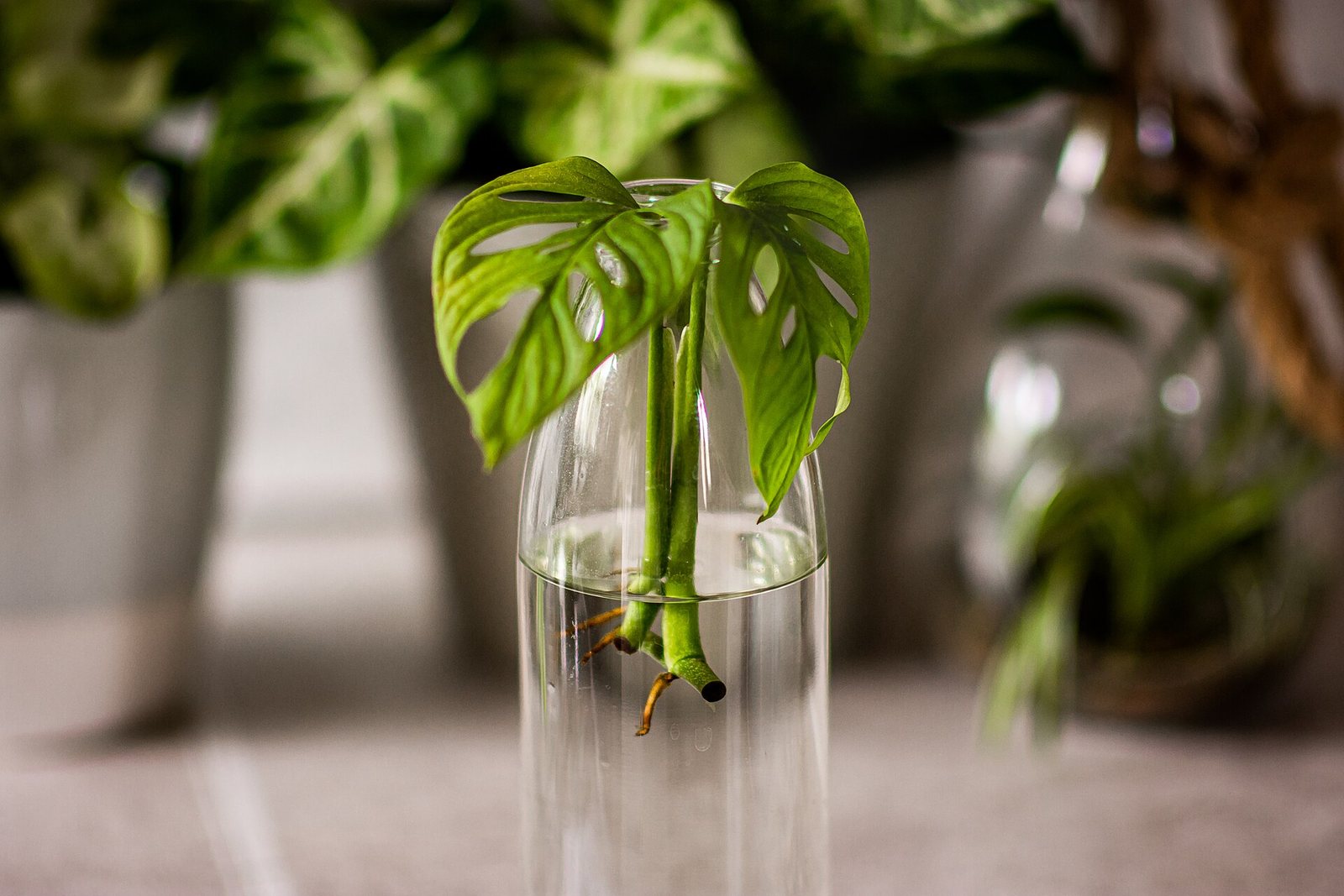
How to root a cutting in water
- Take the cutting. Maryland Extension suggests a 7.5–12.5 cm (3–5 in) piece of healthy stem with at least one node, the point where a leaf joins the stem. Thin stems root more reliably than thick ones.
- Strip the lower leaves. Keep a few leaves at the tip and make sure no leaves sit below the waterline, where they rot.
- Use a clean glass. Fill it with fresh water so the node is submerged.
- Find the right spot. Bright light but no direct sun, away from cold draughts, at around 21 °C (70 °F).
- Change the water. Maryland Extension says at least twice a week, or sooner if it turns cloudy; Iowa State says once or twice a week, and never let the level drop below the roots.
- Wait. Iowa State says most houseplant cuttings root in three to six weeks.
If a large-leaved cutting wilts before it roots, Maryland Extension suggests removing some of the bigger leaves to reduce water loss.
When to move a water cutting into soil
Iowa State suggests potting cuttings when the roots are about 2.5 cm (1 in) long. Maryland Extension suggests letting roots grow for another one to two weeks after they appear, then planting in a small, well-draining pot and keeping the mix moist until new leaves appear. Use a fresh potting mix suited to the plant (see our guide to the best soil mix for houseplants), and avoid a pot much bigger than the roots.
Not sure what your cutting is? Flori can identify a plant from a photo and show its care profile, including whether it is toxic to pets. If a cat or dog chews any plant marked toxic, contact your vet or an animal poison line.
Frequently asked questions
Can plants live in water forever?
Some, like lucky bamboo, can live in water for a long time if you change it regularly and add a very weak liquid fertiliser. Most cuttings grow slower and smaller than in soil, so many people pot them once rooted.
How often should I change the water for cuttings?
Once or twice a week, or sooner if the water turns cloudy. Never let the level drop below the roots.
Which water-grown plants are safe for cats?
On this list, Swedish ivy and spider plant are non-toxic to cats and dogs according to the ASPCA. Pothos, philodendron, arrowhead, coleus and lucky bamboo are toxic.
Can I use tap water for plants in water?
For most cuttings, yes. Lucky bamboo prefers chlorine-free water, and spider plants can get brown tips from chlorine and fluoride, so use rainwater or filtered water for those.
Sources
- University of Maryland Extension: Make More Plants From Cuttings: 5 Plants That Root Easily in Water
- Iowa State University Extension: How to Propagate Houseplants by Stem Tip Cuttings
- NC State Extension Gardener Plant Toolbox: Dracaena sanderiana
- NC State Extension Gardener Plant Toolbox: Chlorophytum comosum
- ASPCA: Golden Pothos
Written and fact-checked by the Flori team. Every guide cites horticultural sources such as the RHS, university extension services and the ASPCA, and is updated when the advice changes. How we write our guides
General plant care information. Plants vary; when a plant is valuable or a problem spreads quickly, consult a local nursery or plant specialist.