Growing Herbs Indoors in Winter: What Works
Which herbs survive indoors in winter, how much light they need, why basil struggles, and how to bring garden herbs inside before the frost.
 By Flori editorial team · Updated
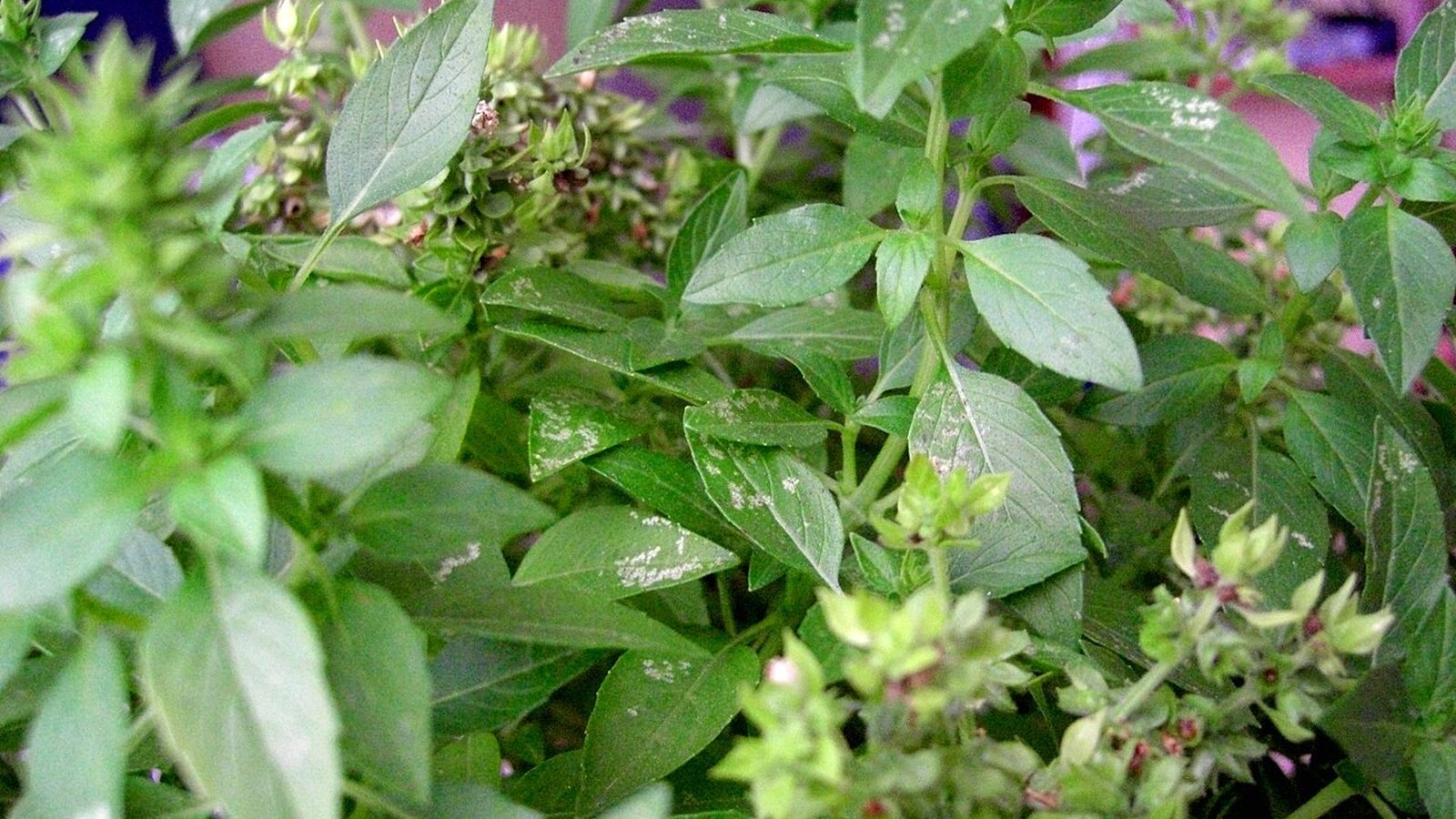 Photo: Jjvaca · CC BY-SA 3.0
Most herbs want about 6 hours of direct sun, which a winter window rarely gives, so add a grow light for 14–16 hours a day. Chives, thyme and lemon balm cope best. Basil is fussiest: it needs 10–12 hours of bright light and never below 10 °C (50 °F).
Key takeaways
- Light is the winter limit: most herbs want about 6 hours of direct sun, so a grow light for 14–16 hours a day is the fix.
- Chives, lemon balm and cilantro manage with 2–6 hours of direct sun; basil needs 10–12 hours of bright light.
- Keep basil above 10 °C (50 °F) and move tender herbs off cold glass at night.
- Water when the mix starts to dry; woody herbs like rosemary and thyme prefer it slightly dry, basil never fully dry.
- Parsley, mint and tarragon are toxic to cats and dogs; basil is not (ASPCA).
On this page8
- Can you really grow herbs indoors in winter?
- Which herbs cope with winter indoors, and which struggle?
- How much light do herbs get on a winter windowsill?
- Why do herbs struggle in winter even with enough light?
- How do you bring garden herbs indoors for winter?
- Should you buy supermarket herbs in winter?
- How should you feed and harvest herbs in winter?
- Are indoor herbs safe for cats and dogs?
Can you really grow herbs indoors in winter?
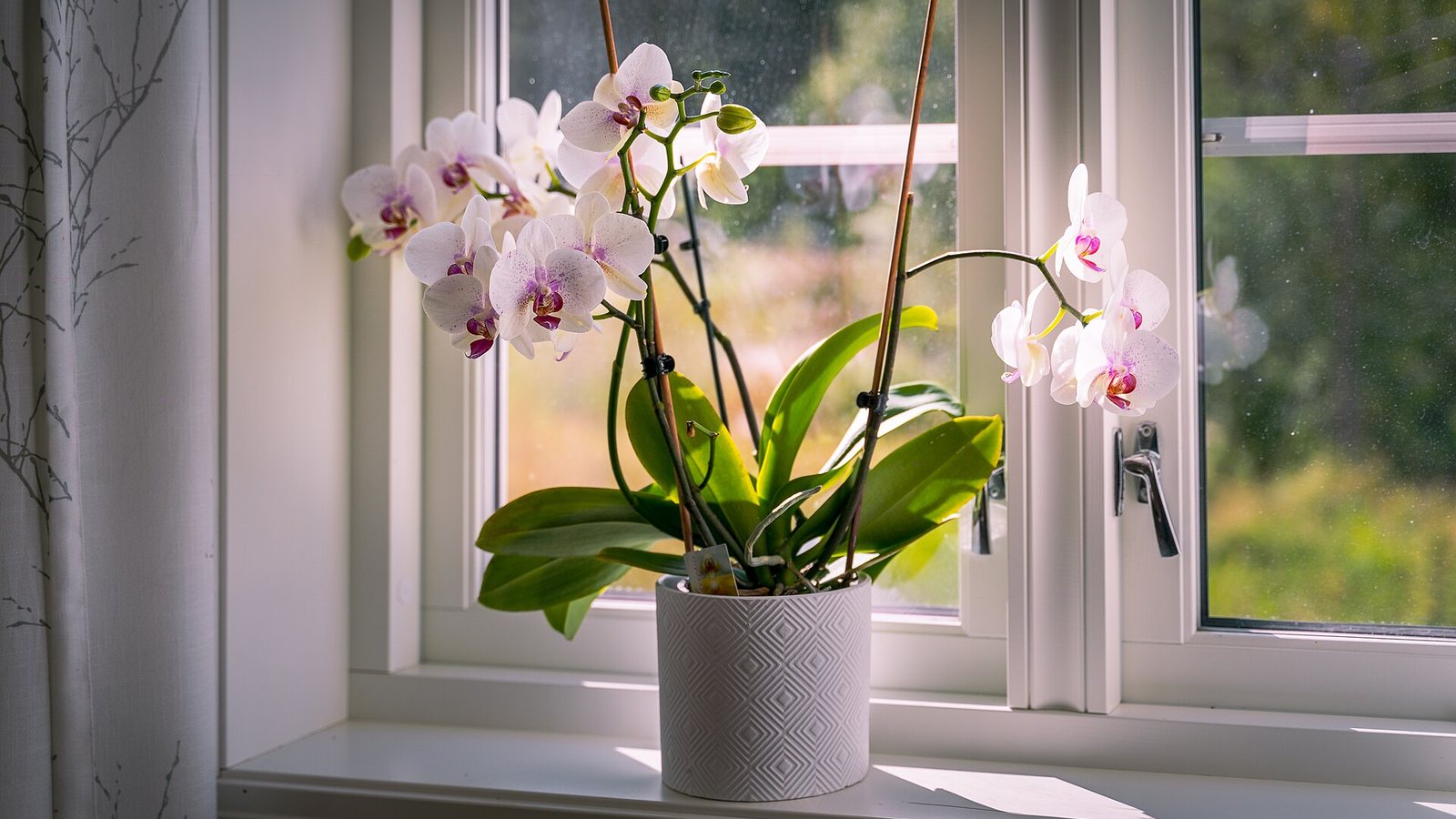
Yes, but winter changes the rules. The same basil that thrived on the sill in August sulks in December, because the days are short, the glass is cold and the heating is dry. The good news is that a few herbs are almost made for this season and the rest can be rescued with one cheap fix: more light. This guide is about the winter problem specifically; if you are starting a herb garden from scratch, our windowsill herb garden guide covers pots, mixes and the basics.
Penn State Extension puts the baseline simply: most herbs need about 6 hours of direct sun a day, which a winter window in the Northern Hemisphere (December to February) or the Southern Hemisphere (June to August) rarely delivers.
Which herbs cope with winter indoors, and which struggle?
Sort your herbs by how much light they need, not by how much you like them. Penn State lists bay, rosemary and thyme as the herbs that want direct sun, while lemon balm, chives and cilantro (coriander) manage with 2 to 6 hours. Basil is the fussy one: an extension answer on bringing herbs inside says it wants 10 to 12 hours of bright light a day, usually from artificial light, and Penn State adds that it cannot tolerate anything below 10 °C (50 °F).
| Herb | Winter indoors | Watch out for |
|---|---|---|
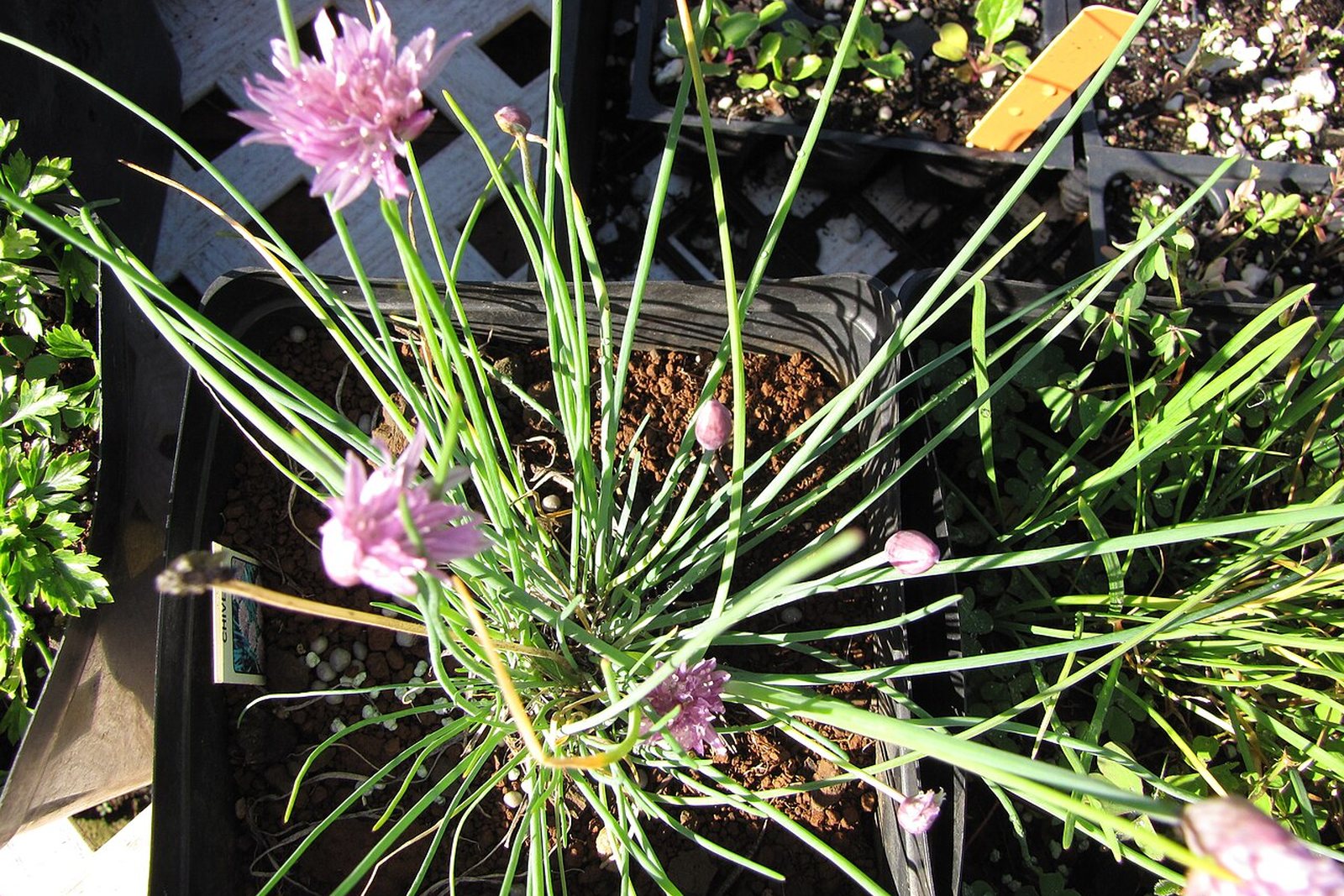
| Chives | Easiest: copes with 2–6 hours of direct sun | Toxic to cats and dogs |
| Lemon balm, cilantro | Fine with 2–6 hours of direct sun | Cilantro is a short-lived annual: sow again |
| Rosemary, thyme | Need your very sunniest window or a grow light | Let the mix dry slightly between waterings |
| Basil | Hardest: 10–12 hours of bright light, never below 10 °C (50 °F) | Never let it dry out completely; keep off the cold sill |
| Mint | May slow down or die back in winter (RHS) | Toxic to cats and dogs if a lot is eaten |
| Parsley | Needs a bright window; the sources I checked give no exact hours | Toxic to pets in large amounts |
If you cook with basil every day, plan on a grow light. If you only want something green and snippable, start with chives and thyme and add the rest as you gain confidence.
How much light do herbs get on a winter windowsill?
Less than it feels like. A bright room can still be dim for a herb that wants direct sun, and the pale, leggy growth that follows is the signal to act. Rotate pots regularly so every side of the plant catches the light, as Penn State advises.
Where the window cannot supply enough, Penn State suggests two 40-watt cool white fluorescent tubes 15–30 cm (6–12 in) above the herbs for 14 to 16 hours a day. Modern LED grow lights do the same job; our grow lights guide explains how far to hang one and how long to run it. A plug-in timer saves you remembering.
Why do herbs struggle in winter even with enough light?
Three things hurt herbs in winter, and light is only the first.
- Cold glass and drafts. Leaves touching a freezing window suffer, and the extension advice is to keep herbs away from drafts and dry heat vents. Penn State recommends daytime temperatures of at least 18–21 °C (65–70 °F) and nights around 13–16 °C (55–60 °F); most herbs survive the mid-to-low 40s °F (about 5–8 °C), but basil does not. At night, move tender pots off the sill into the room.
- Dry heating air. Forced-air heating makes winter the driest time indoors. Penn State suggests grouping the pots, standing them on trays of moist pebbles, or using a humidifier. See our radiator heat and dry air guide for the damage to look for.
- Overwatering. Growth slows in dim weather, so the mix stays wet for longer. Penn State says to water when the mix starts to dry out: woody herbs such as rosemary, thyme, oregano and sage should dry slightly between waterings, while basil should never dry out completely. Always use pots with drainage holes.
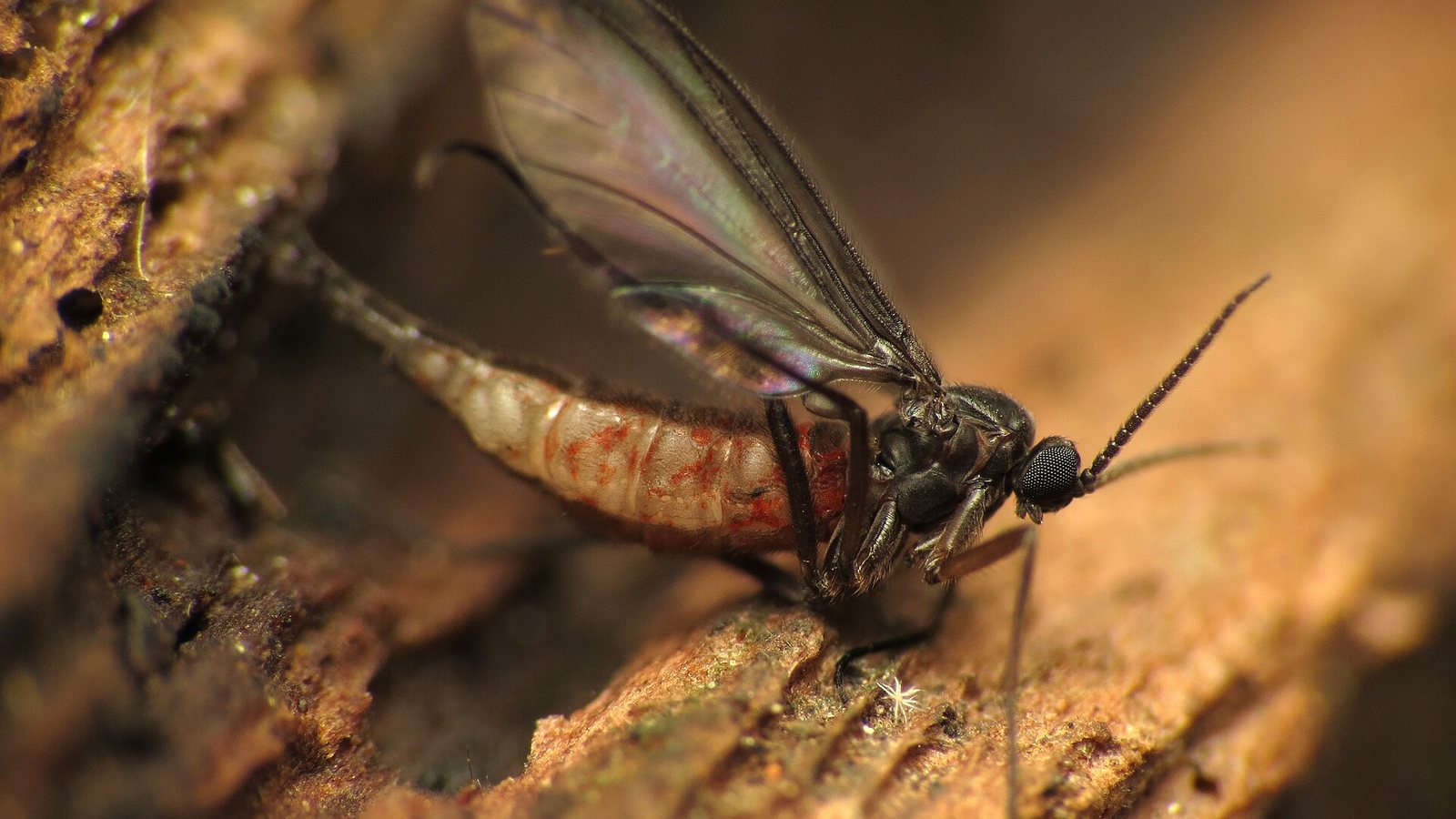
Soggy mix also invites fungus gnats, which Penn State controls with yellow sticky traps and drier watering; our fungus gnats guide goes further.
How do you bring garden herbs indoors for winter?
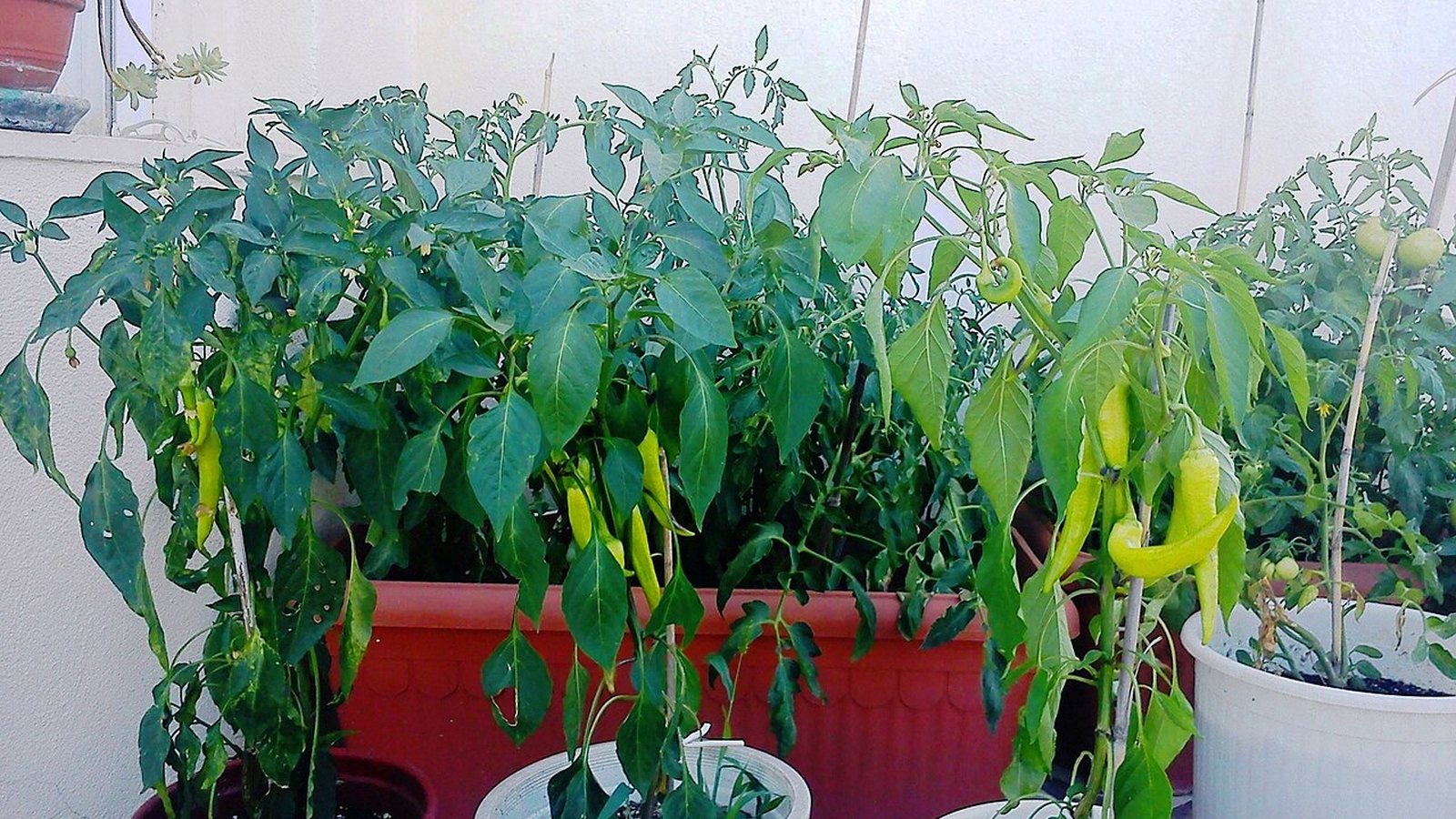
This depends on where you live. The RHS says most herbs survive winter outdoors if they are kept where they cannot freeze, become saturated by rain or dry out completely, and that mint, oregano, rosemary, thyme and sage can live outside all year once established. So on a mild coast, such as the Mediterranean and Aegean shores of Türkiye, the hardy herbs may be happier outside than on a dim sill. In inland Anatolia or anywhere with hard frosts, move pots to a bright, unheated but frost-free spot, or indoors.
Tender herbs are different. An extension answer notes that frost kills tender annuals such as basil, cilantro and dill, and the RHS says basil needs a warm, bright, frost-free place. Move these before the first frost. If space is tight, the same source suggests rooting stem cuttings instead of moving whole plants. Check leaves for pests before bringing anything in, and wash leaves before you cook with them, as Penn State advises.
Should you buy supermarket herbs in winter?
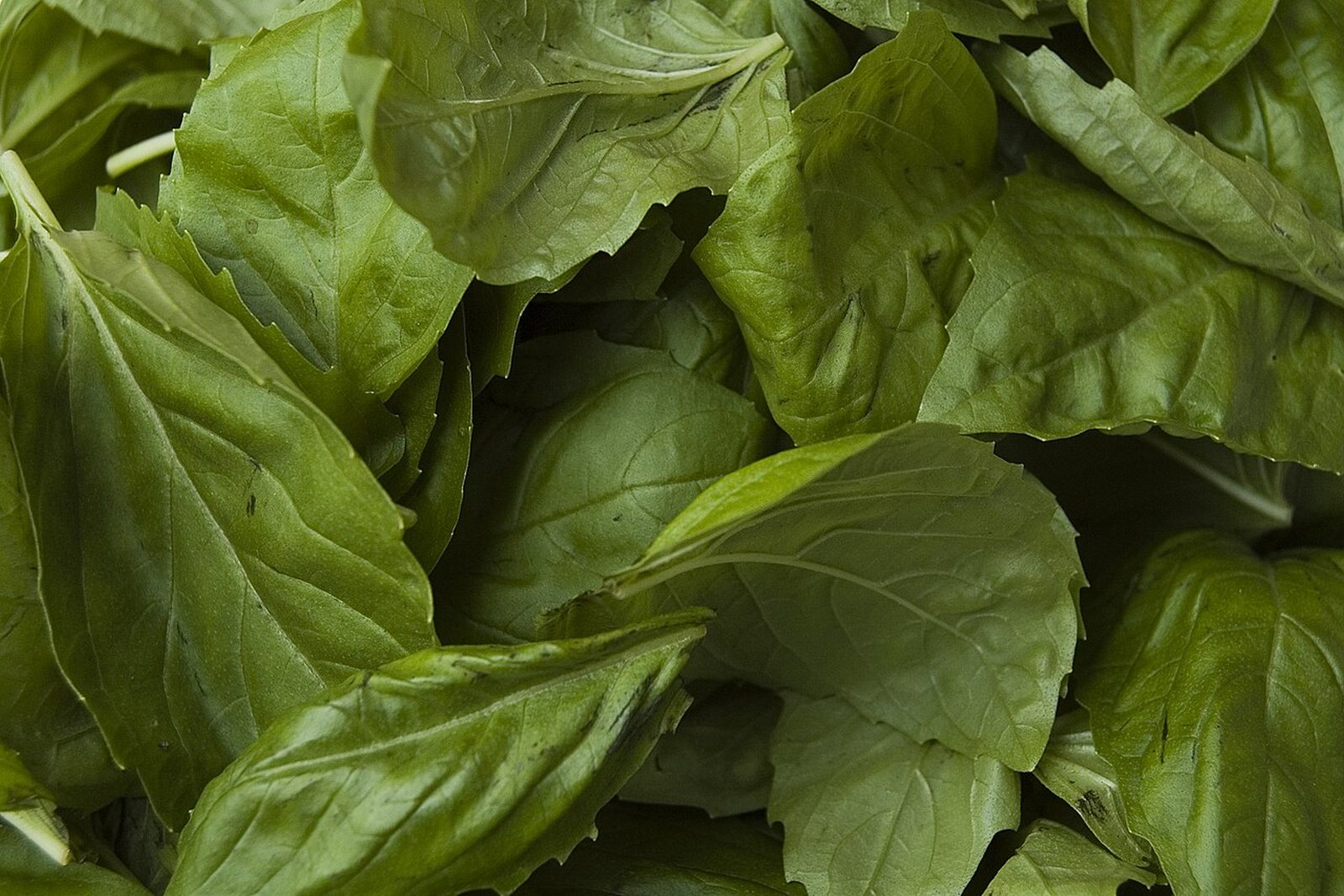
You can, with realistic expectations. The RHS notes that shop-bought herbs are usually grown under glass and are often too lush and stressed to settle well. Split the crowded pot into two or three smaller ones with fresh potting mix, give them your brightest window and treat them as short-term crops. Chives and mint handle this best.
How should you feed and harvest herbs in winter?
Go gently. Penn State recommends a low dose of water-soluble fertiliser every two weeks and warns that feeding more often can harm flavour and aroma. Check the label, because some organic products smell strongly. Pick little and often from the tips so the plant stays bushy, and never strip a slow-growing winter plant bare. For repotting, wait until early spring, when roots come through the drainage hole, as Penn State suggests.
Are indoor herbs safe for cats and dogs?
Not all of them. The ASPCA lists basil as non-toxic to both cats and dogs, but parsley is toxic (a large amount can cause sun-sensitive skin irritation) and mint is toxic (vomiting and diarrhoea with large ingestions). Penn State also warns that tarragon is toxic to dogs and cats. Keep those out of reach, and see our pet-safe houseplants list for alternatives. If your pet eats one, call your vet or ASPCA Animal Poison Control.
For the other things winter does to your plants, see winter houseplant care.
Frequently asked questions
Can I grow basil on a windowsill in winter?
Only with strong light and warmth. Basil needs 10–12 hours of bright light a day, usually from a grow light, and it cannot tolerate temperatures below 10 °C (50 °F), so keep it off cold glass.
Which herbs are easiest indoors in winter?
Chives, lemon balm and cilantro cope with 2–6 hours of direct sun, which makes them the most forgiving. Rosemary and thyme need your sunniest window or a grow light.
Do I need a grow light for herbs in winter?
Usually yes. Most herbs want about 6 hours of direct sun, and winter windows rarely give that. Penn State suggests fluorescent tubes 15–30 cm (6–12 in) above the plants for 14–16 hours a day.
Should I bring my garden herbs inside for winter?
Tender herbs such as basil, cilantro and dill, yes, before the first frost. Hardy ones like thyme, rosemary, sage and mint can stay outside in mild areas if they do not freeze or sit in soggy soil.
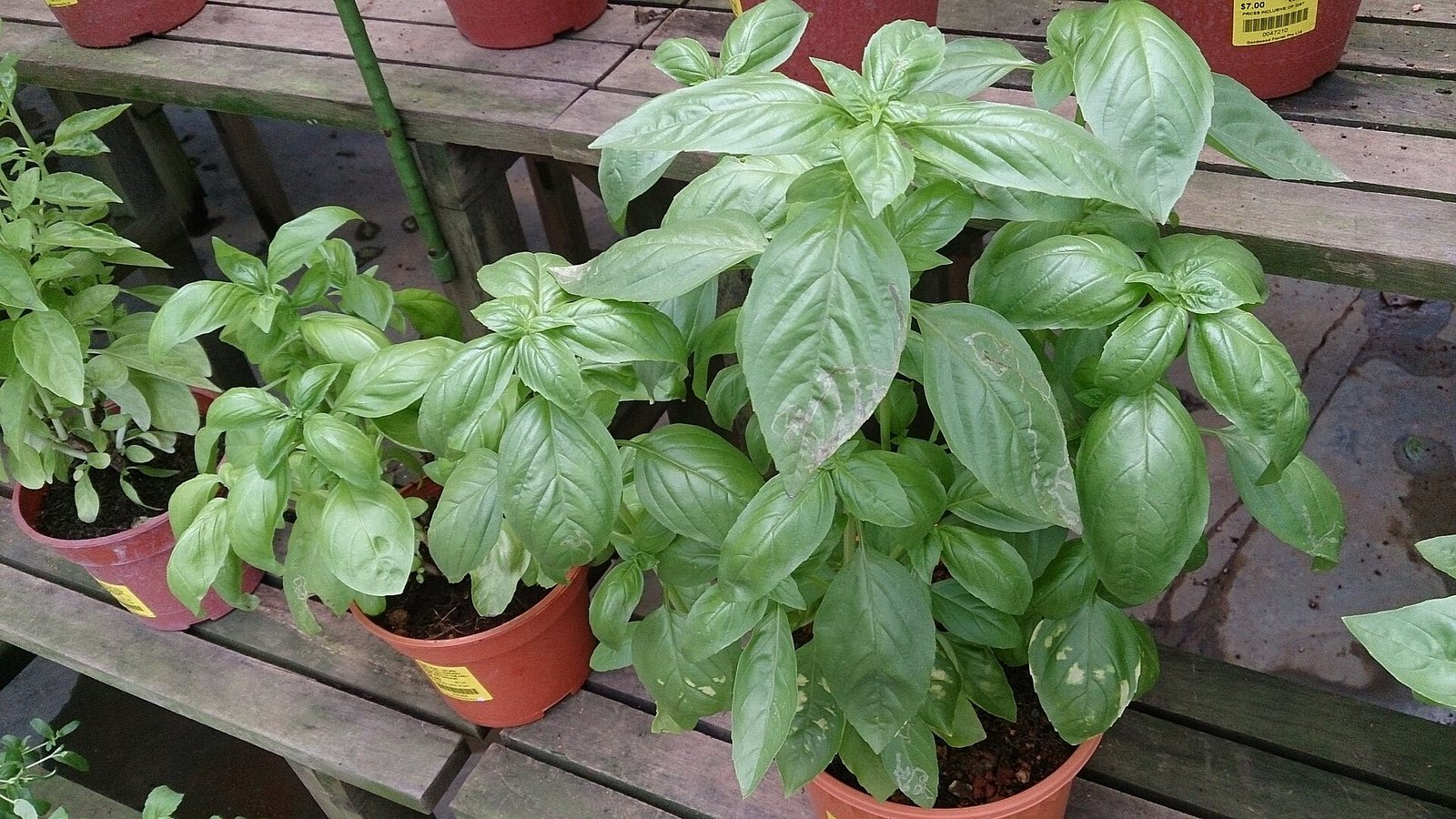
Start a windowsill herb garden that lasts: the sunniest window, the right pots and mix, watering herb by herb, and which herbs are safe around pets.
Sources
Written and fact-checked by the Flori team. Every guide cites horticultural sources such as the RHS, university extension services and the ASPCA, and is updated when the advice changes. How we write our guides
General plant care information. Plants vary; when a plant is valuable or a problem spreads quickly, consult a local nursery or plant specialist.