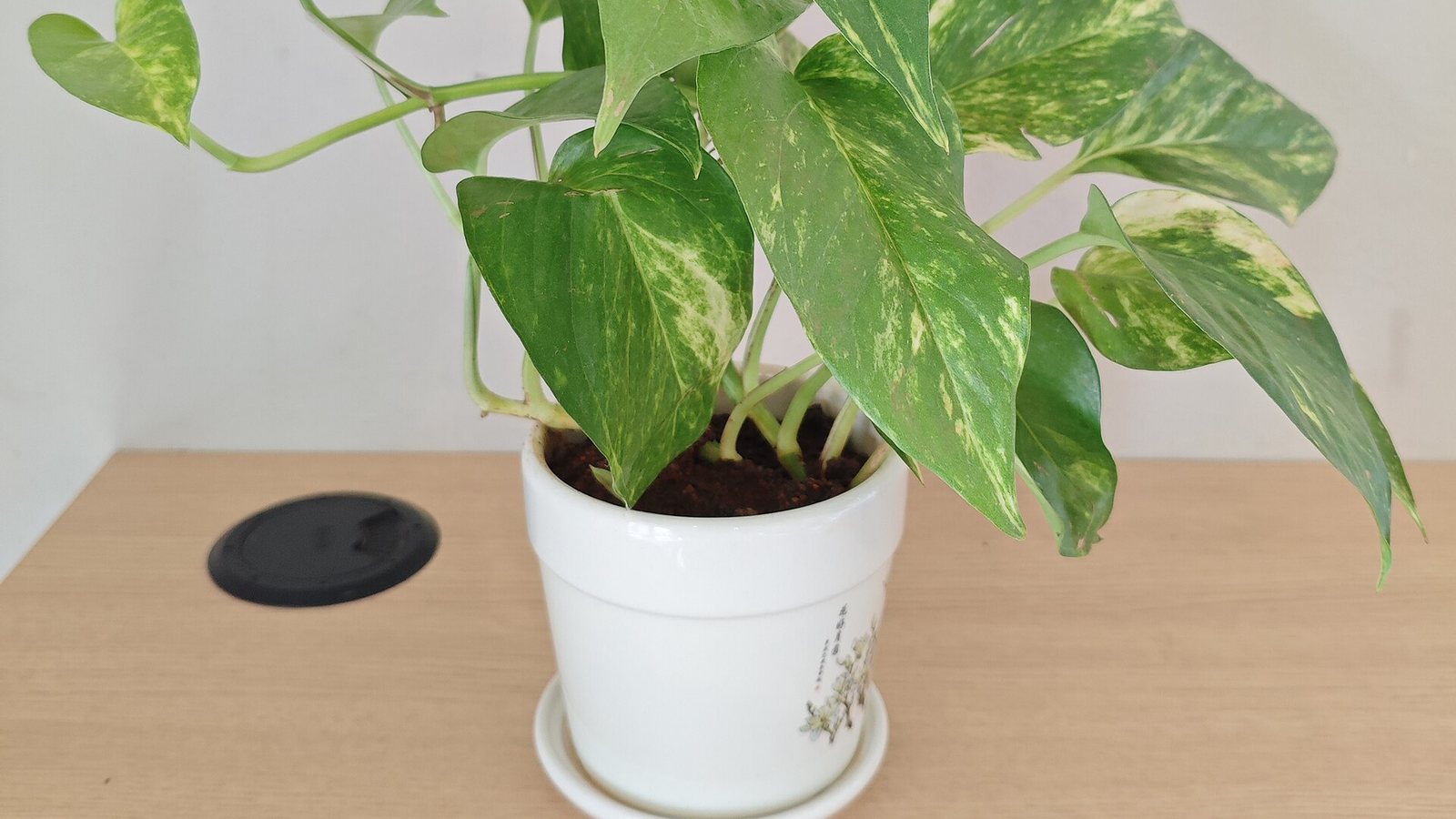
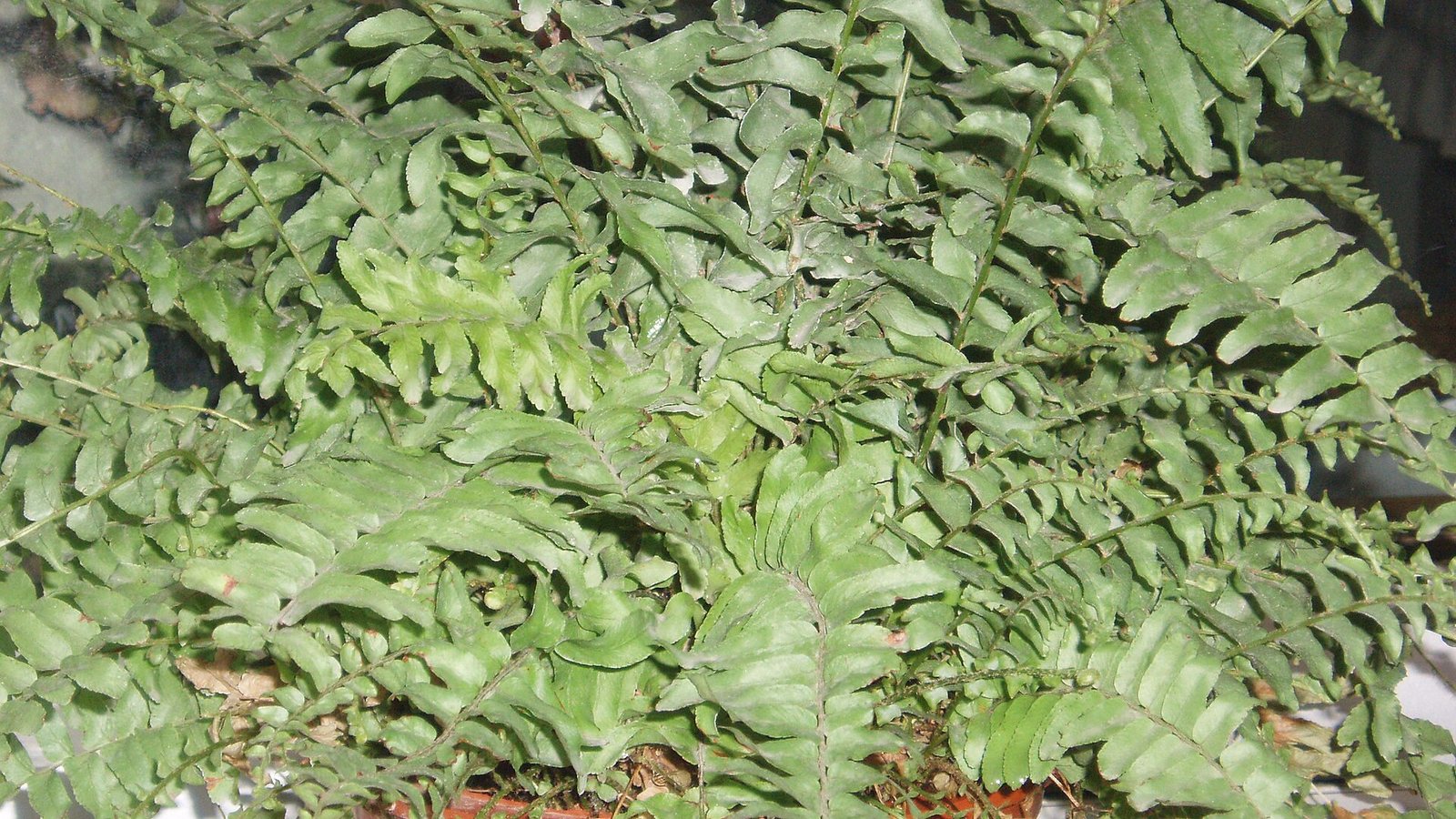
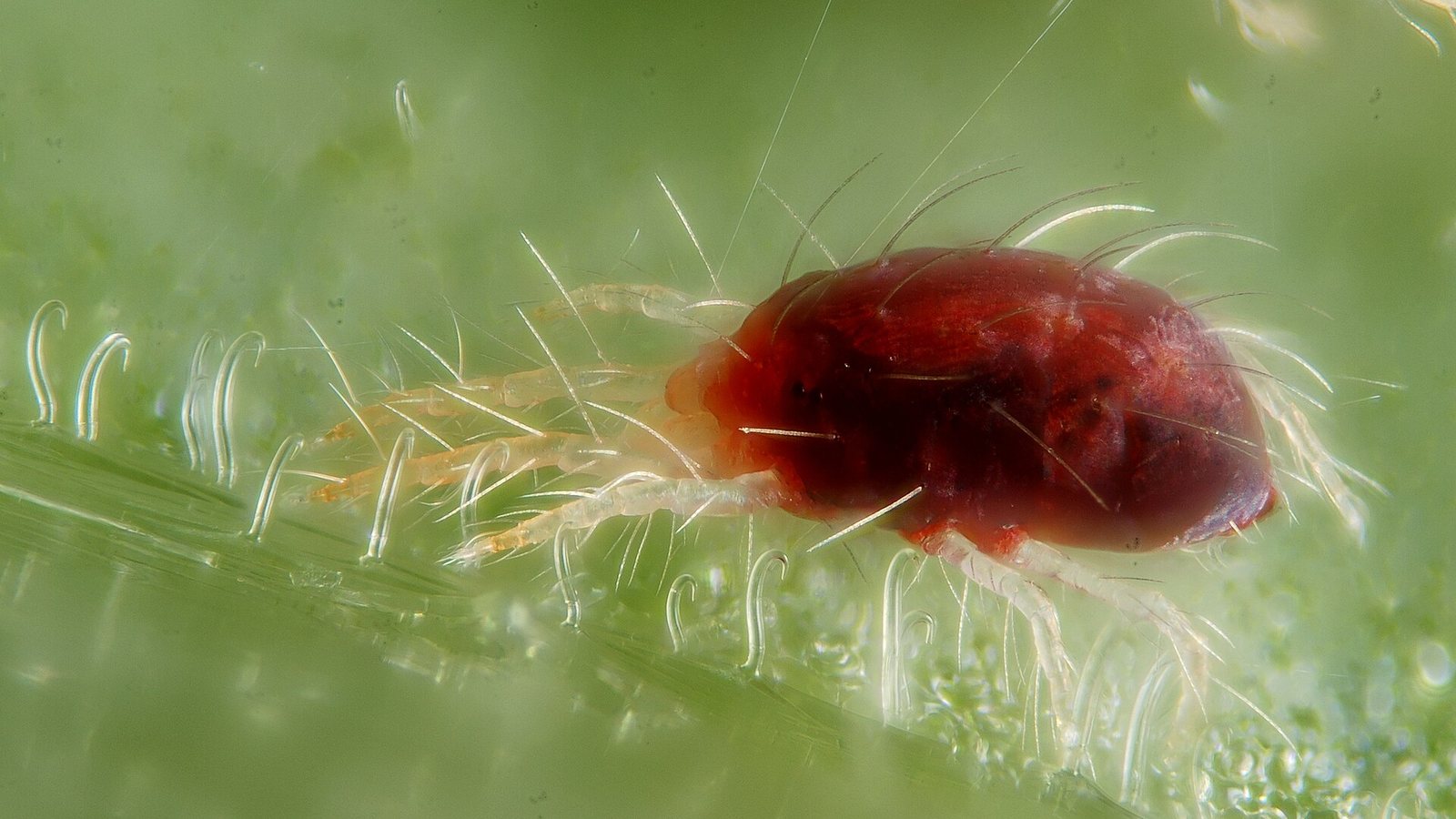
Radiator Heat and Dry Air: How Plants Get Damaged
How radiators, heaters and hot-air vents damage houseplants: crisp edges, brown tips, spider mites. A symptom and fix table plus a simple placement test.
 By Flori editorial team · Updated
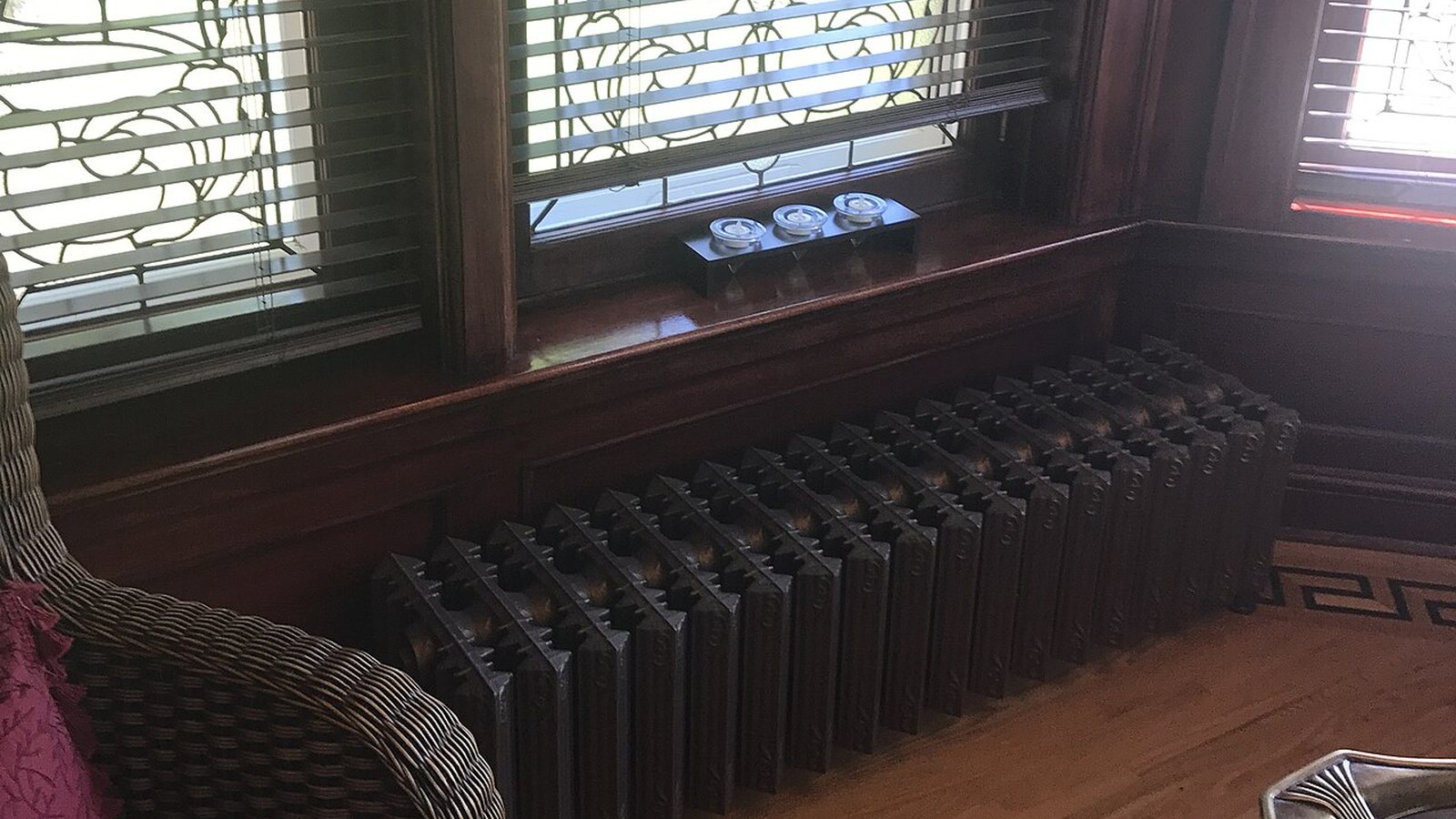 Photo: Jason Woodhead · CC BY 2.0
Radiators and hot-air vents damage plants by crisping delicate leaves with hot, dry air and by dropping room humidity, which winter homes can push to 10-20% against the 40-50% most houseplants prefer. Brown tips, crisp edges and spider mites follow. Move the pot out of the heat flow and raise humidity.
Key takeaways
- Hot dry air crisps delicate leaves, and heat speeds water loss through them, so brown tips and edges are the classic sign.
- Winter homes can fall to 10-20% relative humidity; most houseplants prefer 40-50%.
- No source gives an exact distance: use the hand test and keep plants out of the warm air stream.
- A humidifier is the most reliable fix; grouping and pebble trays help a little, and misting does not.
- Spider mites thrive in hot, dry places, so check leaves and wash or wipe them every one to two weeks if you find any.
On this page8
- What does radiator heat do to houseplants?
- Which symptoms point to dry heat?
- How much does heating dry the air?
- How far from the radiator should plants be?
- How do you raise humidity near plants?
- Which plants cope with dry heated rooms?
- How do you treat a plant that has already been damaged?
- Which heating setups are hardest on plants?
What does radiator heat do to houseplants?
A radiator, heater or hot-air vent hurts a plant in two ways: it blasts the leaves with hot, dry air that crisps delicate foliage, and it lowers the humidity of the whole room so leaves lose water faster than the roots can replace it. The result is brown tips, crispy edges, curled leaves and, in a warm dry room, spider mites. Winter homes can fall to 10–20% relative humidity, while many houseplants prefer 40–50%. This guide is a symptom, cause and fix table you can check against your plant, plus a simple placement test. If your plant is just cold instead, see our guide to how cold is too cold for houseplants.
Which symptoms point to dry heat?
| What you see | Likely cause | What to do first |
|---|---|---|
| Brown, crispy leaf tips and edges | Low humidity; heat speeds water loss through the leaves | Move away from the heat source, raise humidity, check watering |
| Leaves that look scorched or crisp on the side facing the radiator | Direct hot air; the RHS says radiators and fires can crisp delicate leaves | Move the pot out of the heat flow |
| Dried-up flower buds, slow growth | Low humidity (Iowa State) | Humidifier or grouping; avoid sudden moves |
| Fine speckles, bronzing or dusty webbing on leaves | Spider mites, which thrive in hot, dry places | Rinse or wipe leaves, treat every plant nearby, raise humidity |
| Plant dries out within days | Warm, dry air plus a pot beside the heat | Check the soil by finger rather than the calendar |
The first row is the most common, and it looks like other problems. Brown tips can also come from irregular watering, fertilizer salts or tap-water chemicals, which Iowa State lists alongside low humidity. Our brown leaf tips guide separates them, and whole brown leaves have their own causes.
How much does heating dry the air?
Several extension services give the same range: Iowa State and North Dakota State University (NDSU) say homes can drop to 10–20% relative humidity in winter, and NC State says indoor humidity can plummet below 20%. Most houseplants prefer 40–50%. So the heating season is a double hit for humidity lovers: the air is far drier than the plant wants, and the air right next to the radiator is the driest and hottest of all. University of Nebraska–Lincoln Extension adds that heat speeds water loss through the leaves, and that dry, browning tips or edges are a common symptom.
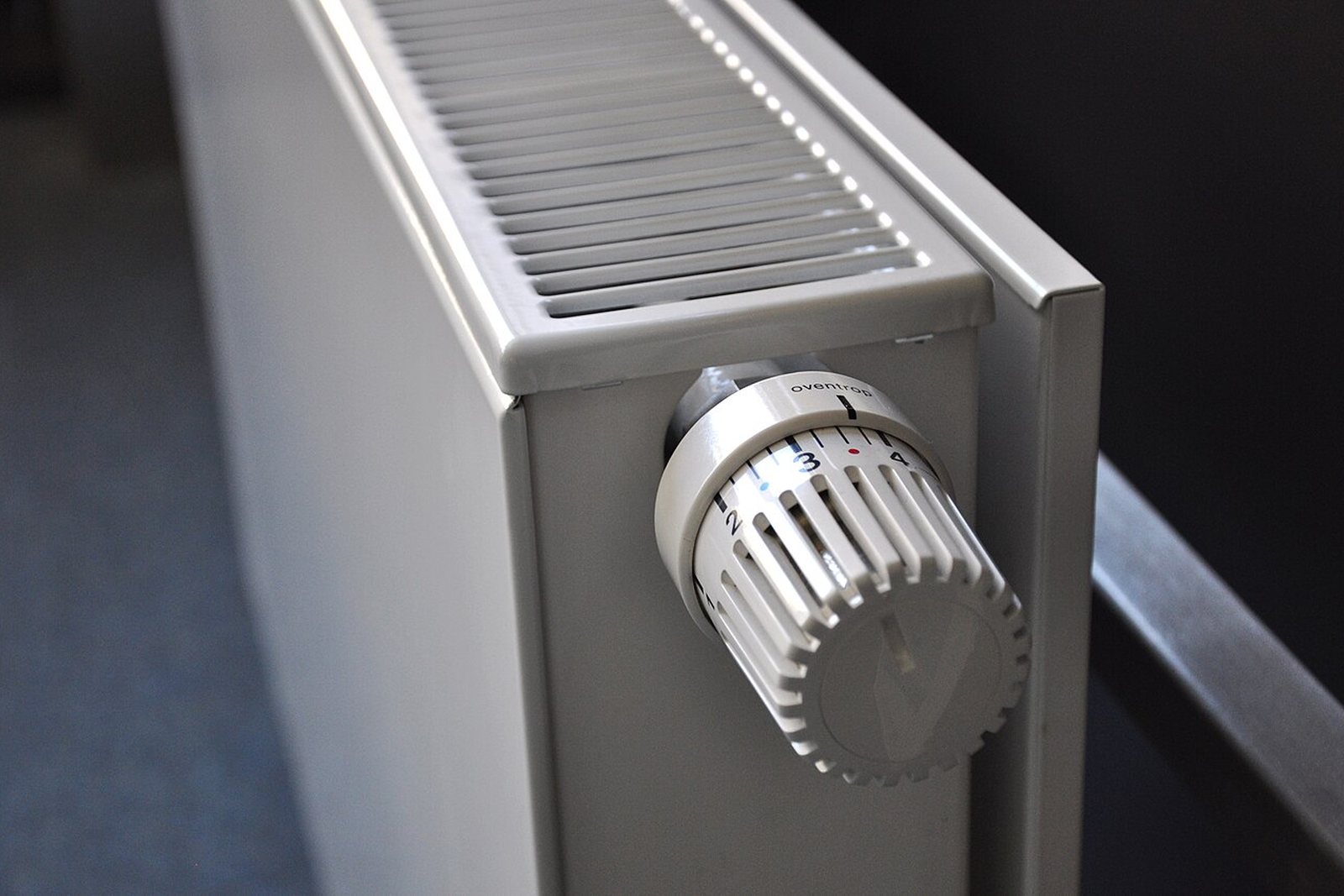
How far from the radiator should plants be?
The sources give no exact distance; they only say to keep plants away from heat sources. UNL puts it plainly: avoid placing plants on or near outside doors, radiators, heat vents and ducts. The RHS says being too near radiators or fires can crisp delicate leaves. Use a practical test instead of a number. In the evening, put your hand where the leaves are. If the air feels hot, or you can feel a stream of warm air from a vent, move the pot until the air feels like the rest of the room. Our winter placement guide covers the cold-window side of the same problem.
Do not solve a hot spot by moving the plant straight to a cold windowsill. The RHS also warns that plants left in the cold on windowsills and behind curtains can be damaged, and NDSU advises not letting leaves touch cold windows. A plant caught between a hot radiator and a cold pane is a common winter trap.
How do you raise humidity near plants?
Iowa State calls a humidifier one of the most reliable ways to raise humidity for houseplants. The cheaper options are weaker:
- Group plants. Moisture from the soil and leaves raises humidity nearby; the RHS also suggests grouping plants for shared humidity.
- Pebble tray. Stand the pot on gravel above the water line of a tray, never in the water. The RHS suggests it for ferns, calatheas and orchids.
- Move humidity lovers to a naturally steamy room. UNL suggests bathrooms and kitchens. See our list of plants for bathrooms.
- Skip misting. Iowa State says misting is not effective, because the humidity rises only briefly. UNL says it has little lasting effect.
For plant-by-plant needs, including which plants hate dry rooms and which do not mind, our humidity for houseplants guide goes deeper.
Which plants cope with dry heated rooms?
Plant choice matters more than gadgets. UNL lists plants that tolerate low humidity and plants that need high humidity:
| Needs high humidity (keep away from heat) | Tolerates low humidity |
|---|---|
| Ferns (many species) | Cacti and succulents |
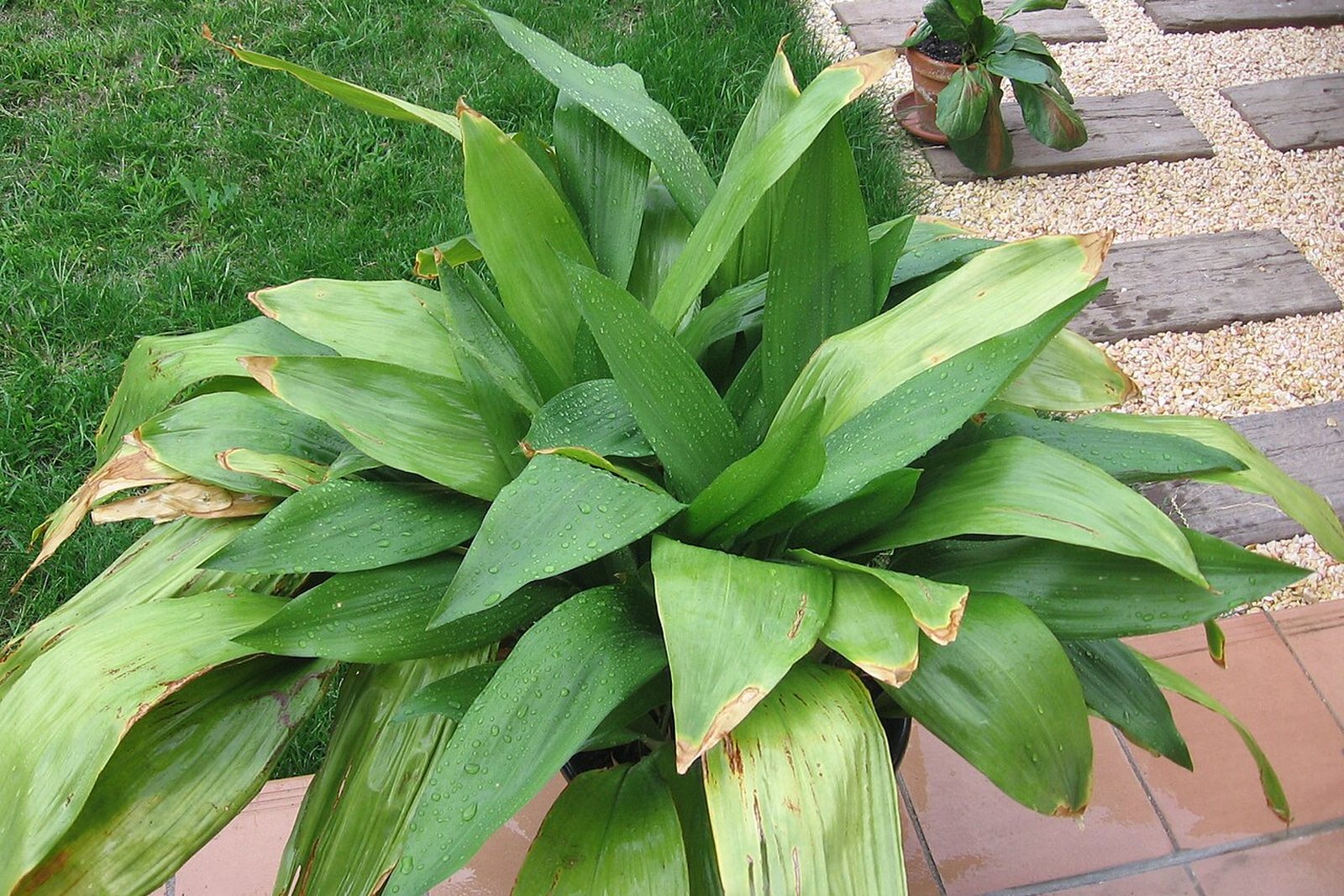
| Rex begonia | Cast iron plant (Aspidistra) |
| Prayer plant (Maranta) | Chinese evergreen (Aglaonema) |
| Calathea | Devil's ivy or pothos (Scindapsus aureus) |
| Philodendrons and dracaenas |
Check the plant's own needs: Flori's care profile for each plant lists humidity as well as light, watering and temperature, so you can tell whether a plant belongs by the radiator or in the bathroom. Several of the tolerant plants are toxic to cats and dogs, so check before choosing; the ASPCA toxic plant list is the place to check.
How do you treat a plant that has already been damaged?
- Move it. Take it out of the hot air stream first. Without this, nothing else will hold.
- Trim cosmetically if you like. Iowa State says trimming the brown parts with scissors improves the look, but the browning will return unless you fix the cause.
- Water by touch. NC State suggests checking the upper 2 inches (about 5 cm) of soil and says winter watering can be reduced significantly. Soak thoroughly, empty the saucer, and do not fertilize in winter: Iowa State and NDSU say houseplants need no fertilizer then.
- Check for spider mites. Colorado State Extension says dry conditions greatly favor spider mites. Rinse small plants in a sink or shower, wipe larger leaves with a damp cloth and repeat every one to two weeks while mites persist. Our spider mites guide has the full routine.
- If you are unsure, describe the symptoms or send a photo to Dr. Flori, which asks follow-up questions and names the likely cause.
Which heating setups are hardest on plants?
The extension sources talk about radiators, heat vents, ducts and fires, but they do not rank heating types. Anything that blows hot, dry air onto leaves is a problem, and a radiator under a windowsill is the classic double trap: heat from below, cold glass above. In Turkey that means the petek (panel radiator) under a window, the soba, and warm air from a split air conditioner in heating mode. Floor heating is not covered in the sources, so use the same hand test.
Frequently asked questions
Can a radiator kill a houseplant?
It can crisp delicate leaves, dry out the pot and invite spider mites, and a plant kept there for weeks may decline. Moving it out of the heat flow and raising humidity usually stops the damage.
How far should plants be from a radiator?
The extension sources give no exact distance. They say to keep plants off or near radiators and vents; use a hand test and move the pot until the air feels like the rest of the room.
Does misting help plants near heating?
Not much. Iowa State says misting is not effective because humidity rises only briefly, and Nebraska Extension says it has little lasting effect. A humidifier works better.
Which houseplants cope with dry heated rooms?
Nebraska Extension lists cacti, succulents, cast iron plant, Chinese evergreen, devil's ivy, philodendrons and dracaenas as tolerant of low humidity. Ferns, calatheas, prayer plants and rex begonias need more humidity.
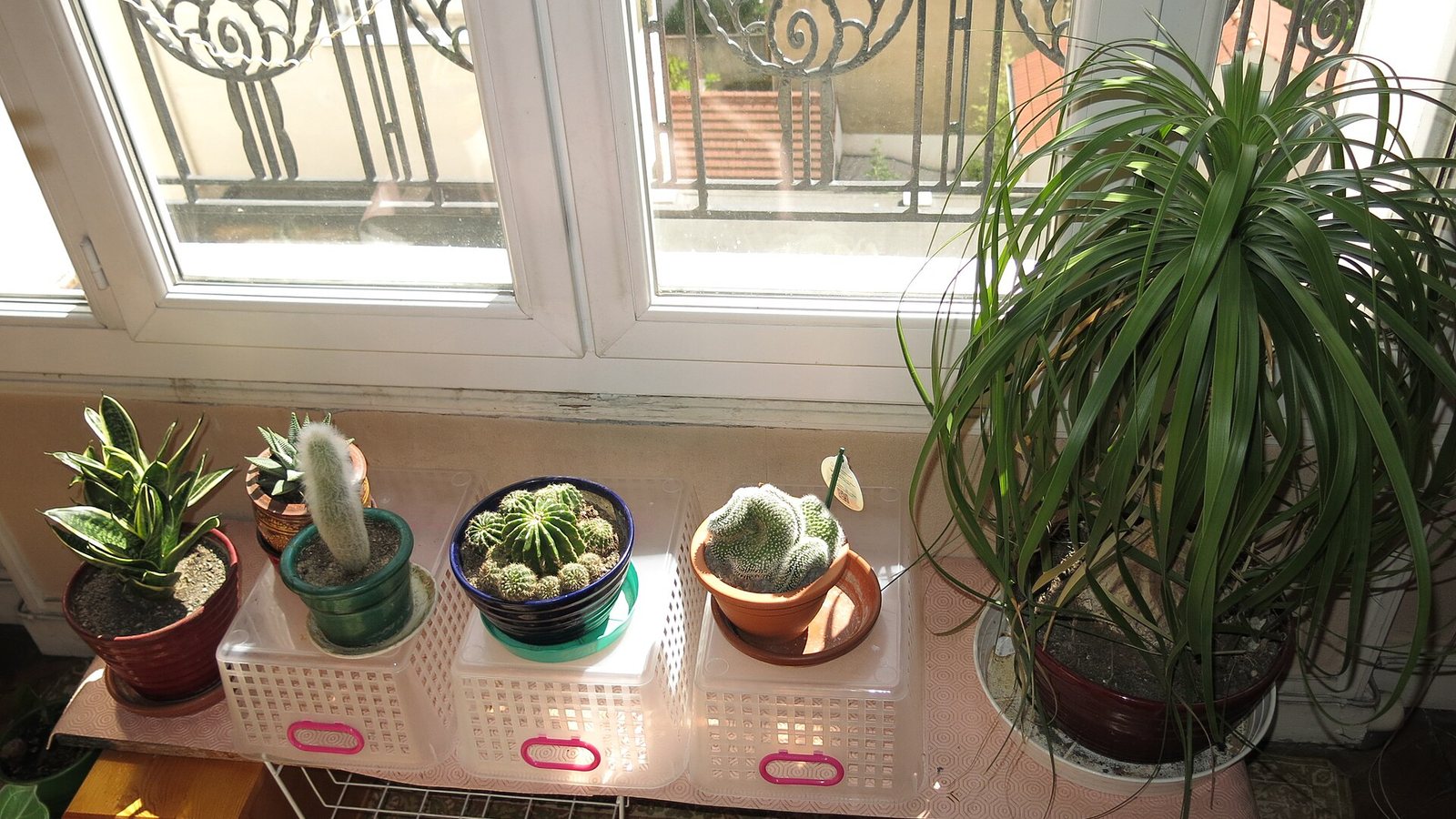
Where to put houseplants in winter: which windows still work, how to keep leaves off cold glass, how far from heaters and how to handle dry air.
Sources
Written and fact-checked by the Flori team. Every guide cites horticultural sources such as the RHS, university extension services and the ASPCA, and is updated when the advice changes. How we write our guides
General plant care information. Plants vary; when a plant is valuable or a problem spreads quickly, consult a local nursery or plant specialist.