Where to Put Houseplants in Winter: Windows and Heaters
Where to put houseplants in winter: which windows still work, how to keep leaves off cold glass, how far from heaters and how to handle dry air.
 By Flori editorial team · Updated
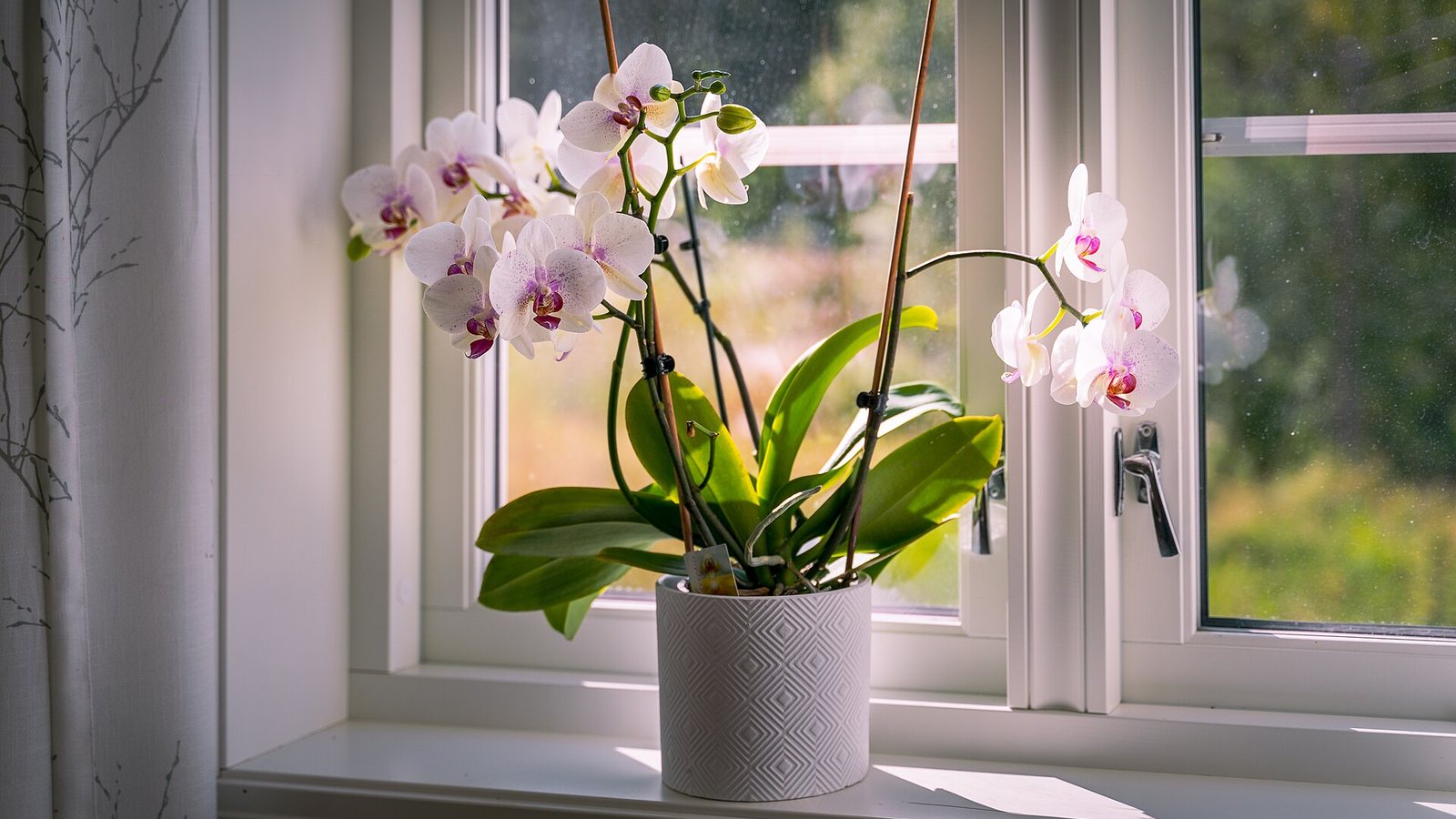
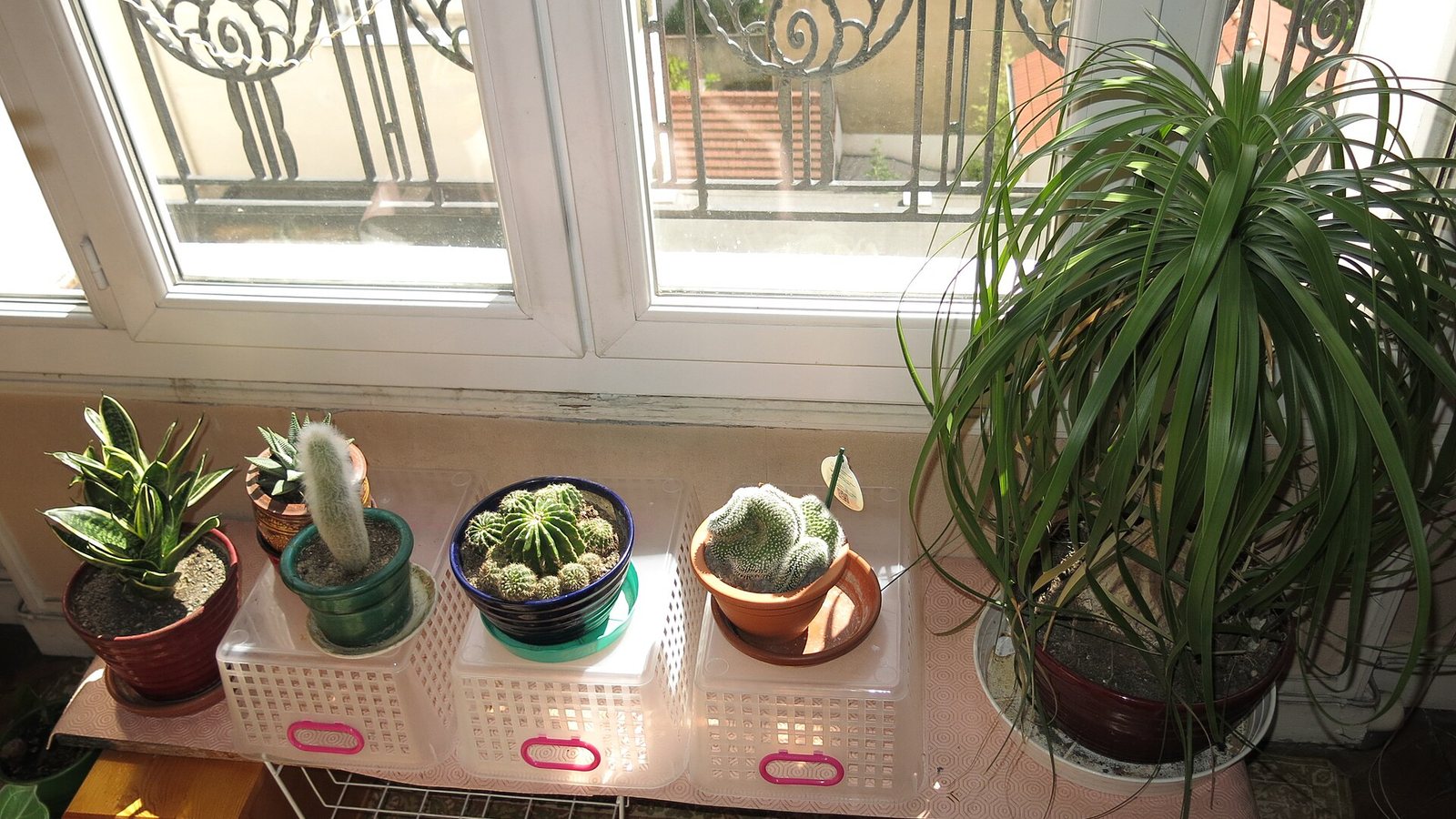 Photo: Tangopaso · Public domain
In winter put houseplants in the brightest spot you have, but keep leaves off cold glass and out of draughts and heater airflow. Aim for roughly 18–24 °C (65–75 °F) by day and a modest night drop. Group plants to raise humidity, and move them gradually.
Key takeaways
- Move light-hungry plants closer to the brightest window, because north and east windows can get too dim in winter.
- No leaf should touch cold glass, and no plant should sit in the airflow of a radiator or vent.
- Aim for 18–24 °C (65–75 °F) by day, a gentle night drop, and avoid sudden swings.
- Heating can drop indoor humidity below 20%; group plants and keep pots above pebble-tray water.
- Move plants gradually and change one thing at a time.
On this page9
- Where should you put houseplants in winter?
- Which window is best for houseplants in winter?
- Winter placement at a glance
- How far from the window and the radiator?
- What temperature do plants want at night?
- How do you handle dry air from heating?
- Should you move plants every winter?
- A quick winter placement checklist
- Which plants are most sensitive to placement?
Where should you put houseplants in winter?
Winter changes a room more than it changes your plants. The sun sits lower, the glass gets cold, the radiators come on and the air dries out, so the spot where a plant was happy in summer can quietly become the worst place in the house. This guide is a spot-by-spot map of the room: which windows still work, which places to avoid, and how far to move a plant. For watering, feeding and the rest of the season, see our winter houseplant care guide; here the question is only where.
Which window is best for houseplants in winter?
NC State Extension points out that north- and east-facing windows that worked in summer can become too shady in winter, and advises moving plants to a sunnier spot or adding grow lights. North Dakota State University Extension says thin, spindly new growth is the sign of too little light, and suggests moving plants closer to a south-facing window. That advice is written for the Northern Hemisphere. In the Southern Hemisphere the sunniest window is the north-facing one, so read "south" as "the window the midday sun shines through".
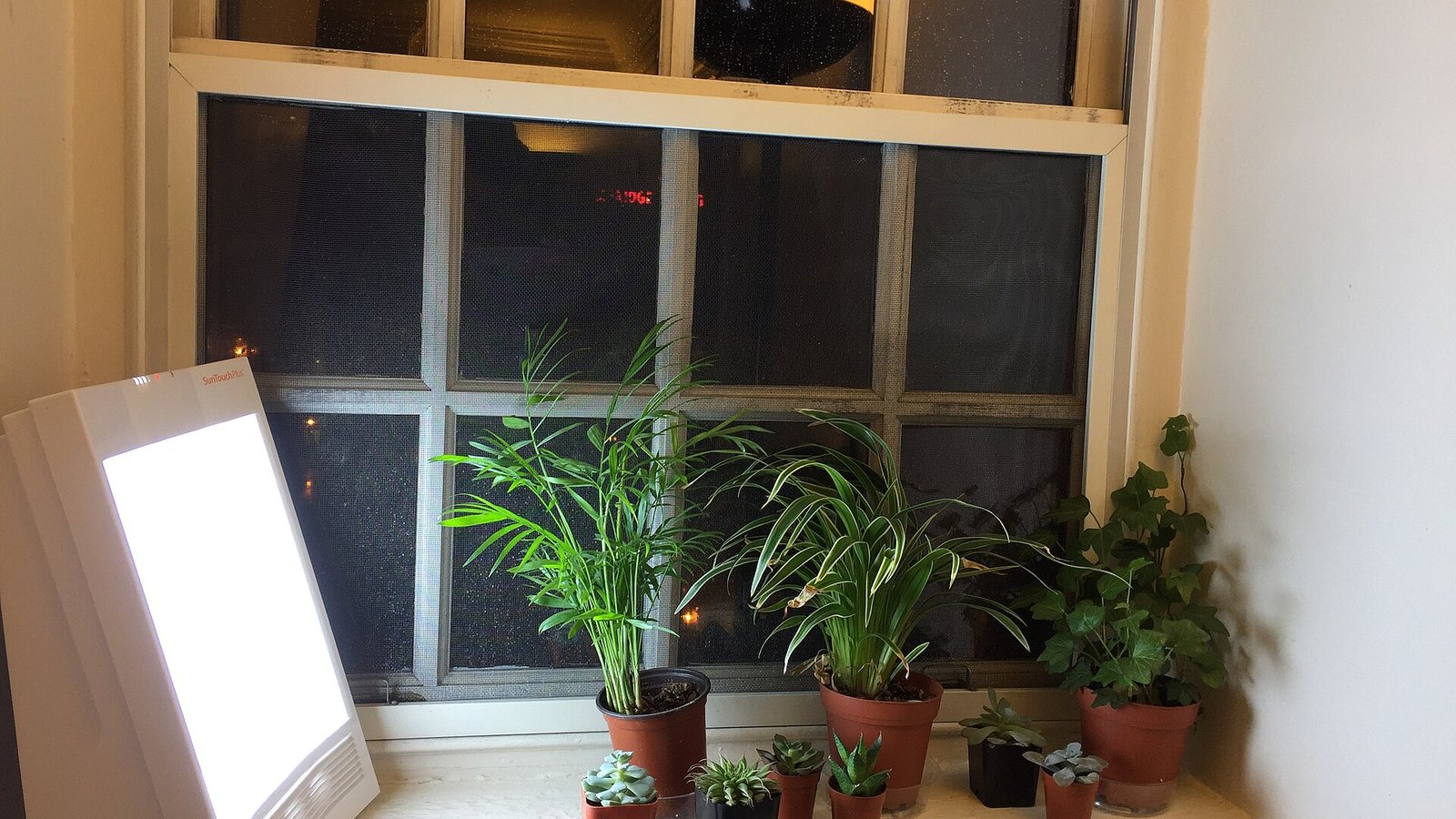
The Royal Horticultural Society (RHS) suggests giving plants a "holiday" from dark corners by moving them to a brighter place through the darkest months, and moving them gradually. A shift of a metre or two toward the glass is often enough. If you cannot get enough light, a lamp is cheaper than losing the plant: see grow lights for houseplants, and use the signs of too little light to judge whether a move worked.
Winter placement at a glance
| Spot | Winter problem | What to do |
|---|---|---|
| Windowsill, glass touching leaves | Leaves pressed against cold glass can be damaged (Iowa State, NDSU) | Pull the pot back so no leaf touches the pane |
| Behind a curtain | The RHS warns that plants left on cold windowsills or behind curtains can be harmed | Open the curtain in the day; move the pot out at night if the pane is icy |
| Above or beside a radiator or heater | Delicate leaves scorch (RHS); dry heat stresses plants (NDSU) | Keep the pot clear of the heat flow and the vent |
| Near an outside door or draughty frame | Cold currents and sudden swings cause leaf drop | Move to a draught-free wall |
| Dim corner or north wall | Too little light for the season | Bring toward a window or add a lamp |
| Bright bathroom or kitchen | Few problems if there is real light | Good for humidity lovers (RHS, NC State) |
How far from the window and the radiator?
The extension sources give no exact distances, so use the rules they do give. First, no leaf should touch cold glass. Second, the plant should not sit in the stream of hot air from a heater or vent. A practical test: put your hand where the leaves are in the evening. If it feels cold like the window or hot like the heater, move the pot until the air feels like the rest of the room.
What temperature do plants want at night?
Iowa State University Extension gives 18–24 °C (65–75 °F) by day and 16–18 °C (60–65 °F) at night, and warns that some plants can be harmed below 10 °C (50 °F). NC State Extension likewise suggests 18–24 °C (65–75 °F) in the day with a drop of about 5–6 °C (10 °F) at night, and recommends a digital thermometer to track swings. Both stress that sudden swings are the real stress. A windowsill can be many degrees colder than the room on a frosty night, which is why a plant that is fine at arm's length can suffer on the sill. For plant-by-plant limits, see how cold is too cold for houseplants.
How do you handle dry air from heating?
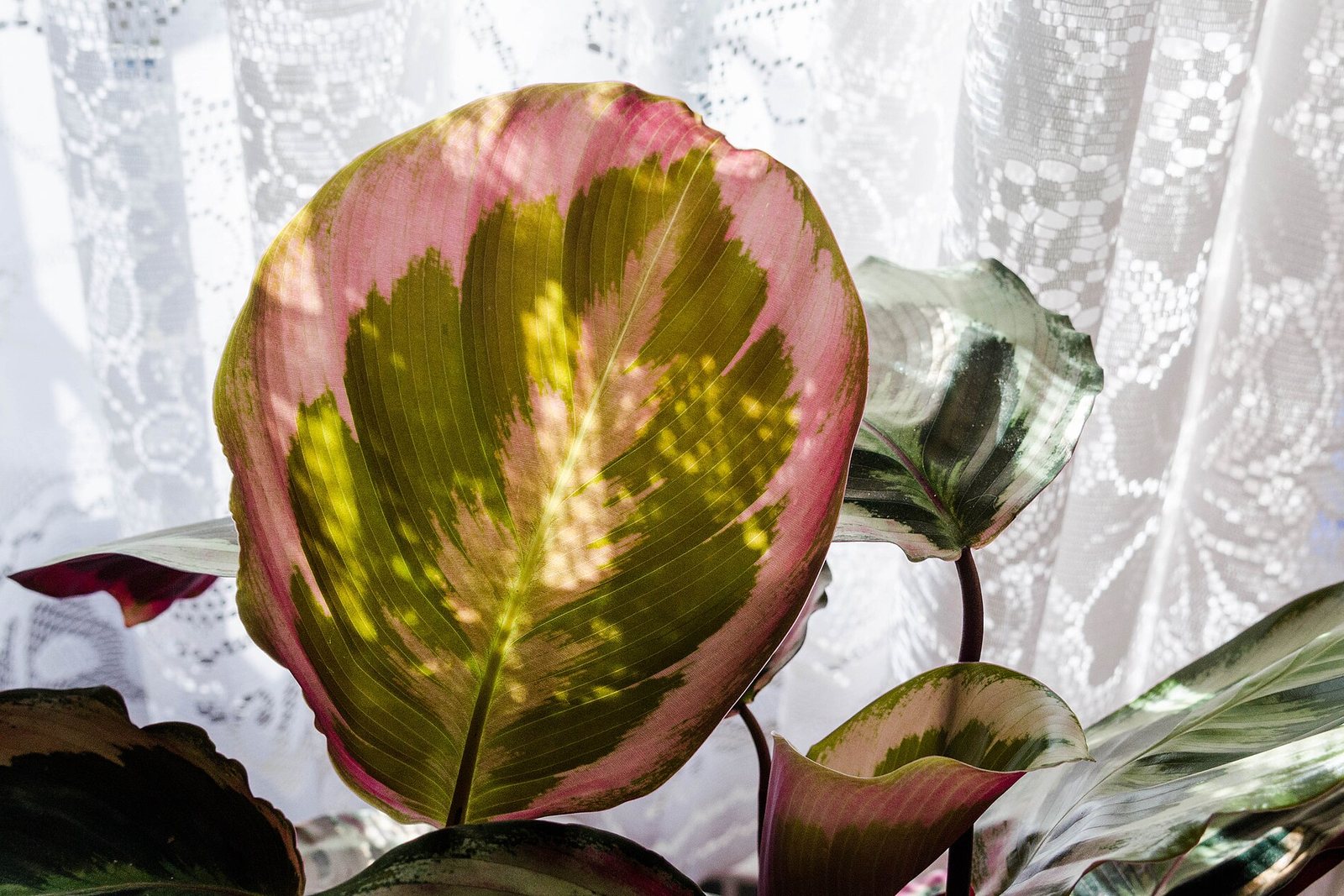
NC State Extension says most houseplants prefer 40–50% humidity, while winter indoor air can fall below 20%; NDSU puts it at 10–20%. The RHS notes that central heating dries the air and suggests grouping plants and standing ferns, calatheas, marantas and orchids on a wide tray of wet pebbles. All three extension sources agree on one detail: the pot must sit above the water, not in it. NC State adds that the benefit of misting lasts only a few minutes, so do not rely on it. A small humidifier near the plants, a bright bathroom or a cluster on the same table work better. More on this in humidity for houseplants, plant by plant.
Orchids deserve a special mention: the RHS says that if they get too cold their flower buds can drop. Keep them away from icy panes and out of draughts.
Should you move plants every winter?
Yes, usually twice: once in autumn, when the light first drops, and once in spring, when the days lengthen and a spot can become too bright. When you move a plant, change one thing at a time. Moving it near a heater and closer to the window in one step swaps one stress for another. If a plant starts dropping leaves after a move, look at the new spot for draughts and heat before blaming watering.
A quick winter placement checklist
- Walk the room in the late afternoon and feel the air at each plant.
- Move any pot where leaves touch the glass or where hot air blows.
- Bring light-hungry plants closer to the brightest window, a little at a time.
- Group plants together to create a small humid pocket.
- Check watering about 10 minutes after you water and tip away any water standing in the saucer, as the RHS advises, because plants use less water in low light.
Flori's Smart light meter can show how much light each spot in your home really gets, and care reminders can prompt you to rotate or check plants through the season. Dr. Flori can also help if a plant starts dropping leaves after a move: describe the spot and send a photo.
Which plants are most sensitive to placement?
Tropical plants with thin leaves, such as calatheas and ferns, dislike dry air and cold glass most. Orchids dislike cold. Succulents and cacti tolerate dry air and want the brightest sill, but still need protection from freezing glass. If you have pets, remember that moving a plant onto a lower shelf can also move it within reach; check ASPCA's lists before relocating, for example with our pet-safe houseplants guide.
Frequently asked questions
Is a windowsill too cold for houseplants in winter?
It can be. Cold glass can damage leaves that touch it and sills can be much colder than the room at night. Pull pots back from the pane and move them off the sill on icy nights.
How far should plants be from a radiator?
Extension sources give no exact distance. Keep plants out of the stream of hot air and away from vents, because dry heat scorches delicate leaves.
Which window is best in winter?
In the Northern Hemisphere a south-facing window gives the most winter light; in the Southern Hemisphere it is the north-facing one. Without enough light, add a grow light.
Should I move plants away from windows at night?
Only if the glass gets icy or the sill is very cold. Otherwise keep plants in the bright spot and make sure leaves do not touch the pane.
Winter houseplant care in both hemispheres: a symptom-to-fix table, how to find more light, how often to water and how to protect plants from heaters.
Sources
Written and fact-checked by the Flori team. Every guide cites horticultural sources such as the RHS, university extension services and the ASPCA, and is updated when the advice changes. How we write our guides
General plant care information. Plants vary; when a plant is valuable or a problem spreads quickly, consult a local nursery or plant specialist.