Repot, Prune or Propagate in Winter? What Is Safe
Repot, prune or propagate in winter? What is safe: wait on routine repotting, keep pruning light, and root cuttings only with warmth and bright light.
 By Flori editorial team · Updated
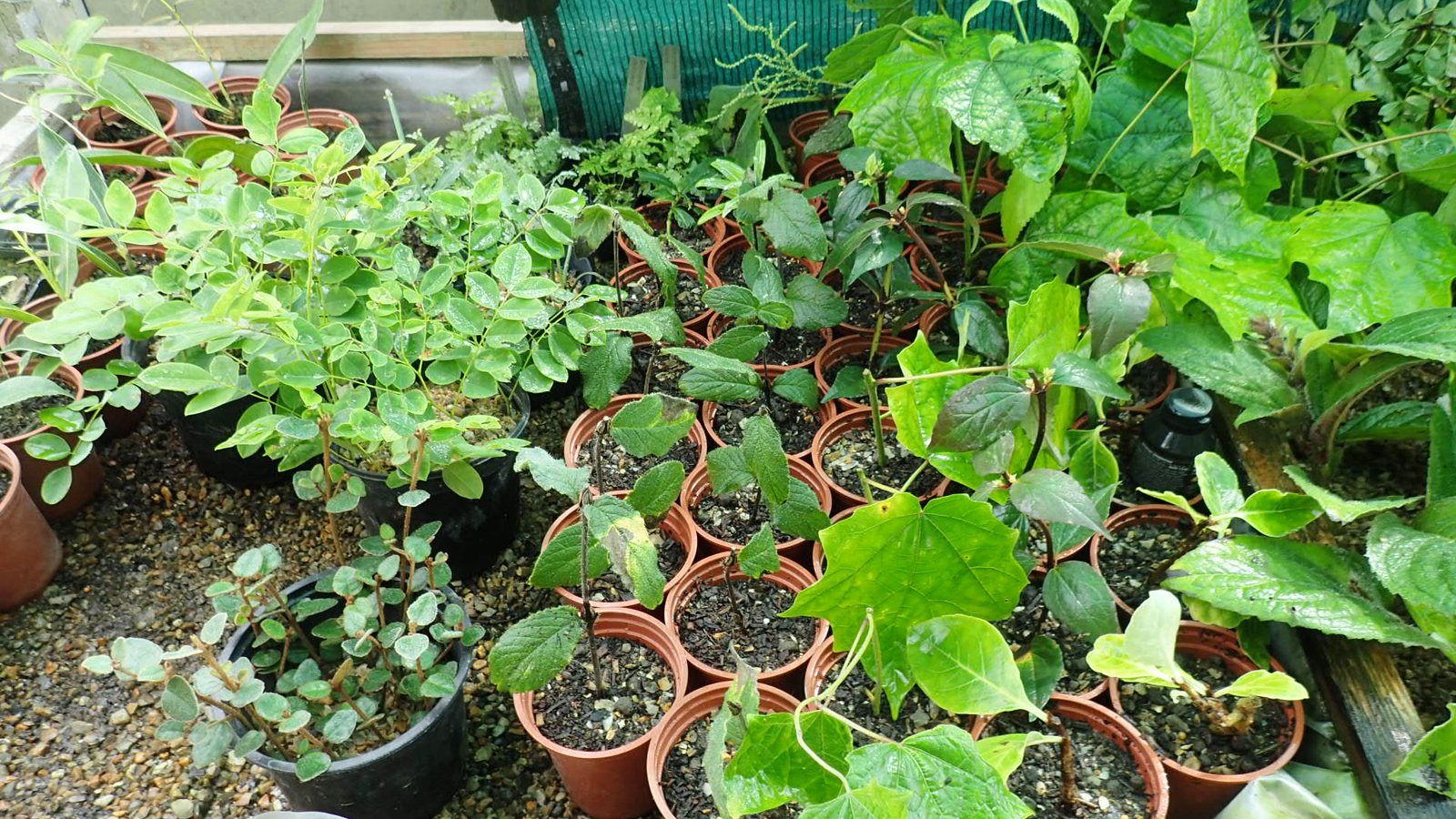 Photo: peganum · CC BY-SA 2.0
In winter, wait to repot unless roots are rotting or the pot has failed, prune only dead, yellow or leggy growth, and propagate only where you have warmth and bright light. Growth is slow, so every job heals slowly. Save big jobs for early spring.
Key takeaways
- Routine repotting is best in spring; repot in winter only for rot, a broken pot or pests in the soil.
- Light cleanup of dead, yellow or leggy growth is fine, but save hard pruning for spring.
- Stem cuttings work in winter, but need warmth around 18–24 °C (65–75 °F) and bright light, and root slowly.
- Do not fertilize right after these jobs; wait until active growth begins.
- Late winter is a good time to trim and plan, and early spring is when to repot.
On this page8
- Can you repot, prune or propagate houseplants in winter?
- Winter at a glance: what is safe?
- Should you repot houseplants in winter?
- Can you prune houseplants in winter?
- Can you propagate houseplants in winter?
- What should you wait for until spring?
- A simple winter plan
- Which plants do not want to be touched in winter?
Can you repot, prune or propagate houseplants in winter?
Short answer: repotting should wait, pruning should stay light, and propagation works but slowly. Winter is the one season when most houseplants are barely growing, and every one of these jobs asks the plant to grow: new roots after repotting, new shoots after pruning, new roots on a cutting. This guide sorts the three jobs into "safe", "only if needed" and "wait", so you know what to do now and what to put on the calendar for later. Detailed how-tos are in our repotting guide, pruning guide and cuttings guide; this one is only about timing.
Winter at a glance: what is safe?
| Job | Winter verdict | Why |
|---|---|---|
| Routine repotting | Wait for spring | Plants respond best when actively growing |
| Emergency repotting (rot, broken pot, pests in soil) | Do it | Waiting costs more than the move |
| Removing dead, yellow or damaged leaves | Safe any time | Little stress, less decay |
| Light trim of leggy growth | Safe in late winter | Prepares for spring growth |
| Hard pruning | Wait | Slow growth means slow recovery |
| Stem cuttings in water or mix | Possible, slower | Roots form faster in warm, bright conditions |
Should you repot houseplants in winter?
Colorado State University's PlantTalk says houseplants typically respond best to repotting in spring, and Iowa State University Extension adds that repotting can be done at any time but recommends waiting for spring, with late winter to early spring as the best window and a move of only one, or at most two, container sizes. The University of Illinois Extension says to repot while the plant is actively growing, typically in spring or early summer. All three point the same way: a plant that is resting will not fill new soil with roots, and extra damp mix around a small root ball stays wet for weeks.
There are exceptions. Repot now if the roots are rotting (see our root rot rescue plan), the pot has cracked, or you have found pests living in the soil. In that case use only a small step up in size, a fresh well-draining mix and a light hand with water. If the plant is simply root-bound, Colorado State lists the signs (roots through the drainage holes, circling roots, a white mass shaped like the pot) but the plant can wait a few more weeks. Put it in your spring repotting list.
Can you prune houseplants in winter?
Clemson Cooperative Extension suggests a late-winter checkup with a light prune: remove dead, yellow or leggy growth with clean snips, sanitised between plants, which can encourage fuller growth in the season ahead. It advises finishing by March in the Northern Hemisphere. Iowa State notes that faster growth later means more cutting back, which is the reason to save big cuts for spring. A good winter rule is: take away what is dead or damaged, tip back what is leggy, but do not remove more than a small part of the plant.
Keep the clippings in mind. Cut ends of some plants release sap, and many common houseplants are toxic to cats and dogs; check the ASPCA list for any plant you prune, and bin or compost clippings out of reach of pets.
Can you propagate houseplants in winter?
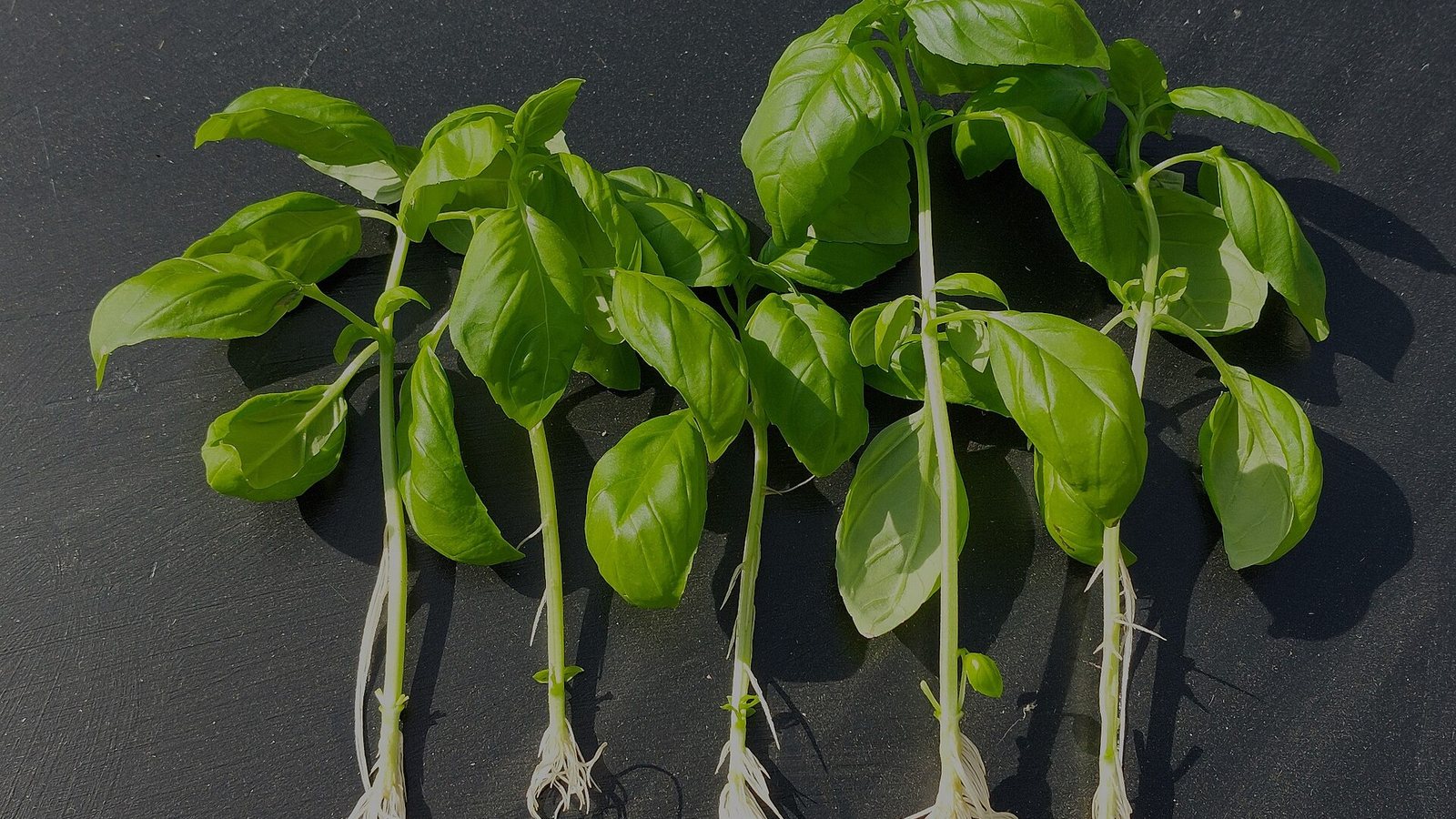
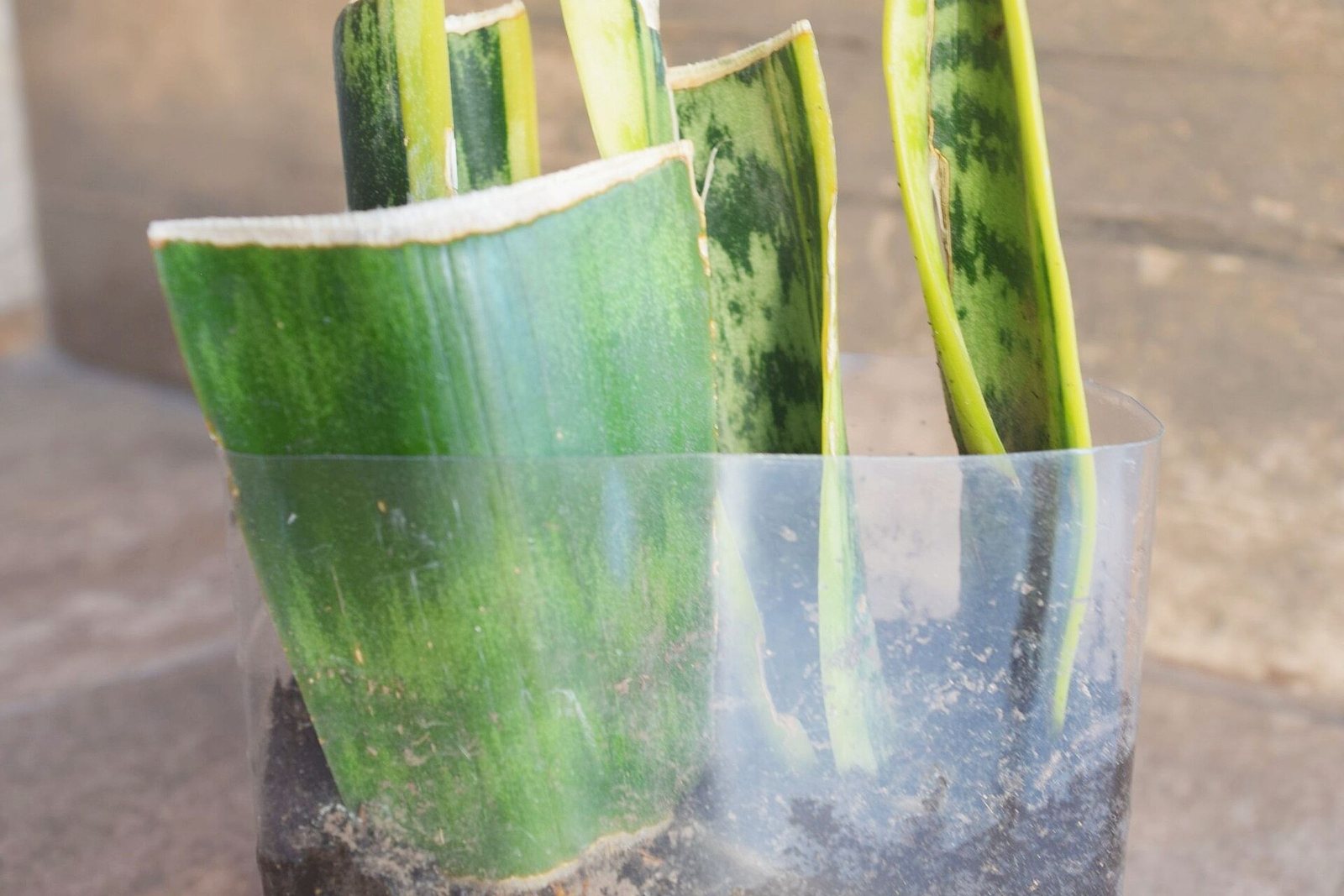
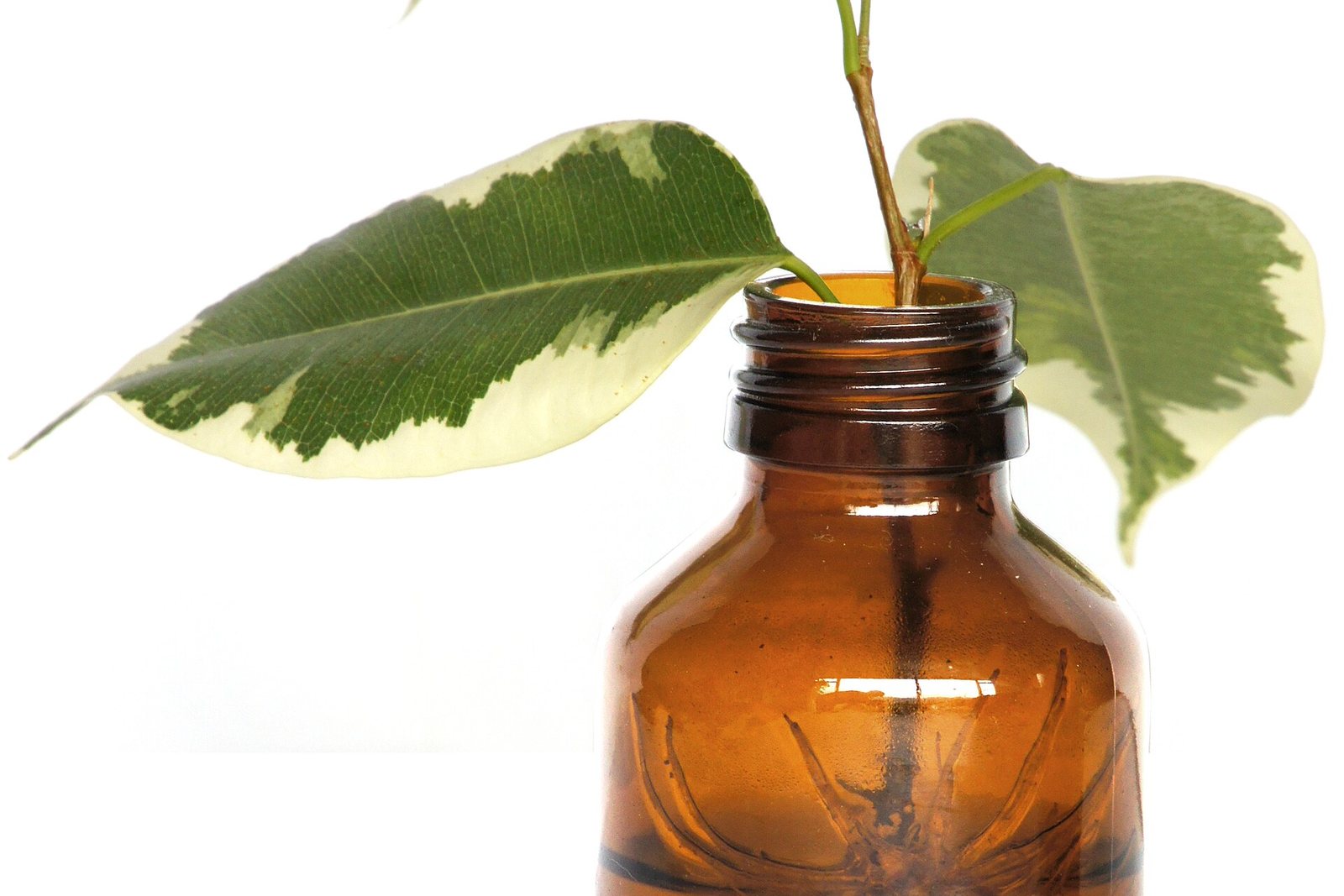
Yes, with realistic expectations. Iowa State says early spring is the ideal time to propagate by cuttings, though most houseplants can be propagated at any time of year. The Royal Horticultural Society says cuttings will work most of the year, with late spring or early summer best. In winter the issue is not the plant but the room. Iowa State gives 18–24 °C (65–75 °F) as ideal because cuttings root faster in warm air and warm medium, and a heat mat can bring the rooting medium to 24–27 °C (75–80 °F). It also asks for 4 to 6 hours of bright, indirect light; too little slows rooting and can cause rot.
That means a winter cutting needs three things: a warm spot (not on a cold sill), a bright place (a lamp helps; see grow lights for houseplants) and patience. The RHS gives about 3–4 weeks and Iowa State 3 to 6 weeks for most stem cuttings; in a cool dim room expect the long end or more. Keep the mix moist but not soggy, or keep the cutting in water with the level just below the lowest leaf.
What should you wait for until spring?
- Routine repotting of healthy plants, even if the roots are crowded.
- Hard pruning, including cutting a plant back by a third or more.
- Fertilizer after any of these jobs. Iowa State says to fertilize only when plants are actively growing and to wait 2 to 4 weeks after repotting; Clemson says to hold off until spring begins.
A simple winter plan
- Now: tidy dead leaves, check roots only if a plant is struggling, and start cuttings only where you have warmth and light.
- Late winter: lightly prune leggy growth.
- Early spring, when you see new growth: repot what is crowded and take more cuttings.
Flori's care reminders can schedule repotting, pruning and progress photos so the spring jobs arrive on time, and Dr. Flori can tell you how urgent a struggling plant is. Describe the symptoms or send a photo.
Which plants do not want to be touched in winter?
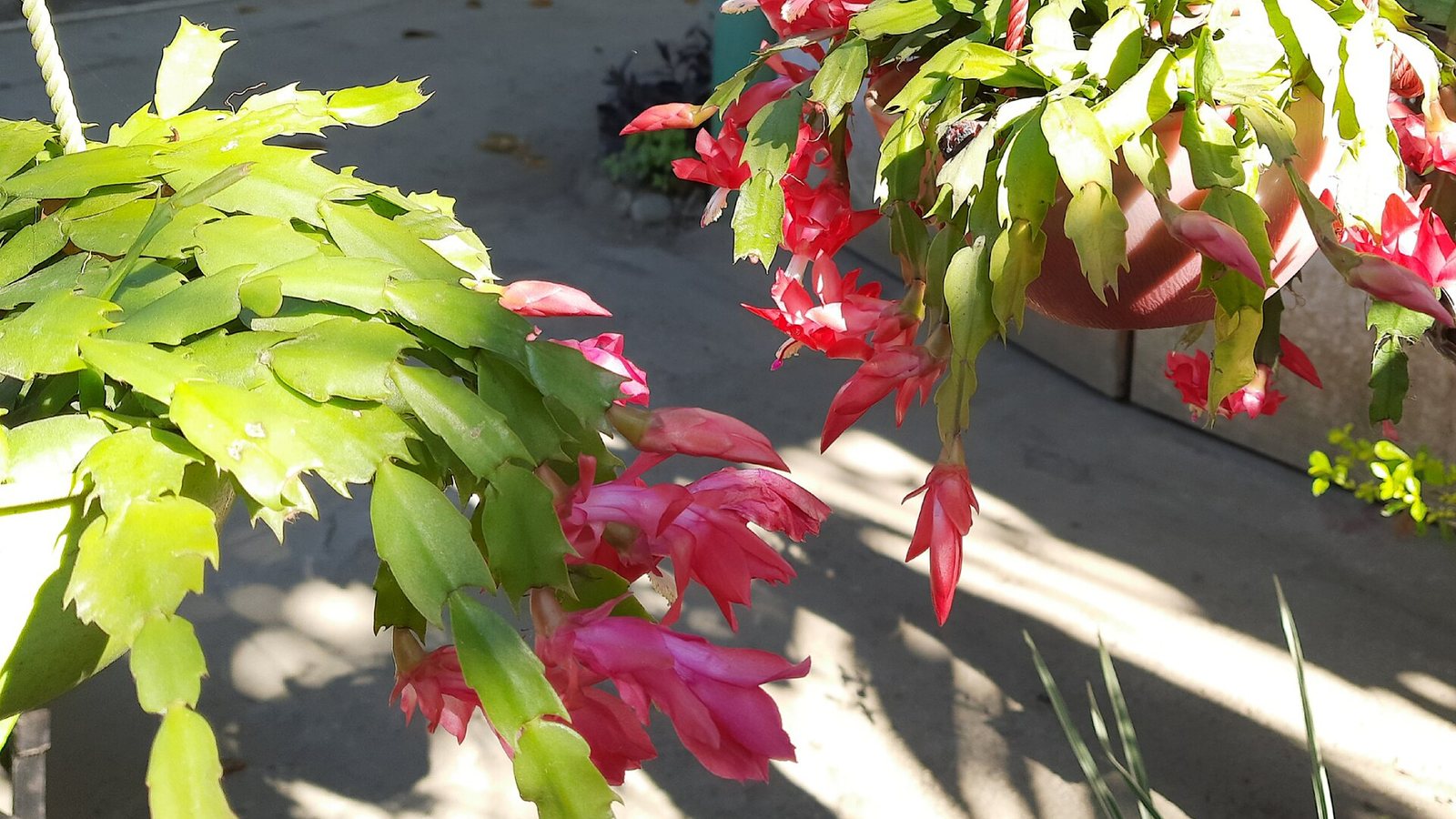
Plants that flower in winter, such as a Christmas cactus, are best left alone while in bud, since moving or disturbing them can drop the buds. Resting plants that have lost leaves for the season should not be pruned or repotted until they restart. When in doubt, wait: a plant that waits a month for spring loses nothing, while a plant repotted in the dark in cold, wet soil can lose its roots. Our winter care guide covers watering and light for this season.
Frequently asked questions
Is winter a bad time to repot a houseplant?
Usually yes. Extension sources say plants respond best to repotting in spring, when they are actively growing. Repot in winter only for rot, a cracked pot or pests in the soil.
How much can I prune a houseplant in winter?
Keep it light: remove dead, yellow or leggy growth with clean snips. Save heavy cutting for spring when growth speeds up.
Can I take cuttings in winter?
Yes. Iowa State says most houseplants can be propagated any time of year, but cuttings root faster in warm, bright conditions, so expect winter rooting to be slower.
Should I fertilize after repotting in winter?
No. Iowa State says to wait 2 to 4 weeks after repotting and to fertilize only when plants are actively growing.
Winter houseplant care in both hemispheres: a symptom-to-fix table, how to find more light, how often to water and how to protect plants from heaters.
Sources
- Colorado State University PlantTalk: Houseplants: Repotting
- Iowa State University Extension: How to care for houseplants
- Iowa State University Extension: How to propagate houseplants by stem tip cuttings
- Royal Horticultural Society: How to take cuttings from houseplants
- Clemson HGIC: End-of-winter houseplant care
Written and fact-checked by the Flori team. Every guide cites horticultural sources such as the RHS, university extension services and the ASPCA, and is updated when the advice changes. How we write our guides
General plant care information. Plants vary; when a plant is valuable or a problem spreads quickly, consult a local nursery or plant specialist.