Should You Fertilize Houseplants in Winter?
Most houseplants need little or no fertilizer in winter. See which ones still need feeding, a plant-by-plant table and the signs of too much fertilizer.
 By Flori editorial team · Updated
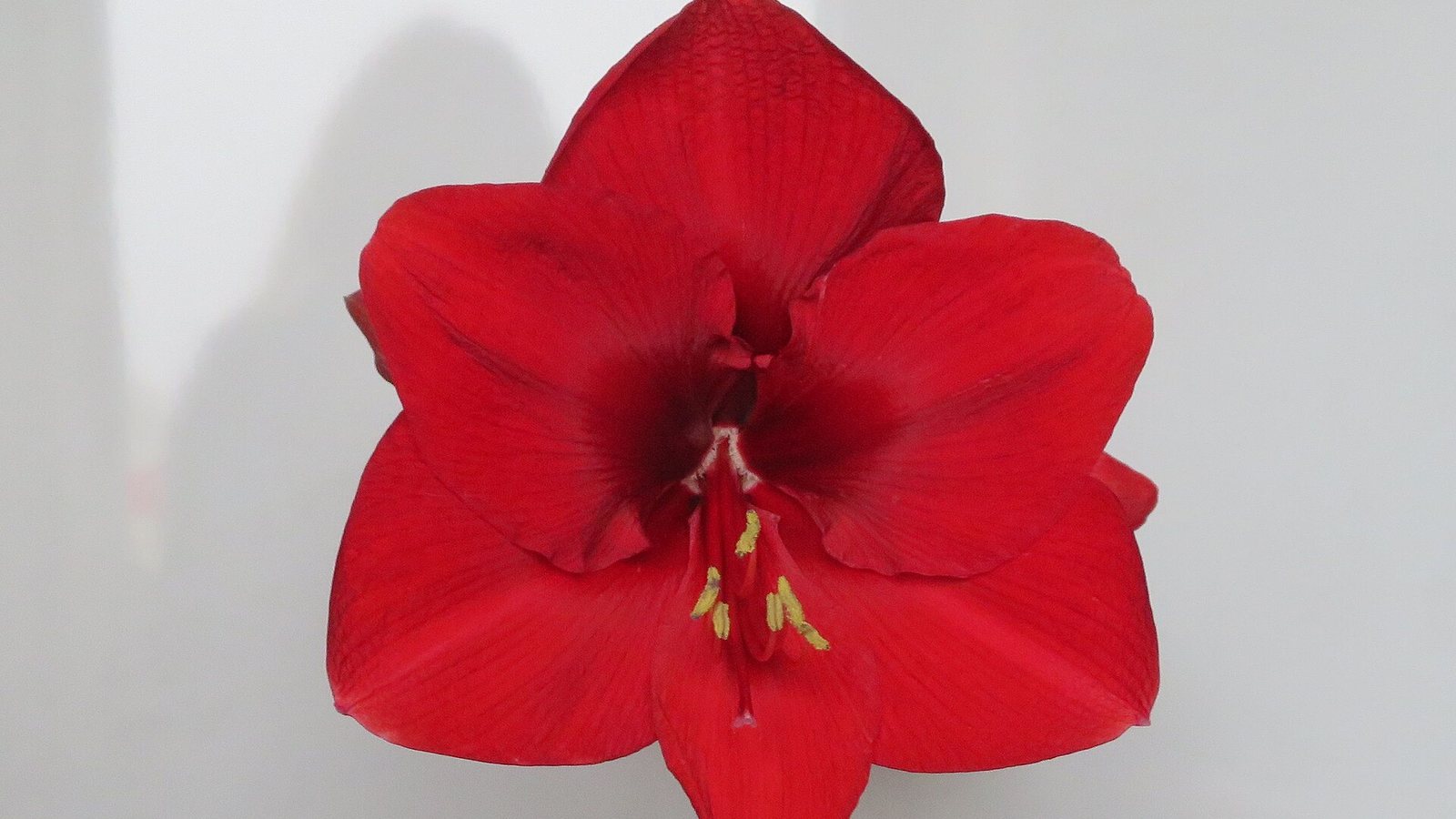 Photo: Sciencia58 · CC0
Usually not. Short days and low light make most houseplants rest, and fertilizer on a resting plant builds up as salts in the soil. Feed only plants that are clearly growing, such as those with new leaves or flower buds, or plants under a grow light, and use a weak dose.
Key takeaways
- Most houseplants rest in winter and need little or no fertilizer; feeding follows growth, not the calendar.
- Signs of active growth are new leaves, flower buds or flowers; if you see none, do not feed.
- Plants in a very bright window or under a grow light may keep growing and can be fed at a reduced rate.
- A white or yellowish crust on the soil or pot rim means fertilizer salts; flush by watering thoroughly and letting it drain.
- Never feed a plant that is dormant, newly repotted, diseased or wilting.
On this page8
- Should you fertilize houseplants in winter?
- How do you know if a plant is still growing in winter?
- Winter feeding by plant: who gets fed, who rests
- What about Christmas cactus and other winter bloomers?
- How much and how often if you do feed?
- What are the signs of too much fertilizer?
- Why not feed a little all winter just in case?
- A simple winter fertilizer plan
Should you fertilize houseplants in winter?
For most houseplants the answer is no: skip fertilizer in winter and start again when new growth appears in spring. Iowa State University Extension says many houseplants rest during the short winter days and that "no fertilizer is needed" then. NC State Extension agrees and advises little or no fertilizer when growth is nearly stopped. The reason is simple. Fertilizer feeds growth, and a plant that is not growing cannot use it, so it stays in the pot. The general fertilizing guide covers how and what to feed across the year. This guide answers a narrower question: which plants are the exceptions in winter, and how do you tell?
How do you know if a plant is still growing in winter?
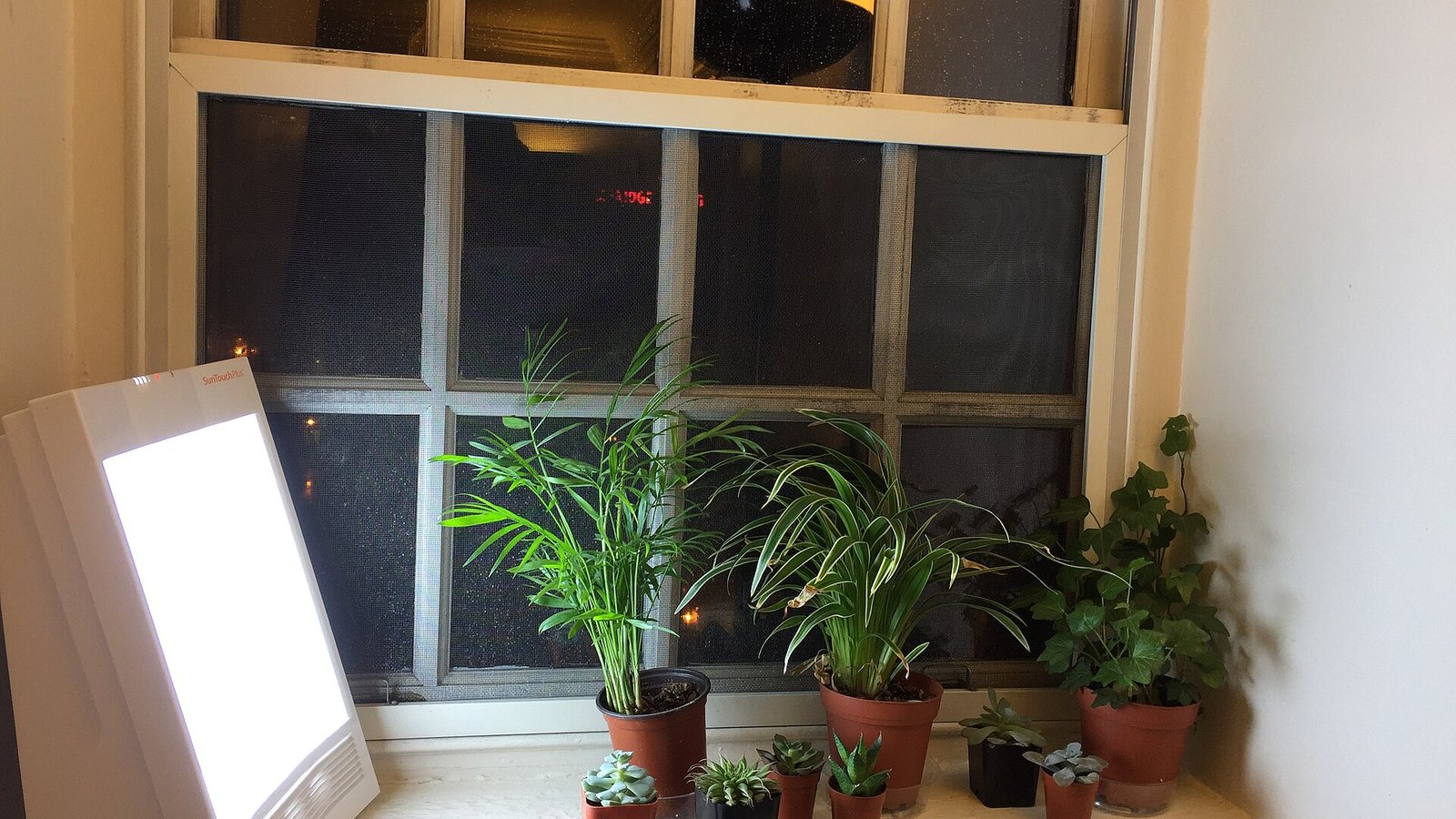
Look at the plant, not the calendar. University of Nebraska-Lincoln Extension lists new leaves, flower buds or flowers as signs of active growth. It also notes that plants in a very bright south or west window, or under supplemental light, may keep growing through winter and should be treated as active. In the Southern Hemisphere the sunny window faces north. If you see no new growth and the soil stays damp for longer than usual, the plant is resting. The signs of a plant that needs more light often look like hunger, but extra fertilizer will not fix a dark room.
Winter feeding by plant: who gets fed, who rests
| Situation | Feed in winter? | Why |
|---|---|---|
| Foliage plant in a normal room, no new leaves | No | Resting; salts build up (Iowa State, NC State) |
| Plant with new leaves in a bright window | Yes, at a reduced rate | Still growing (Nebraska) |
| Plant under a grow light on a long schedule | Yes, lightly | Light is not limiting; see the grow light guide |
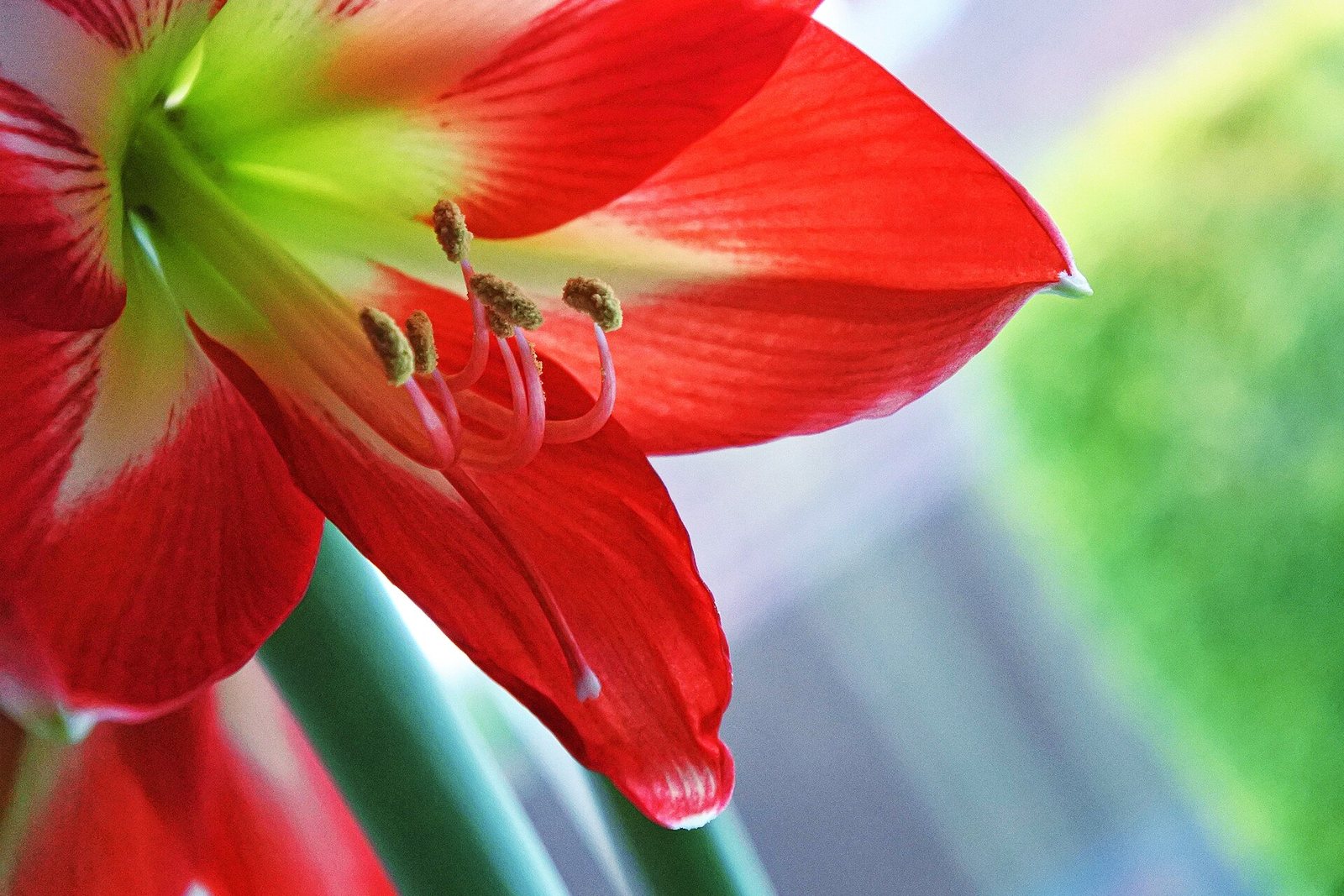
| Amaryllis (Hippeastrum) in growth | Yes, while it grows | The RHS advises a high-potash liquid feed such as tomato food while in growth |
| Resting bulb or dormant plant | No | Dormant plants cannot use it (Nebraska) |
| Christmas cactus | Depends | Sources differ; see below |
| Newly repotted, wilted, diseased plant | No | Let it recover first (NC State, Nebraska) |
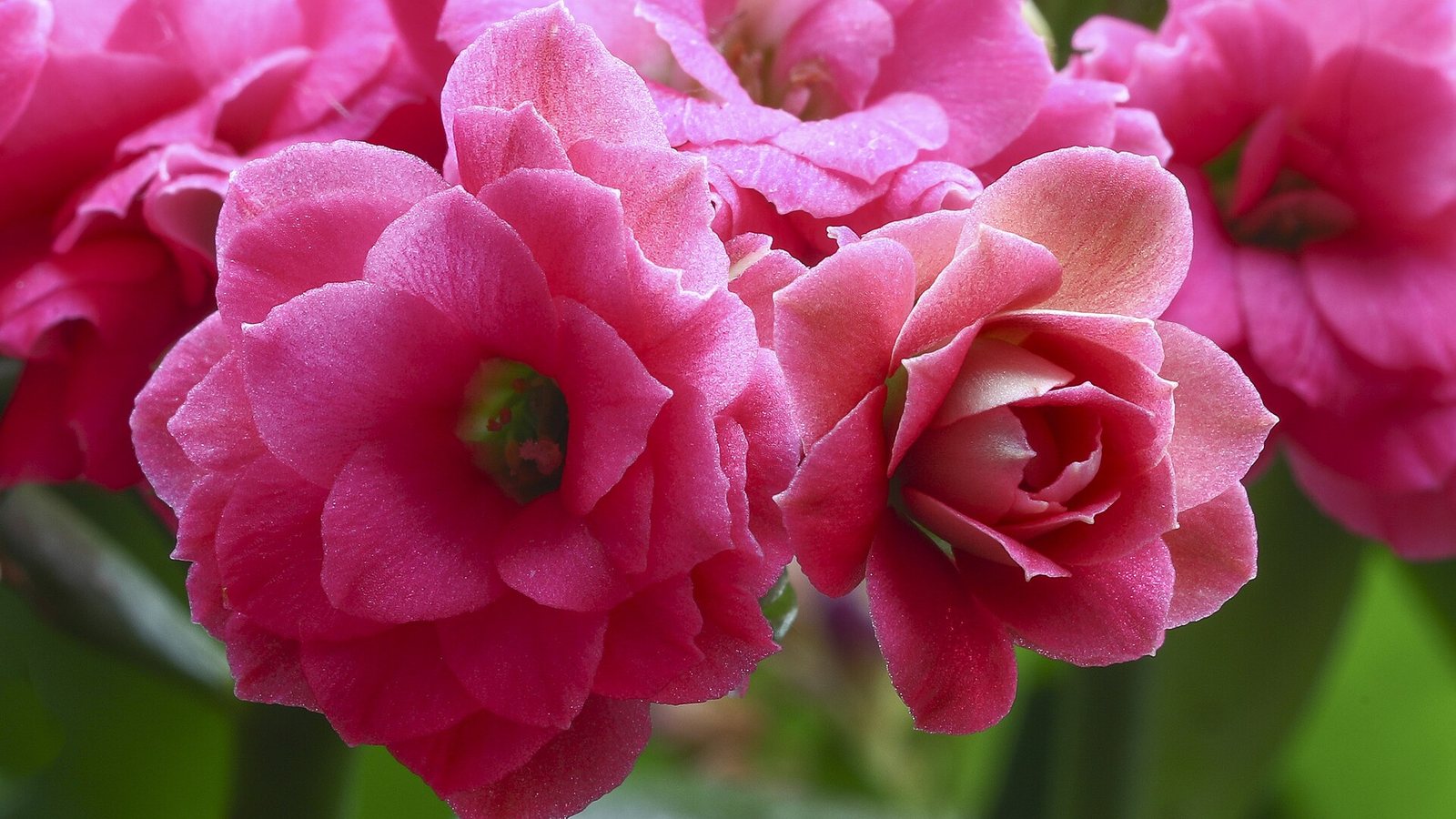
Winter-flowering plants are the main exception, but not all of them. The RHS describes winter-interest houseplants as needing occasional watering and little to no feeding, with amaryllis being the one it names for a regular feed, and only while it is in growth. It gives no feeding advice for cyclamen or orchids, so follow the label of any product you already own and keep to the lower end.
What about Christmas cactus and other winter bloomers?
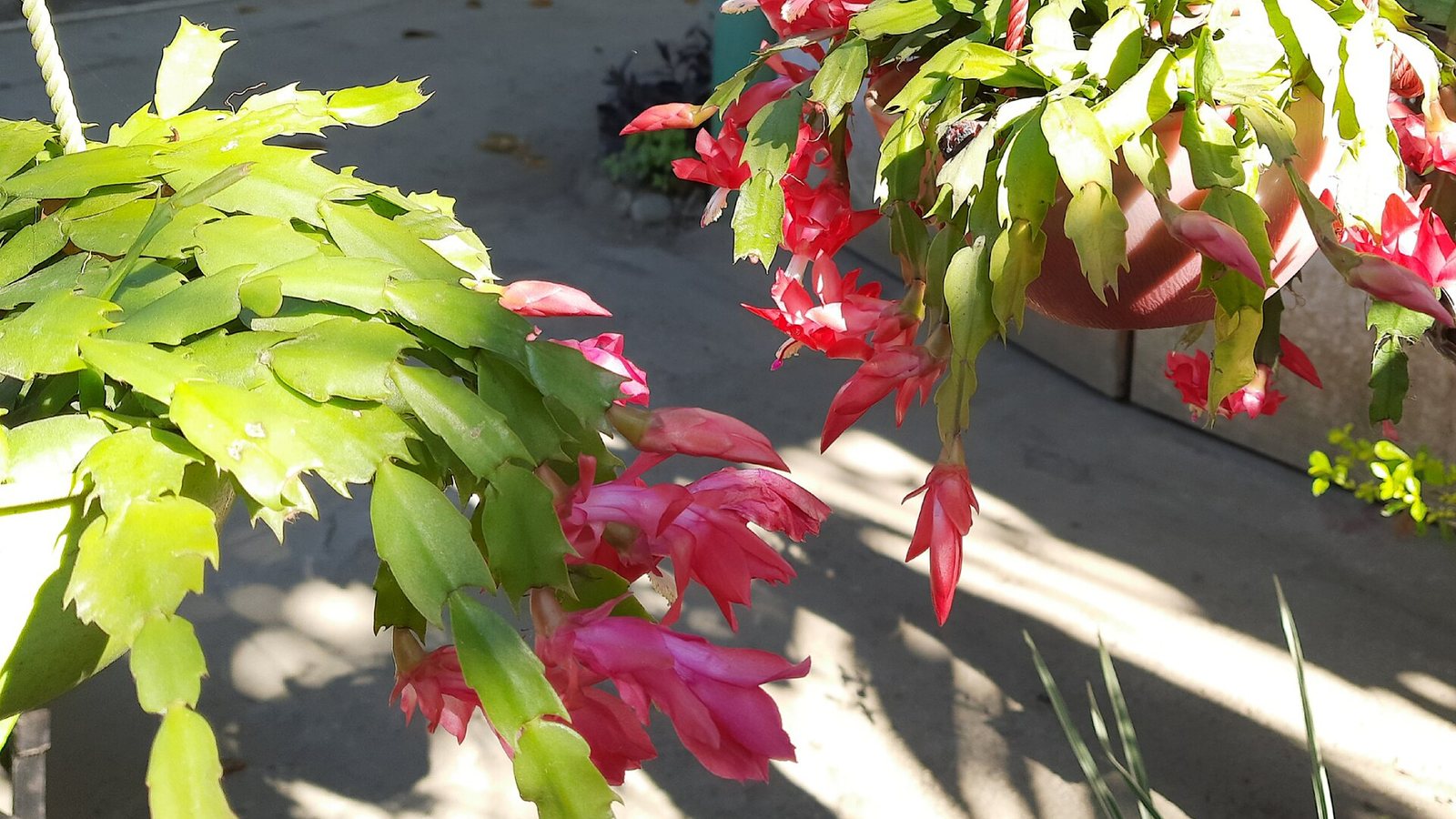
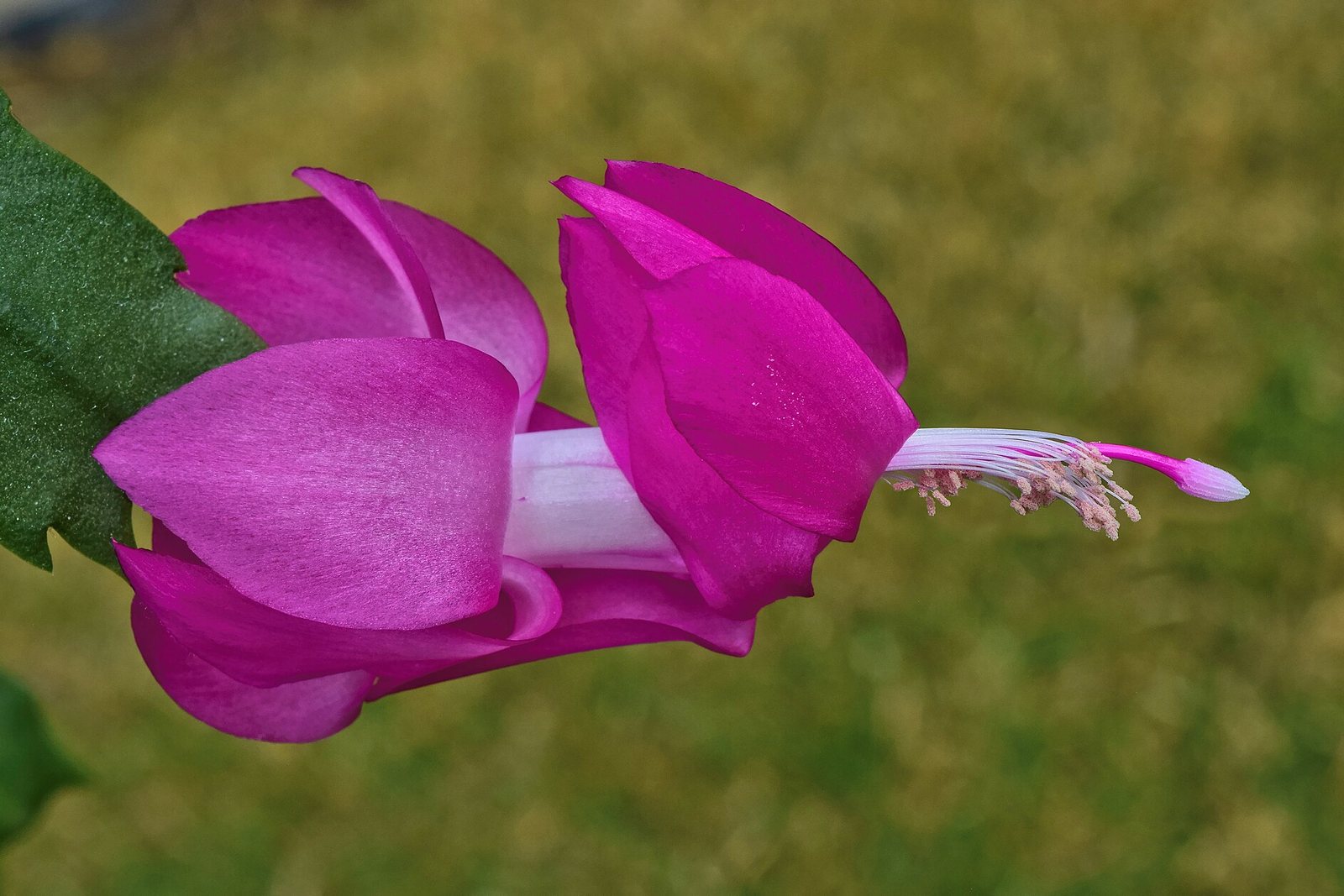
The sources do not fully agree here, so be careful. Clemson Cooperative Extension says to fertilize a Christmas cactus monthly from when new growth starts in late winter or early spring through summer, with a half-strength soluble fertilizer, and to stop in late summer for more flower buds in autumn. Nebraska Extension, on the other hand, notes that a Christmas cactus that blooms in winter needs fertilizer to grow and flower well. A sensible reading: the main feeding happens before and after flowering, and a plant already in bud does not need an extra push. Keep the soil evenly moist while it is in bud and never leave water in the saucer, as Clemson advises.
How much and how often if you do feed?
Use less than the label suggests. Iowa State says all-purpose fertilizers should be used at half or a quarter of the label strength because houseplants grow more slowly than outdoor plants, while products made for houseplants can be used at label strength; always follow the label. Nebraska says that a quick-release, water-soluble product for actively growing plants can go on about every two months, and that slow-release products need even less frequent application. Water the plant first if the potting mix is dry, because fertilizer on dry roots can burn them. NC State warns that strong fertilizer salts can burn, meaning dehydrate, roots.
- Check whether your potting mix already contains slow-release fertilizer (Nebraska).
- A plant you bought recently usually has enough fertilizer for two to three months (NC State).
- Do not use more than the label says; more is not better.
What are the signs of too much fertilizer?
Winter overfeeding shows up slowly because the plant is not using what you gave it. Nebraska lists reduced growth, brown leaf tips, dead root tips or wilting, a yellow-to-white crust on the soil, and white crusty deposits around the pot rim or drainage hole. These signs can have other causes too, so compare them with brown leaf tips before deciding. Salt damage also makes plants more open to insects, diseases and root rot.
If you suspect salt build-up, flush the soil. NC State suggests watering the potting medium thoroughly and letting it drain several times. Empty the saucer afterwards. Do it with plain water at room temperature, and then wait a few weeks before you feed again.
Why not feed a little all winter just in case?
Because a resting plant cannot use it, and the extra salts are the real risk. Nebraska Extension also notes that damaged or recovering plants should not be fed. A pale plant in winter is far more often short of light than short of nutrients, and a plant sitting in cool, damp soil is better helped by waiting. If you are worried, check the roots and the light first, then the soil, and only then the feeding schedule. The more watering mistakes a plant has had, the less it should be fed: see overwatering vs underwatering before you reach for the bottle.
A simple winter fertilizer plan
- From early winter, stop feeding every plant that shows no new growth.
- Pick out the few that are still growing, such as plants under a grow light or in your brightest window, and feed them at a reduced rate.
- Keep amaryllis on a regular liquid feed while it grows, then stop when the leaves die back.
- Check the soil surface and pot rim once a month for crusts.
- Restart regular feeding when new growth shows in spring, at the strength on the label.
Flori's care reminders can schedule fertilizing for each plant and let you pause it for the winter, and its care profile for each plant lists light, watering and humidity needs. For the rest of the season, see winter houseplant care.
Frequently asked questions
Can I fertilize houseplants once in winter?
Only if the plant is growing. A plant with new leaves or flower buds in a bright window can have a weak dose. A plant with no new growth should rest.
What happens if I fertilize a dormant plant?
Nebraska Extension warns that fertilizing dormant plants can cause a harmful build-up of fertilizer salts in the soil, which can burn roots.
Should I feed my Christmas cactus while it is flowering?
Sources differ. Clemson says to stop feeding in late summer so the plant sets more buds, and to resume when new growth starts. Keep the soil evenly moist while it is in bud.
How do I fix too much fertilizer?
Flush the pot by watering thoroughly with clear water until it drains out of the bottom several times, then empty the saucer and do not feed again for a few weeks.
Do plants under grow lights need winter fertilizer?
They may. Plants given enough light often keep growing in winter, so feed them lightly while they show new growth, using half the label strength for all-purpose products.
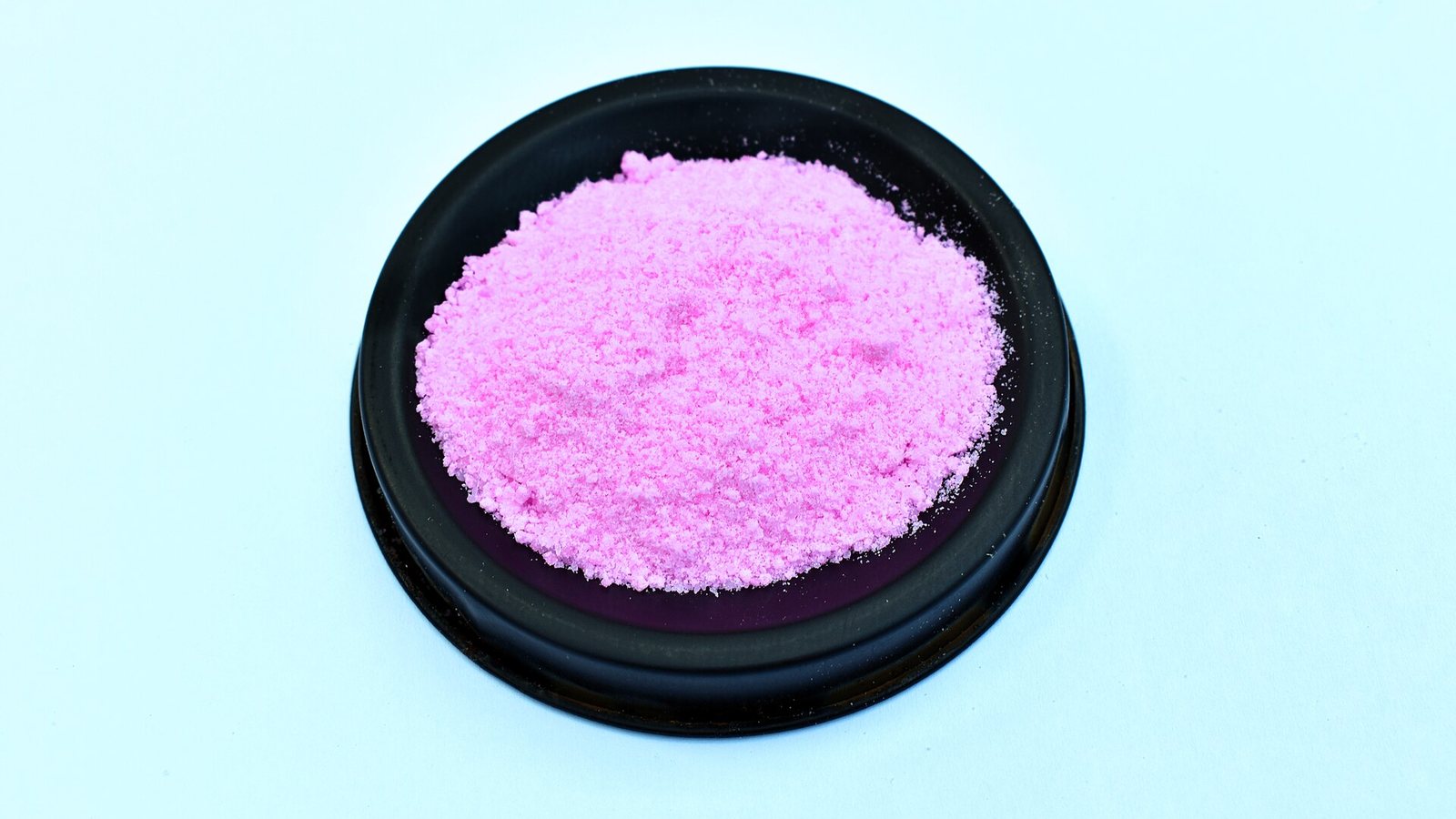
When to fertilize houseplants, how often and how strong, which plants to skip, and how to spot and flush fertilizer salt build-up, from extension advice.
Sources
Written and fact-checked by the Flori team. Every guide cites horticultural sources such as the RHS, university extension services and the ASPCA, and is updated when the advice changes. How we write our guides
General plant care information. Plants vary; when a plant is valuable or a problem spreads quickly, consult a local nursery or plant specialist.