Fertilizing Houseplants: When and How
When to fertilize houseplants, how often and how strong, which plants to skip, and how to spot and flush fertilizer salt build-up, from extension advice.
 By Flori editorial team · Updated
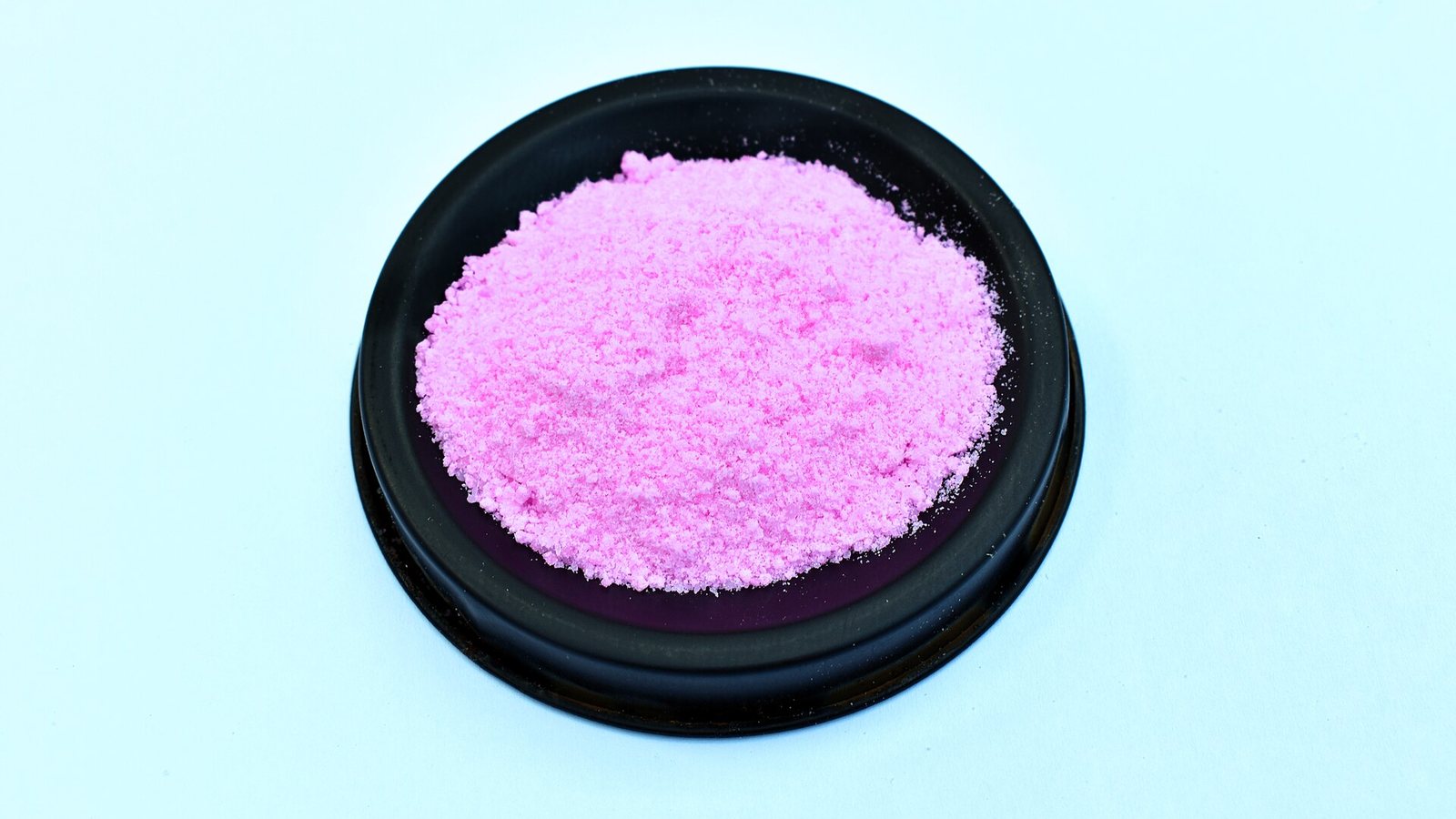 Photo: Suyash Dwivedi · CC BY-SA 4.0
Fertilize houseplants only while they are actively growing, usually spring and summer. Use a balanced houseplant fertilizer at label strength about once a month, or diluted more often, and never stronger than the label. Water dry soil first, skip newly repotted, sick or resting plants, and stop or cut back sharply in winter.
Key takeaways
- Feed only plants that are actively growing; new leaves or flower buds are the sign.
- Extension advice ranges from every two weeks to every few months, so weak and regular beats strong and occasional.
- Skip fertilizer for 2–4 weeks after repotting, for new purchases, and for sick or wilted plants.
- A white crust on the soil or pot rim means salt build-up: leach the pot with twice its volume of water.
- In winter, stop feeding most plants; only those still growing under bright light need a weak monthly dose.
On this page7
When should you fertilize houseplants?
Fertilize houseplants only while they are actively growing, which for most of them means spring and summer. Iowa State Extension says spring and summer are the best times to feed, because most houseplants rest during the short days of winter. The sign to look for is the plant itself: Nebraska Extension counts new leaves, flower buds or flowers as proof of active growth. This guide gives the when, how often and how strong in one place, with a symptom table for too much and too little, because the sources disagree on frequency and most articles quote only one of them.
Season matters less than light. A plant in a very bright south- or west-facing window (north- or west-facing in the Southern Hemisphere), or under a grow light, may keep growing through winter, and Nebraska Extension says to treat it as actively growing. A plant in a dim corner barely grows even in summer and needs far less.
Which plants should you not fertilize?
Feeding a plant that cannot use the nutrients only builds up salts in the pot. Skip fertilizer for:
- Dormant or resting plants in winter (Nebraska Extension, Iowa State).
- Newly repotted plants. Iowa State suggests waiting 2–4 weeks before regular feeding, and notes that most potting mixes already contain some fertilizer, so little or none is needed for the first few months.
- New purchases. NC State Extension says recently bought plants usually have enough fertilizer in their mix for two to three months.
- Sick, damaged, unrooted or wilted plants. Fertilizer will not fix stress; NC State advises waiting until the plant recovers. If leaves are yellowing for an unknown reason, work through our yellow leaves diagnosis guide before reaching for plant food.
How often should you fertilize houseplants?
There is no single number, and extension services give different ranges because products differ so much:
| Source | How often in the growing season | Strength |
|---|---|---|
| Iowa State Extension | Once or twice a month; overall anywhere from every 2 weeks to every 3–4 months, depending on the product | Half or quarter strength for general all-purpose fertilizers; label strength for houseplant fertilizers |
| RHS | Liquid feed once or twice a month, or quarter strength at every watering; granules once or twice a season | As labelled, or quarter strength if feeding at every watering |
| NC State Extension | Every other watering | Half strength |
| UNH Extension | Every 1–3 months | Never stronger than the label |
| Nebraska Extension | Every two months for quick-release soluble fertilizer; less often for slow-release | As labelled |
The common thread: weak and regular beats strong and occasional, and you should never mix stronger than the label says. A practical routine for most foliage plants is a houseplant liquid fertilizer at label strength once a month in spring and summer, or a diluted dose more often, adjusted to how fast the plant is growing. Fast growers in bright light sit at the frequent end; succulents and slow growers in low light sit at the rare end.
Which fertilizer should you use?
Houseplants need nitrogen (N), phosphorus (P) and potassium (K), the three numbers on the pack. UNH Extension recommends a balanced N-P-K fertilizer for most houseplants. The RHS gives a little more detail: a higher-nitrogen feed for foliage plants, one higher in phosphorus and potassium for flowering plants, and an acidic (ericaceous) fertilizer for acid-loving plants.
- Liquid or soluble powder: available to the plant straight away and easy to dilute. NC State recommends soluble fertilizers for frequent feeding.
- Slow-release granules or pellets: break down over weeks or months, so you apply them less often. Check whether your potting mix already contains them; Nebraska Extension mentions mixes that feed for up to six months.
- Organic fertilizers: they work, but the RHS warns that some can be too smelly indoors.
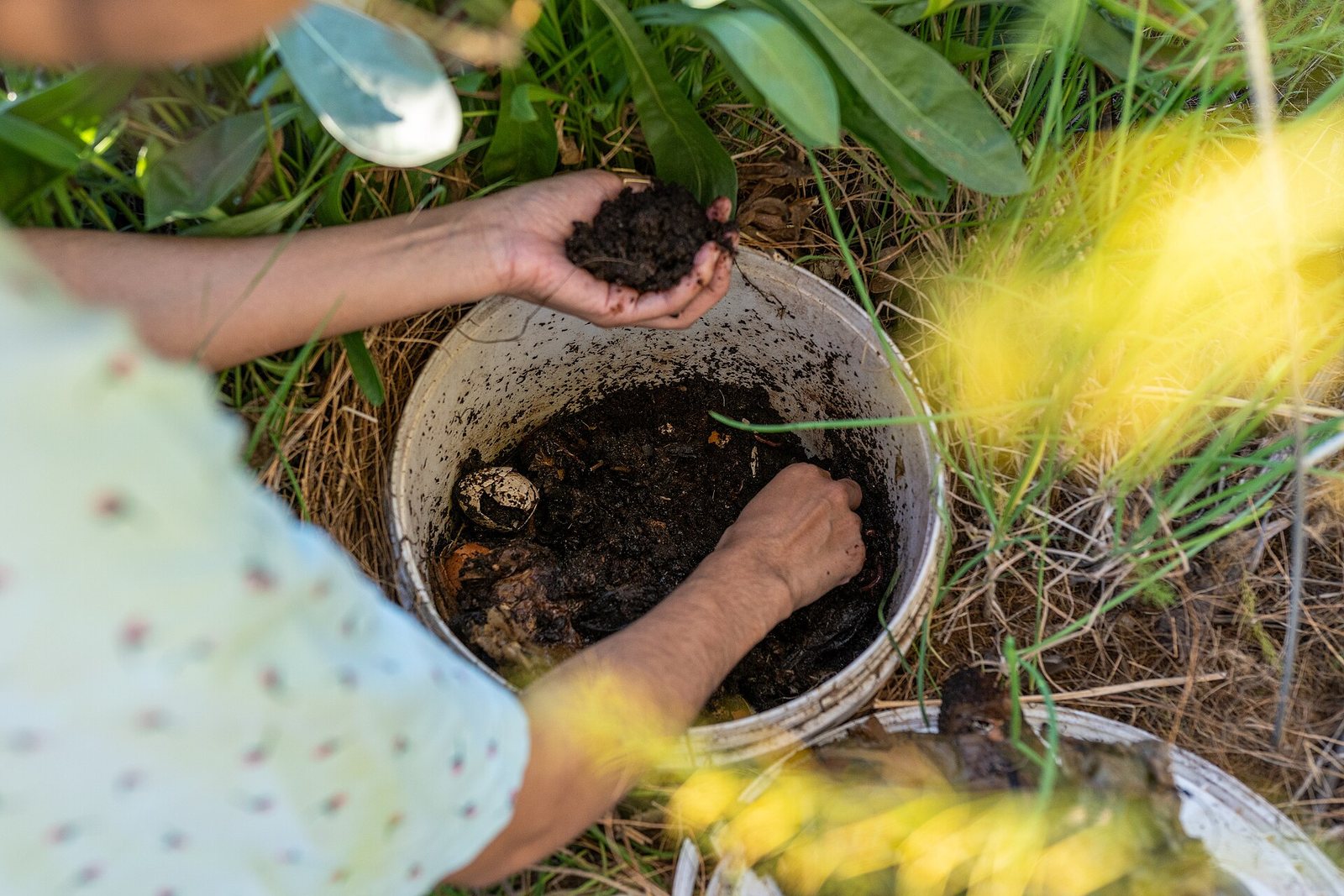
How do you fertilize a houseplant?
- Water first if the mix is dry. The RHS and NC State both warn that feeding dry soil can burn the roots.
- Measure, do not guess. Mix to the label rate or weaker, in a jug or watering can.
- Pour evenly over the soil until a little drains from the holes, then empty the saucer.
- Keep a note of the date. Flori's care reminders can track fertilizing for each plant, which makes "once a month" easier to keep.
How do you know if you are over- or under-fertilizing?
| Sign | Likely meaning | What to do |
|---|---|---|
| White or yellow crust on the soil or pot rim | Fertilizer salts building up | Scrape off the crust and leach the pot |
| Brown leaf tips and edges, wilting in moist soil | Salt burn on roots and leaf margins | Leach; feed less often or weaker |
| Plant outgrowing its pot or space very fast | Too much feed | Cut back frequency |
| Slow growth with yellow or purple tints on leaves | Possibly underfed | Start a balanced feed in the growing season |
These signs come from Nebraska and UNH Extension, and both note that brown tips and wilting also have other causes, such as watering problems. Our guide to brown leaf tips helps you tell them apart.
How to leach salts: Nebraska Extension suggests doing it every 4–6 months (UNH says about every four). Remove any surface crust, taking no more than 6 mm (1/4 in) of soil. In a sink or bath, slowly pour through twice the pot's volume of water; a 15 cm (6 in) pot holds about 1.2 litres (5 cups), so use about 2.4 litres (10 cups). Let it drain fully and do not water again until the soil dries to its usual level. If the mix is old and crusted, repotting into fresh mix is the other option; see our spring repotting and feeding checklist.
Should you fertilize houseplants in winter?
Mostly no. Iowa State and NC State say little or no fertilizer in winter, when growth almost stops, and UNH suggests putting the fertilizer away from mid-autumn until spring. The RHS is a little softer and allows feeding no more than once a month in winter. A sensible middle ground: stop for plants in ordinary rooms, and give plants that are still putting out new leaves under bright light or a grow light a weak monthly dose. Our winter houseplant care guide covers the rest of the cold-season routine.
Frequently asked questions
Can I use garden fertilizer on houseplants?
Yes, but Iowa State Extension advises mixing general all-purpose fertilizers at half or a quarter of the label strength for houseplants, because they grow more slowly than outdoor plants. Fertilizers made for houseplants can be used at label strength.
Should I fertilize a plant that looks sick?
No. NC State Extension advises against fertilizing diseased, injured or damaged plants until they recover, and Nebraska Extension adds wilted plants to the list. Find and fix the cause first.
Is slow-release fertilizer better than liquid?
Neither is better; they suit different routines. Slow-release granules feed over weeks or months with less effort, while liquid feeds act at once and are easy to adjust. Check whether your potting mix already contains slow-release fertilizer before adding more.
How long after repotting can I fertilize?
Iowa State Extension suggests waiting 2–4 weeks before regular feeding. Most fresh potting mixes contain some fertilizer, so many plants need little or none for the first few months.
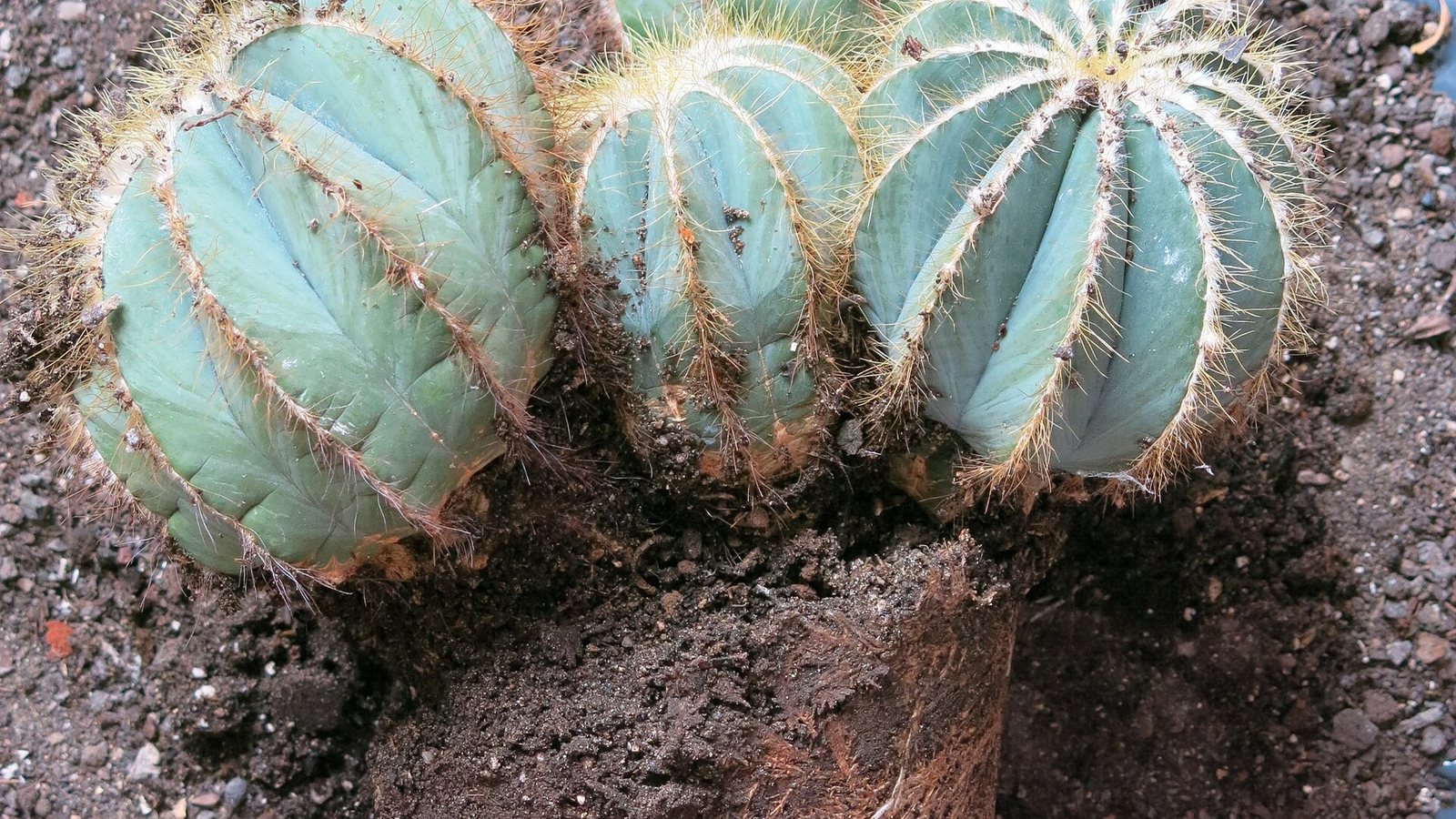
A spring checklist for houseplants in both hemispheres: check, decide who needs repotting, repot, flush salts, then start feeding at the right time.
Sources
Written and fact-checked by the Flori team. Every guide cites horticultural sources such as the RHS, university extension services and the ASPCA, and is updated when the advice changes. How we write our guides
General plant care information. Plants vary; when a plant is valuable or a problem spreads quickly, consult a local nursery or plant specialist.