Humidity for Houseplants: Which Plants Need It
Which houseplants need high humidity, which cope with dry air, and how to read the signs, plant by plant, using an extension service humidity table.
 By Flori editorial team · Updated
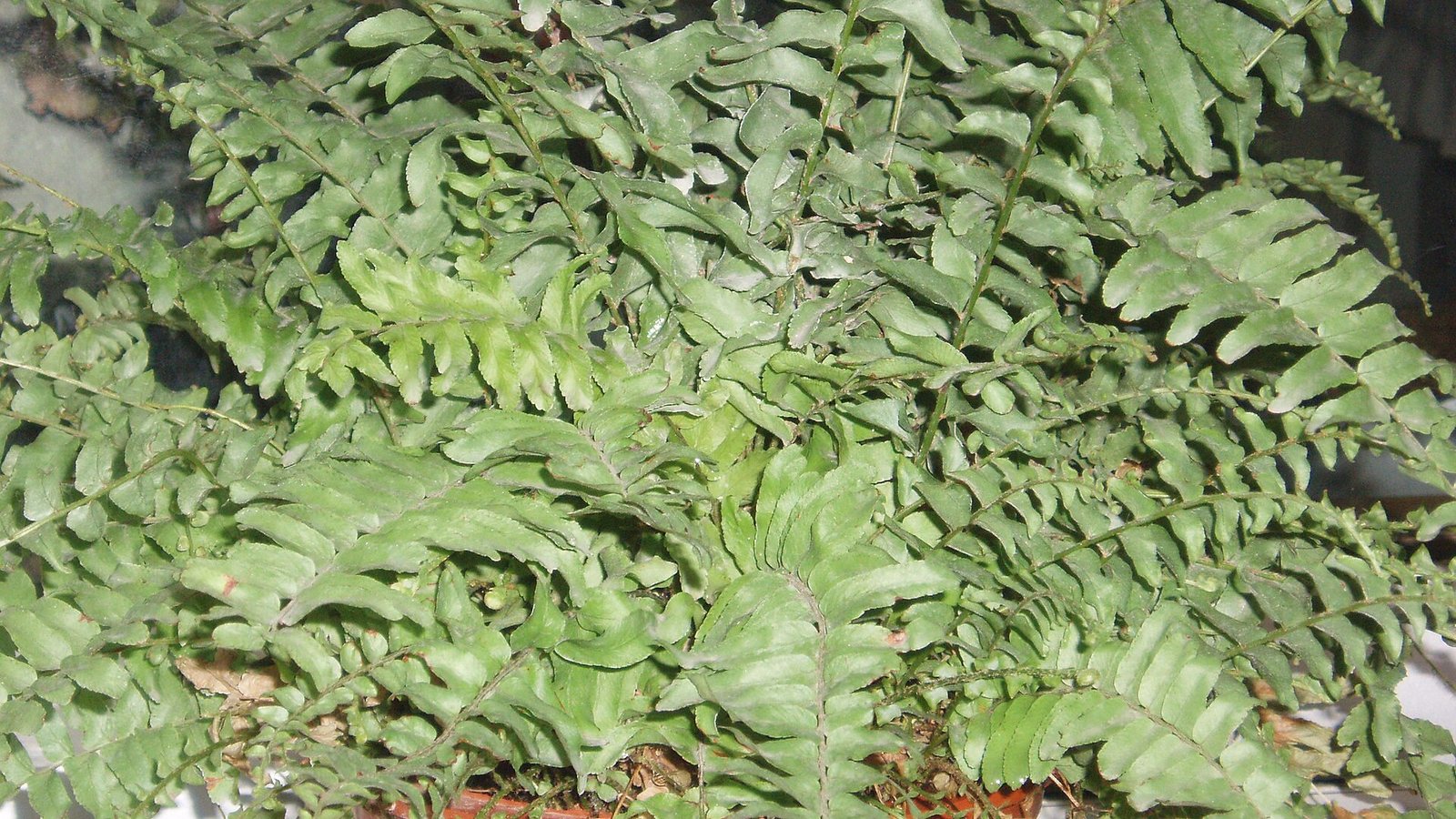 Photo: Taken by Fanghong · CC BY-SA 3.0
Humidity needs vary by plant. Nerve plants, African violets, crotons, calatheas and rex begonias want air above 50%. Pothos, philodendrons, snake plants and spider plants manage at 30–50%, and most desert cacti, jade and rubber plants cope with the 25–30% of an average heated home. Match plants to your rooms instead of humidifying everything.
Key takeaways
- One extension table sorts houseplants into low (25–30%), medium (30–50%) and high (above 50%) humidity needs.
- Nerve plants, African violets, crotons, calatheas and rex begonias are the true humidity lovers.
- Pothos, philodendrons, snake plants, dracaenas and Chinese evergreens tolerate ordinary room air.
- Desert cacti, jade and rubber plants are happiest in drier air; Christmas cactus is the exception among cacti.
- Brown, crisp edges on a humidity lover point to dry air; constantly wet leaves invite leaf spot.
On this page9
- Do all houseplants need high humidity?
- Which houseplants need high humidity?
- Which plants are fine in average room air?
- Which houseplants prefer dry air?
- Humidity needs at a glance
- What are the signs of too little humidity?
- Can humidity be too high for some plants?
- How to match plants to your rooms
- A note on pets
Do all houseplants need high humidity?
No. Humidity for houseplants is not one number, and much of the advice online treats every plant as if it came from a rainforest floor. This guide takes a different route: it goes plant by plant, using a humidity table published by the University of Nebraska–Lincoln (UNL) Extension, so you can see which of your plants really need moist air, which are fine in an ordinary heated room, and which prefer it dry. If you want the methods for raising humidity, they are in our indoor plant humidity guide; here the question is who needs it.
UNL's guide to selecting houseplants sorts plants into three classes: low humidity, 25–30%, which it calls the average home; medium, 30–50%; and high, above 50%. Iowa State University Extension adds the context that matters in winter: many houseplants prefer 40–50%, but a heated home can drop to just 10–20%. So the plants in the high class are the ones that suffer first when the heating comes on.
Which houseplants need high humidity?
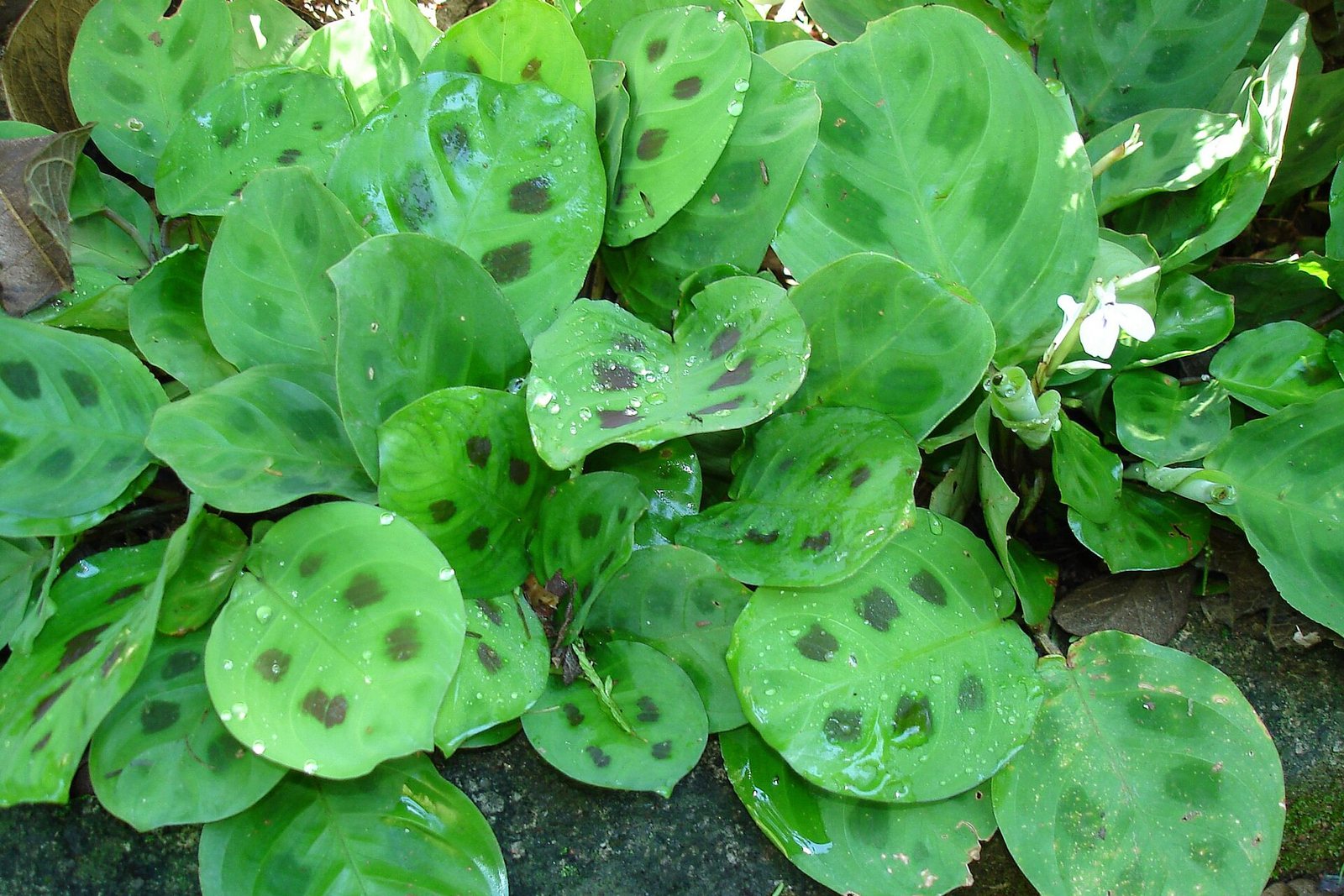
These are mostly thin-leaved plants from humid tropical forests. UNL's table puts nerve plant (Fittonia), African violet (Saintpaulia), staghorn fern (Platycerium), croton (Codiaeum), zebra plant (Aphelandra squarrosa), flame violet (Episcia), Hawaiian ti (Cordyline) and florist's cyclamen in the high class. UNL's Lancaster County office adds many ferns, rex begonias, prayer plants (Maranta) and calatheas to the list of plants that need high humidity.
If you grow several of these, they are the ones worth grouping together in your most humid room, or giving a humidifier. Nerve plants are the classic example: UNL names them as difficult precisely because of their high moisture and humidity needs.
Which plants are fine in average room air?
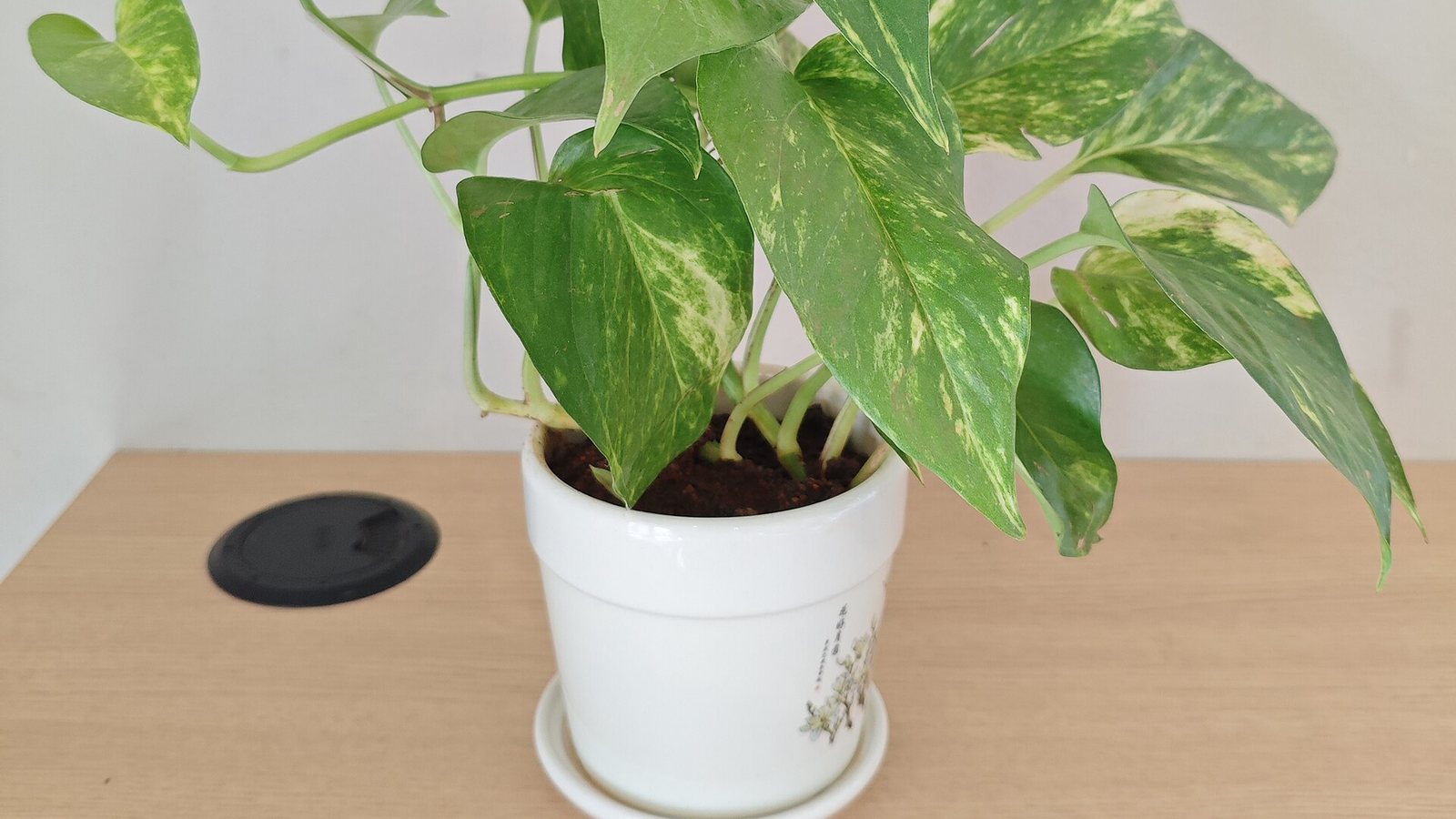
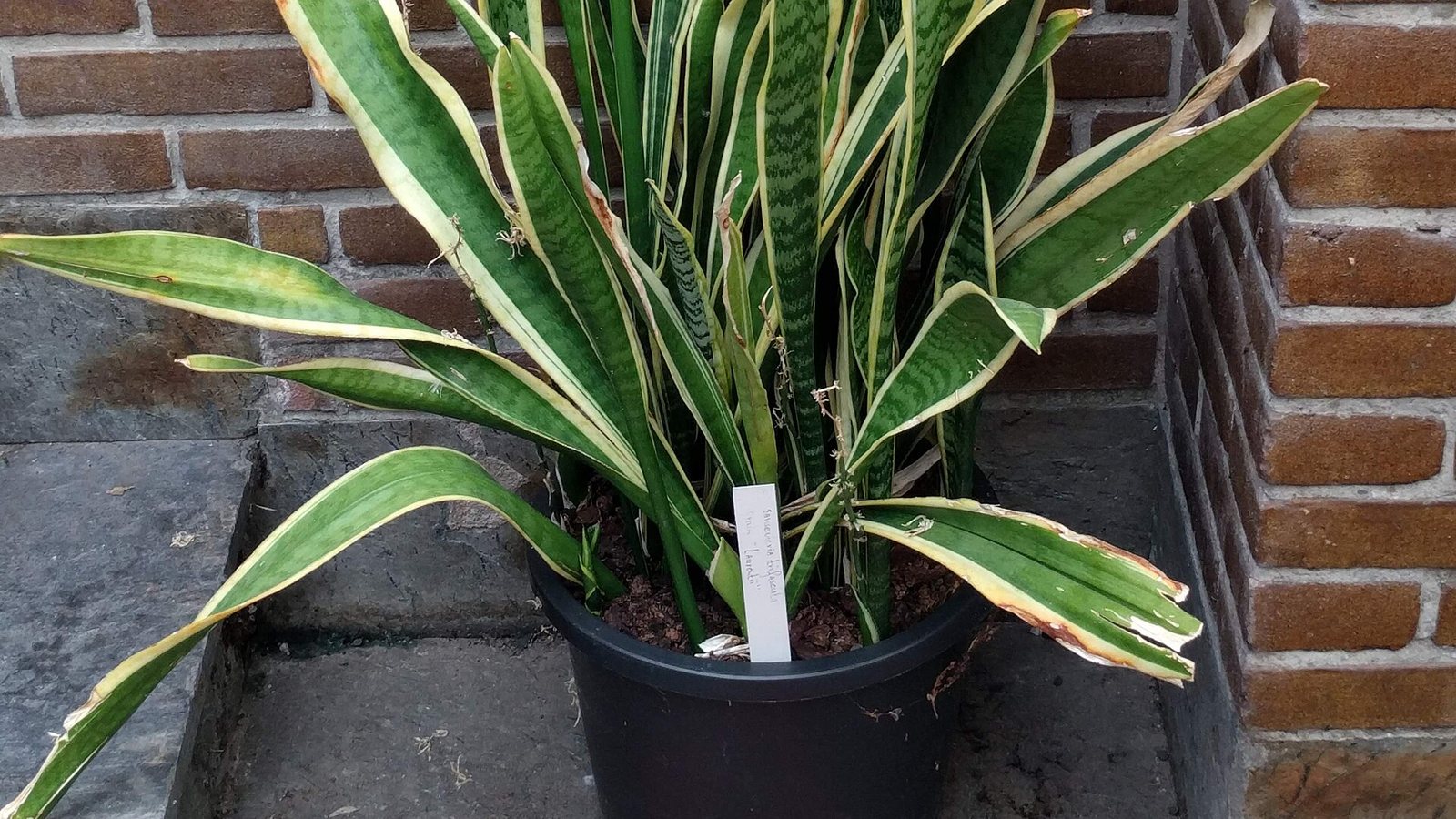
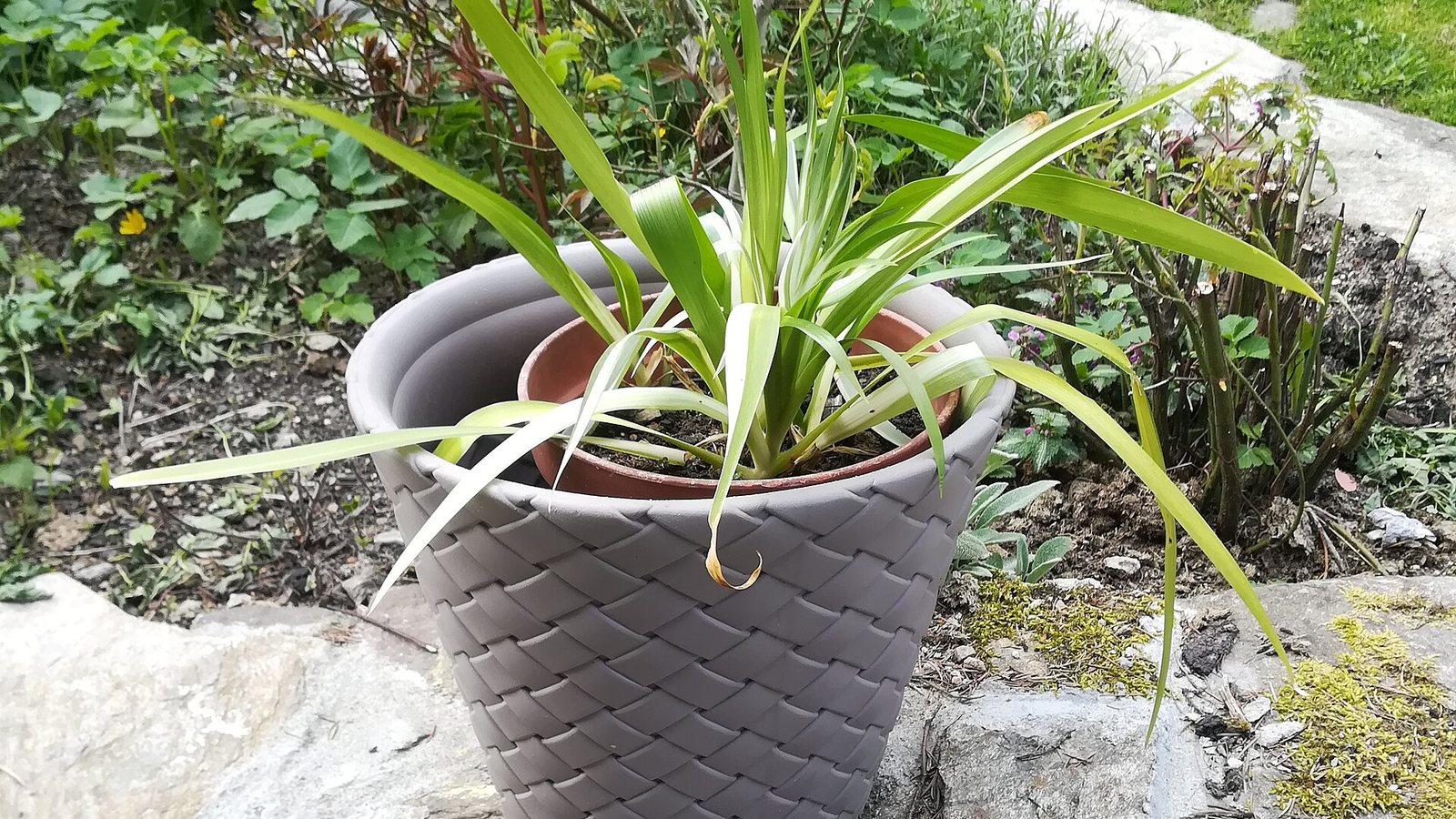
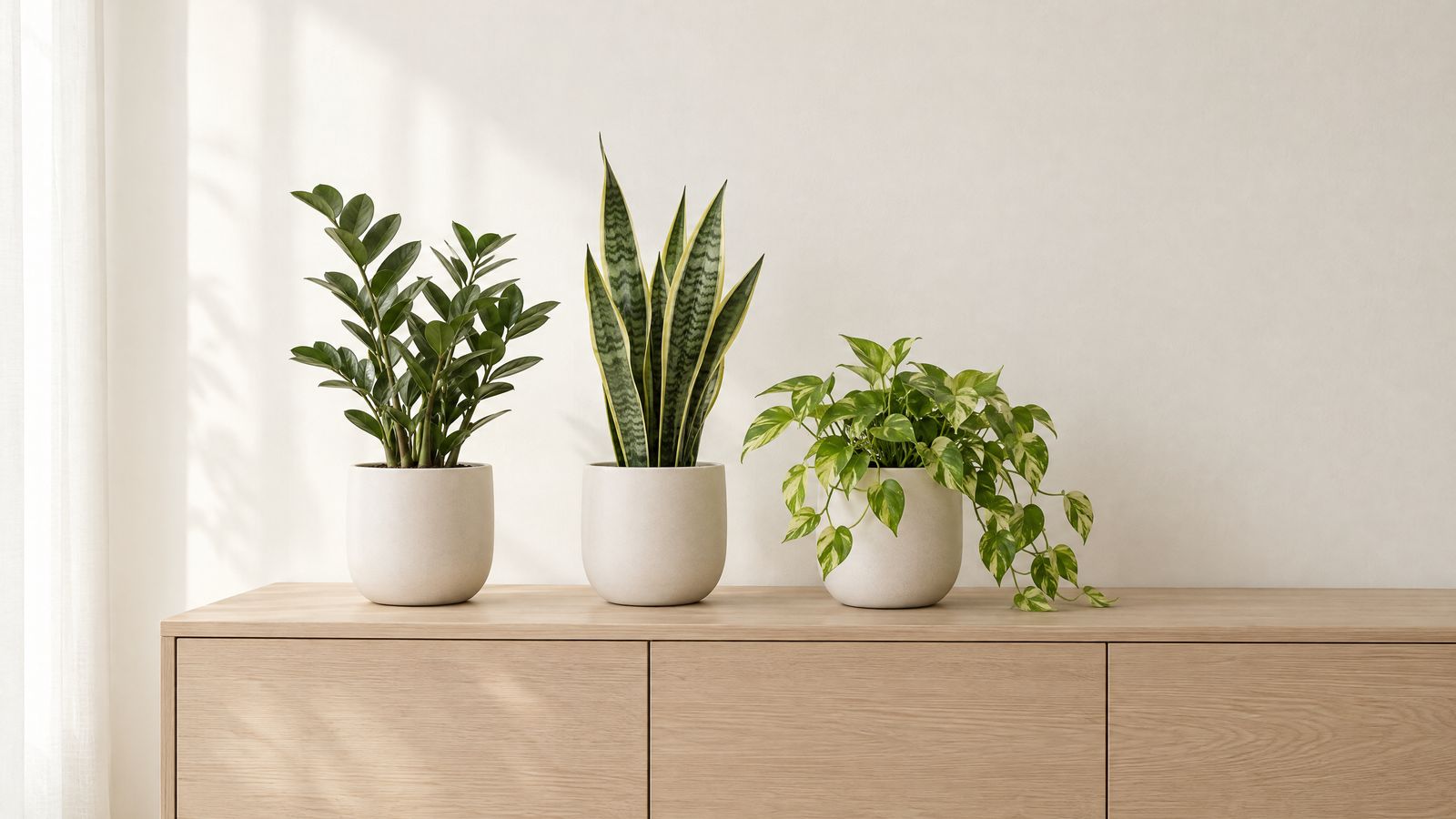
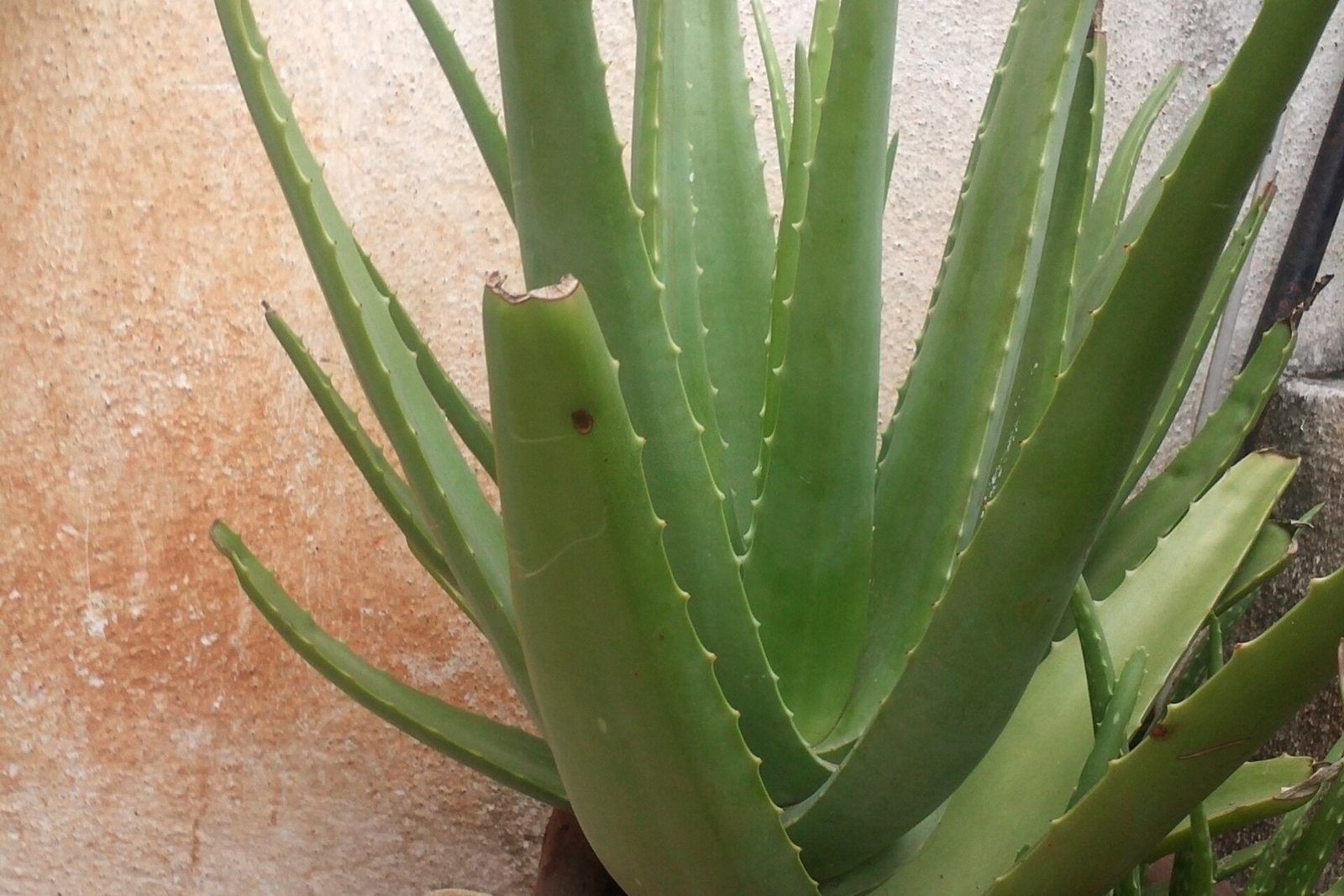
A large group of popular houseplants sits in UNL's medium class of 30–50%, which a home reaches outside the heating season and often with modest help in winter. It includes pothos (Epipremnum aureum), philodendrons, snake plant (Sansevieria trifasciata), spider plant (Chlorophytum comosum), fiddle-leaf fig (Ficus lyrata), dracaenas, dumb cane (Dieffenbachia), cast iron plant (Aspidistra elatior), kentia palm and aloe.
Several of these are also named by UNL's Lancaster office as plants that tolerate low humidity: cast iron plant, Chinese evergreen (Aglaonema), pothos, philodendrons and dracaenas. That is why they appear on so many beginner lists, including ours of beginner plants that forgive mistakes.
Between the medium and high groups is a medium-to-high band. UNL places peace lily (Spathiphyllum), prayer plant, peacock plant (Calathea makoyana), asparagus fern, sword ferns (Nephrolepis, the group Boston fern belongs to) and weeping fig (Ficus benjamina) here. They survive average air, but they look their best with a little extra moisture.
Which houseplants prefer dry air?
Desert cacti and many succulents are the plants that need no extra humidity. UNL lists hedgehog, pincushion, torch and prickly pear cacti in the low class, with barrel cacti, jade plant (Crassula) and kalanchoe at low to medium. Rubber plant (Ficus elastica) and Chinese evergreen are also rated low to medium, and bamboo palm (Chamaedorea) is rated low.
One exception catches people out. Christmas, Thanksgiving and Easter cacti are forest cacti, and UNL rates them medium to high, unlike their desert relatives. Do not put them on the dry sunny shelf with the barrel cacti.
Humidity needs at a glance
| Humidity class (UNL) | Examples | Where to put them |
|---|---|---|
| High, above 50% | Nerve plant, African violet, croton, zebra plant, staghorn fern, calathea, rex begonia | Grouped together in a bright, humid room, or near a humidifier |
| Medium to high | Peace lily, prayer plant, sword and Boston ferns, asparagus fern, weeping fig, Christmas cactus | Away from radiators; grouping helps in winter |
| Medium, 30–50% | Pothos, philodendron, snake plant, spider plant, fiddle-leaf fig, dracaena, cast iron plant | Most rooms; no special equipment |
| Low to medium | Rubber plant, Chinese evergreen, jade plant, kalanchoe | Ordinary heated rooms |
| Low, 25–30% | Desert cacti, bamboo palm | Dry rooms are fine; never mist |
Treat the classes as a guide, not a law: UNL notes that these are general requirements that may need adjusting to your soil and pot, and the sources do not always agree on borderline plants such as the prayer plant.
What are the signs of too little humidity?
UNL's Lancaster office describes drying and browning around leaf edges or tips as a common symptom of low humidity. The pattern to look for is selective: the high-humidity plants in a room brown at the edges while the medium and low plants beside them stay clean. Calatheas and ferns often show it first on new leaves, which open with crisp, papery margins.
Brown tips have other causes, such as uneven watering and fertilizer salts, so do not blame the air without checking. Our guide to brown leaf tips walks through how to tell them apart. If only your snake plant has brown tips while your fern looks fine, dry air is unlikely to be the reason.
Can humidity be too high for some plants?
Moist air itself rarely harms the plants in the high class, but wet leaves can. UNL warns that continual leaf wetness makes plants more susceptible to leaf spot diseases, which is one reason misting is not a good way to raise humidity. Cacti and succulents grown in a steamy room with little light are also out of their element; give them the driest, brightest spot you have.
How to match plants to your rooms
- Measure first. A cheap hygrometer tells you which class each room falls into, summer and winter.
- Put the high class together. One humid corner with all your calatheas, ferns and nerve plants is easier than humidifying the whole home.
- Keep humidity lovers away from heat. Radiators and warm-air vents dry the air right around a plant; our winter houseplant care guide covers placement when the heating is on.
- Let low-class plants have the dry rooms. A sunny, heated living room suits cacti, jade and rubber plants.
Flori's care profile for each plant lists its humidity needs next to light, watering and temperature, so you can sort your collection by class. If a plant keeps browning anyway, Dr. Flori can work through the other possible causes from a photo or a description.
A note on pets
Several medium-class favourites are toxic to pets. The ASPCA lists golden pothos and peace lily as toxic to cats and dogs; chewing them can cause intense mouth irritation, drooling, vomiting and difficulty swallowing. If you share your home with animals, check our pet-safe houseplants before choosing what goes in the humid corner.
Frequently asked questions
Which houseplants need the most humidity?
Nerve plants, African violets, crotons, zebra plants, staghorn ferns, calatheas and rex begonias are rated for humidity above 50% by University of Nebraska–Lincoln Extension. Group them together or give them a humidifier in winter.
Does a snake plant need humidity?
No special humidity. UNL Extension rates snake plant in the medium class of 30–50%, so ordinary room air is fine and misting is unnecessary.
Do Christmas cacti like humidity?
More than desert cacti do. Christmas, Thanksgiving and Easter cacti are forest cacti that UNL rates medium to high for humidity, while most desert cacti are rated low.
How do I know if a plant needs more humidity?
Look for browning and drying at the leaf edges or tips on humidity-loving plants while drier-air plants nearby stay healthy. Rule out watering problems and fertilizer salts first.
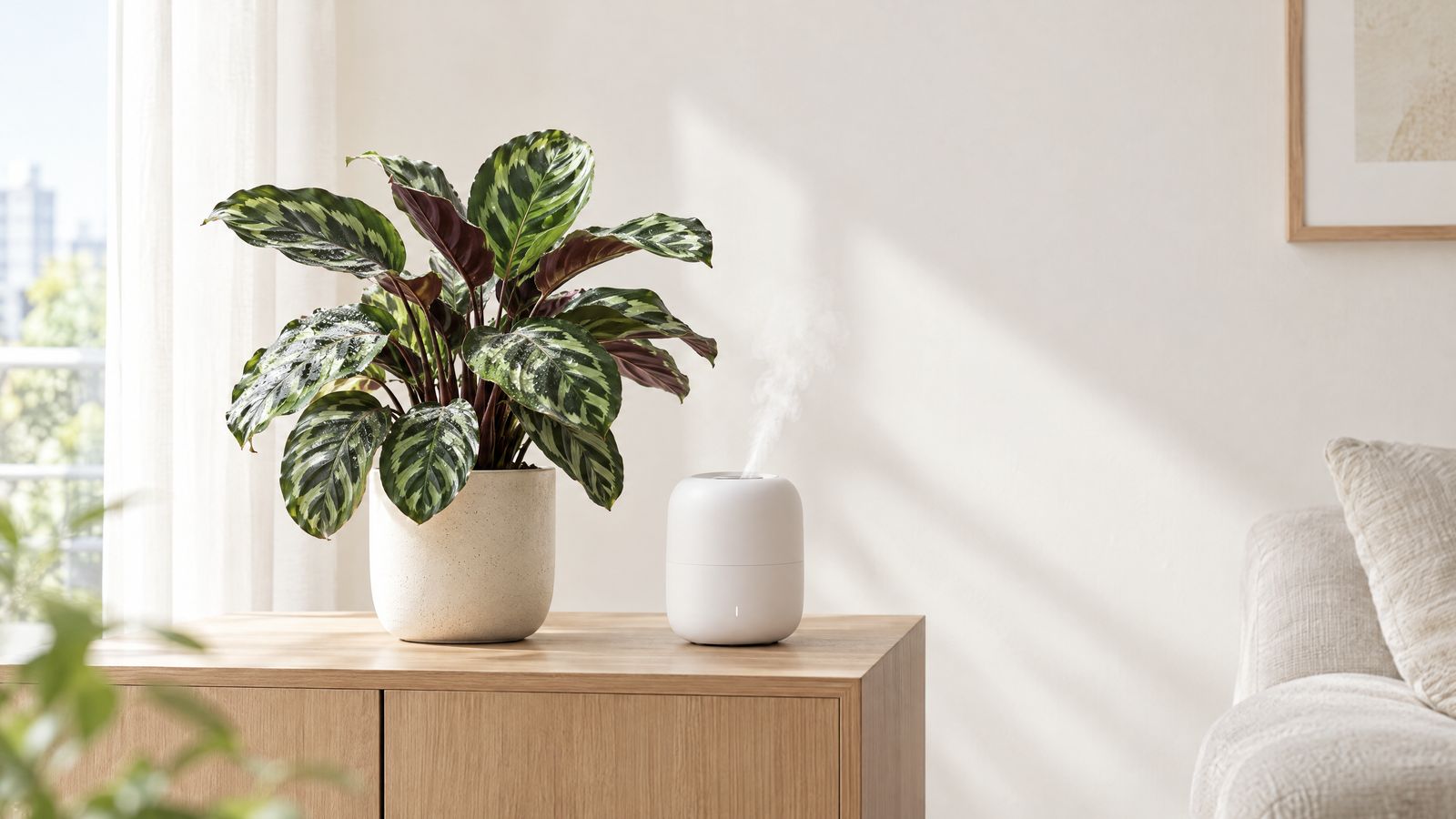
How much humidity houseplants need, which plants care most, and why humidifiers and grouping beat misting and pebble trays, according to extension experts.
Sources
- University of Nebraska–Lincoln Extension: Guide to Selecting Houseplants (G837)
- University of Nebraska–Lincoln Extension in Lancaster County: Success with Houseplants – Humidity
- Iowa State University Extension: How can I raise the relative humidity indoors for my houseplants?
- ASPCA: Golden Pothos
- ASPCA: Peace Lily
Written and fact-checked by the Flori team. Every guide cites horticultural sources such as the RHS, university extension services and the ASPCA, and is updated when the advice changes. How we write our guides
General plant care information. Plants vary; when a plant is valuable or a problem spreads quickly, consult a local nursery or plant specialist.