Flowering Houseplants That Really Bloom Indoors
Four flowering houseplants that rebloom indoors: moth orchid, African violet, hoya and kalanchoe, with what triggers blooms and pet safety.
 By Flori editorial team · Updated
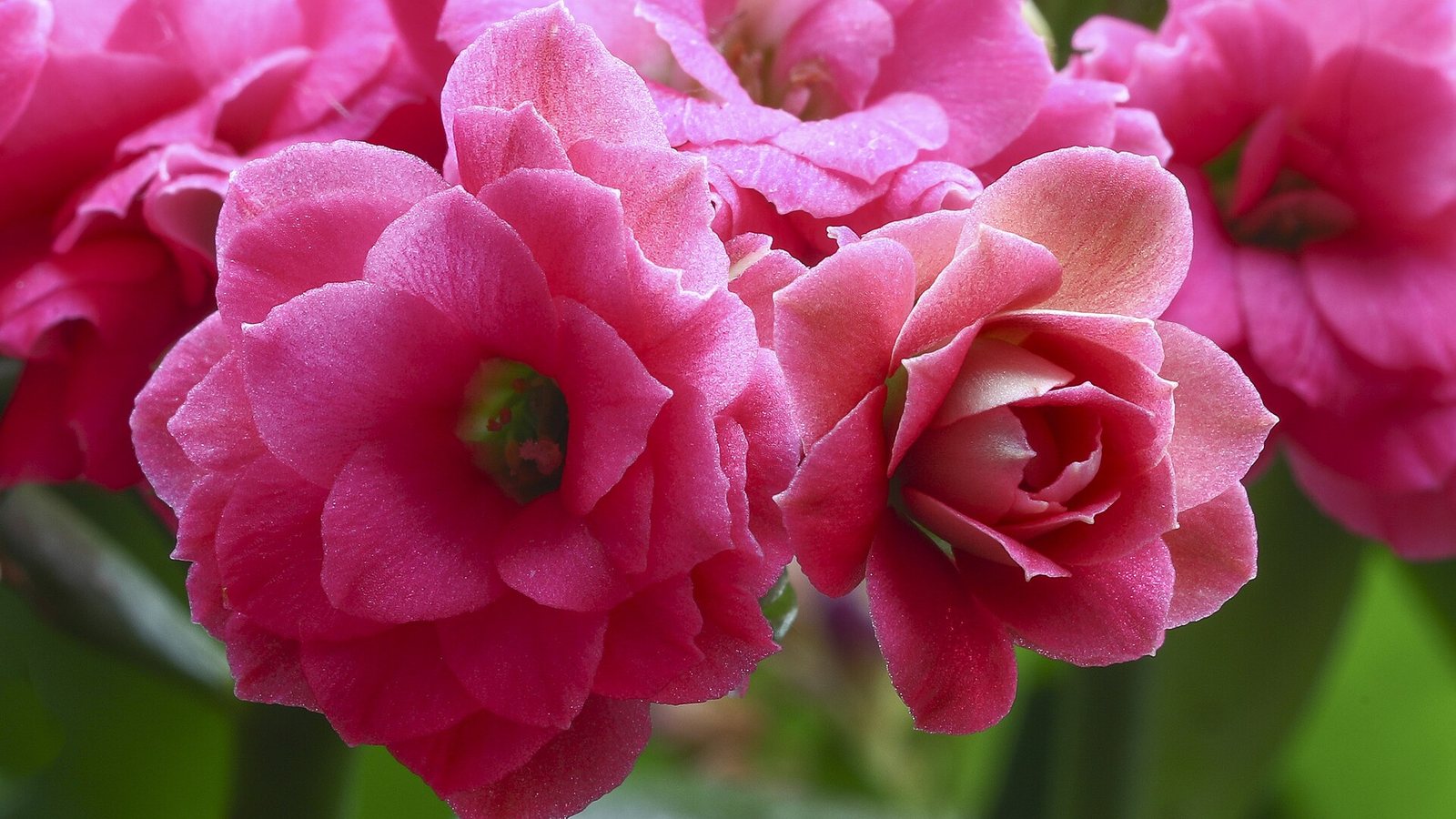 Photo: Luis Miguel Bugallo Sánchez · CC BY-SA 4.0
The flowering houseplants that most reliably rebloom indoors are the moth orchid, African violet, wax plant (hoya) and kalanchoe. Each needs bright light and one specific trigger: a cool spell, steady fertile soil, careful watering or long dark nights. The kalanchoe is toxic to cats and dogs; the other three are not.
Key takeaways
- Moth orchid, African violet and hoya are non-toxic to cats and dogs (ASPCA).
- Kalanchoe is toxic to cats and dogs and needs long dark nights to rebloom.
- Bright light is the first thing every flowering plant needs.
- Do not move a hoya in bud, and leave its flower stalks in place.
- A moth orchid may need about a month at 5 degrees cooler to make a new spike.
On this page7
- Which flowering houseplants really bloom indoors?
- Moth orchid: the long-lasting bloomer
- African violet: small, bright and always in season
- Wax plant (Hoya): flowers that come back to the same spot
- Kalanchoe: bright flowers, but toxic to pets
- Why do flowering houseplants stop blooming?
- Which of these is best for a beginner or a pet home?
Which flowering houseplants really bloom indoors?
Plenty of plants are sold in flower, but far fewer bloom again in an ordinary living room. This list keeps only the ones that do, and for each it says the thing most lists skip: what actually triggers the flowers, plus whether the ASPCA lists the plant as safe for cats and dogs. That second point matters, because several of the most popular flowering plants are toxic. Four reliable choices are covered in detail here. For plants that bloom around the holidays, our guide to the best plants to give for Christmas and New Year has more.
| Plant | Light | What triggers blooms | Cats and dogs (ASPCA) |
|---|---|---|---|
| Moth orchid (Phalaenopsis) | Bright; east or west window | Bright winter light; a cooler spell of about 5 °C (9 °F) for a month | Non-toxic |
| African violet (Saintpaulia) | Bright, filtered | Fertile mix, steady conditions | Non-toxic |
| Wax plant (Hoya carnosa) | Bright, shaded from hot sun | Plenty of light, careful watering, no moving once in bud | Non-toxic |
| Kalanchoe (Kalanchoe blossfeldiana) | 6 to 8 hours of bright light | Long nights of total darkness | Toxic |
Moth orchid: the long-lasting bloomer
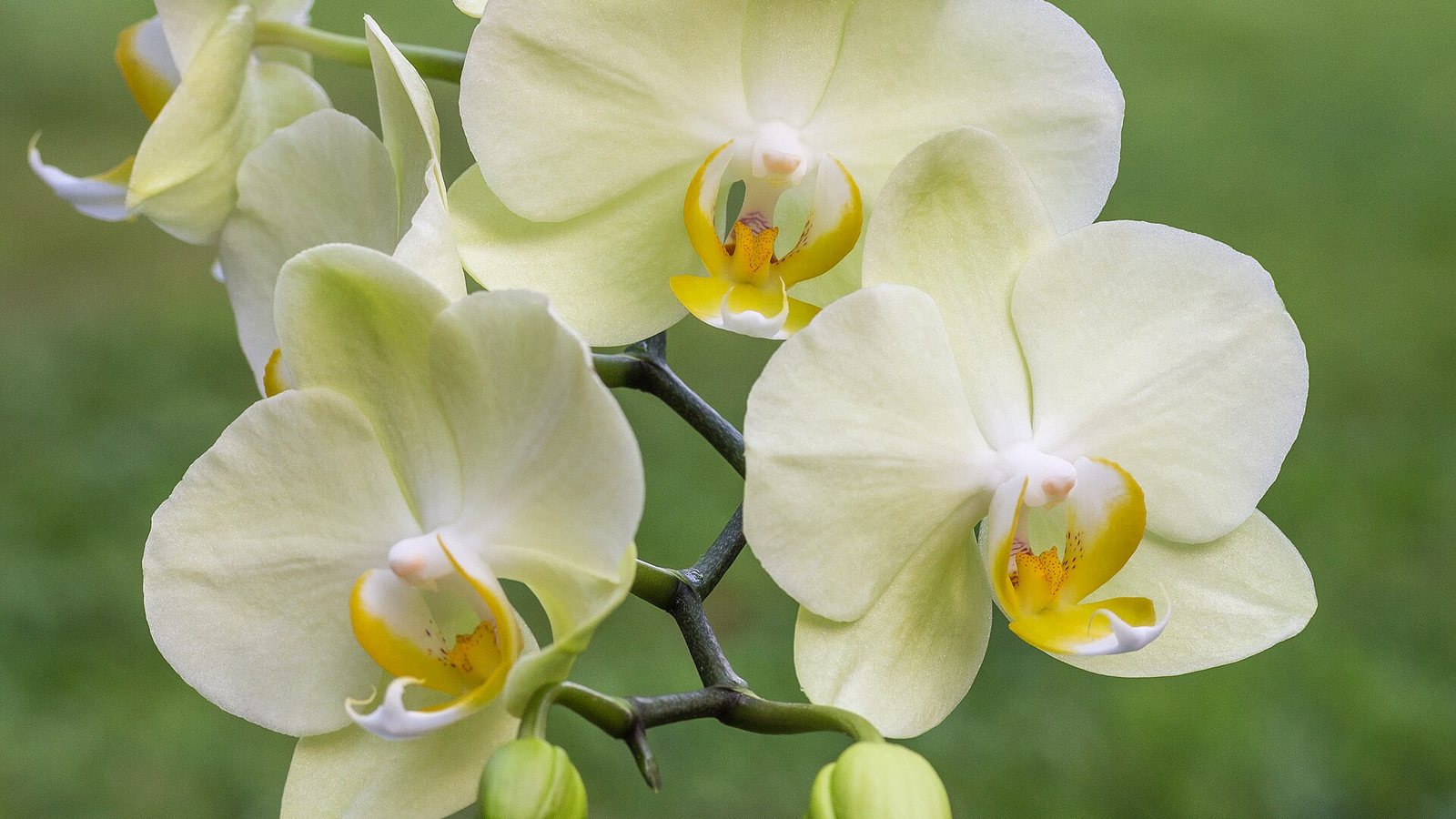
The moth orchid is the easiest orchid to flower indoors, and its blooms last for several months, according to the Royal Horticultural Society (RHS). It likes warmth, roughly 19–30 °C (66–86 °F) by day and 16–19 °C (61–66 °F) at night, and bright light in winter, which encourages flowering. An east- or west-facing windowsill works well; in summer shade it from direct sun, which can scorch the leaves.
If a healthy plant has not flowered for a long time, the RHS suggests moving it to a spot about 5 °C (9 °F) cooler for a month or so to trigger a new flower stem. After flowering, cut the stalk just above the second node below the spent blooms and a new flowering side-shoot may form. If the whole stem turns pale and dry, cut it at the base. Water with tepid water, avoid wetting the crown, and never let the roots sit in standing water. Our guide on why an orchid is not blooming goes deeper. The ASPCA lists the Phalaenopsis orchid as non-toxic to dogs and cats.
African violet: small, bright and always in season
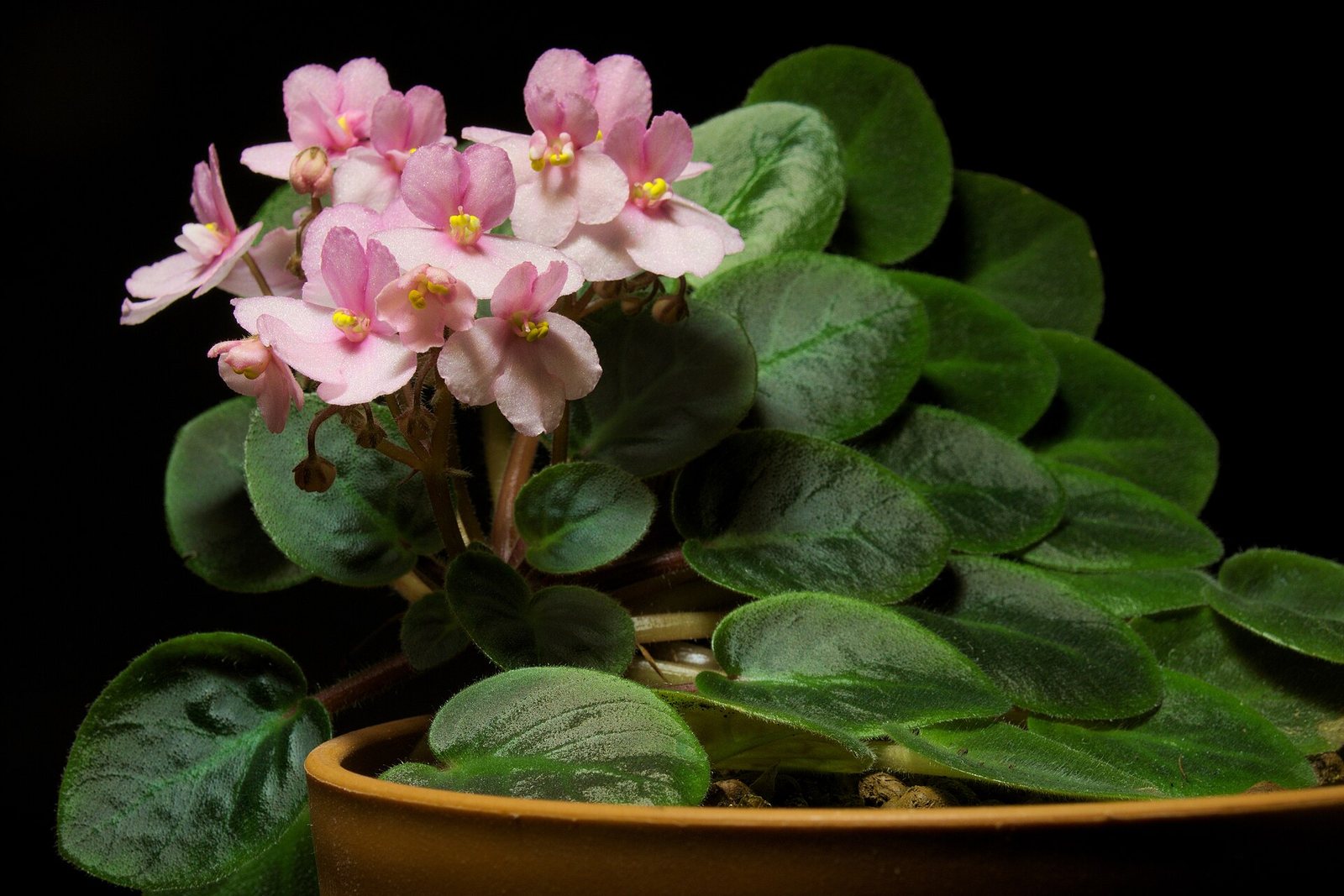
The African violet is the classic windowsill flowerer, with flowers in red, purple, blue, white or pink. NC State Extension says it prefers bright, filtered light indoors and good drainage, and that overwatering is the number one issue. Water from the bottom, keep the leaves dry, let the surface dry before watering again, and avoid very cold water, which harms the plant. Continued reblooming needs a highly fertile growing medium, so feed regularly during active growth according to the label. The ASPCA lists the African violet (Saintpaulia) as non-toxic to cats, dogs and horses, which makes it a good choice for pet homes.
Wax plant (Hoya): flowers that come back to the same spot
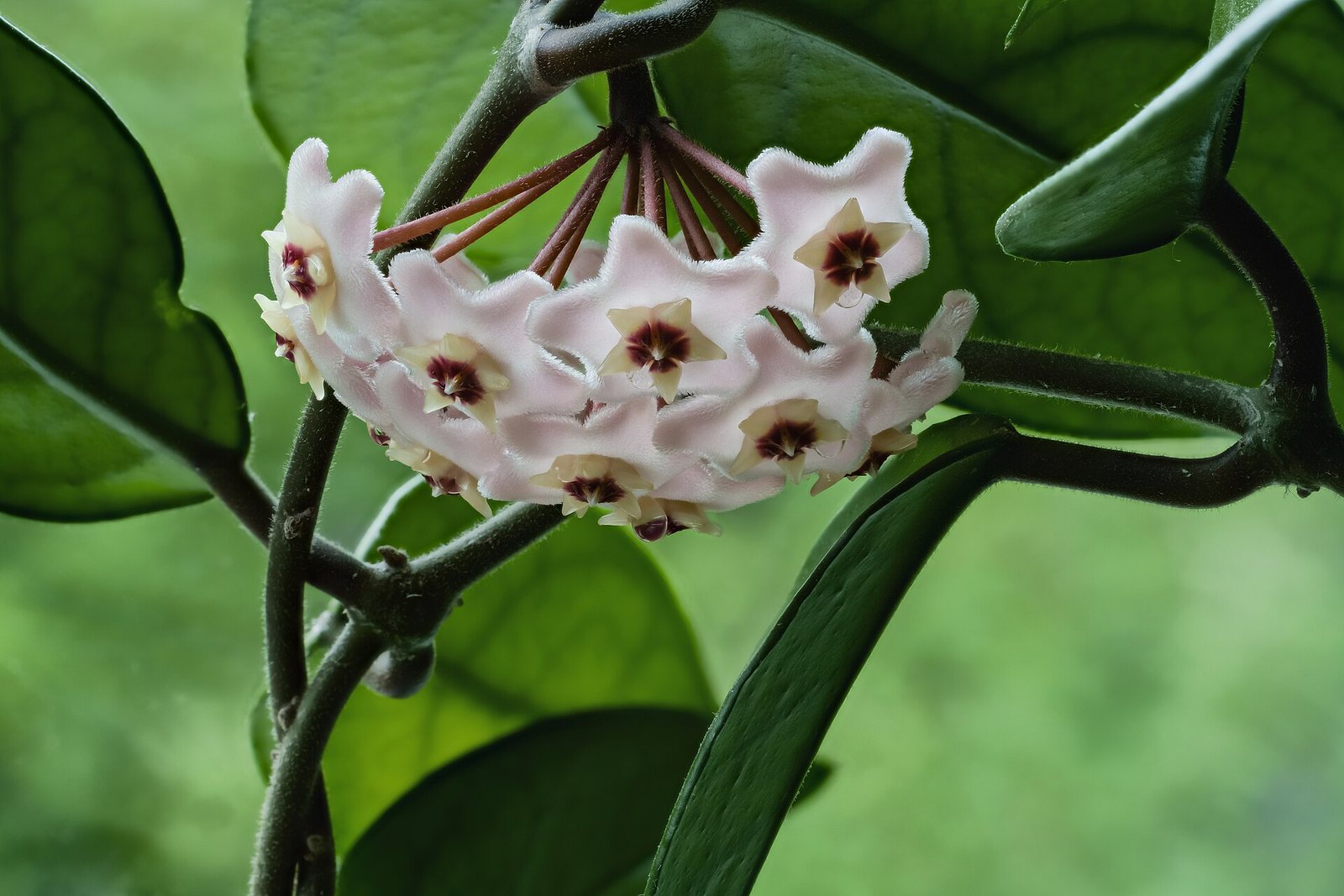
Hoyas are slow to start but reliable once they do. The RHS says they need plenty of light and careful watering to bloom: keep the compost moist but never waterlogged from spring to autumn, and let it become fairly dry between waterings in winter, though never completely dry. Temperatures of 16–24 °C (61–75 °F) in spring and summer suit them. Their buds can drop if the compost is too wet or too dry, or if the light changes, so do not move a plant that is in bud.
One tip is worth remembering: do not remove the flower stalks after blooming. The RHS says leaving them often gives more flowers from the same spots and may give a second flush. The ASPCA lists the wax plant (Hoya carnosa) as non-toxic to cats and dogs.
Kalanchoe: bright flowers, but toxic to pets
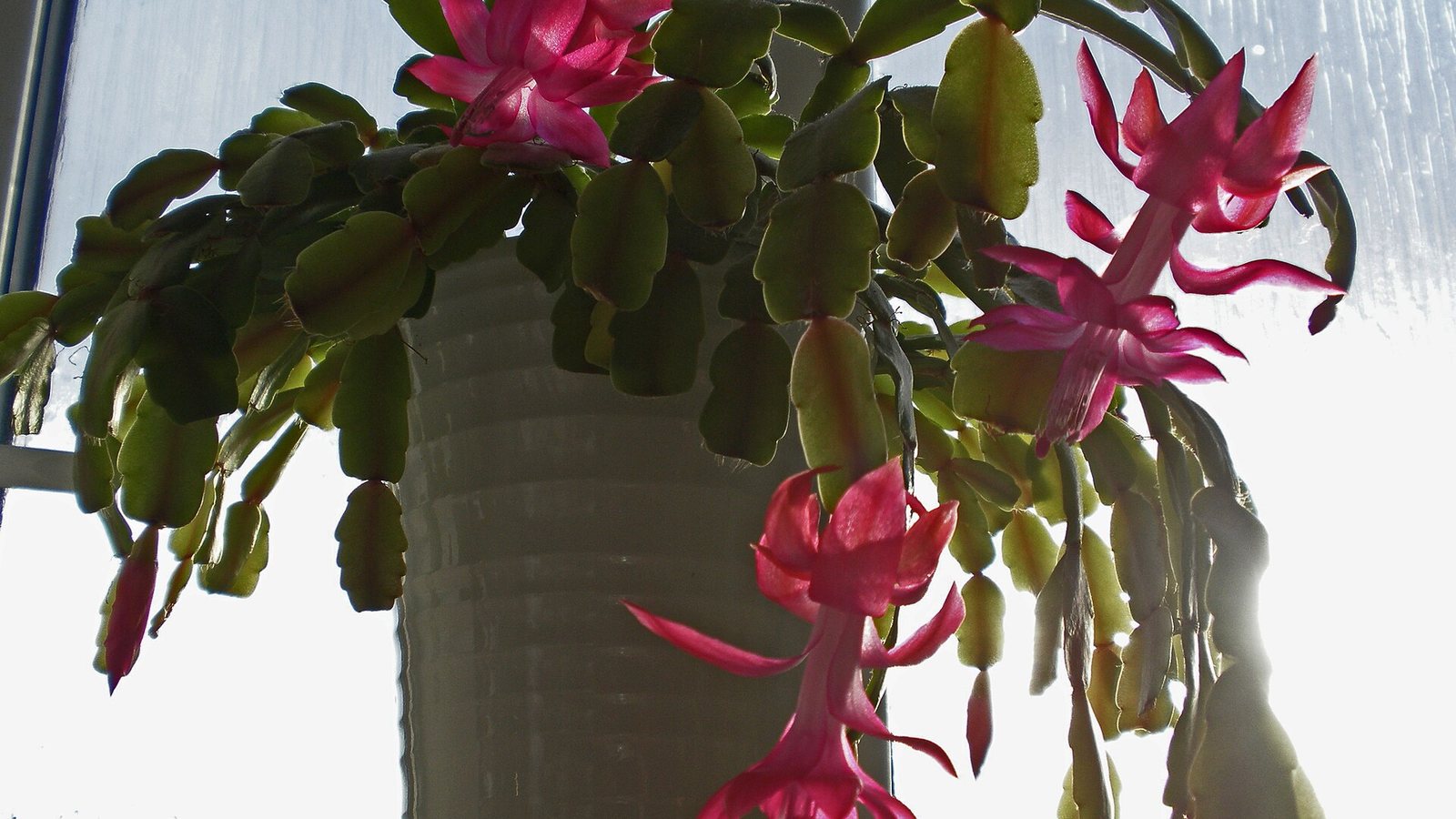
The kalanchoe is cheap, cheerful and one of the most forgiving plants for a sunny sill. NC State Extension says it needs 6 to 8 hours of bright light daily to bloom, and that it is drought tolerant: let the soil dry out between waterings, then water deeply. Overwatering can cause root or stem rot. Removing spent flowers encourages more blooms. If it will not flower again, the usual reason is that it is not getting enough darkness. In autumn and winter it needs total darkness for 14 hours a day for at least six weeks to reset its bloom cycle, so a bright hallway with the light on at night will not work.
The ASPCA lists kalanchoe as toxic to dogs and cats, with signs including vomiting, diarrhoea and, rarely, abnormal heart rhythm. If you have pets that chew plants, choose another plant from this list or keep it well out of reach. Our guide to pet-safe houseplants for cats and dogs has more options.
Why do flowering houseplants stop blooming?
Almost always it is one of four things. Use this table to find yours.
| What you see | Likely cause | What to do |
|---|---|---|
| Healthy leaves, no flowers | Too little light | Move closer to a bright window or add a grow light |
| Buds form, then drop | A change in light, or compost too wet or too dry | Keep the plant in one place once it is in bud and water steadily |
| Kalanchoe in a lit room | Nights too short | Give it long nights of total darkness for six weeks |
| Large moth orchid, warm room, no spike | No cool spell | About 5 °C (9 °F) cooler for a month |
| African violet leaves only | Poor feeding or soggy mix | Fertile mix, bottom watering, label-rate feed |
Light comes first. If you are not sure how bright a spot is, read how to measure light with Flori, or add a lamp as described in the grow lights guide. Flori's Smart light meter can also check a window. Once a plant is in your collection, the care profile gives its light and watering needs, and care reminders help keep the watering steady.
Which of these is best for a beginner or a pet home?
For a bright window and a pet-friendly home, the moth orchid and the wax plant are the easiest of the four, and the African violet suits a smaller space. The kalanchoe is the least suitable if you have a cat or dog. For a first flowering plant that needs little attention, choose the moth orchid, and move on to the others as your confidence grows.
Frequently asked questions
Which flowering houseplant is easiest?
The moth orchid is the easiest orchid to flower indoors and its blooms last several months (RHS). It needs bright light, warmth and steady watering.
Which flowering houseplants are safe for cats and dogs?
The ASPCA lists the Phalaenopsis orchid, African violet and wax plant (Hoya carnosa) as non-toxic to cats and dogs. It lists kalanchoe as toxic.
Why do my plant's flower buds fall off?
Bud drop is often caused by a change in light, or compost that is too wet or too dry (RHS, on hoya). Keep a plant in bud in one place and water steadily.
How do I make a kalanchoe flower again?
NC State Extension says it needs 14 hours of total darkness a day for at least six weeks in autumn or winter, plus 6 to 8 hours of bright light by day.
Sources
Written and fact-checked by the Flori team. Every guide cites horticultural sources such as the RHS, university extension services and the ASPCA, and is updated when the advice changes. How we write our guides
General plant care information. Plants vary; when a plant is valuable or a problem spreads quickly, consult a local nursery or plant specialist.